BACKGROUND:Dilated cardiomyopathy (DCM) and arrhythmogenic cardiomyopathy (ACM) are progressive cardiac muscle disorders with phenotypic and genetic overlap. Although a male predominance is noted in DCM/ACM, it remains unclear whether this extends to specific genetic subtypes or reflects variation in disease stage and whether sex influences age-dependent disease onset across pediatric and adult groups. OBJECTIVES:The aim of this study was to define sex-based differences in genetic architecture and age at diagnosis of DCM/ACM across pediatric and adult populations. METHODS:Genetically tested adult and pediatric DCM/ACM patients and asymptomatic genotype-positive relatives enrolled in the multicenter SHaRe (Sarcomeric Human Cardiomyopathy Registry) were analyzed. Sex distribution across 27 DCM- and ACM-associated genes was evaluated using logistic regression. Age at diagnosis was compared across sex and genes using Kaplan-Meier cumulative incidence estimates. RESULTS:Among 3,410 patients, a 61% male predominance was present across subgroups of genotype positive, genotype negative, and variants of uncertain significance (P = 0.008), with significant gene-specific variation. TTN truncating variants (TTNtv) were less common in females (OR: 0.42 [95% CI: 0.33-0.54]; P < 0.01), while DSP (OR: 3.3 [95% CI: 2.35-4.78]; P < 0.01) and grouped non-TTN sarcomeric variants (ACTC1, TNNT2, MYH7, TNNC1, TNNI3, and TPM1) were more common (OR: 1.68 [95% CI: 1.15-2.47]; P < 0.001) in females compared with males with DCM/ACM. Age at diagnosis was comparable between sexes, except in TTNtv carriers, among whom males exhibited earlier disease onset compared with females (median age 45 years [Q1-Q3: 33-55 years] vs 51 years [Q1-Q3: 38-60 years]; P = 0.003). Pediatric-onset (diagnosis at <18 years) cases (n = 174) also demonstrated a male predominance (60% male) but had distinct genetic characteristics, with non-TTN sarcomeric and PKP2 variants being more prevalent compared with adult-onset disease (non-TTN sarcomeric OR: 5.5 [95% CI: 3.3-8.9; P < 0.01]; PKP2 OR: 2.8 [95% CI: 1.1-5.2; P < 0.05]) and a bimodal age at onset peaking in infancy and adolescence. CONCLUSIONS:Gene-specific sex differences influence disease prevalence and age at onset in DCM/ACM. TTNtv are more common with earlier onset in males, whereas DSP and non-TTN sarcomeric variants predominate in females. Pediatric-onset DCM/ACM is genetically distinct and caused predominantly by non-TTN sarcomeric variants, especially during infancy. These findings support age- and sex-informed surveillance strategies and prioritize future research into the mechanisms of observed sex-based differences.
Importance:Accurate patient understanding of prognosis is essential for informed decision-making to pursue therapies for advanced heart failure (HF). Objectives:To evaluate (1) patient characteristics associated with overestimating survival with HF and (2) whether overestimation is associated with mortality. Design, Setting, and Participants:This prospective cohort study was an exploratory secondary analysis of data from the multicenter US Registry Evaluation of Vital Information for Ventricular Assist Devices (VADs) in Ambulatory Life (REVIVAL) study. Participants were high-risk ambulatory patients with HF with reduced ejection fraction enrolled from July 2015 to June 2016. Data were analyzed from December 1, 2024, to December 16, 2025. Exposures:Patient characteristics (eg, age) and estimation index (EI), defined as the ratio of patient-estimated life expectancy to Seattle Heart Failure Model (SHFM)-estimated mean survival (EI <0.5, discordantly pessimistic; 0.5 to <1.5, concordant; and ≥1.5, discordantly optimistic). Main Outcomes and Measures:Primary outcomes were EI and 2-year all-cause mortality. Factors associated with EI were estimated using ordered logistic regression. Association between EI and mortality was assessed using a cause-specific Cox proportional hazards regression model with VAD and heart transplant as censoring events. Results:A total of 296 high-risk, ambulatory patients with chronic HF were included; 223 (75.3%) were male, and mean (SD) age was 60.1 (11.5) years. The median SHFM-estimated survival was 8.2 years (IQR, 5.1-12.1 years), and median patient-estimated life expectancy was 7.0 years (IQR, 5.0-10.0 years). In all, 98 patients (33.1%) were discordantly optimistic. Increasing EI was associated with increased mortality in the univariable model, which was attenuated with multivariable adjustment (adjusted hazard ratio [AHR] for concordant optimism, 1.21 [95% CI, 0.49-2.99] and for discordant optimism, 2.23 [95% CI, 0.94-5.33] vs discordant pessimism). Compared with discordantly pessimistic or concordantly optimistic estimates (EI <1.5), discordant optimism was associated with increased hazard of 2-year mortality (AHR, 1.98; 95% CI, 1.04-3.77) but a similar hazard for a VAD or heart transplant compared with discordant pessimism (HR, 1.24; 95% CI, 0.64-2.41) in a post hoc analysis. Conclusions:In this cohort study, discordant optimism regarding life expectancy compared with model estimates was common and associated with mortality that was not due to a lower probability of receiving a heart transplant or VAD. The findings suggest clinicians should objectively evaluate HF risk when considering advanced therapies, rather than relying primarily on patient-reported symptoms.
Background Fluorodeoxyglucose positron emission tomography/computed tomography (FDG PET/CT) imaging is commonly used to facilitate diagnosis in suspected cardiac sarcoidosis (CS). However, there is a gap in evidence regarding the diagnoses and outcomes of patients who undergo FDG PET/CT. Objectives Evaluate the diagnoses and outcomes of patients referred for FDG PET/CT imaging for suspected CS. Methods We studied all consecutive patients referred to our center for FDG PET/CT for suspected CS from June 2006 to November 2023. Patients were characterized by their final clinical diagnosis and followed to a composite outcome of left ventricular assist device placement, heart transplant, or death. Results A total of 1646 patients (mean age 58.4 ± 12.4 years; 66 % male) met inclusion criteria: 285 (17.3 %) with Heart Rhythm Society (HRS) criteria positive CS, 83 (5.0 %) with probable CS, 237 (14.4 %) with sarcoidosis but without HRS criteria for CS, and 1041 (63.2 %) with other diagnoses. 227 patients (13.8 %) underwent genetic testing, of whom 32 (14.1 %) were found to have a pathogenic/likely pathogenic variant. Over a median follow up of 4.4 years, 327 patients (19.9 %) met the primary outcome. There was no significant difference in outcomes by diagnosis (log-rank p = 0.4936). Conclusions Most patients referred for FDG PET/CT for suspected CS were not found to have CS in follow up. However, they are at similar risk for the need for advanced therapies and many are found to have genetic CMP. These data highlight the importance of advanced heart disease consultation and referral for genetic testing in this population.
BACKGROUND:The benefit of implantable cardioverter-defibrillators (ICDs) and cardiovascular resynchronization therapy defibrillators (CRT-Ds) in patients supported with a HeartMate 3 left ventricular assist device (LVAD) remains uncertain. METHODS:An analysis was done of the Multicenter Study of MAGLEV Technology in Patients Undergoing Mechanical Circulatory Support Therapy with HeartMate 3 (MOMENTUM 3) randomized clinical trial and the first 1000 patients in the Continued Access Protocol (CAP) trial. Patients were divided into 3 groups based on the presence of an ICD and/or CRT-D: No device (n = 153, 11%), ICD only (n = 699, 50.4%), and CRT-D (n = 535, 38.6%). We assessed the association of ICDs or CRT-Ds with overall mortality, ventricular arrhythmias (VAs), rehospitalization rates, quality of life, and the 6-minute walk test distance at 2 years' follow-up. RESULTS:Patients with an ICD or CRT-D had similar survival to those without (hazard ratio [HR], 1.3; 95% CI 0.8-2.1, P = .36) with no differences in rehospitalizations, quality of life or 6-minute walk test distance. VA occurred more frequently in patients with an ICD or CRT-D (HR, 2.4; 95% CI 1.3-4.3, P = .006). Compared with an ICD alone, patients with a CRT-D demonstrated similar survival (HR, 1.1; 95% CI 0.9-1.5, P = .36). However, they had increased rates of VA (HR, 1.3; 95% CI 1.0-1.7, P = .03). There were no differences in rate of rehospitalization between those with an ICD or CRT-D and those without (P = .19) or between those with an ICD and those with a CRT-D (P = .32). A propensity-matched sensitivity analysis confirmed these findings. CONCLUSIONS:In this post-hoc analysis of the MOMENTUM 3 trial, the presence of an ICD or CRT-D at the time of HM3 LVAD implantation was associated with an increased incidence of VA but was not associated with survival, quality of life, or functional capacity. TRIAL REGISTRATION:Momentum 3 portfolio, NCT02224755 (Pivotal) and NCT02892955 (CAP).
Introduction Cardiac sarcoidosis (CS) is in the differential diagnosis of cardiomyopathy (CMP), atrioventricular (AV) block, and/or ventricular tachycardia (VT). Fluorodeoxyglucose positron emission tomography/computed tomography (FDG PET/CT) imaging is commonly used to facilitate diagnosis in suspected CS; however, the prognosis and final diagnosis of patients who undergo FDG PET/CT but do not have CS is unclear. Aim We aimed to study the clinical diagnoses and prognosis of patients referred for FDG PET/CT imaging who did not have biopsy evidence of sarcoidosis. Methods We retrospectively studied all consecutive patients clinically referred for FDG PET/CT at our center for suspected CS from June 2006 to November 2023. Patients with either biopsy-proven extracardiac sarcoidosis or CS and patients with FDG PET/CT evidence of extracardiac sarcoidosis were excluded. The remaining patients were further characterized according to final etiological diagnosis by subsequent testing. Incidence of the composite of ventricular assist device (VAD) placement, heart transplant, or all-cause death was examined in those with and without definitive CS. Results A total of 1,041 patients (mean age 57.9 ± 13.0; 30.1% female) met inclusion criteria: 46 ischemic CMP, 63 genetic CMP (pathogenic variant identified, hypertrophic CMP, arrhythmogenic right ventricular CMP, or familial dilated CMP), 187 inflammatory CMP, 242 other (such as AV block or VT with left ventricular ejection fraction ≥50%), and 503 non-ischemic CMP (A). 198 patients underwent genetic testing, of whom 31 patients (15.7%) were found to have a pathogenic variant in genes such as DSP, TTN, LMNA, and PKP2. Over a median follow up of 3.3 years, 180 patients met the primary outcome (23 VAD, 19 heart transplant, and 138 death) (B). Over 7.1 years of follow up, 25% of patients met the primary outcome. Conclusions Patients referred for FDG PET/CT without biopsy-proven sarcoidosis or imaging evidence of extracardiac disease are at risk for advanced heart failure in subsequent follow up. Many of these patients have genetic testing suggestive of arrhythmogenic CMP. These data highlight the importance of referral for genetic testing and advanced heart failure consultation in this population.
Heart failure (HF) mortality rates have been increasing in the United States since 2012, with disproportionate increases in those aged under 65 years and in individuals who identify as Black. Expanded medical and device therapies across the range of ejection fractions have been proven to be effective in clinical trials and are endorsed by HF guidelines but can also impose considerable costs to patients and payers. Understanding of the mortality risk from HF along with the costs and cost-effectiveness of contemporary therapies is central to combating the HF epidemic.
Importance:The advanced ambulatory heart failure (HF) population comprises patients who have progressed beyond the pillars of recommended stage C HF therapies but can still find meaningful life-years ahead. Although these patients are commonly encountered in practice, national databases selectively capture the small groups accepted for heart transplant listing or left ventricular assist devices. The epidemiology, trajectories, and therapies for other ambulatory patients with advanced HF are poorly understood. Observations:In December 2022, the National Heart, Lung and Blood Institute convened a team of experts to identify knowledge gaps and research priorities for the ambulatory population with limiting daily symptoms and transition toward refractory end-stage D HF, designated as stage C2D. This article summarizes the findings from that 3-day workshop. Workshop participants surveyed the initial challenges and knowledge gaps for (1) recognition of ambulatory C2D HF, (2) estimation of the magnitude of the affected population and identifiable subpopulations, and (3) physiologic phenotypes, such as low cardiac output, right HF, cardiorenal syndromes, congestive hepatopathy and frailty, which offer distinct targets for existing and emerging therapies. Social drivers of HF and patient preferences for quality/length of survival were highlighted as essential modifiers for personalization of therapies. Conclusions and Relevance:Ten key points summarized workshop findings, with target cohorts for study proposed as a crucial next step. This workshop summary is intended as a call for action to address knowledge gaps and develop new strategies to improve outcomes in the large ambulatory population with C2D HF.
A 53-year-old man was evaluated because of severe left ventricular dysfunction with an apical aneurysm. Five and a half months earlier, the patient had had left middle cerebral artery stroke. A diagnosis was made.
BACKGROUND Left ventricular assist device (LVAD) use remains uncommon in advanced heart failure (HF) patients not dependent on inotropes. OBJECTIVES Before considering a randomized trial comparing a strategy of earlier use of LVAD to continued medical therapy, a better understanding is needed of the clinical trajectory of ambulatory patients with advanced systolic HF on optimal guideline-directed medical therapy (GDMT). METHODS REVIVAL enrolled 400 patients with advanced ambulatory systolic HF, >= 1 HF mortality risk marker (>= 2 HF hospitalizations past year; or HF hospitalization and high natriuretic peptide; or no HF hospitalizations but low peak oxygen consumption, 6-minute walk, serum sodium, HF survival score or Seattle HF model predicted survival), and no LVAD contraindication at 21 LVAD centers from July 2015 to June 2016. Patients were followed for 2 years or until a primary outcome (death, durable ventricular assist device, or urgent transplant). Clinical outcomes and health-related quality of life were evaluated. RESULTS Mean baseline left ventricular ejection fraction was 21%, median 6-minute walk was 341 m, and 92% were Interagency Registry for Mechanically Assisted Circulatory Support profiles 5 to 7. Adherence to GDMT and electrical device therapies was robust. Composite primary outcome occurred in 22% and 37% at 1 and 2 years, with death alone in 8% and 16%, respectively. Patients surviving for 2 years maintained GDMT intensity and had no decline in health-related quality of life. CONCLUSIONS Structured, serial follow-up at programs with expertise in caring for advanced ambulatory systolic HF patients facilitates triage for advanced therapies. Better strategies are still needed to avoid deaths in a small but significant group of patients who die without advanced therapies. REVIVAL patients not selected for VAD or transplant have robust survival and patient-reported outcomes, which challenges advocacy for earlier VAD implantation. (Registry Evaluation of Vital Information for VADs in Ambulatory Life [REVIVAL]; NCT01369407) (JACC Heart Fail. 2024;12:1734-1746) (c) 2024 the American College of Cardiology Foundation. Published by Elsevier. All rights are reserved, including those for text and data mining, AI training, and similar technologies.
Background The HeartMate 3 (HM 3; Abbott) left ventricular assist device (LVAD) has improved hemocompatibility-related adverse outcomes. In sporadic cases, external compression of the outflow graft causing obstruction (eOGO) can result from substance accumulation between the outflow graft and its bend relief. We sought to evaluate the prevalence, course, and clinical implications of eOGO in an international study. Methods A multicenter retrospective analysis of HM 3 LVADs implanted between November 2014 and April 2021 (n = 2108) was conducted across 17 cardiac centers in 8 countries. We defined eOGO as obstruction >25% in the cross-sectional area in imaging (percutaneous angiography, computed tomography, or intravascular ultrasound). The prevalence and annual incidence were calculated. Serious adverse events and outcomes (death, transplantation, or device exchange) were analyzed for eOGO cases. Results Of 2108 patients, 62 were diagnosed with eOGO at a median LVAD support duration of 953 (interquartile range, 600-1267) days. The prevalence of eOGO was 3.0% and the incidence at 1, 2, 3, 4, and 5 years of support was 0.6%, 2.8%, 4.0%, 5.2%, and 9.1%, respectively. Of 62 patients, 9 were observed, 27 underwent surgical revision, 15 underwent percutaneous stent implantation, 8 received a heart transplant, and 2 died before intervention. One patient underwent surgical revision and later stent implantation. The mortality with therapeutic intervention was 9/53 (17.0%). Conclusions Although uncommon, HM 3 LVAD-supported patients might develop eOGO with an increasing incidence after 1 year of support. Although engineering efforts to reduce this complication are under way, clinicians must maintain a focus on early detection and remain vigilant.
HomeCirculationVol. 147, No. 12Highlights From the Circulation Family of Journals No AccessNewsRequest AccessFull TextAboutView Full TextView PDFView EPUBSections ToolsAdd to favoritesDownload citationsTrack citationsPermissions ShareShare onFacebookTwitterLinked InMendeleyReddit Jump toNo AccessNewsRequest AccessFull TextHighlights From the Circulation Family of Journals Originally published21 Mar 2023https://doi.org/10.1161/CIRCULATIONAHA.123.064167Circulation. 2023;147:977–981FootnotesCirculation is available at www.ahajournals.org/journal/circCorrespondence to: Katja Zeppenfeld, MD, PhD, Leiden University Medical Center, Department of Cardiology (C-05-P), PO Box 9600, 2300 RC Leiden, the Netherlands. Email k.zeppenfeld@lumc.nl eLetters(0)eLetters should relate to an article recently published in the journal and are not a forum for providing unpublished data. Comments are reviewed for appropriate use of tone and language. Comments are not peer-reviewed. Acceptable comments are posted to the journal website only. Comments are not published in an issue and are not indexed in PubMed. Comments should be no longer than 500 words and will only be posted online. References are limited to 10. Authors of the article cited in the comment will be invited to reply, as appropriate.Comments and feedback on AHA/ASA Scientific Statements and Guidelines should be directed to the AHA/ASA Manuscript Oversight Committee via its Correspondence page.Sign In to Submit a Response to This Article Previous Back to top Next FiguresReferencesRelatedDetails March 21, 2023Vol 147, Issue 12 Advertisement Article InformationMetrics © 2023 American Heart Association, Inc.https://doi.org/10.1161/CIRCULATIONAHA.123.064167PMID: 36944038 Originally publishedMarch 21, 2023 PDF download Advertisement
Objectives: To investigate risk factors and outcomes of cardiogenic shock complicating acute myocardial infarction (AMI-CS) in young patients with AMI.Background: AMI-CS is associated with high morbidity and mortality rates. Data regarding AMI-CS in younger individuals are limited. Methods and Results: Consecutive patients with type 1 AMI aged 18-50 years admitted to 2 large tertiary-care academic centers were included, and they were adjudicated as having car-diogenic shock (CS) by physician review of electronic medical records using the Society for Car-diovascular Angiography and Interventions CS classification system. Outcomes included all -cause mortality (ACM), cardiovascular mortality (CVM) and 1-year hospitalization for heart failure (HHF). In addition to using the full population, matching was also used to define a com-parator group in the non-CS cohort. Among 2097 patients (mean age 44 5.1 years, 74% white, 19% female), AMI-CS was present in 148 (7%). Independent risk factors of AMI-CS included ST-segment elevation myocardial infarction, left main disease, out-of-hospital car-diac arrest, female sex, peripheral vascular disease, and diabetes. Over median follow-up of 11.2 years, young patients with AMI-CS had a significantly higher risk of ACM (adjusted HR 2.84, 95% CI 1.68-4.81; P < 0.001), CVM (adjusted HR 4.01, 95% CI 2.17-7.71; P < 0.001), and 1-year HHF (adjusted HR 5.99, 95% CI 2.04-17.61; P = 0.001) compared with matched non-AMI-CS patients. Over the course of the study, there was an increase in the incidence of AMI-CS among young patients with MI as well as rising mortality rates for patients with both AMI-CS and non-AMI-CS. Conclusions: Of young patients with AMI, 7% developed AMI-CS, which was associated with a significantly elevated risk of mortality and HHF.
 Lynne W. Stevenson合作论文数Vanderbilt University Medical Center60
 Michael Mark Givertz合作论文数Heart and Vascular Center, Brigham and Women's Hospital;Harvard Medical School35
 Michelle M. Kittleson合作论文数Smidt Heart Institute, Cedars-Sinai Medical Center33
 Maria Mountis合作论文数33
 Jeffrey Teuteberg合作论文数Division of Cardiovascular Medicine, Department of Medicine, Stanford University;Stanford Cardiovascular Institute, Stanford Medicine30
 Douglas L. Mann合作论文数Cardiovascular Division, John T. Milliken Department of Medicine, School of Medicine, Washington University;Center for Cardiovascular Research, School of Medicine, Washington University30
 Keith David Aaronson合作论文数Division of Cardiovascular Medicine, Department of Internal Medicine, Medical School, University of Michigan;Samuel and Jean Frankel Cardiovascular Center, University of Michigan;Center for Circulatory Support, University of Michigan29
 Mandeep R. Mehra合作论文数Heart and Vascular Center, Brigham and Women's Hospital;Carl J. and Ruth Shapiro Cardiovascular Center, Brigham and Women's Hospital;Department of Medicine, Harvard Medical School28
 Maryse Palardy合作论文数Division of Cardiovascular Medicine, Department of Internal Medicine, Medical School, University of Michigan-Ann Arbor22Blair J. Richards合作论文数22Wendy C. Taddei-Peters合作论文数22
 Shokoufeh Khalatbari合作论文数20Neal Jeffries合作论文数20Lakdawala Neal K合作论文数19
 Marcelo Fernando DiCarli合作论文数Department of Radiology, Brigham and Women's Hospital;Harvard Medical School17
 Jennifer A Cowger合作论文数Henry Ford Health16
 Ron Blankstein合作论文数Heart and Vascular Center, Brigham and Women's Hospital;Department of Radiology, Brigham and Women's Hospital;Harvard Medical School16
 Amrut Ambardekar合作论文数School of Medicine, University of Colorado Denver16
 Maya Guglin合作论文数Cardiology, University of South Florida15
 Jesus Eduardo Rame合作论文数14Pamboukian Salpy V合作论文数14
 Josef Stehlik合作论文数School of Medicine, University of Utah14
 Akshay Suvas Desai合作论文数Brigham and Women's Hospital;Harvard Medical School12
 John Timothy Baldwin合作论文数12
 David E. Lanfear合作论文数Center for Individualized and Genomic Medicine Research, Henry Ford Health;School of Medicine, Wayne State University;College of Human Medicine, Michigan State University12
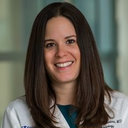 Jennifer T Thibodeau合作论文数12Thomas M Cascino合作论文数11
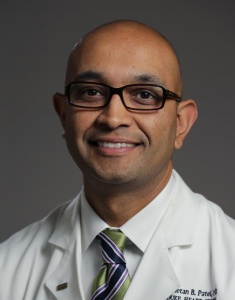 Chetan B. Patel合作论文数Department of Medicine, School of Medicine, Duke University11
 Soko Setoguchi合作论文数11Sanjay Divakaran合作论文数1 Department of Medicine, Brigham and Women's Hospital and Harvard Medical School, Boston, MA, USA.11Anju Nohria合作论文数Cardiology, Brigham and Women's Hospital, Boston, MA11
 Jeffrey Testani合作论文数Heart & Vascular Center Clinical Research, Yale School of Medicine;Heart & Vascular Center, Yale School of Medicine11
 Cathie Spino合作论文数Center for South Asian Studies, College of Literature, Science, and the Arts, University of Michigan-Ann Arbor10Horstmanshof Douglas A合作论文数10Chen Chih-Ying合作论文数10
 Adam David DeVore合作论文数Duke Clinical Research Institute;Department of Medicine, Duke University School of Medicine;Division of Cardiology, Duke University School of Medicine10
 Ulrich P. Jorde合作论文数Department of Medicine, Albert Einstein College of Medicine, Montefiore Einstein10f johnson合作论文数9
 Eldrin F. Lewis合作论文数School of Medicine, Stanford University;Division of Cardiovascular Medicine, Stanford University9Joyce Emer合作论文数9
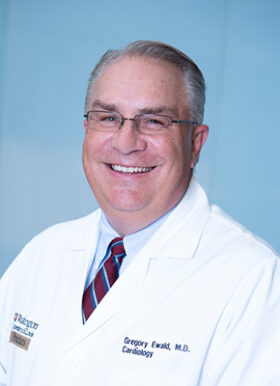 Gregory A. Ewald合作论文数John T. Milliken Department of Medicine, School of Medicine, Washington University in St. Louis;Barnes-Jewish Hospital;Freeman Hospital - Joplin9
 Anuradha Lala-Trindade合作论文数Icahn School of Medicine at Mount Sinai9
 Sharmila Dorbala合作论文数Harvard Medical School Division of Nuclear Medicine/PET, Brigham and Women’s Hospital 75 Francis St 02115 Boston MA9Jm Hare合作论文数8
 Robert F Padera合作论文数8Mudge Gilbert H合作论文数8
 Palak Alap Shah合作论文数Inova Fairfax Hospital8
 Marc Semigran合作论文数Massachusetts General Hospital;Harvard Medical School8
 Parag J Patel合作论文数8




