BMT CTN 1506 ("MORPHO"; NCT02997202) was a randomized phase 3 study of gilteritinib compared to placebo as maintenance therapy after hematopoietic stem cell transplantation (HCT) for patients with FLT3-ITD-mutated acute myeloid leukemia (AML). A key secondary endpoint was to determine the impact on survival of pre- and/or post-HCT measurable residual disease (MRD), as determined using a highly sensitive assay for FLT3-ITD mutations. Generally, gilteritinib maintenance therapy was associated with improved relapse-free survival (RFS) for participants with detectable peri-HCT MRD, whereas no benefit was evident for those lacking detectable MRD. We conducted a post-hoc analysis of the data and found that the level of MRD detected with this approach correlated remarkably with RFS and relapse risk, and that MRD detectable at any level negatively impacted RFS. In the placebo arm, 42.2% of participants with detectable FLT3-ITD MRD relapsed compared to 13.4% of those without detectable MRD. We found that 14.8% of participants had multiple FLT3-ITD clones detected as MRD and had worse survival irrespective of treatment arm. Finally, we examined the kinetics of FLT3-ITD clonal relapse or eradication and found that participants on the placebo arm with detectable MRD relapsed rapidly after HCT, often within a few weeks. MRD-positive participants on the gilteritinib arm relapsed either with FLT3 wild type clones (as assessed by capillary electrophoresis), after cessation of gilteritinib with persistent MRD, or on progression of multi-clonal disease. These data demonstrate the potential of using FLT3-ITD MRD to guide therapy with gilteritinib for this subtype of AML.
PURPOSE: Patients with acute myeloid leukemia with high-risk cytogenetics in first complete remission (CR1) achieve better outcomes if they undergo allogeneic hematopoietic cell transplantation (HCT) compared with consolidation chemotherapy alone. However, only approximately 40% of such patients typically proceed to HCT. METHODS: We used a prospective organized approach to rapidly identify donors to improve the allogeneic HCT rate in adults with high-risk acute myeloid leukemia in CR1. Newly diagnosed patients had cytogenetics obtained at enrollment, and those with high-risk cytogenetics underwent expedited HLA typing and were encouraged to be referred for consultation with a transplantation team with the goal of conducting an allogeneic HCT in CR1. RESULTS: Of 738 eligible patients (median age, 49 years; range, 18-60 years of age), 159 (22%) had high-risk cytogenetics and 107 of these patients (67%) achieved CR1. Seventy (65%) of the high-risk patients underwent transplantation in CR1 ( P < .001 compared with the historical rate of 40%). Median time to HCT from CR1 was 77 days (range, 20-356 days). In landmark analysis, overall survival (OS) among patients who underwent transplantation was significantly better compared with that of patients who did not undergo transplantation (2-year OS, 48% v 35%, respectively [ P = .031]). Median relapse-free survival after transplantation in the high-risk cohort who underwent transplantation in CR1 (n = 70) was 11.5 months (range, 4-47 months), and median OS after transplantation was 14 months (range, 4-44 months). CONCLUSION: Early cytogenetic testing with an organized effort to identify a suitable allogeneic HCT donor led to a CR1 transplantation rate of 65% in the high-risk group, which, in turn, led to an improvement in OS when compared with the OS of patients who did not undergo transplantation.
The FLT3 gene frequently undergoes mutations in acute myeloid leukemia (AML), with internal tandem duplications (ITD) and tyrosine kinase domain (TKD) point mutations (PMs) being most common. Recently, PMs and deletions in the FLT3 juxtamembrane domain (JMD) have been identified, but their biological and clinical significance remains poorly understood. We analyzed 1660 patients with de novo AML and found FLT3-JMD mutations, mostly PMs, in 2% of the patients. Patients with FLT3-JMD mutations had a higher relapse rate and shorter disease-free survival than those with FLT3-TKD, whereas their relapse rate, disease-free and overall survival were not significantly different from those of FLT3-ITD-positive patients. In vitro experiments showed that FLT3-JMD PMs transformed hematopoietic cells and responded well to type I and II FLT3 inhibitors. Molecular dynamics simulations were used to explore the conformational changes of JMD PMs relative to wild-type FLT3. These mutations exhibited constrained domain motions with wider gate openings, potentially enhancing drug binding. Altered residue interactions and structural changes shed light on their unique functional mechanisms, with increased allosteric pathways suggesting reduced interactions with other residues. We conclude that patients with FLT3-JMD PMs represent uncommon but important subset with distinct molecular and biological features, and may benefit from FLT3 inhibitors.
Recent advances in acute myeloid leukemia (AML) come from studies investigating younger (age<60 years) adults or older (age≥75 years) or less fit adults. Uncertainty exists for the management of otherwise healthy adults with AML in their 60s and 70s, which also represents a significant proportion of AML cases. We discuss current considerations in older, fit adults with AML including determination of fitness, what factors beyond fitness should be assessed, and finally what challenges and innovations lie ahead to improve outcomes for these patients.
Clinical outcome of patients with acute myeloid leukemia (AML) is associated with demographic and genetic features. Although the associations of acquired genetic alterations with patients’ sex have been recently analyzed, their impact on outcome of female and male patients has not yet been comprehensively assessed. We performed mutational profiling, cytogenetic and outcome analyses in 1726 adults with AML (749 female and 977 male) treated on frontline Alliance for Clinical Trials in Oncology protocols. A validation cohort comprised 465 women and 489 men treated on frontline protocols of the German AML Cooperative Group. Compared with men, women more often had normal karyotype, FLT3 -ITD, DNMT3A , NPM1 and WT1 mutations and less often complex karyotype, ASXL1 , SRSF2 , U2AF1 , RUNX1 , or KIT mutations. More women were in the 2022 European LeukemiaNet intermediate-risk group and more men in adverse-risk group. We found sex differences in co-occurring mutation patterns and prognostic impact of select genetic alterations. The mutation-associated splicing events and gene-expression profiles also differed between sexes. In patients aged <60 years, SF3B1 mutations were male-specific adverse outcome prognosticators. We conclude that sex differences in AML-associated genetic alterations and mutation-specific differential splicing events highlight the importance of patients’ sex in analyses of AML biology and prognostication.
Accurate assessment of therapy response in myelodysplastic neoplasm (MDS) has been challenging. Directly monitoring mutational disease burden may be useful, but is not currently included in MDS response criteria, and the correlation of mutational burden and traditional response endpoints is not completely understood. Here, we used genome-wide and targeted next-generation sequencing (NGS) to monitor clonal and subclonal molecular disease burden in 452 samples from 32 patients prospectively treated in a clinical trial. Molecular responses were compared with International Working Group (IWG) 2006-defined response assessments. We found that myeloblast percentage consistently underestimates MDS molecular disease burden and that mutational clearance patterns for marrow complete remission (mCR), which depends on myeloblast assessment, was not different than stable disease or bone marrow aplasia, underscoring a major limitation of using mCR. In contrast, achieving a complete remission (CR) was associated with the highest level of mutation clearance and lowest residual mutational burden in higher-risk MDS patients. A targeted gene panel approach was inferior to genome-wide sequencing in defining subclones and their molecular responses but may be adequate for monitoring molecular disease burden when a targeted gene is present in the founding clone. Our work supports incorporating serial NGS-based monitoring into prospective MDS clinical trials.
Assignment of patients diagnosed with acute myeloid leukemia (AML) to the 2022 European LeukemiaNet (ELN) favorable genetic risk group has important clinical implications, as allogeneic stem cell transplantation in first complete remission (CR) is not advised due to a relatively good outcome of patients receiving chemotherapy alone and transplant-associated mortality. However, not all favorable genetic risk patients experience long-term relapse-free survival (RFS), making recognition of patients who would most likely be cured of high importance. We analyzed 297 patients aged <60 years with de novo AML classified as 2022 ELN favorable genetic risk who achieved a CR and had RNA sequencing (RNA-seq) and gene mutation data from diagnostic samples available (Alliance trial A152010). To identify prognostically relevant transcripts that can distinguish patients cured from patients susceptible to lower or higher risk of relapse or death, we fit a regularized mixture cure model (MCM) where RNA-seq expression values were our candidate covariates. To validate the identified transcripts, we analyzed 75 patients with de novo AML aged <60 years included in the 2022 ELN favorable genetic risk group who achieved a CR in an independent test set from Gene Expression Omnibus (GSE37642). Our MCM identified 145 transcripts associated with cure or long-term RFS and 149 transcripts associated with latency or shorter-term time to relapse. The area under the curve and C-statistic were, respectively, 0.946 and 0.856 for our training set and 0.877 and 0.857 for our test set. Our results suggest that the favorable risk group includes distinct transcriptionally defined subgroups with different biological properties, which may be useful for refining this genetic risk category.
Introduction The International Prognostic Scoring System (IPSS) and its revised version (IPSS-R) were developed using datasets from patients (pts) with untreated MDS. The cytogenetic risk groups used in IPSS-R were expanded to 5 groups from the 3 used in IPSS. Among the new groups introduced in IPSS-R is the “very complex” karyotype (VCK) where ≥4 karyotypic abnormalities are seen compared to “complex karyotype (CK)” with only 3 abnormalities. However, the prognostic impact of VCK vs CK, as well as individual cytogenetic abnormalities and TP53 mutation (TP53mut) status within the CK and VCK subgroups in pts with MDS treated with hypomethylating agents (HMAs) has not been well studied. Hence, we analyzed these questions in a large cohort of HMA-treated MDS pts in the icMDS VALIDATE database. Methods The icMDS VALIDATE database contains MDS pts treated with frontline HMA monotherapy or HMA-based combinations from 22 specialized international centers. Pts with unknown HMA type, date of HMA initiation, missing age, missing sex, missing cytogenetic data, bone marrow or peripheral blood blasts ≥20%, or missing survival status were excluded. We performed time-to-event analyses using the Kaplan-Meier method and compared groups by the log-rank test. We measured overall survival (OS) from time of HMA initiation. VALIDATE protocol was exempted, acknowledged, or approved by all centers' IRBs. VALIDATE is supported by an independent grant from Abbvie. Results A total of 1940 pts were included. Median age was 70 (range: 18-99) years and 66% were men. According to IPSS-R cytogenetic risk groups, 1.9% (37) were very good, 43.4% (841) good, 15.5% (301) intermediate, 11.6% (226) poor, and 27.6% (535) very poor. By HMA type, 71% of pts were treated with azacitidine, 14% with decitabine, 6% with HMA and venetoclax, and 9% with another HMA combination. Approximately 28% of pts underwent allogeneic hematopoietic stem cell transplant (alloHSCT). The IPSS-R cytogenetic risk groups had different OS (p<0.001)with median OS (mOS; months [mo], 95% CI) as follows: very good (43.4, 34.7-72.5), good (41.7, 36.4-46.8), intermediate (24.5, 23.1-32.4), poor (24.2, 19.2-28.5), and very poor (13.6, 12.5-14.5). The difference remained significant (p=0.001) after censoring at time of alloHSCT with mOS as follows: very good (40.4, 23.2-64.3), good (24.3, 22.2-26.3), intermediate (19.3, 15.1-22.2), poor (12.2, 10.3-14.8), and very poor (9.1, 8.2-19.7). Interestingly, the difference between mOS for intermediate and poor risk cytogenetics became more apparent after censoring at time of alloHSCT. Next, we compared the outcomes of pts with CK and VCK to non-complex karyotype (NCK) MDS. The mOS for pts with VCK MDS (13.6 mo, 12.5-14.5) was worse compared to pts with CK (19.9 mo, 19.9-16.8; p=0.004) and NCK (36.1 mo, 32.7-37.8; p<0.001) MDS. Among the 1458 pts with available molecular data, more pts with VCK (75%, 330) MDS had a concurrent TP53mut compared to pts with CK (40%, 21; p<0.001) and NCK (7%, 64 p<0.001) MDS. Considering only patients with TP53mut MDS, mOS for pts with VCK (12.2, 11.1-13.9) was worse compared with NCK (24.2, 16-1-53.1; p<0.001) but not with CK (19.9, 9.5-NR; p=0.9); the difference between CK and NCK was not significant (p=0.16). Among pts with TP53 wildtype (TP53WT) MDS, VCK (15.0, 13.2-18.2) had a similar mOS to TP53WT CK (18.8, 12.6-41.1; p=0.19) while both groups had worse mOS compared to TP53WT NCK (33.4, 30.1-37.0) (p=0.01). In a survival analysis of 616 pts with MDS with ≥3 cytogenetic abnormalities, -17/del(17p) (12.8 mo; p=0.009), inv(3)/t(3q)/del(3q) (10.9 mo; p=0.006), and del(7q) (12.1mo; p=0.024), though not -7 (12.6mo; p=0.23), were associated with lower mOS compared to the pts with MDS without these abnormalities (14.3mo). Conclusions Using one of the largest databases of HMA-treated MDS pts, we show that IPSS-R cytogenetic risk categories associate with significantly different survivals among HMA-treated MDS pts, even after censoring at time of alloHSCT. Importantly, VCK MDS was associated with worse mOS compared to CK and NCK MDS but not in pts with a concurrent TP53mut. Among pts with MDS with ≥3 chromosomal abnormalities, having -17/del(17p), inv(3)/t(3q)/del(3q), or del(7q) was associated with worse survival.
Genomic profiles and prognostic biomarkers in patients with acute myeloid leukemia (AML) from ancestry-diverse populations are underexplored. We analyzed the exomes and transcriptomes of 100 patients with AML with genomically confirmed African ancestry (Black; Alliance) and compared their somatic mutation frequencies with those of 323 self-reported white patients with AML, 55% of whom had genomically confirmed European ancestry (white; BeatAML). Here we find that 73% of 162 gene mutations recurrent in Black patients, including a hitherto unreported PHIP alteration detected in 7% of patients, were found in one white patient or not detected. Black patients with myelodysplasia-related AML were younger than white patients suggesting intrinsic and/or extrinsic dysplasia-causing stressors. On multivariable analyses of Black patients, NPM1 and NRAS mutations were associated with inferior disease-free and IDH1 and IDH2 mutations with reduced overall survival. Inflammatory profiles, cell type distributions and transcriptional profiles differed between Black and white patients with NPM1 mutations. Incorporation of ancestry-specific risk markers into the 2022 European LeukemiaNet genetic risk stratification changed risk group assignment for one-third of Black patients and improved their outcome prediction. Analysis of exomes and transcriptomes from 100 African American patients with acute myeloid leukemia identifies ancestry-related variation in mutation profiles and survival. Refined risk classification suggests clinical relevance of these ancestry-associated differences.
ABSTRACT:Determining fitness for intensive chemotherapy in an older adult with acute myeloid leukemia (AML) is an unanswered age-old question. Geriatric assessment captures any variation in multidimensional health, which can influence treatment tolerance. A prospective study is necessary to validate fitness criteria, determine whether geriatric assessment-based fitness performs superiorly to other criteria, and what components of geriatric assessment are associated with treatment tolerance. A validation study should enroll diverse patients from both academic and community centers and patients receiving intensive and lower-intensity chemotherapy. Geriatric assessment should include at minimum measures of comorbidity burden, cognition, physical function, and emotional health, which in previous smaller studies have shown to be associated with mortality in AML. These assessments should be completed before or within a few days of initiation of chemotherapy to reduce the influence of chemotherapy on the assessment results. Treatment tolerance has been measured by rates of toxicities in patients with solid malignancies; however, during the initial treatment of AML, rates of toxicities are very high regardless of treatment intensity. Early mortality, frequently used in previous studies, can provide a highly consequential and easily identifiable measure of treatment tolerance. The key end point to assess treatment tolerance, thus, should include early mortality. Other end points may include decline in function and quality of life and treatment modifications or cessation due to toxicities. Validating fitness criteria can guide treatment selection and supportive care interventions and are crucial to guide fitness-based trial eligibility, inform the interpretation of trial results, and facilitate drug labeling.
Patients with cytogenetically normal acute myeloid leukemia (CN-AML) may harbor prognostically relevant gene mutations and thus be categorized into one of the three 2022 European LeukemiaNet (ELN) genetic-risk groups. Nevertheless, there remains heterogeneity with respect to relapse-free survival (RFS) within these genetic-risk groups. Our training set included 306 adults on Alliance for Clinical Trials in Oncology studies with de novo CN-AML aged < 60 years who achieved a complete remission and for whom centrally reviewed cytogenetics, RNA-sequencing, and gene mutation data from diagnostic samples were available (Alliance trial A152010). To overcome deficiencies of the Cox proportional hazards model when long-term survivors are present, we developed a penalized semi-parametric mixture cure model (MCM) to predict RFS where RNA-sequencing data comprised the predictor space. To validate model performance, we employed an independent test set from the German Acute Myeloid Leukemia Cooperative Group (AMLCG) consisting of 40 de novo CN-AML patients aged < 60 years who achieved a complete remission and had RNA-sequencing of their pre-treatment sample. For the training set, there was a significant non-zero cure fraction (p = 0.019) with 28.5% of patients estimated to be cured. Our MCM included 112 genes associated with cure, or long-term RFS, and 87 genes associated with latency, or shorter-term time-to-relapse. The area under the curve and C-statistic were respectively, 0.947 and 0.783 for our training set and 0.837 and 0.718 for our test set. We identified a novel, prognostically relevant molecular signature in CN-AML, which allows identification of patient subgroups independent of 2022 ELN genetic-risk groups. Trial registration Data from companion studies CALGB 8461, 9665 and 20202 (trials registered at www.clinicaltrials.gov as, respectively, NCT00048958, NCT00899223, and NCT00900224) were obtained from Alliance for Clinical Trials in Oncology under data sharing study A152010. Data from the AMLCG 2008 trial was registered at www.clinicaltrials.gov as NCT01382147.
Allogeneic hematopoietic cell transplantation (HCT) improves outcomes for patients with AML harboring an internal tandem duplication mutation of
Introduction Gene mutations that define distinct biologic subsets of acute myeloid leukemia (AML) were integrated into the recently revised diagnostic (WHO) and prognostic (ELN 2022) models. Mutations in SRSF2, SF3B1, U2AF1, ZRSR2, ASXL1, EZH2, BCOR, or STAG2 now define the adverse risk disease subtype termed AML, myelodysplasia related (AML-MR) independent of clinical history of MDS; TP53 mutations are linked with poor overall outcomes and mediate the adverse prognosis of therapy-related AML (t-AML), and germline DDX41 mutations cause a common AML predisposition with favorable treatment outcomes. CPX-351 is approved for initial induction therapy in patients with secondary AML (s-AML) defined by cytogenetics, morphology, or clinical history and t-AML based on a phase 3 trial that showed improved overall survival (OS) compared with daunorubicin and cytarabine (7+3). However, the role of CPX-351 in the AML treatment landscape is unclear as it is not known how the results of the pivotal phase 3 trial apply to patients grouped according to current classifications. To address this gap, we analyzed outcomes according to treatment arm and current AML classification at diagnosis. Methods We performed targeted mutational analysis on all available pre-treatment samples (184 of 309, 60%) from patients aged 60-75 years with newly diagnosed s-AML or t-AML who were randomized to CPX-351 (N=93) or 7+3 (N=91) in the phase 3 CPX-351-301 trial (NCT01696084). We defined four molecular groups in hierarchical order based on the presence of a TP53 mutation (N=62, 34%), a germline DDX41 mutation without concurrent TP53 mutation (N=10, 5%), at least 1 AML-MR defining mutation (N=88, 48%), or all remaining patients (de novo; N=24, 13%). We investigated the association between these genetic groups and (1) efficacy outcomes derived from the 5-year follow-up analysis (OS; complete remission [CR] or CR with incomplete count recovery [CRi]) and (2) myelotoxicity outcomes (reflected by time to absolute neutrophil count [ANC] > 1 x10⁹/L and time to platelet recovery > 100 x109/L). Results In the overall cohort, median OS (95% CI) and CR/CRi rates were significantly different across molecular groups (p<0.001): TP53 5.0 (3.3-7.3) months and 35%; DDX41: 50.1 (17.1-60.7) months and 100%; AML-MR 8.0 (5.7-10.6) months and 38%; de novo 12.4 (5.7-29.3) months and 63%. The time to platelet recovery (median [IQR]) was longer in the AML-MR group (49 [38-73] days) than in those in the TP53 (35 [29-49] days, p=0.022), DDX41 (37.5 [31-43] days, p=0.047) and de novo (36 [31-42] days, p=0.024) groups. Time to neutrophil recovery was similar across groups. To determine the effect of CPX-351 compared with 7+3 in each molecular group, we analyzed outcomes by treatment arm separately in each group. The median (95% CI) and 2-year OS were significantly better with CPX-351 than with 7+3 only in the AML-MR group (9.7 [6.2-13.7] vs 6.8 [3.6-9.6] months, 2yr 27% vs 8%, p=0.037). OS was similar with CPX-351 and 7+3 in the TP53 (4.5 [2.9-7.6] vs 5.1 [2.9-7.3] months, 2yr 4% vs 8%, p=0.70), and de novo (median 11.3 [5.6-NA] vs 16.9 [4.0-NA] months, 2yr 38% vs 36%, p=0.77) groups. In patients with a DDX41 mutation, median OS was 56.4 [36.6-NA] vs 17.1 [4.6-NA] months, with 2 year OS 100% vs 40%, p=0.11. Transplantation and CR/CRi rates were similar between treatment arms in each group. Treatment with CPX-351 was associated with prolonged platelet recovery time (median [IQR]) in the de novo (41 [36-56] vs 30.5 [29-32] days, p=0.018) and DDX41 groups (43 [41-49] vs 30 [29-34] days, p=0.056). Platelet recovery time by treatment was comparable in the AML-MR (52.5 [42-77] vs 44 [34-50] days, p=0.2) and TP53 (39.5 [34-47] vs 33 [28-49] days, p=0.3) groups. There was no treatment-specific difference in time to ANC recovery within any molecular group. Conclusion In a post hoc analysis of the pivotal phase 3 study of CPX-351 vs 7+3, patients with TP53 or AML-MR defining mutations had poor overall outcomes. CPX-351 improved survival without pronounced myelotoxicity in patients with AML-MR mutations, had no benefit over 7+3 in those with TP53 mutations and may add myelotoxicity without survival benefit in those with de novo mutations. In this high-risk AML cohort, 5% had a germline DDX41 mutation with 100% CR and prolonged survival. Our results indicate that the benefit of CPX-351 over 7+3 is driven by the presence of AML-MR defining mutations.
Introduction E1910 randomized pts with ALL aged 30-70 years who were measurable residual disease negative (MRD-) by multi-color flow cytometry (FC) after intensification to conventional chemotherapy (chemo) with or without blinatumomab (blina). The addition of blina resulted in improved overall survival (OS) (Litzow, NEJM 2024) and led to a new standard of care. Older ALL pts have inferior outcomes when compared to younger pts in part due to increased treatment toxicity. In E1910, exposure to dexamethasone and pegasparagase was reduced for older pts (age >55 years). We present results of subgroup analyses describing outcomes of older pts enrolled in E1910. Methods Details of the E1910 protocol remission induction (step 1), high dose methotrexate with pegaspargase intensification (step 2), blina randomization (step 3), and maintenance (step 4) or allogeneic hematopoietic stem cell transplant (HCT) were previously presented (Litzow, NEJM 2024). MRD status was determined after step 2 centrally with 6-color FC with MRD- defined as <0.01% in the bone marrow (BM). Following approval of blina in the US for MRD positive (MRD+) disease in 2018, MRD+ pts were assigned to the blina arm and no longer randomized. The primary objective was to compare the OS and relapse free survival (RFS) among older pts aged >55 years (pre-specified stratification factor) who received chemo + blina to that of pts who received chemo alone (step 3 treatment). Estimates of OS and RFS were calculated using the Kaplan-Meier method. Comparison of OS and RFS between treatment arms was conducted using the two-sided stratified log-rank test and Cox model with CD20 status, rituximab use, and whether pts intended to receive HCT or not as stratification factors. Stratified Multivariate Cox models of OS and RFS were used to further evaluate the effect of step 3 treatment, adjusted by gender, white blood cell count (WBC), platelets, hemoglobin, peripheral blood blasts, BM blasts, performance status and combined molecular risk category. Results Among the 488 enrolled pts, 211 were ≥55 years old with median age of 61 (range 55-70). Among older pts, 49.3% were female and 83.4% were white, 17 (8.1%) pts had WBC >30.000/uL at the time of diagnosis. 156 (73.9%) pts had CD10+ early B-ALL and 46 (21.8%) had CD10- B-ALL immunophenotype. The most common genetic subgroups were low hypodiploid (n=58, 27.5%), BCR::ABL1-like (n=34, 16.1%) and KMT2A rearranged (n=26, 12.3%). 8.1% of pts had low, 9.0% intermediate, 63.5% high combined molecular risk disease and in 19.4% of pts risk could not be assigned. Baseline characteristics were not significantly different in chemo + blina and chemo only pts. The median follow-up for this analysis from step 1 registration was 54.6 months. Complete response with (CR) or without (CRi) count recovery after induction was observed in 174 (82.5%) pts (167 CR, 7 CRi). 93 (44%) pts were MRD-. 32 (15.1%) pts received HCT on study and 24 (11.4%) pts received it off study. Among MRD- pts (n=93), 46 were randomized to and 45 received blina: 6 (13.3%) pts had 1, 14 (31.1%) had 2, 2 (4.4%) had 3 and 23 (51.1%) had 4 cycles. 3-year OS were 71% and 67% for the blina and the chemo only arm (univariate model: HR 0.75, 95% CI: 0.37-1.50; multivariate model: HR 0.56, 95% CI: 0.25-1.27). 3-year RFS were 69% and 59% for the blina and the chemo only arm (univariate model: HR 0.75, 95% CI: 0.39-1.45; multivariate model: HR 0.67, 95% CI: 0.32-1.42). Among MRD+ pts (n=25), 14 were randomized to and 11 received blina: 7 (63.6%) pts had 2, and 4 (36.4%) had 4 cycles. 3-year OS were 66% and 44% for the blina vs the chemo only arm (univariate model: HR 0.66, 95% CI: 0.12-3.64). 3-year RFS were 64% and 31% for the blina vs the chemo only arm (univariate model: HR 0.64, 95% CI: 0.15-2.74). Frequency of treatment-related toxicities among older pts during different study phases and treatment assignments will be presented. Conclusion Despite evidence of improved outcomes in the whole study cohort, the addition of blina to consolidation chemo for older pts with ALL was not associated with statistically significant improvement of OS or RFS in this exploratory analysis not powered to detect the difference in subgroups. This is possibly due to sample size but may be due to biologic differences in the older adult population. Further studies are needed to definitively determine tolerance and benefit of blina addition to consolidation for older pts with ALL.
Background: Randomized studies in newly diagnosed (ND) AML patients with a FLT3 mutation show that adding 14 days of a FLT3 inhibitor to each intensive chemotherapy cycle improves overall survival. For patients unsuitable for intensive chemotherapy due to older age or comorbidities, the presence of a FLT3-ITD mutation is associated with high rates of early relapse and short remission duration. There is a limited survival benefit of venetoclax (ven) plus azacitidine (aza) compared to aza alone among patients with AML with a FLT3-ITD mutation. Accordingly, there is significant interest in adding FLT3-targeted therapy to lower intensity chemotherapy for patients with ND AML and FLT3 mutations, but to date no randomized data have demonstrated a survival benefit for this approach.Gilteritinib (gilt) is a highly potent and FLT3-selective oral tyrosine kinase inhibitor that is the standard therapy of relapsed/refractory FLT3-mutated AML, based upon superior survival in randomized studies. Gilt can also be combined safely with ven and/or aza, though myelosuppression remains a concern. Despite this, single institution studies of ven, aza, and gilt therapy of ND AML patients with FLT3-mutations show that this three-drug regimen is associated with near-universal complete remission rates (CR 90%, CRi 6%) and a majority of studied patients eliminate detectable FLT3-ITD (<1 x10⁻⁵) within four cycles by an ultrasensitive, amplicon-based NGS assay (Short, et al. JCO 2024). Rates of CR with full count recovery and survival appear superior to historical comparisons, but myelosuppression is potentially increased with the triplet regimen. These data demonstrate a need for multi-institutional comparative trials, not only to determine whether adding FLT3-inhibitors to ven and aza improve deep remission rates, but also to refine schedules of the triplet combination that improve tolerability for widespread use.Methods: This tier 1 MyeloMATCH substudy is an open-label, randomized phase 2 trial that will enroll ND AML patients older than age 60 or individuals judged by their treating physician to be best served by azanucleoside + ven-based therapy due to comorbidity. Subjects provide samples to the central MyeloMATCH Master Screening and Reassessment Protocol (MSRP, NCT05564390 ) and are assigned to the MM1OA-EA02 substudy (NCT06317649) based upon the presence of a FLT3-ITD or FLT3-TKD (D835) mutation by NGS. Subjects are randomized to one of three arms (regimens 1, 2, or 3), stratified by age (<70 years vs. older) and FLT3-ITD burden (ITD VAF>33% vs. lower VAF or D835). All study arms contain aza and ven administered in 28-day cycles with two study arms also including gilt. Regimen 1 is ven and aza administered as per the pivotal VIALE-A study. Regimen 2 adds gilt 80 mg once daily on days 1-28 and regimen 3 adds gilt on days 8-21 only. A marrow biopsy is performed during the first cycle (day 14-21, depending on study arm) and all chemotherapy is held until count recovery if a morphologic leukemia-free state or aplasia is seen. Patients receive up to two induction cycles to achieve remission and then receive ongoing consolidation cycles of therapy with a similar pattern of gilt administration up to 2 years. To minimize risk of cumulative myelosuppression, during consolidation azacitidine administration is reduced to days 1-5 on regimens 2 and 3 and ven limited to days 1-7 on regimen 2 and days 1-14 on regimen 3. For all arms, treatment-related adverse events prompt further reduction in ven, aza, or gilt dose or duration. Response will be measured after cycles 2 and 4, including centrally-performed MRD by flow cytometry. The primary endpoint is the rate of MRD(-) CR (<1 x 10⁻³) after up to 4 cycles. Key secondary endpoints include safety data, response rate, EFS, and OS. The study is powered to detect a 25% absolute improvement in MRD(-) CR rate in either triplet arm from a target accrual of 147 patients. A safety run-in for regimens 2 and 3 to confirm tolerability and feasibility will be performed after 20 subjects enroll to these arms; an interim futility analysis will be performed once response assessment of 50% of all planned accrual occurs. Study was activated on June 6, 2024 and is expected to continue until December 2025.
Introduction: Uproleselan (GMI-1271) is an E-selectin antagonist that disrupts AML cell survival pathways, overcomes chemotherapy resistance, and potentially deepens chemotherapy response. Phase 2 data demonstrated uproleselan efficacy in patients with relapsed/refractory (R/R) and in >60 yrs newly diagnosed (ND) acute myeloid leukemia (AML) (DeAngelo et al., Blood 2022). This Phase 3 international, randomized, double-blind, placebo (PBO)-controlled trial assessed uproleselan with chemotherapy versus chemotherapy alone in R/R AML (NCT03616470). An NCTN sponsored trial (NCT03701308) in the ND population is ongoing. Methods: Eligibility included patients age 18-75 yrs, R/R patients with AML in first or second untreated relapse and fit for chemotherapy. Randomization was 1:1, stratified by age, disease status (primary refractory/early relapse ≤6 months, late relapse >6 months), and FAI or MEC chemotherapy. Uproleselan or PBO was given during induction and up to 3 consolidation cycles. The primary endpoint was overall survival. Key secondary endpoints included severe oral mucositis during induction, complete remission (CR), and remission (CR/CRh) rates. Overall, 388 patients were enrolled (N=385 dosed) in the trial at 59 sites in North America, Europe, and Australia. Due to fewer than expected death events, we report results of a time-based primary analysis (31March2024) with a median follow-up time of 37.9 months. Results: Treatment arms were well-balanced: median age, 58.0 (range 20-75); median number of prior lines of therapy, 1.0 (range 1-4); primary refractory cases, 33%; European LeukemiaNet 2017 (ELN) adverse risk, 41.5%. Median OS (mOS) was 13.0 months for uproleselan and 12.3 months for PBO (p=0.39; HR=0.89, 95% CI 0.69-1.15), with survival probabilities at 48 months for uproleselan and PBO of 34.1% and 25.5%, respectively. Rates of severe (Grade ≥3) oral mucositis during induction were equal across arms (7.2%) while CR and CR/CRh rates trended in favor of uproleselan (36.1% vs 33.5% [p=0.62] and 46.4% vs 41.2% [p=0.24]). Of patients achieving CR, a greater proportion receiving uproleselan achieved MRD negativity (67.1% vs 61.5 %). Post-treatment allogeneic stem cell transplant (allo-SCT) rates were comparable between arms (N=101, 52.1% vs N=99, 51.0%). In patients achieving allo-SCT, mOS was Not Reached (NR) on uproleselan vs 24.8 months in PBO arm (HR=0.59, 95% CI 0.38 - 0.91). Patients with primary refractory AML (N=128, 33%), a pre-specified subgroup, had mOS of 31.2 months on uproleselan (N=62) versus 10.1 months on PBO (N= 66) (HR=0.58; 95% CI 0.37-0.91). Survival in the PBO group is consistent with historical outcomes in this setting (Ferguson, 2016). Uproleselan survival benefit in primary refractory disease was agnostic to backbone chemotherapy (MEC= HR 0.68, 95% CI 0.34-1.38; FAI= HR 0.53, 95% CI 0.30-0.93). Complete response rates for primary refractory disease trended in favor of uproleselan over PBO (32.3% vs 27.3%). However, responses to uproleselan may potentially be deeper, as indicated by median duration of response (DoR) not being reached for primary refractory patients treated with uproleselan, compared to a median DoR of 12.7 months in the PBO arm (HR 0.26, 95% CI 0.09 - 0.75). Clinically meaningful activity was also seen in primary refractory patients who achieved MRD- status [uproleselan, N=22 (35.5%) vs. PBO, N=16 (24.2%)] (mOS: NR vs. 14.7 months, HR 0.07, 95% CI 0.02 - 0.35) or achieved allo-SCT [uproleselan, N=37 (59.7%) vs PBO, N=34 (51.5%)] (mOS: NR vs. 19.7 months, HR 0.34, 95% CI 0.17 - 0.69). Of patients transplanted, survival probabilities at 60 months for uproleselan and PBO were 57.5% vs 27.7%, respectively. Treatment-emergent adverse events (TEAEs), Serious Adverse Events (SAEs), grade 3 or higher TEAEs were similar across study arms in both Intent to Treat (ITT) and primary refractory populations. There was no discernible added toxicity with uproleselan treatment over chemotherapy alone. Conclusions: Although this Phase 3 trial did not meet its primary OS endpoint for the ITT population, these clinical data provide compelling evidence of uproleselan efficacy in patients with primary refractory AML without additional toxicity. In primary refractory AML, a mOS of 31.2 months highlights the potential of uproleselan to significantly improve treatment outcomes in this high unmet medical need population.
CAR T-cell therapy toxicities, including CRS and immune cell-associated neurotoxicity syndrome (ICANS), can be significant and effective prophylactic strategies are needed. Duvelisib is an oral inhibitor of phosphoinositide 3-kinases (PI3K)-γ/δ and is FDA-approved therapy for CLL/NHL with an established safety profile. Pre-clinical work from our group has demonstrated that PI3K inhibition may prevent CRS.We are conducting a Phase I, 3 + 3 dose escalation and two-arm dose expansion, trial of duvelisib for CRS prophylaxis in patients (pts) undergoing standard-of-care (SoC) CAR T-cell therapy for non-Hodgkin lymphoma (NHL) (NCT05044039). Herein, we report data from the dose escalation cohort and the first dose expansion cohort, treated with duvelisib BID from day -2 to +28. The primary outcome was safety and tolerability. Secondary outcomes included the incidence and severity of CRS and ICANS, overall response rate (ORR), and progression-free survival (PFS).18 pts are included in this analysis, including 6 pts in dose escalation and 12 of 14 planned pts in dose expansion cohort A, with full enrollment of cohort A expected prior to presentation. Median age was 69 years (range: 28 – 79). Diagnoses included DLBCL (14), MCL (2), FL (1) and PBMCL (1). Delivered CAR-T cell therapies included: axi-cel (10), liso-cel (5), brexu-cel (2) and tisa-cel (1). 3 pts were enrolled on dose level 1 (15 mg BID) and 3 on dose level 2 (25 mg BID). No pts experienced a dose-limiting toxicity (DLT) during dose escalation and 25 mg BID was selected as the recommended dose for expansion. 78% of pts experienced CRS at a median of 5 days following cell infusion (range: 2 – 9) (Figure 1A). All CRS was grade 1 (86%) or 2 (14%), with no grade 3 – 4. The median duration of CRS was 1 day (range: 1 – 7). ICANS occurred in 44% of pts at a median of 7 days (range: 4 – 10). 11% of pts experienced grade 3-4 ICANS. The median duration of ICANS was 5 days (range: 1 – 11). 3 pts with ICANS received prolonged courses of steroids for recurrent weakness, failure to thrive and/or worsening psychiatric symptoms. Toclizumab was given to 77% of pts for treatment of CRS and 50% received steroids for CRS and/or ICANS. All 18 pts were evaluable for disease response to CAR T-cell therapy. At day +30, ORR was 72% (13/18) with 50% achieving complete response (CR). At day 180, Best response was CR in 72% of pts and stable disease in 17% of pts. Median PFS was 144 days, with 59% progressing during follow-up. In 17 evaluated pts, CAR T-cell expansion by flow cytometry was robust at all dose levels, consistent with prior reports (Figure 1B).Preliminary data from this phase I study suggests that duvelisib as CRS prophylaxis after SoC CAR T-cell therapy is safe and tolerable and may prevent grade 3-4 CRS and delay the onset of CRS.
Introduction: Inotuzumab ozogamicin (INO) is an antibody targeting CD22 conjugated with a cytotoxic antitumor antibiotic (calicheamicin) approved for treatment of relapsed/refractory CD22 positive B-cell acute lymphoblastic leukemia (ALL) (Kantarjian et al. NEJM 2017). CD22 is expressed on the surface of lymphoblasts in ALL (~95%). Young adult patients (pts) 18-39 years (yrs) treated on the pediatric regimen CALGB 10403 resulted in a 3-yr event-free survival (EFS) of 59% (95% CI: 52-67%) and an estimated 3-yr overall survival (OS) of 73% (95% CI: 68-78%) (Stock et al. Blood 2019). Alliance A041501(NCT03150693), a phase 3 NCTN sponsored cooperative group trial was conducted to determine if the addition of INO to the CALGB 10403 pediatric regimen would significantly improve EFS. Methods: Eligibility included pts 18-39 years with newly diagnosed CD22 positive ALL, defined as baseline expression in > 20% of lymphoblasts by local institution. Pts with Burkitt-type ALL, BCR::ABL1 positive ALL, or Down syndrome were excluded. Eligible pts received the CALGB 10403 regimen modified to omit extended induction, include dexamethasone as opposed to prednisone as steroid backbone, cap the pegaspargase dose to 3750 units, and adding rituximab for pts with CD20 expression (> 20%). An amendment added blinatumomab for minimal residual disease (MRD) positivity. Pts achieving a complete remission (CR/CRi) or partial remission (PR) were eligible for randomization. Following a 6 pt safety run-in with INO, pts were randomized 1:1 to receive INO or continue CALGB 10403 backbone. Two cycles of INO (1.5 mg/m2/cycle) were administered following induction in the experimental arm. Pts were stratified by age, disease status post induction (M0/M1 vs M2), CD20 status, and LDA Card, which tests for the Ph-like status. The primary endpoint was to determine if the addition of INO would improve the EFS of the pediatric regimen CALGB 10403 without censoring for stem cell transplant (SCT). Key secondary endpoints included the impact of INO on disease-free survival (DFS), OS, and MRD. The Alliance Data and Safety Monitoring Board halted enrollment after 273 out of a planned 341 pts were registered because of increased grade (gr) 5 events in the INO arm compared with the control arm. Results: 273 pts were enrolled between 6/15/2018, and 5/24/2022. Median age was 27.0 yrs, 65.2% were White, 30.4% were Hispanic, and 63.4% were male. Baseline CSF analysis revealed 14% with CNS-2/3 disease. The overall CR rate was 86.8% (82.8-90.8%). 46 pts were not randomized due to death (5), withdrawal (6), ineligibility (3), toxicity (5), receipt of non-protocol therapy (8), progression (5), and other (14). 227 eligible pts were randomized 1:1 to receive INO (N=111) or not (N=116)). For randomized pts, 92.5% achieved M0/M1 marrow status, 48.9% had a positive LDA Card defining Ph-like ALL, 50.7% were CD20 positive. Only 36 pts (13%) received a SCT. With a median follow up of 28.3 months for randomized pts, 3-yr EFS was 69.0% (59.1-80.5%) for the INO arm and 66.7% (57.1-78.1%) for the control (HR=0.97; 0.58-1.63). Similarly, the 3-yr OS was 79.4% (71.0-88.7%) for the INO arm and 80.3% (71.9-89.6%) for the control (HR=1.05; 0.55-2.01). The MRD undetectable rate at Course II Day 56 was 80.6% in the INO arm and 74.2% in the control arm. Univariate analysis suggests improved EFS with INO in pts with a positive LDA card (Ph-like ALL) and of Hispanic ethnicity. There were 22 gr 5 events, 7 occurred prior to randomization. Of the 15 gr 5 events on the randomized cohort, 12 were reported in the INO arm and 3 in the control arm. Of the 12 gr 5 events in the INO arm, all occurred during intensive consolidation courses complicated by prolonged pancytopenia infection/sepsis (8), hepato-biliary in setting of infection (2), multi-organ failure (1), or post-surgical complication (1). These events occurred after INO during Course II (3), Course III (5), or Course IV (4). Conclusions: Although this trial did not meet the primary EFS endpoint for the addition of INO to the pediatric regimen CALGB 10403, these data provide compelling evidence for continued use of pediatric regimens in young adults with ALL as the EFS and OS compares favorably with prior published results. INO may still be efficacious if late toxicity can be mitigated. A pilot study is planned that will decrease INO dose, add 2 cycles of blinatumomab and strict infectious prophylaxis guidelines. Support: U10CA180821, U10CA180882
Abstract Preclinical data suggest a rationale for combining CPX-351, a dual-drug liposomal encapsulation of daunorubicin and cytarabine, with venetoclax, a B-cell lymphoma-2 inhibitor. This phase 1b study evaluated lower-intensity CPX-351 combined with venetoclax in adults with acute myeloid leukemia (AML) considered unfit/ineligible for intensive chemotherapy. In a dose-exploration phase using a 3+3 design, patients received stepwise dosing of CPX-351 IV on days 1 and 3 plus venetoclax 400 mg orally on days 2 to 21 per cycle to determine the recommended phase 2 dose (RP2D) for this combination. During the expansion phase, additional patients received CPX-351 plus venetoclax at the identified RP2D. The primary end points were the RP2D and safety of CPX-351 combined with venetoclax. Secondary end points included preliminary efficacy and pharmacokinetics. Overall, 35 patients were enrolled in the study. A RP2D of CPX-351 30 units/m2 (daunorubicin 13.2 mg/m2 and cytarabine 30 mg/m2) plus venetoclax 400 mg was established. The safety profile of the combination was consistent with the known safety profiles of CPX-351 and venetoclax. Complete remission (CR)/CR with incomplete hematologic recovery (CRi) was achieved by 17 of 35 patients (49%), all after cycle 1; of these, 14 were negative for measurable residual disease. CR was achieved by 1 of 8 patients (13%) with a mutation in TP53, and CR/CRi was achieved by 15 of 26 patients (58%) with wild-type TP53. This study highlights that lower-intensity therapy of CPX-351 plus venetoclax as induction therapy provides a well-tolerated treatment option in adults with AML deemed unfit for intensive chemotherapy. This trial was registered at www.ClinicalTrials.gov as #NCT04038437.
 John F. Dipersio合作论文数120Peter Westervelt合作论文数110
 Amanda F. Cashen合作论文数Division of Oncology, John T. Milliken Department of Medicine, Washington University School of Medicine80
 Camille N Abboud合作论文数79
 Ravi Vij合作论文数Siteman Cancer Center, Washington University78
 Richard M. Stone合作论文数Dana-Farber Cancer Institute;Harvard Medical School72
 Keith E. Stockerl-Goldstein合作论文数Division of Oncology, John T. Milliken Department of Medicine, Washington University School of Medicine in St. Louis;Amyloid Center of Excellence, Washington University;Barnes-Jewish Hospital70
 Mark A Schroeder合作论文数Department of Radiation Oncology, Mayo Foundation for Medical Education and Research58Jonathan E. Kolitz合作论文数52Iskra Pusic合作论文数45
 Bayard L. Powell合作论文数Wake Forest University School of Medicine44
 Rizwan Romee合作论文数Sch Med, Washington Univ44Michael P. Rettig合作论文数41
 Wendy Stock合作论文数Department of Medicine, University of Chicago;Comer Children's Hospital;Duchossois Center for Advanced Medicine, The University of Chicago Medical Center38
 Feng Gao合作论文数Mary Culver Department of Surgery, Washington University School of Medicine in St. Louis38Jacoby Meagan A合作论文数37
 Harry Paul Erba合作论文数Division of Hematologic Malignancies and Cellular Therapy, Department of Medicine, Duke University School of Medicine;Duke Cancer Institute, Duke University34Wieduwilt Matthew J合作论文数Division of Hematology/Oncology, University of California San Francisco34
 Krzysztof Mrózek合作论文数Comprehensive Cancer Center, The Ohio State University34Nicolet Deedra合作论文数33
 John C. Byrd合作论文数College of Medicine, University of Cincinnati33Tara Lin合作论文数32Ann-Kathrin Eisfeld合作论文数30
 Jorge Cortes合作论文数Georgia Cancer Center, Augusta University;Department of Medicine, Medical College of Georgia, Augusta University;The Graduate School, Augusta University;Latin America Leukemia Net Lalnet30
 Mark R. Litzow合作论文数Division of Hematology, Department of Internal Medicine, Mayo Clinic30Armin Ghobadi合作论文数28William Blum合作论文数28
 Jessica Kohlschmidt合作论文数27
 Guido Marcucci合作论文数Department of Hematologic Malignancies Translational Science, City of Hope;Division of Leukemia, City of Hope;Gehr Family Center for Leukemia Research, City of Hope25
 Richard Larson合作论文数Department of Medicine, University of Chicago24
 Robert K. Stuart合作论文数Division of Hematology/Oncology, Department of Medicine, College of Medicine, Medical University of South Carolina23
 Daniel J. DeAngelo合作论文数Harvard Medical School;Dana-Farber Cancer Institute23Mims Alice S合作论文数Hollings Cancer Center, Medical University of South Carolina22
 Andrew J Carroll Ill合作论文数School of Medicine, University of Alabama at Birmingham22
 Jeffrey Lancet合作论文数Department of Malignant Hematology, Moffitt Cancer Center22
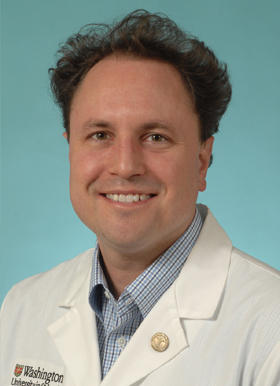 Todd A. Fehniger合作论文数Siteman Cancer Center, School of Medicine, Washington University in St. Louis;Division of Oncology, John T. Milliken Department of Medicine, School of Medicine, Washington University in St. Louis22
 Clara D. Bloomfield合作论文数Comprehensive Cancer Center, The Ohio State University21
 Michael Slade合作论文数20
 John Welch合作论文数Department of Genetics, University of Cambridge20
 Timothy J. Ley合作论文数Division of Oncology, John T. Milliken Department of Medicine, School of Medicine, Washington University in St. Louis20
 Eunice S. Wang合作论文数Department of Medicine, Jacobs School of Medicine & Biomedical Sciences, University at Buffalo;Roswell Park Comprehensive Cancer Center, Jacobs School of Medicine & Biomedical Sciences, University at Buffalo;Department of Tumor Immunology, Roswell Park Cancer Institute20
 Mark A. Fiala合作论文数John T. Milliken Department of Medicine, School of Medicine, Washington University in St. Louis19
 Jessica K Altman合作论文数Division of Hematology and Oncology, Department of Medicine, Feinberg School of Medicine, Northwestern University;Robert H. Lurie Comprehensive Cancer Center, Feinberg School of Medicine, Northwestern University18Daniel C. Link合作论文数18Kathryn M Trinkaus合作论文数School of Medicine, Washington University in St. Louis;Alvin J. Siteman Cancer Center, Washington University in St. Louis18Martin S. Tallman合作论文数18
 Gail J. Roboz合作论文数Weill Cornell Medical College17
 James S Blachly合作论文数College of Medicine, The Ohio State University;Comprehensive Cancer Center, The Ohio State University;Gnosigen Labs17Matthew J. Walter合作论文数NINDS, NIH17




