Plastic clean-up technologies are mechanical interventions designed to remove existing plastic litter, which can contribute to improved water and environmental quality. Even though organic materials and organisms may be unintentionally caught, the current lack of data hinders the evaluation of their actual impact. The goal of this work was to experimentally assess the proportion of bycatch during the operation of two non-commercial and custom-made clean-up mechanisms: floating booms coupled with a wheel and catch units, and a curtain of air bubbles with a catch unit. Our results show that both clean-up mechanisms were non-selective and generally caught plastic items and biota items (referring here to plant-derived materials) with median proportions of bycatch ranging from 18.4% to 95.0% depending on the parameters and clean-up mechanism. For example, with an increasing number of plastic items, an increase in the proportion of bycatch was observed for the floating booms coupled with a wheel and catch units. We observed a median of 25.0% bycatch with no plastic to a median value of 35.9% during the interaction of biota items with 100 plastic items. For the curtain of air bubbles and a catch unit, no trend was observed on proportion of reed caught with an increasing number of plastic items. Data on plastic clean-up technologies are needed to guarantee their net benefits while ensuring minimal environmental impact, and good water ecological status.
Plastic items released in the marine environment are subject to weathering processes which alter their surface physiochemical properties, and which can induce the leaching of associated chemicals from the polymer matrix to the aquatic media. Even though plastic leachates (i.e., an aqueous solution of released compounds) can induce negative effects on aquatic biota, the effects of plastic leachates from weathered plastics are still poorly known. The goal of our work was to assess the ecotoxicological effects of plastic leachates from pristine and weathered items on a marine diatom. To do so, we exposed the marine diatom Phaeodactylum tricornutum to the leachates from pristine and UV-weathered self-reinforced (SR-) polylactic acid (PLA) and polypropylene (PP) items. As a positive control, we assessed the response of the diatom growth to two associated compounds (dodecan-1-ol and 2,4-di-tert-butylphenol), components of the tested items. Weathered plastic items were obtained after being exposed to 57-day artificial ultraviolet radiation, simulating 18-months of solar exposure in central Europe. Our results indicate that neither leachates from pristine nor weathered SR-PLA items had adverse effects on P. tricornutum growth. This outcome was corroborated by the measured concentrations of associated compounds (i.e. dodecan-1-ol) in leachates, which were at least three orders of magnitude lower than the 72-h EC50 of diatom growth (dodecan-1-ol: 1.56 mg / L, 2,4,-DTBP: 1.52 mg / L). Leachates from weathered SR-PP items at full-strength concentration induced 51% greater growth inhibition than control treatments, and 43% greater inhibition than leachates from pristine SR-PP items at the same concentration. Our results suggest that leachates from the tested weathered SR-PP items inhibited the population growth of P. tricornutum, although at plastic concentrations above environmentally relevant levels.
Microplastics induce ecotoxicological effects on coastal and estuarine organisms, but their combined effects with other environmental stressors such as climate change are poorly understood. The goal of the present work was to assess the combined effects of microplastics and water warming on the benthic copepod Nitokra spinipes at individual-level and to estimate population effects. Nitokra spinipes were exposed to Poly(lactic-co-glycolic-acid) microbeads (5 μm) at 0, 0.1, and 1% of food content, at 22 and 25 °C (+3 °C, based on IPCC-SSP5-8.5). The obtained filtration rates, a proxy for energy assimilation (assuming constant assimilation efficiency), were used in an individual-based model implementation of the dynamic energy budget theory (DEB-IBM) to extrapolate population-level effects under a warming scenario. Our results indicate a reduction in filtration rates by PLA microplastics at +3 °C, with 96-h EC50 = 0.029% microplastics to food content, and the DEB-IBM model indicated a population-level EC50 = 0.0098% microplastics to food content. Our results suggest that the combined exposure to elevated water temperatures and microplastics induces a decrease in energy assimilation on benthic copepods, with negative effects at population level.
Marine Protected Areas (MPAs) play a critical role in marine conservation, but their effectiveness, among other things, depends on robust ecological and environmental data integration. This paper explores key gaps and suggests ways forward for evaluating MPA ecological functionality, emphasizing the integration of species and habitat functional roles, process-based, and ecosystem-based indicators to assess species roles and ecosystem processes when identifying areas for conservation and supporting their management and governance. Connectivity is highlighted as a fundamental process, ensuring MPAs contribute to broader ecological coherence rather than acting as isolated spatial units. Given the dynamic nature of marine ecosystems, temporal adaptability, supported by long-term monitoring and data-driven decision-making, is essential for maintaining resilience amid climate change and anthropogenic pressures. Additionally, leveraging local and traditional knowledge through stakeholder engagement enhances MPA governance and implementation. By combining a diverse range of ecological indicators to aid decision-making, we can improve MPA effectiveness, ensuring they sustain biodiversity, ecosystem services, and resilience in the face of environmental change.
BACKGROUND:Increasing evidence suggests that visiting the coast benefits mental health and that coastal prescribing is a promising societal endpoint. General practitioners (GPs) are the pivotal access point for patients to receive diagnosis and treatment, but little is known about their perspective on recommending patients to visit the coast. METHODS:This study applied qualitative semi-structured interviews to explore GPs' perspectives on coastal prescribing in Flanders. We interviewed eleven GPs (aged 32-69 years) and inspected their responses using inductive thematic analysis. RESULTS:Results show that the interviewed GPs generally believed in the therapeutic benefits of the coast, but also acknowledged risks associated with crowding and patient-specific effects. Six barriers were identified for coastal prescribing: feasibility concerns, lack of awareness, prioritizing physical exercise or visiting nearby green nature, anticipating low motivation of the patient, feeling pressure to prescribe medication, and needing more scientific evidence. As solutions, they proposed gathering more scientific evidence and raising awareness. Finally, the GPs regarded their field expertise as valuable in helping to recruit patients for follow-up research on the health effects of the coast. CONCLUSIONS:Our findings highlight the importance of engaging GPs, patients, and other stakeholders to identify key knowledge gaps before co-creating coastal prescribing in healthcare.
Cleanup of existing plastic pollution is crucial to mitigate its impact on marine ecosystems, but such efforts must ensure benefits outweigh potential environmental damage caused by the cleanup. Here, we present an impact assessment framework and apply it to evaluate whether cleaning the North Pacific Garbage Patch (NPGP) benefits marine life and carbon cycling, using The Ocean Cleanup as a case study. Our findings indicate that marine life is more vulnerable to plastic pollution than to macroplastic cleanup, with average vulnerability scores (1 = low, 3 = high) of 2.3 for macroplastics, 1.9 for microplastics, and 1.8 for cleanup, suggesting a net positive impact. An 80% cleanup could reduce macroplastic concentrations to within reported safe levels for marine mammals and sea turtles. Estimated cleanup-related carbon emissions [0.4–2.9 million metric tons (Mt) in total] are significantly lower than potential long-term microplastics impacts on ocean carbon sequestration (15–30 Mt C per year). However, uncertainties remain regarding effects on air-sea carbon exchange. Our framework serves as a critical tool for assessing trade-offs between plastic pollution and remediation impacts. It demonstrates the environmental net benefits of the proposed NPGP cleanup and can be adapted to similarly evaluate other remediation plans.
Pelagic fish species, including Clupea harengus (Atlantic herring), Scomber scombrus (Atlantic mackerel) and Dicentrarchus labrax (European seabass), are integral to the ecological stability of European marine ecosystems. This study employs a mechanistic niche modelling approach to predict the distribution of these key pelagic species in European seas and to assess the impact of predicted changes in climate conditions on their suitable habitat range. By using fuzzy logic principles and mathematical descriptions of species’ niches, we analysed responses to changing temperature and salinity using climate prediction data from six Shared Socioeconomic Pathways (SSP) scenarios, predicting habitat suitability from the present (2010-2019) until 2100. Under the worst-case temperature climate scenario, all three species exhibited a consistent northward shift of suitable habitats by 2100. Specifically, the suitable habitat for C. harengus, S. scombrus and D. labrax is projected to shift approximately 638 km, 799 km and 13 km north, respectively. The independent contributions of temperature and salinity indicate a distinction in habitat suitability between northern European waters and the Mediterranean Sea, with higher suitability scores in the north. For example, by 2100, the habitat suitability index for non-spawning Atlantic herring in the North Atlantic Ocean is projected to be 0.63 ± 0.3 under SSP5-8.5 compared to the current habitat suitability index of 0.49 ± 0.36, while the index is projected to 0.02 ± 0.003 in the Mediterranean Sea-Western Basin with the current index at 0.01 ± 0.03. These findings suggest that northern latitudes, encompassing regions such as the North Sea and the Baltic Sea currently offer more favorable conditions compared to the lower latitudes of the Mediterranean region. The study’s findings should guide policy decisions in environmental and marine resource management, ensuring interventions are based on up-to-date information and account for anticipated climate change impacts.
The ocean has an important impact on human health. Observational studies suggest that ocean-related stimuli can improve human health, but there is limited research investigating the underlying mechanistic and epidemiological principles. Research on the interactions between the ocean and human health remains fragmented, leading to a patchy understanding of these complex connections. To structure and advance research on interactions between the ocean and human health, a transdisciplinary framework is proposed comprising of four key components: (a) ocean stimuli originating from the hydrosphere, atmosphere, lithosphere, biosphere and anthroposphere, (b) time, location, and behavior dependent human interaction with these stimuli, (c) individual sensing and processing of ocean stimuli, and (d) health outcomes at individual and population level. In addition to the introduction of this framework that builds on and integrates previous theories, we discuss how its application can promote the protection of marine environments, thereby indirectly safeguarding the mechanisms that underlie ocean-human health connections. The proposed framework makes explicit a transdisciplinary approach of OHH research and contextualizes future studies.
Coastal destinations are highly popular for leisure, yet the effects of spending time at the coast on mental and physical health have remained underexplored. To accelerate the research about the effects of the coast on health, we compiled a dataset from a survey on a sample (N = 1939) of the adult Flemish population about their visits to the Belgian coast. The survey queried the number of days spent at the coast in the previous year or before and the following characteristics of their visits: how often they performed specific activities, which of the 14 municipal seaside resorts they visited, who they were with, what they mentally and physically experienced, and what reasons they had for not visiting the coast more often. The respondents’ geo-demographic (including residential proximity to the coast), socio-economic, and health profile was also collected. We anticipate that investigations on the data will increase our understanding about the social structuring of coastal visits and give context to the effects of the coast on human health.
Despite the urgent need for accurate and robust observations of microplastics in the marine environment to assess current and future environmental risks, existing procedures remain labour-intensive, especially for smaller-sized microplastics. In addition to this, microplastic analysis faces challenges due to environmental weathering, impacting the reliability of research relying on pristine plastics. This study addresses these knowledge gaps by testing the robustness of two automated analysis techniques which combine machine learning algorithms with fluorescent colouration of Nile red (NR)-stained particles. Heterogeneously shaped uncoloured microplastics of various polymers—polyethylene (PE), polyethylene terephthalate (PET), polypropylene (PP), polystyrene (PS), and polyvinyl chloride (PVC)—ranging from 100 to 1000 µm in size and weathered under semi-controlled surface and deep-sea conditions, were stained with NR and imaged using fluorescence stereomicroscopy. This study assessed and compared the accuracy of decision tree (DT) and random forest (RF) models in detecting and identifying these weathered plastics. Additionally, their analysis time and model complexity were evaluated, as well as the lower size limit (2–4 µm) and the interoperability of the approach. Decision tree and RF models were comparably accurate in detecting and identifying pristine plastic polymers (both > 90
Sustainable development of the blue economy in the Southern Bight of the North Sea (SBNS) requires quantitative assessment methods of the impacts of economic activities. For this purpose, a food web model of the SBNS was developed. The model was constructed for the year of 1991 and described the dietary relationships between 43 functional groups, as well as commercial and recreational fisheries fleets. According to this model, the trophic flows in the SBNS were complex and supported by multiple pathways. Detritus recycling was high and mainly driven by benthos. Thirteen ecological indicators, as well as two fisheries indicators estimated from this model, were used to assess the environmental state of the SBNS and were compared to previously published food web models with overlapping study areas describing the Southern North Sea (SNS). The indicators suggest that the SBNS ecosystem might be experiencing some degree of stress or perturbations, probably from previous overexploitation and eutrophication in the 1970s and 1980s. While the SBNS and SNS exhibit similarities in food web complexity and structure, notable differences arise in terms of food web stability and resilience, with the SBNS demonstrating higher stability. Additionally, variations in fisheries practices are evident, as the SBNS primarily targets demersal species, whereas fishermen in the SNS show interest in both demersal and pelagic fisheries. These findings underscore the importance of implementing an ecosystem-based management framework, and the indicators employed in this study for describing the SBNS food web structure could be valuable for developing quantitative sustainability assessment methods in support of such a comprehensive management approach. It is anticipated that this food web model of the SBNS can be useful for simulating the potential impact of future management scenarios. As such, it is a valuable step towards a digital twin of the SBNS, which could provide a holistic decision-making tool for ecosystem-based management.
To better understand the fate and assess the ingestible fraction of microplastics (by aquatic organisms), it is essential to quantify and characterize of their released from larger items under environmental realistic conditions. However, the current information on the fragmentation and size-based characteristics of released microplastics, for example from bio-based thermoplastics, is largely unknown. The goal of our work was to assess the fragmentation and release of microplastics, under ultraviolet (UV) radiation and in seawater, from polylactic acid (PLA) items, a bio-based polymer, and from polypropylene (PP) items, a petroleum-based polymer. To do so, we exposed pristine items of PLA and PP, immersed in filtered natural seawater, to accelerated UV radiation for 57 and 76 days, simulating 18 and 24 months of mean natural solar irradiance in Europe. Our results indicated that 76-day UV radiation induced the fragmentation of parent plastic items and the microplastics (50 - 5000 µm) formation from both PP and PLA items. The PP samples (48 ± 26 microplastics / cm2) released up to nine times more microplastics than PLA samples (5 ± 2 microplastics / cm2) after a 76-day UV exposure, implying that the PLA tested items had a lower fragmentation rate than PP. The particles’ length of released microplastics was parameterized using a power law exponent (α), to assess their size distribution. The obtained α values were 3.04 ± 0.11 and 2.54 ± 0.06 (-) for 76-day UV weathered PP and PLA, respectively, meaning that PLA microplastics had a larger sized microplastics fraction than PP particles. With respect to their two-dimensional shape, PLA microplastics also had lower width-to-length ratio (0.51 ± 0.17) and greater fiber-shaped fractions (16%) than PP microplastics (0.57 ± 0.17% and 11%, respectively). Overall, the bio-based PLA items under study were more resistant to fragmentation and release of microplastics than the petroleum-based PP tested items, and the parameterized characteristics of released microplastics were polymer-dependent. Our work indicates that even though bio-based plastics may have a slower release of fragmented particles under UV radiation compared to conventional polymer types, they still have the potential to act as a source of microplastics in the marine environment, with particles being available to biota within ingestible size fractions, if not removed before major fragmentation processes.
The availability of many microplastic analysis methods is challenging for researchers and policy makers when tasked with choosing optimal methods for their research question and a given budget. In this study, a cost-effectiveness analysis of methods for microplastic analysis in seawater was performed using survey data acquired from experts. Total analysis cost per method was determined accounting for labour and equipment costs, while method effectiveness was scored based on their ability to confirm the plastic nature of particles, their minimum detectable particle size, and other parameters. Results were validated and discussed during two workshops with scientists and policy makers. The resulting predictive tools allow to identify the most cost-effective methods for specific scenarios, and their associated cost. They mark an important step towards a more effective and informed approach to monitoring and managing microplastic pollution in the marine environment, ultimately contributing to the protection of marine ecosystems and human health.
Effectively managing Marine Protected Areas (MPAs) requires recognising and understanding the fundamental services offered by marine ecosystems and the socio-economic consequences that their changes will have. A systematic literature review was performed to generate a first in-detail screening and assessment of monetary and non-monetary methods for the valuation of ecosystem services (ES) and their application in MPAs and MPA networks. A total of 100 peer-reviewed papers on ES valuation within MPAs and MPA networks were identified and analysed. Valuation methods can be classified into nine monetary and seven non-monetary methodologies. There is a predominant use of monetary valuation methodologies, especially stated preference methods. However, combining monetary with non-monetary valuation approaches can provide deeper insights into the underlying reasons for assigning values to ES and offer enhanced opportunities to capture the value of services that may be challenging to express solely in monetary terms. Besides, the review underscores the gaps in assessment methodologies, particularly in addressing supporting and regulating ES, as well as non-use and option values related to MPAs, underscoring the need for innovative approaches to overcome challenges in capturing these essential components of marine ecosystems.
Microplastic (MP) research faces challenges due to costly, time-consuming, and error-prone analysis techniques. Additionally, the variability in data quality across studies limits their comparability. This study addresses the critical need for reliable and cost-effective MP analysis methods through validation of a semi-automated workflow, where environmentally relevant MP were spiked into and recovered from marine fish gastrointestinal tracts (GITs) and blue mussel tissue, using Nile red staining and machine learning automated analysis of different polymers. Parameters validated include trueness, precision, uncertainty, limit of quantification, specificity, sensitivity, selectivity, and method robustness. For fish GITs a 95 ± 9 % recovery rate was achieved, and 87 ± 11 % for mussels. Polymer identification accuracies were 76 ± 8 % for fish GITs and 80 ± 13 % for mussels. Polyethylene terephthalate fragments showed more variability with lower accuracies. The proposed validation parameters offer a step towards quality management guidelines, as such aiding future researchers and fostering cross-study comparability.
Micro- and nanoplastics (MNPs) can enter the atmosphere via sea spray aerosols (SSAs), but the effects of plastic characteristics on the aerosolization process are unclear. Furthermore, the importance of the transport of MNPs via these SSAs as a possible new exposure route for human health remains unknown. The aim of this study was two-fold: (1) to examine if a selection of factors affects aerosolization processes of MNPs, and (2) to estimate human exposure to MNPs via aerosols inhalation.A laboratory-based bubble bursting mechanism, simulating the aerosolization process at sea, was used to investigate the influence of MNP as well as seawater characteristics. To determine the potential human exposure to microplastics via inhalation of SSAs, the results of the laboratory experiments were extrapolated to the field based on sea surface microplastic concentrations and the volume of inhaled aerosols.Enrichment seemed to be influenced by MNP size, concentration and polymer type. With higher enrichment for smaller particles and denser polymers. Experiments with different concentrations showed a larger range of variability but nonetheless lower concentrations seemed to result in higher enrichment, presumably due to lower aggregation. In addition to the MNP characteristics, the type of seawater used seemed to influence the aerosolization process. Our human exposure estimate to microplastic via inhalation of sea spray aerosols shows that in comparison with reported inhaled concentrations in urban and indoor environments, this exposure route seems negligible for microplastics. Following the business-as-usual scenario on plastic production, the daily plastic inhalation in coastal areas in 2100 is estimated to increase but remain far below 1 particle per day.This study shows that aerosolization of MNPs is a new plastic transport pathway to be considered, but in terms of human exposure it seems negligible compared to other more important sources of MNPs, based on current reported environmental concentrations.
The ubiquitous human exposure to nanoplastics (NPs) increasingly raises concerns regarding impact on our health. However, little is known on the biological effects of complex mixtures of weathered NPs with heterogenous size and irregular shape present in the environment. In this study, the bioenergetic effects of four such NPs mixtures on human intestinal Caco-2 cells were investigated. To this aim, Caco-2 cells were exposed to polydisperse nanoPET (<800 nm) and nanoPS (mixture of 100 and 750 nm) samples with and without ultraviolet (UV) weathering at low concentration range (10(2)-10(7) particles/mL) for 48 h. Mitochondrial respiration, glycolytic functions and ATP production rates of exposed cells were measured by Seahorse XFe96 Analyzer. Among four NPs samples, polydisperse nanoPET with irregular shapes induced significant stimulation of mitochondrial respiration, glycolysis and ATP production rates in Caco-2 cells. Spherical nanoPS caused significant stimulation on glycolytic functions of Caco-2 cells at the highest concentration used (10(6) particles/mL). ATR-FTIR spectra and carbonyl index indicated formation of carbonyl groups in nanoPET and nanoPS after UV weathering. UV weathering could alleviate bioenergetic stress caused by NPs in Caco-2 cells and even shifted the energy pathways from mitochondrial respiration to glycolysis due to electrostatic repulsion between negatively charged UV-aged NPs and cell membranes. This research is the first to study in-vitro bioenergetic responses of NPs samples with multidimensional features (polymer type, irregular shape, heterogenous size, UV-weathering) on human health. It highlights that effects between pristine and weathered NPs are different at a bioenergetic level, which has important implications for the risk assessment of NPs on human health.
The withdrawal of the United Kingdom from the European Union will likely result in reduced fishing grounds for the Belgian fishing fleet. This fleet now targets demersal fish, but there used to be a tradition of catching Atlantic herring (Clupea harengus). After the stock collapse of Atlantic herring in the 1970s, fishing on herring by the Belgian fleet did not recover and herring quotas are now exchanged with the Netherlands and Germany. To assess the feasibility of reintroducing herring fisheries for the Belgian fishing fleet, our study created spatiotemporal species distribution models for Atlantic herring in the Northeast Atlantic Ocean, focusing results on the Belgian Part of the North Sea. In total 30078 occurrence records were derived and processed to fit species-environmental relationships with temperature, salinity, seabed characteristics and plankton concentration using Maximum entropy (Maxent) models. The Area Under the Curve of the Receiver Operating Characteristic plot (AUC) and the True Skill Statistic (TSS) were used to assess model fit. Models performed well (AUC > 0.7 and TSS > 0.6). While a broad spatiotemporal distribution of Atlantic herring in the Northeast Atlantic Ocean was inferred, regional differences show that herring habitat is most suitable during winter months in the Belgian Part of the North Sea for both adult and larval herring (habitat suitability index > 75%). This regional trend in the Belgian Part of the North Sea was negatively correlated (R = -0.8) with the North Atlantic Oscillation (NAO). We anticipate that these findings will provide valuable insights for policymakers to implement sustainable fisheries management practices.
Plastic pollution is both a societal and environmental problem and citizen science has shown to be a useful tool to engage both the public and professionals in addressing it. However, knowledge on the educational and behavioral impacts of citizen science projects focusing on marine litter remains limited. Our preregistered study investigates the impact of the citizen science project Citizen Observation of Local Litter in coastal ECosysTems (COLLECT) on the participants' ocean literacy, pro-environmental intentions and attitudes, well-being, and nature connectedness, using a pretest-posttest design. A total of 410 secondary school students from seven countries, in Africa (Benin, Cabo Verde, Côte d'Ivoire, Ghana, Morocco, Nigeria) and Asia (Malaysia) were trained to sample plastics on sandy beaches and to analyze their collection in the classroom. Non-parametric statistical tests (n = 239 matched participants) demonstrate that the COLLECT project positively impacted ocean literacy (i.e., awareness and knowledge of marine litter, self-reported litter-reducing behaviors, attitudes towards beach litter removal). The COLLECT project also led to higher pro-environmental behavioral intentions for students in Benin and Ghana (implying a positive spillover effect) and higher well-being and nature connectedness for students in Benin. Results are interpreted in consideration of a high baseline in awareness and attitudes towards marine litter, a low internal consistency of pro-environmental attitudes, the cultural context of the participating countries, and the unique settings of the project's implementation. Our study highlights the benefits and challenges of understanding how citizen science impacts the perceptions and behaviors towards marine litter in youth from the respective regions.
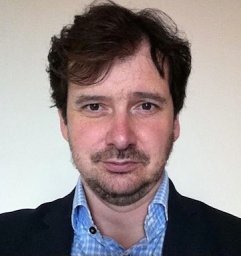 Peter L. M. Goethals合作论文数Laboratory of Environmental Toxicology and Aquatic Ecology, Ghent University50
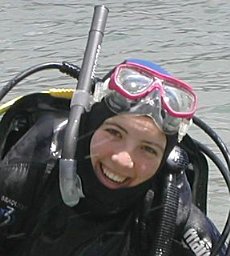 Ana Isabel Catarino合作论文数Laboratoire de Biologie Marine, Université Libre de Bruxelles31
 Colin R. Janssen (Colin Janssen)合作论文数Laboratory for Environmental Toxicology and
Aquatic Ecology, Faculty of Bioscience Engineering, Ghent University;Department of Animal Sciences and Aquatic Ecology, Faculty of Bioscience Engineering, Ghent University28
Colin R. Janssen (Colin Janssen)合作论文数Laboratory for Environmental Toxicology and
Aquatic Ecology, Faculty of Bioscience Engineering, Ghent University;Department of Animal Sciences and Aquatic Ecology, Faculty of Bioscience Engineering, Ghent University28 Pieter Boets合作论文数22
 Michiel B Vandegehuchte合作论文数Laboratory of Environmental Toxicology and Aquatic Ecology, Ghent University (UGent),16
 Ine Pauwels合作论文数14
 Jana Asselman合作论文数12Elina Bennetsen合作论文数11
 Frederik De Laender合作论文数Laboratory of Environmental Toxicology and Aquatic Ecology, Gent University11Steven Pint合作论文数10
 Zhiyue Niu合作论文数Flanders Marine Institute (VLIZ), Wandelaarkaai 7, 8400, Oostende, Belgium10
 Marie Anne Eurie Forio合作论文数10
 Bavo De Witte合作论文数Faculty of Bioscience Engineering, Ghent University10
 Koen Lock合作论文数9Nelle Meyers合作论文数8
 Marco Curto合作论文数Sch Mech & Design Engn, Univ Portsmouth8
 Alexander Hooyberg合作论文数Flanders Marine Institute (VLIZ), Ostend, Belgium8
 Thi Hanh Nguyen合作论文数Lab Environm Toxicol & Aquat Ecol, Univ Ghent8
 De Rijcke Maarten合作论文数Laboratory of Environmental Toxicology and Aquatic Ecology, Ghent University8
 Luis Dominguez-Granda合作论文数Department of Chemical and Environmental Sciences, Escuela Superior Politécnica del Litoral (ESPOL), Guayaquil, Ecuador.8
 Giulia Leone合作论文数7Maelenn Le Gall合作论文数7
 Karel De Schamphelaere合作论文数GhEnToxLab, Department of Animal Sciences and Aquatic Ecology, Faculty of Bioscience Engineering, Ghent University7Minar Naomi Damanik-Ambarita合作论文数7Devriese Lisa合作论文数7
 Jan Mees合作论文数Flanders Marine Institute7
 Peter Davies合作论文数6Henk Roose合作论文数6Hoang Thu Huong合作论文数6Nathalie Michels合作论文数Faculty of Medicine and Health Sciences, Ghent University6
 Argaw Ambelu合作论文数Ethiopian Institute of Water Resources, Addis Ababa University6
 Gobeyn Sacha合作论文数Laboratory of Environmental Toxicology and Aquatic Ecology, Ghent University6
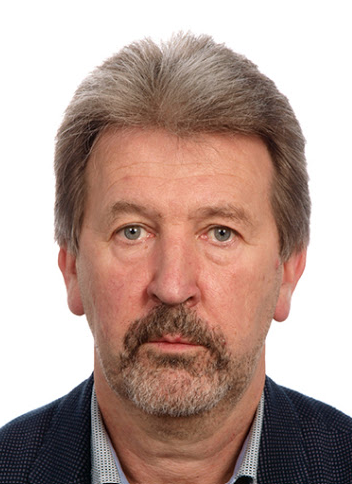 Stefaan De Henauw合作论文数Department of Public Health and Primary Care, Faculty of Medicine and Health Sciences, Universiteit Gent6
 Marleen De Troch合作论文数Biology Department, Ghent University6
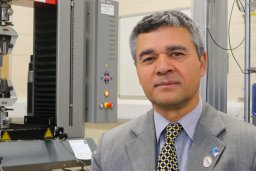 Hom Nath Dhakal合作论文数Advanced Composite Research Group, University of Portsmouth6Peace Liz Sasha Musonge合作论文数5
 Marine Severin合作论文数5
 Dries Landuyt合作论文数5
 Seblework Mekonen合作论文数Faculty of Bioscience Engineering, Ghent University;Department of Environmental Health Sciences and Technology, Jimma University;Ghent University, Jimma University5Koch Magaly合作论文数5Deschutter Yana合作论文数5
 Taffere Addis合作论文数School of Environmental Health, Jimma University5
 Kris Hostens合作论文数Biology Department, Ghent University5
 Matthias Egger合作论文数4Ann Buysse合作论文数4
 Patrick Roose合作论文数4
 Natalija Suhareva合作论文数4
 Wout Van Echelpoel合作论文数Dept Anim Sci & Aquat Ecol, Univ Ghent4Raes Filip合作论文数4




