A systematic review of shaken baby syndrome by the Swedish Agency for Health Technology Assessment and Assessment of Social Services generated numerous reactions from professional organisations, even before the review was published. There was also a lively debate after a paper summarising its findings were published in Acta Paediatrica The various responses are worth debating further, as they raise several important issues with regard to research ethics, having an open debate and publishing scientific findings. Conclusion The responses to the shaken baby syndrome report indicate that scientific scrutiny risks being lost when researchers and organisations are not open to challenging established ideas.
In Sweden, there are currently nearly 600 biobanks. The Swedish Biobank Register (SBR) is an on-going national investment by the county councils working to capture information in one database about all biobank samples collected from patients attending the Swedish medical health care. The aim of the SBR is to gather enough information about biobank samples to be able to physically trace the samples.The BioBanking and Molecular Resource Infrastructure of Sweden (BBMRI.se) has been given the task of extending the SBR Information System (IS) with functionality useful for research in connection to health care, quality registers and large patient cohorts. The research extension is called BBMRI catalogue over sample collections for research. To achieve this, the SBR-IS will be extended with attributes useful for both epidemiological and clinical research enabling authorized researchers to search for samples stored at non-clinical biobanks nationwide. The Swedish Biobank Register, together with the BBMRI research catalogue, will be a unique resource for research. SBR-IS will contain information about biobank samples collected by both clinical and population-based biobanks specifically established for research purposes but BBMRI.se researchers will only be granted access to data related to population-based biobanks. As BBMRI.se is the Swedish hub of the pan-European biobank project BBMRI, whose goal is to promote excellence and efficacy in European life science research, the BBMRI research catalogue will also be made compatible with the European register by applying its minimum data set describing biobanks and their objects. In this paper we describe the implementation. Our belief is that it will pave the way for connecting biobanks on an international level as well as stimulate collaborations and optimize usage of biobank samples. In the long run, patients and sample donors will benefit as new results with high statistical power emerge from large scale studies.
AIMTo describe the management practices of newly diagnosed childhood idiopathic thrombocytopenic purpura (ITP) in the Nordic countries.METHODSA prospective registration was done from 1998 to 2000, including all children with newly diagnosed ITP aged 0-14 years and at least one platelet count < 30 x 10(9)/L.RESULTS506 children from 98 departments were registered. A diagnostic bone marrow aspiration was obtained within 14 days in 33%. Platelet and/or red blood cell transfusion was given in 11%. 287 children (57%) received platelet-enhancing therapy with intravenous immune globulin (IVIG) or corticosteroids within 14 days of diagnosis, IVIG being the first line choice in over 90% of the cases. There were noticeable national differences in the management. The decision to start drug treatment within two days of diagnosis was influenced mainly by the platelet count. Neither early treatment nor response to treatment changed the risk of chronic disease.CONCLUSIONThis study has shown a great variation in the management practices of children with newly diagnosed ITP. Prospective studies are required to produce evidence-based recommendations for this patient group.
AIM:To identify T cell expansions, i.e. increased frequencies of T cells using a particular T cell receptor (TCR) V alpha or V beta gene segment, in patients with immune thrombocytopenic purpura (ITP).METHODS:The TCR repertoires of CD4+ and CD8+ peripheral blood lymphocytes of 16 patients with chronic ITP were analysed by staining with a panel of anti-TCR V alpha and V beta antibodies followed by flow cytometry.RESULTS:Four of the 16 patients exhibited a total of 6 expansions of CD8+ T cells using a particular V beta segment, but no expansions were detected in the CD4+ subset. For three of the expansions where a follow-up blood sample after treatment with intravenous immunoglobulin was available, only one expansion remained.CONCLUSION:Overall T cell expansion frequency was the same as in healthy individuals. However, the presence of expansions that normalized with treatment suggests the presence of specific T cells implicated in the pathogenesis of ITP.
The optimal treatment of non-Hodgkin's lymphoma (NHL) during pregnancy is currently undefined. The potential teratogenic effects of conventional chemotherapy preclude its use during the first trimester of pregnancy. We report the case of a pregnant woman with relapsed indolent follicular NHL who was treated with rituximab (unintentionally) during the first trimester. The treatment stabilised the disease. Following an uncomplicated pregnancy, a healthy child was born at full term and careful haematological and immunological monitoring has revealed no adverse effects resulting from exposure to rituximab. Data of using rituximab during pregnancy are scarce, but the present case shows that rituximab may be one option for treatment of NHL in early pregnancy.
Objective To determine the duration of the risk period with platelet counts <20 x 10(9)/L and the frequency of bleeding episodes in unselected children with idiopathic thrombocytopenic purpura (ITP).Study design We established a registry for patients with newly diagnosed ITP in the five Nordic countries, enrolling children aged 0 to 14 years with platelet counts <30 x 10(9)/L. Treatment centers prospectively reported presenting features, management details, and disease-related events during the first six months after diagnosis.Results At presentation (n = 501), more than half of the children had a platelet count <10 x 10(9)/L, but only 15 (3.0%) had a hemorrhage requiring blood transfusion. During follow-up of 409 patients, thrombocytopenia resolved uneventfully in 277. A risk period was present in 376 cases. Among 283,with self-limiting ITP, 26 were at risk >1 month and 25 had 30 events. Among 93 patients with chronic ITP, 73 were at risk >1 month and 44 had 111 events. Events occurred with an average frequency of 0.39 per month at risk. Life-threatening hemorrhages did not occur in the first six months after diagnosis.Conclusion Most children with ITP are at risk for serious bleeding for less than one month. Continuing severe thrombocytopenia is associated with little morbidity, bleeding episodes being infrequent and very rarely serious.
PURPOSE:To investigate whether pulsed high-dose dexamethasone is more efficacious than intravenous immunoglobulin (IVIg) as treatment of symptomatic chronic idiopathic thrombocytopenic purpura (ITP) in childhood. METHODS:In a 2:1-randomized study, 23 children with chronic ITP received dexamethasone (0.6 mg/kg per day for 4 consecutive days once monthly for 6 months, n = 15) or IVIg (800 mg/kg intravenously once monthly for 6 months, n = 8). After four courses of treatment a crossover was offered to nonresponders. A total of 20 children received dexamethasone and 11 received IVIg. RESULTS:One of the 8 IVIg patients and 2 of the 15 dexamethasone patients achieved complete response, defined as a platelet count of at least 150 x 10(9)/L for more than 3 months without treatment. Two of the 15 dexamethasone patients achieved partial response, defined as a platelet count of at least 30 x 10(9)/L for more than 3 months without treatment. One of the 8 IVIg patients and 5 of the 15 dexamethasone patients discontinued treatment. Five patients crossed over from IVIg to dexamethasone (one complete response) and three from dexamethasone to IVIg (none responded). In summary, 5 of the 20 dexamethasone patients achieved a complete or partial response and 1 of the 11 IVIg patients achieved a complete response. Platelet counts of at least 30 x 10(9)/L by day 3 were reached in 9 of the 12 (75%) dexamethasone patients and all 8 (100%) IVIg children using available data. Five years after study completion, two of the three children who achieved a complete response and one of the two with a partial response to dexamethasone were in remission, as was the child with a complete response to IVIg. CONCLUSIONS:Treatment with pulsed high-dose dexamethasone is not always effective in children with chronic ITP, but it is worth trying in severe symptomatic chronic childhood ITP.
Purpose It has been proposed that human parvovirus B19 or human herpesvirus 6 (HHV-6) causes transient erythroblastopenia of childhood (TEC). This study was performed prospectively and accurately in a sufficiently large population to confirm or reject these suggestions, or possibly to find another causative agent for TEC. Patients and Methods The authors studied prospectively the causative aspects of 10 consecutive children with TEC presenting at five Swedish pediatric clinics from 1994 to 1998 using serologic assays and polymerase chain reaction assays for B19, HHV-6, cytomegalovirus, and Epstein–Barr virus (EBV). The authors also performed isolation investigations of virus from bone marrow, stools, and aspirate from the nasopharynx. Results The authors found acute EBV infection in one child. There were no other instances of IgM positivity for any viruses at presentation, but a few children did show IgG positivity to HHV-6 (n = 2), EBV (n = 1), and cytomegalovirus (n = 1). No children were positive with respect to IgG for B19. However, it could not be determined when these children had been infected, and thus, a connection to TEC cannot be proved or excluded. No child showed B19 or HHV-6 DNA in serum or bone marrow collected at presentation. Isolation of virus from bone marrow, stools, and aspirate from nasopharynx culture was negative in all children but one, who had rotavirus in stool. Conclusions HHV-6, B19, EBV, and cytomegalovirus are not common causative agents of TEC. The authors found no proof of any single agent causing TEC.
Hemophagocytic lymphohistiocytosis (HLH) comprises familial (primary) hemophagocytic lymphohistiocytosis (FHL) and secondary HLH (SHLH), both clinically characterized by fever, hepatosplenomegaly, and cytopenia. FHL, an autosomal recessive disease invariably fatal when untreated, is associated with defective triggering of apoptosis and reduced cytotoxic activity, resulting in a widespread accumulation of T lymphocytes and activated macrophages. In 1994 the Histiocyte Society initiated a prospective international collaborative therapeutic study (HLH-94), aiming at improved survival. It combined chemotherapy and immunotherapy (etoposide, corticosteroids, cyclosporin A, and, in selected patients, intrathecal methotrexate), followed by bone marrow transplantation (BMT) in persistent, recurring, and/or familial disease. Between July 1, 1994, and June 30, 1998, 113 eligible patients aged no more than 15 years from 21 countries started HLH-94. All had either an affected sibling (n = 25) and/or fulfilled the Histiocyte Society diagnostic criteria. At a median follow-up of 3.1 years, the estimated 3-year probability of survival overall was 55% (95% confidence interval +/- 9%), and in the familial cases, 51% (+/- 20%). Twenty enrolled children were alive and off therapy for more than 12 months without BMT. For patients who received transplants (n = 65), died prior to BMT (n = 25), or were still on therapy (n = 3), the 3-year survival was 45% (+/- 10%). The 3-year probability of survival after BMT was 62% (+/- 12%). HLH-94 is very effective, allowing BMT in most patients. Survival of children with HLH has been greatly improved.
Some fetuses whose mothers have idiopathic thrombocytopenic purpura (ITP) may themselves have low platelet count and are thought to be at risk of serious bleeding complications, especially intracranial bleeding, during vaginal delivery. The aim of the present study was to prospectively evaluate outcome for mothers with ITP and their neonates with or without the information provided by percutaneous umbilical blood sampling (PUBS). Our intention was to perform cordocentesis using PUBS to measure fetal platelet count in pregnant women with ITP, utilizing the information thus derived as an aid in planning for delivery. Thirty-five pregnancies in 34 women with ITP or low platelet count (< 105 x 10(9)/L) were monitored. PUBS was to be performed on 13 women only, five of whom were splenectomized. There were two complications related to the PUBS itself which led to cesarean sections on the same day. Twelve of the 13 fetuses with PUBS had platelet count greater than 50 x 10(9)/L in the 36th week of pregnancy, and vaginal deliveries were initially planned. After experiencing one serious complication with PUBS, we found it difficult for ethical reasons to perform PUBS on mothers with ITP. Therefore 22 pregnancies were monitored without PUBS. Nine of the 35 children (26%) were delivered by cesarean section. The frequencies of vaginal and cesarean deliveries in the groups with and without PUBS were the same. Six of 15 neonates (40%) born to splenectomized mothers had platelet counts less than 50 x 10(9)/L during the first days of life and four of these were treated with intravenous gamma globulin and/or cortisone. No intracranial bleeding was observed in any of the children. In our hands, PUBS in ITP is potentially harmful and must be questioned. The frequency of low platelet count and/or bleeding complications in neonates of mothers with ITP born vaginally is low. In our opinion, the mode of delivery should be chosen mainly on the basis of obstetric criteria.
(2000). Compound Heterozygosity for Hb Tacoma [β30(B12)Arg→Ser] and β+-Thalassemia. Hemoglobin: Vol. 24, No. 3, pp. 253-257.
Diamond-Blackfan anaemia (DBA) is a constitutional red blood cell hypoplasia which may be associated with a variety of developmental abnormalities. A gene for DBA was recently mapped to chromosome 19q13.2 and subsequently cloned. Analysis of 19q marker alleles in DNA of sporadic DBA cases showed de novo microdeletions in three patients also presenting with mental retardation. We have studied one of these patients and characterised the deletion by fluorescence in situ hybridisation (FISH) to extended DNA fibres. The deletion was shown to be continuous over a 3.2 Mb region and the fibre-FISH analysis showed both chromosomal breakpoints. In combination, the clinical and molecular findings suggest a contiguous gene syndrome with a gene locus for mental retardation and, probably, skeletal malformations included in the deletion.
Familial hemophagocytic lymphohistiocytosis (FHL) is an invariably fatal disease typically seen in infancy and early childhood, with a median survival without therapy of two months. It is characterized by prolonged fever, hepatosplenomegaly, cytopenia, and deficient NK-cell activity and T-cell cytotoxic capacity. Severe neurological symptoms as well as coagulation disorders and abnormalities in liver function and lipid status may also develop. Since the mid 1980's there has been a remarkable increase in our understanding of this disease. In a large-scale international collaborative effort mediated through the Histiocyte Society, diagnostic criteria and an international treatment protocol (HLH-94) based on immunochemotherapy and BMT have been developed. A large proportion of affected children can now be cured and, moreover, successful chemotherapy in utero of FHL has been achieved. It has been shown that the symptoms and signs are mediated through a pronounced hypercytokinemia. Previous suggestions that FHL may be caused by a deficiency in apoptosis were recently confirmed when perforin gene defects were described, which may well explain the disastrous lymphohistiocytic accumulation and subsequent T-cell activation.
Diamond-Blackfan anemia (DBA) is a rare pure red-cell hypoplasia of unknown etiology and pathogenesis. A major DBA locus has previously been localized to chromosome 19q13.2. Samples from additional families have been collected to identify key recombinations, microdeletions, and the possibility of heterogeneity for the disorder. In total, 29 multiplex DBA families and 50 families that comprise sporadic DBA cases have been analyzed with polymorphic 19q13 markers, including a newly identified short-tandem repeat in the critical gene region. The results from DNA analysis of 29 multiplex families revealed that 26 of these were consistent with a DBA gene on 19q localized to within a 4.1-cM interval restricted by loci D19S200 and D19S178; however, in three multiplex families, the DBA candidate region on 19q13 was excluded from the segregation of marker alleles. Our results suggest genetic heterogeneity for DBA, and we show that a gene region on chromosome 19q segregates with the disease in the majority of familial cases. Among the 50 families comprising sporadic DBA cases, we identified two novel and overlapping microdeletions on chromosome 19q13. In combination, the three known microdeletions associated with DBA restrict the critical gene region to approximately 1 Mb. The results indicate that a proportion of sporadic DBA cases are caused by deletions in the 19q13 region.
The possible use of inflammatory parameters as a predictor of coronary artery lesions (CAL) and the effect of intravenous immunoglobulin (IVIG) treatment in 30 Swedish children with acute Kawasaki disease were investigated. All the patients were treated with IVIG (2 g/kg) and seven of them had CAL. Ten febrile children, hospitalized for treatment of severe infection, and 15 healthy children served as controls. The levels of soluble E-selectin and soluble intercellular adhesion molecule (ICAM)-1 in the Kawasaki patients were elevated in comparison to healthy, but not in comparison to febrile controls. Paired analysis of our patients before and after IVIG therapy during acute disease revealed lowered levels of C-reactive protein, interleukin-6, soluble E-selectin and soluble ICAM-1. We found no statistically significant relationships among any of these parameters as a possible predictor of CAL, but three patients with cardiac sequelae demonstrated high values for these inflammatory parameters. These findings may reflect endothelial activation in connection with vasculitis, and the anti-inflammatory effect of IVIG treatment lowering cytokine levels and subsequently decreasing the expression and shedding of adhesion molecules. In conclusion, we were unable to identify a predictor of CAL in the acute phase. The patients had higher levels of soluble E-selectin and soluble ICAM-1 than did afebrile controls, but not febrile controls. The patients' levels of C-reactive protein, interleukin-6, soluble E-selectin and soluble ICAM-1 were decreased after 1-2d of IVIG treatment.
Kawasaki disease (KD) is a paediatric multisystem necrotizing vasculitis constituting the most frequent cause of acquired heart disease in childhood. Conflicting data have been reported regarding expanded T‐cell populations using particular T‐cell receptor (TCR) β‐chain variable (BV) gene segments, suggesting either a superantigen‐ or a conventional antigen‐mediated immune response in this disease. In order to further investigate the role of T lymphocytes, cells were stained with an extensive panel of 21 different TCRBV specific monoclonal antibobies (MoAbs) covering almost 70% of all T‐cells. Flow cytometry was employed to analyse the expression of the TCRBV repertoire in the CD4+ and CD8+ subsets separately, and of activation markers, in freshly isolated peripheral blood lymphocytes of 25 Kawasaki disease patients during the acute and convalescent phases of the disease. No abnormal usage of any TCRBV family was found, neither acutely nor during convalescence, compared with a control group of healthy children. However, a significant increase in interleukin‐2 receptor (IL‐2R)‐expressing T lymphocytes restricted to the CD4+ subset was observed in KD patients. Our data confirm a strong immune activation in KD that might be of importance in the pathogenesis of the disease.
All attendees participated in a round‐table discussion regarding directions for research in autoimmune thrombocytopenic purpura (ITP). Suggested areas for study were grouped into five main areas: (i) improved classification of ITP identifying subsets of patients with differing clinical syndromes and response to treatment, and those more likely to have serious bleeding manifestations; identification of patients with reduced thrombopoiesis was emphasized; (ii) studies aimed at elucidating the aetiology and pathophysiology of ITP, with emphasis on distinctions between acute and chronic ITP and between patients responsive or refractory to therapy; these studies focused on measures of humoral and cellular immune dysregulation; (iii) studies of platelet function in ITP, with the intent of defining these abnormalities and correlating them with the clinical manifestations of the disease; (iv) new approaches to treatment, particularly of refractory patients; and (v) a miscellaneous group, which included development of an ITP registry, evaluation of the “burden” of disease, investigation of mood changes in ITP, etc. The discussion was not intended to be all‐inclusive, but focused on the content of other talks in this symposium. It is hoped that some of thesesuggestions will be further developed for investigation in multicentre co‐operative studies to improve the diagnosis, understanding and treatment of ITP.
The management of acute and chronic immune thrombocytopenic purpura (ITP) of children differs in many aspects from that of adults. Current paediatric and adult treatment options are discussed in this review in the light of the recently published practice guidelines for the diagnosis and treatment of ITP issued by a panel of paediatric and adult haematologists on behalf of the American Society of Hematology. Uncontrolled rather than controlled randomized studies often represent the basis for treatment decisions. Important issues in improving the management of patients with ITP include the identification of research priorities resulting in controlled clinical trials with well-defined study endpoints, the logistics and coordination of research activities and their presentation at international meetings.
 Jan-Inge Henter合作论文数Department of Women's and Children's Health, Karolinska Institutet25
 Anita Aperia合作论文数Department of Women's and Children's Health, Karolinska Institutet15
 Maurizio Arico合作论文数7
 R. Maarten Egeler合作论文数5
 Jan Palmblad合作论文数Department of Medicine, Huddinge, Karolinska Institutet;Uppsala University;Boston Children's Hospital;University of Amsterdam;Walter Reed Army Institute of Research5
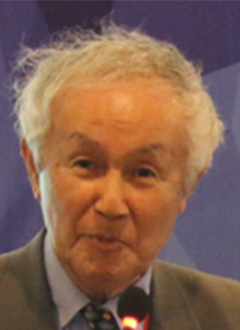 Shinsaku Imashuku合作论文数Division of Hematology, Uji-Tokushukai Medical Center;Department of Laboratory Medicine, Uji-Tokushukai Medical Center5
 Anders Ahlin合作论文数5Peter Herin合作论文数5B E Favara合作论文数4Gritta E Janka-Schaub合作论文数4Peter Gustavsson合作论文数4
 Niklas Dahl合作论文数Biomedical Center, University of Uppsala4
 Lennart Hammarström合作论文数Department of Medical Biochemistry and Biophysics, Karolinska Institutet4Iris Hedlund-Treutiger合作论文数3
 Yigael Finkel合作论文数3D Komp合作论文数3
 Stephan Ladisch合作论文数School of Medicine and Health Sciences, George Washington University;Center for Cancer and Immunology, Childrens National Medical Center3
 Helmut Gadner合作论文数Cancer Research Institute, St. Anna Kinderspitals3
 Alexandra (Lisa) H. Filipovich合作论文数Department of Pediatrics, UC;Cincinnati Children’s Hospital Medical Center3Gil Tchernia合作论文数3Rolf Zetterstrom合作论文数3Ove Broberger合作论文数3
 Jan Wahlström合作论文数Karolinska Institutet3Frank Lindblad合作论文数3Dmitry Tentler合作论文数3Orjan Kallskog合作论文数3J Winiarski合作论文数3G Skeppner合作论文数3Kari Ormstad合作论文数3I WIKSTAD合作论文数2A Goringe合作论文数2M Deboer合作论文数2G Alvelius合作论文数2E Garelli合作论文数2AC FELLER合作论文数2Mp Rusca合作论文数2O Söder合作论文数2R Jaffe合作论文数2H Wigzell合作论文数2Vs Blanchette合作论文数2S Ladisch合作论文数2B Landin合作论文数2p bucsky合作论文数2G. Janka合作论文数2
 Nancy F Olivieri合作论文数Cancer Clinical Research Unit, Princess Margaret Cancer Centre, University Health Network;Toronto General Hospital Research Institute, University Health Network2Rosthøj Susanne合作论文数Department of Biostatistics, University of Copenhagen2
 Johan Grunewald合作论文数Department of Medicine, Karolinska Institutet2Sökücü Sami合作论文数Department of Orthopedics and Traumatology, Baltalimanı Bone Diseases Training and Research Hospital2




