Abstract Glioblastoma (GBM) is the most common malignant form of adult brain tumor, with a median survival of around 1.5-2 years. Despite multimodal treatments (tumor resection, radiotherapy, and chemotherapy) achieving an effective cure remains a significant challenge due to its highly aggressive nature. Immune checkpoint inhibitors have emerged as a promising strategy to combat GBM; however, limitations have hindered clinical success, largely due to the “cold” and immunosuppressive tumor microenvironment (TME). Tumor Treating Fields (TTFields) therapy is a non-invasive, FDA approved treatment for GBM that employs specific frequency ranges (100-500 kHz) delivered through transducer arrays placed on the head. Our initial in vitro studies, using the inovitro system, confirmed that TTFields (72 hours, 200kHz) enhanced the immune response in GBM by inducing immunogenic cell death, which led to the recruitment of immune cells through the release of damage-associated molecular patterns (DAMPs). Additionally, we demonstrated that TTFields increased T-cell activity (IFNγ and perforin) and enhanced the motility and phagocytic activity in antigen presenting cells (Raw 264.7) and dendritic cells (JawsII). We then studied the therapeutic potential of directly applying the TTFields (10-14 days, 200kHz), using the inovivo system, to an orthotopic syngeneic GBM mouse model (CT2A-luciferase) with the checkpoint inhibitor anti-PD-1. Consistent with previous findings, the single arm treatments of TTFields and anti-PD-1 reduced tumor volume and slightly modulated the immune environment. Concomitant treatment of TTFields with systemic anti-PD-1 therapy reduced tumor volume and significantly increased immunomodulation, as observed via an increase in T cells and myeloid cells. Our findings suggest that concomitant treatment of TTFields with checkpoint inhibitors has the potential to help transform GBM into a “hot” tumor, making it an attractive target for immunotherapy. Citation Format: Si Yeon Lee, Kwang Bog Cho, Caren Wu, Justin Liu, Joe Ha, Adam Sjoholm, Michael Lim, Gordon Li, Ryan Nitta, . Analyzing Tumor Treating Fields (TTFields) therapy concomitantly with checkpoint inhibitors in a GBM mouse model [abstract]. In: Proceedings of the American Association for Cancer Research Annual Meeting 2026; Part 1 (Regular Abstracts); 2026 Apr 17-22; San Diego, CA. Philadelphia (PA): AACR; Cancer Res 2026;86(7 Suppl):Abstract nr 1565.
Figure S3: Ccr6-/- Tregs are transcriptionally and metabolically distinct from WT Tregs.
Succinate dehydrogenase (SDH) mutations are strongly associated with head and neck paraganglioma (HN-PGL), with recent evidence suggesting differences in tumor behavior relative to sporadic lesions. However, the optimal treatment strategy for this population remains unclear. We therefore compared the efficacy of surgical resection versus stereotactic radiosurgery (SRS) in patients with SDH-mutant HN-PGL. We retrospectively analyzed patients diagnosed with SDH-related HN-PGL who received treatment at our institution between September 1994 and September 2024. We reviewed clinical histories, genetic results, treatment parameters, and outcomes. Follow-up included clinical evaluations and radiological assessment. The primary outcome was local control, while the secondary outcome was treatment-related adverse events. A P-value of < 0.05 was considered statistically significant. The study included a total of 29 patients with SDH-related HN-PGL, encompassing 40 lesions treated with either SRS (n = 16) or surgical resection (n = 24). Mean age at diagnosis was similar between groups (35.6 vs. 33.6 years). The majority of patients had SDHD mutations (75.8
Glioblastoma (GBM) has remained relatively unresponsive to immunotherapy, with scattered durable responses reported in early CAR T-cell studies, but without clear benefit at the population level. The major challenge for GBM has been its heterogeneous nature with a significantly immunosuppressive microenvironment that is predominantly composed of myeloid cells, inhibiting T-cell infiltration, function, and providing a rapid pathway for adaptive resistance. The focus of this review is to reposition GBM CAR T-cell therapy as a systems-level issue, turning localized CAR T-cell cytotoxicity into sustained control of the disease by engaging endogenous antitumor immunity via cytokine myeloid chemokine networks. We integrated both mechanism- and translation-oriented evidence for how inflammatory mediators derived from CAR T cells (Type I IFNs, IFN-γ, TNF) may license microglia/tumor-associated macrophages for antigen presentation and chemokine secretion, thus recruiting host effector cells and promoting antigen epitope spreading. To place this work within the context of current engineering trends, the current paper undertook a structured meta-synthesis on registry trials for interventional CAR T therapy for GBM using ClinicalTrials.gov. Using a structured advanced search strategy, we searched 91 registry records, found 44 trials for interventional CAR T therapy, and evaluated 23 active trials commenced after January 2020. Trials were classified based on target antigen choice, multi-antigen OR-gated approaches, conditional AND-gated synNotch logic, as well as safety and controllability measures (inducible off-switches). The effectiveness of CAR T cells for GBM is not likely to be actualized by targeting alone and needs to incorporate both killing and productive self-reinforcing endogenous immunity via myeloid licensing and chemokine amplification. Current trials are increasingly integrating this paradigm with a focus on more comprehensive antigens, gated CARs, immune-conjugate payloads, and safety designs amenable to the CNS without major toxicity such as ICANS. Future translation will require a focus on implementing endogenous immune activation as a quantified endpoint (including cytokine and chemokine analysis within CSF) and a simultaneous focus on immune set points that maintain cross-priming and memory without unmasking neuroinflammatory toxicity.
Breast cancer (BC) is a leading cause of cancer-related morbidity and mortality in women, with many patients developing brain metastases (BM). Stereotactic radiosurgery (SRS) has become a standard treatment for BCBM, achieving local control rates exceeding 90%. However, some patients remain resistant to SRS, and genetic factors may influence treatment outcomes. We aimed to evaluate the impact of CHEK2 mutations on radiation response and local control in patients with BCBM treated with SRS. We analyzed 11 patients with confirmed pathogenic CHEK2 mutations and 43 total BCBM treated with CyberKnife SRS. Data on demographics, performance status, and tumor characteristics were collected. Primary endpoints included local control and distant BM-free survival, while secondary endpoints were the rate of post-SRS leptomeningeal disease (LMD) and the need for additional intervention. The female-to-male ratio was 10:1, with a median age at BC diagnosis of 52 years (range 35-76). Receptor status showed 7 patients were HR+/HER2-, 2 patients were HR+/HER2+, 1 patient was HR-/HER2+, and 1 patient had triple-negative breast cancer. There was a median of 3 BCBM (range 1-6) at presentation, with 7 patients also having extracranial metastasis. Median age at SRS was 55 years (range 41-86), and all patients received systemic chemotherapy prior to SRS. Median maximum diameter of BCBM was 9.0 mm (range 2.6-32.0), with a median prescribed dose of 22 Gy (range 20-30). Median radiographic follow-up was 18.7 months (range 1.9-107.8). Local control rates were 97.8%, 90.9%, and 72.7% at 3, 6, and, 12 months, respectively. Four patients developed LMD and 4 experienced distant recurrence, requiring additional treatment. Local control and distant recurrence rates in patients with CHEK2 mutations were notably unfavorable compared to prior reports of SRS outcomes for BCBM. This suggests CHEK2 as a potential marker of poor prognosis in BCBM, although direct comparisons to CHEK2-wildtype patients are needed.
Figure S5: Ccr6 ablation reduces Treg immunosuppression of CD8 T cells in the context of tumor growth.
Figure S2: CCR6 expression is enhanced in tumor-infiltrating Tregs co-expressing checkpoints and Ccr6 ablation reduces immunosuppressive phenotype.
Neurofibromatosis type 2 (NF2) is a hereditary tumor syndrome driven by mutations in the NF2 gene. The mutation leads to aberrant proliferation of Schwann cells along the vestibular division of cranial nerve VIII, resulting in bilateral vestibular schwannomas (VS) that cause progressive hearing loss and neurological dysfunction. Loss of the tumor suppressor merlin results in dysregulation of multiple oncogenic pathways, including VEGF, MAPK/ERK, PI3K/AKT/mTOR, EGFR/ErbB, PDGFR, and Hippo-YAP. The inability of conventional management modalities to address the multifocal and progressive nature of NF2-associated tumors has driven investigation into targeted therapies. This review summarizes the evolving landscape of targeted therapies in NF2-associated vestibular schwannomas. Management of NF2-VS is individualized, with active surveillance favored for stable or smaller tumors, surgical resection pursued for symptomatic or enlarging lesions, and bevacizumab increasingly utilized as either a primary or adjunctive systemic option. Radiation therapy, by contrast, is employed selectively given its potential to compromise auditory function and its association with malignant transformation. Targeted agents such as bevacizumab (anti-VEGF), MEK inhibitors (selumetinib, trametinib), EGFR inhibitors (lapatinib, erlotinib), and mTOR inhibitors (everolimus) are examined across preclinical models and clinical trials. Emerging approaches including dual pathway inhibition and immunologic strategies such as VEGF receptor vaccination are also discussed. Importantly, NF2-VS exhibits molecular and clinical heterogeneity, with differing responses observed across pediatric and adult populations. Therapeutic limitations of current targeted therapies include resistance, toxicity, and the modest efficacy of monotherapies. As such, future investigations must refine endpoints (e.g., hearing stabilization vs. tumor regression), optimize dosing strategies, and personalize therapy based on age, tumor biology, and clinical trajectory. This review highlights the translational challenges and opportunities that lie ahead in delivering clinically efficacious therapies specific to each patient.
Mitochondrial regulators are increasingly recognized for their influence on immune signaling within the tumor microenvironment (TME). In glioma, where immunosuppression limits therapeutic efficacy, we investigate how targeting the mitochondrial protein MIRO1 alters the TME. We combine single-nucleus RNA sequencing of murine gliomas treated in vivo with an MIRO1-binding compound and bulk RNA sequencing of human glioma resections treated with the same compound ex vivo. Cross-species transcriptomic integration reveals an MIRO1-responsive program in the TME. Among shared targets, we identify PARP11/Parp11 as a consistently up-regulated gene in glioma, which is down-regulated after MIRO1-binding compound treatment in both human and mouse gliomas. Cell-cell communication analysis shows that a specific cluster of macrophages (MAC1), which exhibits robust Parp11 and Pdl1 (encoding PD-L1) expression, sends immunosuppressive signals to CD8(+) cytotoxic T cells, and may receive prostaglandin E-2 signals from another cluster of macrophages (MAC4). Targeting MIRO1 eliminates this cell circuitry and reduces the tumor cell population. Our study provides a transcriptomic framework for understanding mitochondria-immune crosstalk and nominates MIRO1-PARP11 as a potential effector axis of brain immune dysfunction.
In this manuscript, we discuss the use of neuromodulatory techniques such as intrathecal therapy (IT) and spinal cord stimulation (SCS) for cancer pain in neuro-oncology patients. Currently, cancer pain management relies on oral opioids, which have a number of systemic side effects particularly in a chronic setting. An escalation of pain therapy for pain relief, such as neuromodulation, is necessary to improve neuro-oncology patients' quality of life. The paper highlights the need for more comprehensive pain management for patients during and after receiving cancer therapies. IT allows analgesics to bypass the blood-brain barrier (BBB), generating rapid and effective analgesia with fewer side effects than oral drug administration. SCS can interrupt pain signals via electrical stimulation of the dorsal columns of the spinal cord. Here we present rationale and highlight individualized treatment options for these neuromodulatory techniques' use in a neuro-oncological setting.
Stereotactic radiosurgery (SRS) has emerged as a promising modality for improving local tumor control (LTC); however, data on its use for spinal metastases (SM) specifically from cholangiocarcinoma remain limited. In this single-institution retrospective analysis, we aimed to evaluate the safety and efficacy of SRS for SM from cholangiocarcinoma, exploring the role of biologically effective dose (BED) thresholds. Demographic, clinical, radiographic, and dosimetric variables, including Bilsky grade, Karnofsky Performance Status (KPS), and BED, were collected. The treatment response was assessed using a combination of radiologic, metabolic, and clinical criteria. Survival outcomes were calculated using Kaplan-Meier methods, and statistical analyses accounted for lesion clustering within patients. Seventeen SM identified in eight patients (mean age 68 years; SD± 8.2 years) were analyzed. The mean lesion volume at the time of treatment was 37.4 cm3 (SD± 23.8 cm³) and the median prescription dose was 20 Gy (IQR = 20–28 Gy). In exploratory comparisons, lesions with Bilsky ≥1c showed lower 3-month clinical response stability than lower-grade lesions (25
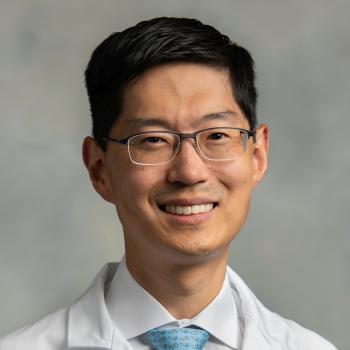 Michael Lim合作论文数School of Medicine, Johns Hopkins University;School of Medicine, Stanford University62
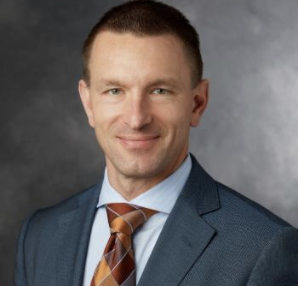 Scott G. Soltys合作论文数Department of Radiation Oncology, School of Medicine, Stanford University55
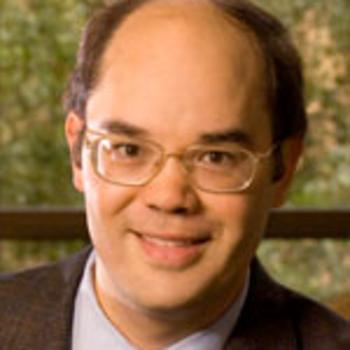 Steven D. Chang合作论文数Department of Neurosurgery, School of Medicine, Stanford University49
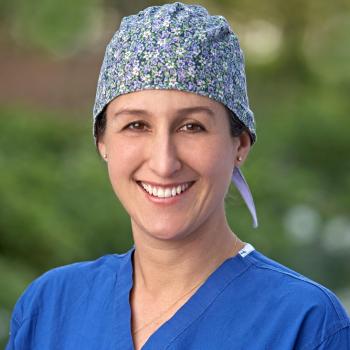 Melanie Hayden Gephart合作论文数Neurology & Neurological Sciences Department, Stanford University/Neurosurgery Department, Stanford University44
 Ryan Nitta合作论文数41
 Seema Nagpal合作论文数Neurosurgery Department, Stanford University34
 Iris C. Gibbs合作论文数Department of Radiation Oncology, School of Medicine, Stanford University34
 John K. Ratliff合作论文数Neurosurgery Department, Stanford University25
 Kim Lily H合作论文数San Jose Gastroenterology, Stanford University Medical Center23
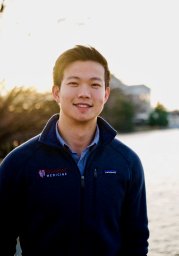 Michael C Jin合作论文数Department of Otolaryngology-Head and Neck Surgery, Stanford University School of Medicine22
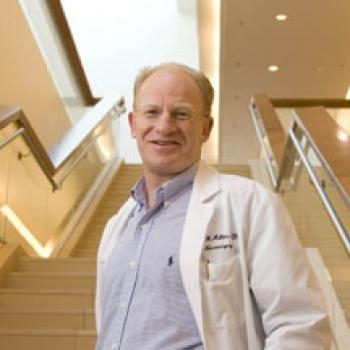 John R. Adler合作论文数Department of Neurosurgery, School of Medicine, Stanford University22
 Gerald Arthur Grant合作论文数Department of Neurosurgery, School of Medicine, Stanford University;Department of Neurosurgery, Duke University22
 Hannes Vogel合作论文数Department of Neurosurgery, School of Medicine, Stanford University;Department of Pathology, School of Medicine, Stanford University21
 John S. Choi合作论文数jet propulsion laboratory21
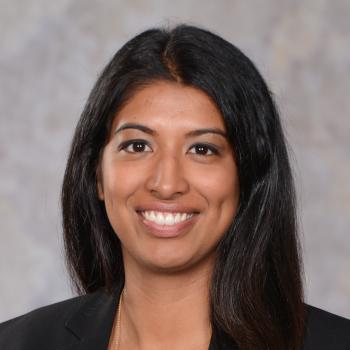 Reena Thomas合作论文数Department of Neurosurgery, School of Medicine, Stanford University;Department of Neurology and Neurological Sciences, School of Medicine, Stanford University20
 Anand Veeravagu合作论文数Neurosurgery Department, Stanford University19
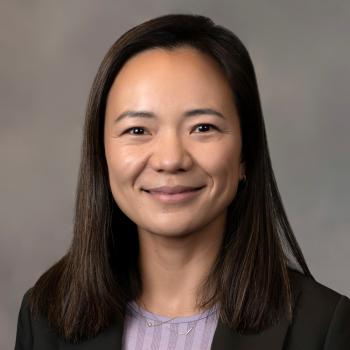 Erqi Pollom合作论文数Department of Radiation Oncology, Stanford University;Department of Neurosurgery, Stanford University18Erqi L. Pollom合作论文数17Ayush Pant合作论文数17
 Griffith Harsh合作论文数National Center for Interventional Biophotonic Technologies, University of California, Davis;School of Medicine, University of California, Davis17Adela Wu合作论文数16
 Crystal Mackall合作论文数School of Medicine, Stanford University16
 Christina Jackson合作论文数Dept Neurosurg, Johns Hopkins Univ15
 Lawrence Recht合作论文数Neurosurgery Department, Stanford University15
 Siddhartha Mitra合作论文数USGS15
 Albert J. Wong合作论文数Department of Neurosurgery, School of Medicine, Stanford University;Cancer Institute, School of Medicine, Stanford University14
 Yiyun Chen (陈以昀)合作论文数State Key Laboratory of Bioorganic and Natural Products Chemistry, Shanghai Institute of Organic Chemistry, Chinese Academy of Sciences/University of Chinese Academy of Sciences14
 Steven Hancock合作论文数Department of Radiation Oncology, School of Medicine, Stanford University14Kwang Bog Cho合作论文数13Yusuke S Hori合作论文数13
 Tej D. Azad合作论文数Johns Hopkins Medicine13
 Rohit Verma合作论文数Stanford University School of Medicine, Stanford University12
 Isaac Yang合作论文数University of California11Caren Yu-Ju Wu合作论文数9Ravi Medikonda合作论文数9
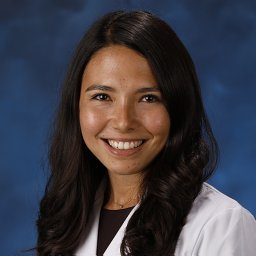 Dylann Fujimoto合作论文数Department of Radiation Oncology, University of California Irvine9von Eyben Rie合作论文数9
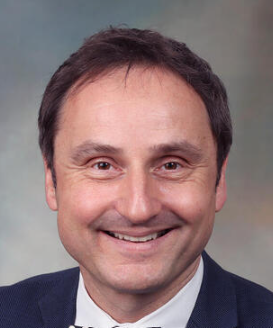 Maciej M. Mrugala合作论文数Department of Neurology, Mayo Clinic9
 Zachary Adam Smith合作论文数Feinberg School of Medicine, Northwestern University9Bertrand Sophie合作论文数9He Yi合作论文数9
 Stephen Skirboll合作论文数Department of Neurosurgery, School of Medicine, Stanford University9
 Michael Zhang合作论文数Stanford Artificial Intelligence Laboratory, Stanford University;Together AI9
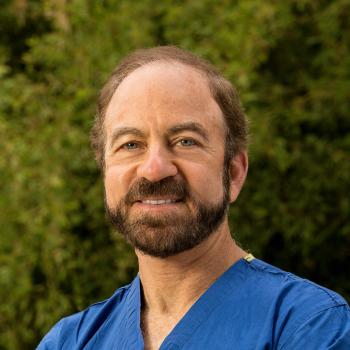 Gary K. Steinberg合作论文数Stanford Stroke Center, Department of Neurology and Neurological Sciences, School of Medicine, Stanford University;Moyamoya Center, School of Medicine, Stanford University9Clara Y.H. Choi合作论文数9
 Atman Desai合作论文数Neurosurgery Department, Stanford University9Thomas A. Davis合作论文数8Aanchal Jain合作论文数8J Paul Duic合作论文数8




