Yak husbandry on the Qinghai–Tibetan Plateau relies on genetically resilient sire lines, yet the paternal ancestry of the locally prominent Jiuzhi breed has never been quantified. To resolve this gap, a 690 bp fragment of the Y chromosomal SRY gene was sequenced in 117 males spanning Jiuzhi (n = 12) and five neighboring Qinghai breeds and compared with three single individual public records that represent Qinghai Plateau, Tianzhu White, and Wild yaks. Alignment, haplotype calling, diversity indices, F_ST differentiation, AMOVA, multidimensional scaling, and TCS network analysis were performed. Thirty-two haplotypes were recovered; Jiuzhi yaks possessed twelve, and six of them had private alleles. Mean A + T content was 53.8%. Haplotype diversity was highest in Qinghai Plateau, Tianzhu White and Wild yaks and lowest in Larima yaks, while Jiuzhi diversity resembled that of Huanhu. Pairwise F_ST values indicated negligible differentiation between Jiuzhi and either Qinghai Plateau or Yushu yaks (F_ST ≈ 0) but pronounced divergence from Tianzhu White and Wild yaks (F_ST ≈ 0.97–0.99). AMOVA attributed 90.7% of molecular variance to among-breed differences, and multidimensional scaling clustered Jiuzhi with Jinchuan, Yushu and Huanhu. Network topology resolved two patrilineal clades, confirming dual paternal origins for Jiuzhi yaks. These data provide the first quantitative baseline for sire selection and conservation of Jiuzhi yaks and highlight close affinities with adjacent plateau breeds. Limitations include the use of single individual public sequences for Qinghai Plateau, Tianzhu White and Wild yaks (employed solely as phylogenetic anchors) and reliance on a single Y-linked locus; broader sampling and multilocus approaches will refine within-breed estimates.
The transition period is a crucial stage in the reproductive cycle for dams and is linked closely with postpartum recovery, reproduction performance, and health. The confronting problem in the yak industry is that transition yaks under a conventional grazing feeding regime endure nutritional deficiency since this period is in late winter and early spring of the Qinghai-Tibet Plateau with the lack of grass on natural pasture. Therefore, this study aimed to investigate the effects of perinatal nutritional supplementation and early weaning on serum biochemistry, reproductive performance, and metabolomics in transition yaks. Eighteen healthy yaks in late pregnancy (233.9 ± 18.3 kg, 2–4 parity) were randomly assigned to three groups: conventional grazing feeding (GF, n = 6), additional nutrition supplementation (SF, n = 6), and additional nutrition supplementation with early weaning (SW, n = 6). Yaks in the GF, SF, and SW groups were free grazing on the same pasture in the daytime from −30 to 90 d relative to parturition. Yaks in SF and SW groups received total mixed ration supplementation in the barn during the night throughout the trial. Calves in the SW group were early weaned and separated from the dam at 60 d postpartum. Maternal body weight was measured at −30 and 90 d, and serum samples were collected to analyze serum biochemistry, hormones, and metabolomics at −15, 30, and 90 d relative to calving. In the SF and SW groups, yaks showed significantly higher body weight gain, serum glucose, globulin, and total protein concentrations. Lipid transportation molecules apolipoprotein B100 and very low-density lipoprotein of SF and SW yaks were significantly increased along with the decreased lipid mobilization products non-esterified fatty acid and β-hydroxybutyric acid when compared to GF yaks at −15 and 30 d. At 90 d, serum non-esterified fatty acid and β-hydroxybutyric acid levels were significantly lower in SW yaks than in SF ones, while apolipoprotein B100 and very low-density lipoprotein levels were significantly higher in SW yaks than in GF yaks. The serum levels of metabolic regulatory hormones, including insulin, leptin, and insulin-like growth factor I were significantly increased, and glucagon was significantly reduced in the SF and SW groups than in the GF group at −15 and 30 d. Among serum reproductive hormones, SF and SW yaks had significantly higher estradiol and progesterone concentrations than GF ones at −15 and 30 d. Follicle-stimulating and luteinizing hormone levels were increased in SW group than in SF and GF ones at 90 d. The calving rates in the following year were 0% (GF), 16.7% (SF), and 83.3% (SW), respectively. The serum metabolomics analysis revealed 848 metabolites in positive mode and 350 in negative mode. With the perinatal nutritional supplementation, the lipid and energy metabolism of transition yaks were improved, meanwhile, lipid mobilization and estrogen production-related pathways were down-regulated. These data suggest that perinatal nutrition supplementation reduces body weight loss, improves glucose and lipid metabolic adaptation to the transition period, and improves yaks’ reproductive performance. Additionally, the combination of early weaning and nutritional supplementation results in lower lipid mobilization and up-regulation of lipid transportation and reproductive hormone secretion, which may further contribute to postpartum recovery and acceleration of the reproductive cycle.
The Sichuan-Yunnan region is the main production area of yaks in southwestern China, with rich genetic resources of Yaks. Nevertheless, there have been limited study on the genetic characteristics of the entire yak populations in Tibet and southwestern China. In this study, we performed whole-genome resequencing to identify genetic variation information in a total of 198 individuals from six yak breeds (populations) in Sichuan (Muli yak, Jinchuan yak, Changtai yak, Maiwa yak), Yunnan (Zhongdian yak), and Tibet (Tibetan yak). The aim was to investigate the whole-genome genetic diversity, population genetic structure, and genome selection signatures. We observed that all six populations exhibit abundant genetic diversity. Except for Tibetan yaks, which showed low nucleotide diversity (0.00104), the remaining yak populations generally displayed high nucleotide diversity (0.00129–0.00153). Population genetic structure analysis revealed that, among the six yak populations, Muli yak exhibited greater differentiation from other yak populations and formed a distinct cluster independently. The Maiwa yak population displayed a complex genetic structure and exhibited gene exchange with Jinchuan and Changtai yaks. Positive selection signals were detected in candidate genes associated with growth (GNB4, HMGA2, TRPS1, and LTBP1), reproduction (PI4KB, DYNC1I1, and GRIP1), immunity (CD200 and IL1RAP), lactation (SNX13 and CPM), hypoxia adaptation (NDUFB6, PRKN, and MRPS9), hair (KRT24, KRT25, and KRT26), meat quality (SUCLG2), digestion and absorption (CLDN1), and pigment deposition (OCA2) using the integrated Pi and FST methods. This study provides significant insights into understanding the whole-genome genetic characteristics of yak populations in Tibet and southwestern China.
Diarrhea-induced mortality among juvenile yaks is highly prevalent in the pastoral areas of the Qinghai-Tibet plateau. Although numerous diseases have been linked to the gut microbial community, little is known about how diarrhea affects the gut microbiota in yaks. In this work, we investigated and compared changes in the gut microbiota of juvenile yaks with diarrhea. The results demonstrated a considerable drop in the alpha diversity of the gut microbiota in diarrheic yaks, accompanied by Eysipelatoclostridium, Parabacteroides, and Escherichia-Shigella, which significantly increased during diarrhea. Furthermore, a PICRust analysis verified the elevation of the gut–microbial metabolic pathways in diarrhea groups, including glycine, serine, and threonine metabolism, alanine, aspartate, oxidative phosphorylation, glutamate metabolism, antibiotic biosynthesis, and secondary metabolite biosynthesis. Taken together, our study showed that the harmful bacteria increased, and beneficial bacteria decreased significantly in the gut microbiota of yaks with diarrhea. Moreover, these results also indicated that the dysbiosis of the gut microbiota may be a significant driving factor of diarrhea in yaks.
本试验以麦洼牦牛为研究对象,探讨了饥饿状态下牦牛体重、常规组分含量、糖原含量,生化指标及氨基酸和脂肪酸组成的变化.选择8头健康无病、生长发育良好、体重相近(110.3±5.85kg)的3周岁麦洼牦牛,采用配对设计将体重相近的牦牛两两配对,分别将每个对子中的两头牛随机分到试验组和对照组中,每组4头.对照组于试验第1天进行屠宰采样,试验组牦牛做饥饿处理,分别在第1、2、3、5、7天通过颈静脉采血,离心制取血清,于第8天屠宰采样.结果表明:饥饿导致牦牛的活体重量和胴体重量显著降低(P<0.05).饥饿过后粗脂肪和粗蛋白在背最长肌中的含量均显著降低(P<0.05),肝脏和背最长肌中水分和灰分的含量均显著升高(P<0.05).机体肝糖原和肌糖原的含量显著降低(P<0.05).短期饥饿导致牦牛血清中葡萄糖、甘油三酯和胆固醇的含量均显著降低(P<0.05).饥饿可使饱和脂肪酸和多不饱和脂肪酸的含量极显著降低(P<0.01),而对单不饱和脂肪酸无影响(P>0.05).饥饿可提高肝脏中必需氨基酸和非必需氨基酸的含量(P<0.01).以上结果表明,在饥饿状态,牦牛将大量分解机体自身的储能物质,通过分解糖原、降解脂肪和蛋白质来维持机体的代谢需要,最终导致牦牛的活体重量和胴体重量降低.
To investigate the characteristics and functions of yak 8-defensin 124 (DEFB124), prokaryotic expression, analysis of gut microbiological and other methods were used in this study. The results showed that the sequence of yak DEFB124 gene was 306 bp in length and 207 bp in open reading frame, which encoded 68 amino acids. Yak DEFB124 protein was highly conserved and had the closest relationship with cattle. Yak DEFB124 protein was a secreted cationic 8-defensin. The recombinant expression plasmid pET32a-DEFB124 was constructed, and an about 24 kDa protein was successfully expressed. Yak DEFB124 protein had inhibitory activity against Staphylococcus aureus (S. aureus), and its MIC value was 64 mu g/mL. After treating with yak DEFB124 protein, the activities of alkaline phosphatase (AKP) and total superoxide dismutase (T-SOD) were higher (P < 0.01) in the jejunum tissue, but the activity of lysozyme (LZM) was lower (P < 0.01). The number of goblet cells in the duodenum, jejunum, and ileum of the mice in the DEFB124 group was increased (P < 0.01). Besides, the ex-pressions of MUC2 mRNA and protein were increased (P < 0.05) after the treatment with yak DEFB124 protein. Furthermore, the relative abundance of Lactobacillus in jejunum of mice in DEFB124 group was also increased. In summary, yak DEFB124 protein could increase the number of goblet cells in mice intestine and the abundance of intestinal probiotics Lactobacillus, thereby protecting the intestinal tract and alleviating intestinal damage.
Staphylococcus aureus (S. aureus) is one of the most common food-borne poisoning microbial agent. However, the antimicrobial activity of β-defensin 116 in yak and its application in S. aureus-induced diarrheal disease have not been reported. In this study, 303 bp cDNA sequence of yak DEFB116 gene was obtained. In addition, the prokaryotic expression vector of DEFB116 protein with a molecular weight of 16 kDa was successfully constructed and expressed. The yak DEFB116 gene can encode 19 amino acids, the percentage of hydrophobic amino acids is 36 % and the total positive charge is 6, which has potential antibacterial potential. Sufficient DEFB116 protein concentration and time can destroy the integrity of the bacterial cell membrane, resulting in leakage of intracellular solutes and thus killing S. aureus. The intestinal histopathological features and the number of inflammatory cells were improved in the diarrhea mouse model under the action of DEFB116 protein. The decrease of goblet cells was reversed, the expression of mucoprotein was increased. DEFB116 protein increased the abundance of Lactobacillus johnsonii, Lactobacillus reuteri and Desulfovibrio, and inhibited the reproduction of pathogenic bacteria. These findings provide new insights into the potential future applications of yak β-defencins in the food industry and medical fields.
Yak is one of the rare and unique cattle species on the Qinghai-Tibetan Plateau, which has strong adaptability to the extreme environment of the plateau. The spleens are important functional organs that enable animals to adapt to their external environment and are vital in the growth and development process. To further investigate changes in immune function during yak development, we compared the transcriptome profiles of spleen tissues among juvenile (1-day old), youth (15-months old), and prime (5-years old) yaks. Immunology of spleen development was evaluated based on histological analyses and global gene expression was examined by using RNA-sequencing (RNA-seq) technology. In this work, we found 6378 genes with significant differences between the spleen of juvenile yak and youth yak, with the largest difference between groups. There were 3144 genes with significant differences between the spleen of young yak and prime yak, with the smallest differences between groups. Further, Gene Ontology (GO) and Kyoto Encyclopedia of Genes and Genomes (KEGG) analyses were conducted for the functional annotation of these genes. GO and KEGG analysis showed that some of them were related to growth, disease, immune, and metabolism. However, the genetic mechanism underlying the adaptability of yak spleens at different ages to harsh plateau environments remains unknown. These findings are important for studying the mechanisms of spleen development in yaks of different age groups.
Cattleyak, the interspecies hybrid from cattle (males) and yak (females), displays a faster growth rate and higher feeding efficiency than yak with usually one-year shorter raising cycle. This study aimed to assess the carcass characteristics and meat quality attributes of cattleyak by compared to yak at a similar bodyweight. Results showed that cattleyak exhibited an elevated dressing percentage (58.33%) and a significantly higher content of healthy fatty acids, including eicosapentaenoic acid (5.64%) and docosahexaenoic acid (0.46%) (P < 0.05). Compared to yak meat, the tenderness of cattleyak meat was significantly enhanced (P < 0.05), with the lower Warner-Bratzler shear force (59.53 N) and hardness value (580.92 g), as well as the significant reduction of more than 20% of muscle fiber diameter (P < 0.05). Additionally, myofibrillar proteins in cattleyak, including desmin, tropomyosin, and troponin-T, degraded faster than those in yak (P < 0.05), indicating their role in tenderization improvement in cattleyak. These findings suggest that, in comparison to yaks of the similar bodyweight, cattleyaks with less than one year of the raising cycle have improved meat quality and economic efficiency.
CXCL14 (C-X-C motif chemokine ligand 14) is an important chemokine involved in infection and immunity and plays an important role in a variety of immune-related diseases. The 446 bp cDNA sequence of the CXCL14 gene in yaks was obtained. Additionally, the prokaryotic expression vector of the CXCL14 protein with a molecular weight of 27 kDa was successfully constructed and expressed. The proliferation activities and migration abilities of spleen macrophages were significantly inhibited after treatment with the CXCL14 protein at different concentrations (1, 10 and 20 μg/mL) (p < 0.05). Furthermore, the expressions of pro-inflammatory cytokines interleukin 1 beta (IL-1β), interleukin 6 (IL6), interleukin 8 (IL8) and interferon-α (TNF-α) were significantly increased (p < 0.05), but the expression of anti-inflammatory factor interleukin 10 (IL10) was significantly decreased (p < 0.05). The contents of inflammatory factors in the supernatant of cells were detected using ELISA, and it was also found that the contents of TNF-α, IL6 and cytochrome c oxidase subunit II (COX2) were significantly increased under different CXCL14 protein concentrations (p < 0.05). Finally, the exogenous addition of CXCL14 inhibited the activity, clonal formation and migration of hepatoma cells (HepG2). Additionally, after HepG2 cells were treated with 20 μg/mL CXCL14 protein for 12 h, 24 h and 36 h, the expression levels of BCL2 homologous antagonist/killer (BAK) and the BCL2-associated X apoptosis regulator (BAX) were increased to varying degrees, while the expression levels of hypoxia-inducible factor 1 subunit alpha (HIF1A), the mechanistic target of rapamycin kinase (mTOR) and cyclin-dependent kinase 1 (CDK1) genes decreased compared to the control group. In conclusion, the CXCL14 protein can inhibit the proliferation and migration of HepG2 cells by inducing the expression of macrophage pro-inflammatory factors and activating apoptosis-related genes to exert innate immunity. These results are helpful to further study the function of the CXCL14 protein and provide research data for the innate immune mechanism of yaks under harsh plateau environments.
我国是世界上拥有牦牛数量和品种类群最多的国家.牦牛乳产业的发展对当地生产和生活具有极其重要的作用.为了较全面的总结四川省牦牛乳产业的发展情况,本文基于走访调研资料,结合四川省牦牛乳业发展实际情况,分析牦牛乳业发展中存在的问题,进一步提出了四川省牦牛乳业发展的对策.
To our knowledge, carbon loaded with nano-ZnO (NZnOC) represents a new nutritional additive for the animal husbandry industry. However, the mechanism by which NZnOC mediates beef cattle growth and intestinal health is not fully understood. This study aimed to investigate the effects of carbon loaded with nano-ZnO (NZnOC) supplementation on growth performance, gut microbiota, bile acid (BAs) metabolism and intestinal immunity in fattening cattle. Twenty cattle (16 ± 0.95 months) were randomly assigned to two dietary groups: CON (control, without feed additive) and NZnOC (diet supplemented with 80 mg NZnOC/kg diet dry matter basic) for 60 d. The colon digesta microbiota composition and BAs concentration were determined by microbiota metagenomics and gas chromatography methods, respectively. The results showed that the NZnOC-supplemented cattle had greater final weight, average daily gain and gain-to-feed ratio than those in the CON group. Cattle fed the NZnOC diet had a higher relative abundance of the secondary BAs synthesizing phyla Firmicutes, Tenericutes and Actinobacteria than those fed the CON diet. Dietary supplementation with NZnOC increased the relative abundance of the secondary BAs synthesis microbiota genera Clostridium, Ruminococcus, Eubacterium, and Brevibacillus in colon digesta. Cattle fed the NZnOC diet had increased activities of 3α-hydroxysteroid dehydrogenase (EC: 1.1.1.52) and bile acid-CoA ligase BaiB (EC: 6.2.1.7) in the colon digesta compared with those fed the CON diet. The primary BAs taurocholic acid, taurochenodeoxycholic acid and taurodeoxycholate acid were significantly decreased by dietary NZnOC supplementation, while the secondary BAs deoxycholic acid, taurolithocholic acid, beta-muricholic acid, 12-ketolithocholic acid and ursodeoxycholic acid were significantly increased. Dietary supplementation with NZnOC increased the mRNA abundance of G protein-coupled bile acid receptor 1, protein kinase cAMP-activated catalytic subunit alpha, cyclic-AMP response element binding protein 1 and interleukin (IL)-10 in the colon mucosa of cattle, while the mRNA abundance of tumor necrosis factor and IL-1β were significantly decreased. In summary, dietary supplementation with NZnOC can facilitate the growth performance and intestinal immune function of cattle by improving BAs metabolism. NZnOC can be supplemented in the diet as a safe regulator of gut microbiota and as a feed additive in the ruminants industry.
Spleen plays an indispensable role in the immune system as the largest lymphatic organ in the body. The spleens of yaks at three developmental stages (1 day fetal yak, 15 months juvenile yak and 5 years old adult yak) were sampled and the Tandem mass tag (TMT) quantification method was employed in spleen proteomic analysis. The results showed that 6576 proteins and 529 differentially expressed proteins (DEPs) were identified in the yak spleens at three growth stages. Gene ontology (GO) analysis of DEPs indicated that DEPs were enriched in Oxygen transport, Actin filament movement, DNA replication, Cell cycle process, and Cell macromolecule biosynthesis process, which was conducive to high altitude breathing, protein synthesis and organ growth in yaks. These were indispensable for yak spleen growth and cell metabolism, high altitude adaptation. Those DEPs were further analyzed based on Kyoto encyclopedia of genes and genomes (KEGG) pathways, which principally participated in Th1 and Th2 cell differentiation, NF-kappa B signaling pathway, Phagosome, and Glutathione metabolism. Those pathways were associated with some animal life activities in defense against microbial antigens, indicating that with age, the immune function of the yak's spleen continued to increase. Hemoglobin, Tumor necrosis factor receptor associated factor 1 (TRAF1), T cell receptor (TCR), Macrophage receptor, Fc receptors (FcR), and Gamma-glutamyl transferase (GGT) of DEPs played roles in immune function in yak spleen directly or indirectly. The dynamic changes of Toll like receptor 2 (TLR2), TRAF1 and Heat shock protein 27 (HSP27 or HSPB1) detected by Immunohistochemistry were consistent with those obtained from TMT proteomic. In conclusion, this study provides extensive and functional analyses of the spleen proteome at three developmental stages and will offer a new insight into key proteins involved in the immune function of yak spleen.
为了揭示牦牛在高原与平原饲养条件下的RNA序列分子编辑位点、类型及功能,进而为牦牛的臀肌组织生长、发育、分化及与环境相互作用等研究提供更多的信息,试验将10头麦洼牦牛随机均分成平原组和高原组,每组5头,分别于2018年12月14日—2019年5月12日(冷季)在四川省广汉市(海拔为600 m,平原组)和四川省阿坝藏族羌族自治州红原县(海拔为3 500 m,高原组)进行舍饲栓系和放牧饲养,饲养期间每30 d称量体重1次;试验结束后,屠宰试验牛,取其臀肌组织,通过Illumina HiSeqTM 4000测序平台进行高通量测序,利用SPRINT、JACUSA、RNA-DNA差异位点(RDDs)和RNA-RNA差异位点(RRDs)探测RNA编辑位点(REs),并对REs进行分类、对其所在基因进行GO功能注释及变异风险评估.结果表明:平原组体重在试验第60天时显著高于高原组(P<0.05),90~150天时极显著高于高原组(P<0.01).总计发现4 351个REs,以A>G、G>A、C>T和T>C编辑类型为主;平原组REs主要富集在大分子代谢过程,高原组REs主要富集在核仁中;仅在平原组中含有2个高风险编辑位点,使ADCY2基因提前终止蛋白质翻译,进而可能影响磷酸化及糖原合成和分解.说明牦牛RNA编辑模式受环境调控,能够影响牦牛臀肌组织的生长发育.
牦牛产业在青藏高原高寒牧区中占有不可替代的社会、生态和经济地位,而犊牛培育是牦牛产业可持续高效发展的关键.目前犊牦牛培育仍多以传统的随母放牧哺乳方式为主,存在断奶晚、死亡率高、生长发育缓慢等问题.本文从生长发育、营养代谢、瘤胃微生物菌群建立及发酵功能等方面出发,探讨了早期断奶模式在犊牦牛早期培育中的应用效果,以期为犊牦牛早期断奶技术研究与生产实践提供参考.
旨在探究牦牛胰岛素样生长因子结合蛋白4(Bos grunniens insulin-like growth factor binding protein 4,BgIGFBP4)在牦牛肝细胞增殖及小鼠生长中的作用.本研究构建了 pET-28a-BgIGFBP4原核表达载体,对其进行表达、鉴定,用终浓度为0.002、0.02、0.2、2、20μg·mL-1的BgIGFBP4蛋白处理肝细胞,采用CCK8法、细胞集落形成试验检测BgIGFBP4蛋白对肝细胞增殖能力的影响.再根据试验结果选取浓度蛋白处理肝细胞,检测24、48、72 h时肝细胞活性、肝细胞上清生长类激素和肝细胞PI3K-Akt信号通路的变化.选取30日龄((18士1)g)健康雄性KM小鼠,试验组每2 d灌喂100μL50μg·mL-1 BgIGFBP4蛋白,对照组用等量0.9%的生理盐水进行灌喂,每组40只,共80只.试验前进行饥饿处理12 h,试验周期为28 d,在试验28 d时检测各项生长性能指标、血清生长类激素水平和肝PI3K-Akt信号通路的变化.结果显示,获得大小约28.86 ku的BgIGFBP4蛋白,并纯化鉴定得到该目的蛋白.2μg·mL-1 BgIGFBP4蛋白可促进牦牛肝细胞增殖及集落形成.与对照组相比,试验组(2μg·mL-1BgIGFBP4蛋白处理)肝细胞上清GH、VEGF含量显著升高(P<0.05),肝细胞中PI3K-Akt信号通路细胞增殖相关基因ERBB2、IRS1、PIK3R1、A K T1、RA F1、MA PK3转录水平显著升高(P<0.05).与对照组相比,试验组(100 μL 50μg·mL-1 BgIGFBP4蛋白处理)小鼠平均日增重显著增加、料重比显著降低,肝、脾、肺、肾、小肠器官指数显著增加(P<0.05).试验组小鼠血清GH、ISN、VEGF含量显著升高(P<0.05),小鼠肝中PI3K-Akt信号通路相关基因ERBB2、IRS1、PIK3R1、AKT1、RAF1、MAPK3的转录水平显著升高(P<0.05).综上表明,BgIGFBP4可通过调控PI3K-Akt信号通路促进牦牛肝细胞增殖、并能促进小鼠生长.这为深入研究IGFBP4在牦牛肝生长发育过程中的作用提供了参考.
四川省牦牛主产区位于川西北地区的高原藏区,受自然条件的影响,越来越多的牦牛转移到半农半牧区开展异地育肥.但不论是放牧还是圈养,半农半牧区冬季环境低温导致的圈舍和饮水温度低,养殖效益下降的问题依然存在.本研究利用冬季圈舍负压增温和温水饲喂技术增加牦牛圈舍内环境温度和水温.结果显示,通过负压增温牦牛日增重达735.53±85.10g,而通过负压增温和温水饲喂技术牦牛日增重达894.08±63.21 g,两者均显著高于对照组685.20±148.96 g的日增重.同时,使用负压增温和温水饲喂技术后每头牛新增纯收益917.12元,极显著的高于对照组.研究结果表明,负压增温和温水饲喂技术能促进半农半牧区牦牛冬季舍饲育肥生长发育,并提升养殖效益.
[目的]本研究通过比较不同断奶模式对犊牦牛生长发育、血清生化指标及抗氧化能力的影响,以期探索科学的犊牦牛早期培育模式.[方法]选取体重相近、健康的新生犊牦牛24头,随机分为3个处理组,每组8头,公母各半.对照组(GF)犊牦牛出生后在天然牧场内随母放牧哺乳;早期断奶组(EW)犊牦牛随母放牧哺乳至15日龄时隔离母犊,逐渐过渡为饲喂代乳粉,提供开食料及天然牧草自由采食,至犊牦牛固体饲料采食量达到0.5 kg/d时停喂代乳粉,90日龄后停喂开食料转入天然牧场放牧饲养;早期断奶+益生菌组(EWP)断奶过程同EW组,并在代乳粉、开食料中添加复合益生菌(乳酸杆菌、芽孢杆菌、酵母菌,≥9.98×1011 CFU/g).分别于犊牦牛30、60、90、150日龄时测定体重及体尺指标,于30、60、90日龄晨饲前采集犊牦牛颈静脉血,测定血清中生化指标、激素、免疫球蛋白水平及抗氧化能力指标.[结果]30日龄时,EW、EWP组犊牦牛体重、体尺,血清葡萄糖(GLU)、甘油三酯(TG)、胆固醇(CHO),生长激素(GH)、胰岛素样生长因子1(1GF-l),以及免疫球蛋白A(IgA)、免疫球蛋白G(IgG)水平均显著低于GF组(P<0.05),EW组皮质醇水平显著高于GF组(P<0.05);60~150日龄各组犊牦牛体重、体尺均无显著差异(P>0.05);60日龄时,EW、EWP组犊牦牛血清IGF-1以及谷胱甘肽过氧化物酶(GSH)含量均显著高于GF组(P<0.05);90日龄时EW、EWP组犊牦牛血清GLU、尿素氮(BUN)、IGF-l、甲状腺素(T4)及IgA水平均显著高于GF组(P<0.05),且EWP组血清TG、GH含量及过氧化氢酶(CAT)活性均显著高于GF组(P<0.05).[结论]与随母放牧哺乳模式相比,两种早期断奶方式在断奶初期(30日龄)对犊牦牛均产生了一定负面影响,但在断奶后补饲代乳粉与开食料有利于改善犊牦牛后期的生长发育、营养代谢、机体免疫与抗氧化能力,且补充益生菌能够缓解犊牦牛的早期断奶应激,并对犊牦牛生长发育及抗氧化能力的提升有进一步促进作用.
IFITM2 is interferon-induced transmembrane protein 2, which plays an extremely key role in anti-tumor and anti-virus diseases. In this study, the 602 bp cDNA sequence of the yak (Bos grunniens) IFITM2 (BgIFITM2) gene was obtained. Moreover, the prokaryotic expression vector of BgIFITM2 protein was constructed and expressed successfully, with a molecular weight of 33.680 kDa. The proliferation activities and migration abilities of HepG2 cells were significantly inhibited after treatment with BgIFITM2 protein (0.1 and 1 μg/mL) (P < 0.05). The expressions of B cell lymphoma-2 (BCL2)/BCL2-associated X (BAX) and molecular target of rapamycin (mTOR) genes were significantly decreased, but the expressions of BAX gene were significantly increased after treatment with BgIFITM2 protein (0.1 and 1 μg/mL) (P < 0.05). The expression of BAX protein was also significantly increased after treatment with 1 μg/mL BgIFITM2 protein (P < 0.05). Finally, the addition of BgIFITM2 protein attenuated the formation of tumor lesions in mice, and the pathological damage of the lung was less than that in the model group. The expression of Ki67 protein in the model group was significantly higher than that in the control group (P < 0.05), but the expression of Ki67 protein in the BgIFITM2 group was significantly lower than that in the model group (P < 0.05). Taken together, BgIFITM2 protein could inhibit the proliferative activity of HepG2 cells by regulating apoptosis-related genes, and reduce the invasiveness of HepG2 cells in mice lung tissue. These results facilitate further studies on the function of BgIFITM2 protein.
本试验旨在研究不同年龄段放牧牦牛生长发育、激素分泌、肌肉品质及肌内脂肪(IMF)沉积规律.于同一牧场内选取不同年龄段(0.5、1.5、2.5、3.5、4.5岁)健康麦洼公牦牛各6头,采集晨牧前颈静脉血液,统一屠宰采集牦牛背最长肌肌肉样本.结果显示:随着年龄的增长,牦牛体重显著增加(P<0.05).血清尿素氮(UN)含量在2.5、3.5和4.5岁显著高于0.5岁(P<0.05),血清胆固醇(CHO)含量呈现类似趋势.4.5岁牦牛血清胰岛素(INS)水平显著高于0.5、1.5和2.5岁牦牛(P<0.05);2.5、3.5和4.5岁牦牛血清瘦素素(LEP)水平显著高于0.5岁牦牛(P<0.05);3.5和4.5岁牦牛血清胰高血糖素(GLN)和抵抗素(RETN)水平显著低于1.5岁牦牛(P<0.05);2.5、3.5和4.5岁牦牛血清胰岛素样生长因子-Ⅰ(IGF-Ⅰ)水平显著低于0.5和1.5岁牦牛(P<0.05).牦牛肌肉剪切力随年龄的增长逐渐增大,0.5和1.5岁牦牛显著低于4.5岁牦牛(P<0.05).牦牛肌肉IMF含量随着年龄的增长逐渐增加,4.5岁牦牛显著高于0.5、1.5和2.5岁牦牛(P<0.05).肌肉脂肪合成代谢关键酶中,1.5、2.5、3.5和4.5岁牦牛乙酰辅酶A羧化酶(ACC)活性显著高于0.5岁牦牛(P<0.05),3.5和4.5岁牦牛甘油三酯合成酶-1(DGAT-1)活性显著高于0.5和1.5岁牦牛(P<0.05),4.5岁牦牛脂蛋白脂酶(LPL)显著高于0.5、1.5岁牦牛(P<0.05),脂肪酸合成酶(FAS)与硬脂酰辅酶A去饱和酶(SCD)活性在各年龄段牦牛之间无显著差异(P>0.05);在肌肉脂肪分解代谢关键酶中,随着牦牛年龄的增长,激素敏感脂肪酶(HSL)活性总体呈现降低趋势,1.5岁牦牛显著高于3.5岁牦牛(P<0.05),脂酰辅酶A氧化酶(ACOX)、肉碱脂酰转移酶-Ⅰ(CPT-Ⅰ)活性无显著变化(P>0.05).综上所述,随着年龄的增长,牦牛在生长发育的同时机体通过能量代谢相关激素和脂肪代谢关键酶的调控,促进脂肪合成,抑制脂肪分解,从而沉积IMF,至3.5~4.5岁时达到IMF沉积旺盛期.
 Xiaolin Luo (罗晓林)合作论文数四川省草原科学研究院71
 TianWu An (安添午)合作论文数31HongWen Zhao (赵洪文)合作论文数23Xiangfei Zhang (张翔飞)合作论文数Institute of Animal Nutrition, Sichuan Agricultural University21
 Rongqing Xie (谢荣清)合作论文数Sichuan Academy of Grassland Sciences21HuaDe Li (李华德)合作论文数15
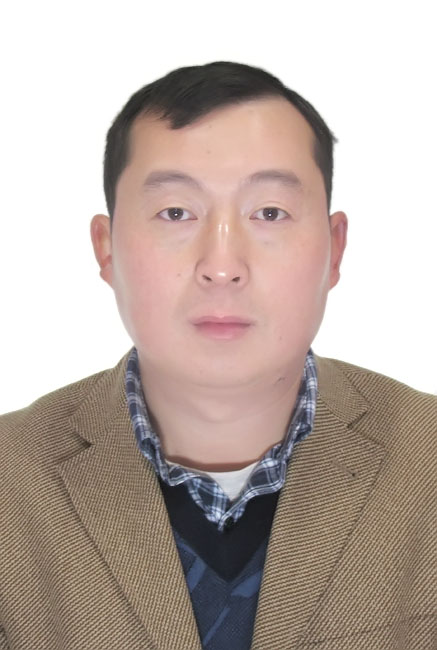 Pinggui Yang (杨平贵)合作论文数Sichuan Academy of Grassland Sciences11
 Wei-Sheng Wu (吳謂勝)合作论文数Department of Electrical Engineering, National Cheng Kung University10
 Mingzhou Li (李明洲)合作论文数China West Normal University9
 Qun Sun (孙群)合作论文数The College of Life Sciences, Sichuan University8
 Xuewei Li (李学伟)合作论文数四川农业大学动物科技学院8BAI Qin (柏琴)合作论文数6Li Wang (王利)合作论文数6
 Zhisheng Wang (王之盛)合作论文数Animal Nutrition Institute, Sichuan Agricultural University6
 Jincheng Zhong (钟金城)合作论文数College of Animal & Veterinary Sciences, Southwest Minzu University6JinBin Mao (毛进彬)合作论文数5YuanYang Nie (聂远洋)合作论文数5
 Quanhui Peng (彭全辉)合作论文数Institute of Animal Nutrition, Sichuan Agricultural University5Anan Jiang (蒋岸岸)合作论文数Institute of Animal Genetics and Breeding, Sichuan AgniculturalUniversity5
 Zonggang Luo (罗宗刚)合作论文数College of Animal Science and Technology, Southwest University5Fang Fu合作论文数4Hongwen Zhao合作论文数4NongGa A (阿农呷)合作论文数4YongQiang Tu (涂永强)合作论文数4Juan Li (李娟)合作论文数4Surong Shuai (帅素容)合作论文数Institute of Animal Genetics and Breeding, Sichuan AgniculturalUniversity4Jideng Ma (马继登)合作论文数Institute of Animal Genetics and Breeding, Sichuan AgniculturalUniversity4
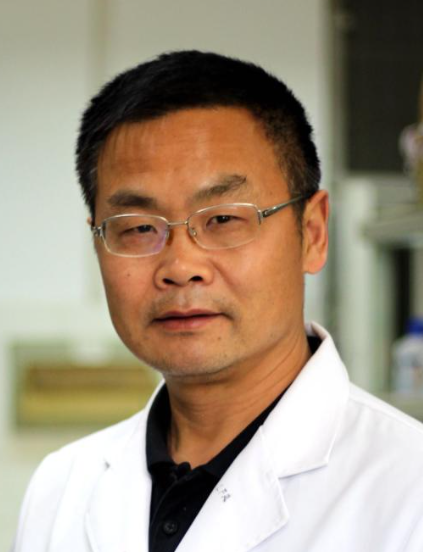 Jiakui Li (李家奎)合作论文数College of Animal Sciences & Technology, Huazhong Agricultural University;College of Veterinary Medicine, Huazhong Agricultural University4Baixue Xia合作论文数3Qundi Mei合作论文数3Zhiwei Zhou合作论文数3Tao Shu合作论文数3Wei Xia合作论文数3Yixi Kangzhu合作论文数3Huawei Zou合作论文数3
 Hui Wang合作论文数3Shi-xiao CAO (曹诗晓)合作论文数3Yong Wei合作论文数3
 Jiabo Wang (王嘉博)合作论文数Minist Educ, Key Lab Qinghai Tibetan Plateau Anim Genet Resour, Southwest Minzu Univ3Zhi Jiang合作论文数Novogene Bioinformat Inst, Beijing, Peoples R China3PengBo Yang (杨鹏波)合作论文数3MingFeng Jiang (蒋明峰)合作论文数3XiaoBing Jiang (蒋小兵)合作论文数3ZhiXin Chai (柴志欣)合作论文数3HongMei Wang (王洪梅)合作论文数3JunJie Wang (王俊杰)合作论文数3




