Survodutide is a glucagon receptor/glucagon-like peptide-1 receptor dual agonist under investigation for treating obesity and related diseases. The SYNCHRONIZE-MASLD phase 3, randomized, double-blind, placebo-controlled trial included 216 adults (131 female and 85 male) with obesity (defined as a body mass index ≥30 kg m-2 or ≥27 kg m-2 with at least one obesity complication) and at-risk metabolic dysfunction-associated steatotic liver disease (MASLD), defined by MASLD with evidence of liver inflammation and/or fibrosis by noninvasive tests (NITs) or biopsy-confirmed metabolic dysfunction-associated steatohepatitis (MASH). Participants were randomized (2:1) and treated with once-weekly subcutaneous injections of survodutide 6.0 mg (n = 146) or placebo (n = 70). The co-primary endpoints, ≥30% reduction in magnetic resonance imaging-proton density fat fraction (MRI-PDFF)-assessed liver fat content (LFC) and percentage change in body weight (both baseline to week 48), were met. In total, 84.2% of survodutide-treated patients versus 24.3% of placebo-treated patients had ≥30% reduction in LFC using the efficacy estimand (P < 0.0001; treatment regimen estimand: 68.5% versus 28.6%, respectively; P < 0.0001). Mean percentage change in body weight was -12.2% with survodutide and -1.0% with placebo using the efficacy estimand (P < 0.0001; treatment regimen estimand: -8.7% versus -1.4%, respectively; P < 0.0001). The most frequently reported adverse events with survodutide were gastrointestinal, commonly occurring during dose escalation, and were generally of mild-to-moderate severity. In adults with obesity and at-risk MASLD, survodutide treatment was statistically and clinically superior to placebo for reductions in MRI-PDFF-assessed LFC and body weight. Limitations included short trial duration (48 weeks) and limited global reach (participants recruited in the United States and Spain).
BACKGROUND AND AIMS:Survodutide was associated with improvements in liver-related endpoints in a phase 2 trial in MASH (NCT04771273). This post hoc mediation analysis evaluated the proportion of the direct treatment effect versus the indirect effect mediated by weight reduction. APPROACH AND RESULTS:Data were included for participants with fibrosis stages F2-F3 and paired baseline/end-of-treatment biopsy readings; survodutide dose arms were pooled. The causal mediation analysis model included treatment (exposure) and percentage change in body weight (mediator), with baseline body weight, type 2 diabetes status, and fibrosis stage as covariates. Outcomes included histological endpoints and non-invasive tests (NITs) after 48 weeks' treatment. Total, direct (weight reduction-independent), and indirect (weight reduction-dependent) treatment effects were calculated for survodutide versus placebo. This analysis included 170 participants. For histological endpoints, the percentage of the total treatment effect mediated by weight reduction (indirect effect) was estimated at 66.7% for resolution of MASH without worsening of fibrosis, 71.8% for improvement in MASH without worsening of fibrosis, and 36.3% for improvement in fibrosis without worsening of MASH (suggesting a greater direct effect). Similarly, for NITs related to inflammation/fibrosis, <50% of the total effect was mediated by weight reduction [16.5% (AST)-38.6% (Enhanced Liver Fibrosis)]. For steatosis-related endpoints (MRI-proton density fat fraction and FibroScan Controlled Attenuation Parameter), a higher proportion was mediated by weight reduction (58.2% and 77.4%, respectively). CONCLUSIONS:Endpoints related to improvements in inflammation/fibrosis were predominantly weight reduction-independent, suggestive of a potential role of direct glucagon receptor agonism in the liver.
Berberine ursodeoxycholate (HTD1801) has been shown to significantly reduce liver fat content (LFC) in an 18-week, placebo-controlled Phase 2 study in patients with metabolic dysfunction-associated steatohepatitis (MASH) and type 2 diabetes (T2DM). The purpose of this assessment was to establish proof of concept in liver histologic improvement with HTD1801 treatment based on preclinical and clinical evidence. The efficacy of HTD1801 was evaluated in a preclinical MASH/dyslipidemia model (golden hamsters fed a high fat diet, eight/group) after six weeks of daily treatment. Additionally, in a secondary analysis of a Phase 2 clinical study, 100 patients with presumed MASH were evaluated by multiple noninvasive markers associated with MASH resolution and/or fibrosis improvement. These include magnetic resonance imaging proton density fat fraction (MRI-PDFF; ≥30% LFC reduction), iron-corrected T1 (≥80 ms reduction), alanine aminotransferase (≥17 U/L reduction), weight loss (≥5% reduction), Fibrosis-4 index (shift to <1.3), and MASH Resolution Index (achieving ≥‑0.67). Preclinical findings in the MASH/dyslipidemia hamster model showed that HTD1801 significantly improved histologic fibrosis and the Nonalcoholic Fatty Liver Disease Activity Score to such a degree that improvements approximated the appearance of the normal controls. In the clinical study, 52% of HTD1801-treated patients achieved MRI response criteria compared to 24% of placebo (p<0.05). Dose-dependent improvements were observed across biomarkers, with more HTD1801-treated patients achieving response criteria associated with improvements in the histologic features of MASH. These findings suggest that HTD1801 has strong potential to produce histological improvements in patients with MASH.
BACKGROUND:In phase 2 trials involving patients with stage 2 or 3 fibrosis caused by metabolic dysfunction-associated steatohepatitis (MASH), efruxifermin, a bivalent fibroblast growth factor 21 (FGF21) analogue, reduced fibrosis and resolved MASH. Data are needed on the efficacy and safety of efruxifermin in patients with compensated cirrhosis (stage 4 fibrosis) caused by MASH. METHODS:In this phase 2b, randomized, placebo-controlled, double-blind trial, we assigned patients with MASH who had biopsy-confirmed compensated cirrhosis (stage 4 fibrosis) to receive subcutaneous efruxifermin (at a dose of 28 mg or 50 mg once weekly) or placebo. The primary outcome was a reduction of at least one stage of fibrosis without worsening of MASH at week 36. Secondary outcomes included the same criterion at week 96. RESULTS:A total of 181 patients underwent randomization and received at least one dose of efruxifermin or placebo. Of these patients, liver biopsy was performed in 154 patients at 36 weeks and in 134 patients at 96 weeks. At 36 weeks, a reduction in fibrosis without worsening of MASH occurred in 8 of 61 patients (13%) in the placebo group, in 10 of 57 patients (18%) in the 28-mg efruxifermin group (difference from placebo after adjustment for stratification factors, 3 percentage points; 95% confidence interval [CI], -11 to 17; P = 0.62), and in 12 of 63 patients (19%) in the 50-mg efruxifermin group (difference from placebo, 4 percentage points; 95% CI, -10 to 18; P = 0.52). At week 96, a reduction in fibrosis without worsening of MASH occurred in 7 of 61 patients (11%) in the placebo group, in 12 of 57 patients (21%) in the 28-mg efruxifermin group (difference from placebo, 10 percentage points; 95% CI, -4 to 24), and in 18 of 63 patients (29%) in the 50-mg efruxifermin group (difference from placebo, 16 percentage points; 95% CI, 2 to 30). Gastrointestinal adverse events were more common with efruxifermin; most events were mild or moderate. CONCLUSIONS:In patients with compensated cirrhosis caused by MASH, efruxifermin did not significantly reduce fibrosis at 36 weeks. (Funded by Akero Therapeutics; SYMMETRY ClinicalTrials.gov number, NCT05039450.).
BACKGROUND & AIMS: In phase 2 studies, efruxifermin, an Fc-FGF21 analog, significantly reduced steatohepatitis and fi brosis in patients with non-alcoholic steatohepatitis, now called metabolic dysfunction- associated steatohepatitis (MASH), for which there is no approved treatment. Type 2 diabetes (T2D) and obesity are prevalent among patients with MASH and increasingly treated with glucagon-like peptide-1 receptor agonists (GLP-1RAs). This study evaluated the safety and effi cacy of efruxifermin in patients with MASH, fi brosis, and T2D taking a GLP-1RA. METHODS: Cohort D was a double-blind, placebo-controlled, phase 2b study in adults with T2D and MASH with fi brosis (F1-F3) on stable GLP-1RA therapy randomized (2:1) to receive efruxifermin 50 mg or placebo, once weekly for 12 weeks. The primary endpoint was safety and tolerability of efruxifermin added to a stable dose of GLP-1RA. Secondary endpoints included changes in hepatic fat fraction (HFF), markers of liver injury and fi brosis, and metabolic parameters. RESULTS: Adults (N = 31) with T2D and MASH fi brosis (F1-F3) on a stable GLP-1RA (semaglutide, 48.4%; dulaglutide, 45.2%; liraglutide, 6.5%) received efruxifermin 50 mg (n = 21) or placebo (n = 10) for 12 weeks. The addition of efruxifermin to a GLP-1RA appeared safe and well-tolerated. The most frequent efruxifermin-related adverse events were mild to moderate gastrointestinal events. One patient receiving efruxifermin discontinued due to nausea, and another withdrew consent. There were no treatment-related serious adverse events. After 12 weeks, efruxifermin reduced HFF by 65% (P < .0001 vs placebo) compared with a 10% reduction for placebo (GLP1RA alone). Efruxifermin also improved noninvasive markers of liver injury, fi brosis, glucose, and lipid metabolism while maintaining GLP-1RA-mediated weight loss. CONCLUSIONS: The tolerability profile of efruxifermin added to GLP-1RA appeared comparable to that of either drug alone, while also significantly reducing HFF and noninvasive markers of fi brosis in patients with MASH and T2D. Liver health in patients already on a GLP-1RA may be further improved by addition of efruxifermin.
Background/Aims Berberine ursodeoxycholate (HTD1801) has been shown to significantly reduce liver fat content (LFC) in an 18-week, placebo-controlled Phase 2 study in patients with metabolic dysfunction-associated steatohepatitis (MASH) and type 2 diabetes mellitus. The purpose of this assessment was to establish proof of concept in liver histologic improvement with HTD1801 treatment based on preclinical and clinical evidence. Methods The efficacy of HTD1801 was evaluated in a preclinical MASH/dyslipidemia model (golden hamsters fed a high fat diet, eight/group) after six weeks of daily treatment. Additionally, in a secondary analysis of a Phase 2 clinical study, 100 patients with presumed MASH were evaluated by multiple noninvasive markers associated with MASH resolution and/or fibrosis improvement. These include magnetic resonance imaging proton density fat fraction (MRIPDFF; ≥30% LFC reduction), iron-corrected T1 (≥80 ms reduction), alanine aminotransferase (≥17 U/L reduction), weight loss (≥5% reduction), Fibrosis-4 index (shift to <1.3), and MASH resolution index (achieving ≥–0.67). Results Preclinical findings in the MASH/dyslipidemia hamster model showed that HTD1801 significantly improved histologic fibrosis and the Nonalcoholic Fatty Liver Disease Activity Score to such a degree that improvements approximated the appearance of the normal controls. In the clinical study, 52% of HTD1801-treated patients achieved MRI response criteria compared to 24% of placebo (P<0.05). Dose-dependent improvements were observed across biomarkers, with more HTD1801-treated patients achieving response criteria associated with improvements in the histologic features of MASH. Conclusions These findings suggest that HTD1801 has strong potential to produce histological improvements in patients with MASH.
Glucagon is a pancreatic peptide hormone whose receptor (GCGR) is expressed in the liver, kidney, and, to a lesser extent, various other tissues. Glucagon is well known as the counterpart to insulin in glucose homeostasis. However, recent evidence has revealed other potential roles of glucagon, which include the regulation of amino acid metabolism via a liver-pancreatic alpha cell axis, stimulation of lipolysis and mitochondrial fat oxidation in the liver (and possibly in other tissues), reduction of caloric intake, and an increase in energy expenditure (at least in animal models). These advances in basic science-together with clinical trials that found GCGR antagonists increased body weight, hepatic fat, and serum lipids in people with type 2 diabetes-are driving the development of GCGR-based agonists for the treatment of obesity, metabolic dysfunction-associated steatotic liver disease (MASLD), and other cardio-kidney-metabolic diseases. Due to the hyperglycaemic effects of glucagon, these unimolecular compounds also incorporate moieties that activate the glucagon-like peptide-1 (GLP-1) receptor, which stimulates insulin secretion to lower blood glucose levels. In early clinical trials, several GCGR-based multi-agonists (mazdutide, survodutide [being developed by the sponsor of this review], retatrutide) demonstrated substantial efficacy for eliciting weight loss in people with obesity while improving liver health in those with MASLD. However, the physiological and molecular pathways modulated by chronic pharmacological activation of the GCGR in humans remain to be delineated, as do its potential risks. Thus, there is great interest in the ongoing phase 3 clinical trials of these compounds. As data for their safety and efficacy emerge, glucagon's role in energy regulation and lipid metabolism will become clearer, along with warranting a potential new therapeutic option for obesity and MASLD.
 Stephen Harrison合作论文数Radcliffe Department of Medicine, University of Oxford;Pinnacle Clinical Research70
 Nyingi Kemmer合作论文数66Naim Alkhouri合作论文数45
 Tiffany Kaiser合作论文数36Alsina Angel E合作论文数31
 Mazen Noureddin合作论文数30
 Nadege Gunn合作论文数Pinnacle Clin Res, San Antonio, TX USA28Victoria Zacharias合作论文数28
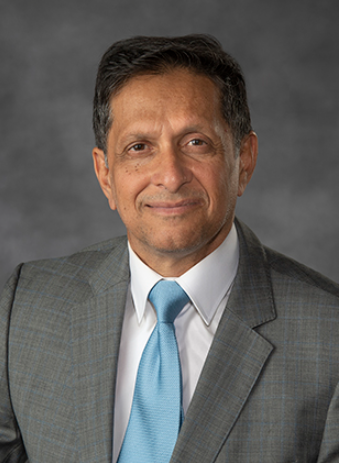 Arun J. Sanyal合作论文数Division of Gastroenterology, Hepatology and Nutrition, Department of Internal Medicine, School of Medicine, Virginia Commonwealth University25Sam E Moussa合作论文数21M Montalbano合作论文数21
 Rohit Loomba合作论文数Division of Gastroenterology, School of Medicine, University of California, San Diego;NAFLD Research Center, School of Medicine, University of California, San Diego20Er Schiff合作论文数20
 Vlad Ratziu合作论文数Sorbonne University20Brian Borg合作论文数20Brittany De Temple合作论文数18
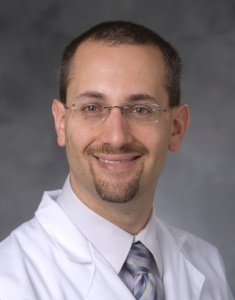 Mustafa Shadi Rifaat Bashir合作论文数Department of Medicine, Duke University School of Medicine18Kohli Anita合作论文数18
 Ramy Younes合作论文数Department of Medical Sciences, University of Turin17
 Kris Kowdley合作论文数Liver Institute Northwest;Elson S. Floyd College of Medicine, Washington State University;Velocity Clinical Research, Inc.17
 Erik J. Tillman合作论文数Department of Pediatric Oncology, Dana-Farber Cancer Institute;Division of Hematology/Oncology, Boston Children's Hospital;Department of Pediatrics, Harvard Medical School;Dana-Farber Cancer Institute, Harvard Medical School17
 Pierre Bedossa合作论文数Liverpat17Younes Ziad H合作论文数17Seigo Nishida合作论文数School of Medicine, University of Miami17
 Rebecca Taub合作论文数Madrigal Pharmaceuticals17Andrew K. Cheng合作论文数17
 Juan Pablo Frías合作论文数Los Angeles Institute for Metabolic Research17Kamran Safdar合作论文数17
 Mitchell L. Shiffman合作论文数Liver Institute of Virginia, Bon Secours Mercy Health;Eastern Virginia Medical School17Reshma Shringarpure合作论文数16Andreas G Tzakis合作论文数16
 Christopher Lawson Bowlus合作论文数Division of Gastroenterology and Hepatology, UC Davis Medical Center16
 Eric Lawitz合作论文数Department of Medicine, University of Texas Health Science Center in San Antonio;Transplant Center, University of Texas Health Science Center in San Antonio;Texas Liver Institute, University of Texas Health Science Center in San Antonio16Buell Joseph F合作论文数15Ling Lei合作论文数15
 Stuart Gordon合作论文数Gastroenterology-Hepatology, William Beaumont Hospital15
 Cynthia Behling合作论文数Department of Pathology, Sharp Memorial Hospital;Department of Pediatrics, University of California, San Diego15
 Kitty Yale合作论文数14
 John Moore Vierling合作论文数Department of Surgey, Baylor College of Medicine14Mandy Fraessdorf合作论文数14Parkinson Erin合作论文数14
 Alex M Depaoli合作论文数14Marlyn J Mayo合作论文数14Peter Ruane合作论文数14Michael R. Galambos合作论文数13
 Aparna Goel合作论文数Medicine Department, Stanford University13
 Cynthia Levy合作论文数13
 Cynthia Dianne Guy合作论文数Clinical Science Departments, Duke University13




