Background: Brain disorders are leading contributors to disability worldwide, yet it is unclear whether health-care spending reflects their burden. In 2022 the Swiss Brain Health Plan (SBHP) was launched to promote brain health and prevent brain disorders. The implementation of the SBHP includes a detailed analysis of the burden of brain disorders. Methods: We analyzed Global Burden of Disease 2021 disability-adjusted life years (DALYs) and Institute for Health Metrics and Evaluation (IHME) cause-specific health-care spending estimates for Switzerland. DALYs were quantified for 1990 – 2021 with projections to 2050. Spending was analyzed for 2000 – 2019 across six types of care. We examined age and sex patterns, spending distribution, and international comparisons with six other countries (Germany, France, Denmark, Norway, Italy, Singapore). To assess short- and longer-term association between burden and spending estimates, we fitted panel regression models with disorder and year fixed effects under one-year and five-year lag specifications. Findings: Both disease burden and spending were highly concentrated in a small number of conditions in Switzerland. In 2021, ten brain disorders accounted for 82·9% of Switzerland’s total DALY burden. In 2019, ten brain disorders accounted for 86·0% of all direct brain-health spending, with dementia alone comprising 29·5% of total expenditures. Switzerland had the highest per-capita brain-health spending and the highest spending per DALY among the seven analyzed countries. In fixed-effects panel models that accounted for spending persistence, lagged DALYs were not statistically associated with subsequent spending. Suicide prevention and addiction showed lower-than-expected health-sector spending (self-harm: β = -0·20; drug use disorders: β = -0·08 to -0·17 across lag models). Interpretation: Brain disorders generate a large burden in Switzerland. Within the IHME estimates, the burden–spending relationship over time appears limited. The implementation of the SBHP will refer to the current data and call for a burden-informed financing to guide strategic allocation and prevention investments.
Introduction – Deep Brain Stimulation is an established treatment for movement disorders. Data-driven approaches like probabilistic mapping and predictive modeling are being increasingly used to optimize stimulation parameter selection. However, it remains unclear whether intra-operative test data alone can reliably inform such models. Clarifying the predictive value of intra-operative data is essential, as it may influence data collection strategies and surgical and programming protocols. Objective – This study examined whether post-operative DBS effects can be accurately predicted using intra-operative data alone or if post-operative information is required. Methods – A dataset comprising 1117 intra-operative and 1553 post-operative stimulation tests from 35 patients (14 Essential Tremor, 21 Parkinson’s Disease) was analyzed. Volumes of tissue activated (VTAs) were simulated to generate probabilistic maps, from which mapping and target anatomy-related features were extracted to train predictive classification models (low and high improvement, side effects). Model performance was assessed across scenarios linking intra- and post-operative data. Results – Intra-operative data effectively identified regions associated with optimal stimulation, highlighting their utility in guiding parameter selection (predictive accuracy ~60%). However, the predictive relationship between VTAs, probabilistic maps, and clinical outcomes differed between intra- and post-operative contexts. When trained solely on intra-operative VTAs, the model performed at a near chance level (predictive accuracy ~35%). Discussion – The study demonstrates that while intra-operative data are useful for identifying optimal target regions, they are insufficient for accurately predicting post-operative DBS outcomes. Incorporating post-operative data remains crucial for reliable and clinically meaningful DBS effect prediction.
Background Brain disorders are leading contributors to increasing disability and spending worldwide. In 2022 the Swiss Brain Health Plan (SBHP) was launched to promote brain health and prevent brain disorders. To guide the implementation of the SBHP, we performed a detailed analysis of the health and economic burden of brain disorders in Switzerland. Methods We analyzed Global Burden of Disease 2023 disability-adjusted life years (DALYs) and Institute for Health Metrics and Evaluation (IHME) cause-specific health-care spending estimates for Switzerland. DALYs were quantified for 1990 - 2023. Spending was analyzed for 2000 - 2019 across six types of care. We examined age and sex patterns, spending distribution, and international comparisons with six other countries (Germany, France, Denmark, Norway, Italy, Singapore). To assess short- and longer-term association between burden and spending estimates, we fitted panel regression models with disorder and year fixed effects under one-year and five-year lag specifications. Findings Both disease burden and spending were highly concentrated in a small number of conditions in Switzerland. In 2023, ten brain disorders accounted for 82.9% of Switzerland's total DALY burden. In 2019, ten brain disorders accounted for 86.0% of all direct brain-health spending, with dementia alone comprising 29.5% of total expenditures. Among seven analyzed comparator countries, Switzerland had the highest per-capita brain-health spending and the highest spending per DALY. In fixed-effects panel models that accounted for spending persistence, lagged DALYs were not statistically associated with subsequent spending. Suicide prevention and addiction showed significant lower-than-expected health-sector spending (self-harm: beta = -0.23; drug use disorders: beta = -0.08 to -0.18 across lag models). Interpretation Brain disorders generate a large burden in Switzerland. Within the IHME estimates, the burden-spending relationship over time appears limited. The implementation of the SBHP will refer to the current data and call for a burden-informed financing to guide strategic cross-sectorial allocation and prevention investments. ### Competing Interest Statement The authors have declared no competing interest. ### Funding Statement This work was funded by a grant of the Synapsis Foundation (No. 2024-BF02) awarded to IB and CB. LS is supported by an Excellence Scholarship of the Swiss Government (ESKAS). ### Author Declarations I confirm all relevant ethical guidelines have been followed, and any necessary IRB and/or ethics committee approvals have been obtained. Yes I confirm that all necessary patient/participant consent has been obtained and the appropriate institutional forms have been archived, and that any patient/participant/sample identifiers included were not known to anyone (e.g., hospital staff, patients or participants themselves) outside the research group so cannot be used to identify individuals. Yes I understand that all clinical trials and any other prospective interventional studies must be registered with an ICMJE-approved registry, such as ClinicalTrials.gov. I confirm that any such study reported in the manuscript has been registered and the trial registration ID is provided (note: if posting a prospective study registered retrospectively, please provide a statement in the trial ID field explaining why the study was not registered in advance). Yes I have followed all appropriate research reporting guidelines, such as any relevant EQUATOR Network research reporting checklist(s) and other pertinent material, if applicable. Yes The data used in these analyses are available online. Global Burden of Disease 2023 estimates can be accessed through the Global Health Data Exchange. Cause-specific health spending estimates from the Institute for Health Metrics and Evaluation are openly available through the IHME health-spending database.
Introduction:External ventricular drain (EVD) placement is common in neurosurgery, yet malposition occurs in up to 38% of cases. While technical adjuncts can improve placement accuracy, simpler and more user-friendly solutions are needed. Our novel single-use optical tracking navigation (OTN) device enables real-time image-guided EVD placement. This proof-of-concept study evaluates the accuracy and usability of this device in both 3D-printed and cadaveric head models. Research question:To evaluate the feasibility and accuracy of a single-use OTN system for EVD placement. Material and methods:Three neurosurgeons each performed three OTN-assisted placements in 3D-printed head models (n = 9). An attending neurosurgeon performed two placements in a cadaveric head (n = 2). The primary endpoint was Kakarla grading. Additional outcomes included fluoroscopy-derived tip-to-target distance, placement duration, and user satisfaction (likelihood to recommend (LTR)). Results:All placements were Kakarla grade 1 (total: 11/11, 100%; 95% CI: 0.72-1.00; 3D-printed: 9/9, 95% CI 0.66 -1.00; cadaveric: 2/2, 95% CI: 0.16 - 1.00). Mean fluoroscopy-derived procedural tip-to-target distance was 13.3 ± 6.4 mm in the 3D-printed models and 22.2 ± 3.2 mm in the cadaveric head. Mean procedure time, including registration and calibration, was 12.1 ± 2.1 min. User satisfaction was positive (mean LTR: 7/10). Discussion and conclusion:The OTN device enables accurate, real-time image-guided EVD placement in both bench and cadaveric models, independent of user experience. Main limitations include the small sample size, ex vivo design, and reliance on 2D fluoroscopy for verification. Larger cadaveric series and clinical trials are needed to confirm accuracy and assess clinical utility.
Microvascular decompression (MVD) surgery is traditionally performed via a retrosigmoid craniotomy. Recently, neurosurgeons have increasingly adopted smaller approaches; however, the available evidence has not yet been systematically compiled. This is the first systematic review and meta-analysis on the efficacy and safety of ≤ 2-cm-keyhole retrosigmoid MVD. PubMed and Embase databases were searched for studies involving adults with trigeminal neuralgia (TN), hemifacial spasm (HFS), or glossopharyngeal neuralgia (GPN), who underwent first-time retrosigmoid keyhole MVD (diameter ≤ 2 cm). Primary outcomes were symptom relief and complications. Study quality was assessed using the Methodological Index for Non-Randomized Studies (MINORS). Pooled estimates were calculated using a random-effects single-arm meta-analysis. 32 publications met the inclusion criteria. 93.7
Background Whether surgical haematoma evacuation leads to reduced brain damage in patients with spontaneous supratentorial intracerebral haemorrhage (SSICH) remains unknown. Blood biomarkers reflecting brain damage could aid in prognosticating the clinical outcome and hence support quantifying the benefit of surgical interventions. Methods Blood samples from 10 patients with SSICH in the phase II early minimally invasive image-guided endoscopic evacuation of intracerebral hemorrhage (EMINENT-ICH) pilot study ( NCT04805177 , completed) were collected longitudinally (at baseline, 24 hours, 3 days, 1 week, 1 month and 6 months after surgical haematoma evacuation). Neurofilament light chain (NfL), glial fibrillar acidic protein (GFAP), calcium-binding protein S100B and the inflammatory markers interferon-gamma, interleukin (IL)-1β, IL-2, IL-6, IL-8, IL-10 and tumour necrosis factor alpha were quantified. The perioperative and long-term course of concentrations and association with clinical outcome measures were assessed. A favourable outcome was defined as a modified ranking scale ≤3. Results Favourable outcome was observed in 60% (6/10) of patients (median age 72.5 years (IQR 67.5–79.8), 70% male), and in 70% (7/10) of patients, the preset goal of a postsurgery haematoma volume below 15 mL was achieved. On average, patients with unfavourable outcomes at 6 months had twofold higher NfL and sixfold higher GFAP concentrations compared with those with favourable outcomes (p NfL =0.127, p GFAP =0.017); concentrations of both markers were higher in patients with unsatisfactory haematoma evacuation (3.7-fold for NfL, p=0.0072 and 12.4-fold for GFAP, p=0.0122). Concentrations of other markers, especially ILs, were not indicative of functional outcomes. Conclusions Based on our results, we provide preliminary evidence that lower serum NfL and GFAP levels are associated with favourable clinical outcomes and successful haematoma evacuation in SSICH.
BACKGROUND:Stem cell (SC) transplantation is a promising therapeutic approach for ischemic stroke (IS). However, the current literature lacks robust evidence substantiating its efficacy and safety. This systematic review aims to evaluate the efficacy and safety profile of SC therapy in patients who had an IS. METHODS:References up to November 2025 were sourced from OVID Medline, EMBASE, Scopus, Cochrane Central Register of Controlled Trials, Web of Science and ClinicalTrials.gov. Eligibility criteria followed a Population, Intervention, Comparator, Outcome framework: adult patients with image-confirmed IS, any human SC therapy (non-neural or neural), placebo or standard medical care and functional or neurological outcomes (modified Rankin Scale (mRS), Barthel Index (BI), National Institutes of Health Stroke Scale (NIHSS)), mortality or adverse events at ≥6 months. Only randomised controlled trials were considered. Random-effects meta-analyses compared efficacy and safety between SC and control groups. Study heterogeneity was measured using the I² statistic, and risk of bias was assessed using the Cochrane Risk-of-Bias V.2 tool. RESULTS:17 RCTs involving 999 patients (SC therapy: 495; control: 504) were included. A pooled analysis showed that SC therapy was associated with significant improvements in mRS scores (mean difference (MD)=-0.27, 95% CI -0.51 to -0.03, p=0.027, I2=42.2%), BI scores (MD=7.78, 95% CI 0.50 to 15.06, p=0.036, I2=53.0%) as well as reduced mortality rates (relative risk=0.64 (95% CI 0.42 to 0.98), p=0.040, I2=0%). No significant effect was observed for NIHSS scores. The incidence of AE was comparable between groups. The included trials exhibited moderate heterogeneity and a moderate risk of bias. CONCLUSION:SC therapy shows potential to improve functional outcomes and survival in patients who had an IS without significant safety concerns. However, the observed effect on disability is fragile, as statistical significance was lost in leave-one-out analyses, and the substantial heterogeneity and moderate methodological quality limit definitive conclusions. PROSPERO REGISTRATION NUMBER:CRD42024567397.
Background and purposeDirect-to-angiography (DTA) workflows for suspected large vessel occlusion stroke reduce treatment delays by bypassing emergency-department imaging, but their safety depends on excluding intracranial hemorrhage (ICH) on flat-panel detector CT (FDCT), where posterior fossa visualization is limited by beam-hardening artifacts. Epidemiological data on ICH size and location relative to stroke severity are limited. We characterized ICH type, volume, and location in acute stroke presentations and their relationship with baseline NIHSS.Materials and methodsWe retrospectively analyzed 394 patients with imaging-confirmed spontaneous ICH from the prospective Swiss Stroke Registry at a high-volume comprehensive stroke center. Hemorrhages were classified by type, location, and volume using semi-automated segmentation. Associations with baseline NIHSS were assessed using Spearman’s correlation, Wilcoxon rank-sum tests (NIHSS <7 vs. ≥7), and generalized additive and ordinal regression models adjusted for age, location, and secondary extension.ResultsIntraparenchymal hemorrhage accounted for 89% of cases, followed by subarachnoid (7%), intraventricular (3%), and subdural (<1%). Median volume was 18 mL (IQR 5–51). Volume correlated with NIHSS (Spearman ρ = 0.56, 95% CI 0.48–0.64, p < 0.001), with a significant nonlinear association in adjusted models. Patients with NIHSS ≥7 had larger volumes than those with NIHSS <7 (median 38 vs. 6 mL, p < 0.001). Lobar hemorrhages had the largest volumes. In contrast, infratentorial hemorrhages, particularly brainstem bleeds, produced severe deficits at small volumes (median 6 mL) and were not associated with larger volumes after adjustment, indicating that location influences severity independently of size. Isolated infratentorial hemorrhage accounted for only 2.8% of NIHSS ≥7 patients.ConclusionSeverity in supratentorial ICH is volume-dependent, whereas location, particularly brainstem involvement, drives severity in isolated infratentorial ICH independently of volume. Although rare among high-NIHSS patients, these small-volume bleeds may be hardest to detect on FDCT and warrant attention to posterior fossa image quality in DTA workflows. Because detectability was not measured, prospective paired FDCT-MDCT studies are needed.
Introduction:Probabilistic Stimulation Maps (PSMs) are increasingly employed to identify brain regions associated with optimal therapeutic outcomes in Deep Brain Stimulation (DBS). However, their reliability and generalizability are challenged by the limited size of most patient cohorts and the inherent variability introduced by different statistical methods and input data configurations. This study aimed to investigate the geometrical variability of Probabilistic Sweet Spots (PSS) as a function of both the number of patients (nPat) and the number of stimulations per patient (nStim), and to model a stability boundary defining the minimum data requirements for obtaining geometrically stable PSS. Methods:Three statistical approaches-Bayesian t-test, Wilcoxon test with False Discovery Rate (FDR) correction, and Wilcoxon test with nonparametric permutation correction-were applied to two patient cohorts: a primary cohort of 36 patients undergoing DBS for Parkinson's Disease (PD), and a secondary cohort of 61 patients treated for Essential Tremor (ET), used to assess generalizability. Stimulation test data was collected intra-operatively for the first cohort and post-operatively for the second one. Geometric stability was evaluated based on variability in PSS volume extent and centroid location. Results:The analysis revealed a non-linear trade-off between nPat and nStim to yield stable PSS. A stability boundary was defined, representing the minimum combinations of nPat-nStim required for anatomically robust PSS. Among the tested methods, the Bayesian t-test achieved stability with smaller sample sizes (∼15 patients) and demonstrated a consistent performance across both cohorts. In contrast, the Wilcoxon-based methods showed variable behavior between cohorts, which differed in symptom type and testing phase (intra-operative testing vs. post-operative screening). Discussion:The proposed PSS stability boundary provides a practical reference for designing DBS studies and stimulation screening protocols aimed at probabilistic mapping. The Bayesian t-test emerged as a reliable method across both cohorts, supporting its potential in studies with limited sample sizes and scenarios where the method needs to be readily generalized to varying symptoms. These findings underscore the importance of considering both cohort size and stimulation count in probabilistic DBS mapping and call for further investigation into method-specific sensitivities to clinical and procedural factors.
To assess surgical outcome of pediatric patients undergoing foramen magnum decompression (FMD) with multiple superficial dural incisions (MSDI) in Chiari I malformation (CM I), with or without syringomyelia. A retrospective review of 91 pediatric patients who underwent FMD with MSDI technique between 2010 and 2024 at three tertiary neurosurgical centers. Median age at surgery was 10 years (range 1–18). 57 No surgical site infection, CSF leak, hydrocephalus, or new permanent neurological deficits were observed. The reoperation rate was 10
Introduction:Intracranial arachnoid cysts (AC) are usually incidental findings, most often managed conservatively. Evidence of the effectiveness of surgical management in symptomatic patients is limited. Research question:This case series evaluates clinical, radiological, neurocognitive, and patient-reported outcomes (PROMs) of surgically treated AC patients. Methods:Retrospective case series of surgically treated adult AC patients between 2010 and 2023. The primary outcome was improvement of presenting symptoms. Secondary outcomes included cyst volume, neurocognitive outcomes, revision rates, PROMs, and morbidity. Discussion:Between 2010 and 2023, 2537 AC were radiologically diagnosed at the University Hospital Basel, 18 patients (0.71%) underwent surgical treatment. Mean age was 51 ± 16 years. Cyst locations included convexity (44.4%), retrocerebellar (22.2%), middle fossa (16.7%), cerebellopontine angle (5.6%), and quadrigeminal cistern (5.6%). Common presenting symptoms were headache (66.7%), cognitive deficits (33.3%) and nausea (33.3%). Surgical techniques included endoscopic fenestration (77.8%), microsurgical fenestration (16.7%), and cystoperitoneal shunting (5.6%). During a mean follow-up of 2.9 ± 2.4 years, mean cyst volume decreased by 44.5 ± 30.4%. Clinical improvement was observed in 17 (94.4%) patients. Four (22.2%) patients underwent neuropsychological examinations pre- and post-surgery, showing neurocognitive deficits in the functional domains of memory (100%), concentration (75%), and executive function (50%), all of which improved postoperatively. Three (16.7%) patients required revision surgery due to ventriculitis, hydrocephalus, or insufficient fenestration. Patient satisfaction was high, with 88.9% of patients recommending surgery. No mortality occurred. Conclusion:Surgical treatment of well-selected AC patients appears to be effective, resulting in improvements in symptoms and neurocognition, with low morbidity rates.
Point-of-care (POC) three-dimensional (3D) printing of medical devices presents a paradigm shift in personalized medicine, yet clinical implementation of polyetheretherketone (PEEK) implants remains limited by regulatory, technical, and quality assurance challenges. Traditional external manufacturing timelines of 2–6 weeks constrain immediate reconstruction capabilities, particularly in trauma and oncologic cases requiring rapid intervention. Structured frameworks enabling MDR-compliant hospital-based production of implantable devices remain limited in the literature. We implemented a comprehensive European Union Medical Device Regulation (EU MDR) 2017/745 Article 5(5)-compliant POC manufacturing framework incorporating an electronic quality management system aligned with ISO 13,485, a manufacturing execution system enabling end-to-end device traceability, risk management, process validation, biocompatibility evaluation, and integrated post-market surveillance. Medical-grade PEEK was processed using validated high-temperature specialised material extrusion 3D printers. Representative clinical applications of the EU MDR-compliant point-of-care manufacturing framework are illustrated in two anatomical contexts: (1) a POC 3D-printed PEEK cranial implant and (2) a POC 3D-printed PEEK facial implant. Manufacturing turnaround from image acquisition to sterile delivery was operationally achievable within 3–5 days. The patient-matched implants demonstrated accurate anatomical fit without intraoperative modification, with no major device-related complications observed. The framework has supported the production of over 40 + POC 3D-printed PEEK implants at the index institution and has since been adopted at multiple European centres, demonstrating transferability beyond the index case series. This work describes a validated EU MDR Article 5(5)-compliant framework for hospital-based production of patient-matched 3D-printed PEEK implants, demonstrated across cranial and facial reconstruction. Early clinical results support safety and feasibility, with end-to-end manufacturing achievable within a week, enabling flexible surgical planning. The framework provides a replicable pathway for regulated POC implant production, with multi-centre adoption and long-term outcome surveillance as critical next steps.
Glioblastoma remains one of the most aggressive primary brain tumors in adults, with a survival rarely exceeding 15 months despite multimodal therapy. Novel immunotherapeutic strategies, particularly chimeric antigen receptor T-cell therapy, have emerged as promising approaches to overcome the limitations of conventional treatments. This review summarizes recent early-phase clinical trials investigating locoregional chimeric antigen receptor T-cell delivery in recurrent glioblastoma and highlights key considerations for multidisciplinary neuro-oncology teams involved in this evolving therapeutic paradigm. Phase I studies of intratumoral, intracavitary, intraventricular, or combined delivery routes have demonstrated technical feasibility and safety, with most adverse events being manageable. Dual-route delivery may enhance chimeric antigen receptor T-cell distribution and produce early radiographic and clinical responses in selected patients. However, therapeutic durability remains limited by tumor heterogeneity, antigen loss, and the immunosuppressive tumor microenvironment. Multidisciplinary care teams play a critical role in catheter and reservoir placement, infusion planning, and management of neuroinflammatory toxicities. Although current findings are preliminary, ongoing optimization of target selection, dosing strategies, and combination therapies may expand treatment options for recurrent glioblastoma and further integrate immunotherapy into contemporary neuro-oncology care.
Abstract Background Accurate catheter positioning is essential for optimal outcomes in ventriculoperitoneal shunt (VPS) surgery, while shorter operative times lower infection risk and costs. Navigated VPS placement, using either intraoperative ultrasound-guided (US-G) or stereotactically guided (ST-G) navigation, enhances catheter accuracy and reduces revision rates. However, high-quality studies comparing the two navigation methods are lacking. We aim to compare surgical intervention time, accuracy, and safety of US-G to ST-G VPS placement. Methods The Navigated VPS (NAVPS) trial was an investigator-initiated, randomized trial conducted from February 2020 to June 2024 in the Neurosurgical Department of the University Hospital of Basel. Consecutive adults undergoing VPS placement were included. Out of 153 screened participants, 134 participants were included. Participants were randomized 1:1 to receive either US-G or ST-G insertion of the ventricular catheter. The primary outcome was surgical intervention time. An intention to treat analysis was performed calculating surgical intervention time differences. Secondary outcomes were accuracy of catheter positioning, number of ventricular puncture attempts, and VPS dysfunction and complication rates. The study follow-up lasted 6 months. Results Of 134 participants, 66 were assigned to US-G and 68 to ST-G. The mean (SD) age was 73 (55.3 to 78) and 66 (54.5 to 73) years for the US-G and ST-G, respectively, and 58 participants (45.7%) were female. The US-G group had significantly shorter surgical intervention times compared to the ST-G group (-11.5 min; 95% CI -18.5 to -4.5; P = 0.002). The number of ventricular puncture attempts was significantly higher in the US-G group, while accuracy of catheter placement, and VPS dysfunction and complications rates were comparable in both groups. Conclusions The NAVPS trial shows US-G VPS placement to be more time-efficient, while accuracy of catheter placement and complication rates seem to be comparable to ST-G placement. US-G can be efficiently and safely used in clinical practice. Trial registration clinicalTrials.gov Identifier: NCT04450797, date of registration: 22.06.2020.
Microglia are regarded as self-maintaining brain parenchymal macrophages without contribution from adult hematopoiesis. While peripheral macrophage engraftment into the brain has been reported, the biological variables governing central nervous system (CNS) macrophage niche access remain unclear. We show that CNS macrophage engraftment depends on (1) the balance between tissue-resident macrophage (TRM) self-renewal, (2) the temporal alignment of niche opening with the availability of engraftment-competent cells and (3) proximity to the vacated niche, rather than prolonged niche vacancy. Fate mapping revealed that monocytes entering the subdural space undergo border-associated macrophage (BAM)-like differentiation, clonal expansion, and transpial migration into the parenchyma, whereas mature BAMs directly repopulate selectively vacated parenchymal niches. We further identified a parenchymal macrophage population with a peripheral BAM-like transcriptional program in aged and neurodegenerative human brains, challenging the dogma of MG-exclusivity. Together, these discoveries provide a predictive framework for understanding macrophage maintenance and replacement, and for developing macrophage-based cellular therapies.
OBJECTIVE:Probabilistic mapping is increasingly used to identify optimal stimulation regions (Probabilistic Sweet Spots, PSS) in Deep Brain Stimulation (DBS). Outcomes, however, depend on workflow parameters. This study examined how methodological and data handling choices affect PSS stability and spatial consistency across varying sample sizes. METHODS:Intraoperative stimulation test data from 36 Parkinson's Disease patients were analyzed. PSS were computed across increasing sample sizes using four statistical approaches: Bayesian t-test (BAYES), Logistic Regression Model (LRM), Wilcoxon test with FDR correction (WFDR), and Wilcoxon test with permutation correction (WPERM). We assessed the effects of statistical tests, hemispheric data handling, and masking parameters (i.e., minimum number of patients and stimulations per voxel) on PSS stability and consistency, evaluated in terms of size and spatial location. RESULTS:BAYES was more robust at small to intermediate sample sizes, while WFDR and LRM stabilized only in larger cohorts (∼25-30 patients). WPERM consistently underperformed. Stability was higher in the left hemisphere. Combining hemispheres did not improve stability, suggesting asymmetries in stimulation effects. Masking parameters mainly affected PSS volume, with stricter thresholds reducing absolute size, but did not alter stability patterns. CONCLUSION:Statistical test choice, hemispheric analysis, and masking parameters strongly influence PSS outcomes. The Bayesian t-test is recommended for small to intermediate cohorts, and hemispheres should be analyzed separately to avoid masking clinically relevant asymmetries. SIGNIFICANCE:By highlighting the interplay between sample size, statistical methods, hemispheric data, and masking strategies, this work contributes to standardizing probabilistic mapping practices and improving their reliability for clinical translation.
RATIONALE:Whether syngo DynaCT Sine Spin non-contrast flat detector CT (FDCT) imaging is sufficient to rule out intracranial hemorrhage in suspected acute stroke patients is unknown. AIM:To determine if syngo DynaCT Sine Spin non-contrast FDCT imaging is non-inferior to conventional multidetector CT (MDCT) imaging for the detection and exclusion of intracranial hemorrhages in suspected acute stroke patients. SAMPLE SIZE:To enroll 252 participants in three buckets (126 ischemic stroke patients, 126 hemorrhagic stroke patients (including 14 patients with an isolated infratentorial hemorrhage). METHODS AND DESIGN:A multicenter, international, prospective, cross-sectional, endpoint assessor blinded, non-inferiority trial. OUTCOMES:The primary outcome is the occurrence of an intracranial hemorrhage (yes versus no). This will be used to calculate the sensitivity and specificity of FDCT imaging for the detection of intracranial hemorrhages. All FDCT images will be rated by six independent raters in a blinded imaging core-lab. The rating of the MDCT images will be deemed as ground-truth. FDCT imaging will be deemed non-inferior if the lower bound of the 95%-Confidence Interval of the sensitivity and specificity is above 95%. DISCUSSION:This trial will inform physicians whether syngo DynaCT Sine Spin non-contrast FDCT imaging can reliably exclude intracranial hemorrhages in patients with suspected acute stroke. TRIAL REGISTRATION:ClinicalTrials.gov NCT05458908.
Introduction Neurolymphatic dysfunction has been linked to cognitive decline and implicated in the pathogenesis of neurodegenerative disorders such as Alzheimer’s Disease (AD) and Parkinson’s Disease (PD). Despite its growing recognition, the potential role of pharmacological or surgical neurolymphatic modulation remains poorly understood. Objectives This review summarizes current evidence on the neurolymphatic system’s anatomy, physiology and its involvement in neurodegenerative diseases. It also examines emerging pharmacological and lymphatic reconstructive techniques. Methods A comprehensive literature search was conducted in PubMed, yielding 187 studies related to the neurolymphatic system. Studies were screened for the following topics: (1) Anatomy and physiology of the neurolymphatic system, (2) The association between neurolymphatic dysfunction and neurodegenerative diseases, (3) Pharmacological and (4) Microsurgical neurolymphatic modulation. Results Current evidence suggests that the neurolymphatic system facilitates drainage of interstitial and cerebrospinal fluid to the deep cervical lymph nodes. Preclinical models suggest that enhancing their clearance may promote the clearance of neurotoxic proteins and potentially improve cognitive function. Conclusions Scientific evidence on neurolymphatic modulation in neurodegenerative diseases is scarce. Both pharmacological and microsurgical modulatory techniques remain experimental approaches for neurodegenerative diseases, with a significant potential to improve patients’ quality of life. However, further research is warranted to establish their safety, feasibility, and efficacy. The current knowledge gaps underscore the need for a detailed mapping of the neurolymphatic pathways, preclinical evaluation, and translational interdisciplinary trials.
OBJECTIVE Symptomatic retethering in pediatric patients following complex spinal dysraphism surgery for lipomyelomeningocele (LMMC) repair occurs in approximately 20% of cases. Common complications after repeat surgery for retethering include infection, pseudomeningocele (PMC), and cerebrospinal fluid (CSF) fistula. The authors of this report aim to describe the treatment options for large PMCs or CSF fistulas in a series of patients who underwent repeat surgery for recurrent LMMC at their institution. Additionally, they review management strategies from the literature. METHODS This retrospective, descriptive case series includes patients with LMMC who required revision surgery for postoperative PMC or CSF fistula after recurrent untethering procedures at the authors' institution between 2013 and 2023. The surgical strategies for managing PMC and CSF fistula were examined. References for the narrative literature review were sourced from the PubMed and MEDLINE databases. RESULTS Eight patients underwent surgery for recurrent retethering due to worsening neurological deficits, including 2 (25.0%) patients who had undergone multiple previous untethering surgeries. The mean duration between symptom onset and repeat surgery was 11.30 +/- 5.50 months. Of these 8 cases, 3 (37.5%) developed large postoperative PMCs and CSF fistulas. These patients required a mean of 4.7 +/- 2.9 revision surgeries (range 3-8). Management often involved multiple techniques, including local wound revision, dural repair or sealing, mechanical coverage, tissue reconstruction, and external or internal fluid diversion. In all cases, PMCs and CSF fistulas were successfully treated, and at the final follow-up, all patients had stable neurological conditions compared to their preoperative status. CONCLUSIONS Managing symptomatic retethering after LMMC repair is challenging, often complicated by PMC and CSF fistulas due to missing normal anatomical tissue layers, large defects, and poor dorsal support. Successful treatment typically requires a combination of techniques to address CSF-related issues. In the authors' experience, a multifaceted approach and familiarity with these methods are essential for achieving optimal outcomes.
 Jehuda Soleman合作论文数109
 Gary K. Steinberg合作论文数Stanford Stroke Center, Department of Neurology and Neurological Sciences, School of Medicine, Stanford University;Moyamoya Center, School of Medicine, Stanford University41
 Philippe Claude Cattin合作论文数Department of Biomedical Engineering, University of Basel;Medical Image Analysis Center, Medical Faculty, University of Basel35
 Ladina Greuter合作论文数33
 Michel Roethlisberger合作论文数28
 Jonathan Rychen合作论文数25
 Luigi Mariani合作论文数Istituto Nazionale Tumori24Maria Licci合作论文数21
 Gerhard Schroth合作论文数Institute for Interventional and Diagnostic Neuroradiology, Universität Bern20
 Azhar Zam合作论文数SAOT - Graduate School in Advanced Optical Technologies, Friedrich-Alexander University of Erlangen-Nuremberg19Lovblad Karl-Olof合作论文数17Luca Remonda合作论文数17
 Attill Saemann合作论文数16
 Florian Ebel合作论文数16
 Robert H Andres合作论文数16
 Serge Marbacher合作论文数Department of Neurochirurgie, Kantonsspital Aarau15
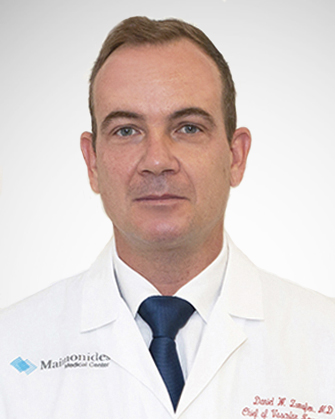 Daniel W. Zumofen合作论文数Maimonides Medical Center15Taub Ethan合作论文数14
 Daniel Kalbermatten合作论文数Département De Chirurgie, Faculté De Médecine, Université de Genève14
 Michael S. B. Edwards合作论文数Department of Neurosurgery, Lucile Packard Children’s Hospital, Stanford University Medical Center;Department of Neurosurgery, Stanford University School of Medicine14
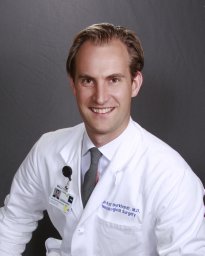 Burkhardt Jan-Karl合作论文数Dept Neurol Surg, Univ Calif San Francisco13Croci Davide合作论文数13
 Simone Hemm合作论文数Inserm, ERI 14, Equipe de Recherche en Imagerie Médicale 63001 Clermont-Ferrand France13
 Martin N. Stienen合作论文数Klinik für Neurochirurgie, Kantonsspital St. Gallen;Ostschweizer Wirbelsäulenzentrum12Fung Christian合作论文数12Wang Nancy合作论文数12
 Florian Thieringer合作论文数12
 Andreas Raabe合作论文数University of Bern12Marco Lee合作论文数12
 Philippe Bijlenga合作论文数University of Geneva Medical Center, University of Geneva12
 Georg Rauter合作论文数Institute of Robotics and Intelligent Systems, ETH Zurich12
 Srinivas Madduri合作论文数Institute of Pharmaceutical Sciences, ETH Zurich12
 Herve Nguendon合作论文数Biomed Laser & Opt Grp, Univ Basel11Catherine Brégère合作论文数Univ Hosp Basel, Dept Biomed, Brain Ischemia & Regenerat, Basel, Switzerland11
 Jérôme Coste合作论文数Service de Neurochirurgie, Centre Hospitalier Universitaire de Clermont-Ferrand, Université Clermont Auvergne;Institut Pascal, Université Clermont Auvergne11
 Maria Kamenova合作论文数10
 Schatlo Bawarjan合作论文数Neurochirurgische Klinik, Universitätsklinikum Göttingen10
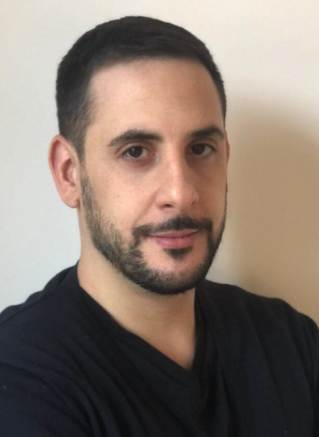 Marco Corniola合作论文数University of Rennes10A. Barth合作论文数10
 Gregor Hutter合作论文数Institute of Neuropathology, University Hospital Zurich10
 Dirk J. Schaefer合作论文数Universitätsspital Basel;Swiss Plastic Surgery;Departement Chirurgie an der Universität Basel;Plastic, Reconstructive, Aesthetic and Hand Surgery10
 Marwan El-Koussy合作论文数University Institute of Diagnostic and Interventional Neuroradiology, Inselspital, Universitätsspital Bern10J. Soleman合作论文数9Nicole Alexandra Frank合作论文数9
 Arjun Pendharkar合作论文数School of Medicine, Stanford University9
 Jean-Jacques Lemaire合作论文数Institut Pascal, Universite Clermont Auvergne;Centre Hospitalier Universitaire de Clermont-Ferrand9
 Teresa Bell-Stephens合作论文数9Raymond Choi合作论文数9Alain Barth合作论文数9




