OBJECTIVES:The micropapillary pattern is a high-risk factor for postoperative recurrence in lung adenocarcinoma (LUAD), but the role of adjuvant chemotherapy (ACT) in stage IA LUAD with micropapillary pattern (LUADmp) after resection remains unclear. METHODS:From September 2017 to August 2020, in the phase II trial, resected stage IA LUADmp patients received ACT (pemetrexed and carboplatin), forming the ACT-group. While those meeting the trial criteria but declining ACT in the same period were designated as the SoC-group. Recurrence-free survival (RFS) was compared between groups using univariate and multivariate analyses. RESULTS:The number of patients in ACT-group and SoC-group was 81 and 75, respectively. Compared to SoC-group, patients in ACT-group were younger (60.0 years vs 64.0 years, p = 0.019), had a lower proportion of EGFR/ALK mutation (58.0% vs 78.7%, p = 0.006), and had a higher proportion of Spread Through Air Spaces (59.3% vs 40.0%, p = 0.016). At the cut-off date of January 31st 2025, the median duration of follow-up was 65.6 months. Five-year RFS in ACT-group met the prespecified primary end-point, and no significant difference was observed between ACT-group and SoC-group (ACT-group vs SoC-group: 88.9% vs 86.7%, log-rank p = 0.534). Multivariate analysis showed ACT could not predict RFS independently (HR, 0.865, 95% CI, 0.334-2.240, p = 0.765). CONCLUSIONS:ACT was not significantly associated with improved RFS for stage IA LUADmp patients postoperatively. This study was registered at ClinicalTrials.gov: NCT03351842.
Neoadjuvant immunochemotherapy has transformed treatment paradigms in non-small cell lung cancer, yet its applicability in limited-disease small cell lung cancer (LD-SCLC) remains unknown. Here, we report findings from LungMate-006, the first prospective Phase II trial evaluating PD-1 blockade with tislelizumab combined with platinum-etoposide in LD-SCLC. Among 15 enrolled patients, the regimen achieved an objective response rate of 66.7% and enabled curative-intent surgery in 60% of patients, all with R0 resection. Major pathological response and pathological complete response occurred in 44.4% and 33.3% of surgical cases, respectively. Median event-free and overall survival reached 21.7 and 32.7 months. Metabolic response by PET-CT more accurately predicted pathological remission than radiographic shrinkage alone. Bulk RNA sequencing revealed a treatment-induced transition from a metabolically active baseline state toward an extracellular matrix-remodeled, CAF- and macrophage-enriched microenvironment, alongside upregulation of genes associated with tumor stemness and immune evasion. These transcriptomic changes suggest stromal-myeloid-mediated adaptive resistance in non-MPR tumors and highlight potential avenues for refining perioperative immunochemotherapy strategies in SCLC.
BACKGROUND:This study aimed to examine the risk factors for postoperative acute exacerbation (AE) and prognosis in patients with concomitant lung cancer and idiopathic pulmonary fibrosis (LC-IPF). PATIENTS AND METHODS:We retrospectively analyzed 382 patients with LC-IPF who underwent tumor resection. Clinical characteristics and outcomes were compared between patients with and without AE. Logistic regression was used to identify risk factors for AE, while Cox regression was employed to assess factors influencing overall survival (OS). RESULTS:The median age was 69.0 years (male, 87.7%). In total, 19 (5.0%) patients developed perioperative AE, with a 30-day postoperative mortality rate of 2.9%. The median follow-up time was 424 days; 67 patients experienced tumor recurrence, whereas 23 died from IPF-AE. Patients with severe IPF (> 50% of the lungs) demonstrated higher perioperative AE rates (29.4% versus 3.8%, P = 0.001). Patients who received prophylactic steroids demonstrated a lower perioperative AE incidence (6.8% versus 2.1%, P = 0.072). Univariate logistic regression revealed severe IPF and pneumonectomy as risk factors for perioperative AE, whereas prophylactic steroids was protective against AE. Multivariate Cox regression indicated that severe IPF and reduced diffusing capacity for carbon monoxide (DLCO) were associated with poorer OS, while prophylactic steroids had no significant impact on OS. CONCLUSIONS:Patients with severe IPF exhibited higher rates of perioperative AE and poorer OS. Perioperative steroid use may reduce the risk of AE but has not been associated with improved long-term outcomes. These findings highlight the need for individualized perioperative strategies in this high-risk population.
OBJECTIVES:Perioperative pembrolizumab plus neoadjuvant chemotherapy significantly improved outcomes versus neoadjuvant chemotherapy alone in early-stage, resectable, non-small-cell lung cancer (NSCLC) in the phase 3 KEYNOTE-671 study. We report outcomes in participants with baseline clinical stage II disease. METHODS:Participants with untreated, resectable, stage II-IIIB (N2) NSCLC were randomized 1:1 to receive pembrolizumab 200 mg or placebo every 3 weeks plus chemotherapy for 4 cycles, followed by surgery and adjuvant pembrolizumab or placebo for 13 cycles (∼9 months). Exploratory analyses were performed in participants with clinical stage II disease. RESULTS:Of 797 randomized participants, 239 had stage II disease (pembrolizumab plus chemotherapy, n = 118; chemotherapy only, n = 121). Median study follow-up at data cutoff (August 19, 2024) was 49.9 (range, 32.2-75.3) months. Among participants who underwent surgery, 94/99 (94.9%) had R0 resections in the pembrolizumab arm and 89/103 (86.4%) in the neoadjuvant chemotherapy only arm. Event-free survival (hazard ratio [HR], 0.50; 95% CI, 0.34-0.74), overall survival (HR, 0.69; 95% CI, 0.43-1.11), major pathological response (difference, 25.7%; 95% CI, 15.3-35.9), and pathological complete response (difference, 21.3%; 95% CI, 13.2-30.2) were improved in the pembrolizumab arm. Grade 3-4 treatment-related adverse events (AEs) occurred in 50.0% of participants treated with pembrolizumab plus chemotherapy and 40.5% with chemotherapy; no treatment-related AEs led to death. CONCLUSIONS:In participants with stage II NSCLC, perioperative pembrolizumab improved efficacy outcomes with manageable safety versus neoadjuvant chemotherapy alone, consistent with the overall KEYNOTE-671 population. These results support the use of this regimen in patients with stage II disease. TRIAL REGISTRATION:ClinicalTrials.gov, NCT03425643, registered/first posted on February 7, 2018 (https://www.clinicaltrials.gov/study/NCT03425643).
OBJECTIVES:This study aims to evaluate the safety and feasibility of uniportal robot-assisted thoracic surgery for sleeve lobectomy and to analyse the impact of induction therapy on perioperative outcomes. METHODS:Between January 2022 and June 2025, 134 consecutive patients who underwent uniportal robot-assisted thoracic surgery sleeve lobectomy using the da Vinci Xi system were enrolled from a prospective database. Perioperative variables, including patient characteristics, surgical details, pathologic outcomes, and 30-day complications, were analysed. Statistical comparisons were performed between patients who received induction therapy and those who did not. RESULTS:The cohort had a median age of 62 years, with 72.3% having a smoking history. Squamous cell carcinoma was predominant (68.6%), and 55.2% of patients received induction therapy, primarily chemoimmunotherapy. The left upper lobe was the most common resection site (35.1%). R0 resection was achieved in 97.8% of cases. The median operative time was 185 min, and median hospital stay was 6 days. Patients underwent induction therapy was associated with longer operative time (202.5 vs 172.5 min, P = .005) and hospital stay (7 vs 6 days, P < .001) but did not significantly affect blood loss, conversion rate (9.5% vs 6.7%, P = .687), major complications (23.0% vs 26.7%, P = .622), or 30-day readmission (1.4% vs 3.3%, P = .441). There were no 30-day deaths. CONCLUSIONS:Uniportal robot-assisted thoracic surgery sleeve lobectomy is technically safe and feasible, with high R0 rates and acceptable morbidity. Induction therapy prolongs operative time and hospitalization but does not significantly increase perioperative risk. These findings support the adoption of uniportal robot-assisted thoracic surgery for complex sleeve lobectomy, including patients after induction treatment.
BACKGROUND:Anaplastic lymphoma kinase (ALK) inhibitors have emerged as promising agents for patients with resectable ALK-positive non-small-cell lung cancer (NSCLC). Whether ensartinib, a second-generation ALK inhibitor, is safe and effective in such patients is unknown. METHODS:In this phase 3, double-blind, randomized trial involving patients with completely resected, ALK-positive stage IB to IIIB NSCLC after adjuvant chemotherapy, we randomly assigned patients in a 1:1 ratio to receive ensartinib at a dose of 225 mg once daily or placebo for 24 months. The primary end point was disease-free survival in patients with stage II to IIIB NSCLC. The key secondary end point was disease-free survival in the overall patient population. RESULTS:A total of 274 patients were randomly assigned to receive ensartinib or placebo (137 patients in each group). At 24 months, the percentage of patients with stage II to IIIB disease who were alive and disease-free was 86.4% in the ensartinib group and 53.5% in the placebo group (hazard ratio for disease recurrence or death, 0.20; 95% confidence interval [CI], 0.11 to 0.38; P<0.001). In the overall patient population, the percentage of patients who were alive and disease-free was 87.3% in the ensartinib group and 57.2% in the placebo group (hazard ratio, 0.20; 95% CI, 0.10 to 0.37; P<0.001). Overall survival data were immature. Adverse events of grade 3 or higher occurred in 35.8% of the patients who received ensartinib (most commonly rash) and in 18.2% of those who received placebo. CONCLUSIONS:Among patients with completely resected stage IB to IIIB ALK-positive NSCLC, the percentage of patients who were alive and disease-free at 24 months was significantly higher with ensartinib than with placebo. (Funded by Betta Pharmaceuticals; ELEVATE ClinicalTrials.gov number, NCT05341583.).
Systematic mediastinal lymphadenectomy or sampling is a critical component of lung cancer resection, ensuring accurate staging and potential therapeutic benefits. In this article, we will describe a standardized method for formal mediastinal lymphadenectomy which should provide a similar dissection outcome as described with open approaches. This method will also lends itself to reproducibility and facilitates teaching proper technique. We believe understanding and mastering techniques of systemic mediastinal lymphadenectomy will also help the procedure of sampling.
This study was designed to investigate the outcomes after neoadjuvant targeted therapy in patients with anaplastic lymphoma kinase (ALK) or ROS proto-oncogene 1 (ROS1) rearrangement locally advanced non-small cell lung cancer (NSCLC) in the real world. Patients with ALK or ROS1 rearrangement locally advanced NSCLC received neoadjuvant targeted therapy between October 2018 and December 2023 in Shanghai pulmonary hospital were enrolled in this study. Perioperative and follow-up data of these patients were retrospectively recorded. Thirty-eight patients were enrolled in this study. ALK and ROS1 rearrangement were confirmed in 32 (84.2
Cisplatin (CDDP) combined with pemetrexed (MTA) is commonly employed in the treatment of advanced non-small cell lung cancer. However, conventional clinical administration methods fail to achieve precise spatiotemporal delivery within the tumor microenvironment (TME), resulting in inadequate control of local drug concentrations and impeding the synergistic efficacy of chemotherapeutic drugs. Aiming to address this issue, Fe2O3 hollow multi-shelled structure (HoMS) nanocarriers with spatiotemporally controlled release properties and co-encapsulated CDDP and MTA into this nanocarrier are developed. The confined microenvironment provided by Fe2O3-HoMS enables a targeted and temporal sequential drug release tailored to clinical requirements. Furthermore, chemotherapy-induced DNA damage leads to apoptosis, accompanied by a substantial generation of reactive oxygen species (ROS). The disruption of ROS homeostasis subsequently activates the ferroptosis pathway mediated by Fe2O3-HoMS. In summary, Fe2O3-HoMS exhibits a highly controlled and temporal sequential release of two chemotherapeutic drugs in TME, and the HoMS nanocarriers are further involved in the regulation of ferroptosis, realizing a triple sequential delivery system comprising CDDP-MTA-Fe2+ and thus significantly enhancing the anti-tumor efficacy against lung cancer. This study proposes a novel approach for temporal sequential drug delivery by optimizing nanocarrier design, addressing the clinical challenge of precisely controlled drug release within tumors.
Chronic obstructive pulmonary disease (COPD) is an intractable disease with thick mucus layer in bronchi and alveoli, frequently accompanied by bacterial infection. Anti-bacterial drugs with mucus penetrating are urgently needed for efficient COPD treatment. Here, a neutrophil-mimicking nanovehicle was developed by coating neutrophil membrane onto poly(lactic-co-glycolic acid) (PLGA) nanoparticles containing antibiotics levofloxacin (LVX). Neutrophil membrane coated nanoparticles (LVX@PLGA@Mem) reserved most of the membrane proteins and related membrane functions of neutrophil, exhibiting pro-inflammatory cytokines neutralization, inflammation inhibition, successfully delivering LVX through the mucus layer and achieving satisfactory anti-infection effects. Thus, LVX@PLGA@Mem after inhalation could remarkably reduce inflammation and infection in the lung with COPD. Therefore, neutrophil mimicking nanovehicles may be a feasible and desirable drug carrier for lung-related disease treatment in further clinic.
Background:Pleural metastasis is a common metastatic pattern in patients with epidermal growth factor receptor-mutant lung adenocarcinoma (EGFR-LUADm); however, the value of palliative surgery for these patients remains controversial. The purpose of the present study aims to investigate whether palliative surgery benefits in stage IVA LUADm patients with pleural metastasis, who achieved complete remission of pleural lesions following targeted therapy. Methods:From November 2014 to November 2023, patients with stage IVA EGFR-LUADm with pleural metastasis at Shanghai Pulmonary Hospital were retrospectively included in this study. All the patients received EGFR-tyrosine kinase inhibitor (TKI) monotherapy. The patients were divided into surgical- and non-surgical treatment subgroups. To reduce any selection bias, a 1:2 propensity score matching (PSM) was performed before comparing oncological outcomes between the two groups. The Kaplan-Meier method and log-rank test were used to identify the prognostic factors of these patients. Results:A total of 134 patients who met the inclusion and exclusion criteria were enrolled in this study. Of the 134 patients, 13 received EGFR-TKI monotherapy followed by palliative surgical treatment (the surgical group), and 121 received EGFR-TKI monotherapy alone (the non-surgical group). No significant differences in the baseline characteristics were observed between the subgroups. After PSM, the surgical and non-surgical groups comprised 13 and 26 patients, respectively. The survival analysis showed that the patients in the surgical group had significantly better progression-free survival (PFS) than those in the non-surgical group {surgical vs. non-surgical: median PFS: 43 [95% confidence interval (CI): 30-not available] vs. 11 (95% CI: 10-26, P<0.001)}. Conclusions:Compared with EGFR-TKI monotherapy, palliative surgery combined with EGFR-TKI treatment prolonged the PFS of pleural metastatic EGFR-LUADm patients. A subset of EGFR-LUADm patients with pleural metastasis might be suitable for palliative surgery.
Background:Approximately 30% of patients with non-small-cell lung cancer (NSCLC) have initially resectable disease. This trial aimed to evaluate the safety and feasibility of administering sintilimab-based induction therapy for potentially resectable stage III NSCLC to offer a more advantageous therapeutic strategy. Methods:This investigator-initiated, open-label, phase 2 trial (NCT04728724) aimed to explore the efficacy and safety of sintilimab-based induction therapy in patients with potentially resectable stage III NSCLC on the basis of tumour PD-L1 expression. Eligible patients with PD-L1 expression in at least 50% of tumour cells received four cycles of sintilimab (200 mg every 3 weeks) as monotherapy, and patients with PD-L1 expression in less than 50% of tumour cells or of unknown status received four cycles of sintilimab combined with carboplatin-based chemotherapy before surgical resection. Evaluation of efficacy was conducted by a multidisciplinary team every two cycles. Surgical resection was performed within 21-28 days of the last dose. The primary endpoint was the major pathological response rate. Additionally, bulk RNA sequencing of baseline and surgical samples was conducted to investigate the tumour microenvironment and identify potential biomarkers. Findings:100 patients were enrolled between November 16, 2022, and September 11, 2023, and 97 patients were included in analyses. 75 (77%) of 97 patients completed four cycles of neoadjuvant treatment (range 1-6 cycles). An overall response was observed in 80 patients (82%; 95% CI 75-90), and all had a partial response. Surgery was performed in 58 patients (60%), and all patients had R0 resection. 38 (66%, 95% CI 53-78) of 58 patients had a major pathological response. As of September 24, 2025, the median follow-up duration was 31.0 months (IQR 27.5-32.6), and median progression-free survival and overall survival were not reached. 24-month progression-free survival was 78% (95% CI 71-87), and 24-month overall survival was 88% (81-94). Grade 3 or higher treatment-related adverse events occurred in 40 (41%) of 97 patients, and the most common grade 3-4 treatment-related adverse events were neutropenia (n = 35 [36%]), leukopenia (n = 18 [19%]). Immune-related adverse events occurred in 51 (53%) of 97 patients receiving study treatment. Differential gene expression analysis in the combination of baseline and surgical tumour samples revealed the upregulation of immune-related genes in responders to neoadjuvant immune checkpoint blockade, and the upregulation of metabolism-related genes in non-responders. Interpretation:Sintilimab-based induction treatment strategy could be a feasible option for potentially resectable NSCLC patients with stage III disease. Notably, we found that increased plasma cell signatures were predictive of response, while elevated AKR1C family gene expression substantially correlated with resistance to immune checkpoint blockade. Funding:This work was supported by the National Natural Science Foundation of China (No. 82430053); Shanghai Science and Technology Committee, China (Grant No. 24SF1904500); Innovation Program of Shanghai Municipal Education Commission, China (Grant No. 2023ZKZD33, Grant No. AI for Science); Tongji University Medicine-X Interdisciplinary Research Initiative, China (Grant No. 2025-0554-ZD-03); and Foundation of Shanghai Pulmonary Hospital, China (Grant No. LYRC202402, FKLY20004).
Mixed Reality (MR)-aided operation overlays digital objects on the physical world to provide a more immersive and intuitive operation process. A primary challenge is the precise and fast auto-verification of whether the user follows MR guidance by comparing frames before and after each operation. The pre-operation frame includes virtual guiding objects, while the post-operation frame contains physical counterparts. Existing approaches fall short of accounting for the discrepancies between physical and virtual objects due to imperfect 3D modeling or lighting estimation. In this paper, we propose EVER: an edge-assisted auto-verification system for mobile MR-aided operations. Unlike traditional frame-based similarity comparisons, EVER leverages the segmentation model and rendering pipeline adapted to the unique attributes of frames with physical pieces and those with their virtual counterparts; it adopts a threshold-based strategy using Intersection over Union (IoU) metrics for accurate auto-verification. To ensure fast auto-verification and low energy consumption, EVER offloads compute-intensive tasks to an edge server. Through comprehensive evaluations of public datasets and custom datasets with practical implementation, EVER achieves over 90
Lung squamous cell carcinoma (LUSC) represents a major subtype of lung cancer, and it demonstrates limited treatment options and worse survival. Identifications of a prognostic model and chemoresistance mechanism can be helpful for improving stratification and guiding therapy decisions. The integrative development of machine learning-based models reveals a random survival forest (RSF) prognostic model for LUSC. The 12-gene RSF model exhibits high prognostic power in more than 1,000 LUSC patients. High-risk LUSC patients are associated with worse survival and the activation of the epithelial-mesenchymal transition pathway. Additionally, high-risk LUSC patients are resistant to docetaxel or vinorelbine treatment. In vitro and in vivo drug sensitivity experiments indicates that high-risk HCC15/H226 tumour cells and cell line-derived xenograft models are more resistant to vinorelbine treatment. Furthermore, the combination of chemotherapy with transforming growth factor-β inhibition augments antitumour responses in LUSC tumours. Our study provides valuable insights into prognosis stratification and the development of therapeutic strategies for LUSC. A random survival forest prognostic model for the risk assessment of newly diagnosed LUSC patients may guide the application of chemotherapy in LUSC.
This study aimed to evaluate the efficacy and safety of camrelizumab, an anti-PD-1 antibody, combined with either chemotherapy or apatinib, a VEGFR-2 inhibitor, as neoadjuvant treatment for stage IIA–IIIA NSCLC. This prospective, multicenter, dual-arm, non-randomized phase II trial enrolled participants from four hospitals in China between September 2020 and March 2022. Patients received 2–4 cycles of neoadjuvant treatment followed by surgery. Arm-AR (n = 28) included patients treated with camrelizumab (200 mg every 3 weeks) plus platinum-based chemotherapy, regardless of PD-L1 status. Arm-BR (n = 10) included PD-L1-positive patients treated with camrelizumab (200 mg every 3 weeks) plus apatinib (250 mg daily). The primary endpoint was the major pathological response (MPR) rate. Secondary endpoints included pathological complete response (pCR) rate, objective response rate (ORR), disease control rate (DCR), event-free survival (EFS), overall survival (OS), and safety profiles. In the ITT population, MPR rates were 25.0
Aumolertinib, a third-generation epidermal growth factor receptor tyrosine kinase inhibitor (EGFR-TKI), is widely utilized for advanced EGFR-mutant non-small cell lung cancer patients (NSCLCm). This single-arm, phase II trial (NCT04685070) assessed the feasibility of neoadjuvant Aumolertinib for unresectable stage III NSCLCm. Fifty-six patients were enrolled, with 51 participants receiving neoadjuvant Aumolertinib (110 mg/day, orally) and forming the intention-to-treat population. The primary endpoint was objective response rate (ORR). Secondary endpoints included major pathological response (MPR) rate, pathological complete response (pCR) rate, complete (R0) resection rate, event-free survival (EFS), overall survival (OS), and treatment-related adverse events (TRAEs). The ORR was 70.6% (95% confidence interval: 58%-84%), meeting the pre-specified primary endpoint. Additionally, twenty-three (45.1%) participants converted into resectable disease and underwent surgery. Among them, R0 resection, MPR and pCR rates were 100%, 21.7%, and 13.0%, respectively. The median EFS and OS were not reached. While, the 1- and 2-year EFS rates were 88.2% and 58.8%, respectively. Fatigue (49.0%), alanine aminotransferase concentration elevation (39.2%), and rash (35.3%) were the most common treatment-related adverse events (TRAEs). Grade 3/4 TRAEs occurred in 5 patients (9.8%), and no grade 5 TRAE was recorded. RNA-sequencing based analysis revealed increased infiltration of CD8 + T-cells in post-treatment tumors compared to baseline, particularly in responsive and Ex19-Del mutation tumors. Collectively, neoadjuvant Aumolertinib showed promising efficacy and a surgical conversion rate with a tolerable safety profile for unresecable NSCLCm in stage III, potentially involved in the remodeling of tumor microenvironment.
The increasing complexity of lung surgeries necessitates the need for enhanced imaging support to improve the precision and efficiency of preoperative planning. Despite the promise of 3D reconstruction, clinical adoption remains limited due to time constraints and insufficient validation. To address this, we evaluate an artificial intelligence-driven 3D reconstruction system for pulmonary vessels and bronchi in a retrospective, multi-center multi-reader multi-case study. Using a two-stage crossover design, ten thoracic surgeons assess 140 cases with and without the system's assistance. The system significantly improves the accuracy of anatomical variant identification by 8% (p < 0.01), reducing errors by 41%. Improvements in secondary endpoints are also observed. Operation procedure selection accuracy is improved by 8%, with a 35% decrease in errors. Preoperative planning time is decreased by 25%, and user satisfaction is high at 99%. These benefits are consistent across surgeons of varying experience. In conclusion, the artificial intelligence-driven 3D reconstruction system significantly improves the identification of anatomical variants, addressing a critical need in preoperative planning for thoracic surgery.
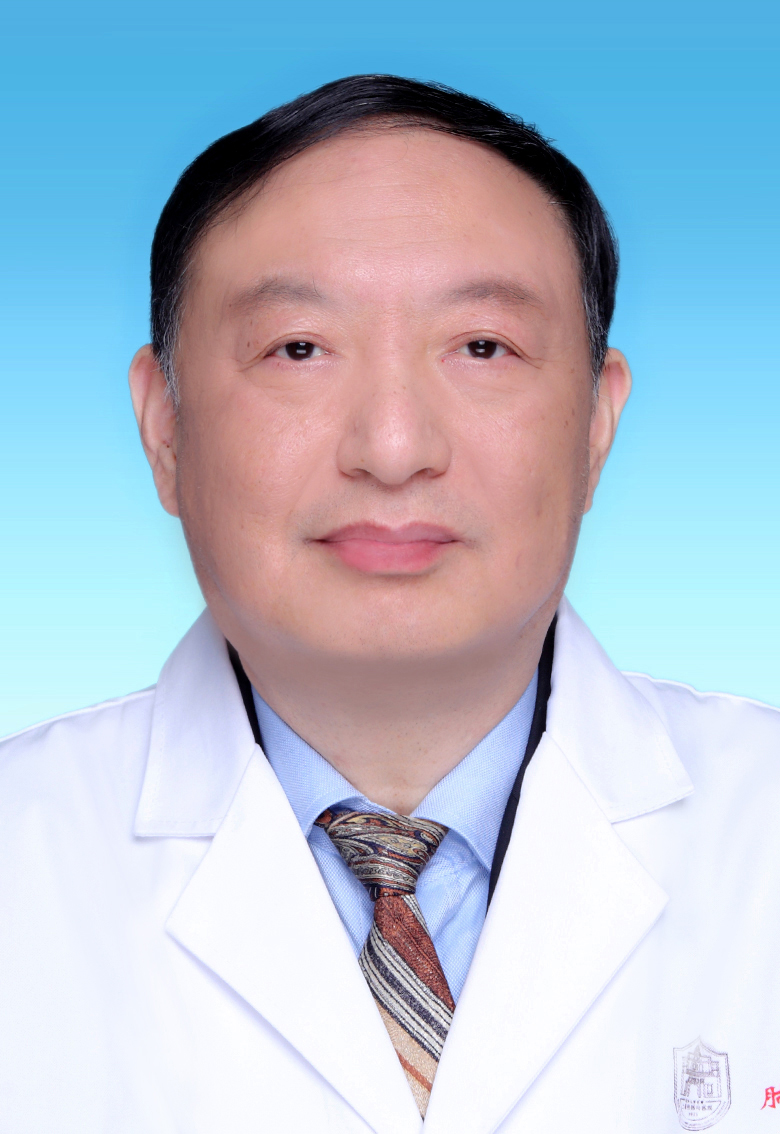 Gening Jiang (姜格宁)合作论文数Shanghai Pulmonary Hospital;School of Medicine, Tongji University152
 Chang Chen (陈昶)合作论文数School of Medicine, Tongji University;Shanghai Pulmonary Hospital75
 Dong Xie (谢冬)合作论文数School of Medicine, Tongji University;Shanghai Pulmonary Hospital41
 Deping Zhao (赵德平)合作论文数School of Medicine, Tongji University38
 Peng Zhang (张鹏)合作论文数Shanghai Pulmonary Hospital;school of medicine, Tongji University36
 Jia-an DING (丁嘉安)合作论文数34
 Jie Dai (戴洁)合作论文数Shanghai Pulmonary Hospital Affiliated to Tongji University;School of Medicine, Tongji University29
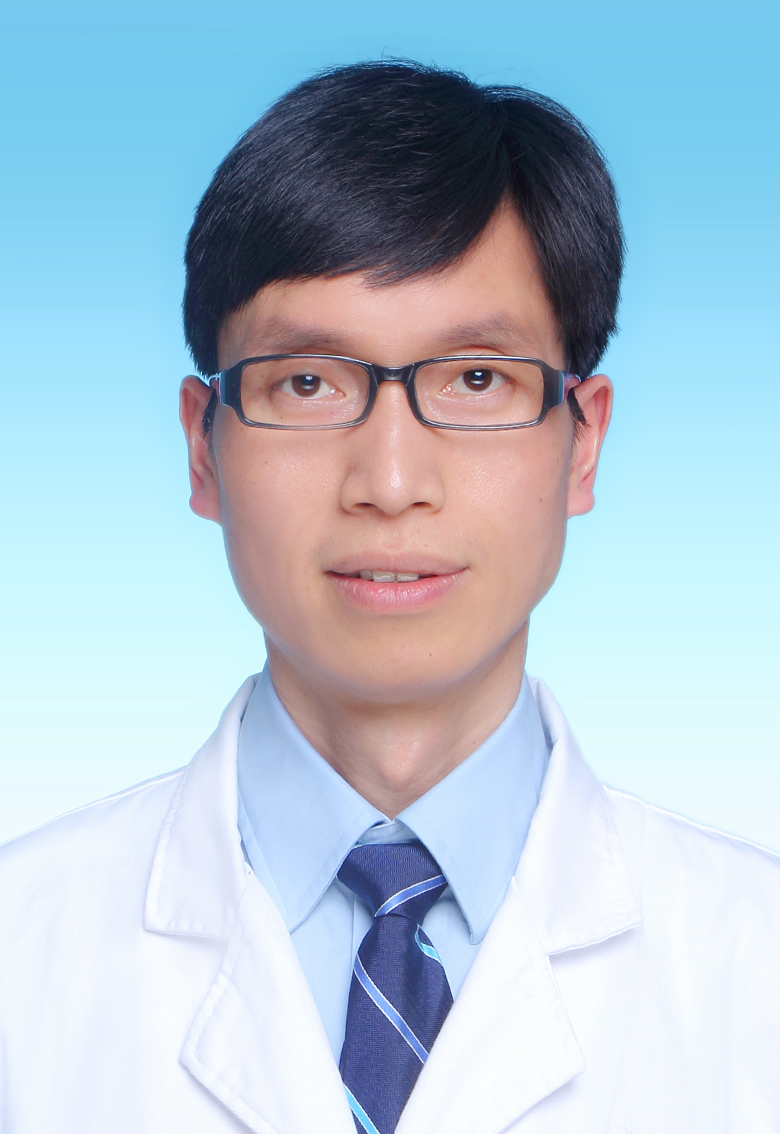 Wenxin He (何文新)合作论文数School of Medicine, Tongji University29
 Liang Duan (段亮)合作论文数School of Medicine, Tongji University27
 Xiao Zhou (周晓)合作论文数Shanghai Pulmonary Hospital Affiliated to Tongji University;School of Medicine, Tongji University23
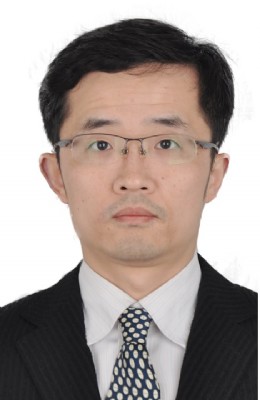 Haifeng Wang (王海峰)合作论文数Shanghai Pulmonary Hospital;School of Medicine, Tongji University22
 Diego Gonzalez Rivas合作论文数Department of Thoracic Surgery, Coruna University Hospital22
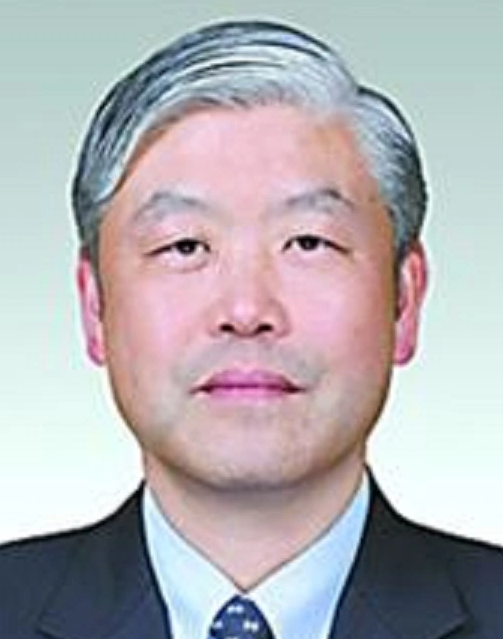 Wen Gao (高文)合作论文数Huadong Hospital Affiliated to Fudan University22
 Qiankun Chen (陈乾坤)合作论文数Shanghai Pulmonary Hospital Affiliated to Tongji University;School of Medicine, Tongji University22
 Chunyan Wu合作论文数20
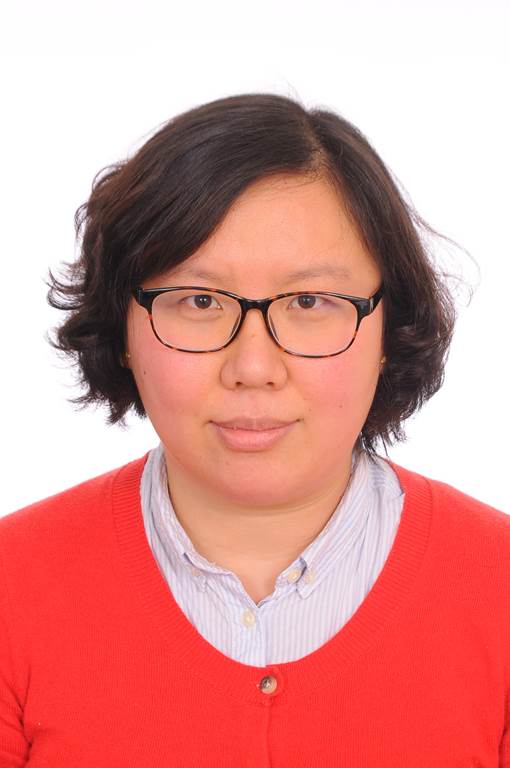 Lei Jiang (姜磊)合作论文数School of Medicine, Tongji University20
 Yunlang She (佘云浪)合作论文数School of Medicine, Tongji University19
 Nan Song合作论文数18YiMing Zhou (周逸鸣)合作论文数18BoXiong Xie (谢博雄)合作论文数18
 Xuefei Hu (胡学飞)合作论文数School of Medicine, Tongji University;Shanghai Pulmonary Hospital Affiliated to Tongji University17
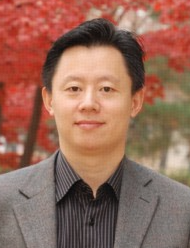 Hao Wang (汪浩)合作论文数School of Medicine, Tongji University17Dongliang Bian合作论文数16Kaiqi Jin合作论文数16
 Likun Hou (侯立坤)合作论文数Shanghai Pulmonary Hospital16
 Xiaofeng Chen (陈晓峰)合作论文数复旦大学附属华山医院14
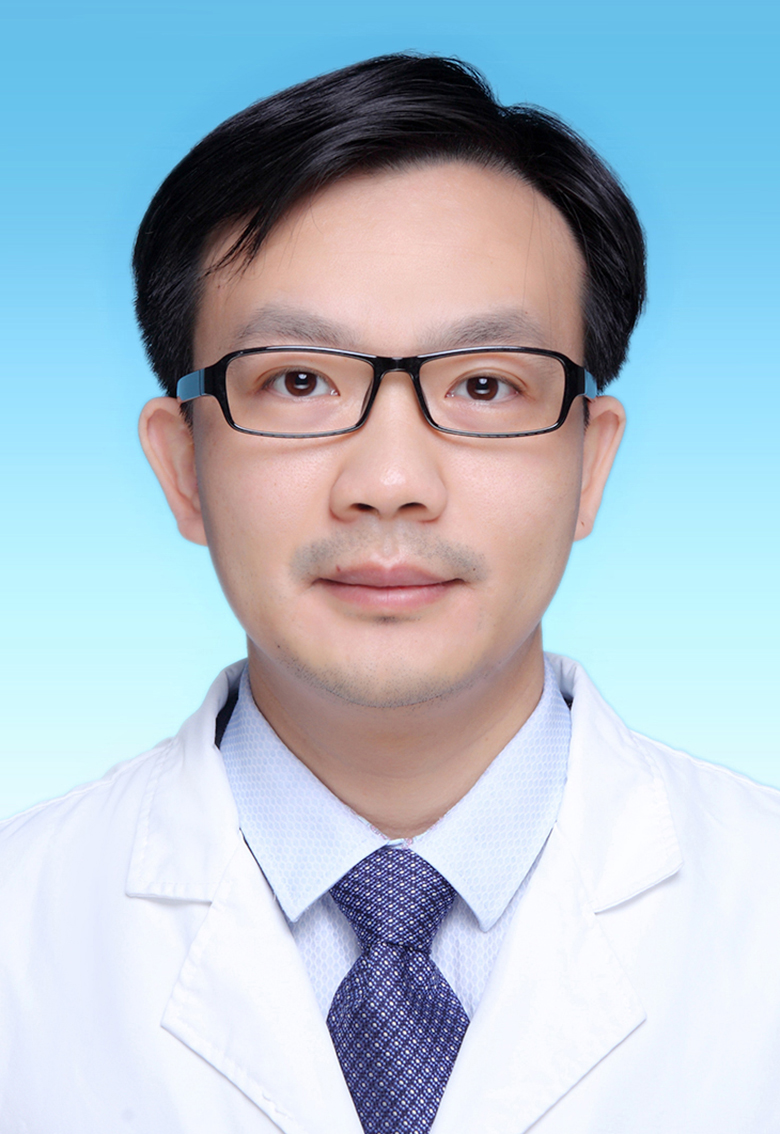 Xiaogang Liu (刘小刚)合作论文数Shanghai Pulmonary Hospital14Yu Huansha合作论文数13
 Liangdong Sun合作论文数12
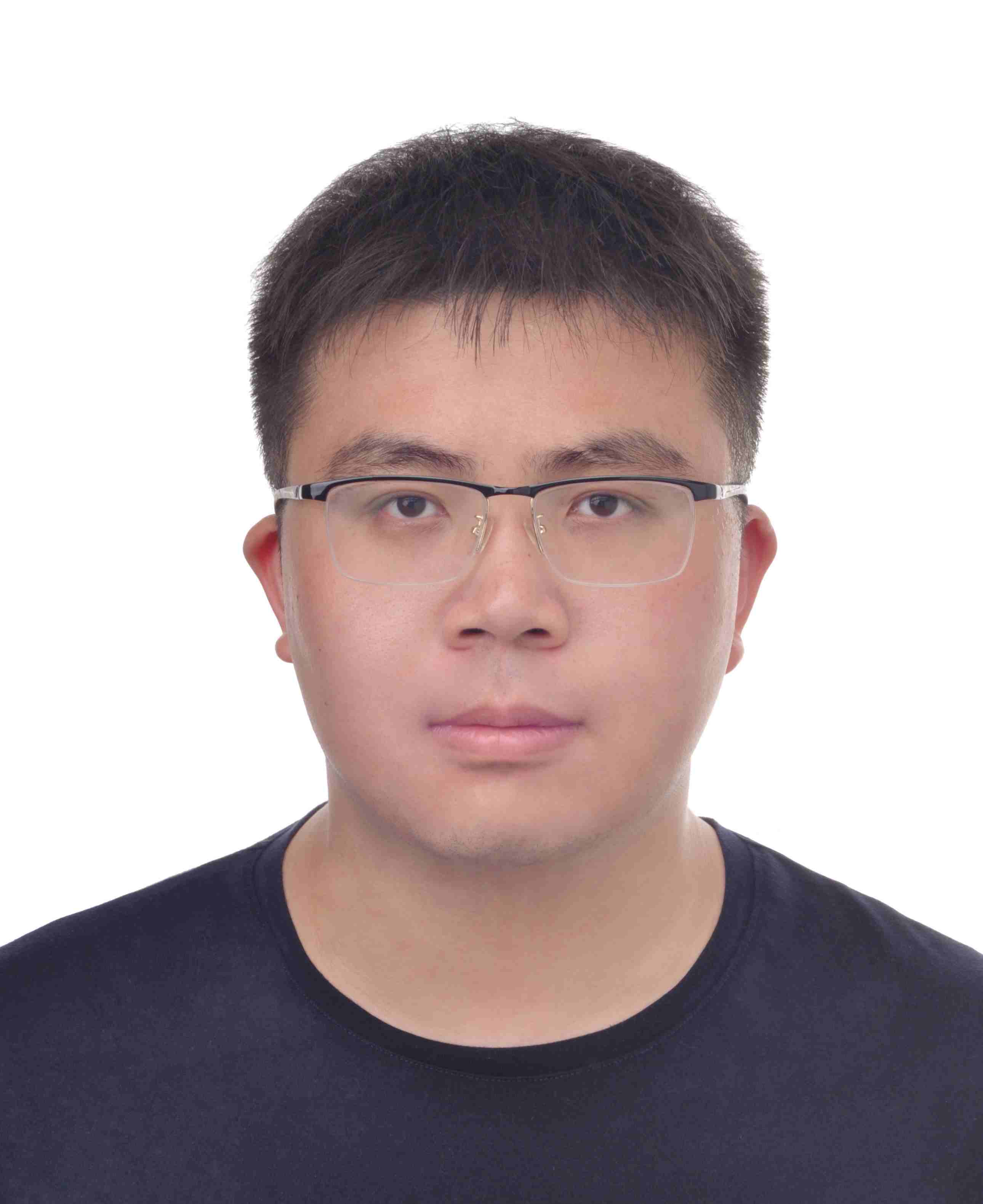 Jiajun Deng (邓家俊)合作论文数Australian Institute for Machine Learning, University of Adelaide12
 Wenpu Tong (童稳圃)合作论文数 Department of Thoracic Surgery,Shanghai Pulmonary Hospital,Shanghai ,China12
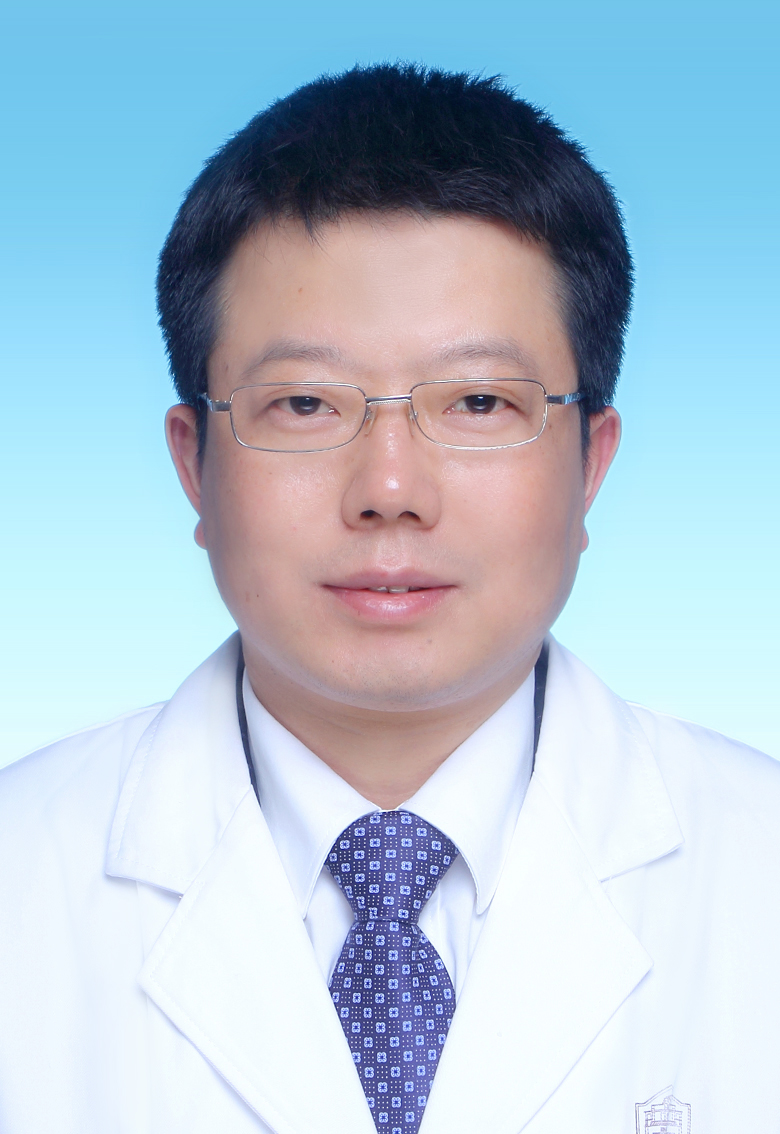 Hongcheng Liu (刘鸿程)合作论文数Shanghai Pulmonary Hospital12
 Hui Zheng (郑卉)合作论文数School of Medicine, Tongji University12
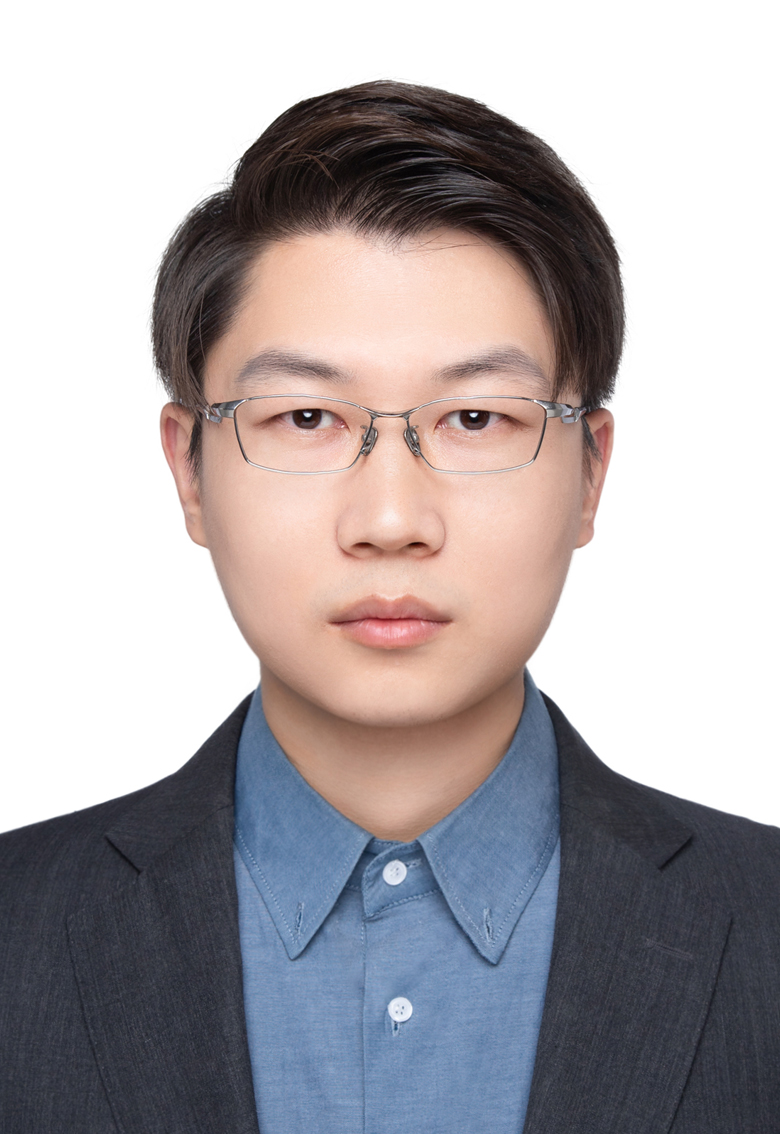 Xinsheng Zhu (朱新生)合作论文数School of Medicine, Tongji University;Shanghai Pulmonary Hospital Affiliated to Tongji University11
 Yang Yang (杨洋)合作论文数Shanghai Pulmonary Hospital;School of Materials Science and Engineering, Tongji University11
 Lei Zhang (张雷)合作论文数Thoracic Department, Shanghai Pulmonary Hospital11Lele Zhang合作论文数10
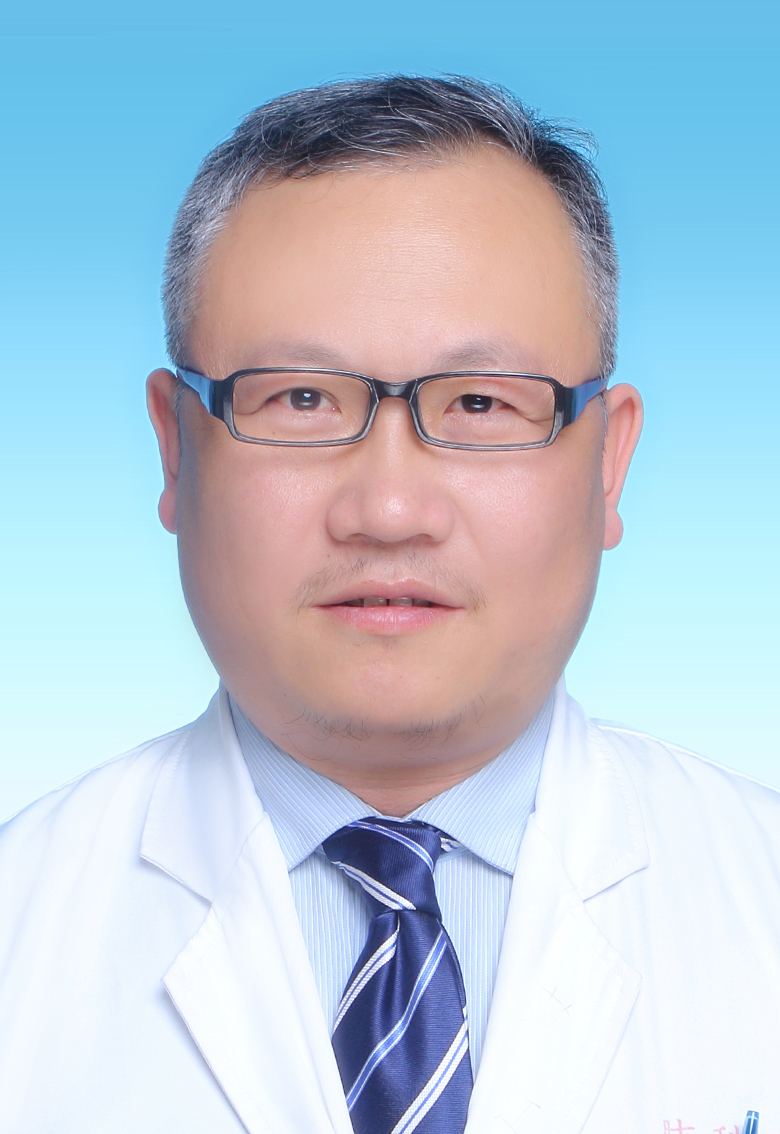 Jiang Fan (范江)合作论文数Shanghai Pulmonary Hospital;Shanghai General Hospital, Shanghai Jiao Tong University10
 Ming Liu (刘明)合作论文数School of Medicine, Tongji University9Junqi Wu合作论文数8Ye Ning合作论文数8Qiuyuan Li合作论文数8
 Long Xu合作论文数8Hang Su合作论文数8Hong Zhou (周红)合作论文数8Xu Xiao-Xiong合作论文数8
 Jie Yang (杨洁)合作论文数Department of Thoracic Surgery, Shanghai Pulmonary Hospital, Tongji University School of Medicine8
 Xiaogang Zhao (赵晓刚)合作论文数Shanghai Pulmonary Hospital8
 Jing Zhang (张敬)合作论文数School of Life Science and Technology, Tongji University8




