Escherichia coli is predominantly an intestinal commensal; however, avian pathogenic E. coli (APEC) causes colibacillosis in poultry. The APEC pathotype lacks a clear genetic definition, further complicated by its opportunistic nature. To compare the genomic characteristics of avian pathogenic and commensal E. coli , isolates from diseased and healthy broiler flocks in Sweden were analysed, collected between 2022 and 2024. Clinical isolates ( n =202) were collected at necropsy from 40 flocks during colibacillosis outbreaks, and non-clinical isolates ( n =109) were obtained from litter using sock sampling in 60 unaffected flocks. Whole-genome sequencing was performed to determine sequence types (STs), serotypes, phylogroups, virulence-associated genes (VAGs) and to identify ColV plasmids. A five-gene APEC marker panel targeting plasmid-associated virulence genes ( iutA, hlyF, iss, iroN and ompT ) was used to classify isolates as APEC or non-APEC, and high-risk clones were identified according to the APECtyper scheme. Clinical isolates comprised 22 STs and 25 serotypes and were dominated (59%) by the ST23 O78:H4 clone within phylogroup C. Non-clinical isolates were more diverse (44 STs, 67 serotypes), primarily within phylogroups A (48%) and B1 (33%), with no clone predominating. Clinical isolates carried significantly more VAGs ( P <0.001). Overall, 97% of clinical isolates were identified as APEC, all of which carried a ColV plasmid. Among non-clinical isolates, 28% were APEC, of which 80% were ColV-positive. However, clinical APEC isolates carried significantly more ColV-associated virulence gene clusters than non-clinical APEC isolates ( P <0.001). Only 5% of non-APEC isolates were ColV-positive. High-risk clones were restricted to clinical APEC isolates (63%). These findings indicate that colibacillosis in Swedish broilers was largely driven by a dominant APEC clone during the study period, highlighting the need for coordinated surveillance and targeted control of high-risk clones. The presence of VAG reservoirs among isolates from unaffected flocks, together with the limitations of marker-based APEC typing, supports integrated frameworks combining lineage, VAG profiles and plasmid content for more reliable APEC identification and pathogenicity assessment.
Genetic load and inbreeding are recognized as important factors to be considered in conservation programs. Elevated levels of both can increase the risk of population extinction by negatively impacting fitness-related characters in many species of plants and animals, including humans (inbreeding depression). Genomic techniques are increasingly used in measuring and understanding genetic load and inbreeding and their importance in evolution and conservation. We used whole genome resequencing data from two sibling grouse species in subarctic Eurasia to quantify both. We found a large range of inbreeding measured as FROH (fraction of runs of homozygosity) in individuals from different populations of Chinese Grouse (Tetrastes sewerzowi) and Hazel Grouse (T. bonasia). FROH estimated from genome-wide runs of homozygosity (ROH) ranged from 0.02 to 0.24 among Chinese Grouse populations and from 0.01 to 0.44 in Hazel Grouse. Individuals from a population of Chinese Grouse residing in the Qilian mountains and from the European populations of Hazel Grouse (including samples from Sweden, Germany and Northeast Poland) were the most inbred (FROH ranged from 0.10 to 0.23 and 0.11 to 0.44, respectively). These levels are comparable to other highly inbred populations of birds. Hazel Grouse from northern China and Chinese Grouse residing in the Qinghai-Tibetan Plateau showed relatively lower inbreeding levels. Comparisons of the ratio between deleterious missense mutations and synonymous mutations revealed higher levels in Chinese Grouse as compared to Hazel Grouse. These results are possibly explained by higher fixation rates, mutational melt down, in the range-restricted Chinese Grouse compared to the wide-ranging Hazel Grouse. However, when we compared the relatively more severe class of loss-of-function mutations, Hazel Grouse had slightly higher levels than Chinese Grouse, a result which may indicate that purifying selection (purging) has been more efficient in Chinese Grouse on this class of mutations.
Anthelmintic resistance is an increasing problem in many gastrointestinal parasites of grazing animals. Among these, the equine roundworm, Parascaris spp., has developed wide-spread resistance to macrocyclic lactones over the past decades. Additionally, there are recent observations of emerging treatment failure of both tetrahydropyrimidine and fenbendazole. Therefore, the aims of this study were to further investigate the occurrence of fenbendazole resistance on breeding farms and to explore potential management-related risk factors associated with resistance in Parascaris spp. in Sweden. Eleven farms with 92 foals positive for Parascaris spp. were included in a faecal egg count reduction test during the years 2021-2023. According to the clinical protocol of the guidelines of the World Association for the Advancement of Veterinary Parasitology, fenbendazole resistance was present on four farms with efficacies varying from 45% to 96%. Having previously reported reduced efficacy on one of these farms, we can now confirm that fenbendazole resistance in Parascaris spp. has established. Farms with more than 40 yearly born foals had a significantly higher probability of having resistant Parascaris spp. Populations compared with smaller farms, (generalized linear model (GLM), t = 70.39, p < 0.001). In addition, there was a correlation between the number of foals on the farm and the frequency of yearly treatments showing that farms with < 20 foals were notably inclined to administer treatments twice during the first year (GLM, t=2.76, p < 0.05) in contrast to larger farms with > 40 foals that were using more frequent treatment intervals. In conclusion, this study confirms the establishment of fenbendazole resistance in Parascaris spp. populations on Swedish stud farms with the number of foals on the farm identified as a risk factor for development of anthelmintic resistance.
BACKGROUND:Selective anthelmintic treatment, advocated due to evolving anthelmintic resistance, has been associated with an increase in Strongylus vulgaris prevalence. Reverting to routine interval anthelmintic treatments is not viable and therefore, identifying other management factors correlated with S. vulgaris infection is vital. OBJECTIVES:To investigate possible risk factors associated with the presence of S. vulgaris infection in resident horses on Swedish horse establishments. STUDY DESIGN:Internet-based questionnaire survey. METHODS:A questionnaire, created using the internet-based survey platform Netigate, was distributed to owners of equine establishments throughout Sweden via established equine platforms and social media channels. The survey was available for response from 21 May until 1 September 2022. Questions were closed ended with branching logic paths. RESULTS:Four factors were significantly associated with S. vulgaris infection, with an increased odds of infection seen in livery yards (odds ratio [OR] 1.67, 95% confidence interval [CI] 1.18-2.36, p = 0.004) and premises with more than 10 resident horses (OR 2.42, 95% CI 1.64-3.56, p < 0.001). A lower odds of infection were seen in establishments using quarantine routines (OR 0.69, 95% CI 0.50-0.96, p = 0.03) and anthelmintic treatment of new horses prior to arrival at the premise (OR 0.37, 95% CI 0.18-0.74, p = 0.005). MAIN LIMITATION:Due to the presence of S. vulgaris infection in the present study being based on S. vulgaris diagnostics performed at the farm level, any association between faecal diagnostic use and risk of infection could not be investigated. CONCLUSIONS:Although the use of diagnostics for S. vulgaris can keep infection rates low, large farms or livery yards with many different horse owners, and those with low use of biosecurity measures as regards to new horses arriving at the premise, are associated with a higher risk of infection.
Livestock productivity and profitability are threatened by livestock diseases. In this study, we examine farmers' revealed preferences for testing and treating gastrointestinal parasites in sheep in Sweden, taking into account the sequential structure of these decisions. We control for preventive measures, as well as the potential impact of wildlife-livestock disease transmission on farmers' decisions. A zero-inflated ordered probit model is used to estimate the determinants of farmers' decisions, and we cross-validate the robustness of the results to alternative model assumptions. Results from the regressions are used to calculate the consequences of these choices for farmers' profits. The results show that treatment decisions are informed by faecal testing, while both testing and treatment are influenced by the grazing practices, the size of the operation and access to information. Contrary to expectations from the conceptual framework, preventive management practices are positively correlated with treatment. Farmers take multiple risk factors into account when deciding on testing, but we do not find that the same factors affect the outcome of treatment. The economic impacts are small and suggest that treatment without prior testing is more profitable for the farmer than informed treatment. If widespread treatment increases drug resistance, this could motivate policies that encourage testing.
A relatively new method to study the species richness and diversity of nematode parasites in grazing animals is to perform deep sequencing on composite samples containing a mixture of parasites. In this work, we compared species composition of strongyles in two groups of horses as a function of egg count and age, based on a DNA barcoding approach. Faecal egg counts and larval cultures were obtained from nearly 300 horses, i.e., domestic horses (n = 167) and trotters (n = 130) sampled nationwide. The second internal transcribed spacer region (ITS2) of strongyle nematodes in the larval cultures was first amplified using barcoded universal primers and then sequenced on the PacBio platform. Subsequently, bioinformatic sequence analysis was performed using SCATA to assign operational taxonomic units (OTU). Finally, species occurrence and composition were assessed using R. ITS2 sequences were found in the majority (89%) of larval samples. Sequencing yielded an average of 140 (26 to 503) reads per sample. The OTUs were assigned to 28 different taxa, of which all but three could be identified as species. The average relative abundance of the seven most abundant species (all Cyathostominae) accounted for 87% of the combined data set. The three species with the highest prevalence in both horse groups were Cyathostomum catinatum, Cylicocyclus nassatus and Cylicostephanus calicatus, and they were frequently found in different combinations with other species regardless of horse group. Interestingly, this result is largely consistent with a previous Swedish study based on morphological analysis of adult worms. In addition, two migratory strongylids (Strongylus vulgaris and S. edentatus) occurred in few domestic horses and trotters. Except for C. minutus and C. nassatus, which decreased with age, and C. catinatum and S. vulgaris, which increased, no specific trends were observed with respect to horse age. Taken together, these results are broadly consistent with data obtained before the introduction of selective targeted treatment in Sweden in 2007. All in all, our results suggest that this treatment strategy has not led to a significant change in strongyle nematode community structure in Swedish horses. The study also confirms that nemabiome analysis in combination with diversity index analysis is an objective method to study strongyle communities in horses.
Parasitic sheep nematodes, among which Haemonchus contortus is often considered to be the most clinically important, exact a significant toll on the animals, not least because of their capacity to evolve drug resistance. Despite decades of research, our understanding of the mechanism of resistance to compounds such as levamisole is fairly limited, which therefore constrains our ability to develop sensitive and efficient molecular diagnostic tools for rapid and accurate resistance detection in field settings. Herein, we investigated the presence and frequency of the newly reported, levamisole-resistance-associated, mutation, yielding a S168T substitution in exon 4 of hco-acr-8, in six different phenotypically described isolates (three susceptible and three resistant), three Swedish field isolates and eight larvae culture samples, the latter two of which originated on farms where levamisole showed complete parasite elimination. For this purpose, we created both an allele-specific and droplet digital PCR approaches and found the mutated allele to be present only in the Kokstad isolate, whereas the other five as well as both the Swedish isolates and larvae cultures displayed only the non-mutated, serine-encoding, allele. While the finding of only the non-mutated allele in the phenotypically susceptible and Swedish isolate and larvae culture samples seemed sensible, we speculate that for the other two phenotypically resistant isolates, different (perhaps secondary) variants are responsible for conferring the resistance to levamisole phenotype, given the polygenic nature of levamisole resistance. All in all, despite the limited number of samples tested here, the mutation causing the S168T substitution in hco-acr-8 represents a plausible levamisole resistance-associated variant in, at least, some isolates of H. contortus.
Genetic variation of immune genes is an important component of genetic diversity. Major histocompatibility complex (MHC) genes have been put forward as a model for studying how genetic diversity is maintained and geographically distributed in wild populations. Pathogen-mediated selection processes (i.e., heterozygosity advantage, rare-allele advantage or fluctuating selection) and demography are believed to generate and maintain the extreme diversity of MHC genes observed. However, establishing the relative importance of the different proposed mechanisms has proved extremely difficult, but heterozygote advantage is expected to be more detectable when multiple pathogens are considered simultaneously. Here, we test whether MHC diversity in three amphibian species ( Ichthyosaura alpestris, Pleurodeles waltl, and Pelophylax perezi ) is driven by pathogen-mediated selection. We examined the relationship between the individual MHC class II exon variability with individual infection status (infected or not), infection intensity, and co-infection of two main amphibian pathogens: Batrachochytrium dendrobatidis ( Bd ) and Ranavirus sp. ( Rv ). We found higher MHC class II exon 2 allelic diversity in I.alpestris and P. perezi than in P.waltl but no significant differences in allele frequencies between infection groups. We also observed significant differences in Bd infection intensity between Bd infected individuals and co-infected individuals depending on the number of MHC loci that an individual carries. For I. alpestris , we show stronger evidence for MHC associations with infection intensity and status when individuals carry specific alleles and supertypes. Our results suggest that studying the association between MHC genes and single and co-infected individuals might provide new insights into host-parasite evolution and a better understanding of evolutionary mechanisms driven by MHC diversity.### Competing Interest StatementThe authors have declared no competing interest.
Microbiomes play an important role in determining the ecology and behaviour of their hosts. However, questions remain pertaining to how host genetics shape microbiomes, and how microbiome composition influences host fitness. We explored the effects of geography, evolutionary history and host genetics on the skin microbiome diversity and structure in a widespread amphibian. More specifically, we examined the association between bacterial diversity and composition and the major histocompatibility complex class II exon 2 diversity in 12 moor frog (Rana arvalis) populations belonging to two geographical clusters that show signatures of past and ongoing differential selection. We found that while bacterial alpha diversity did not differ between the two clusters, MHC alleles/supertypes and genetic diversity varied considerably depending on geography and evolutionary history. Bacterial alpha diversity was positively correlated with expected MHC heterozygosity and negatively with MHC nucleotide diversity. Furthermore, bacterial community composition showed significant variation between the two geographical clusters and between specific MHC alleles/supertypes. Our findings emphasize the importance of historical demographic events on hologenomic variation and provide new insights into how immunogenetic host variability and microbial diversity may jointly influence host fitness with consequences for disease susceptibility and population persistence.
Personality traits, the consistent individual behavioral differences, are currently gaining much attention in studies of natural bird populations. However, associations between personality traits and parasite infections are not often investigated. Even less attention has been given to studies of birds in the high-elevation region such as the Tibetan plateau. This research aims to examine the relationship between avian malaria parasites and two personality traits in a population of the Chestnut Thrush (Turdus rubrocanus) breed in the Tibetan plateau.Our results revealed no evidence of sex bias in malaria parasite prevalence. Furthermore, we found no effect of infection status on two personality scores: activity and boldness. Additionally, no effects on the activity level or boldness were observed for different parasite lineages of Haemoproteus, Leucocytozoon, the sex of the birds, or their interactions. Similarly, we did not find any relationship between activity level and boldness with nestling numbers, sex, or their interactions. Notably, individuals with a larger number of offspring tended to display greater boldness. Our findings indicate that blood parasite infections are common in this population but do not significantly impact the personality of the birds.
Consisting of approximately 50 different species, the cyathostomin parasites are ubiquitous in grazing horses. Co-infection with several species is common, and large burdens can cause the fatal disease of larval cyathostominosis. Due to intense anthelmintic drug use, cyathostomin resistance has developed to all available anthelmintic drug groups. Resistance to the anthelmintic drug pyrantel (PYR) has been documented in over 90% of studies published over the past two decades. In Sweden, a study performed in the early 2000s only confirmed resistance in 4.5% of farms. Further, prescription-only administration of equine anthelmintic drugs was enforced in Sweden in 2007. However, it is unknown if this conservative drug use has maintained PYR efficacy in cyathostomins. The aim of the present study was to investigate the effect of PYR on cyathostomin infection in Sweden using fecal egg count reduction tests (FECRTs). Further, the effect of PYR treatment on cyathostomin species composition was studied using metabarcoding.Sixteen farms with at least six horses excreting a minimum of 100 eggs per gram feces were included. Using the current World Association for the Advancement of Veterinary Parasitology (WAAVP) guidelines, PYR resistance was demonstrated in nine of farms, with seven farms showing full susceptibility. Farms with low biosecurity measures had significantly lower efficacy of PYR treatment. The most common cyathostomin species were Cylicocyclus nassatus, Cyathostomum catinatum, Cylicostephanus longibursatus, Cys. calicatus, Cys. goldi, Cys. minutus, Coronocyclus coronatus and Cya. pateratum, accounting for 97% of all sequence reads prior to treatment. Of these, Cyc. nassatus and Cya. catinatum had the highest occurrence, accounting for 68% of all sequence reads prior to PYR treatment. Treatment did not significantly affect the species composition. The results highlight the importance of drug efficacy testing when using PYR to treat cyathostomin infection, even when selective anthelmintic treatment and thus low treatment intensity, is used on the farm.
Gastrointestinal nematode parasites are of major concern for horses, where Strongylus vulgaris is considered the most pathogenic among the Strongylus species. Diagnosis of S. vulgaris infections can be determined with next generation sequencing techniques, which are inherently dependent on reference sequences. The best marker for parasitic nematodes is internal transcribed spacer 2 (ITS2) and we provide the first complete ITS2 sequences from five morphologically identified S. vulgaris and additional sequences from two S. edentatus. These sequences have high similarity to already published partial sequences and amplicon sequence variants (ASV) based on next generation sequencing (NGS). The ITS2 sequences from S. vulgaris matched available partial ITS2 sequences and the full ASVs, whereas the S. edentatus sequence matched another complete sequence. We also compare Sanger sequencing and NGS methods and conclude that the ITS2 variation is better represented with NGS methods. Based on this, we recommend that further sequencing of morphologically identified specimens of various species should be performed with NGS cover the intraspecific variation in the ITS2.
ABSTRACT Genetic variation of immune genes is an important component of genetic diversity. Major histocompatibility complex (MHC) genes have been put forward as a model for studying how genetic diversity is maintained and geographically distributed in wild populations. Pathogen-mediated selection processes (i.e., heterozygosity advantage, rare-allele advantage or fluctuating selection) and demography are believed to generate and maintain the extreme diversity of MHC genes observed. However, establishing the relative importance of the different proposed mechanisms has proved extremely difficult, but heterozygote advantage is expected to be more detectable when multiple pathogens are considered simultaneously. Here, we test whether MHC diversity in three amphibian species ( Ichthyosaura alpestris, Pleurodeles waltl, and Pelophylax perezi ) is driven by pathogen-mediated selection. We examined the relationship between the individual MHC class II exon variability with individual infection status (infected or not), infection intensity, and co-infection of two main amphibian pathogens: Batrachochytrium dendrobatidis ( Bd ) and Ranavirus sp. ( Rv ). We found higher MHC class II exon 2 allelic diversity in I.alpestris and P. perezi than in P.waltl but no significant differences in allele frequencies between infection groups. We also observed significant differences in Bd infection intensity between Bd infected individuals and co-infected individuals depending on the number of MHC loci that an individual carries. For I. alpestris , we show stronger evidence for MHC associations with infection intensity and status when individuals carry specific alleles and supertypes. Our results suggest that studying the association between MHC genes and single and co-infected individuals might provide new insights into host-parasite evolution and a better understanding of evolutionary mechanisms driven by MHC diversity.
Cyathostominae are ubiquitous to grazing horses and regarded the most prevalent internal parasite in the horse. Unfortunately, decades of indiscriminate use of anthelmintic drugs have resulted in the development of resistance in cyathostomins to all currently available drug groups, the most recent being a documented lack of efficacy to the macrocyclic lactones (ML). In vivo determination of anthelmintic resistance in horses most often utilises the faecal egg count reduction test (FECRT). Further, a shortened egg reappearance period (ERP) can indicate a change in response to the applied treatment and suggest an upcoming reduction of efficacy. Although both true resistance as demonstrated by the FECRT and shorter ERPs after ML treatment have now been shown in cyathostomins worldwide, the efficacy of ML as regards to cyathostomins in Sweden is currently unknown. The aim of the present study was therefore to determine FECRTs and ERPs after ivermectin (IVM) treatment in Swedish horses. Sixteen equestrian establishments with a minimum of six horses excreting at least 150 eggs per gram faeces (EPG) at screening were selected. For each establishment, FECRTs and ERPs were determined by collecting faecal samples prior to and 14 days after IVM treatment (200 µg/kg), and thereafter at weekly intervals for a total of eight weeks. All participants responded to a questionnaire detailing pasture management methods and anthelmintic routines.Questionnaire results showed that the majority of establishments (69%) only treated horses with anthelmintic drugs if indicated by faecal diagnostics and all of the establishments had a mean FECRT exceeding 99.0% and ERPs ranging from six to over eight weeks. The ERP was shown to increase with age as young individuals were shown to excrete cyathostomin eggs earlier after treatment compared with older horses (R = 0.21, p = 0.015). Riding schools, stud farms and those declaring not to use separate summer and winter paddocks had significantly shorter ERPs (p <0.01).In conclusion, retained ERPs and no confirmed resistance to IVM were found in Swedish equine establishments practising selective anthelmintic treatment, and supports the use of selective deworming regimens as a means of reducing the risk of anthelmintic resistance development.
Abstract Background Wildlife hosts may serve as reservoirs for strongyles, which can be transmitted to domestic livestock. Therefore, studies evaluating nemabiome compositions in wildlife ruminants are of great use in assessing the possibility of transmission of important nematode pathogens to domestic sheep in Sweden. Methods First, fecal samples were collected from roe deer (n = 125), fallow deer (n = 106), red deer (n = 18) and mouflon (n = 13) in south central Sweden during the hunting season in 2019. Second, after fecal examination samples were cultured and the larvae were harvested, followed by DNA extractions. Third, all samples were barcoded and processed for sequence analysis on the PacBio platform. Finally, bioinformatic sequence analysis was conducted with DADA2, while species diversity and richness, as well as interactions between the different hosts, were calculated and analyzed in R. Results Nematode ITS2 sequences were found in 225 of 262 (86%) samples. In total, 31 taxa were identified, among which 26 (86%) to the species level. These were found in different combinations, among which 24 (77%) occurred in roe deer, 19 (61%) in fallow deer, 20 (65%) in red deer and 10 (32%) in mouflon. Five of the species found are known to be associated with livestock (Chabertia ovina, Haemonchus contortus, Oesophagostomum venulosum, Teladorsagia circumcincta and Trichostrongylus axei). However, in the present study the relative abundance and prevalence of most of these species were low. The most striking exception was T. axei, which was relatively abundant in all wildlife hosts. Mostly a wide range of wildlife specific nematodes such as Ostertagia leptospicularis and Spiculopteragia spp. were identified including the invasive nematode Spiculopteragia houdemeri, which was found for the first time in red deer, fallow deer, and mouflon in Sweden. The difference in the number of shared species between mouflon and all cervids (n = 6) was less than among all three cervids (n = 8). Conclusion In this study, we investigated the community structure of parasitic intestinal nematodes in four wildlife hosts, and we found that the majority of the parasite species identified were wildlife specific. We also found a new, potentially invasive species not reported before. After comparing the nemabiome of the wildlife hosts in this study with a previous study in sheep from the same geographical region, we conclude that the horizontal transmission potential appears to be relatively low. Still, cross-infections of nematodes between game and sheep cannot be completely ignored. Graphical Abstract
The Chinese Grouse(Tetrastes sewerzowi) and Hazel Grouse(T. bonasia) are sibling species that are well-adapted to harsh high-altitude and latitude habitats. In the current study, we sampled and sequenced 29 Chinese Grouse(n=16) and Hazel Grouse(n=13) from eight locations in China, Sweden,Germany, and northeast Poland to analyze population genetic diversity and structure, introgression, and local adaptation.
Background: Next-generation sequencing (NGS) has provided an alternative strategy to study the composition of nematode communities with increased resolution and sensitivity. However, the handling and processing of gigabytes worth of amplicon sequence data produced by an NGS platform is still a major hurdle, limiting the use and adoption of faster and more convenient analysis software. Methods: In total 32 paired, fecal samples from Swedish sheep flocks were cultured and the larvae subsequently harvested subjected to internal transcribed spacer 2 (ITS2) amplicon sequencing using the PacBio platform. Samples were analyzed with three different bioinformatic pipelines, i.e. the DADA2, Mothur and SCATA pipelines, to determine species composition and richness. Results: For the the major species tested in this study (Haemonchus contortus, Teladorsagia circumcinta and Trichostrongylus colubriformis) neither relative abundances nor species diversity differed significantly between the three pipelines, effectively showing that all three analysis pipelines, although different in their approaches, yield nearly identical outcomes. In addition, the samples analyzed here had especially high frequencies of H. contortus (90-95% across the three pipelines) both before and after sample treatment, followed by T. circumcinta (3.5-4%). This shows that H. contortus is the parasite of primary importance in contemporary Swedish sheep farms struggling with anthelmintic resistance. Finally, although on average a significant reduction in egg counts was achieved post-treatment, no significant shifts in major species relative frequencies occurred, indicating highly rigid community structures at sheep farms where anthelmintic resistance has been reported. Conclusions: The findings presented here further contribute to the development and application of NGS technology to study nemabiome compositions in sheep, in addition to expanding our understanding about the most recent changes in parasite species abundances from Swedish sheep farms struggling with anthelmintic resistance.
A questionnaire was sent to sheep owners in Sweden to get information about anthelmintic drug use. The survey also investigated how respondents experienced problems with gastrointestinal nematode infections (GIN) focusing on Haemonchus contortus. The response rate was 31% and included both conventional and organic farms. The use of anthelmintics was low (45%), among which a majority (76%) drenched ewes on a single occasion, mostly with ivermectin (59%) followed by albendazole (19%). Other drugs were used rarely, however, unawareness of GIN risk was high (19%), especially among respondents with few animals. Anthelmintic dose calculations were done after visual appraisal by 63% and 22% calibrated the equipment before drug delivery, which is worrying since underdosing is a risk factor for the development of anthelmintic resistance. Like with anthelmintics, the perceived risk for GIN increased with herd size both by conventional and organic farmers. Faecal examination for the presence of GIN was done by 65% of the respondents and, among their sheep, H. contortus was or had been diagnosed in 41% of the herds. Irrespective of new stock had been imported from other countries or not, common problems were reported by 5% and 7% of the organic and conventional producers, respectively. Land use and grazing management strategies differed more in relation to herd size than by production form, with a majority (47%) having their sheep grazed in several paddocks, or at least the lambs were moved when separated from the ewes at weaning (25%). In contrast set stocked grazing was mainly reported on smaller farms. Co-grazing with cattle and horses were also frequently reported irrespective of production form, but with cattle to a somewhat greater degree on larger organic farms. Wild cervids, especially roe deer, were frequently observed on sheep pastures (87%). The veterinary involvement was higher on organic (65%) than on conventional farms (53%), and only 5% considered advice unimportant. Still, some conventional and organic producers treated sheeps routinely without a prior diagnosis, against the national regulations. 46% of the respondents drenched new and replacement stock. In conclusion, although some differences were observed between conventional and organic producers, the divergences were mainly due to herd size categories. Furthermore, despite a high veterinary involvement, we identified factors which can contribute to anthelmintic use, such as poor quarantine procedures, and deworming routines that can contribute to anthelmintic resistance in H. contortus.
Haemonchus contortus is a pathogenic gastrointestinal nematode of small ruminants and, in part due to its capacity to develop resistance to drugs, contributes to significant losses in the animal production sector worldwide. Despite decades of research, comparatively little is known about the specific mechanism(s) driving resistance to drugs such as ivermectin in this species. Here we describe a genome-wide approach to detect evidence of selection by ivermectin treatment in a field population of H. contortus from Sweden, using parasites sampled from the same animals before and seven days after ivermectin exposure followed by whole-genome sequencing. Despite an 89% reduction in parasites recovered after treatment measured by the fecal egg count reduction test, the surviving population was highly genetically similar to the population before treatment, suggesting that resistance has likely evolved over time and that resistance alleles are present on diverse haplotypes. Pairwise gene and SNP frequency comparisons indicated the highest degree of differentiation was found at the terminal end of chromosome 4, whereas the most striking difference in nucleotide diversity was observed in a region on chromosome 5 previously reported to harbor a major quantitative trait locus involved in ivermectin resistance. These data provide novel insight into the genome-wide effect of ivermectin selection in a field population as well as confirm the importance of the previously established quantitative trait locus in the development of resistance to ivermectin.
 Johan Höglund合作论文数Institutionen för Biomedicin Och Veterinär Folkhälsovetenskap, Sveriges Lantbruksuniversitet20
 Lars Jacob Höglund (Jacob Höglund)合作论文数Department of Ecology and Genetics, Uppsala University13
 Baltrušis Paulius合作论文数Faculty of Natural Sciences, Vilnius University9
 Eva Tyden合作论文数Faculty of Veterinary Medicine, Swedish University of Agricultural Sciences7
 Siegfried Klaus合作论文数6
 Frida Martin合作论文数Div Parasitol, Swedish Univ Agr Sci6Ylva Hedberg Alm合作论文数5
 Bin Gao (高斌)合作论文数International College, University of Chinese Academy of Sciences;Key Laboratory of Pathogen Microbiology and Immunology, Institute of Microbiology, Chinese Academy of Sciences5
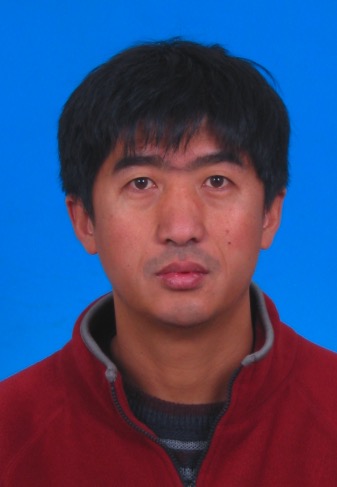 Yuehua Sun (孙悦华)合作论文数Key Laboratory of Animal Ecology and Conservation Biology, Institute of Zoology, Chinese Academy of Sciences;University of Chinese Academy of Sciences5Fang Yun (方云)合作论文数4Safaa T Elmahalawy合作论文数3
 Maria Cortazar-Chinarro合作论文数Department of Earth, Ocean and Atmospheric Sciences, University of British Columbia3
 Desiree S. Jansson合作论文数Department of Biomedical Sciences and Veterinary Public Health, Swedish University of Agricultural Sciences (SLU),3
 Jon E. Swenson合作论文数Department of Terrestrial Ecology, Norwegian Institute for Nature Research;Department of Ecology and Natural Resource Management, Norwegian University of Life Sciences3
 Jan O. Lundstrom合作论文数3
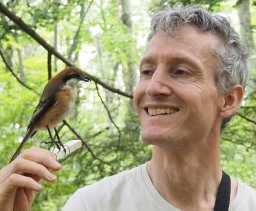 Michael Griesser合作论文数Institute for Analytical Chemistry, TU Vienna3Ying-Xin Jiang合作论文数2Giulio Grandi合作论文数2
 Gemma Palomar合作论文数Dept Biomed & Biotechnol, Univ Alcala UAH2Charvet Claude L合作论文数UR1282 Infectiologie Animale et Santé Publique, INRA;UMR1282 Infectiologie et Santé Publique, Université François Rabelais de Tours2
 Jenny C Hesson合作论文数2
 Moa Skarin合作论文数2
 Behdad Tarbiat合作论文数2van der Valk Tom合作论文数2Gustafsson Katarina合作论文数2
 Zhiming Han (韩之明)合作论文数The State Key Laboratory of Reproductive Biology, Institute of Zoology, Chinese Academy of Sciences2
 Yun Fang (方昀)合作论文数2
 Frank Johansson合作论文数Department of Ecology and Genetics, Uppsala University2
 John Atle Kalas合作论文数2
 Alex Richter-Boix合作论文数Facultat de Biologia Av. Diagonal, Universitat de Barcelona2Eva Osterman Lind合作论文数2Dirk Johannes Mikolajewski合作论文数Technische Universität Braunschweig2
 Petter Kjellander合作论文数GrimsoÈ;Wildlife Research Station;Department of Conservation Biology;Swedish University of Agricultural Sciences2
 Jan Ekman合作论文数School of BioSciences, The University of Melbourne2E Osterman Lind合作论文数1
 Wendong Xie合作论文数1
 Thomas Persson Vinnersten合作论文数1Yingqiang Lou合作论文数1Abenezer Zeleke Aklilu合作论文数1
 Justine Daudi Maganira合作论文数Department of Biosciences, Sokoine University of Agriculture1
 Patrik Rödin-Mörch合作论文数Department of Ecology and Genetics (Animal Ecology),, Uppsala University1
 Emelie Ingrid Pettersson合作论文数1
 Winifrida B. Kidima合作论文数University of Dar es Salaam1
 Robert Ekblom合作论文数Wildlife Analysis Unit, Swedish Environmental Protection Agency1
 Terry Burke合作论文数School of Biosciences, University of Sheffield;Faculty of Science, University of Sheffield1
 Robert Soderlund合作论文数National Veterinary Institute1Peder Fiske合作论文数1
 Szymek Drobniak合作论文数School of Biological, Earth & Environmental Sciences, Faculty of Science, The University of New South Wales1
 Bowgen Katharine合作论文数1




