Vitamin B6 is an essential metabolite required by all living organisms and participates in numerous cellular biochemical reactions. Unlike mammals, plants can synthesize this compound de novo, and therefore, serve as an excellent nutritional source for the vitamin. Although the biosynthesis pathway in plants has been well understood for nearly two decades, the regulatory mechanisms that control vitamin B6 levels remain largely unknown. Here, we describe a novel set of Arabidopsis mutants that display distinct phenotypic and molecular characteristics and are likely affected in either the biosynthesis or homeostasis of vitamin B6. We propose that these new mutants will serve as valuable tools for uncovering the unknown regulatory steps governing vitamin B6 levels in plants.
Vitamin B6 is a critical molecule for metabolism, development, and stress sensitivity in plants. It is a cofactor for numerous biochemical reactions, can serve as an antioxidant, and has the potential to increase tolerance against both biotic and abiotic stressors. Due to the importance of vitamin B6, its biosynthesis is likely tightly regulated. Plants can synthesize vitamin B6 de novo via the concerted activity of Pyridoxine Biosynthesis Protein 1 (PDX1) and PDX2. Previously, PDX proteins have been identified as targets for ubiquitination, indicating they could be marked for degradation by two highly conserved pathways: the Ubiquitin Proteasome Pathway (UPP) and the autophagy pathway. Initial experiments show that PDXs are in fact degraded, but surprisingly, in a ubiquitin‐independent manner. Inhibitor studies pointed toward cathepsin B, a conserved lysosomal cysteine protease, which is implicated in both programed cell death and autophagy in humans and plants. In plants, cathepsin Bs are poorly described, and no confirmed substrates have been identified. Here, we present PDX proteins from Arabidopsis thaliana as interactors and substrates of a plant Cathepsin B. These findings not only describe a novel cathepsin B substrate in plants, but also provide new insights into how plants regulate de novo biosynthesis of vitamin B6.
Generating new strategies to improve plant performance and yield in crop plants becomes increasingly relevant with ongoing and predicted global climate changes. E3 ligases that function as key regulators within the ubiquitin proteasome pathway often are involved in abiotic stress responses, development, and metabolism in plants. The aim of this research was to transiently downregulate an E3 ligase that uses BTB/POZ-MATH proteins as substrate adaptors in a tissue-specific manner. Interfering with the E3 ligase at the seedling stage and in developing seeds results in increased salt-stress tolerance and elevated fatty acid levels, respectively. This novel approach can help to improve specific traits in crop plants to maintain sustainable agriculture.
Analysis of proteins often requires generation of transgenic plants to gain knowledge of their in planta function. The acquisition of such plants represents a significant investment in terms of workload, time, and space. Here we describe an easy-to-use alternative system by transforming Brassica napus cv. Jet Neuf suspension cells derived from microspores. The cells can be transformed with high efficiency, and even double transformations with different transgenes are possible. In addition, we describe a procedure that allows for long-term storage to maintain diverse transgenic cell lineages with low effort, to build up cell suspension libraries for research purposes. Overall, the work can be helpful for scientists that want to use B. napus as a research organism in a reduced time-frame without the need for generating whole plants and the requirement of larger greenhouse spaces. This study establishes a protocol for generation of stable Brassica napus transgenic cell cultures, their long-term storage, and contains examples how these cell cultures can be used in studying gene function in planta without generating whole plants.
Ubiquitin and similar proteins, such as SUMO, are utilized by plants to modify target proteins to rapidly change their stability and activity in cells. This review will provide an overview of these crucial protein interactions with a focus on ubiquitylation and sumoylation in plants and how they contribute to stress tolerance. The work will also explore possibilities to use these highly conserved pathways for novel approaches to generate more robust crop plants better fit to cope with abiotic and biotic stress situations.
Many environmental stresses cause an increase in reactive oxygen species in plants and alter their nutritional value. Plants respond to many stresses by producing increased amounts of compounds with antioxidant properties including vitamins, phenylpropanoids and carotenoids. Such compounds have wide-ranging health-promoting effects in humans that are partly due to their antioxidant function because oxidative stress underlies many human diseases. Some of these compounds have complex interactions with the gut, promoting gut health and changing the gut microbiome, whereas the gut influences the bioavailability of the ingested compounds and may metabolize them into products with different effects on health than the original compound. Substantial efforts have been made to increase the nutritional value of crops through breeding or transgenic approaches, but comparatively little effort has been directed towards increasing nutritional value through crop management and environment, which may present another approach to enhance the nutritional quality.
Plants, as sessile organisms, have limited means to cope with environmental changes. Consequently, they have developed complex regulatory systems to ameliorate abiotic stresses im-posed by environmental changes. One such system is the ubiquitin proteasome pathway, which utilizes E3 ligases to target proteins for proteolytic degradation via the 26S proteasome. Plants ex-press a plethora of E3 ligases that are categorized into four major groups depending on their structure. They are involved in many biological and developmental processes in plants, such as DNA repair, photomorphogenesis, phytohormones signaling, and biotic stress. Moreover, many E3 ligase targets are proteins involved in abiotic stress responses, such as salt, drought, heat, and cold. In this review, we will provide a comprehensive overview of E3 ligases and their substrates that have been connected with abiotic stress in order to illustrate the diversity and complexity of how this pathway enables plant survival under stress conditions.
Cullin-based RING E3 ligases that use BTB/POZ-MATH (BPM) proteins as substrate receptors have been established over the last decade as critical regulators in plant development and abiotic stress tolerance. As such they affect general aspects of shoot and root development, flowering time, embryo development, and different abiotic stress responses, such as heat, drought and salt stress. To generate tools that can help to understand the role of CRL3BPM E3 ligases in plants, we developed a novel system using two conserved protein-binding motifs from BPM substrates to transiently block CRL3BPM activity. The work investigates in vitro and in planta this novel approach, and shows that it can affect stress tolerance in plants as well as developmental aspects. It thereby can serve as a new tool for studying this E3 ligase in plants.
Pseudoenzymes have emerged as key regulatory elements in all kingdoms of life despite being catalytically nonactive. Yet many factors defining why one protein is active while its homologue is inactive remain uncertain. For pseudoenzyme-enzyme pairs, the similarity of both subunits can often hinder conventional characterization approaches. In plants, a pseudoenzyme, PDX1.2, positively regulates vitamin B6 production by association with its active catalytic homologues such as PDX1.3 through an unknown assembly mechanism. Here we used an integrative experimental approach to learn that such pseudoenzyme-enzyme pair associations result in heterocomplexes of variable stoichiometry, which are unexpectedly tunable. We also present the atomic structure of the PDX1.2 pseudoenzyme as well as the population averaged PDX1.2-PDX1.3 pseudoenzyme-enzyme pair. Finally, we dissected hetero-dodecamers of each stoichiometry to understand the arrangement of monomers in the heterocomplexes and identified symmetry-imposed preferences in PDX1.2-PDX1.3 interactions. Our results provide a new model of pseudoenzyme-enzyme interactions and their native heterogeneity.
Rapid response to environmental changes and abiotic stress to coordinate developmental programs is critical for plants. To accomplish this, plants use the ubiquitin proteasome pathway as a flexible and efficient mechanism to control protein stability and to direct cellular reactions. Here, we show that all three members of the R2R3 S23 MYB transcription factor subfamily, MYB1, MYB25, and MYB109, are degraded by the 26S proteasome, likely facilitated by a CUL3-based E3 ligase that uses MATH-BTB/POZ proteins as substrate adaptors. A detailed description of MYB1, MYB25, and MYB109 expression shows their nuclear localization and specific tissue specific expression patterns. It further demonstrates that elevated expression of MYB25 reduces sensitivities toward abscisic acid, osmotic and salt stress in Arabidopsis, while downregulation of all S23 members results in hypersensitivities. Transcriptional profiling in root and shoot of seedlings overexpressing MYB25 shows that the transcription factor widely affects cellular stress pathways related to biotic and abiotic stress control. Overall, the work extends our knowledge on proteins targeted by CUL3-based E3 ligases that use MATH-BTB/POZ proteins as substrate adaptors and provides first information on all members of the MYB S23 subfamily.
With a growing world population, accelerating climate changes, and limited arable land, it is critical to focus on plant-based resources for sustainable food production. In addition, plants are a cornucopia for secondary metabolites, of which many have robust antioxidative capacities and are beneficial for human health. Potato is one of the major food crops worldwide, and is recognized by the United Nations as an excellent food source for an increasing world population. Potato tubers are rich in a plethora of antioxidants with an array of health-promoting effects. This review article provides a detailed overview about the biosynthesis, chemical and health-promoting properties of the most abundant antioxidants in potato tubers, including several vitamins, carotenoids and phenylpropanoids. The dietary contribution of diverse commercial and primitive cultivars are detailed and document that potato contributes much more than just complex carbohydrates to the diet. Finally, the review provides insights into the current and future potential of potato-based systems as tools and resources for healthy and sustainable food production.
To respond to the environment and regulate growth and development, it is critical for organisms to precisely modulate the activity of proteins in their cells. One mechanism by which this regulation occurs is the covalent attachment of ubiquitin (Ub) and other ubiquitin-like proteins (UBLs) to specific target proteins. These modifications can alter the function, location, or levels of the target. Attachment of the majority of these modifiers occurs by an ATP-dependent E1/E2/E3 conjugation cascade during which a thioester linkage is formed between the Ub/UBL and the E1, followed by a transthiolation reaction where the Ub/UBL is transferred to the E2, then attachment of the Ub/UBL to the target protein via an isopeptide bond. This final step is typically mediated by E3 ligases, which recruit the E2, bind the substrate, and catalyze linkage between the Ub/UBL and the target.
Forisomes are protein bodies known exclusively from sieve elements of legumes. Forisomes contribute to the regulation of phloem transport due to their unique Ca2+-controlled, reversible swelling. The assembly of forisomes from sieve element occlusion (SEO) protein monomers in developing sieve elements and the mechanism(s) of Ca2+-dependent forisome contractility are poorly understood because the amino acid sequences of SEO proteins lack conventional protein-protein interaction and Ca2+-binding motifs. We selected amino acids potentially responsible for forisome-specific functions by analyzing SEO protein sequences in comparison to those of the widely distributed SEO-related (SEOR), or SEOR proteins. SEOR proteins resemble SEO proteins closely but lack any Ca2+ responsiveness. We exchanged identified candidate residues by directed mutagenesis of the Medicago truncatula SEO1 gene, expressed the mutated genes in yeast (Saccharomyces cerevisiae) and studied the structural and functional phenotypes of the forisome-like bodies that formed in the transgenic cells. We identified three aspartate residues critical for Ca2+ responsiveness and two more that were required for forisome-like bodies to assemble. The phenotypes observed further suggested that Ca2+-controlled and pH-inducible swelling effects in forisome-like bodies proceeded by different yet interacting mechanisms. Finally, we observed a previously unknown surface striation in native forisomes and in recombinant forisome-like bodies that could serve as an indicator of successful forisome assembly. To conclude, this study defines a promising path to the elucidation of the so-far elusive molecular mechanisms of forisome assembly and Ca2+-dependent contractility.
The turnip Brassica rapa has important economic value and represents a good model system to study gene function in crop plants. ERF/AP2 transcription factors are a major group of proteins that are often involved in regulating stress-responses and developmental programs. Some ERF/AP2 proteins are targets of CULLIN3-based E3 ligases that use BTB/POZ-MATH proteins as substrate receptors. These receptors bind the transcription factor and facilitate their ubiquitylation and subsequent degradation via the 26S proteasome. Here, we show tissue and stress-dependent expression patterns for three Brassica rapa ERF/AP2 proteins that are closely related to Arabidopsis thaliana AtRAP2.4. Cloning of the Brassica genes showed that the corresponding proteins can assemble with a BPM protein and CULLIN3, and that they are instable in a 26S proteasome dependent manner. This work demonstrates the conserved nature of the ERF/AP2-CULLIN3-based E3 ligase interplay, and represents a first step to analyze their function in a commercially relevant crop plant.
BACKGROUND Changes in the metabolite composition of potato tubers during low-temperature storage can affect their nutritional value, susceptibility to bruising, and processing qualities. Here, we measured changes in the amounts of folate, vitamin B6 , and vitamin C, and the blackspot pigment precursors chlorogenic acid and tyrosine, as well as phenylalanine, in five potato varieties stored at 7.8 °C for 8 months in 2015 and 2016. RESULTS Folate content increased in all varieties in both years during low-temperature storage, with statistically significant changes occurring in six out of eight conditions. Increase rates ranged from 11% to 141%. Vitamin B6 content increased in all varieties during the storage period, but changes were statistically significant in only two out of eight conditions. Increase rates ranged from 5% to 24%. Ascorbic acid content decreased in all varieties in both years during the storage period. Decrease rates ranged from 16% to 78%, and were statistically significant in seven out of eight conditions. For chlorogenic acid, no consistent trend was observed. Changes varied between -14% and +14%, but none was statistically significant. Tyrosine content increased in all varieties in both years, except in Sage Russet in 2015. Increase rates ranged from 19% to 238% and were statistically significant in three out of seven conditions. Changes in phenylalanine content were very similar to those observed for tyrosine, with increases up to 272% in Teton Russet. CONCLUSIONS These results show that storage at low temperature substantially affects tuber nutritional quality and biochemical bruising potential. © 2019 Society of Chemical Industry.
The plant-specific translation initiation complex eIFiso4F is encoded by three genes in Arabidopsis (Arabidopsis thaliana)-genes encoding the cap binding protein eIFiso4E (eifiso4e) and two isoforms of the large subunit scaffolding protein eIFiso4G (i4g1 and i4g2). To quantitate phenotypic changes, a phenomics platform was used to grow wild-type and mutant plants (i4g1, i4g2, i4e, i4g1 x i4g2, and i4g1 x i4g2 x i4e [i4f]) under various light conditions. Mutants lacking both eIFiso4G isoforms showed the most obvious phenotypic differences from the wild type. Two-dimensional differential gel electrophoresis and mass spectrometry were used to identify changes in protein levels in plants lacking eIFiso4G. Four of the proteins identified as measurably decreased and validated by immunoblot analysis were two light harvesting complex binding proteins 1 and 3, Rubisco activase, and carbonic anhydrase. The observed decreased levels for these proteins were not the direct result of decreased transcription or protein instability. Chlorophyll fluorescence induction experiments indicated altered quinone reduction kinetics for the double and triple mutant plants with significant differences observed for absorbance, trapping, and electron transport. Transmission electron microscopy analysis of the chloroplasts in mutant plants showed impaired grana stacking and increased accumulation of starch granules consistent with some chloroplast proteins being decreased. Rescue of the i4g1 x i4g2 plant growth phenotype and increased expression of the validated proteins to wild-type levels was obtained by overexpression of eIFiso4G1. These data suggest a direct and specialized role for eIFiso4G in the synthesis of a subset of plant proteins.
Plants boost the expression of pseudo-enzyme PDX1.2 under heat stress and during embryonic development. PDX1.2 positively regulates vitamin B6 production by hetero-association with its active catalytic homologs such as PDX1.1 and PDX1.3. These heterologous interactions were found challenging to understand. For instance, the crystals of PDX1.2-PDX1.3 heterocomplexes were found to be statistically disordered and individual proteins could not be assigned. Using a combination of biochemical and structural tools, we find that the key to this phenomenon is the nature of PDX1.2 hetero-assembly with its catalytic counterparts. Using a cell-free protein synthesis approach, we were able to set up a precise control of co-expression where we systematically varied the ratios of co-produced proteins by tuning the ratios of input DNA. These were further analyzed by Native Mass Spectrometry, which elucidated that 6-8 hetero-complex species of dodecamers of variable stoichiometry are produced for each co-expression condition tested. This is in contrast to previous hypothesis of stacked inter-hexamer assembly mechanism. As proposed previously, our high-resolution Cryo-EM structure of pseudo-enzyme PDX1.2 closely mimics the fold of PDX1.3 and maintains all necessary protein-protein interactions between subunits. In PDX1.2, the altered catalytic site P1 appears perturbed in concordance with its lack of activity, while the P2 site appears largely unchanged. The most surprising finding is that we observe a complete switch in the surface electrostatics for PDX1.2. Based on the activity assays and its structure, we hypothesize that the change in electrostatic would have a significant impact on the neighboring P2 site of the PDX1.3 and influence the turnover efficiency at that site. These data suggest that pseudo-enzyme PDX1.2 rather acts as an electrostatic tuning module, that, in combination with its hetero-assembly mechanism based on random incorporation, imposes a perfect regulatory control of such important process.
regulates overall vitamin B 6 biosynthesis in the plant. We show that all PDX1.2/PDX1.3 heterocomplexes were found to exist as a population of dodecameric assemblies rather than a single species of one defined stoichiometry. In all co-expression conditions tested, we detected populationa of 6-8 complexes of variable stoichiometry, driven by availability of each protein. A higher ratio of PDX1.2 DNA template fed into the cell-free reaction resulted in a higher number of PDX1.2 subunits present in the heterocomplexes and correlated to a decrease in overall kinetics for PLP synthesis despite improving the stability of the entire complex. Overall, this study highlights a powerful and highly integrated biochemical, mass spectrometry and imaging approach to dissect heteromeric complexes and their association mechanisms [8].
 Sutton Mooney合作论文数19
 Mark Estelle合作论文数Department of Cell and Developmental Biology, School of Biological Sciences, University of California, San Diego13
 Raed Al saharin合作论文数8
 Wolf B. Frommer合作论文数Institute of Transformative Bio-Molecules, Nagoya University;Max Planck Institute for Breeding Research;Institute for Molecular Physiology, Heinrich Heine Universitat7Anne Bernhardt合作论文数6
 Sunethra Dharmasiri合作论文数Department of Biology, Indiana University6
 Liyuan Chen合作论文数5
 James E. Evans合作论文数5
 Pascal Genschik合作论文数Institut de Biologie Moléculaire des Plantes5Michael Knoblauch合作论文数Institute General Botany, Justus-Liebig University Giessen5
 Alisdair Fernie合作论文数Max Planck Institute of Molecular Plant Physiology5
 Duroy A. Navarre合作论文数U. S. Department of Agriculture-Agricultural Research Service;Washington State University;Department of Agriculture-Agricultural Research Service, Washington State University5Marcelina Parra合作论文数4Roje Sanja合作论文数Inst Biol Chem, Washington State Univ4
 Jan E Leuendorf合作论文数4Dietmar Funck合作论文数Department of Plant Physiology and Biochemistry, University of Konstanz4
 Aymeric Goyer合作论文数Hermiston Agricultural Research and Extension Center, Oregon State University4
 Sascha Biedermann合作论文数3L Barker合作论文数3Henriette Weber合作论文数3Samuel Smalley合作论文数3Chase Beathard合作论文数3
 Yan Liu合作论文数Washington State Univ, Sch Biol Sci, Pullman, WA 99164 USA3
 Mowei Zhou (周默为)合作论文数Department of Chemistry, Zhejiang University3
 Novikova Irina V合作论文数Los Alamos National Laboratory3
 William Gray合作论文数College of Biological Sciencesmain, University of Minnesota3Choi Christina M合作论文数3
 Shaw Jared B合作论文数3Derek J. Gingerich合作论文数3Monika Dieterle合作论文数3N Dharmasiri合作论文数2Matthew J Christians合作论文数2H. Weber合作论文数2
 Christina Kuhn合作论文数Dept Plant Physiol, Humboldt Univ2
 Sophia Stone合作论文数Department of Biology, Faculty of Science, Dalhousie University2
 Qingsong Lin合作论文数Department of Biological Sciences, Faculty of Science, National University of Singapore2
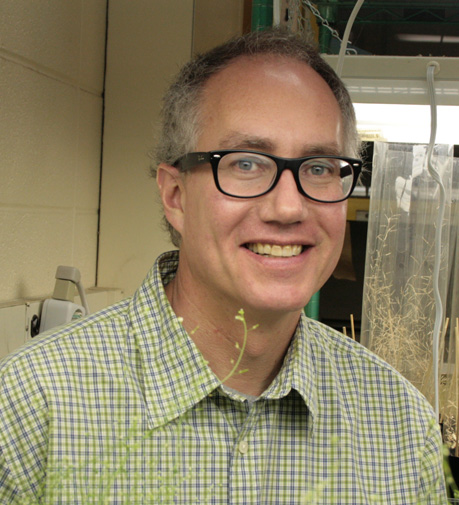 John M. Ward合作论文数College of Food, Agricultural and Natural Resource Sciences, University of Minnesota;Department of Plant and Microbial Biology, College of Biological Sciences, University of Minnesota2
 Dipanjana Ghosh合作论文数National University of Singapore, National University of Singapore2Walker Loni合作论文数2Eckhard Leistner合作论文数2
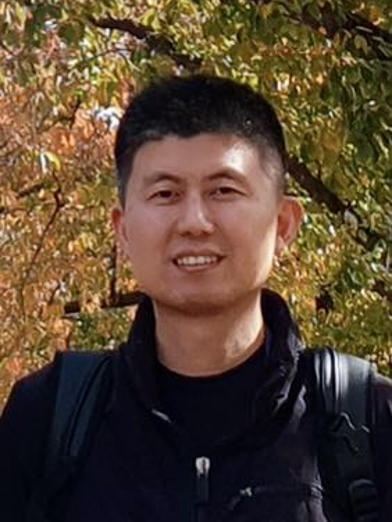 Jian Xu合作论文数Radboud University2
 Winfried S. Peters合作论文数School of Biological Sciences (Memorial Bldg.), University of Wales2
 Sonia Osorio合作论文数Max-Planck-Institute of Molecular Plant Physiology, Am Mühlenberg 1, 14476 Potsdam-Golm, Germany2Asuman Mutlu合作论文数2Christel Drewke合作论文数2Anna Lytovchenko合作论文数2
 Juan Carlos Del pozo合作论文数Centro de Biología Molecular Severo Ochoa;Consejo Superior de Investigaciones Científicas;Universidad Autónoma de Madrid;Centro de Biología Molecular Severo Ochoa, Universidad Autónoma de Madrid2
 Agnieszka Szewczyk合作论文数2Perdita Hano合作论文数2




