There is an abundance of high-quality clinical data and resources for Alzheimer's disease (AD) in Korea. To investigate therapeutic targets and biomarkers, and to progress the AD research field in Korea by standardizing the dementia dataset in Korea, the Trial Ready Registry (TRR) and Dementia Platform Korea (DPK) were developed. We designed the minimum common dataset (MCD) to collect data on patients with AD and human-derived materials, which consist of clinical data and positron emission tomography (PET) imaging, including both florbetaben (FBB)-PET and flutematamol (FMM)-PET. The TRR-DPK system is planning to enroll 3000 participants prospectively by 2028. As of December 2024, 1765 people have been recruited since 2020.We collected human-derived materials linked with imaging and clinical data to enable their distribution to qualified researchers for research purposes. We expect that the TRR-DPK system will improve AD research by providing researchers access to human-derived materials and quality-controlled data.
The infiltration of immune cells into the tumor is as crucial as their activity in determining the responses to immune checkpoint inhibitors (ICIs). Immune cell exclusion from tumors has been linked to poor responses to ICIs across various cancers, including melanoma; however, the underlying biological mechanisms remain poorly understood. Abnormal tumor vasculature, characterized by leakage and instability, represents a key barrier to immune cell infiltration, but the mechanisms underpinning these vascular changes and their impact on immune exclusion development remain poorly understood.To address this, we utilized a syngeneic mouse melanoma model to investigate the role of vascular changes in regulating immune cell positioning and exclusion during tumor progression. Spatial distribution of various immune cell populations and vascular integrity were assessed through multiplexed immunofluorescence staining across whole tumor cross-sections. While early-stage tumors exhibit well-infiltrated CD8+ T cells and neutrophils throughout the tumors, these immune cells became confined to the tumor periphery as tumors grew, leaving the core devoid of infiltration. This immune exclusion development correlated with vascular instability and leakage, particularly observed at the tumor periphery. Transcriptomic analysis of endothelial cells, sorted from the tumor periphery and core revealed increased gene expression of chemotaxis and immune migration in endothelial cells at the tumor periphery. Through multi-omics approaches including single-cell and spatial transcriptomic analysis, we aim to unravel the molecular mechanisms by which vascular abnormalities shape immune cell exclusion. These findings will guide us in building strategies to restore vascular integrity, enhance immune cell infiltration, and improve the efficacy of ICIs, addressing critical unmet needs for melanoma patients resistant to current immunotherapies. Ha-Ram Park, Nika Kozolv, Shawn Jaeha Kim, Eugene Son, Sungsoo Kim, Hee Won Yang, Minah Kim. Vascular regulation of immune exclusion in melanoma [abstract]. In: Proceedings of the American Association for Cancer Research Annual Meeting 2025; Part 1 (Regular Abstracts); 2025 Apr 25-30; Chicago, IL. Philadelphia (PA): AACR; Cancer Res 2025;85(8_Suppl_1):Abstract nr 3851.
Cyclin-dependent kinase 4/6 inhibitors (CDK4/6i) have transformed the treatment landscape for hormone receptor+ (HR+) breast cancer. However, their long-term efficacy is limited by acquired resistance, and CDK4/6i monotherapy remains ineffective in triple-negative breast cancer (TNBC). Here, we demonstrate that dual inhibition of CDK4/6 and CDK7 is a promising strategy to overcome therapeutic resistance in both HR+ and TNBC models. Kinetic analyses revealed that CDK7 inhibitors (CDK7i) primarily impair RNA polymerase II-mediated transcription rather than directly targeting cell cycle CDKs. This transcriptional suppression attenuated E2F-driven transcriptional amplification, a key mechanism for developing CDK4/6i resistance following the degradation of the retinoblastoma protein. Consequently, combining CDK7i at minimal effective concentrations with CDK4/6i potently inhibited the growth of drug-resistant tumors. Furthermore, dual CDK4/6 and CDK7 inhibition stimulated immune-related signaling and cytokine production in cancer cells, promoting antitumor immune responses within the tumor microenvironment. These findings provide mechanistic insights into CDK inhibition and support the therapeutic potential of combining CDK7i with CDK4/6i for breast cancer treatment.
Abstract T-cell position in the tumor microenvironment determines the probability of target encounter and tumor killing. CD8+ T-cell exclusion from the tumor parenchyma is associated with poor response to immunotherapy, and yet the biology that underpins this distinct pattern remains unclear. Here we show that the vascular destabilizing factor angiopoietin-2 (ANGPT2) causes compromised vascular integrity in the tumor periphery, leading to impaired T-cell infiltration to the tumor core. The spatial regulation of ANGPT2 in whole tumor cross-sections was analyzed in conjunction with T-cell distribution, vascular integrity, and response to immunotherapy in syngeneic murine melanoma models. T-cell exclusion was associated with ANGPT2 upregulation and elevated vascular leakage at the periphery of human and murine melanomas. Both pharmacologic and genetic blockade of ANGPT2 promoted CD8+ T-cell infiltration into the tumor core, exerting antitumor effects. Importantly, the reversal of T-cell exclusion following ANGPT2 blockade not only enhanced response to anti-PD-1 immune checkpoint blockade therapy in immunogenic, therapy-responsive mouse melanomas, but it also rendered nonresponsive tumors susceptible to immunotherapy. Therapeutic response after ANGPT2 blockade, driven by improved CD8+ T-cell infiltration to the tumor core, coincided with spatial TIE2 signaling activation and increased vascular integrity at the tumor periphery where endothelial expression of adhesion molecules was reduced. These data highlight ANGPT2/TIE2 signaling as a key mediator of T-cell exclusion and a promising target to potentiate immune checkpoint blockade efficacy in melanoma. Significance: ANGPT2 limits the efficacy of immunotherapy by inducing vascular destabilization at the tumor periphery to promote T-cell exclusion.
BACKGROUND:This study aims to develop a multimodal deep learning model that integrates voice and drawing data collected during dementia screening tests to improve the accuracy of dementia diagnosis. The study also evaluates the impact of different data modalities on classification performance. METHOD:1,091 participants (normal cognition, mild cognitive impairment, dementia) were included from five university hospitals located in different regions of South Korea. Voice responses were converted into Mel Frequency Cepstral Coefficient (MFCC) spectrograms, and pentagon drawings were preprocessed into grayscale images. DenseNet was used for feature extraction from voice and drawing data, while demographic and clinical data were analyzed using a multilayer perceptron (MLP). The final multimodal model combined these modalities using weighted ensemble learning. RESULT:The multimodal model achieved an accuracy of 66.3% (95% CI: 61.9-70.7) and an AUC of 0.73 (95% CI: 0.70-0.76) for three-group classification (normal, MCI, dementia). For binary classification (normal vs. dementia), the model achieved an accuracy of 86.9% (95% CI: 84.3-89.4) and an AUC of 0.86 (95% CI: 0.84-0.88). Voice data alone showed strong diagnostic performance, with comparable accuracy and AUC to multimodal models. Drawing data improved performance in multi-class classification but had limited impact in binary tasks. Clinical data, including MMSE scores and demographic information, provided modest additional contributions to overall model performance. CONCLUSION:The multimodal deep learning model combining voice, drawing, and clinical data demonstrated promising performance in diagnosing cognitive impairment and dementia. These findings suggest that integrating diverse data modalities can enhance diagnostic accuracy and provide a scalable approach for early detection in clinical and real-world settings.
While mitogenic signaling is known to regulate cell-cycle entry during the G1 phase, its function in the G2 phase remains elusive. Here we show that mitogenic signaling controls whether G2-arrested cells proceed through mitosis or undergo whole-genome duplication. Although mitogenic signaling is not required for the G2/M transition under normal conditions, it modulates E2F transcriptional activity via c-Myc. When G2 arrest occurs due to CDK4/6 and CDK2 suppression, E2F activity levels determine the status of APC/C inactivation and the CDK2-Rb feedback loop. Upon release from G2 arrest, cells maintaining APC/C inactivation promptly induce CDK2 activation and FoxM1 phosphorylation, driving mitotic entry. Conversely, APC/C reactivation degrades cyclin A and abolishes the CDK2-Rb loop, necessitating CDK4/6 activation for cell-cycle re-entry. This regulatory mechanism mirrors the G1-phase process, resulting in whole-genome duplication. In cancer cells, this process promotes genome instability and oncogene amplification, contributing to aggressive behavior. These findings reveal a previously unrecognized mitogen-dependent checkpoint that governs cell fate in the G2 phase.
Cyclin-dependent kinase 4/6 inhibitors (CDK4/6i) have significantly improved outcomes for patients with hormone receptor-positive (HR+) breast cancer. However, resistance to CDK4/6i limits their long-term efficacy, and their monotherapy has shown limited impact in triple-negative breast cancer (TNBC). Here, we present a novel therapeutic strategy combining CDK4/6i and CDK7 inhibitors (CDK7i) to address these limitations. Using a comprehensive suite of approaches—including live-cell imaging, RNA sequencing, and preclinical tumor models—we demonstrate the efficacy of this combination in overcoming drug resistance and enhancing anti-tumor immunity.Kinetic analyses revealed that CDK7i primarily suppresses RNA polymerase II-mediated transcription, a key driver of CDK4/6i resistance. Mechanistically, CDK7i prevents E2F activity amplification following retinoblastoma protein (Rb) degradation, a critical step in the development of resistance. Consequently, combining CDK4/6i and CDK7i synergistically suppresses E2F-driven transcriptional programs, resulting in robust inhibition of tumor proliferation in both HR+ and TNBC models.In vivo studies using syngeneic and patient-derived xenograft organoid models showed that this combination therapy not only suppresses tumor growth but also reprograms the tumor microenvironment (TME). RNA sequencing of treated tumors revealed upregulation of immune response pathways, including IFN-γ and TNF-α signaling, and increased expression of cytokines such as Cxcl9, Cxcl10, and Ciita. Flow cytometry and immunohistochemistry further confirmed enhanced infiltration of CD8+ T cells and natural killer cells into the TME, accompanied by a reduction in immunosuppressive macrophages. These changes collectively amplify anti-tumor immunity, providing an additional therapeutic benefit.This dual CDK4/6 and CDK7 inhibition approach represents a promising first-line strategy for TNBC and a second-line option for HR+ breast cancer resistant to CDK4/6i and endocrine therapy. These findings not only provide a strong rationale for advancing CDK7i into clinical trials but also highlight the therapeutic potential of targeting transcriptional regulation to overcome resistance in breast cancer. Sungsoo Kim, Eugene Son, Haram Park, Minah Kim, Hee Won Yang. Dual CDK4/6 and CDK7 inhibition: A synergistic strategy to overcome resistance and enhance anti-tumor immunity in breast cancer [abstract]. In: Proceedings of the American Association for Cancer Research Annual Meeting 2025; Part 1 (Regular Abstracts); 2025 Apr 25-30; Chicago, IL. Philadelphia (PA): AACR; Cancer Res 2025;85(8_Suppl_1):Abstract nr 426.
Dysregulation of the cell cycle machinery, particularly the overactivation of cyclin-dependent kinases 4 and 6 (CDK4/6), is a hallmark of breast cancer pathogenesis. The introduction of CDK4/6 inhibitors has transformed the treatment landscape for hormone receptor-positive breast cancer by effectively targeting abnormal cell cycle progression. However, despite their initial clinical success, drug resistance remains a significant challenge, with no reliable biomarkers available to predict treatment response or guide strategies for managing resistant populations. Consequently, numerous studies have sought to investigate the mechanisms driving resistance to optimize the therapeutic use of CDK4/6 inhibitors and improve patient outcomes. Here we examine the molecular mechanisms regulating the cell cycle, current clinical applications of CDK4/6 inhibitors in breast cancer, and key mechanisms contributing to drug resistance. Furthermore, we discuss emerging predictive biomarkers and highlight potential directions for overcoming resistance and enhancing therapeutic efficacy. CDK4/6 inhibitors have revolutionized the treatment of hormone receptor-positive breast cancer by targeting abnormal cell growth. However, most patients eventually encounter drug resistance, and predicting responses remains a challenge. This Review delves into the mechanisms behind CDK4/6 inhibitor resistance and explores potential strategies to overcome it. The authors provide a comprehensive overview of the cell cycle and the role of CDK4/6 inhibitors, highlighting both genetic and nongenetic factors that drive resistance. Key insights reveal that mutations and alterations in signaling pathways significantly contribute to drug resistance, offering avenues for novel therapeutic targets. Moreover, the Review emphasizes the importance of biomarkers to better predict treatment outcomes. Understanding these resistance mechanisms is pivotal for developing advanced strategies to enhance therapy effectiveness and improve patient prognosis. This summary was initially drafted using artificial intelligence, then revised and fact-checked by the author.
CDK4/6 inhibitors (CDK4/6i) with endocrine therapy are standard for hormone receptor-positive (HR+) metastatic breast cancer. However, most patients eventually develop resistance and discontinue treatment, and there is currently no consensus on effective second-line strategies. Using preclinical HR+ human breast cancer models with acquired resistance to CDK4/6i, we demonstrate that maintaining CDK4/6i therapy, either alone or combined with CDK2 inhibitors (CDK2i), slows the growth of resistant tumors by prolonging G1 progression. Mechanistically, sustained CDK4/6 blockade in drug-resistant cells reduces E2F transcription and delays G1/S via a noncanonical, posttranslational regulation of retinoblastoma protein (Rb). Durable suppression of both CDK2 activity and growth of drug-resistant cells requires co-administration of CDK2i with CDK4/6i. Moreover, cyclin E overexpression drives resistance to the combination of CDK4/6i and CDK2i. These findings elucidate how continued CDK4/6 blockade constrains resistant tumors and support clinical strategies that maintain CDK4/6i while selectively incorporating CDK2i to overcome resistance.
Investigating cell-cycle progression has been challenging due to the complex interconnectivity of regulatory processes and inherent cell-to-cell heterogeneity, which often require synchronization procedures. However, recent advancements in cell-cycle sensors and single-cell imaging techniques have turned this heterogeneity into an advantage for investigating the molecular mechanisms underlying diverse responses. This has led to significant progress in our understanding of cell-cycle regulation. In this paper, we present a comprehensive live single-cell imaging workflow that leverages cutting-edge live-cell sensors. These advanced single-cell imaging procedures provide promising opportunities for elucidating the molecular mechanisms underpinnings of heterogeneous responses in cell-cycle progression.
Abstract CDK4/6 inhibitors (CDK4/6i) have significantly improved the prognosis of patients with metastatic hormone receptor-positive breast cancer. However, the development of drug resistance leads to the discontinuation of CDK4/6i treatment. The potential benefits of maintaining CDK4/6i treatment in the context of resistance and their underlying molecular mechanisms remain elusive. Here we show that despite tumor progression, continued treatment with CDK4/6i notably extends the G1 phase in drug-resistant cells, thereby slowing their growth. Our single-cell data reveal that the duration of the G1 phase in these resistant cells is approximately tripled under continuous CDK4/6i treatment compared to conditions with CDK4/6i withdrawal, while the durations of the S and G2 phases remain comparable. The maintenance of CDK4/6i induces an alternative inactivation of the retinoblastoma (Rb) protein in drug-resistant cells through its post-translational degradation. However, this alternative form of Rb inactivation is ineffective and thus induces slow activation kinetics of E2F transcription factors, significantly delaying G1 progression. The beneficial effect of maintaining CDK4/6i treatment was further validated in breast cancer xenograft models. Furthermore, our findings suggest that given the spectrum of various CDK4/6i, switching between different CDK4/6i types after the emergence of drug resistance may further delay tumor progression. This study provides new mechanistic insights into the maintenance of CDK4/6i treatment despite the development of drug resistance. Citation Format: Jessica Armand, Sungsoo Kim, Hee Won Yang. Continued treatment with CDK4/6 inhibitors slow tumor progression by extending G1-phase duration in drug resistant populations [abstract]. In: Proceedings of the 2023 San Antonio Breast Cancer Symposium; 2023 Dec 5-9; San Antonio, TX. Philadelphia (PA): AACR; Cancer Res 2024;84(9 Suppl):Abstract nr PO3-23-10.
Abstract Immune checkpoint inhibitors (ICIs), which prevent immune cell exhaustion and boost an antitumor response, have shown remarkable treatment efficacy in patients with advanced melanoma. However, its efficacy is limited by the emergence of resistance associated with an immunosuppressive tumor microenvironment (TME). The contribution of abnormal tumor vasculature to limited immune cell infiltration into the tumor core has been reported but the mechanisms of its development are still elusive. We analyzed how tumor angiogenesis affects the immune cell exclusion at different time points of primary melanoma using syngeneic murine melanomas. The spatial distribution of various immune cell populations and vascular integrity were analyzed in whole tumor cross-sections via multiplex immunofluorescence staining. We found that the exclusion pattern of CD8+ T cells was less evident with a balanced distribution across the whole tumor regions at the early stage. However, as the tumor grows, there is a pronounced accumulation of CD8+ T cells at the tumor periphery with a conspicuous absence in the core. Tumor blood vessels were structurally uniform and functionally stable in the early developmental tumor but became unstable and leaky as the tumor progressed, which was associated with the development of CD8+ T-cell exclusion. To understand the mechanism underlying vascular regulation of immune exclusion during tumor progression, we will investigate the expression of genes related to tumor angiogenesis using spatial transcriptomic analysis and RNA sequencing of endothelial cells (CD45+CD31-) sorted from the murine melanomas. These results highlight the contribution of spatial tumor vascular destabilization to the T-cell exclusion development, implying the potential of targeting tumor vasculature to enhance immune activation and the therapeutic efficacy of ICI in melanoma. Citation Format: Ha-Ram Park, Hee Won Yang, Minah Kim. Development of T-cell exclusion in melanoma [abstract]. In: Proceedings of the American Association for Cancer Research Annual Meeting 2024; Part 1 (Regular Abstracts); 2024 Apr 5-10; San Diego, CA. Philadelphia (PA): AACR; Cancer Res 2024;84(6_Suppl):Abstract nr 5389.
BACKGROUND:The caregiving burden of the spousal caregivers (SCGs) to individuals with cognitive impairment poses public health challenges with adverse psychosocial and physiological effects. However, few studies have investigated the neurobiological impact of caregiving, particularly through the investigation of neuroinflammation and neurodegeneration. METHODS:Using data from a longitudinal cohort at Chungnam National University Hospital, the relationship between caregiving burden, neuroinflammation, and neurodegeneration was examined in 38 older adult couples over a 16-month period. Caregiving burden was assessed through a multifaceted approach. For factors related to the care recipient, we assessed cognitive function and neuropsychiatric symptoms. Factors regarding the SCGs included the measurement of perceived depression. Glial fibrillary acidic protein (GFAP) was used as a plasma biomarker for neuroinflammation and neurofilament light chain (NfL) for neurodegeneration. Regression analyses were adjusted for age, sex, apolipoprotein E status, follow-up interval, vascular risk factors, and physical activity. RESULTS:Changes in depression among SCGs were significantly correlated with increased GFAP levels (p = .003), indicating that greater depressive symptoms during caregiving are associated with increased neuroinflammation. In contrast, no significant correlations were found between changes in cognitive function or neuropsychiatric symptoms in care recipients and the plasma biomarker levels of SCGs. Additionally, there was no significant association between changes in depression and NfL levels in SCGs. CONCLUSIONS:The psychological stress experienced by SCGs while caring for partners with cognitive impairment actively contributes to neuroinflammation, a well-known risk factor for various diseases. This study emphasizes the need to address psychological stress experienced by older adult caregivers.
Objective To address the gap in timely diagnosis of dementia due to limited screening tools, we investigated the validity and reliability of the Hellocog, computerized neuropsychological test based on tablets for screening dementia. The higher the probability score on the Hellocog, the higher the likelihood of dementia.Methods This study included 100 patients with dementia and 100 individuals with normal cognition who were aged 60 years or older and free of other major psychiatric, neurological, or medical conditions. They administered the Hellocog on a tablet under the supervision of a neuropsychologist. To determine test-retest reliability, 20 took the Hellocog again after 4 weeks. Diagnostic performance was assessed using the receiver operator characteristics (ROC) analysis.Results The Hellocog showed adequate internal consistency (Cronbach’s alpha=0.69) and good test-retest reliability (intraclass correlation coefficient=0.86, p<0.001). Participants with dementia scored higher on the Hellocog than those with normal cognition (p<0.001), confirming its high criterion validity. Strong correlations with the Mini-Mental Status Examination (MMSE) score and the total score of the Consortium to Establish a Registry for Alzheimer’s Disease Neuropsychological Assessment Battery (CERAD-TS) highlight the concurrent validity of the Hellocog. The area under the ROC curve for dementia of the Hellocog was excellent (0.971) and comparable to that of the MMSE and CERAD-TS. The sensitivity and specificity for dementia were 0.945 and 0.872%, respectively, which were slightly better than those of the MMSE and CERAD-TS.Conclusion Hellocog stands out as a valid and reliable tool for self-administered dementia screening, with promise for improving early detection of dementia.
IntroductionAlthough eye movements such as saccades are related to internal cognitive processes and are independent of visual processing, few studies have investigated whether non-visual cognitive tasks simultaneously affect horizontal and vertical saccades in younger and older adults.MethodsWe recruited 28 younger adults aged 20–29 years and 26 older adults aged >60 years through advertisements in community settings. All participants were free of major psychiatric, neurological, or ocular diseases. All participants performed the mental arithmetic task (MAT) and verbal fluency task (VFT). The primary measures were saccade parameters, including frequency, mean amplitude, and mean velocity.ResultsDuring MAT and VFT, the frequencies of horizontal and vertical saccades increased (p = 0.0005 for horizontal saccade in MAT; p < 0.0001 for horizontal saccade in VFT; p = 0.012 for vertical saccade in MAT; p = 0.001 for vertical saccade in VFT), but were comparable between MAT and VFT. The old group showed a slower vertical saccade than the young group during the tasks (p = 0.011 in the MAT phase; p = 0.006 in the VFT phase). The amplitude of the horizontal saccade decreased in both groups during MAT compared to the resting period (p = 0.013), but did not change significantly during VFT.DiscussionSaccade parameters can change during non-visual cognitive tasks with differences between age groups and saccade directions. This study significantly contributes to our understanding of the distinct dynamics of horizontal and vertical saccades across various age group in cognitive aging, despite its restricted focus on specific saccade parameters and cognitive tasks, and inclusion solely of cognitively normal individuals. This study highlights the importance of saccade analysis in elucidating age-related cognitive changes. In conclusion, saccades should be examined in future studies as a potential non-invasive biomarker for early detection of cognitive decline and neurodegenerative diseases.
Abstract CDK7 plays a pivotal role in cell proliferation, serving as both a cell-cycle CDK regulator and a transcription machinery component. Clinical trials are currently exploring CDK7 inhibitors (CDK7i) as a second-line treatment for hormone receptor-positive (HR+) breast cancer post-CDK4/6 inhibitor (CDK4/6i) therapy progression and as a first-line treatment in triple-negative breast cancer (TNBC). This study evaluates the impact of CDK7i on transcription and CDKs activities and the synergistic potential of CDK7i in combination with CDK4/6i. Kinetic analyses indicate that CDK7i preferentially target global transcription over CDKs activities. Furthermore, a combination of CDK7i and CDK4/6i effectively suppresses cell proliferation in drug-naïve cells, albeit without the same efficacy in CDK4/6i-resistant cells. Our findings provide valuable insights into the evolving field of CDK inhibition strategies and provide critical guidance on the potential therapeutic application of CDK7i in breast cancer treatment. Citation Format: Eugene Son, Sungsoo Kim, Haram Park, Minah Kim, Hee Won Yang. Dual targeting of CDK4/6 and CDK7 pathways augments tumor response in breast cancer [abstract]. In: Proceedings of the American Association for Cancer Research Annual Meeting 2024; Part 1 (Regular Abstracts); 2024 Apr 5-10; San Diego, CA. Philadelphia (PA): AACR; Cancer Res 2024;84(6_Suppl):Abstract nr 5721.
Cyclin-dependent kinase 4 and 6 inhibitors (CDK4/6i) are key therapeutic agents in the management of metastatic hormone-receptor-positive breast cancer. However, the emergence of drug resistance limits their long-term efficacy. Here, we show that breast cancer cells develop CDK4/6i resistance via a sequential two-step process of E2F activation. This process entails retinoblastoma (Rb)-protein degradation, followed by c-Myc-mediated amplification of E2F transcriptional activity. CDK4/6i treatment halts cell proliferation in an Rb-dependent manner but dramatically reduces Rb-protein levels. However, this reduction in Rb levels insufficiently induces E2F activity. To develop CDK4/6i resistance, upregulation or activating mutations in mitogenic or hormone signaling are required to stabilize c-Myc levels, thereby augmenting E2F activity. Our analysis of pre-treatment tumor samples reveals a strong correlation between c-Myc levels, rather than Rb levels, and poor therapeutic outcomes after CDK4/6i treatment. Moreover, we propose that proteasome inhibitors can potentially reverse CDK4/6i resistance by restoring Rb levels.
 Minah Kim合作论文数Department of Biological Sciences, Korea Advanced Institute of Science and Technology (KAIST),18
 Sungsoo Kim合作论文数15
 Jeong-Lan Kim合作论文数15
 Kiwoong Kim合作论文数13
 Jiwon Han合作论文数12
 Tobias Meyer合作论文数Weill Cornell Medical College, Cornell University12Ha-Ram Park合作论文数Canc Res Inst, Seoul Natl Univ9
 Jong Bin Bae合作论文数Bundang Hospital, Seoul National University8Jhoo Jin Hyeong合作论文数7Dae Jong Oh合作论文数6Jeong-Min Kim合作论文数6
 Seung-Ho Ryu合作论文数6Kyung Phil Kwak合作论文数6
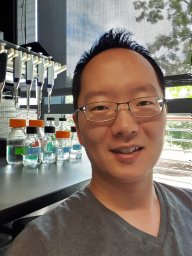 Mingyu Chung合作论文数Stanford Univ, Sch Med, Dept Chem & Syst Biol, Stanford, CA 94305 USA6
 Won Do Heo合作论文数Department of Biological Sciences, College of Life Science and Bioengineering, Korea Advanced Institute of Science and Technology6
 Seok Bum Lee合作论文数6
 Joon Hyuk Park合作论文数Dept Neuropsychiat, Jeju Natl Univ Hosp6Lee Dong Woo合作论文数6
 Shin-Gyeom Kim合作论文数6Seok Woo Moon合作论文数6Alessandra Leong合作论文数5
 Tae Kim合作论文数5Eunji Lim合作论文数5
 Jay Jung Jae Lee合作论文数School of Nursing, Li Ka Shing Faculty of Medicine, The University of Hong Kong5
 Gavin Thurston合作论文数Regeneron Pharmaceuticals, Inc5Richard D. Carvajal合作论文数5Dong Gyu Moon合作论文数4Jin Shin合作论文数4Anahita Shiva合作论文数4Miji Lee合作论文数4Chad Liu合作论文数4
 Jei Kim合作论文数4Portia Cummings合作论文数3
 Sean R Collins合作论文数3
 Sangkyu Lee合作论文数3
 Eunhyeong Lee合作论文数Ilsan Hosp, Dongguk Univ3
 Yilin Fan合作论文数Tsinghua Univ, Sch Life Sci, MOE Key Lab Prot Sci, Beijing 100084, Peoples R China3Joon-Yong An合作论文数Department of Psychiatry, UCSF Weill Institute for Neurosciences, University of California, San FranciscoSan FranciscoCalifornia3
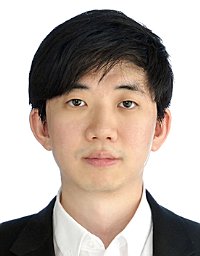 Seung Wan Suh合作论文数Kangdong Sacred Heart Hosp, Hallym Univ3
 Amanda W. Lund合作论文数Department of Dermatology, Grossman School of Medicine, New York University3Arnold Hayer合作论文数Department of Biology, Faculty of Science, McGill University3Seonjeong Byun合作论文数3
 Subrata Chowdhury合作论文数Fraser Laboratories for Diabetes Research, McGill University Health Centre3
 Brent R. Stockwell合作论文数Department of Biological Sciences, Columbia University in the City of New York;Department of Chemistry, Columbia University in the City of New York3Jeong Hye Seon合作论文数College of Medicine, Chungnam National University Hospital3Daigh Leighton H合作论文数Department of Microbiology and Immunology, Georgetown University Medical Center3
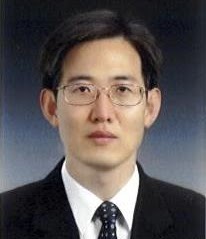 Sung-Soo Kim合作论文数School of Information and Computer Engineering, Ajou University;Department of Artificial Intelligence, College of Information Technology, Ajou University3
 Kwang-Hyun Cho合作论文数Laboratory for Systems Biology and Bio-Inspired Engineering, Dept. of Bio and Brain Engineering, Korea Advanced Institute of Science and Technology3Seoyeon Kim合作论文数2




