Background:Sexual minority cisgender women, transgender men and women, and nonbinary or gender diverse (SMW/TGD) people experience disproportionately high rates of hazardous drinking and posttraumatic stress symptoms, due in part to elevated exposure to trauma, stigma-related stressors and related adaptations, and barriers to accessing affirming care. Existing integrated alcohol-trauma interventions have rarely been evaluated or culturally adapted for SMW/TGD people, underscoring the need for scalable, culturally responsive approaches for this population. This protocol describes development and pilot testing of Recovery through Inhibitory learning, Self-Efficacy promoting, problem-solving, and community building (RISE), a brief, culturally responsive telehealth intervention integrating selected Unified Protocol modules with exposure-based expressive writing for trauma-exposed SMW/TGD adults with hazardous drinking and at least subthreshold PTSD symptoms. Methods:Guided by the ADAPT-ITT framework, Aim 1 will adapt RISE using community- and provider-engaged methods with 20 SMW/TGD community members and 10 mental/behavioral health providers. Aim 2 will pilot RISE in a randomized trial comparing immediate treatment (n = 30) versus 6-week waitlist control (n = 30). RISE includes four adapted Unified Protocol sessions followed by five days of expressive writing about trauma, stigma, or other adverse experiences with clinician check-ins. Feasibility, acceptability, implementation indicators, and preliminary clinical outcomes will be assessed through self-report and clinician-administered measures. Conclusion:This study will generate preliminary data regarding feasibility, acceptability, and clinical promise of a brief, scalable intervention addressing hazardous drinking, posttraumatic stress, and stigma-related stressors and related adaptations among SMW/TGD populations. Findings will inform refinement of RISE and a future fully powered randomized controlled trial. Trial registration number:Registered on 15 October 2025 (ClinicalTrials.gov identifier: NCT07217795).
Sexual minority women, transgender people, and nonbinary (SMW/TNB) people experience disproportionately high rates of traumatic stressors (e.g., child abuse, sexual violence), which are associated with adverse trauma-related mental health outcomes, such as dissociation. SMW/TNB people also experience ongoing stressors related to their minoritized sexual and/or gender identities (e.g., discrimination). Dissociation has been associated with minority stressors in studies primarily using single-time point, cross-sectional approaches. Reliance on single-time point approaches may obscure how minority stressors and trauma-related outcomes, like dissociation, covary within individuals and unfold over time. We conducted a secondary analysis of data from a 14-day daily diary study with trauma-exposed SMW/TNB participants (N = 57) to examine whether variations in daily minority stressors were associated with same-day fluctuations in dissociation. Results indicated minority stressors and dissociation significantly covaried over the 14-day study period. Multilevel models showed that participants' reports of higher-than-average daily minority stressors were associated with same-day reports of higher-than-average dissociative symptoms, B = 0.24, 95% CI [0.07, 0.41], p = .007. Participants also reported small decreases in dissociation levels over the study period, B = -0.05, 95% CI [-0.08, -0.02], p = .004. The findings highlight the importance of considering the health impacts of consistent state elevations in dissociation associated with minority stressors for SMW/TNB people. Future time-varying approaches should investigate temporal sequencing of minority stressors and dissociation, assess whether minority stressors relate to dissociation independent of trauma exposure, and explore whether trauma exposure characteristics (e.g., identity-relatedness of trauma) moderate this association.
The implementation of mindfulness-based programming/interventions (MBP) for youth, and corresponding research, has proliferated in recent years. Absent from the current literature is an identification of core instructor competencies to effectively deliver MBP for youth. This research identified these competencies by establishing consensus opinion among expert mindfulness scholars and instructors. The Delphi method surveyed expert MBP scientists and instructors to identify consensus of instructor competencies of MBP for youth. The study's advisory board identified expert scientists based on topical publication record and peer nomination. Delphi Round 1 surveyed scientists (n = 19) to name and define potential instructor competencies; responses were qualitatively analyzed yielding 33 categorical codes. Delphi Round 2 recruited additional expert MBP instructors (n = 21) identified by scientist participants and peer instructor nomination. In Rounds 2 and 3 the full participant sample (expert scientists and instructors) were asked to consider the preceding Round's results and whether each of the 33 identified codes were an essential core instructor competency of MBPs for youth. Final Round 3 results indicated consensus (≥75% endorsement) of 11 of the 33 identified codes as core instructor competencies of MBP for youth. These findings are the first to report expert consensus of core instructor competencies of MBP for youth, and results have implications for future youth MBP curriculum development, specification of instructional competencies based on developmental characteristics of youth and instructors, program implementation, and research evaluation. (PsycInfo Database Record (c) 2026 APA, all rights reserved).
OBJECTIVE:This study examined heterogeneity in the prevalence estimates of mental health, alcohol, and drug use outcomes across cisgender heterosexual subgroups and sexual and gender minority subgroups using a national probability sample. METHOD:We conducted a secondary data analysis with the U.S. Transgender Population Health Survey (n = 1,436). We calculated prevalence estimates of serious psychological distress, suicidal ideation and attempts, elevated posttraumatic stress disorder symptoms, hazardous alcohol use, hazardous drug use, and co-occurring outcomes across subgroups using cutoffs from common screening measures (e.g., three-item Alcohol Use Disorder Identification Test). We then assessed disparities between sexual and gender minority subgroups and cisgender heterosexual men and women across outcomes and co-occurring outcomes. RESULTS:Suicidality was significantly higher across all sexual and gender minority subgroups compared with cisgender heterosexual subgroups. Cisgender sexual minority women, transgender sexual minority men and women, and nonbinary sexual minority people-subgroups with both oppressed sexual and gender identities who likely experience both sexual- and gender-based forms of oppression (e.g., homophobia, transphobia, sexism)-were significantly more likely than cisgender heterosexual subgroups to report most outcomes, including serious psychological distress, elevated posttraumatic stress disorder symptoms, and hazardous drug use. Nonbinary sexual minority people and cisgender sexual minority women consistently exhibited the largest disparities compared with cisgender heterosexual subgroups across most outcomes and co-occurring outcomes. CONCLUSIONS:Findings highlight the importance of disaggregating across sexual and gender identity in probability samples to understand heterogeneity in prevalence estimates of mental health, alcohol, and drug use outcomes and identify subgroups in need of targeted health equity efforts. (PsycInfo Database Record (c) 2026 APA, all rights reserved).
Mindfulness practice and trait self-compassion are promising coping resources to buffer against emotional stress reactivity and promote stress recovery. The potential variation in stress-buffering effects across gender is understudied. This study examined whether stress-buffering effects of a brief 20-min mindfulness practice and trait self-compassion vary by gender in a pilot randomized controlled trial. Undergraduates (n = 55; 44
Bots (i.e., automated software programs that perform various tasks) and fraudulent responders pose a growing and costly threat to psychological research as well as affect data integrity. However, few studies have been published on this topic. (a) Describe our experience with bots and fraudulent responders using a case study, (b) present various bot and fraud detection tactics (BFDTs) and identify the number of suspected bot and fraudulent respondents removed, (c) propose a consensus confidence system for eliminating bots and fraudulent responders to determine the number of BFDTs researchers should use, and (d) examine the initial effectiveness of dynamic versus static BFDT protocols. This study is part of a larger 14-day experience sampling method study with trauma-exposed sexual minority cisgender women and transgender and/or nonbinary people. Faced with several bot and fraudulent responder infiltrations during data collection, we developed an evolving BFDT protocol to eliminate bots and fraudulent responders. Throughout this study, we received 24,053 responses on our baseline survey. After applying our BFDT protocols, we eliminated 99.75% of respondents that were likely bots or fraudulent responders. Some BFDTs seemed to be more effective and afford higher confidence than others, dynamic protocols seemed to be more effective than static protocols, and bots and fraudulent responders introduced significant bias in the results. This study advances online psychological research by curating one of the largest samples of bot and fraudulent respondents and pilot testing the largest number of BFDTs to date. Recommendations for future research are provided. (PsycInfo Database Record (c) 2025 APA, all rights reserved).
Recent calls have been made to decolonize White-dominated, Western narratives around concealment (e.g., that disclosure should be prioritized) and instead to examine psychosocial factors associated with concealment. Existing literature lacks exploration into daily variations of sexual or gender identity concealment (hereafter, "concealment") among sexual and gender minority people, especially sexual minority women (SMW) and transgender and gender-diverse (TGD) individuals who have experienced trauma. Additionally, there is little research delving into individual characteristics, such as trait-based avoidance coping, and specific contexts, including daily minority stressors and threat appraisal, prompting trauma-exposed SMW and TGD people to conceal their identities. Addressing these gaps, we aimed to develop and test an innovative model that advances stress and coping frameworks by integrating minority stress and social safety theories. We used data from a 14-day intensive longitudinal study among 57 trauma-exposed SMW and TGD people. Minority stressors and threat appraisal were associated with concealment at both the within- and between-person levels, respectively. Trait-based general avoidance coping predicted identity concealment and moderated the link between daily minority stressors and concealment. Daily minority stressors were associated with greater concealment only among those who reported lower avoidance coping. Concealment may operate as an experiential avoidance behavior among those who habitually cope by using avoidance and as a goal-directed coping response among trauma-exposed SMW and TGD people who face acute minority stressors and report less avoidance coping. Counseling psychologists exploring the function of concealment with trauma-exposed SMW and TGD people should attend to stigma exposure, threat appraisal, and avoidance coping. (PsycInfo Database Record (c) 2025 APA, all rights reserved).
PurposeStress is a risk factor for poor educational achievement and health. Mindfulness-based programming (MBP) is a viable technology for reducing stress, and Mindful Stress Buffering theory suggests that the benefits of MBP will be most pronounced during periods of high stress. This research details a replication of the MBP “Learning to BREATHE” in a racially diverse urban public high school during a period of relatively low stress (i.e., absence of high-stakes testing).Design/Approach/MethodsFive classrooms ( n = 66) were randomly assigned by classroom to MBP or typical educational programming. Socioemotional attributes were measured pre–post-intervention. Data were contrasted with results from the initial project that occurred during a period of high stress (i.e., the presence of high-stakes testing).FindingsResults indicate a failure to replicate significant intervention effects of MBP on socioemotional attributes. Results indicate that the original Felver et al.’s (2019) sample had higher self-reported stress than the current study's sample.Originality/ValueThese findings provide the first empirical data in support of the Mindful Stress Buffering theory among an adolescent sample, and this has implications for clinicians and researchers interested in utilizing MBP to support the wellbeing of student populations during other periods of high contextual stress (e.g., COVID-19 pandemic).
Heightened stress reactivity, particularly heightened blood pressure (BP) reactivity, during emerging adulthood predicts future adverse cardiovascular health. Coping skill interventions for young adults may buffer against stress reactivity. This study tested the stress-buffering effects of a group-based 40-min compassion skills microintervention compared to a time-matched cognitive behavior therapy (CBT) skills control group. The compassion intervention included psychoeducation about compassion and a guided practice focused on cultivating compassion for a close other and for the self. The CBT skills group included psychoeducation about thoughts, feelings, and behaviors and a guided worksheet activity focused on practicing cognitive reappraisal strategies. Young adults (n = 50) were cluster randomized to the compassion or CBT skills group. Participants attended a lab visit, completed their assigned intervention, and underwent the group-based Trier Social Stress Test (TSST-G). Systolic and diastolic BP, heart rate, self-reported stress, and behavioral responses were assessed. Compared to cognitive reappraisal, participants in the compassion microintervention exhibited lower diastolic BP reactivity, less BP hyperreactivity (i.e., responses ≥20 and ≥15 mmHg for systolic and diastolic BP, respectively) and fewer observable stress behaviors to the TSST-G. Compassion skills are a promising area of research for stress management and cardiovascular health prevention among young adults.
The current meta-analysis provides an overview of cognitive-behaviorally-based interventions (CBI) that treat co-occurring alcohol and other drug use (AOD) and one or more mental health disorders. A literature search was conducted through October of 2024. All published outcome data were extracted and categorized into one of thirteen different outcome types (e.g., abstinence, quantity, mental health symptoms, quality of life) and two broader outcome classes (i.e., consumption; psychosocial). The study sample included 47 randomized trials (K = 101 publications; 912 effect sizes). The studies were primarily polydrug-focused and targeted samples where diagnostic criteria for a use disorder were met. CBIs targeting co-occurring disorders provided benefit over usual care and control comparators for consumption, but not psychosocial outcomes. The opposite pattern of effects was observed when CBI was added to usual care and compared to usual care alone. When a CBI treatment was compared to a CBI treatment targeting AOD or mental health only, significant effects were not observed. These results suggest modest efficacy of CBI interventions in this sample of studies targeting a range of substances and co-occurring mental health conditions.
Intensive longitudinal designs (e.g., experience sampling methods [ESMs]) hold promise for examining the dynamic interplay between daily adversity, coping strategies, and behavioral and mental health issues among marginalized populations. However, few studies have used intensive longitudinal designs with sexual minority women (SMW), an understudied and at-risk population. We assessed feasibility and acceptability of using once-daily, interval-contingent ESM with 161 trauma-exposed SMW (Mage = 29.1, SD = 7.57); 20.5% nonbinary; 32.3% queer; 52.2% people of color; 14.3% with annual incomes ≤$9,999; and 30.4% in Southern United States (U.S.). SMW completed one comprehensive online baseline assessment and once-daily brief online assessments for 14 days. Daily surveys assessed past-24-hour stressors, stress responses, and behavioral and mental health symptoms. At the end of the 14-day ESM period, SMW answered three open-ended questions about participating in this study and about research with SMW. Regarding feasibility, 151 participants (94.0%) initiated the post-baseline ESM study portion and 72 (45.0%) completed all 14 daily surveys. An average of 11.70 (median = 13, SD = 3.31) daily surveys (83.5%) were completed by those who initiated the ESM. ESM completion level varied by race/ethnicity and U.S. region. Qualitative acceptability data revealed several themes, namely that SMW (1) enjoyed participating and felt positively about the ESM experience, (2) felt supported to reflect on impacts of early and ongoing stressors, (3) appreciated the chance to self-reflect and challenge existing thought patterns and coping behaviors, (4) recognized their capacity to tolerate trauma-related distress, (5) recommended that researchers focus on SMW's diverse stressors and daily experiences, (6) wanted a rationale for providing sensitive information and more space to narrate their experiences, and (7) recognized the need for affirmative treatment and policies. Findings could inform modifications to ESM protocols to improve their feasibility and acceptability among trauma-exposed SMW and promote ongoing utility of this valuable method.
Research on sexual and gender minority (SGM) and domestic violence/sexual assault (DV/SA) is needed given that SGM people are at elevated risk of experiencing DV/SA and accessing inclusive and affirming services from DV/SA community agencies poses challenges for SGM survivors. Community-based participatory research (CBPR) is emerging as a valuable methodological tool in this area, yet few CBPR studies focus on DV/SA among SGM people. In the current paper, we present a case study of a CBPR study conducted in collaboration with SGM survivors of DV/SA, as well as community stakeholders (i.e., DV/SA agency staff and providers). More specifically, we make six recommendations to address CBPR study challenges specifically focused on SGM DV/SA, including (a) integrating positionality throughout every step of the research process, (b) establishing rapport with community partners early in the process, (c) engaging external experts in conducting research related to SGM DV/SA to enhance community-research partnerships, (d) ensuring diverse identities are represented within the study team, (e) developing clear, co-defined feedback and communication guidelines with a Survivor Advisory Board (SAB), and (f) implementing an SAB engagement/retention plan. We also provide concrete examples from our CBPR case study to illustrate each recommendation. These recommendations may enhance the impact of conducting CBPR that seeks to promote recovery from DV/SA among SGM via practices for sustainable community partnerships and linkage-to-care efforts for SGM survivors.
Objective: Mindfulness-based stress reduction (MBSR) reduces anxiety among undergraduate students; however, there is limited evidence demonstrating mechanistic underpinnings. Theoretical models implicate cognitive self-regulation as a mechanism. This study explored whether an adapted MBSR embedded in a college course reduced anxiety and if self-regulation mediated any intervention effects. Participants: 144 undergraduate students participated in the study; 34 completed a MBSR course and 110 served as a matched control group. Methods: Mindfulness, self-regulation, and anxiety were measured at pre-MBSR, post-MBSR, and 1-month follow-up. Results: Repeated-measure ANOVAs indicated significant effects of MBSR for self-regulation and anxiety. Longitudinal mediation models indicated significant mediation effects of self-regulation on anxiety at post-intervention and 1-month follow-up. Conclusions: MBSR can be implemented within a college course to indirectly affect anxiety mechanistically via self-regulation. Given increasing rates of anxiety in college students and reduced capacity for counseling centers to meet need, MBSR holds promise for future clinical study.
This multiple-baseline design study examined the effects of the Good Behavior Game (GBG) on class-wide academic engagement in online general education classrooms. Teachers in three third- through fifth-grade classrooms in the state of New York implemented the GBG remotely during the COVID-19 pandemic. Treatment integrity was supported using aspects of implementation planning and by providing emailed performance feedback. Teachers’ perceived usability and students’ perceived acceptability of the GBG were assessed. Visual analysis results indicated two clear demonstrations of an effect, but experimental control was limited by smaller and delayed effects in one classroom. Statistical analyses of the data suggest that implementing the GBG was associated with moderate to strong, statistically significant improvements in students’ academic engagement in all three classrooms. Teachers reported that the GBG was usable in their online classrooms, and students reported finding the intervention acceptable to participate in remotely. These results provide initial support for further examining the effectiveness and social validity of using the GBG to improve elementary students’ academic engagement during remote instruction.
Purpose Research of mindfulness-based programming/interventions (MBP) for youth has proliferated in recent years; however, heterogeneity of MBP for youth impede determination of optimal programmatic structure across developmental periods.Design/Approach/Methods Expert MBP scientists and instructors were iteratively surveyed using the Delphi method to assess optimal MBP session structure across developmental periods.Findings Survey Round 1 defined the participants' perspective of ideal structure across early childhood, middle childhood, and adolescence. In Survey Rounds 2 and 3, participants considered the preceding Round's results (means and SDs) and indicated what they believed was the ideal structure of a single MBP class. Final results following the Round 3 survey indicated that MBP session period should be progressively longer relative to the developmental time period (early childhood mean = 20.0 min; middle childhood mean = 34.5 min; adolescence mean = 50.0 min); that roughly half of a youth MBP session should be dedicated to mindfulness practice; and that progressively more time should be allocated to didactic instruction and discussion, relative to mindfulness practice, as youth become older.Originality/Value These findings are the first to report expert feedback on the ideal structure of a youth MBP session, and results have significant implications for future youth MBP evaluation, implementation, and curriculum development.
BACKGROUND AND PURPOSE:This study aimed to develop and test a novel model integrating social-learning and self-medication frameworks by examining the association between self-efficacy to resist alcohol and other drug (AOD) use and daily AOD use and unhealthy drinking risk among trauma-exposed sexual minority women (SMW) and transgender and gender-diverse (TGD) people. We examined whether minority stressors moderated these associations. METHODS:Data were from 57 trauma-exposed SMW and TGD people who participated in a 14-day daily diary study. Multilevel binary logistic models and ordinal logistic models were employed to examine associations between self-efficacy to resist AOD use and daily AOD use and unhealthy drinking risk at within- and between-person levels. We assessed same- and cross-level interactions between daily self-efficacy to resist AOD use and minority stressors in predicting AOD use and unhealthy drinking risk within the same 24-hour period (i.e., standardized as 6 pm to 6 pm; hereafter referred to as "same-day"). RESULTS:Self-efficacy to resist AOD use was associated with lower AOD use and unhealthy drinking risk. Minority stressors were associated with daily AOD use. Among those who experienced higher (vs. lower) average sexual minority stressors over the 2-week daily diary period, higher-than-usual self-efficacy to resist AOD use was less protective in decreasing risk of same-day unhealthy drinking. CONCLUSIONS:Interventions aiming to mitigate AOD use and unhealthy drinking risk by bolstering self-efficacy to resist AOD use should consider the impact of recent cumulative exposure to sexual minority stressors in this population. Further, policy efforts are needed to reduce perpetuation of stigma.
Objective Sexual minority women (SMW) and transgender and/or nonbinary (TNB) people report more adverse health outcomes (e.g., depression, anxiety, posttraumatic stress, substance use) relative to heterosexual, cisgender people, often due to the additional stress burden from experiencing stigma. Physiological and emotional stress reactivity are mechanisms through which high cumulative stress contributes to adverse health outcomes. The randomized controlled trial (RCT) described in this study protocol examines whether a single-session compassion microintervention may attenuate physiological and emotional stress reactivity to the minority stress Trier Social Stress Test (MS-TSST) among SMW/TNB people. This study will also examine whether the compassion microintervention reduces depression, anxiety, posttraumatic stress symptoms, and substance use from baseline to one-month follow-up, and assess microintervention acceptability. Methods This protocol describes a two-arm parallel RCT. Participants are recruited online and at in-person events (e.g., Pride events). Participants complete baseline measures online (e.g., demographics, anxiety symptoms) and then complete an in-person lab visit that includes the compassion microintervention (or no training control). Immediately after the intervention period, participants complete the MS-TSST. Measures of physiological (i.e., blood pressure, cortisol) and emotional (i.e., negative affect, state anxiety) reactivity are collected throughout the lab visit. Participants also complete a one-month follow-up survey. Participants randomized to the microintervention are invited to complete a semi-structured virtual interview about their experiences to assess acceptability. Conclusion Findings from this study could provide initial evidence that compassion microinterventions show promise in addressing stigma-related stress reactivity among SMW/TNB people.ClinicalTrials.gov registration: NCT05949060
Trauma-exposed sexual minority women (SMW) are at elevated risk of posttraumatic stress disorder (PTSD) and hazardous drinking compared to trauma-exposed heterosexual women. To understand whether these problems might be exacerbated during times of elevated societal stress, we collected data from a New York-based sample of trauma-exposed SMW between April 2020 and August 2020, a period of notable, compounding societal stressors, including: (a) living in or near one of the first epicenters of the coronavirus disease 2019 (COVID-19) epidemic in the United States and (b) living through multiple high-profile occurrences of racism-related police violence and subsequent racial unrest. SMW (n = 68) completed online self-report questionnaires related to trauma, PTSD symptoms, and alcohol use, and a subset (n = 29) completed semi-structured qualitative interviews. PsycINFO was searched with terms related to SMW, PTSD, and alcohol use to identify studies with samples of SMW from articles published within the last 10 years to which we could compare our sample; this produced nine studies. Welch's t-tests and Chi-square analyses revealed that SMW within our sample reported significantly higher PTSD symptom severity, probable PTSD, and hazardous drinking indicators (i.e., alcohol use disorder and heavy episodic drinking) between April 2020 and August 2020 compared to similar samples (i.e., trauma-exposed SMW and general samples of SMW) assessed previously. Qualitative reports also indicated that the societal stressors of 2020 contributed to mental and behavioral health concerns. These results underscore the need for integrated PTSD and alcohol use prevention and intervention efforts for trauma-exposed SMW during times of heightened societal stress. Supplemental data for this article is available online at https://doi.org/10.1080/08964289.2021.2006132 .
OBJECTIVE:Knowledge gaps remain regarding whether syndemic conditions identify treatment-seeking individuals most at risk for suicidal thoughts and behaviors (STB). We employed latent class analysis to: (1) model treatment-seeking individuals' syndemic conditions, (2) examine latent classes across nonmedical social determinants, and (3) assess associations between class membership and STB.METHOD:Participants were 982 individuals presenting at a community mental health clinic between October 2014 and February 2020. The three-step latent class analytic approach was used. Regression analyses were employed to examine nonmedical social determinants and STB outcomes associated with class membership.RESULTS:Participants were aged 18 to >72 (75.8% White; 76.7% heterosexual; 53.7% cisgender woman; 73.8% earned ≥$20,000 annually). Latent class analysis resulted in a three-class solution. Participants in Class 1 were characterized by low probabilities across syndemic conditions. Class 2 was characterized by high probabilities of anxiety and depression. Class 3 was characterized by high probabilities of eating disorders, anxiety, and depression. Participants of color, sexual minority participants, cisgender women, and those experiencing financial distress were more likely to be in classes characterized by syndemic conditions. Classes characterized by syndemic conditions, relative to no syndemic conditions, were associated with greater risk of STB.CONCLUSION:Findings confirm the concentrated clustering of co-occurring syndemic conditions among marginalized groups and highlight differing risks for those considering suicide or who have attempted suicide vs. those engaging in self-harm. Results underscore the need for resource allocation and multilevel interventions targeting syndemic conditions and suicidality for minority populations and those experiencing financial distress.
Background: Sexual minority women (SMW) and transgender and/or nonbinary (TNB) individuals report an elevated prevalence of posttraumatic stress disorder (PTSD) symptoms and negative alcohol-related outcomes compared to heterosexual women and cisgender people. SMW and TNB individuals also face barriers to utilizing treatment, which can result in delayed or missed appointments. Accessible, feasible, and effective treatment approaches, such as web-based expressive writing (EW) treatments, are needed to address PTSD and negative alcohol-related outcomes in these populations. Method: We describe the design of a mixed-method pilot randomized controlled trial which will compare an EW treatment adapted for SMW and TNB people (stigma-adapted EW) and trauma (i.e., non-adapted) EW with an active (neutral-event) control to determine acceptability and feasibility of a future fully powered randomized controlled trial. The sample will include 150 trauma-exposed SMW and TNB individuals from across the United States who will be randomly assigned to stigma-adapted EW (n = 50), trauma EW (n = 50), or control (n = 50). Participants will be assessed before treatment, one-week after the first writing session, and three-months after the first writing session. This paper identifies steps for evaluating the acceptability and feasibility of the proposed study and determining changes in outcomes resulting from adapted and non-adapted EW treatments to inform refinements. This paper also highlights our strategy for testing theory-driven mediators and moderators of treatment outcomes. Conclusions: This mixed-method pilot trial will inform the first fully powered, self-administered, brief web-based treatment to reduce PTSD symptom severity and negative alcohol-related outcomes among trauma-exposed SMW and TNB individuals.
 Scheer Jillian R合作论文数26
 Joshua C. Felver合作论文数Brown University, USA University of Oregon18
 Cory J Cascalheira合作论文数Department of Counseling and Educational Psychology, New Mexico State University13
 Kriti Behari合作论文数Dept Social & Behav Sci, Yale Sch Publ Hlth9
 Thomas J. Shaw合作论文数https://orcid.org/0000–0001-9970–84288
 Melissa Morton合作论文数7
 Tami Sullivan合作论文数Department of Psychiatry, Yale School of Medicine, Yale University7
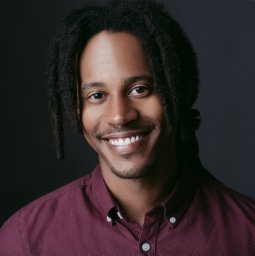 Skyler D Jackson合作论文数7
 Abigail W. Batchelder合作论文数7
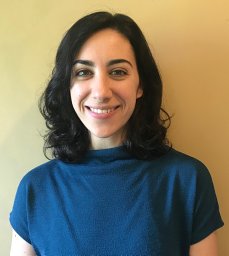 Emily L Cary合作论文数5Virinca Jaipuriyar合作论文数4
 Tory L. Ash合作论文数4Katie M Edwards合作论文数3Cal D Brisbin合作论文数3Sophia Pirog合作论文数Northwestern Univ3
 Qiu Wang合作论文数3
 Tonda L. Hughes合作论文数College of Nursing, University of Illinois at Chicago;School of Nursing, Columbia University Irving Medical Center3
 Deborah L. Schussler合作论文数3
 Robert W Roeser合作论文数Stanford University3
 Yanli Zhang-James合作论文数2Laura F. Gould合作论文数2Aubriana A Schwarz合作论文数2Samantha E. Sinegar合作论文数2Jinru Liu合作论文数2Mary Katherine A. Schutt合作论文数2
 Sasha Zabelski合作论文数2
 Rebecca N. Baelen合作论文数University of Illinois Chicago2
 Hoogman Martine合作论文数Dept Human Genet, Radboud Univ Nijmegen2
 Yu Wang合作论文数2
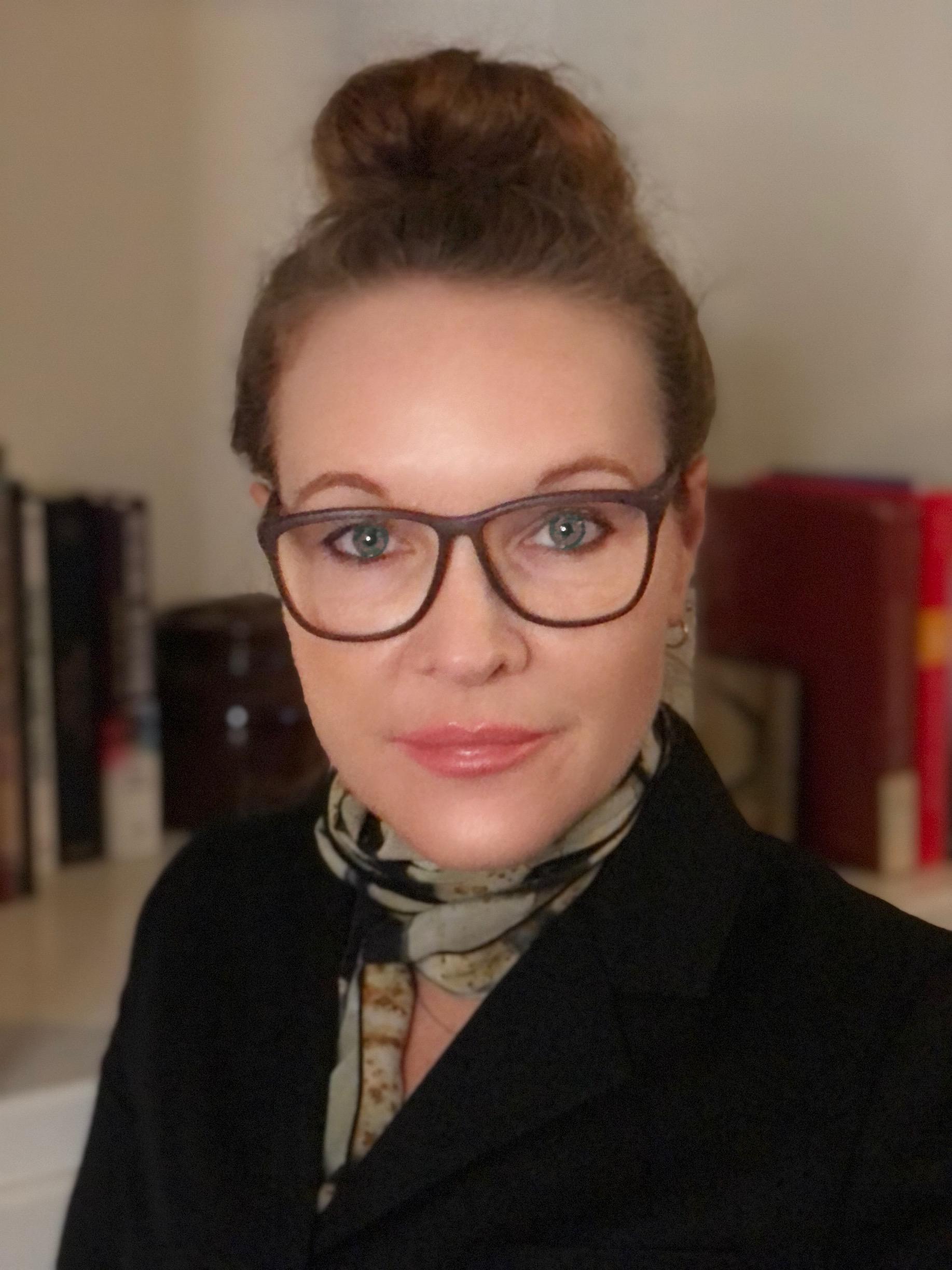 Molly Magill合作论文数Department of Behavioral and Social Sciences,School of Public Health, Brown University/Center for Alcohol and Addiction Studies,School of Public Health, Brown University2
 Zaso Michelle J合作论文数2
 Stephen Faraone合作论文数Department of Psychiatry, Upstate Medical University;Department of Neuroscience and Physiology, Upstate Medical University;Harvard Medical School2
 Jingfeng Jiang合作论文数Department of Biomedical Engineering, College of Engineering, Michigan Technological University2Deb Coolhart合作论文数1Kaytlin A. Nelson合作论文数1Adam J. Clawson合作论文数1Yuxuan Zhao合作论文数1Barbara Franke合作论文数1Amanda K Haik合作论文数1Pam Janack合作论文数1Pamela Janack合作论文数1Samantha C. Maguire合作论文数1Ellen C Masters合作论文数1
 Erin S M Matsuba合作论文数1
 Dallas Michelle Ducar合作论文数1
 Fatima Dobani合作论文数Baylor Scott & White Hlth, Waco, TX USA1
 Ryan E. Flinn合作论文数Med Coll Georgia, Augusta Univ1
 Sarah Zollweg合作论文数School of Nursing, Columbia University1
 Xiaoyan Zhang合作论文数Falk College of Sport and Human Dynamics, Syracuse University1




