Allogeneic haematopoietic cell transplantation (alloHCT) has curative potential counterbalanced by its toxicity. Prognostic scores fail to include current era patients and alternative donors. We examined adult patients from the EBMT registry who underwent alloHCT between 2010 and 2019 for oncohaematological disease. Our primary objective was to develop a new prognostic score for overall mortality (OM), with a secondary objective of predicting non-relapse mortality (NRM) using the OM score. AI techniques were employed. The model for OM was trained, optimized, and validated using 70%, 15%, and 15% of the data set, respectively. The top models, “gradient boosting” for OM (AUC = 0.64) and “elasticnet” for NRM (AUC = 0.62), were selected. The analysis included 33,927 patients. In the final prognostic model, patients with the lowest score had a 2-year OM and NRM of 18 and 13%, respectively, while those with the highest score had a 2-year OM and NRM of 82 and 93%, respectively. The results were consistent in the subset of the haploidentical cohort (n = 4386). Our score effectively stratifies the risk of OM and NRM in the current era but do not significantly improve mortality prediction. Future prognostic scores can benefit from identifying biological or dynamic markers post alloHCT.
Accessibility to allogeneic hematopoietic cell transplantation (HCT) programs for older patients is growing constantly. We report on the clinical outcomes of a group of 701 adults aged ≥70 years, with acute myeloid leukemia (AML) in first complete remission (CR1), who received a first HCT, from HLA-matched sibling donors (MSD), 10/10 HLA-matched unrelated donors (UD), 9/10 HLA-mismatched unrelated donors (mUD) or haploidentical (Haplo) donors. The 2-year overall survival (OS) was 48.1%, leukemia-free survival (LFS) 45.3%, relapse incidence (RI) 25.2%, non-relapse mortality (NRM) 29.5% and GVHD-free, relapse-free survival (GRFS), 33.4%. Compared to MSD, patients transplanted from Haplo and UD presented lower RI (HR 0.46, 95% CI 0.25-0.8, p = 0.02 and HR 0.44, 95% CI: 0.28-0.69, p = 0.001, respectively); this translated into prolonged LFS for Haplo (HR 0.62, 95% CI: 0.39-0.99, p = 0.04). Patients transplanted from mUD exhibited the highest NRM incidence (HR 2.33, 95% CI: 1.26-4.31, p = 0.007). HCT in selected adult CR1 AML patients >70 years is feasible and could be associated with good clinical outcomes. Prospective clinical trials are warranted.
Systemic anaplastic large cell lymphoma (sALCL) is a rare histological entity expressing the CD30 antigen that comprises around 11% of peripheral T-cell lymphoma. We analysed the outcome of patients with relapsed/refractory sALCL treated with autologous stem cell transplantation (auto-HCT). We included 65 adult patients (42 males; median age, 44 years); 24 patients had an ALK-ve sALCL. Fifty-one patients had chemosensitive disease at the time of transplant. Ten patients (15%) were treated with brentuximab vedotin (BV) before auto-HCT (median number of doses: 5). The median follow-up for surviving patients was 35 months (3–71). Three-year cumulative incidence of nonrelapse mortality and of relapse were 1.7% and 34%, respectively. Three-year progression-free survival and overall survival were 64% and 73%, respectively. No prognostic factors for any of the outcomes analysed were found in univariate analysis. There were no significant differences in any of the outcomes between patients who had received BV and the remainder. This is the largest analysis presented so far analysing the role of auto-HCT in patients with relapsed/refractory sALCL, showing a promising PFS and OS in this high-risk population. The potential impact of the administration of BV as salvage strategy before the procedure needs to be further elucidated.
Usually, after double umbilical cord blood transplantation (DUCBT), only 1 of the transplanted units persists in the long term. The characteristics of the winning cord blood unit (W-CBU) that determine unit dominance and how they influence the outcomes of DUCBT remain unclear. We retrospectively analyzed 347 patients with acute leukemia transplanted with a DUCBT (694 CBU) from 2005 to 2013 who had documented neutrophil engraftment and a W-CBU identified by chimerism analysis, to identify unit characteristics impacting on dominance. Median age at DUCBT was 40 years and median follow-up was 35 months. Among W-CBUs, 41% were ≥5/6 HLA matched to the recipient and 59% were ≤4/6. Multivariate analysis indicated that ≤4/6 HLA-matched W-CBUs led to lower leukemia-free survival (44% versus 56%; hazard ratio [HR], 1.5; P = .032) and overall survival (49% versus 62%; HR, 1.5; P = .028), increased nonrelapse mortality (26% versus 18%; HR, 1.9; P = .027), and acute graft-versus-host disease (46% versus 35%; HR, 1.7; P = .013). We were unable to predict unit dominance, but we demonstrated that outcomes were strongly influenced by the degree of HLA mismatch between W-CBU and recipient. Therefore, selection of both units with the lower number of HLA mismatches with the recipient is indicated.
Ocular chronic graft-versus-host disease (cGVHD) is a bothersome complication to allogeneic hematopoietic stem cell transplantation (HSCT). The objective of this study was to assess incidence and risk factors of developing ocular cGVHD. A retrospective study of 1021 consecutive patients who underwent HSCT at a single institution. The patients were examined by an ophthalmologist before HSCT, annually up to five years after HSCT and more frequently if ocular symptoms occurred. Ocular cGVHD was diagnosed using the criteria proposed by The International Chronic Ocular GVHD Consensus Group. Myeloablative(MA) and non-myeloablative(NMA) transplants were analysed separately due to great differences in patient age, conditioning regimen and stem cell source. Out of 1021 patients 99 (9.7%) had dry eye disease before HSCT. The 5-year cumulative incidence of ocular cGVHD was 0.16(95%CI 0.13–0.19) in the MA group and 0.30(95%CI 0.25–0.36) in the NMA group. In adjusted cox regression models, we identified five risk factors of developing ocular cGVHD in the MA group: Schirmer's test ≤10 mm/5 min before transplantation; malignant disease; peripheral blood as stem cell source; female donor and the use of an unrelated donor. Risk factors in the NMA group were: Schirmer's test ≤10 mm/5 min before transplantation, higher recipient age and the use of an unrelated donor. The 5-year cumulative incidence of ocular cGVHD was 16% after MA conditioning and 30% after NMA conditioning. A low Schirmer's test before transplantation is a potential predictive factor of ocular cGVHD. Surprisingly, many of the patients had dry eye disease already before transplantation. Special attention should be directed toward patients with malignant disease, older age and patients receiving graft from peripheral blood and the use of a female donor or an unrelated donor.
Conference: 42nd Annual Meeting of the European-Society-for-Blood-and-Marrow-Transplantation, Valencia, SPAIN, APR 03-06, 2016
Early immune reconstitution plays a critical role in clinical outcome after allogeneic hematopoietic stem cell transplantation (HSCT). Natural killer (NK) cells are the first lymphocytes to recover after transplantation and are considered powerful effector cells in HSCT. We aimed to evaluate the clinical impact of early NK cell recovery in T cell-replete transplant recipients. Immune reconstitution was studied in 298 adult patients undergoing HSCT for acute myeloid leukemia, acute lymphoblastic leukemia, and myelodysplastic syndrome from 2005 to 2013. In multivariate analysis NK cell numbers on day 30 (NK30) > 150 cells/mu L were independently associated with superior overall survival (hazard ratio,.79; 95% confidence interval,.66 to.95; P=.01). Cumulative incidence analyses showed that patients with NK30 > 150 cells/mu L had significantly less transplant-related mortality (TRM), P =.01. Patients with NK30 > 150 cells/mu L experienced significantly lower numbers of life threatening bacterial infections as well as viral infections, including cytomegalovirus. No association was observed in relation to relapse. These results suggest an independent protective effect of high early NK cell reconstitution on TRM that translates into improved overall survival after T cell-replete HSCT. (C) 2016 American Society for Blood and Marrow Transplantation.
Outcome of patients with chronic myeloid leukemia and a low-risk score: allogeneic hematopoietic stem cell transplantation in the era of targeted therapy. A report from the EBMT Chronic Malignancies Working Party
Allogeneic bone marrow transplantation (BMT) is a curative therapy for a number of hematological diseases. Ocular chronic graft versus host disease (cGVHD) is a major contributor to long-term morbidity after BMT. The purpose of this study was to report the frequency of ocular cGVHD after BMT and onset in relation to systemic cGVHD. Retrospective examination of medical records of patients who underwent consecutive allogeneic BMT from 1980-2011 at Copenhagen University Hospital (Rigshospitalet). This study included adults (>16 years) with no dry eye disease prior to BMT. The patients were seen by an ophthalmologist before BMT and annually after BMT. The ophthalmological examination included tear break-up time, Schirmers test, corneal fluorescein stain, slit lamp examination and ophthalmoscopy. The criteria proposed by the “International Chronic Ocular GVHD Consensus Group” was used to diagnose ocular cGVHD. Out of the 939 patients included, 222 patients (23.6%) developed ocular cGVHD. We found no significant difference between gender and the development of ocular GVHD (p = 0.67). Median age at time of BMT was 41 years (rage 16–73) and 46 years (17–68) in the group who developed ocular cGVHD. Median time of onset of ocular cGVHD was 20 months (0.4–196) after BMT. Diagnosis of ocular cGVHD preceded systemic cGVHD in 33 cases (15%). Twenty-seven patients (12%) had ocular cGVHD without systemic cGVHD. Ocular cGVHD was significantly higher in patients with systemic cGVHD involving the skin (p < 0.001). Ocular cGVHD is common after BMT. It can occur at any age, but is more common in elder patients. Ocular cGVHD can occur in patients without systemic cGVHD. We recommend ophthalmological examinations in all patients before and after allogeneic BMT due to the high frequency of ocular cGVHD.
 Didier Blaise合作论文数Institut Paoli-Calmettes;Université Aix Marseille9
 Mohamad Mohty合作论文数Clinical Hematology and Cellular Therapy Department, Saint-Antoine Hospital, Sorbonne University;Saint-Antoine Research Centre7
 Arnon Nagler合作论文数Hemato-Oncology Center, Sheba Tel Hashomer City of Health;EBMT;Tel Aviv University;Israeli Bone Marrow Association7
 Peter Dreger合作论文数7
 Nicolaus Kröger合作论文数Department of Stem Cell Transplantation, University Medical Center Hamburg-Eppendorf;Center for Oncolog, University Medical Center Hamburg-Eppendorf;University of Hamburg7
 Patrice Chevallier合作论文数Centre Hospitalier Universitaire de Nantes7E. Petersen合作论文数7
 Gerard Socie合作论文数AP-HP Hospital Saint Louis;University of Paris6
 Charles Craddock合作论文数Warwick Medical School, University of Warwick;University of Birmingham;Centre for Clinical Haematology, Queen Elizabeth Hospital6Annalisa Ruggeri合作论文数5
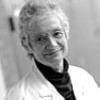 Eliane Gluckman合作论文数Department of Hematology Hôpital St Louis5
 Arnold Ganser合作论文数Hannover Medical School5Silvia Montoto合作论文数4V. Rocha合作论文数4M Labopin合作论文数4
 Per Ljungman合作论文数Department of Medicine, Huddinge, Karolinska Institutet4Cornelissen Jan J合作论文数4Kenzey Chantal合作论文数4
 Dietger Niederwieser合作论文数4
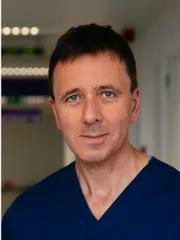 Johan Maertens合作论文数Department of Hematology, Universitair Ziekenhuis Leuven;Laboratory of Clinical Microbiology, Departement Microbiologie, Immunologie en Transplantatie, KU Leuven4
 Noël Milpied合作论文数Centre Hospitalier Universitaire de Bordeaux4Nathalie Fegueux合作论文数4ho julian合作论文数3T Lamy合作论文数3
 Eric Deconinck合作论文数3I Yakoub Agha合作论文数3Jj Cornelissen合作论文数3A Sureda合作论文数3F. Giannotti合作论文数3
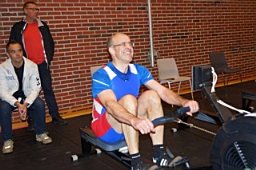 Lindegaard Jacob Christian合作论文数Department of Oncology, Aarhus University Hospital3Finel Herve合作论文数3Ariane Boumendil合作论文数3
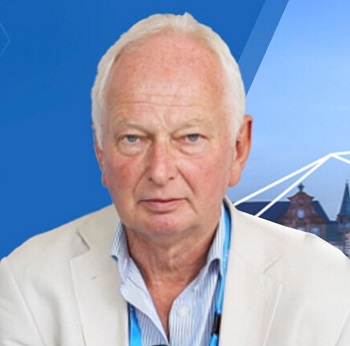 Nigel Russell合作论文数University of Nottingham3
 Timm Schroeder合作论文数Cell Systems Dynamics Group, Department of Biosystems Science and Engineering, Eidgenössische Technische Hochschule Zürich3Hamladji Rosemarie合作论文数3Forcade Edouard合作论文数Service d'Hématologie clinique et de Thérapie cellulaire, Bordeaux, Pessac, France. edouardforcade@yahoo.fr3Jurgen Finke合作论文数3Steffen Heegaard合作论文数3
 Johannes Schetelig合作论文数Department of Bone Marrow Transplantation, University Hospital Carl Gustav Carus in Dresden3Liisa Volin合作论文数3
 Ciceri Fabio合作论文数Universita Vita-Salute San Raffaele3Dimitris Karakasis合作论文数3Uwe Platzbecker合作论文数3S. van der Werf合作论文数2N. Smedegaard Andersen合作论文数2
 Jann Mortensen合作论文数Department of Clinical Medicine, Faculty of Health and Medical Sciences, University of Copenhagen2E. Meijer合作论文数2R. Duarte合作论文数2B. Afanasyev合作论文数Raisa Gorbacheva Mem Inst Children Oncol Hematol, First I Pavlov Med State Univ2




