Japanese encephalitis (JE) is a mosquito-borne viral disease that is rarely reported in non-endemic regions. We describe an adult patient presenting with acute meningoencephalitis in northern China, a non-endemic area. Targeted next-generation sequencing (tNGS) performed twice on cerebrospinal fluid was negative because JE virus was not included in the detection panel. The diagnosis was confirmed by a strongly positive JE IgM antibody. This case highlights that tNGS has inherent diagnostic limitations depending on pathogen coverage. In non-endemic areas near endemic regions, JE should be considered in the differential diagnosis, and serologic testing remains essential for accurate diagnosis. ONE-SENTENCE SUMMARY: We report an adult case of Japanese encephalitis from a non-endemic region that was initially missed by targeted next-generation sequencing, emphasizing the need for the combined use of molecular and serological testing in suspected central nervous system infections.
Echovirus 30 (E30) is a significant pathogen associated with various illnesses such as viral meningitis, viral myocarditis. Currently, there are no specific drugs or vaccines targeting this virus. An appropriate animal model is imperative for assessing drug and vaccine efficacy. This investigation aimed to establish a neonatal mouse model using a clinical isolate E30/A538 and apply it to screen anti-E30 drugs. The study involved evaluating the susceptibility of different mouse strains to the isolate, determining the infectious dose, transmission route, and optimal age of the mice. This model was then used to assess antiviral efficacy. Neonatal ICR mice infected intracranially with 5LD50 of E30/A538 at one-day-old displayed clinical symptoms such as tremors, lethargy, limb paralysis, and mortality. Importantly, the E30/A538-infected mice exhibited brain neuron apoptosis and severe myocardial necrolysis, closely resembling human infections. Elevated levels of viral RNA and positive antigen presence were predominantly detected in the brains and hearts of infected mice. Using this model to assess antiviral efficacy, it was demonstrated that interferon-α2a inhibited E30/A538 replication in vivo, mitigated histopathological changes in the brain, spinal cord, and myocardium, and enhanced the survival rate of neonatal mice. In summary, this research established a wild neonatal mouse model of E30/A538 isolate infection that mirrors the characteristics of human infection. The model demonstrated the efficacy of interferon-α2a in combating E30. This model would serve as a foundation for investigating the pathogenesis of E30, as well as for assessing the efficacy of vaccines and other antiviral treatments against E30.
Objective: Ticks are obligate blood-sucking vectors for multiple zoonotic diseases. In this study, tick samples were collected from Yunnan Province, China, which is well-known as the “Global Biodiversity Hotspot” in the world. This study aimed to clarify the microbial populations, including pathogens, associated with ticks and to identify the diversity of tick-borne microbiota in this region. Methods: The 16S rRNA full-length sequencing from pooled tick DNA samples and PCR amplification of pathogenic genera from individual samples were performed to understand tick-associated microbiota in this region. Results: A total of 191 adult ticks of 5 tick species were included and revealed 11 phyla and 126 genera bacteria, including pathogenic Anaplasma, Ehrlichia, Candidatus Neoehrlichia, Rickettsia, Borrelia, and Babesia. Further identification suggested that Rickettsia sp. YN01 was a variant strain of Rickettsia spp. IG-1, but Rickettsia sp. YN02 and Rickettsia sp. YN03, were potentially two new SFGR species. Conclusions: This study revealed the complexity of ecological interactions between host and microbe and provided insight for the biological control of ticks. A high microbial diversity in ticks from Yunnan was identified, and more investigation should be undertaken to elucidate the pathogenicity in the area.
Hand, foot, and mouth disease (HFMD) is a contagious disease that threatens the health of children under 5 years of age. Coxsackievirus A10 (CV-A10) is one of the main pathogens of HFMD. Currently, preventive vaccines and specific therapeutic drugs are not available for CV-A10. In this study, a total of 327 stool specimens were collected from pediatric patients from 2009 to 2017 during HFMD surveillance, among which 14 CV-A10 strains could only be isolated from rhabdomyosarcoma cells, but not from KMB17 and Vero cells. Through adaptive culture, 2 and 11 CV-A10 strains were recovered from Vero and KMB17 cell cultures, respectively. The growth of CV-A10 strains in Vero cells was better than that in KMB17 cells. The 14 CV-A10 strains belonged to the F genotype, and the nucleotides and amino acids of their complete genomes shared 92.6%-96.3% and 98.4%-98.9% identities, respectively. The different CV-A10 strains exhibited varying virulence in vivo, but had similar effects on tissue injury, with the hind limb muscles, kidneys, and lungs being severely affected. Additionally, the hind limb muscles had the highest viral loads. CV-A10 was found to exhibit a strong tropism to muscle tissue. The results of this study are critical to developing vaccines against CV-A10 infections.
Background: Viral infection is the most common cause of aseptic meningitis. The purpose of this study was to identify the viruses responsible for aseptic meningitis to better understand the clinical presentations of this disease. Method: Between March 2009 and February 2010, we collected 297 cerebrospinal fluid specimens from children with aseptic meningitis admitted to a pediatric hospital in Yunnan (China). Viruses were detected by using "in house" real-time quantitative polymerase chain reaction or reverse-transcription real-time quantitative polymerase chain reaction from these samples. Phylogenetic analyses were conducted using the Molecular Evolutionary Genetic Analysis version 7.0 software, with the neighbor-joining method. Results: Viral infection was diagnosed in 35 of the 297 children (11.8%). The causative viruses were identified to be enteroviruses in 25 cases (71.4%), varicella-zoster virus in 5 cases (14.3%), herpes simplex virus 1 in 2 cases (5.7%), and herpes simplex virus 2, Epstein-Barr virus, and human herpesvirus 6 in 1 case each (2.9% each). Of the enteroviruses, coxsackievirus B5 was the most frequently detected serotype (10/25 cases; 40.0%) and all coxsackievirus B5 strains belonged to C group. Conclusions: In the study, a causative virus was only found in the minority of cases, of them, enteroviruses were the most frequently detected viruses in patients with viral meningitis, followed by varicella-zoster virus and herpes simplex virus. Our findings underscore the need for enhanced surveillance and etiological study of aseptic meningitis.
目的 分析2015年云南省4株柯萨奇病毒A组6型(Coxsackievirus A6,CV-A6)分离株的全基因组特征.方法 取手足口病(hand,foot and mouth disease,HFMD)患儿粪便样本,制备悬液,接种至人横纹肌肉瘤细胞,CV-A6致细胞病变(CPE)后,收集病毒液,提取RNA,经RT-PCR分段扩增获得全基因组片段,并进行测序.采用Geneious 9.1.4和Mega 7.0、Simplot等生物学软件进行核苷酸和氨基酸序列比对、系统进化及重组分析,并构建系统进化树.结果 4株CV-A6分离株之间核苷酸和氨基酸序列一致性分别为94.8%~97.9%和97.3%~98.4%,与近几年国内流行的CV-A6株核苷酸和氨基酸序列一致性分别为94.6%~97.9%和 97.4%~99.1%;分离株在5'UTR、2A、2C、3A、3D、3'UTR区可能存在与毒力和临床表型相关的12个位点.结论 4株云南分离株属于CV-A6血清型,为D3a基因亚型.
Coxsackievirus A6 (CVA6) is a key pathogen causing hand, foot and mouth disease (HFMD). However, there are currently no specific antiviral drugs or vaccines for treating infections caused by CVA6. In this study, human rhabdomyosarcoma (RD), African green monkey kidney (Vero), and human embryonic lung diploid fibroblast (KMB17) cells were used to isolate CVA6 from 327 anal swab and fecal samples obtained during HFMD monitoring between 2009 and 2017. The VP1 genes of the isolates were sequenced and genotyped, and the biological characteristics of the representative CVA6 strains were analyzed. A total of 37 CVA6 strains of the D3 gene subtypes were isolated from RD cells, all of which belonged to the epidemic strains in mainland China. Using the adaptive culture method, 10 KMB17 cell-adapted strains were obtained; however, no Vero cell-adapted strains were acquired. Among the KMB17 cell-adapted strains, only KYN-A1205 caused disease or partial death in suckling mice, and its virulence was stronger than its RD cell-adapted strain. The pathogenic KYN-A1205 strain caused strong tropism to the muscle tissue and led to pathological changes, including muscle necrosis and nuclear fragmentation in the forelimb and hindlimb. Sequence analysis demonstrated that the KYN-A1205 strain exhibited multiple amino acid mutations after KMB17 cell adaptation. Moreover, it showed strong pathogenicity, good immunogenicity and genetic stability, and could be used as an experimental CVA6 vaccine candidate.
Echovirus 21 (E21) belongs to the species Enterovirus B, whose members are frequently associated with acute flaccid paralysis. E21 strain 553/YN/CHN/2013 was isolated from a healthy child in Yunnan, China, in 2013. This is the first report of the complete genome sequence of E21 in China. This strain shared 81.7% nucleotide sequence identity and 96.8% amino acid sequence identity with the E21 prototype strain Farina. Although strain 553/YN/CHN/2013 belongs to the E21 serotype, the only similarity to the E21 strain was in the VP1 region, as other genomic regions, including VP2–VP4, were more similar to other EV-B members. Recombination analysis showed evidence of recombination events between E21 and other EV-B viruses. E21 strain 553/YN/CHN/2013 failed to infect suckling mice via intracerebral injection. Surveillance of E21 is very important to help forecast the potential of emerging E21 outbreaks and related diseases.
目的 研究1株手足口病相关柯萨奇病毒A组6型(coxsackievirus A6,CV-A6)毒株RYN-A1205的分子特征及其在KMB17细胞中连续传代的遗传稳定性.方法 利用MEGA7.0软件并采用neighborjoining法对RYN-A1205株及65株CV-A6代表株基于全长VP1序列进行种系进化分析.另外,将RYN-A1205株以MOI=1接种至KMB17细胞中于37℃连续传代培养,提取适应前及适应后第1、5、10、15代毒株的RNA,以其为模板,RT-PCR分段扩增全基因组序列并进行测序分析.结果 RYN-A1205株属于D3基因亚型中的D3a分支,能较好地适应KMB17细胞.与适应前毒株相比,适应后毒株共发生15个碱基突变,造成12个氨基酸替换.适应后各代次病毒全基因核苷酸及氨基酸序列同源性分别为99.97%~100%和99.90%~100%,其中,P10代在VP2和3D编码区各发生1个氨基酸的替换,P15代氨基酸突变情况与P10代一致.结论 RYN-A1205株与我国近几年的CV-A6内地流行株在进化树中属于同一分支,在KMB17细胞上适应后保持良好的遗传稳定性,这为后续CV-A6疫苗的研发提供参考.
目的 建立一种灵敏、特异的一步法实时荧光定量聚合酶链反应(RT-qPCR),用于快速、准确地检测柯萨奇病毒A组6型(CV-A6).方法 利用MEGA7.0软件比对GenBank数据库中15条CV-A6 VP1序列,选择高保守区域设计特异性引物和探针;以体外转录获得的RNA为标准品,绘制标准曲线,建立检测CV-A6病毒的RT-qPCR方法;对该方法的灵敏度、特异度、重复性进行评估;并利用该方法对CV-A6病毒感染后的乳鼠组织进行病毒载量的检测.结果 该方法在102~1011 copy/μL模板范围内出现良好的扩增曲线,检测极限约为102 copy/μL,标准曲线中R2系数为0.999,扩增效率为109.6%;且该方法对肠道病毒71型(EV-A71)、柯萨奇病毒A组16型(CV-A16)和柯萨奇病毒A组10型(CV-A10)均无交叉反应;另外,该方法在组间重复试验中,变异系数(CV)值小于2.0%.结论 本实验建立的方法具有较强的灵敏度、特异度和重复性,可用于CV-A6病毒的日常检测、实验室诊断和定量分析.
Enterovirus A71 (EV-A71) infection is known to cause hand, foot, and mouth disease (HFMD). Last year, an inactivated EV-A71 whole virus vaccine was used to prevent this disease in Yunnan, China. To obtain a viral genetic background for evaluating vaccine protection and monitor the adaptive evolution of the virus after the vaccination, a 5-year molecular epidemiology survey was performed before the vaccination. Twenty-six EV-A71 strains were separated from 561 stool specimens of patients with serious HFMD. The whole-genomic sequences of these strains were sequenced. Phylogenetic trees were constructed, and the mutation spectra were analyzed based on these viral sequences. There was no obvious mutation for the circular EV-A71 strains of the same year. Pathogenic EV-A71 strains may arise from a "subgroup" randomly each year. Whole-genomic analyses showed that a hotspot nonsynonymous substitution potentially affecting the immunogenicity of vaccines was found in the 2A gene, but not in genes of the viral capsid proteins, and the genetic diversity of whole viral genomes associated with the incidence of HFMD. Therefore, it will be valuable to monitor the genome-wide changes of EV-A71 to detect the adaptive mutations affecting immunogenicity or perform investigations using genetic diversity as a parameter.
目的 分析一株疫苗相关脊髓灰质炎病毒(vaccine-related poliovirus,VRPV)云南分离株R1351/YN/CHN/2013的全基因组序列和遗传特性.方法 采用RD细胞分离获得病毒,提取病毒RNA,通过RT-PCR扩增全基因组序列并测序.利用BioEdit 7.09、MEGA7.0、SimPlot3.5.1等软件对全基因序列进行分析.结果 R1351/YN/CHN/2013全基因序列由7 430个核苷酸构成,编码含2 206个氨基酸残基的多聚蛋白,5'UTR和3'UTR核苷酸长分别为742 nt和70 nt;与Sabin3疫苗株全基因核苷酸和氨基酸序列的同源性分别为99.7%和99.6%;在5'UTR的减毒位点(nt472)发生回复突变,在VP3减毒位点(nt2034)未发生改变;与Sabin3疫苗株的VP1序列比对,共发生3个碱基突变,变异率为0.33%.进化分析显示73株Ⅲ型脊髓灰质炎病毒株分为A、B和C三个分支,R1351/YN/CHN/2013属于C分支,Sabin1/2疫苗株独立形成两个分支.重组分析表明R1351/YN/CHN/2013基因组各区域并未与Sabin1/2疫苗株及其他肠道病毒发生重组.结论 R1351/YN/CHN/2013为Ⅲ型VRPV,并且在减毒位点nt472处发生了回复突变.
目的 探讨一株手足口病相关柯萨奇病毒A组10型(coxsackievirus A10,CV-A10)毒株R6-19/XY/CHN/2017在Vero细胞中的适应性,及其连续传代的遗传稳定性.方法 对R6-19/XY/CHN/2017毒株在Vero细胞上进行连续适应传代培养后,对适应前病毒及适应后的第1、5、10、15代次毒株的致细胞病变效应(cytopathic effect,CPE)、病毒感染性滴度、全基因组核苷酸序列及氨基酸序列等进行比较分析.结果 该毒株能较好地在Vero细胞上适应,不同代次的感染性滴度在7.85 lgCCID50/ml~8.17 lgCCID50/ml.与适应前毒株比较,其5'UTR及编码区共有7个碱基发生改变,VP4和VP1编码区分别有1、3个氨基酸发生改变;而适应后病毒各代次在CPE、病毒感染力特点等无明显区别,且各代次全基因核酸序列中,只有第15代的VP1蛋白编码区发生一个碱基突变.结论 CV-A10株R6-19/XY/CHN/2017能在Vero细胞较好地适应,并具有良好的遗传稳定性,这将为后续Cv-A10疫苗的研发和相关机制研究提供参考.
BACKGROUND:Hand, foot, and mouth disease (HFMD) is a common childhood disease, which is usually caused by enterovirus A (EV-A) serotypes. Enterovirus A71 (EV-A71) and coxsackievirus A16 (CV-A16) are the main etiologic agents. Multiple serotypes of enterovirus B serotypes (EV-B) have been detected in outbreaks or sporadic cases of HFMD.RESULTS:During HFMD surveillance in Yunnan, China in 2013, two echovirus 33 (E-33) isolates were recovered in cell culture and typed by molecular methods from the cerebrospinal fluid (CSF) and feces of two sporadic cases of HFMD complicated by meningitis. Sequence analysis indicated that the study isolates, YNK35 and YNA12, formed an independent branch, and belonged to E-33 genotype H. Recombination analysis indicated multiple recombination events in the genomic sequence of isolate YNK35. The recombination mainly occurred in the non-structural coding region of P2 and P3, and involved intra-species recombination of species B.CONCLUSION:In this study, the complete sequences of two E-33 isolates were determined. This is the first report of severe HFMD associated with E-33 in Yunnan China, and it enriches the number of full-length genome sequences of E-33 in the GenBank database.
The complete genome sequence of a human enterovirus C99 strain isolated from a healthy child in Yunnan, China, in 2013 was determined. The isolate belonged to genotype C, according to phylogenetic and homogeneity analyses.
Coxsackievirus A16 (CV‐A16) commonly causes mild symptoms, but severe diseases, such as aseptic meningitis, encephalitis, and even fatal cases, have been reported. Thirteen CV‐A16 strains were isolated from patients with severe hand, foot, and mouth disease in Yunnan, Southwest China, from 2009 to 2015. Subgenotype B1a and B1b of CV‐A16 were predominantly circulating the region with B1b the predominant strain in recent years. The mean rate of nucleotide substitution based on the VP1 gene sequence was 4.545 × 10 −3 substitution per site per year from 2009 to 2015. These results may help in understanding the genetic diversity of CV‐A16 and develop a CV‐A16 vaccine.
Hand, foot, and mouth disease (HFMD) is a common infectious disease caused by multiple enteroviruses (EVs) in China. To better define the etiologic agents and clinical characteristics of HFMD, we conducted this study in Yunnan, China.In this study, 1280 stool specimens were collected from pediatric patients hospitalized for treatment of HFMD in 2010. EV was detected with nested reverse transcription polymerase chain reaction and directly genotyped by gene sequencing of the viral protein 1 (VP1) region. Phylogenetic analysis was performed based on the VP1 partial gene and the clinical characteristics were analyzed using SPSS Software.Of 1280 specimens, 1115 (87.1%) tested positive for EV. Seventeen different EV serotypes were detected. Coxsackievirus A16 (CA16) was the most frequently detected serotype (615/1115 cases, 55.1%), followed by enterovirus 71 (EV71; 392/1115, 35.2%), CA10 (45/1115, 4.0%), and CA4 (23/1115, 2.1%). Among the 709 severe cases, CA16, EV71, CA10, and CA4 accounted for 48.0%, 42.0%, 3.5%, and 2.3%, respectively. Of the 26 critical cases, 13 were caused by EV71, 9 by CA16, 2 by CA4, and 1 each were the result of CA10 and E9, respectively. All EV71, CA16, CA10, and CA4 isolates were highly homologous to the strains isolated from mainland China, and belonged to the C4a, B1a, G, and C genotypes, respectively.Our study showed that EV71 and CA16 were the main causative agents for severe and critical HFMD, but other serotypes can also cause severe and critical cases.
Human echovirus 12 (E-12) belongs to the enterovirus B species. To date, only one full-length genome sequence of E-12 (prototype strain Travis) is available in the GenBank database. This study determined the complete sequence of three E-12 strains, which were isolated from the stools of three healthy children in Yunnan, China, in 2013. We revealed that the three Yunnan E-12 strains had only 80.8–80.9% nucleotide identity and 96.4–96.8% amino acid identity with the Travis strain based on pairwise comparisons of the complete genome nucleotide and amino acid sequences. The three Yunnan strains shared 99.7% nucleotide identity and 99.1–99.5% amino acid similarity. Phylogenetic and similarity plot analyses showed that intertypic recombination occurred in the non-structural regions of the three Yunnan E-12 strains. This is the first report of the complete genome sequence of E-12 in China and it enriches the complete genome sequences of E-12 in the GenBank database.
Human echovirus 20 (E-20) belongs to the Human enterovirus B (HEV-B) species and is often detected in nonpolio enterovirus cases of acute flaccid paralysis. We determined the complete genome of strain 812/YN/CHN/2010, isolated from a child with severe hand-foot-and-mouth disease in Yunnan, China, in 2010.
The complete genome sequence of the enterovirus 71 strain CSF15/YN/CHN/2013, first isolated from cerebrospinal fluid of a child in Yunnan, China, in 2013, was determined. According to the phylogenetic and homogeneity analyses, the isolate was assigned to subgenotype C4a.
 Shaohui Ma (马绍辉)合作论文数Institute of Medical Biology, Chinese Academy of Medical Sciences17Xiaoqin Huang合作论文数13
 Hao Sun (孙昊)合作论文数Peking Union Medical College Hospital11
 Haohai Zhang合作论文数10Jie Zhang合作论文数9Shan-ri CONG (丛山日)合作论文数8Zhaoqing Yang (杨照青)合作论文数昆明医科大学8Danhan Xu合作论文数7Yilin Zhao合作论文数7Ming Zhang合作论文数7Changzeng Feng合作论文数4Keqin Lin (林克勤)合作论文数4Ding Li-sha合作论文数1Yongbei Chen (陈泳蓓)合作论文数1Hang Jiang合作论文数1Daiyun Zhu合作论文数1HE Lu-tao (何陆涛)合作论文数1ZHANG Guang-xian (张光贤)合作论文数1Ziyun Chen合作论文数1Yu-qiong Li合作论文数1Zhang Yun合作论文数1Yu Liang合作论文数1WANG Xiao-hui (王晓辉)合作论文数1Jiansheng Liu合作论文数1Qiliang Liu (刘启亮)合作论文数1Xiao-Ming Cui (崔晓鸣)合作论文数1Jie ZHANG (张捷)合作论文数1
 Tsan Yuk Tommy Lam (林讚育)合作论文数Division of Public Health Laboratory Sciences, School of Public Health, Li Ka Shing Faculty of Medicine, The University of Hong Kong1XingDe Duan (段兴德)合作论文数1ZiHou Gao (高子厚)合作论文数1ZongTi Shao (邵宗体)合作论文数1ChunHong Du (杜春红)合作论文数1Zheng-da Gong (龚正达)合作论文数1
 Wei Ran (冉炜)合作论文数College of Resources and Environmental Sciences, Nanjing Agricultural University1Jiafu Jiang (蒋甲福)合作论文数南京农业大学1Ni Xue-Bing合作论文数1
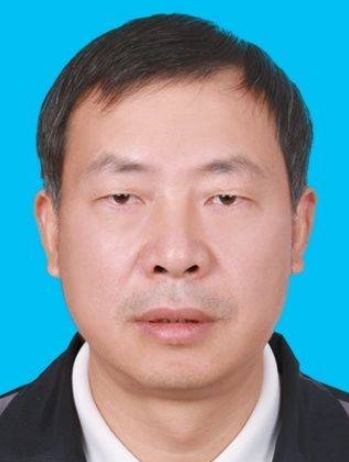 Guoyang Liao (廖国阳)合作论文数Institute of Medical Biology, Chinese Academy of Medical Sciences1
 Shengjun Xiao (肖胜军)合作论文数The Second Affiliated Hospital, Guilin Medical University1Jian Wang (王建)合作论文数Beijing Center for Disease Prevention and Control1Huanying Zheng合作论文数1
 Na Jia (贾娜)合作论文数Academy of Military Medical Sciences1




