The photoelectrochemical (PEC) coreduction of CO2 and nitrate provides a promising approach for urea green synthesis, yet it suffered sluggish photogenerated carrier dynamics and low selectivity. To address these, a nanocrystalline alloy CuxAuy-modified Si nanowire (NW) photocathode was prepared. Under -0.1 V vs reversible hydrogen electrode, the optimized Cu1.25Au-Si NWs achieves a maximum urea 87.15% Faradaic efficiency of urea synthesis and yields 28.61 μg cm-2 h-1 in a 100 h measurement under light illumination, among the highest reported PEC values. Spectra analysis and density functional theory calculations confirm that the tunability of the Cu d orbital electron density reduces the energy barrier of the key rate-determining step (*COOHNH2 → *CONH2) in CO2 activation to 0.23 eV and enhances electron transport kinetics by strengthening the charge polarization and prolonged carrier lifetime at the heterojunction interface. This study provides new mechanistic insights and strategies for designing high-performance alloy-semiconductor photocathodes for urea synthesis with good durability.
The hydrogen evolution reaction (HER) is central to clean hydrogen production, yet its application in alkaline water electrolysis is severely limited by intrinsically sluggish kinetics and the poor long-term stability of Pt-based catalysts, particularly at industrially relevant current densities. Here, we propose a high-entropy alloying strategy that enables synergistic tuning of the electronic structure and interfacial interactions. This strategy induces reconstruction of the Pt 5d orbitals, optimizing interfacial water dissociation kinetics and reshaping the interfacial water distribution. At the same time, it promotes a more delocalized electronic structure and stronger bonding through pronounced d-p, d-d, and sp orbital hybridization, as well as vibrational coupling driven by local atomic displacements. The downshifted Pt 5d band center weakens *H adsorption, thereby facilitating hydrogen desorption while effectively suppressing surface oxidation and particle agglomeration. As a result, the FeCoNiPtIn/MWCNT catalyst delivers an ultralow overpotential of 8 mV at 10 mA cm-2 and operates stably for over 5000 h at 250 mA cm-2, far outperforming commercial Pt/C. This work integrates orbital engineering with interfacial water regulation, establishing a compelling design paradigm for durable HER electrocatalysts for large-scale renewable energy conversion.
The fabrication of flexible semiconductive metal-organic frameworks (MOFs) membranes is a challenging research target with unique optoelectronics applications. In this work, we introduce a semiconductive polyMOF (polymer-metal-organic framework) strategy that copolymerizes semiconductive MOFs with polymer monomers, yielding uniform and defect-minimized semiconductive membranes with ultralow trap densities and eliminating microgaps. This molecular integration enables efficient charge transport, realizing flexible MOF membranes for high-sensitivity radiation detection. The polyMOF-based flexible detector demonstrates exceptional performance, with a leading X-ray sensitivity of 6972.9 μC Gyair-1 cm-2 among reported flexible X-ray detectors and an ultralow detection limit of 52.6 nGyair s-1. The flexible polyMOF detector outperforms the flat-panel devices in resolution and versatility while also serving as a conformal dosimeter with commercial-level accuracy. This work establishes covalent polyMOFs as a universal platform for defect-engineered optoelectronics, bridging material innovations with flexible radiation detection technology.
A chemoselective protocol for the 2,3‐reduction of quinazolinones was developed using Red‐Al as the reductant. Under mild conditions, this method furnishes a diverse set of synthetically useful dihydroquinazolinones in moderate to good yields. The generality and practicality of the protocol were demonstrated by a broad substrate scope, gram‐scale synthesis, and downstream derivatization of the products.
The electrocatalytic carbon dioxide reduction reaction (eCO 2 RR) represents a promising approach for converting CO 2 into value-added chemicals and fuels. We focus on the doping modification of La 2 CuO 4 to enhance CO 2 adsorption efficiency and improve electrical conductivity. To address the challenge of activating CO 2 adsorption, alkaline-earth metals (Ca, Sr, and Ba) doped La 2 CuO 4 catalysts were designed and synthesized. Comprehensive characterization was performed to examine their phase structures, morphologies, surface elemental states, electrical conductivities. CO 2 adsorption and contact angle measurements were also carried out, considering that eCO 2 RR takes place at a gas–liquid–solid three-phase interface. Compared to conventional La 2 CuO 4 doped with rare-earth metals at the A-site, the introduction of alkaline-earth metals not only improves the CO 2 chemisorption capacity but also enhances the electron conductivity of the catalysts, thereby intrinsically boosting the eCO 2 RR activity.
The development of earth-abundant, low-cost, highly active catalysts to accelerate hydrogen absorption/desorption kinetics in Mg-based materials is critical for hydrogen energy applications. Here, we synthesize three MAX phases with nonconventional A-site elements─Nb2FeC, Nb2NiC, and Nb2CuC─and directly incorporate them into MgH2 matrices without hazardous HF etching. All three MgH2-10 wt % Nb2AC (A = Fe, Ni, Cu) composites exhibit a reduction in onset dehydrogenation temperature from 320 °C to approximately 190 °C, and their dehydrogenation temperature and kinetic behavior are markedly superior to Nb2AlC, demonstrating that substituting the A-site element Al with late transition metals substantially enhances catalytic performance toward MgH2 dehydrogenation. Among them, the MgH2-10 wt % Nb2NiC composite shows optimal performance, releasing ∼6.30 wt % H2 at 300 °C within 10 min and absorbing ∼5.01 wt % H2 at 175 °C within 3 min, while maintaining good cyclic stability. Experimental and theoretical results jointly confirm that Nb2NiC functions as an efficient electron-mediated catalyst, weakening Mg-H bonds and promoting H2 dissociation via interfacial electron transfer, thus significantly improving hydrogen storage kinetics.
Inspired by water lily photosynthesis, we engineer a self-floating artificial leaf via micro/macro-biomimetic design. With cellulose as mesophyll and COF as chloroplast-mimetic catalyst, it photosynthesizes H 2 O 2 from sunlight, water, and air.
The irradiation stability of Cr-based protective coatings on zirconium alloys is critical for the development of accident-tolerant fuel claddings. However, conventional surface irradiation often produces shallow, nonuniform damage, obscuring interfacial behavior. In this study, we perform cross-sectional He2+ irradiation to directly examine the interfacial response and He bubble evolution across Cr monolayer and Cr/CrAlSiN multilayer coatings on Zr substrates. Irradiation was carried out at 500 and 750 degrees C to doses of 2-3 displacements per atom (dpa), enabling a direct comparison of temperature-dependent microstructural evolution. In the Cr monolayer, He implantation produced a homogeneous distribution of nanoscale bubbles throughout the damaged region and large cavities at the Cr/Zr interface, indicating severe Kirkendall-type voiding and interfacial decohesion at elevated temperature. In contrast, the Cr/CrAlSiN multilayer exhibited a periodically modulated bubble distribution, with bubble fragmentation and transformation into nanoscale platelets at CrAlSiN interfaces. A N-enriched Zr(N) interlayer formed spontaneously at the CrAlSiN/Zr interface, effectively suppressing bubble accumulation and interdiffusion. The nanochannel interfaces acted as He sinks and diffusion barriers, enhancing interfacial bonding and mitigating swelling. This work demonstrates that cross-sectional ion irradiation is a powerful approach for probing interfacial stability in multilayer systems, offering new insights into He-defect interactions and radiation tolerance engineering at buried interfaces. The findings highlight the potential of Cr/CrAlSiN multilayers as advanced coating architectures for high-temperature nuclear environments. (c) 2026 Published by Elsevier Ltd on behalf of The editorial office of Journal of Materials Science & Technology. This is an open access article under the CC BY license (http://creativecommons.org/licenses/by/4.0/)
The extension of high-entropy design principles to ceramic MAX phases holds great promise for developing coatings with tailored properties. However, the synthesis and stability of such entropy-stabilized MAX-phase coatings, particularly those with M-site solid solutions, remain underexplored. In this study, medium-entropy (TiVCr)(2)AlC coatings were synthesized by magnetron sputtering, and the effects of substrate bias and thermal annealing on their microstructure and phase stability were systematically investigated. It was found that higher bias voltages promote coating densification but also lead to Al depletion and the precipitation of a Cr2Al-rich second phase. Even initially, stoichiometric MAX-phase coatings undergo decomposition upon annealing, resulting in Cr2Al formation. This phase instability is strongly correlated with the large atomic-size difference (i.e., delta > 5.5) among M-site elements, which can introduce significant lattice strain. This correlation provides a key perspective for screening stable compositions in multielement MAX-phase design.
Perovskite light-emitting diodes (PeLEDs) have achieved remarkable breakthroughs in efficiency; however, their insufficient operational stability remains a critical bottleneck hindering commercialization. This issue primarily stems from the inherent disorder during perovskite film formation, which leads to inhomogeneous grain growth and accumulation of interfacial defects, thereby accelerating device degradation. In this work, we innovatively introduce a two-dimensional MXene material (Ti3C2Cl2) as a buried interfacial layer. The surface termination (Cl) functional groups of Ti3C2Cl2 strongly interact electrostatically with Pb2+ ions in the perovskite precursor, providing abundant active nucleation sites. This interaction significantly enhances the crystal quality of the perovskite film and effectively suppresses defect density and ion migration. Moreover, the high electrical conductivity of MXene optimizes hole injection and carrier-transporting, promoting balanced charge distribution at the interface and thereby improving the electrochemical stability of the device. Experimental results demonstrate that this interfacial engineering strategy enables PeLEDs to achieve a maximum external quantum efficiency (EQE) of 13.58%, accompanied by a substantially extended T50 operational lifetime. This study confirms the exceptional performance of MXene as an interfacial material and offers a novel pathway toward high-stability, long-lifetime perovskite optoelectronic devices by synergistically enhancing perovskite crystallinity, passivating interfacial defects, and weakening the ion migration effect.
In this study, the effects of nano Si modification and dissolved oxygen concentration on the corrosion behavior of precursor-derived SiC and CVD SiC were investigated in static lead-bismuth eutectic (LBE) at 500 degrees C. The introduction of nano Si enhanced the corrosion resistance of precursor-derived SiC. Specifically, nano Si acted as an in-situ C trap, consuming free C to promote SiC grain growth, enhance densification, and reduce the grain boundary density. A more pronounced SiO2-rich region was also observed in nano Si-modified SiC. Under oxygen-controlled conditions, SiC experienced mild dissolution corrosion. In contrast, under oxygen-saturated environments, SiC suffered severe oxidation-coupled intergranular degradation via preferential O diffusion and Pb penetration. Notably, the microstructural optimization effectively inhibited the diffusion and attack of O and Pb along grain boundaries. Furthermore, the transgranular fracture of CVD SiC was associated with its coarse-grained structure and chemical weakening by the corrosive medium.
Noble metal-containing MAX phases and their MXene derivatives marry the ordered, conductive M–X scaffold with noble metal catalytic and electronic functionalities. This paper reviews topotactic strategies that retain the M–X framework while modifying the A site: (1) “chemical scissor” through Lewis acid salts etching the A site and creating vacancies for noble metal incorporation; (2) thermally induced exchange via noble metals film diffusion, effective yet interface limited, with criteria on chemical potentials, inertness, and temperature; and (3) powder metallurgical insertion of low-melting noble metal alloys. For MXenes, we outline direct noble metal bonding pathways to X-site via vacancy coordination, to M-site through strong metal-support interactions, and to terminations/dopants. These bonds accelerate charge transfer, stabilize single atoms/clusters, and drive superior electrocatalysis, gas/biosensing, and biomedical activity. We also highlight isolating monolayer noble metals from noble metal-MAX and chart scalable noble metal insertion into M/X sites for next-generation catalysts and devices.
The photoelectrochemical (PEC) coreduction of CO2 and nitrate provides a promising approach for urea green synthesis, yet it suffered sluggish photogenerated carrier dynamics and low selectivity. To address these, a nanocrystalline alloy Cu x Au y -modified Si nanowire (NW) photocathode was prepared. Under -0.1 V vs reversible hydrogen electrode, the optimized Cu1.25Au-Si NWs achieves a maximum urea 87.15% Faradaic efficiency of urea synthesis and yields 28.61 mu g cm-2 h-1 in a 100 h measurement under light illumination, among the highest reported PEC values. Spectra analysis and density functional theory calculations confirm that the tunability of the Cu d orbital electron density reduces the energy barrier of the key rate-determining step (*COOHNH2 -> *CONH2) in CO2 activation to 0.23 eV and enhances electron transport kinetics by strengthening the charge polarization and prolonged carrier lifetime at the heterojunction interface. This study provides new mechanistic insights and strategies for designing high-performance alloy-semiconductor photocathodes for urea synthesis with good durability.
A novel self-powered photoelectrochemical sensing platform was fabricated for the determination of acetamiprid and carbofuran. Donor-acceptor covalent organic frameworks were utilized as photoanode materials, while CuBr, with superior photochemical properties, served as the photocathode. The conjugated microporous structure of COFs accelerates photogenerated electron transfer and suppresses electron-hole recombination via the built-in electric field. The immobilized aptamer on the photoanode specifically binds with carbofuran to block electron transfer, achieving a signal-off sensing mode. Peroxymonosulfate was encapsulated in silica nanospheres, and an Act aptamer was electrostatically assembled on the surface to construct a biological gate. The specific recognition between the aptamer and acetamiprid induces PMS release, which consumes electrons and accelerates redox reactions on the photocathode to realize signal-on detection. The developed sensor exhibits low detection limits of 0.087 pg/mL for carbofuran (0.001∼100 ng/mL) and 0.065 pg/mL for acetamiprid (0.0005∼500 ng/mL). This work provides a reliable strategy for ultrasensitive dual-pesticide detection and holds promising application prospects in food safety monitoring and environmental analysis.
Maximizing fracture toughness is a challenge for structural ceramics operating in extreme environments. This work proposes a structural editing strategy that harnesses atomic-scale [M-X] sublayer substitution coupled with secondary-phase in situ formation to tailor the hierarchical architecture of MAX phase ceramics. During reactive sintering, the Zr2SeB parent phase transforms into a more stable Zr2SeC variant, with plate-like ZrB2 reinforcements nucleating and growing along MAX phase grain boundaries. Precise control over the aspect ratio and spatial distribution of metal boride is achieved by tuning heterogeneous nucleation and diffusion-mediated growth, establishing a dual-scale hierarchy in crystal and morphology. This designed microstructure is found to activate synergistic toughening mechanisms, mainly crack deflection and grain pull-out, which contribute to the improved fracture toughness of the ceramics. These findings indicate that atomic-level manipulation can support the rational design of MAX phase composites with optimized architecture-property correlations.
We report a gas-phase SiCl4 etching strategy to synthesize Si-substituted MAX phases (Mn+1SiXn, where M = Ti, V, Nb, Ta, and Cr and X = C or N) and Cl-terminated MXenes from Al-based MAX precursors. By tuning the SiCl4 concentration, the reaction pathway is precisely controlled: stoichiometric conditions lead to the formation of Si-MAX phases with tunable A-site vacancies (up to 50%) due to the tetravalent nature of Si4+, whereas excess SiCl4 drives complete etching to produce in situ Si-coated MXene composites in one step. This approach not only expands the family of Si-based MAX phases, but also provides a scalable platform for designing MXene-based hybrid materials.
Abstract High-temperature molten salt systems are essential for energy storage and molten salt reactors, but their corrosiveness limits the durability of structural materials. MAX phases offer excellent high-temperature stability and oxidation resistance, yet the selective dissolution of A-site atomic layers in molten salts leads to structural degradation. Here, by introducing high-oxidation-potential non-noble metal Cu into the A-site, we enhanced interlayer bonding and suppressed A-site dissolution. Using V2SnC as a model, corrosion tests in MgCl2−NaCl−KCl molten salt at 700 °C showed that Cu incorporation transformed the corrosion behavior from mass loss (5.46% for V2SnC) to mass gain (4.80% for V2(Sn0.7Cu0.3)C) and drastically reduced the corrosion rate by 89.8%. Mechanistic analysis revealed that Cu inhibits Sn dissolution and volatile SnCl4 formation, strengthens M-A bonding, and promotes a dense MgO protective layer. Electrochemical measurements further confirmed enhanced corrosion resistance, with self-corrosion potential shifting positively and induced current density decreasing significantly. This work provides a cost-effective strategy to improve MAX phase structural stability in molten salt environments, advancing their application in high-temperature systems.
 Shiyu Du (都时禹)合作论文数School of Materials Science and Engineering, China University of Petroleum148
 Chunhai Fan (樊春海)合作论文数Department of Chemical Biology, School of Chemistry and Chemical Engineering, Shanghai Jiao Tong University;Shanghai Institute of Applied Physics, Chinese Academy of Sciences;University of Chinese Academy of Sciences109
 Mian Li (李勉)合作论文数89
 Xiaobing Zhou (周小兵)合作论文数Zhejiang Key Laboratory of Data-Driven High-Safety Energy Materials and Applications, Ningbo Institute of Materials Technology&Engineering, Chinese Academy of Sciences;University of Chinese Academy of Sciences60
 Zhifang Chai (柴之芳)合作论文数The Institute of High Energy Physics, Chinese Academy of Sciences;Ningbo Institute of Materials Technology and Engineering, Chinese Academy of Sciences;University of Chinese Academy of Sciences59
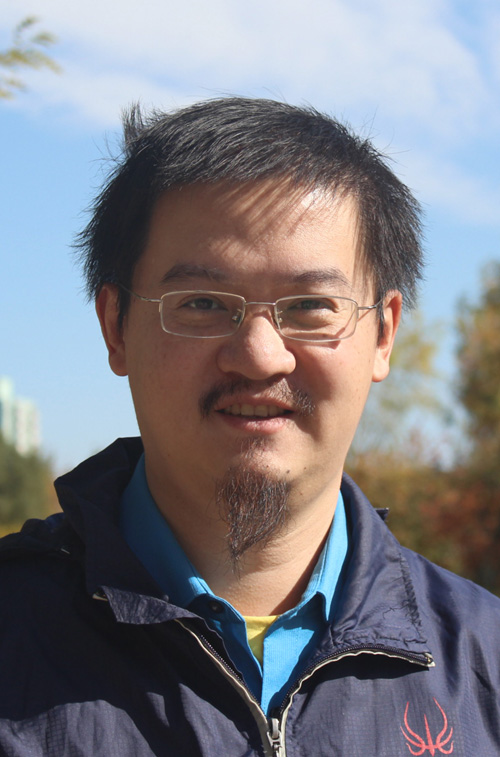 Ke Chen (陈科)合作论文数Institute of Physics, Chinese Academy of Sciences;University of Chinese Academy of Sciences52
 Zhengren Huang (黄政仁)合作论文数The State Key Lab of High Performance Ceramics and Superfine Microstructrure, Shanghai Institute of Ceramics, Chinese Academy of Sciences51
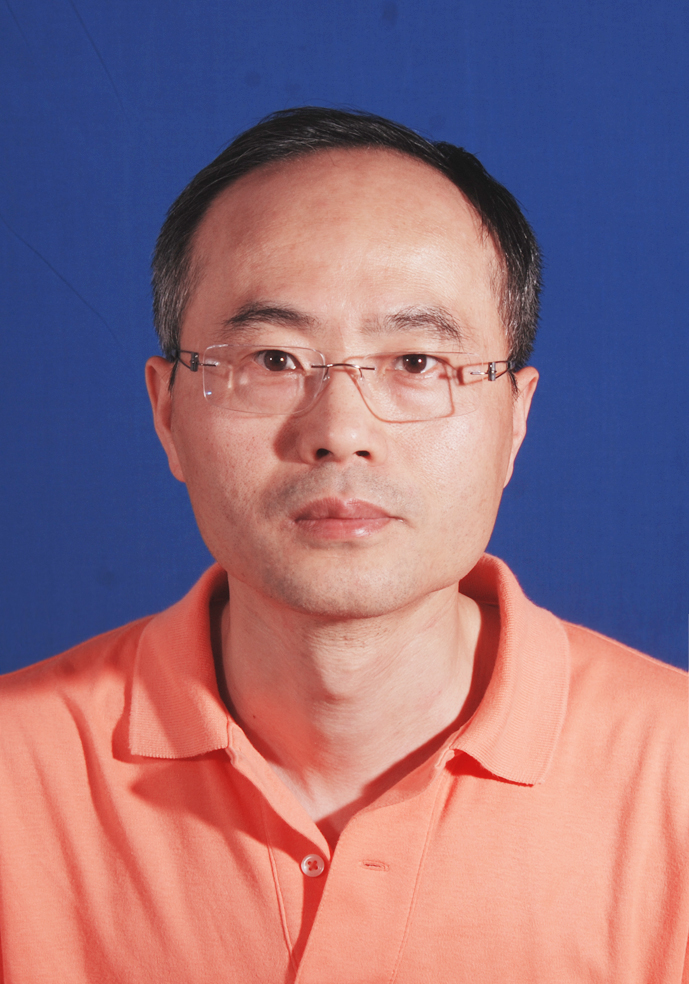 Liu He (何流)合作论文数Ningbo Institute of Materials Technology & Engineering, Chinese Academy of Sciences;Ningbo College of Materials Engineering, University of Chinese Academy of Sciences43
 Guowen Meng (孟国文)合作论文数Institute of Solid State Physics, Hefei Institutes of Physical Science, Chinese Academy of Sciences42
 Kan Luo合作论文数42
 Xian-Hu Zha合作论文数Department of Physics and Materials Science, City University of Hong Kong40
 Jianming Xue (薛建明)合作论文数Institute of Heavy lon Physics, School of Physics, Peking University35
 Jie Zhou合作论文数Mat Design Div, Linkoping Univ31Nianxiang Qiu合作论文数30
 Peng Liu (刘鹏)合作论文数Institute of Frontier and Interdisciplinary Science, Shandong University29
 Xuelin Wang (王雪林)合作论文数Key Laboratory of Particle Physics and Particle lrradiation, Ministry of Education, Shandong University28
 Xueliang Pei (裴学良)合作论文数University of Chinese Academy of Sciences;Ningbo Institute of Materials Technology & Engineering, Chinese Academy of Sciences27
 Yiming Zhang (张一鸣)合作论文数Engineering Laboratory of Advanced Energy Materials, Ningbo Institute of Materials Technology & Engineering, Chinese Academy of Sciences;University of Chinese Academy of Sciences27
 Gaoming Mo (莫高明)合作论文数中国科学院大学宁波材料所26
 Fangfang Ge (葛芳芳)合作论文数Ningbo Institute of Industrial Technology, Chinese Academy of Sciences26
 Jiang Li (李江)合作论文数Shanghai Institute of Ceramics, Chinese Academic of Sciences26
 Yujie Song (宋育杰)合作论文数中国科学院大学宁波材料所25
 Chunyi Zhi (支春義)合作论文数Department of Mechanical Engineering, Faculty of Engineering, The University of Hong Kong25
 Qihuang Deng合作论文数24Wenxin Li (李文新)合作论文数24Xiaojing Bai合作论文数22
 Hao Pei (裴昊)合作论文数School of Chemistry and Molecular Engineering, East China Normal University22
 Long Yan (闫隆)合作论文数Shanghai Institute of Applied Physics, Chinese Academy of Sciences;University of Chinese Academy of Sciences21
 Yao He (何耀)合作论文数Institute of Functional Nano & Soft Materials, Soochow University21
 Yugang Wang (王宇钢)合作论文数School of Physics, Peking University21
 Per Eklund合作论文数Department of Physics, Chemistry and Biology, Linkoping University21Jian He (何建)合作论文数20
 Ying Zhu (诸颖)合作论文数中国科学院大学核科学与技术学院20
 Qin Ouyang (欧阳琴)合作论文数中国科学院宁波材料技术与工程研究所20
 Zhulin Huang合作论文数Key Lab Mat Phys, Chinese Acad Sci, Inst Solid State Phys20Cheng Peng (彭程)合作论文数Shanghai Institute of Applied Physics, Chinese Academy of Sciences;University of Chinese Academy of Sciences19
 Lu Shen合作论文数19
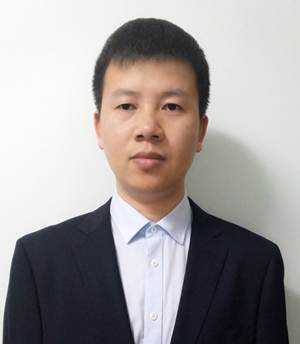 Hefei Huang (黄鹤飞)合作论文数University of Chinese Academy of Sciences;Shanghai Institute of Applied Physics, Chinese Academy of Sciences18
 Li Peng合作论文数18
 Feng Huang (黄峰)合作论文数Ningbo Institute of Industrial Technology, Chinese Academy of Sciences17
 Chenxu Wang (王晨旭)合作论文数School of Physics, Peking University17
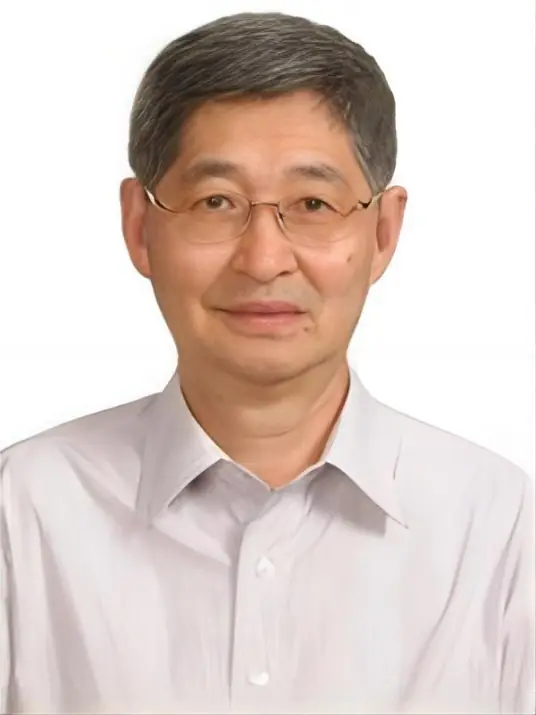 Lian Gao (高濂)合作论文数School of Materials Science and Engineering, Shanghai Jiao Tong University17jianjian li合作论文数16
 Haoming Ding (丁浩明)合作论文数Ningbo Institute of Materials Technology and Engineering, Chinese Academy of Sciences16
 Jing Huang合作论文数CAS Center for Excellence in Nanoscience Beijing Key Laboratory of Micro‐Nano Energy and Sensor, Beijing Institute of Nanoenergy and Nanosystems Chinese Academy of Sciences16
 Lihua Wang (王丽华)合作论文数Institute of Materiobiology, Shanghai University16
 Zhigang Ke (柯志刚)合作论文数College of Food Science and Technology, Zhejiang University of Technology16
 Chunfeng Hu (胡春峰)合作论文数School of Materials Science and Engineering, Southwest Jiaotong University16
 Guanhong Lei合作论文数15




