BACKGROUND:To describe the prevalence of overweight and obesity in adults living with type 1 diabetes and examine the association between biopsychosocial factors according to weight status. METHODS:A single-center, cross-sectional study was conducted in adults with type 1 diabetes attending a tertiary hospital between 2018 and 2020. Participants completed an online survey with validated questionnaires to assess physical activity; measure anxiety and depression; evaluate the perception of health-related quality of life [Spanish version of Diabetes Quality of Life Questionnaire (EsDQoL)], assess eating disorders [Spanish version of Diabetes Eating Problem Survey (EPAD-R)] and measure neuroticism. Sociodemographic data and information from the last outpatient visit regarding diabetes history, long-term complications, current insulin therapy, anthropometric measurements and laboratory data were also included. RESULTS:Data from 459 surveys were available for analysis. Participants had a mean (SD) of age of 44.7 (14.0) years; 55.6% were women; BMI 26.0 (4.7) kg/m2 and the HbA1c was 7.57%. The prevalence of overweight (BMI 25-29.9 kg/m2) and obesity (BMI > 30 kg/m2) was 38.8% and 14.8%, respectively, with 10.6% being class I (30-34.9 kg/m2), 2.2% class II (35-39.9 kg/m2) and 2.0% class III (>40 kg/m2). Older age, living with a child/children, a higher EPAD-R score, a higher total insulin doses, receiving lipid-lowering therapy, and a higher EsDQoL score in the diabetes-related worries dimension were associated with a greater likelihood of living with obesity. CONCLUSIONS:Overweight and obesity are highly prevalent among adults living with type 1 diabetes, and the identified biopsychosocial factors reveals how excess weight arises from complex interactions among demographic, clinical, and psychological influences.
To evaluate whether carotid atherosclerosis predicts future cardiovascular events (CVE) and mortality in adults with type 1 diabetes (T1D) in primary prevention. Cohort study in adults with T1D participating in a cardiovascular risk assessment program that included carotid ultrasound. Eligibility criteria included age ≥ 40 years, diabetic kidney disease regardless of age or diabetes duration, or type 1 diabetes duration ≥ 10 years in the presence of at least one additional cardiovascular risk factor.The primary endpoint was the first CVE. A secondary endpoint was a composite of CVE plus all-cause mortality. Carotid plaque burden and outcomes were analyzed using Kaplan–Meier curves and Cox regression models. 701 individuals were followed for a mean of 5.85 years (mean age 48.5 years; T1D duration 27 years; 51.9
OBJECTIVE:To clarify the distinctions between Latent Autoimmune Diabetes in Adults (LADA) and Type 1 diabetes (T1D) diagnosed < 30 years using continuous glucose monitoring (CGM) metrics, glycation rate, and risk of complications. DESIGN AND METHODS:Multicenter, cross-sectional, observational study including subjects with T1D onset < 30 years (T1D cohort) and those classified as LADA diagnosed ≥ 30 years (LADA cohort) with ≥ 80% CGM coverage 56 days prior to glycated hemoglobin (HbA1c). Logistic regression was used to model the risk of complications. RESULTS:T1D (n = 555) and LADA (n = 890) showed different ages (43 vs. 58 years; P < 0.001), age at diagnosis (16 vs. 43 years; P < 0.001), diabetes duration (26.8 vs. 15.1 years; P < 0.001), HbA1c (7.2 vs. 7.3%; P = 0.017), microvascular complications (35 vs. 23%; P < 0.001), and daily total and basal insulin [0.63 vs. 0.59 U/(kg·d); P = 0.006 and 0.35 vs. 0.32 U/(kg·d); P = 0.002]. After adjusting for diabetes duration, T1D exhibited higher time below range (TBR70: 3.9 vs. 3.0%; P < 0.001; TBR54: 0.5 vs. 0.3%; P < 0.001) and variability [coefficient of variation (CV): 35.6 vs. 34.2%; P < 0.001; within-day CV: 31.4 vs. 30.3%; P < 0.001]. Personal glycation ratio was higher in LADA after adjusting for diabetes duration and body mass index (66.5 vs. 64.9%; P < 0.001). Estimated risks of macrovascular and microvascular complications were higher in LADA than in T1D [12.6% (95% CI 9.7-15) vs. 3.8% (95% CI 2.1-5.6) and 46.1% (95% CI 40.4-52.0) vs. 29.1% (95% CI 25.1-33.5)] after adjusted for diabetes duration. CONCLUSIONS:LADA cohort showed a higher glycation rate and lower time in hypoglycemia and variability. Microvascular complications were more common in T1D, but after adjusting for diabetes duration, macrovascular and microvascular risks were greater in LADA.
Automated insulin delivery systems are effective for the management of type 1 diabetes (T1D). However, analyses of how such effectiveness translates into real-world practice in Spain are lacking. The aim of this study was therefore to examine real-world data generated by users of the MiniMed 780G system with T1D in Spain. The CareLink Personal software program was used to collect data from 16,392 users of the MiniMed 780G system. Outcomes assessed included measures of glycemic control. Comparisons were made between age groups and between pre- and post-advanced hybrid closed-loop (AHCL) system initiation. Additionally, longitudinal data from 12 months of continuous usage were analyzed. Overall, the mean time in range (TIR) was 75.9
Introduction and Objective: Early-onset type 2 diabetes (T2D) is associated with a more adverse cardiometabolic profile and increased cardiovascular (CV) risk. We aimed to characterize cardiovascular risk and subclinical atherosclerosis in young adults with T2D participating in the YOUNG DIABETES program. Methods: Observational study including individuals with T2D diagnosed at ≤50 years and current age ≤55 years enrolled in the YOUNG DIABETES clinical program. Participants underwent clinical and biochemical assessment, CV risk estimation (SCORE2-Diabetes), and carotid ultrasound to detect subclinical atherosclerosis. Results: A total of 179 participants were included; 37% were women. Median age was 45 years [37-50] and diabetes duration 4 years [1-10]. Active smoking was present in 18% and 25% were former smokers. Median BMI was 30.1 kg/m² [26.5-34.3], HbA1c 7.2% [6.4-8.6], LDL-C 101 mg/dL [86-125.3], and calculated CV risk by SCORE2-Diabetes 5.2% [3.9-7]. Carotid ultrasound was performed in 115 participants and identified subclinical atherosclerosis in 31% (20% had 1-2 plaques and 11% ≥3 plaques). Individuals with atherosclerosis were older (49 vs 42.5 years-old, p=0.0001), had longer diabetes duration (8 vs 2.5 years, p=0.0007), and higher HbA1c (7.9 vs 7%, p=0.03), No differences were observed by sex, smoking status, BMI, lipid profile, or calculated CV risk. In multivariate analysis, diabetes duration (OR 1.09 [1.01-1.17] and smoking exposure (OR 1.04 [1.00-1.07]) were independently associated with greater plaque burden. Conclusion: In young adults with T2D, in which SCORE2-Diabetes may underestimate cardiovascular risk, the YOUNG DIABETES program enables comprehensive cardiovascular risk stratification including detection of subclinical atherosclerosis. Carotid plaques were independently associated with longer diabetes duration and smoking exposure, highlighting the importance of early and strict glycemic control and smoking avoidance to reduce cardiovascular risk in young-onset T2D. Disclosure M. Mateu-Salat: Speaker's Bureau; Ended; Novo Nordisk, Daiichi Sankyo, Sanofi. A. Blanco-Carrasco: Speaker's Bureau; Current; Lilly, Novo Nordisk, AstraZeneca, Sanofi, Menarini Group. A. Atzeni: None. M.B. Caballero: None. A. Azketa: None. A. Jiménez Pineda: Other - Conference fees; Ended; Novo Nordisk Canada Inc., Lilly, Daiichi Sankyo. C. Viñals: None. M. Gimenez Alvarez: Speaker's Bureau; Ended; AstraZeneca. Advisory Panel; Current; Abbott Diabetes. Speaker's Bureau; Ended; Lilly Diabetes, Sanofi-Aventis U.S. Advisory Panel; Current; Medtronic. I. Conget: None. E. Ortega: None.
The aim of this work was to analyze the association between baseline glycated hemoglobin (HbA1c) levels and other factors on the risk of first myocardial infarction (MI) and on the risk of first stroke in people with type 2 diabetes (T2D) in Spain. This post hoc analysis of the REPRESENT study used the IQVIA electronic medical records database. Cumulative incidences were estimated using the Kaplan–Meier method, and Cox regression models were used to identify associated risk factors, including gender, age, HbA1c, or prior cardiovascular disease (other than MI/stroke). Median follow-up was 7 years. In people without prior MI/stroke, the incidence (95
OBJECTIVES:Cardiovascular risk factor (CVRF) management and healthy lifestyles protect against cardiovascular disease (CVD), although their impact in type 1 diabetes (T1D) is underexplored. This study aimed to examine the relationship between healthy lifestyle parameters and preclinical atherosclerosis in this population. MATERIALS AND METHODS:Cross-sectional study in individuals with T1D without established CVD, meeting one of the following: ≥ 40 years-old, diabetic kidney disease, or ≥ 10 years duration of T1D with another CVRF. We used a modification of the American Heart Association 'Life's Simple Seven' (AHA-LSS) scoring system, measuring 7 variables (body mass index, smoking, physical activity, Mediterranean diet, LDL-cholesterol, blood pressure, and HbA1c) scoring ranging 0-13 points (higher score, better CVRF profile). Presence of plaques was assessed using carotid ultrasound. Patients were categorised into low (AHA-LSS ≤ 5), medium (AHA-LSS 6-7) and high (AHA-LSS ≥ 8) tertiles. Associations between AHA score and atherosclerosis were assessed using logistic regression models. RESULTS:We included n = 518 individuals (55% women, age 48 ± 11 years, T1D duration 27 ± 11 years, HbA1c 7.49 ± 0.90%, AHA-LLS 6 [5-8]). An inverse relationship was observed between AHA-LSS score and different CVRFs and plaque burden (p < 0.05 for all). This inverse relationship persisted after adjusting for classical and specific-T1D CVRFs not included in the score, both for plaque presence (OR 0.37 [0.20-0.70]) and ≥ 2 plaques (OR 0.30 [0.13-0.68]; p < 0.05). CONCLUSIONS:Holistic control of CVRFs and healthy lifestyles are associated with lower preclinical atherosclerosis prevalence in individuals with T1D. These findings highlight the need to address non-glycaemic factors in this population to improve cardiovascular health.
Type 1 diabetes (T1DM) is an autoimmune disease whose late diagnosis can lead to serious complications such as diabetic ketoacidosis, especially in children. The presence of specific autoantibodies allows for the identification of a presymptomatic phase, opening the door to screening strategies targeting populations at high genetic risk, such as first-degree relatives. This document presents the consensus recommendations of the Spanish Diabetes Society (SED), the Spanish Society of Endocrinology and Nutrition (SEEN) and the Spanish Society of Paediatric Endocrinology (SEEP) on the screening, staging and monitoring of T1DM in preclinical stages. Early identification of the disease will enable a personalised approach to be established, promote health education and, eventually, consider therapeutic interventions that may delay progression to the symptomatic phase. This consensus seeks to establish a common framework for clinical action based on the available evidence, with clear recommendations for its proper implementation.
Background This study aimed to measure the association between time in range (TIR) and other continuous glucose monitoring (CGM)-derived glucometrics, quality of life (QoL), healthcare resource use (HCRU), and costs in persons with type 1 diabetes mellitus (T1DM) in routine clinical practice in Spain. Methods This observational, cross-sectional, multicentre study evaluated persons with T1DM who received insulin via multiple daily injections. The study collected data on the participants (demographic and clinical), the use of the CGM devices, patient-reported outcomes (PROs) for general and diabetes-related QoL, treatment satisfaction, work productivity and activity impairment, HCRU, and costs. Data were analysed descriptively. The Spearman correlation coefficient was used to measure the association between glucometrics and PROs, HCRU and costs. Results Participants (N=114) had a mean age (standard deviation) of 44.53 (14.39) years, were 50.88% men, and 53.51% had glycated haemoglobin ≤7%. A higher TIR was significantly associated with better diabetes-related QoL but not with general QoL. HCRU and PRO scores for treatment satisfaction and work productivity and activity impairment showed no correlation with TIR. Higher TIR correlated with a lower number of emergency room visits. Conclusion Good glycaemic control (high TIR) is favourably associated with some aspects of diabetes-related QoL.
La diabetes tipo 1 (DT1) es una enfermedad autoinmune cuyo diagnóstico tardío puede conllevar complicaciones graves como la cetoacidosis diabética, especialmente en niños. La presencia de autoanticuerpos específicos permite identificar una fase presintomática, abriendo la puerta a estrategias de cribado dirigidas a poblaciones de riesgo genético elevado, como los familiares de primer grado. Este documento presenta las recomendaciones consensuadas de la Sociedad Española de Diabetes (SED), la Sociedad Española de Endocrinología y Nutrición (SEEN) y la Sociedad Española de Endocrinología Pediátrica (SEEP) sobre el cribado, la estadificación y el seguimiento de la DT1 en fases preclínicas. La identificación temprana de la enfermedad permitirá establecer un abordaje personalizado, promover la educación en salud y, eventualmente, considerar intervenciones terapéuticas que puedan retrasar la progresión hacia la fase sintomática. Este consenso busca establecer un marco común de actuación clínica basado en la evidencia disponible, con recomendaciones claras para su adecuada implementación.
Since the arrival of continuous glucose monitoring (CGM), the relationship between the glucose management indicator (GMI) and HbA1c has been a topic of considerable interest in diabetes research. This study aims to explore the association between the GMI/HbA1c ratio and the presence of preclinical carotid atherosclerosis in type 1 diabetes (T1D). Individuals with T1D and no prior history of cardiovascular disease were recruited from two centers. Carotid ultrasonography was performed using a standardized protocol and carotid plaques were defined as intima-media thickness ≥ 1.5 mm. CGM-derived data were collected from a 14-day report. A GMI/HbA1c ratio < 0.90 was selected to identify “fast-glycator” phenotype. A total of 584 participants were included (319 women, 54.6
 Marga Gimenez合作论文数122
 Antonio Amor合作论文数47
 Irene Vinagre合作论文数42
 Clara Vinals合作论文数38
 Perea Verónica合作论文数32Enric Esmatjes合作论文数29
 Carmen Quiros合作论文数28
 Alex Mesa合作论文数26
 Jesus Blanco合作论文数Critical Care Department, Nuevo Hospital Universitario Río Hortega;CIBER de Enfermedades Respiratorias (Instituto de Salud Carlos III), Carretera Soller Km. 12, 07110 Mallorca, Spain;CIBER de Enfermedades Respiratorias (Instituto de Salud Carlos III),, Nuevo Hospital Universitario Río Hortega19
 Daria Roca合作论文数18
 Emilio Ortega合作论文数17
 Adriana Pane Vila合作论文数17
 Merce Vidal合作论文数14
 Josep Vehí合作论文数Instituto de Informática y Aplicaciones, Universitat de Girona14
 Tonet Seres-Noriega合作论文数Hospital Clínic13Laura Boswell合作论文数13
 Hertzel Chaim Gerstein合作论文数Centre for Metabolism, Obesity, and Diabetes Research, Faculty of Health Sciences, McMaster University11Josep Vidal合作论文数10Wayne H-H Sheu合作论文数9
 Lawrence Alan Leiter合作论文数Department of Nutritional Sciences, Temerty Faculty of Medicine, University of Toronto9
 Arthur Bertachi合作论文数Federal University of Technology Paraná9Peter J Raubenheimer合作论文数9
 Jan N. Basile合作论文数Medical University of South Carolina9
 Pogosova Nana合作论文数France Federal Health Centre and Department of Chronic Noncommunicable Diseases Prevention, National Research Centre for Preventive Medicine9
 Jeffrey L. Probstfield合作论文数Clinical Trials Service Unit, Division of Cardiology, University of Washington9
 Fernando Lanas合作论文数Univ La Frontera9Gilles R. Dagenais合作论文数Institut Universitaire de Cardiologie et de Pneumologie de Québec, Université Laval9Casamitjana Roser合作论文数8
 Lars Rydén合作论文数Department of Medicine, Karolinska Institutet8
 Theodora Temelkova-Kurktschiev合作论文数8
 William Cushman合作论文数Department of Preventive Medicine, University of Tennessee Health Science Center;College of Medicine, University of Tennessee8
 Jonathan Shaw合作论文数The Clinical Diabetes and Epidemiology Group, Baker Heart and Diabetes Institute;School of Public Health and Preventive Medicine, Monash University;School of Life Sciences, La Trobe University8Mark C Lakshmanan合作论文数8Irene Pueyo合作论文数7Laura Codina合作论文数7Maite Valverde合作论文数7Eva Meler合作论文数7
 Xavier Urquizu合作论文数7María-José Barahona合作论文数7Castell Conxa合作论文数7
 Margarida Jansa合作论文数7
 Esteban Martinez合作论文数Infectious Diseases Unit, Hospital Clínic-IDIBAPS, University of Barcelona7
 Angels Costa合作论文数7Patricio Lopez-Jaramillo合作论文数7
 Jorge Bondia合作论文数Deparment of Systems Engineering and Control (DISA),, Technical University of Valencia (UPV),7
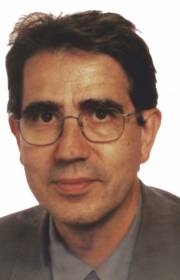 Ramon Gomis合作论文数Endocrinology Unit, Hospital Clínic de Barcelona;Institut d’Investigacions Biomèdiques August Pi i Sunyer;School of Medicine, University of Barcelona7Clara Sola合作论文数6
 Ivan Contreras合作论文数6Eva López合作论文数6




