PURPOSE:Significant correlations exist between the presence of intratumoral macrophages, tumor progression, and poor outcomes in triple-negative breast cancer (TNBC) with limited therapeutic options available for advanced-stage disease. Preclinical studies revealed that inhibition of myelomonocytic colony-stimulating factor 1 (CSF1) or its receptor (CSF1R) plus cytotoxic chemotherapy decreased primary tumor growth kinetics and pulmonary metastases by CD8+ T cell-dependent mechanisms. This translational study evaluated CSF1R inhibition combined with eribulin in metastatic TNBC and explored rational preclinical combination strategies with PD-1/PD-L1 blockade based on clinical immune correlate analyses. PATIENTS AND METHODS:A nonrandomized, open-label phase Ib/2 trial (NCT01596751) evaluated pexidartinib (PLX3397), a CSF1R inhibitor (CSF1Ri), plus eribulin mesylate in heavily pretreated individuals with metastatic TNBC. Clinical efficacy was assessed alongside peripheral blood correlates. Preclinical studies in transgenic mammary adenocarcinoma models examined biomarker-driven therapy combinations. RESULTS:The 12-week progression-free survival rate was 36% (95% confidence interval, 22.2%-58.4%), with 44.8% of patients achieving clinical benefit; a subset experienced disease control beyond 6 months. Patients with partial response or stable disease demonstrated increased baseline leukocyte activation, including enrichment of CD8+ and CD4+ memory T cells and increased PD-1 expression on CD4+ T cells. In preclinical studies, CSF1Ri expanded the therapeutic index of PD-1 blockade, yielding transient tumor regression in ∼60% of mice and a transient expansion of effector and resident memory T cells. CONCLUSIONS:These clinical and preclinical findings provide rationale for therapies to increase the therapeutic index of αPD-1 therapy by diminishing the presence of T cell-suppressive myelomonocytic cells to improve outcomes for patients with refractory disease.
Supplementary Figure S4 related to Figure 4 Immunohistochemical analysis of primary and metastatic tumors, and treatment-related myeloid, B and NK cell density changes in primary mammary tumors
Supplementary Figure S2 related to Figure 2 Peripheral leukocyte density changes following PLX monotherapy and in combination with eribulin over time from phase 2.
PURPOSE:Systematic integration of tobacco cessation treatment within cancer centers is needed to improve smoking cessation outcomes among cancer patients and survivors. The current study characterizes baseline rates of tobacco use, use of cessation support, and changes in tobacco use over time among 756 participants diagnosed with cancer and enrolled in 9 ECOG-ACRIN Cancer Research Group trials. MATERIALS AND METHODS:Participants completed surveys at trial enrollment and at 3- and 6-month follow-ups. Descriptive statistics were used to characterize patient characteristics and selected items from the Cancer Patient Tobacco Use Questionnaire (C-TUQ). Generalized estimating equations were used to examine the time point effect on tobacco product use. RESULTS:At baseline, 11% of participants (n = 740) currently smoked cigarettes. Among participants with data available at all time points (n = 443), prevalence of current smoking was stable over time, with 7.2% of participants (n = 32) reporting current smoking at baseline, 7.0% (n = 31) at the 3-month follow-up assessment, and 6.8% (n = 30) at the 6-month follow-up assessment. Most participants (n = 77/104) who smoked cigarettes within the year prior to their cancer diagnosis continued smoking after their diagnosis, and during (n = 44/72) and following completion (n = 30/46) of their treatment. Sixty-two percent of participants (n = 81) who were currently smoking at baseline reported using smoking cessation medication and 32.1% reported use of nonpharmacologic smoking cessation support since their cancer diagnosis. In longitudinal analyses, the odds of using cigarettes since their cancer diagnosis, 3-month follow-up, and 6-month follow-up was higher than the odds of using cigarettes for the past 30 days at baseline (odds ratio [OR] = 1.97, OR = 1.62, and OR = 1.50, respectively; all ps < .01). CONCLUSION:Smoking persists over time among patients with cancer enrolled in therapeutic cancer trials. Findings highlight the importance of increasing access to integrated and longitudinal smoking cessation support.
A higher incidence of triple negative breast cancer (TNBC) and worse social determinants of health (SDOH) both contribute to racial survival disparities among Black women diagnosed with breast cancer. A post hoc analysis of the ECOG-ACRIN EA1131 study (adjuvant platinum versus capecitabine in stage II-III TNBC with residual disease after neoadjuvant chemotherapy) evaluated racial disparities in disease free survival (DFS) and overall survival (OS) among Black and White patients. Of 415 patients enrolled in EA1131, 376 were included in this analysis (308 White [82%] and 68 Black [18%]). Common characteristics included basal-subtype TNBC (77%), grade 3 disease (71%), residual stage II disease (49%), private insurance (70%), and a BMI ≥30 (49%). There were no racial differences in grade, clinical or pathological stage. Black patients were more likely to have basal-subtype TNBC (89% vs 75%; p=0.009), a BMI ≥30 (62% vs 46%; p=0.026), to reside within the lowest neighborhood socioeconomic index (nSES) quartile (39% vs 22%; p=0.008), and have Medicaid (32% vs 13%; p<0.001) compared to White patients. Despite these differences, there were no significant differences in DFS or OS by race (HR 0.99, 95% CI: 0.62-1.57 and HR 0.60, 95% CI: 0.32-1.12, respectively) among Black and White patients.
Supplementary Fig. S3. Summary of protein expression changes after 24 weeks of endocrine treatment (ET) and/or Palbociclib (palbo) treatment.
Background: Racial disparities in breast cancer outcomes persist despite a decline in overall breast cancer mortality. Black women have a higher incidence of triple negative breast cancer (TNBC), worse social determinants of health (SDOH), and quality of cancer care, which contributes to racial survival disparities. The EA1131 study evaluated patients with clinical stage II-III TNBC with residual disease after completion of neoadjuvant chemotherapy to determine whether invasive disease-free survival (IDFS) would be improved with adjuvant platinum compared with capecitabine. Herein we report a post hoc analysis of EA1131 to evaluate whether racial disparities were observed among patients with residual TNBC. Methods: Our study population included Black and White patients in EA1131. Race was self-reported; participants who identified as part of a racial group with <15 patients or unknown race were excluded from this analysis (n=39). Our primary objective was to evaluate clinicopathological features, basal-subtype, SDOH, and survival outcomes by race in EA1131. The Agency for Healthcare Research Quality (AHRQ) neighborhood socioeconomic index (nSES) was calculated using residential zip codes linked to county level data on occupation, income, poverty, wealth, education, and crowding. Binary and categorical data were analyzed with Fisher’s exact test to evaluate differences in baseline characteristics by race. Cox regression analysis was used to estimate hazard ratios for DFS and overall survival (OS), adjusting for treatment arm, intrinsic subtype (basal vs non-basal), tumor grade, clinical stage prior to neoadjuvant treatment, pathologic stage after neoadjuvant treatment at the time of surgery, BMI, nSES index, and insurance type. Results: Of 415 patients enrolled in EA1131, 376 were included in this analysis (308 White [82%] and 68 Black [18%]). Most patients had basal-subtype TNBC (77%), grade 3 disease (71%), pathologic stage II disease (49%), private insurance (70%), and a BMI ≥30 (49%). There were no racial differences in grade, clinical or pathological stage. Black patients were more likely to have basal-subtype TNBC (89% vs 75%; p=0.009) and a BMI ≥30 (62% vs 46%; p=0.026) compared to White patients. Black patients were more likely to be in the lowest nSES index quartile (39% vs 22%; p=0.008) and have Medicaid (32% vs 13%; p<0.001), while White patients were significantly more likely to have private insurance (73% vs 57%; p=0.013). The median DFS for White patients was 42.6 months compared to 25.1 months for Black patients, but this numerical difference was not statistically significant (p=0.24). There were also no significant differences in DFS or OS by race (HR 1.03, 95% CI: 0.65-1.61 and HR 0.67, 95% CI: 0.36-1.22, respectively), after adjusting for potential confounders. Conclusion: Black patients with residual TNBC enrolled on EA1131 were more likely to have more aggressive basal-subtype tumors, to be obese, and to have lower socioeconomic status. Despite these factors, no significant differences in survival by race were observed. While this analysis was limited due to sample size, one possibility is that enrollment in a clinical trial, by minimizing differences in treatment received, has the potential to mitigate racial inequities in care. Larger studies are necessary to confirm these findings. Citation Format: Moriah Forster, Fengmin Zhao, Sarah Bell, Ingrid A. Mayer, Carlos L. Arteaga, William F. Symmans, Ben H. Park, Brian L. Burnette, Amye J. Tevaarwerk, Sofia F. Garcia, Karen L. Smith, Della F. Makower, Margaret Block, Kimberly A. Morley, Chirag R. Jani, Craig Mescher, Shabana J. Dewani, Bernard Tawfik, Lisa E. Flaum, Erica L. Mayer, William M. Sikov, Eve T. Rodler, Lynne I. Wagner, Angela M. DeMichele, Joseph A. Sparano, Ruth C. Carlos, Antonio C. Wolff, Kathy D. Miller, Sonya Reid. Impact of race, socioeconomic status and clinicopathological features on clinical outcomes in triple negative breast cancer in the ECOG-ACRIN EA1131 trial [abstract]. In: Proceedings of the San Antonio Breast Cancer Symposium 2024; 2024 Dec 10-13; San Antonio, TX. Philadelphia (PA): AACR; Clin Cancer Res 2025;31(12 Suppl):Abstract nr P3-01-02.
Supplemental Table 1 shows cancer types, patient accrual and survey completion rates for parent trials
Supplementary Fig. S2. Comprehensive analysis of protein expression changes before and after endocrine treatment
Context. Approximately 11% of cancer survivors smoke postdiagnosis. Objectives. Understanding the relationship between smoking and perceived cancer-related symptoms may inform tobacco treatment interventions for this population. Methods. From 2017 to 2021, 740 adults in 9 ECOG-ACRIN trials provided baseline data. The effects of smoking status on symptoms were evaluated using logistic regression, adjusting for age, gender, race, performance status, treatment setting, and anxiety. Fisher's exact test was used to compare the prevalence of patients reporting that smoking helps/worsens each symptom by smoking status (current vs. former). Results. Among participants (mean age = 58.8, 93.9% white, 30.3% female, most common cancer types: leukemia [35.5%], lymphoma [19.1%], and prostate [17.7%]), smoking statuses were: 81 current (10.9%), 257 former (34.7%), and 402 (54.3%) never. Patients currently smoking were more likely to experience cough compared to those who formerly (OR = 3.25, P< .0001) or never (OR = 3.70, P< .0001) smoked. Current smoking was associated with greater severity of cough and pain and greater pain interference compared to former and never smoking (OR's > 2.26, P's < .005). Patients currently smoking were more likely to report that smoking helps with nausea (29.4% vs. 1.3%, P< .0001), insomnia (16.4% vs. 0.6%, P< .0001), and pain (16.1% vs. 2.8%, P = .002) compared to those who formerly smoked. Conclusion. Patients currently smoking report greater severity of cancer-related symptoms (i.e., cough, pain) yet were also more likely to believe that smoking helps with nausea, insomnia, and pain. Symptom management should include tobacco cessation, education on smoking and its relationship to symptoms, and strategies to reduce reliance on smoking for symptom relief. (c) 2025 American Academy of Hospice and Palliative Medicine. Published by Elsevier Inc. All rights are reserved, including those for text and data mining, AI training, and similar technologies.
Supplementary Fig. S6. Effect of hormone deprivation and NFKB pathway activation HR+ breast cancer cells.
Supplementary Fig. S4. Schematic of flow cytometry experiments and differential impact of IFNg stimulation on HR+ breast cancer cells.
Despite the availability of numerous treatment options for metastatic estrogen receptor positive breast cancer, additional strategies are needed, particularly when tumors become endocrine resistant. This phase Ib/II study examined the clinical activity and safety of the novel combination of atezolizumab with molecularly targeted therapy inhibiting 1) the Ras/Raf/MEK signaling pathway with cobimetinib in TP53-mutant tumors (arm COBI) or 2) the TP53 regulator MDM2 with idasanutlin in TP53-wild-type tumors (arm IDA). Twelve patients were enrolled before the study closed early due to slow accrual. 2/7 patients in arm IDA had durable responses to treatment. 1/5 patients in arm COBI had stable disease. Interestingly, conservation of tumor-specific HLA-ABC expression was observed in nearly all patients with clinical benefit. There were several grade 3-4 toxicities, particularly cytopenias in arm IDA. While this study was limited by small sample sizes, there were observations of clinical activity, including one exceptional responder, that warrant further investigation.
Supplementary Fig. S8. Comprehensive analysis of fulvestrant and birinapant treatment in HR+ breast cancer cell.
Supplementary Fig. S1. Comprehensive analysis of protein expression data in immune and invasive cancer epithelial regions from in various patient cohorts.
PURPOSE:We report herein a phase Ib trial to determine the safety, tolerability, and antitumor activity of erdafitinib, a pan-FGFR tyrosine kinase inhibitor, with fulvestrant and palbociclib in patients with hormone receptor-positive/HER2-negative metastatic breast cancers (NCT03238196). PATIENTS AND METHODS:Thirteen patients were enrolled on the escalation phase in a traditional 3 + 3 trial design to determine the maximum tolerated dose (MTD). Subsequently, 22 patients were treated at the established MTD during the expansion phase. All patients had received prior treatment with cyclin-dependent kinase-4/6 inhibitors and endocrine therapy, and 29 showed FGFR pathway alterations in their tumors. RESULTS:The MTD of erdafitinib was 6 mg taken orally once daily when combined with palbociclib and fulvestrant. The triple combination showed clinically manageable tolerability. Most common adverse events were neutropenia, likely attributable to palbociclib, and oral mucositis and hyperphosphatemia, attributable to erdafitinib. Three patients showed a partial response, one of them lasting more than 2.5 years, despite lacking detectable FGFR1 to FGFR4 somatic alterations. FGFR1 amplification was not associated with response to FGFR inhibition, but high FGFR1 protein expression, measured by IHC, correlated with longer progression-free survival within the FGFR1-amplified cohort. There was no correlation between FGFR1 copy number and FGFR1 protein levels in specimens from metastatic sites, potentially highlighting the need for a more recent metastatic tumor biopsy for biomarker evaluation. CONCLUSIONS:The trial endpoint was met establishing the MTD of erdafitinib at 6 mg. Whereas the triplet regimen may pose tolerability challenges, alterative doublets with selective FGFR1 inhibitors in patients with FGFR1-dependent tumors, possibly administered in sequence, are worthy of further investigation.
Novel selective estrogen receptor degraders (SERDs) are a promising therapeutic option under investigation for patients with estrogen receptor (ER)-positive/human epidermal growth factor receptor 2 (HER2)-negative breast cancer. The efficacy of novel SERDs in the treatment of advanced disease has prompted investigation into their use in the early disease setting, to reduce breast cancer recurrence. Here, we describe the design and rationale of the phase III, randomized, open-label CAMBRIA-1 and CAMBRIA-2 studies. CAMBRIA-1 and CAMBRIA-2 are comparing the next-generation oral SERD camizestrant versus standard-of-care endocrine therapy (aromatase inhibitors or tamoxifen) in patients with ER-positive/HER2-negative early breast cancer, who are at intermediate or high risk of disease recurrence. CAMBRIA-1 is comparing 5 years of camizestrant versus endocrine therapy in patients who have already received 2-5 years of standard endocrine therapy, with or without cyclin-dependent kinase 4/6 inhibitors, and are without recurrence. CAMBRIA-2 is comparing 7 years of upfront adjuvant camizestrant versus endocrine therapy, with abemaciclib permitted in both treatment arms for the first 2 years. The primary endpoint for both studies is invasive breast cancer-free survival. Secondary endpoints include invasive disease-free survival, distant recurrence-free survival, overall survival, pharmacokinetics, patient-reported outcomes, safety and tolerability.
Background: Invasive lobular carcinoma (ILC) is biologically distinct from invasive ductal carcinoma (IDC). Pre-clinical studies in human cell lines demonstrate that ILC has a unique epigenetic state and estrogen receptor (ER) transcriptional axis, resulting in relative resistance to tamoxifen (T). Retrospective analyses of phase III clinical trials of adjuvant endocrine therapy (ET) (BIG 1-98, SOFT and TEXT) also support this hypothesis, with a greater difference between tamoxifen (T) and an aromatase inhibitor in ILC compared to IDC; PELOPS was designed to prospectively test this hypothesis. Methods: PELOPS was a multi-center randomized phase II trial with both a window and treatment phase. Postmenopausal patients (pts) with early-stage ER+ breast cancer were randomized to a 2- week window of neoadjuvant letrozole (L) or T. Subsequently, pre and postmenopausal pts were randomized 2:1 to 6-cycles of neoadjuvant palbociclib (P) plus ET or ET alone. Histological subtype was among the stratification factors. Primary endpoints included 1) change in Ki67 after two weeks of T or L in the window phase within cohorts of pts with different histological subtypes, and 2) residual cancer burden (RCB) scores between arms in the treatment phase. Wilcoxon-rank sum test with two-sided alpha of 0.05 was used for both endpoints. Event-free survival (EFS) was defined as time from registration to the first event of disease progression precluding surgery, locoregional ipsilateral invasive recurrence, contralateral invasive breast cancer, distant recurrence or death from any cause. Biopsies were collected at baseline, after 2 weeks of ET and at surgery, and were subjected to RNAseq. Gene set variation analysis (GSVA) pathway analysis was performed. Results: A total of 116 pts were evaluable for the window phase of the study (T=58, L=58). The Ki67 log-scale fold change (FC) was significantly lower with L compared to T among pts with both IDC (T: N=27, median FC=-0.121, L: N=28, median FC =-1.26, p=0.0045) and ILC (T: N=25, median FC=-0.452, L: N=25, median FC=-1.8, p=0.0161). In the treatment phase, 188 pts were evaluable (P+ET=128 and ET=60). The RCB scores in the two arms were comparable (median RCB 3.13 and 3.09, p-value = 0.9288). Median follow up was 4.65 years (IQR: 3.66 – 5.56 years), five-year EFS rate was 79.4% (95% CI: 71.2% - 88.5%) for P+ET and 80.9% (95% CI: 70.8% - 92.4%) for ET (hazard ratio 0.97 [95% CI, 0.47-2.00], p=0.926). RNAseq was completed on biopsies from a subgroup of pts highly representative of the entire population (279 biopsies from 97 pts). Most pts had luminal B breast cancers. Hierarchical clustering of baseline samples showed a distinct ILC transcriptome compared to IDC (Fisher’s exact test, p<0.001). Pathway analysis revealed a significant reduction in expression of the cell cycle pathways after two weeks of T in IDC pts (paired T-test, p<0.05). In contrast, T did not suppress the cell cycle in ILC pts (lowest p=0.2). Interaction tests of GSVA changes after T treatment between ILC and IDC met significance or near significance (E2F targets p=0.051; Mitotic Spindle p=0.002; G2M checkpoint p=0.05, unequal variances t-tests). L treatment significantly decreased cell cycle pathways in both ILC and IDC, but other gene expression changes were disparate, underscoring the unique ER axis in ILC. Conclusions: In the neoadjuvant setting, two-week treatment with letrozole achieved a superior reduction in Ki67 compared to tamoxifen in IDC and ILC, however, the addition of palbociclib to ET for 6 cycles did not improve RCB scores. Comprehensive molecular studies of biopsies from PELOPS provides the first prospective evidence of differential responses to T in ILC versus IDC. These results highlight the importance of molecular analyses in neoadjuvant ET trials and warrant trials for the optimization of ET specifically in ILC. Additional gene expression analyses, including data from ET+/- palbociclib will be presented. Citation Format: Rinath Jeselsohn, Douglas Russo, Qingchun Jin, Patrick Kurnia, Jorge Gomez Tejeda, Kavya Prasad, Shira Sherman, Michelle K Demeo, Ying Huang, Jane Brock, Deborah A. Dillon, Tari A. King, Denise Yardley, Ingrid A Mayer, William F Symmans, Chip Stewart, Eric Winer, Nabihah Tayob, Gaddy Getz, Sara M Tolaney, Otto Metzger. Primary results and the transcriptomic analysis of PELOPS, a randomized phase II study of neoadjuvant palbociclib with or without endocrine therapy for breast cancer patients with invasive lobular carcinoma or invasive ductal carcinoma [abstract]. In: Proceedings of the San Antonio Breast Cancer Symposium 2024; 2024 Dec 10-13; San Antonio, TX. Philadelphia (PA): AACR; Clin Cancer Res 2025;31(12 Suppl):Abstract nr PS18-06.
Supplementary Fig. S7. Impact of treatment with fulvestrant, birinapant, and their combination on a PDX model of HR+ breast cancer.
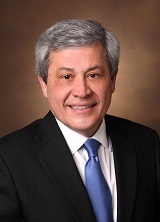 Carlos Arteaga合作论文数Harold C. Simmons Comprehensive Cancer Center, UT Southwestern Medical Center111
 Vandana G. Abramson合作论文数Division of Hematology/Oncology, Department of Medicine, Vanderbilt University Medical Center;Vanderbilt-Ingram Cancer Center, Vanderbilt University Medical Center110
 Hope S. Rugo合作论文数Division of Hematology and Oncology, Department of Medicine, School of Medicine, University of California San Francisco;Helen Diller Family Comprehensive Cancer Center, University of California San Francisco68
 Justin Balko合作论文数Vanderbilt Institute for Infection, Immunology and Inflammation, Vanderbilt University Medical Center;Division of Hematology and Oncology, Department of Medicine, Vanderbilt University Medical Center;School of Medicine, Vanderbilt University64
 Aditya Bardia合作论文数Dana-Farber/Harvard Cancer Center61
 Ingrid M. Meszoely合作论文数61
 Dejan Juric合作论文数MiNDNET;Frankfurt School of Finance & Management;JK GmbH56
 Eric Winer合作论文数School of Medicine, Yale University;Smilow Cancer Hospital53
 Antonio C. Wolff合作论文数School of Medicine, Johns Hopkins University43
 Sara M. Tolaney合作论文数Department of Medical Oncology, Dana-Farber Cancer Institute;Harvard Medical School41
 Mario Campone合作论文数40Melinda Sanders合作论文数38
 Steven J Isakoff合作论文数Skirball Institute for Biomolecular Medicine, New York University Medical Center38
 Melinda E. Sanders合作论文数School of Medicine, Vanderbilt University;Vanderbilt University Medical Center38Erica L. Mayer合作论文数Dana-Farber Cancer Institute, Harvard Medical School35
 Sibylle Loibl合作论文数GBG Forschungs GmbH34
 Linda Vahdat合作论文数Weill Cornell Medical College,New York,USA33
 Matthew P. Goetz合作论文数Mayo Clinic Comprehensive Cancer Center;Department of Oncology, Mayo Clinic32
 Monica Valeria Estrada合作论文数Moores Cancer Center, School of Medicine, University of California San Diego Health Sciences;Department of Pathology, University of California, San Diego32Andres Forero合作论文数32
 Harold Burstein合作论文数Dana-Farber Cancer Institute;Harvard Medical School;Brigham and Women's Hospital29
 Jennifer M. Giltnane合作论文数GSK29A. Bapsi Chakravarthy合作论文数Institute of Imaging Science, Vanderbilt University28
 José Baselga合作论文数Weill Cornell Medical College28
 Valerie Jansen合作论文数27
 Timothy J. Hobday合作论文数Mayo Clinic Comprehensive Cancer Center27
 Pierfranco Conte合作论文数Department of Surgery, Oncology and Gastroenterology, University of Padova27Julie Means-Powell合作论文数27Lori J. Goldstein合作论文数27John H. Ward合作论文数26
 Adam M. Brufsky合作论文数Division of Malignant Hematology and Medical Oncology, Department of Medicine, School of Medicine, University of Pittsburgh;Comprehensive Breast Cancer Center, University of Pittsburgh26
 Joseph A. Sparano合作论文数Tisch Cancer Institute, Icahn School of Medicine, Mount Sinai26
 Jennifer A. Pietenpol合作论文数Department of Biochemistry, School of Medicine, Vanderbilt University;Vanderbilt University Medical Center26
 Lori Pierce合作论文数Department of Radiation Oncology, University of Michigan26
 Otto Metzger合作论文数Dana-Farber Cancer Institute;Harvard Medical School26Mary Lou Smith合作论文数25
 Eva Maria Ciruelos合作论文数25
 Paul Kelly Marcom合作论文数Department of Medicine, Duke University School of Medicine25
 William Fraser Symmans合作论文数Department of Pathology, Division of Pathology/Lab Medicine, The University of Texas MD Anderson Cancer Center;National Cancer Institute Latin American Breast Cancer Clinical Trials25
 Daniel F. Hayes合作论文数Rogel Cancer Center, University of Michigan;Medical School, University of Michigan24
 Benjamin O. Anderson合作论文数School of Medicine, University of Washington24
 Sherene Loi合作论文数Translational Breast Cancer Genomics and Therapeutics Lab, Peter MacCallum Cancer Centre24
 Denise A Yardley合作论文数Sarah Cannon Research Institute24
 William J Gradishar合作论文数Division of Hematology and Oncology, Department of Medicine, Feinberg School of Medicine, Northwestern University;Robert H. Lurie Comprehensive Cancer Center, Northwestern University23
 Fabrice André合作论文数Universite Paris Saclay;Gustave Roussy23
 Sharon H. Giordano合作论文数Department of Health Services Research, Division of OVP, Cancer Prevention and Population Sciences, The University of Texas MD Anderson Cancer Center;Department of Breast Medical Oncology, Division of Cancer Medicine, The University of Texas MD Anderson Cancer Center;Graduate School of Biomedical Sciences, The University of Texas MD Anderson Cancer Center23
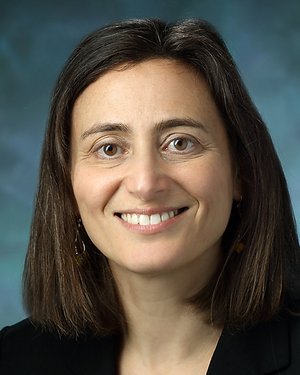 Karen Lisa Smith合作论文数Department of Otolaryngology-Head and Neck Surgery, School of Medicine, Johns Hopkins University22Jhaveri Komal合作论文数22Whelan Tim J合作论文数22




