Supplementary Figure S1. Study design and tissue availability for biomarker analysis.
Supplementary Figure S4. Decision tree algorithm to construct the multiparameter classifier of response in TBCRC023.
Association between week 4 CM and disease status at first restaging after adjusting for CTC
Supplementary Figure S6. Distribution of HER2 gene ratio in relation to PIK3CA mutation status and HER2-enriched subtype.
Association between week 4 CM and disease status at first restaging after adjusting for CEA.
Supplementary Figure 2 displays the relationship between the week 8 CM level and the change in CM level (Week 8 – baseline). Figure S4B and C use box plots to display the relationship between disease status at first restaging and week 8 CM level or change in CM level (Week 8 – baseline).
Supplementary figure 4 displays time updates ROC curves for week 4 CM level using two additional methods (A) binary thresholding and (B) random forest.
Association between week8 CM and change in CM and disease status at first restaging.
Supplementary Figure S2. Distribution of HER2 gene ratio and protein in the two neoadjuvant cohorts.
Supplementary figure 5 displays time updated ROC curves for (A) CM level at week 8, (B) Change in CM level (Week8 – Week4) and (C) the Combination of week 8 CM level and Change in CM level (Week 8-Week 4) using linear discriminant analysis.
Supplementary Figure 3 displays baseline CM level by disease status at first restaging.
Association between week 4 CM and disease status at first restaging after adjusting for CA27-29.
PURPOSELong-term outcomes of patients with stage I human epidermal growth factor receptor 2 (HER2)-positive breast cancer receiving adjuvant trastuzumab emtansine (T-DM1) remain undefined, and prognostic predictors represent an unmet need.METHODSIn the ATEMPT phase II trial, patients with stage I centrally confirmed HER2-positive breast cancer were randomly assigned 3:1 to adjuvant T-DM1 for 1 year or paclitaxel plus trastuzumab (TH). Coprimary objectives were to compare the incidence of clinically relevant toxicities between arms and to evaluate invasive disease-free survival (iDFS) with T-DM1. Correlative analyses included the HER2DX genomic tool, multiomic evaluations of HER2 heterogeneity, and predictors of thrombocytopenia.RESULTSAfter a median follow-up of 5.8 years, 11 iDFS events were observed in the T-DM1 arm, consistent with a 5-year iDFS of 97.0% (95% CI, 95.2 to 98.7). At 5 years, the recurrence-free interval (RFI) was 98.3% (95% CI, 97.0 to 99.7), the overall survival was 97.8% (95% CI, 96.3 to 99.3), and the breast cancer-specific survival was 99.4% (95% CI, 98.6 to 100). Comparable iDFS was observed with T-DM1 irrespective of tumor size, hormone receptor status, centrally determined HER2 immunohistochemical score, and receipt of T-DM1 for more or less than 6 months. Although ATEMPT was not powered for this end point, the 5-year iDFS in the TH arm was 91.1%. Among patients with sufficient tissue for HER2DX testing (n = 187), 5-year outcomes significantly differed according to HER2DX risk score, with better RFI (98.1% v 81.8%, hazard ratio [HR], 0.10, P = .01) and iDFS (96.3% v 81.8%, HR, 0.20, P = .047) among patients with HER2DX low-risk versus high-risk tumors, respectively.CONCLUSIONAdjuvant T-DM1 for 1 year leads to outstanding long-term outcomes for patients with stage I HER2-positive breast cancer. A high HER2DX risk score predicted a higher risk of recurrence in ATEMPT.
AbstractPurpose: The neutralizing peptibody trebananib prevents angiopoietin-1 and angiopoietin-2 from binding with Tie2 receptors, inhibiting angiogenesis and proliferation. Trebananib was combined with paclitaxel±trastuzumab in the I-SPY2 breast cancer trial. Patients and Methods: I-SPY2, a phase II neoadjuvant trial, adaptively randomizes patients with high-risk, early-stage breast cancer to one of several experimental therapies or control based on receptor subtypes as defined by hormone receptor (HR) and HER2 status and MammaPrint risk (MP1, MP2). The primary endpoint is pathologic complete response (pCR). A therapy “graduates” if/when it achieves 85% Bayesian probability of success in a phase III trial within a given subtype. Patients received weekly paclitaxel (plus trastuzumab if HER2-positive) without (control) or with weekly intravenous trebananib, followed by doxorubicin/cyclophosphamide and surgery. Pathway-specific biomarkers were assessed for response prediction. Results: There were 134 participants randomized to trebananib and 133 to control. Although trebananib did not graduate in any signature [phase III probabilities: Hazard ratio (HR)-negative (78%), HR-negative/HER2-positive (74%), HR-negative/HER2-negative (77%), and MP2 (79%)], it demonstrated high probability of superior pCR rates over control (92%–99%) among these subtypes. Trebananib improved 3-year event-free survival (HR 0.67), with no significant increase in adverse events. Activation levels of the Tie2 receptor and downstream signaling partners predicted trebananib response in HER2-positive disease; high expression of a CD8 T-cell gene signature predicted response in HR-negative/HER2-negative disease. Conclusions: The angiopoietin (Ang)/Tie2 axis inhibitor trebananib combined with standard neoadjuvant therapy increased estimated pCR rates across HR-negative and MP2 subtypes, with probabilities of superiority >90%. Further study of Ang/Tie2 receptor axis inhibitors in validated, biomarker-predicted sensitive subtypes is warranted.
 Rita Nanda合作论文数Committees on Genetics and Cancer Biology, University of Chicago71
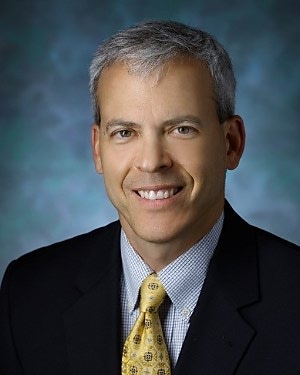 Antonio C. Wolff合作论文数School of Medicine, Johns Hopkins University44
 Ranjana Advani合作论文数Division of Oncology, Department of Medicine, Stanford University;Stanford Cancer Institute42
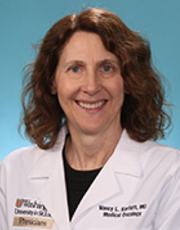 Nancy L. Bartlett合作论文数Divisions of Hematology & Oncology, Department of Medicine, Washington University School of Medicine in St. Louis40
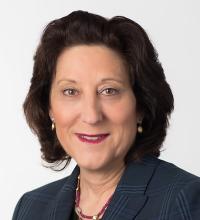 Hope S. Rugo合作论文数Division of Hematology and Oncology, Department of Medicine, School of Medicine, University of California San Francisco;Helen Diller Family Comprehensive Cancer Center, University of California San Francisco38Albert Lobuglio合作论文数36
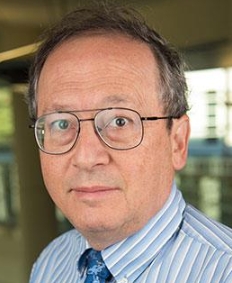 Anthony Elias合作论文数Department of Medicine-Medical Oncology, School of Medicine, University of Colorado34
 Kathy S. Albain合作论文数Stritch School of Medicine, Loyola University;Division of Hematology/Oncology, Loyola University;Loyola Medicine32
 Ingrid A. Mayer合作论文数Breast and Gynecological Cancers, AstraZeneca32
 Donald Buchsbaum合作论文数Department of Radiation Oncology, Heersink School of Medicine, University of Alabama at Birmingham32
 Ian Krop合作论文数Yale Cancer Center;School of Medicine, Yale Univeristy;Harvard Medical School27
 Laura J. Esserman合作论文数Helen Diller Family Comprehensive Cancer Center, University of California San Francisco;Breast Care Center, University of California San Francisco;UCSF Medical Center;The Wisdom Study;Athena Breast Health Network27
 Mothaffar F. Rimawi合作论文数Dan L Duncan Comprehensive Cancer Center, Baylor College of Medicine26Christina Yau合作论文数26
 William Fraser Symmans合作论文数Department of Pathology, Division of Pathology/Lab Medicine, The University of Texas MD Anderson Cancer Center;National Cancer Institute Latin American Breast Cancer Clinical Trials25
 Michelle Melisko合作论文数School of Medicine, University of California, San Francisco;Division of Hematology and Oncology, University of California, San Francisco;Helen Diller Family Comprehensive Cancer Center, University of California, San Francisco25
 Nola Hylton合作论文数School of Medicine, University of California, San Francisco;Department of Radiology and Biomedical Imaging, University of California, San Francisco;Helen Diller Family Comprehensive Cancer Center, University of California, San Francisco25
 Anne M Wallace合作论文数25
 Steven J Isakoff合作论文数Skirball Institute for Biomolecular Medicine, New York University Medical Center25
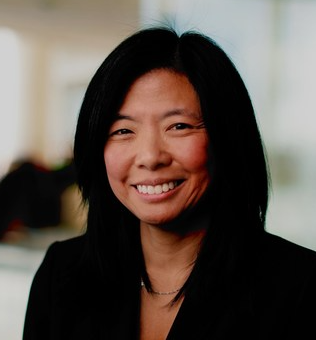 Minetta Liu合作论文数Natera, Inc.25
 Matthew P. Goetz合作论文数Mayo Clinic Comprehensive Cancer Center;Department of Oncology, Mayo Clinic24
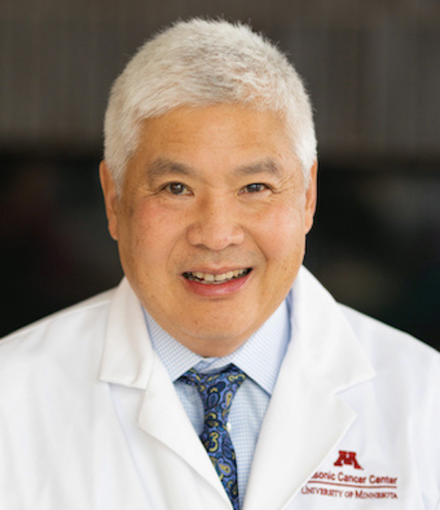 Douglas Yee合作论文数Division of Hematology, Oncology and Transplantation, Department of Medicine, Medical School, University of Minnesota;Masonic Cancer Center, University of Minnesota24Claudine Isaacs合作论文数24Judy C. Boughey合作论文数24Jane Perlmutter合作论文数Gemini Grp, Ann Arbor, MI USA23
 Angela M DeMichele合作论文数Center for Clinical Epidemiology and Biostatistics, University of Pennsylvania;Abramson Cancer Center, University of Pennsylvania;Department of Medicine, Perelman School of Medicine, University of Pennsylvania23
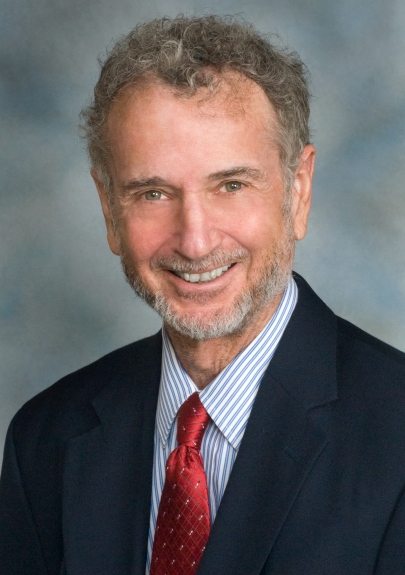 Don Berry合作论文数Berry Consultants, LLC;Department of Biostatistics, Division of Basic Sciences, University of Texas M.D. Anderson Cancer Center;Department of Statistics, Rice University23Chien Amy J合作论文数23
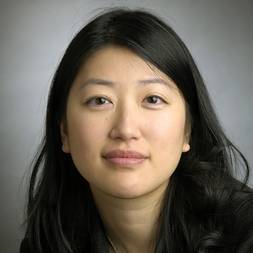 Nancy U. Lin合作论文数Department of Medical Oncology, Dana-Farber Cancer Institute;Harvard Medical School23
 Anas Younes合作论文数AstraZeneca23
 Stephen M. Ansell合作论文数Division of Hematology, Department of Internal Medicine, Mayo Clinic23
 Laura J. van 't Veer合作论文数Helen Diller Family Comprehensive Cancer Center, University of California, San Francisco;School of Medicine, University of California, San Francisco23
 Paul Kelly Marcom合作论文数Department of Medicine, Duke University School of Medicine22
 Vandana G. Abramson合作论文数Division of Hematology/Oncology, Department of Medicine, Vanderbilt University Medical Center;Vanderbilt-Ingram Cancer Center, Vanderbilt University Medical Center22
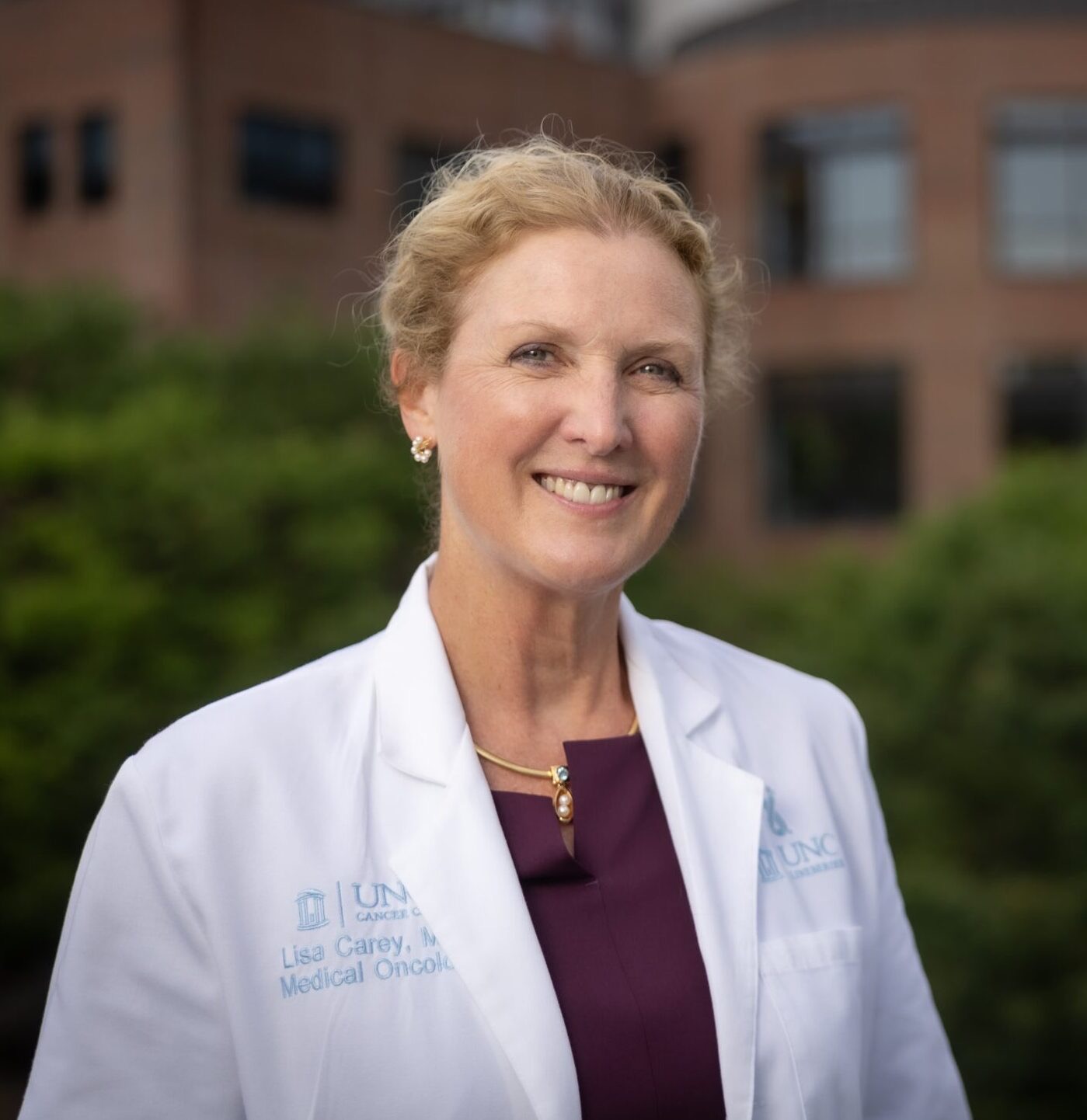 Lisa A. Carey合作论文数Division of Oncology, Department of Medicine, School of Medicine, University of North Carolina at Chapel Hill;Lineberger Comprehensive Cancer Center, School of Medicine, University of North Carolina at Chapel Hill22
 William E. Grizzle合作论文数Heersink School of Medicine, The University of Alabama at Birmingham22Michelle A. Fanale合作论文数22
 Harold Burstein合作论文数Dana-Farber Cancer Institute;Harvard Medical School;Brigham and Women's Hospital21
 Christos Vaklavas合作论文数20
 Amy S. Clark合作论文数Division of Hematology and Oncology, Department of Medicine, Perelman School of Medicine, University of Pennsylvania20Robert T. Chen合作论文数19Smita M Asare合作论文数19
 Eric Winer合作论文数School of Medicine, Yale University;Smilow Cancer Hospital19Ashish Sanil合作论文数Berry Consultants LLC, Austin, TX USA18
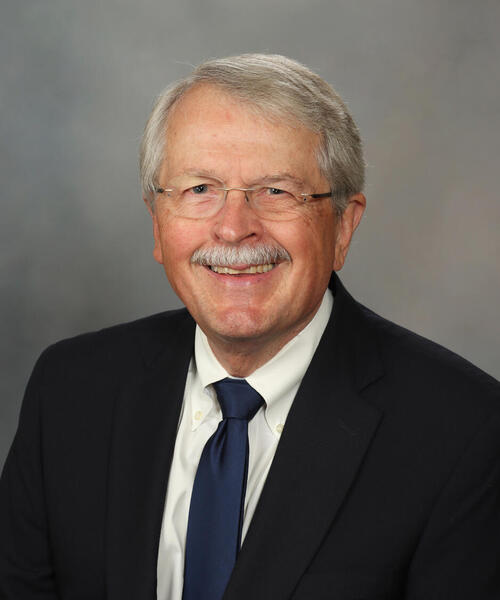 James N. Ingle合作论文数Division of Medical Oncology, Department of Oncology, Mayo Clinic18Li Yufeng合作论文数18
 Clifford A. Hudis合作论文数American Society of Clinical Oncology;Conquer Cancer, The ASCO Foundation18
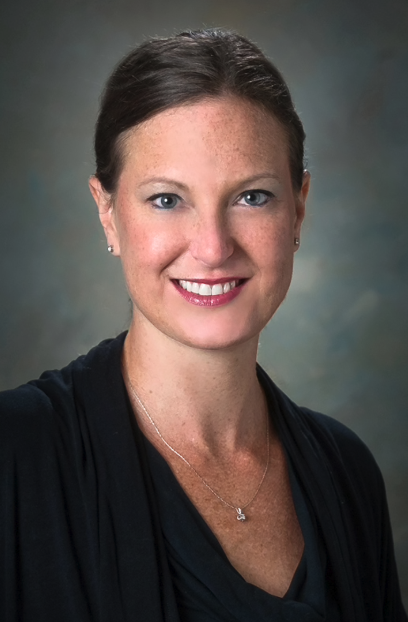 Rebecca C. Arend合作论文数Albert Einstein Cancer Center, Albert Einstein College of Medicine and Montefiore Medical Center18
 Lajos Pusztai合作论文数Department of Internal Medicine, School of Medicine, Yale University18




