Cerebral venous thrombosis (CVT) predominantly affects young adults and frequently presents with headache. Although functional outcomes are generally favorable, many patients report persistent or recurrent headache long after the acute event. This systematic review aimed to assess the prevalence, clinical characteristics, associated factors, and management of long-term headache following CVT. A systematic search of PubMed and Embase (2000–2025) identified studies reporting original data on long-term headache after CVT in adult populations. Case series including fewer than 30 patients were excluded. Given substantial heterogeneity in study design, definitions, and outcome measures, a qualitative synthesis was performed. Fifteen studies including 2,136 patients were analyzed. The reported prevalence of post-CVT headache ranged from 14
Introduction HaNDL syndrome est une pathologie neurologique rare et complexe, caractérisée par des déficits neurologiques focaux transitoires associés à des céphalées pseudo-migraineuses et une méningite lymphocytaire aseptique sur analyse du LCR. Objectifs Cette étude avait pour objectif de décrire les caractéristiques cliniques, biologiques et radiologiques du HaNDL selon une approche standardisée. Méthodes Nous avons mené une étude rétrospective multicentrique dans six centres universitaires français, incluant 46 patients atteints de HaNDL, et recueilli les données cliniques, biologiques et radiologiques. Toutes les IRM cérébrales disponibles ont été réévaluées par un neuroradiologue expérimenté, aveugle aux informations cliniques, afin d’identifier des motifs d’imagerie communs. Résultats Nous avons observé une prédominance masculine (67,4 %), avec un âge moyen de 30,9 ans, sans comorbidités cardiovasculaires. Le type de céphalée le plus fréquent était pulsatile et d’intensité sévère. Les symptômes cliniques prédominants étaient des déficits sensoriels, suivis d’aphasie et de troubles moteurs. L’analyse du LCS révélait une pléiocytose lymphocytaire de 213 cellules/mm3 et une protéinorachie moyenne de 1,09g/L. Tous les patients ont bénéficié d’une IRM cérébrale, avec des anomalies identifiées chez 20 patients, dont 9 correspondaient à des anomalies aiguës, les plus fréquentes étant l’hypoperfusion (n=3) et le signe de la veine corticale (n=3). Discussion Nos résultats confirment les données de la littérature concernant la démographie, la présentation clinique, le profil du LCR et les caractéristiques radiologiques. Dans notre série, près de 60 % des patients ont présenté des épisodes plus courts que le seuil de 4heures défini par les critères ICHD-3, suggérant que cette limite ne reflète pas toujours l’histoire naturelle du syndrome. Conclusion À notre connaissance, il s’agit de la plus grande série de cas à ce jour à rapporter l’évolution du LCR et une réévaluation centralisée des IRM. Des études prospectives plus larges sont nécessaires.
Abstract Background and aims Cerebral venous thrombosis (CVT) affects young adults and frequently presents with headache. Although functional outcomes are generally favorable, many patients report persistent or recurrent headache long after the acute event. This systematic review aimed to assess the prevalence, clinical characteristics, associated factors, and management of long-term headache following CVT. Methods A systematic review was performed using PubMed and Embase (2000–2025). Studies reporting original data on long-term headache following CVT in adult populations were eligible for inclusion. Case series with fewer than 30 patients were excluded. Owing to heterogeneity in study designs, definitions, and outcome measures, a qualitative narrative synthesis was performed. Results Fifteen studies comprising 2,136 patients were included. The reported prevalence of post-CVT headache ranged from 14% to 59%. Headache most commonly resembled primary headache disorders, particularly tension-type and migraine-like phenotypes. Pre-existing headache disorders and depression were associated with post-CVT headache, whereas intracerebral hemorrhage was not. Associations with venous recanalization, thrombosis location, and anticoagulation delay were inconsistent. Secondary mechanisms, such as intracranial hypertension, dural arteriovenous fistula, CVT recurrence, and medication-overuse headache, were identified in some patients. Management strategies were poorly reported. Conclusions Long-term headache is a frequent but under-recognized complication of CVT with potential impact on quality of life. The absence of a standardized definition contributes to heterogeneous reporting. We suggest consideration of a new International Classification of Headache Disorders entity, such as a new or modified recurrent headache attributed to past CVT. Prospective studies using standardized headache assessments are needed to optimize management. Conflict of interest
This opinion paper on the acute treatment of migraine addresses the definition and recognition of acute migraine attacks, highlighting the variety of symptoms and manifestations. It describes the available treatments and guidelines, noting significant country-specific variations. The paper also discusses the prescribers’ knowledge and updates, recognizing the segment-specific differences. Despite nonsteroidal anti-inflammatory drugs (NSAIDs) and triptans being universally recommended as first-line treatments, their visibility in the field has diminished due to the promotion of newer medicines. The authors, a panel of 15 experts from six European countries, emphasize the underutilization of triptans and advocate for their prescription, and also their use in combination with NSAIDs, when NSAIDs alone are not sufficiently effective. The panel specifically considered the sumatriptan succinate–naproxen sodium combination, which was recently introduced in Europe and may be beneficial in patients not responding to NSAIDs, particularly for special patient groups, such as those with menstrual-related acute migraine or migraine attacks with prolonged pain or postdrome. Finally, the consensus highlights the need for individualized treatment plans and the importance of considering patient preferences and specific symptoms, integrating evidence-based recommendations with patient-centered care to optimize migraine management.
In addition to headache, migraine patients often experience sensory hypersensitivity to external stimuli. While photophobia and phonophobia are part of the diagnostic criteria of migraine, many patients also exhibit cutaneous allodynia and osmophobia. However, the presence and intensity of these four hypersensitivities are rarely assessed systematically and simultaneously due to the lack of a simple and rapid self-report questionnaire. We have identified existing questionnaires for allodynia, photophobia and phonophobia and selected one of each, that were translated in French and validated (according to COSMIN’s recommendations). We also proposed a 2-item questionnaire (presence and intensity) for each of these 3 hypersensitivities plus osmophobia, resulting in the 8-item Migraine Hypersensitivity Questionnaire (MHQ-8) exploring these four hypersensitivities. In addition, the headache impact test (HIT-6), the migraine disability assessment (MIDAS) and the hospital anxiety and depression scale (HADS) were also answered. The survey was conducted in Pain and Neurology departments during specialised consultations for headaches. Content validity, structural validity, internal consistency, transcultural validity, reliability, criterion validity, construct validity and responsiveness were tested. Confirmatory factor analysis (CFA) was used to test the dimensionality of the questionnaires. The study sample consisted in N = 329 patients with a mean age of 43.7 ± 13.2 and a mean number of 10.2 ± 7.0 migraine days per month; 84
BACKGROUND:National studies on reversible cerebral vasoconstriction syndrome (RCVS) point to differences between Asian and European patients. We investigated geographic variations in neurological complications, outcomes, and causes. METHODS:We conducted an exploratory analysis of pooled individual patient data from the Reversible Cerebral Vasoconstriction Syndrome International Collaborative network, a multicenter observational cohort study including patients with definite RCVS from 2 French, 32 Italian, 1 South Korean, and 1 Taiwanese centers. Data on demographics, precipitants, symptoms, imaging, treatment, and outcomes were collected. The primary end point was RCVS-associated brain lesions, including ischemic stroke, cortical subarachnoid hemorrhage, intracerebral hemorrhage, posterior reversible encephalopathy syndrome, and subdural hematoma. Secondary end points included unfavorable 3-month outcomes (modified Rankin Scale score ≥1) and causes (idiopathic versus secondary). Odds ratios and 95% CIs were calculated using multivariable logistic regression, adjusting for potential confounders. RESULTS:From 2009 to 2021, we included 1127 patients (528 European and 599 Asian). Recruitment occurred either through emergency settings or outpatient clinics, with most Asian patients recruited from outpatient clinics (65.8%) and most European patients from emergency settings (99.8%). Brain lesions were more frequent in European patients (29.2% versus 6.3%; odds ratio, 4.09 [95% CI, 2.66-6.30]). In a sensitivity analysis restricted to hospitalized patients (n=651), the association persisted. Unfavorable 3-month outcomes (5.5% versus 1.7%; odds ratio, 3.01 [95% CI, 1.35-6.68]) and secondary RCVS (50.4% versus 10.9%; odds ratio, 7.09 [95% CI, 5.14-9.76]) were also associated with European residency. CONCLUSIONS:RCVS presentations vary across regions, with higher lesion rates, more secondary forms, and worse outcomes in European patients. While these exploratory results may reflect selection bias from differing health care structures, further research is needed to determine the contribution of genetic, environmental, and societal factors.
Headache is a common neurological symptom, often leading to the investigation of secondary causes, including cerebrovascular conditions such as cranial and cervical artery dissection (CCAD). CCAD, a significant cause of stroke in younger adults, commonly presents with headache or neck pain, isolated or accompanied by neurological deficits, and may mimic primary headache disorders, complicating timely diagnosis. This review explores the role of headache in CCAD, specifically addressing headache as an initial presentation, its evolution post-dissection, and as a potential risk factor of CCAD. By synthesizing current evidence, the review aims to improve early detection and clinical management of CCAD in headache patients.
La migraine et les céphalées de tension sont des affections très fréquentes. Elles touchent près de trois milliards de personnes dans le monde. La migraine affecte 12 % des Français, avec un pic entre 30 et 40 ans, et constitue l’une des principales causes de handicap à l’échelle mondiale. Sa physiopathologie complexe implique le système trigémino-vasculaire et le CGRP, un médiateur central de la douleur. Les céphalées de tension, encore plus répandues, sont généralement moins invalidantes, même si la forme chronique peut fortement impacter la qualité de vie. Le diagnostic repose sur les critères de l’International Headache Society. Le traitement de la migraine et des céphalées de tension associe des interventions médicamenteuses, de crise et parfois de fond, ajustées à la fréquence et à la sévérité des crises ainsi que des interventions non médicamenteuses. Ces pathologies représentent un enjeu thérapeutique majeur pour les professionnels de santé, et notamment les kinésithérapeutes, appelés à reconnaître ces tableaux cliniques fréquents et contribuer à leur prise en soins pluridisciplinaire.
Les différents types de céphalées, dont la migraine et la céphalée de tension, présentent une prévalence élevée mais restent souvent sous-diagnostiquées ou inadéquatement prises en soins. Les retards diagnostiques – liés aux représentations inappropriées à ce sujet au sein de la population, aux difficultés d’accès et au défaut de formation de certains médecins généralistes et neurologues – participent au risque d’errance thérapeutique. L’approche biomédicale centrée sur la pharmacothérapie montre ses limites, notamment pour les formes de céphalées chroniques. Les kinésithérapeutes, par leur expertise des facteurs musculosquelettiques et leur capacité à effectuer des interventions non médicamenteuses basées sur les données probantes, constituent un levier pertinent de la prise en soins pour une approche intégrative de certaines conditions. Une coordination structurée entre médecins généralistes, neurologues et kinésithérapeutes est essentielle pour optimiser le parcours de soins de ces patients, renforcer la pertinence des interventions et améliorer les résultats cliniques.
The French migraine management recommendations were published in 2021. However, in the last three years, new data have come to light and new drugs have been approved (eptinezumab, rimegepant and atogepant) by the European Medicines Agency that require us to take a position on their use and to update certain elements of the recommendations. The first important message concerns the position of the French Headache Society on the use of preventive treatments (monoclonal antibodies and gepants) targeting the calcitonin gene-related peptide (CGRP) pathway. In terms of efficacy and safety, and as suggested by other national headache societies, these treatments can be offered as first-line treatment, although the scope defined by the French national health authority for possible reimbursement is limited to patients with severe migraine, at least eight headache days per month and for whom two previous preventive treatments have failed. Another important change concerns the position of topiramate as a preventive treatment for migraine in women of childbearing age. This treatment has been proposed as a first-line treatment for chronic migraine. However, recent pharmacovigilance data have highlighted a potential adverse effect on neurodevelopment in children exposed in utero. As a result, this treatment is formally contraindicated during pregnancy and must be used with extreme caution in women of childbearing age (effective contraception, no therapeutic alternative available and annual follow-up as with valproate). It can therefore no longer be offered as first-line treatment for women of childbearing age.
BACKGROUND:Varied responses to acute migraine medications have been observed, with over one-third (34.5%) of patients reporting insufficient headache relief. Sumatriptan-naproxen sodium, a single, fixed-dose combination tablet comprising sumatriptan 85 mg and naproxen sodium 500 mg, was developed with the rationale of targeting multiple putative mechanisms involved in the pathogenesis of migraine to optimise acute migraine care. METHODS:A narrative review of clinical trials investigating sumatriptan-naproxen sodium for both adults and adolescents was performed in March 2024. RESULTS:Across a total of 14 clinical trials in nine publications, sumatriptan-naproxen sodium offered greater efficacy for 2-h pain freedom (14/14) and sustained pain-free response up to 24 h (13/14) compared with monotherapy and/or placebo for both adult and adolescent study participants with an acceptable and well-tolerated adverse effect profile. Clinical trial data also demonstrates the effectiveness of sumatriptan-naproxen sodium in participants with allodynia, probable migraine, menstrual-related migraine and those with poor responses to acute, non-specific, migraine medication. CONCLUSIONS:Multi-mechanistic therapeutic agents offer an opportunity to optimise acute medications by targeting multiple mediators involved in the pathogenesis of migraine. Sumatriptan-naproxen sodium resulted in greater initial and sustained pain freedom, compared with either sumatriptan, naproxen-sodium and/or placebo, for the treatment of single or multiple attacks of migraine across both adult and adolescent study populations.
Reversible cerebral vasoconstriction syndrome (RCVS) has a heterogenous clinical and radiological presentation. We investigated whether RCVS complications vary according to age. In a pooled French cohort of 345 patients with RCVS, we assessed (1) rates of clinical and radiological complications, and (2) the functional outcome at 3 months according to age as a continuous variable, and in young patients aged ≤ 49 years versus those aged ≥ 50 years. The Commission Nationale Informatique et Liberté and the local ethics committee approved this study (registration number: 202100733). The risk for any focal deficit and for any brain lesion were independently associated with increasing age (OR 1.4, 95
Les céphalées cervicogéniques (CGH) se caractérisent par une douleur au-dessus de la tête et sont attribuées à des sources nociceptives du rachis cervical haut telles que les articulations facettaires, les muscles cervicaux, les disques intervertébraux et les racines nerveuses [1]. La performance diagnostique de l’anamnèse détaillée pour la CGH n’a pas été évaluée. Les revues systématiques précédentes n’ont évalué que la précision diagnostique de l’examen physique de la région cervicale [2], [3], [4], [5] ; seul le test de flexion-rotation cervicale (CFRT) s’est avéré avoir un niveau élevé de précision, bien que le niveau de preuve soit faible. L’objectif de cette revue systématique était d’évaluer les preuves disponibles de la prévalence et de la précision diagnostique de l’anamnèse détaillée et des résultats cliniques des CGH chez les adultes souffrant de céphalées. Des recherches ont été menées dans CINAHL, Cochrane Central, Embase, PEDro et PubMed pour identifier des études antérieures à mars 2022 qui rapportaient des caractéristiques de l’anamnèse et/ou des résultats de l’examen clinique liés au diagnostic de la CGH. La sélection des études, l’évaluation du risque de biais (QUADAS-2 et PROBAST) et l’extraction des données ont été effectuées. Des méta-analyses pour le CFRT ont été réalisées. La certitude des preuves a été évaluée avec l’approche GRADE. Onze études ont été incluses. Des preuves de certitude modérée ont indiqué que le CFRT permettait de différencier les CGH des céphalées induites par les facettes cervicales inférieures, des migraines, des céphalées concomitantes ou des sujets asymptomatiques (Se : 83,0 %, 95 %CI : 70,0 %–92,0 % ; Sp : 83,0 %, 95 %CI : 71,0 %–91,0 % ; LR positif : 5,0, 95 %CI : 2,6–9,5 ; LR négatif : 0,2, 95 %CI : 0,1–0,4 ; n = 4 études ; n = 182 participants). Plusieurs classifications diagnostiques et groupes de tests basés sur l’anamnèse des céphalées et les résultats cliniques peuvent être utiles, malgré une précision incertaine, pour formuler le diagnostic de CGH. Des données probantes soutiennent la nécessité d’entreprendre une anamnèse détaillée des céphalées et des signes et symptômes associés et un examen physique du rachis cervical du patient pour diagnostiquer une CGH. Lors de l’examen physique, un CFRT positif ou négatif a un effet faible à modéré sur la probabilité que le patient souffre d’une CGH. La valeur diagnostique des autres résultats reste incertaine.
Introduction: Reversible cerebral vasoconstriction syndrome (RCVS) is a rare, but increasingly recognised cerebrovascular condition with an estimated annual age-standardised incidence of approximately three cases per million. Knowledge about risk factors and triggering conditions and information about prognosis and optimal treatment in these patients are limited. Methods: The REversible cerebral Vasoconstriction syndrome intERnational CollaborativE (REVERCE) project aims to elucidate the epidemiological and clinical characteristics of RCVS by collecting individual patient data from four countries (France, Italy, Taiwan and South Korea) in the setting of a multicentric study. All patients with a diagnosis of definite RCVS will be included. Data on the distribution of risk factors and triggering conditions, imaging data, neurological complications, functional outcome, risk of recurrent vascular events and death and finally the use of specific treatments will be collected. Subgroup analyses will be made based on age, gender, aetiology, ethnicity and geographical region of residence. Ethics and dissemination: Ethical approval for the REVERCE study will be obtained from national or local institutional review boards in the participating centres. When needed, a standardised data transfer agreement will be provided for participating centres. We plan dissemination of our results in peer-reviewed international scientific journals and through conference presentations. We expect that the results of this unique study will lead to better understanding of clinical and epidemiological characteristics of RCVS patients.
Background: The diagnosis of cervicogenic headache (CGH) remains a challenge for clinicians as the diagnostic value of detailed history and clinical findings remains unclear. Objectives: To update and evaluate available evidence of the prevalence and the diagnostic accuracy of the detailed history and clinical findings for CGH in adults with headache. Design: Systematic review with meta-analysis. Methods: CINAHL, Cochrane Central, Embase, PEDro and PubMed were searched for studies before March 2022 that reported detailed history and/or clinical findings related to the diagnosis of cervicogenic headache. Study selection, risk of bias assessment (QUADAS-2 and PROBAST), and data extraction were performed. Meta-analyses for the cervical flexion-rotation test (CFRT) was performed. Certainty of the evidence was assessed with the GRADE approach. Results: Eleven studies were included. Moderate certainty evidence indicated that the CFRT differentiated CGH from lower cervical facet-induced headache, migraine, concomitant headaches or asymptomatic subjects (Se 83.0% [95%CI:70.0%-92.0%]; Sp 83.0% [95%CI:71.0%-91.0%]; positive LR 5.0 [95%CI:2.6-9.5]; negative LR 0.2 [95%CI:0.1-0.4]; n = 4 studies; n = 182 participants). Several diagnostic classifications and test clusters based on headache history and clinical findings can be useful, despite uncertain accuracy, in formulating the diagnosis of CGH. Conclusion: Evidence support to undertake an evaluation of headache history and signs and symptoms and a physical examination of the patient neck to diagnose CGH. During the physical examination, a positive or negative CFRT probably has a small to moderate effect on the probability of a patient having a CGH. The diagnostic value of the other findings remains unclear.
Background. - The overall prevalence of headaches decreases with age; however headaches remain frequent in aged individuals who are also affected by other disorders such as cognitive decline. Despite the high frequency of both conditions in these persons, the association between headaches and cognitive decline is underexplored, underdiagnosed and poorly understood. Objective. - In the present article, we aim to provide a comprehensive review of existing data concerning the link between headache and cognitive decline. Methods. - We undertook a systematic literature review to report articles that focus on headaches (including all types of headaches) and neurocognitive disorders of degenerative causes. Results. - Only 9 studies have explored the association between headaches and neurocognitive decline. Methods were highly variable from population-based study to short series of patients using either database or questionnaire during consultation. Studies focusing on Familial Alzheimer's Disease revealed a very high prevalence of headaches in mutation carrier patients compared to non-carrier patients. Conclusion. - The association between headaches and cognitive decline is underexplored. Future studies are needed to address the pathophysiological mechanisms to improve the treatment of these underestimated headaches.
L’algie vasculaire de la face est une céphalée primaire rare mais extrêmement invalidante. Son diagnostic repose sur des critères cliniques précis, avec des crises répétées et stéréotypées durant 15 à 180minutes, de douleur centrée sur l’œil, associées à des signes dysautonomiques et une agitation. Le traitement de la crise repose sur l’oxygène ou le sumatriptan sous-cutané. Le vérapamil est le traitement de fond de référence ; les corticoïdes, le lithium et les techniques de neuromodulation (non invasives ou invasives en cas d’algie vasculaire de la face chronique réfractaire) peuvent constituer des alternatives thérapeutiques.
The French Headache Society proposes updated French guidelines for the management of migraine. This article presents the third part of the guidelines, which is focused on the non-pharmacological treatment of migraine, including physical exercise, dietary supplements and plants, diets, neuromodulation therapies, acupuncture, behavioral interventions and mindfulness therapy, patent foramen ovale closure and surgical nerve decompression.
 Roos Caroline合作论文数19
 Anne Ducros合作论文数Université De Montpellier;Département De Neurologie, Centre Hospitalier Universitaire De Montpellier19
 Xavier Moisset合作论文数Physiopathologie et Pharmacologie Clinique de la Douleur, Hôpital Ambroise Paré14
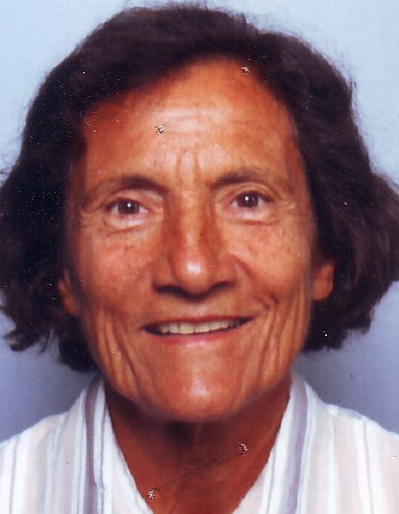 Marie-Germaine Bousser合作论文数Paris-Diderot University11C. Duflos合作论文数8
 Michel Lanteri-Minet合作论文数7Cécilia Burcin合作论文数6
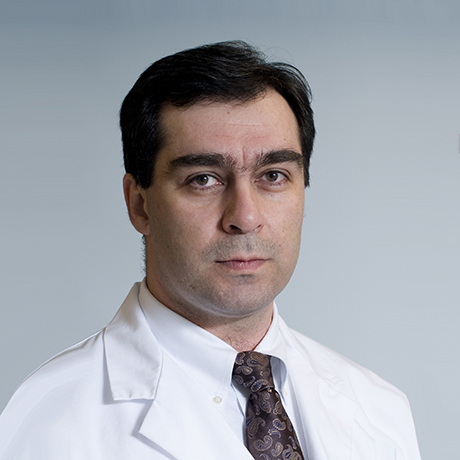 Cenk Ayata合作论文数Massachusetts General Hospital;Mass General Research Institute;Harvard Medical School6A Donnet合作论文数5
 Anthony Demont合作论文数Faculty of Médecine, Université Paris-Diderot5Geneviève Demarquay合作论文数5Ev Guegan-Massardier合作论文数Centre Hospitalier Universitaire Rouen5S De Gaalon合作论文数4C. Lucas合作论文数4
 Simon Lafrance合作论文数Maisonneuve Rosemont Hosp Res Ctr, Univ Montreal Affiliated Res Ctr4
 Andrea Negro合作论文数4
 Daneshmand Ali合作论文数Massachusetts General Hospital, Harvard Medical School;Medical Centre, Leiden University;Massachusetts General Hospital, Harvard Medical School;Harvard Medical School, Leiden University Medical Centre4
 Hugues Chabriat合作论文数Department of Neurology, University Hospital Lariboisiere;Leducq Center Against Small Vessel Disease;Université Paris VII – Denis Diderot4
 P. Giraud合作论文数Hopital Europeen Georges Pompidou4
 Katharina Eikermann-Haerter合作论文数Department of Radiology, Grossman School of Medicine, New York University4
 Dominique Valade合作论文数4
 Johanna Helenius合作论文数Central Hospital, Helsinki University4
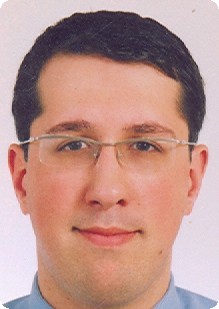 Ethem Murat Arsava合作论文数Department of Neurology, Hacettepe University4C. Burcin合作论文数3L. Pearlman合作论文数3
 Marco Duering合作论文数3Evelyne Guegan-Massardier合作论文数3Solene De Gaalon合作论文数3Ursula Fiedler合作论文数3Christian Lucas合作论文数3
 Kristin Sophie Lange合作论文数3Rosalie Boitet合作论文数3Anne Donnet合作论文数Timone Hosp, Dept Neurol, F-13005 Marseille, France3Marin Grégory合作论文数3
 Martin Dichgans合作论文数Institute for Stroke and Dementia Research, Klinikum der Universität München;Ludwig-Maximilians-Universität München3Vianney Gilard合作论文数Department of neurosurgery, Rouen University Hospital3
 Murat Velioglu合作论文数Departments of Radiology, GATA Haydarpasa Training Hospital3Isabelle Crassard合作论文数3K. S. Lange合作论文数2Eric Bozzolo合作论文数2Elsa Melki合作论文数2Leila Benaissa合作论文数2Bénédicte Noëlle合作论文数2Ross Avery合作论文数2Eléonore Tollard合作论文数2
 Gabrielle Tuloup合作论文数2Thierry Feraud合作论文数2Lou Grangeon合作论文数2Lucas Corti合作论文数2




