Orca-T is a cellular immunotherapy comprising purified donor hematopoietic progenitor stem cells, regulatory T cells (Tregs), and conventional T cells (Tcons). Both Orca-T and post-transplant cyclophosphamide (PTCy) have demonstrated superior graft-versus-host disease (GVHD) control compared to tacrolimus and methotrexate in randomized clinical trials. Orca-T achieves immune tolerance through high-purity regulatory T cells in contrast to broad pharmacological immunosuppression with PTCy regimens. The principal goal of this study was to evaluate the long-term overall survival (OS) of Orca-T compared to PTCy. In this retrospective analysis, long-term survival follow-up was collected from a multicenter Phase 1b study of Orca-T that was initiated in 2019. OS outcomes were evaluated against a cohort of patients receiving PTCy-based GVHD prophylaxis, using a registry dataset obtained from the Center for International Blood and Marrow Transplant Research/NMDP. To ensure comparability, inclusion criteria were aligned with Orca-T Ph3 eligibility, specifically age ≤65 yr, diagnosis of intermediate- or high-risk acute myeloid leukemia or acute lymphoblastic leukemia in complete remission or myelodysplastic syndrome, myeloablative conditioning, and an 8/8 HLA-matched donor. The analysis included 76 Orca-T patients and 360 PTCy patients. Orca-T was associated with significantly higher OS over a 3-yr follow-up period compared to PTCy (hazard ratio [HR] = 0.41; log-rank P = .003). OS at 1, 2, and 3 yr for Orca-T was 96% (95% CI: 88% to 99%), 86% (76% to 92%), and 83% (73% to 90%), respectively. For the PTCy cohort, OS at 1, 2, and 3 yr was 81% (77% to 85%), 72% (67% to 77%), and 66% (60% to 71%), respectively. A propensity score-matched analysis (n = 76/group) confirmed the primary findings (HR = 0.40; log-rank test P = .010), as did a multivariable Cox model adjusted for recipient age, sex, disease, disease risk index, HCT-CI, and donor type (adjusted HR = 0.38; 95% CI 0.21 to 0.71; P = .002). The advantage persisted in sensitivity analyses excluding bone marrow grafts from the comparator and restricting both arms to the overlapping 2019 to 2021 transplant era (HR range across all specifications, 0.36 to 0.48). Three-yr nonrelapse mortality was lower with Orca-T (3.1% versus 10%; Gray's P = .0497), while relapse did not differ significantly; within the PTCy cohort, outcomes did not differ by mycophenolate mofetil use. The OS advantage for Orca-T was consistently observed across age, disease type, and other clinical subgroups. Within the limitations of this retrospective analysis, these results suggest that survival following allogeneic hematopoietic stem cell transplantation may be improved with Orca-T relative to PTCy.
BACKGROUND Allogeneic hematopoietic stem cell transplantation (alloHSCT) is a potentially curative therapy for patients with advanced hematological malignancies. Conventional sources of stem cells contain T cells which promote graft versus leukemia (GvL) and graft versus infection (GvI), but also cause graft versus host disease (GvHD). Prevention of GvHD after alloHSCT routinely necessitates multi-agent immunosuppression consisting of either methotrexate or post-transplant cyclophosphamide (PTCy) combined with a calcineurin inhibitor and additional drugs. However, pharmacological immunosuppression results in poor immune reconstitution and increases the risks of organ damage, infection and disease relapse. Ex vivo pan T cell depletion (TCD) has been used to prevent GvHD without additional pharmacological control; however, the benefits are offset by increased infections and excess non-relapse mortality (NRM), as evidenced in BMT-CTN 1301. Orca-Q is a proprietary, precision engineered allogeneic T-cell immunotherapy designed to maximize GvL and GvI and to minimize GvHD. Here, we report the early clinical data using Orca-Q without any post-transplant pharmacological immunosuppression for GvHD prevention. METHODS Fourteen adult patients with high-risk hematologic malignancies eligible for myeloablative conditioning alloHSCT were enrolled on the HLA-identical donor dose expansion arm of a multicenter phase 1 study of Orca-Q (NCT03802695). HLA-identical donors were defined as related (n=7) or unrelated (n=7) donors with 8/8 match at HLA-A, -B, -C, and -DRB1 using high-resolution DNA typing. Orca-Q was centrally manufactured at the Orca Bio manufacturing site from G-CSF mobilized peripheral blood apheresis. Patients received no pharmacological GvHD prophylaxis. GvHD-free, relapse-free survival (GRFS) was defined as the time from transplant to the first occurrence of any of these events: grade 3-4 acute GvHD (aGvHD), moderate to severe chronic GvHD (cGvHD), disease relapse or death from any cause. RESULTS Orca-Q was successfully manufactured and administered to all recipients with a vein-to-vein time of less than 72 hours. As of July 11, 2024, a total of 14 patients with hematological malignancies had been treated (7 acute myeloid leukemia, 2 acute lymphocytic leukemia, 2 chronic myeloid leukemia, 3 myelofibrosis). Median age was 58.5 years (range 20-65 years), 54% of the patients were male and median follow-up was 21 months (range 1 -35 months). All patients received myeloablative conditioning, either busulfan/fludarabine/thiotepa (BFT; n=11) or total body irradiation-based (TBI; n=3). All patients engrafted with donor cells and the median time for both neutrophil and platelet engraftment was 11 days (range 10-15 days and 10-19 days, respectively). One patient received TBI/etoposide and experienced grade 3 aGvHD that was treated to resolution. This patient subsequently developed secondary graft loss and, as of last follow-up, is still alive without disease relapse. Amongst the others, two had grade 2 aGvHD, one developed mild cGvHD, and none were reported with moderate or severe cGvHD. Two patients experienced a MOP grade 2 infection and one other experienced a MOP grade 3 infection. There were no instances of NRM among the study participants. Within the first year, 2 patients relapsed and died. At 1 year, the actuarial overall survival (OS) and RFS were both 85%, and GRFS was 77%. BFT conditioning has shown promising disease control with Orca-T (Salhotra et al. 2023). Of the 11 Orca-Q patients who received BFT with no GvHD prophylaxis, only 2 had grade 2 aGvHD, none had grade 3 aGvHD, none had chronic GvHD (any grade), and one died from disease relapse at 1 year. The actuarial OS, RFS and GRFS were 90% at 1 year in the BFT subgroup. CONCLUSIONS The administration of Orca-Q without post-transplant pharmacological GvHD prophylaxis has shown promising clinical outcomes at the 1-year follow-up. Orca-Q offers similar benefits as TCD approaches, but without the compromises typically observed with TCD. Specifically, Orca-Q demonstrated low rates of GvHD and rare serious infections, and no NRM was reported. Orca-Q may provide a bridge to immunocompetency and also separate harmful GvHD alloreactivity from beneficial GvT alloreactivity. Disease control may be further augmented by BFT conditioning. The Orca-Q Phase 1 study continues to enroll patients across the US.
6552 Background: Allogeneic hematopoietic stem cell transplants (alloHSCT) offer a potential curative treatment for many hematological cancers, however, traditional alloHSCT is associated with high mortality from complications including infection, graft versus host disease (GvHD) and relapse. Orca-T is an investigational allogeneic T-cell immunotherapy that includes stem and immune cells, derived from allogeneic donors, that leverages highly purified, polyclonal donor regulatory T cells to control alloreactive immune responses. In this sub-group analysis, we evaluated the safety and efficacy of patients with acute myeloid leukemia who were treated with Orca-T. Methods: Data from 37 patients with the diagnosis of acute myeloid leukemia (AML) in CR/CRi who received myeloablative conditioning with busulfan, fludarabine, and thiotepa (BFT) followed by Orca-T by 6/30/22 as part of a multicenter phase 1b single-arm trial (NCT04013685) are reported here. Patients enrolled in the phase 1b trial who did not meet these criteria were not included in this analysis. Patients received BFT prior to Orca-T, followed by single-agent GvHD prophylaxis with tacrolimus, and had an 8/8 related or unrelated matched donor. Donors were matched via DNA-based high-resolution typing of HLA-A, -B, -C, and -DRB1. Results: Orca-T was successfully manufactured at a centralized GMP facility, distributed, and infused at study sites throughout the U.S. Vein-to-vein time (i.e. time between end of donor apheresis to start of recipient’s Orca-T infusion) was < 72 hours for all patients, with the majority < 60 hours. Median age was 51 years, 49% were female and 16% were of Hispanic or Latino ethnicity. Twenty-three (62%) had matched related donors and 14 (38%) had matched unrelated donors. Baseline HCT-CI score was 3 and 4 in 27% and 8% of the patients, respectively. The majority had intermediate DRI scores (89%) and 41% were MRD positive at baseline. The median duration of follow-up was 14 months. Relapse-free survival at 12 months was 81.4% (95% CI: 62.9, 91.2). Non-relapse mortality and overall survival were 0% and 100% at 12 months, respectively. Conclusions: These encouraging results suggest that investigational Orca-T could represent a reduced toxicity alternative to conventional alloHSCT. This combination of Orca-T with myeloablative BFT led to > 80% RFS without treatment related mortality, and 100% overall survival in this AML patient population. These outcomes were accomplished with consistent and reliable cell manufacturing and distribution of Orca-T at a national scale. A multi-center randomized controlled phase 3 trial comparing Orca-T to SOC, utilizing BFT or TBI-based conditioning, will complete enrollment during the first half of 2024. (NCT05316701). Clinical trial information: NCT04013685 .
IntroductionIdentifying an allogeneic hematopoietic cell transplantation (HCT) modality that can reduce graft versus host disease (GvHD), lower non-relapse mortality (NRM), and increase relapse free survival (RFS) is the key to improving outcomes for patients with hematologic malignancies.Recently, the utilization of post-transplant cyclophosphamide (PTCy) as a prophylaxis against GvHD has increased; however, PTCy-based HCTs after myeloablative conditioning are associated with higher toxicities requiring prolonged hospitalization, NRM and relapse at 1-year. Orca-T is a high-precision cell therapy biologic currently under investigation that includes stem and immune cells, derived from allogeneic donors, and leverages highly purified, polyclonal donor regulatory T cells to control alloreactive immune responses. Orca-T is administered with single agent tacrolimus as GvHD prophylaxis. To evaluate the relative efficacy of these treatment regimens, we compared them utilizing existing data from similar patient populations.MethodsPublicly available data was obtained from CIBMTR (Gooptu et al, 2021) and included patients transplanted between 2011-2018 who met the following criteria: GvHD prophylaxis with PTCy and CNI/mycophenolate mofetil, ≥ 18, and AML or ALL in first or second CR, or MDS. Patients with matched unrelated donors (MUD) treated with myeloablative conditioning (MAC) and a GCSF-mobilized PBSC allograft between 2015 – 2018 were included. For comparison, patients ≥ 18 who received Orca-T between 2019-2022 as part of a multicenter Phase 1b single-arm trial (NCT04013685) were included if they had the following diagnosis: AML, ALL, or MPAL in CR/CRi or MDS; had an 8/8 MUD; and received MAC consistent with the Orca-T Phase 3 study (busulfan/fludarabine/thiotepa (BFT), total body irradiation (TBI)/Cy, or TBI/Etoposide).ResultsBaseline characteristics were similar across both groups for age, gender, and disease distribution (Table). The Orca-T group had a significantly higher DRI score.Orca-T demonstrated superior all grade chronic GvHD free survival compared to PTCy (73% vs 54%). 1-year NRM was lower with Orca-T vs PTCy (3% vs 16%). RFS (83% vs 62%) and overall survival (OS) (94% vs 77%) were higher at 1 year with Orca-T; notably, RFS and OS remained high at 2 years for patients treated with Orca-T.ConclusionBased on this retrospective analysis, Orca-T may improve post-HCT outcomes as compared to PTCy based MAC PBSC HCT in patients with acute leukemia and MDS. The positive impact on RFS, NRM and OS, in addition to reduced GvHD seen with Orca-T highlight the importance of identifying treatment approaches that may be beneficial across all key transplant outcomes. A randomized Phase 3 registrational trial evaluating Orca-T is currently ongoing (NCT05316701).
BACKGROUND Immune reconstitution following myeloablative allogeneic hematopoietic stem cell transplant (MA-alloHSCT) is significantly delayed for T cell depleted allografts when compared to T-cell replete allografts, a feature that has been implicated in higher rates and grades of infection, less GVT, and worse overall survival. Orca-T is a high precision cell therapy currently being investigated for the treatment of certain hematological malignancies otherwise treated with MA-alloHSCT. The cellular drug products of Orca-T (HSPCs, Tregs, and Tcons) are administered at high purity, in controlled doses, and on an established schedule with the intent to reconstitute the blood and immune system while controlling GVHD. Here, we present data on the immune reconstitution in 100 adult patients who received Orca-T. METHODS In the context of an ongoing multicenter Phase Ib clinical trial of Orca-T in recipients with hematologic malignancies (NCT04013685), we performed longitudinal measurements (days -28, 28, 56, 100, 180, and 365 post-transplant) of immune reconstitution in the first 100 consecutive patients. With fresh whole blood, clinical 5-part leukocyte differentials were performed at clinical sites, and lymphocyte subset frequencies were measured by flow cytometry in a central lab. Principal component analysis (PCA) was performed to investigate potential associations with recipient sex (male vs. female) and donor relation (related vs. unrelated). RESULTS Longitudinal peripheral blood counts of platelets, WBCs, neutrophils, lymphocytes, monocytes, T cells, B cells, and NK cells are presented in Table 1. T cell and B cell counts were readily observed at days 28 and 56 respectively, and increased with each subsequent time point. Median NK cell levels were observed to be in the normal range at all post-transplant time points. CD4+ T cell and Treg cell counts exhibited similar post-transplant patterns with both being appreciably present at d28 and increasing with each subsequent time point. Strikingly, relative to the level measured in 75 corresponding PBSC donors, the Treg frequency among CD4+ T cells was significantly elevated at all time points post-transplant (Figure 1). Median CD8+ T cell counts increased for the first 6 months post-transplant and then plateaued in the normal range. Upon PCA, very few significant differences were observed in 2-group comparisons of recipient sex and donor relation. CONCLUSIONS Orca-T patients exhibit early immune reconstitution of each of the major leukocyte and lymphocyte subsets hypothesized to control relapse and infection. Concomitantly, elevated Treg frequencies were also observed. This feature of immune reconstitution profiles of Orca-T recipients may be correlated to the reduced occurrence and severity of acute and chronic GVHD in these patients (Meyer et al., EHA 2022, #S237). Similar immune reconstitution profiles were observed in patients of disparate sex and regardless of donor relation. Prospective comparisons of immune reconstitution between Orca-T and standard-of-care patients will be performed in our ongoing phase 3 clinical trial (NCT05316701). Figure 1View largeDownload PPTFigure 1View largeDownload PPT Close modal
^Salhotra, Srour, Lowsky and Abedi contributed equally Background: Allogeneic hematopoietic stem cell transplantation (alloHSCT) can be curative for a variety of malignant and nonmalignant disorders, but until recent years, access has been limited to patients with HLA-matched donors. The increased utilization of post-transplant cyclophosphamide (PTCy) has enabled patients to receive alloHSCT with haploidentical (haplo) related donors; however, high rates of cGVHD following myeloablative conditioning (MAC) regimens and high rates of relapse following reduced intensity conditioning regimens have been observed with this approach. Thus, GVHD-and-relapse free survival (GRFS) rates in this population at 1-year post-transplant remain low. Haplo alloHSCT with PTCy is also associated with high incidence of cytokine release syndrome (CRS) and infections. Orca-Q -an investigational precision engineered cell therapy- represents an alternative strategy which may be administered with single agent prophylaxis and does not require PTCy. The cellular composition of Orca-Q consists of enriched CD34+ stem cells combined with specific T- cell subsets and is intended to reconstitute the blood and immune systems. Orca-Q is hypothesized to reduce GVHD, relapse, and serious infections. Methods: Adult patients (18 to 65 years) with high-risk hematologic malignancies undergoing myeloablative conditioning (MAC) alloHSCT were enrolled between January 2019 to July 2022 on the haplo donor dose expansion arm of a multicenter phase 1 study of Orca-Q (NCT03802695). Haplo was defined as ≥ 4/8 but < 7/8 matched related donor at HLA-A, -B, -C, and -DRB1 typed using DNA-based high-resolution. Patients received only single agent tacrolimus (starting on day -1 and taper day +60 if no GVHD) as GVHD prophylaxis. PTCy was not permitted. The Orca-Q drug product was manufactured centrally at Orca Bio Manufacturing Site in Sacramento, CA from G-CSF mobilized peripheral blood apheresis. Results: The Orca-Q drug product was successfully manufactured and delivered to all subjects with a vein-to-vein time of less than 72 hours. A total of 21 patients (11 AML, 8 ALL, 2 CML in blast crisis) with > 30 days of follow up were included in this analysis. All were 4/8 HLA match at HLA-A, -B, C, and DRB1. Median age of subjects was 44 years (range 21 - 63) and median follow-up was 333 days (range 39 - 1020). Disease risk index (DRI) score was available in 20 showing 2 very high, 3 high, 13 intermediate, and 2 low risk categories. The M:F ratio was 12:9. Patients received either TBI (n=13) or non-TBI (n=8) based MAC regimens. 2 patients had Gr 1 CRS (CTCAE v5). Median neutrophil and platelet engraftment times were 13 days (range 8 - 25) and 16 days (range 12 - 25), respectively. 1 secondary engraftment failure was observed. The estimated incidence of BMT CTN MOP3 infections was 27% at 1 year. The estimated incidence of gr 2-4 aGVHD at 6 months was 14% which compares favorably with literature reports of 21% to 63% for gr 2-4 aGVHD in patients undergoing haplo transplant with PTCy-based prophylaxis.[1-5] Likewise, gr 3-4 aGVHD was rare with Orca-Q with only 1 case of gr 3 aGVHD and no gr 4 aGVHD. Of the 16 patients who had at least 3 months follow up, only 1 developed mild cGVHD. No patients had moderate-to-severe cGVHD, a notable improvement compared to historic rates of 24% to 31% for moderate-to-severe cGVHD with PTCy, despite the fact that Orca-Q patients receive only single agent GVHD prophylaxis.[1-4] 2 patients experienced disease relapse and there was a total of 5 deaths (2 due to relapse, 1 Aspergillus pulmonary infection, 1 respiratory failure associated with renal failure, and 1 COVID infection). GVHD-and-relapse free survival (GRFS) was 71% at 1 year with Orca-Q (Figure 1) which compares favorably to a GRFS of 46% reported by Sanz in the context of MAC haplo alloHSCT with PTCy.[2] Conclusions: Initial Orca-Q data demonstrates good clinical outcomes with single agent tacrolimus and no PTCy or MMF. Patients treated with Orca-Q experienced a low adverse event profile, low incidence and severity of both aGVHD and cGVHD, and improved GRFS rates, offering a potential new treatment option for patients undergoing haplo alloHSCT. This phase 1 study of Orca-Q continues to enroll patients with haplo donors across the US. References (1) Gooptu, M., et al. (2) Sanz, J., et al. (3) Wagner, J.E., et al. (4) Baker, M., et al. (5) Bashey, A., et al. Figure 1View largeDownload PPTFigure 1View largeDownload PPT Close modal
BACKGROUND Allogeneic hematopoietic stem cell transplants (alloHSCT) remain the only curative treatment for many advanced hematologic malignancies; however, despite improvements in donor matching and supportive care, these transplants are associated with significant toxicity and reduced quality of life. Strategies to maintain or enhance the graft-vs-tumor and graft-vs-infection effects while eliminating graft-vs-host disease (GVHD) have long been a key goal in the field. Orca-T is a high-precision, immunotherapy consisting of stem and immune cells, derived from allogeneic donors, that leverages highly purified, polyclonal donor regulatory T cells to control alloreactive immune responses. Orca-T has demonstrated a favorable safety profile and promising control of both relapse and GVHD. METHODS As of 15 July 2022, 180 patients have received Orca-T. Of those patients, 127 have ≥180 days of follow-up and a diagnosis of acute leukemia in CR [AML (n=62), ALL (n=42), mixed phenotype acute leukemia(n=4), CML with prior blast crisis (n=4)], or high risk MDS (n=15). Patients received Orca-T as part of a single-center Phase 2 study (n=32, NCT01660607) or a multicenter Phase 1b study (n=95, NCT04013685). Median follow-up was 387 days (range 41-2062); 72 and 36 patients have > 1 year and >18 months of follow-up, respectively. Patients were aged 19-69 (median 48) and 57% male. Donors were HLA-matched related (n=66) or unrelated (n=61). Patients received investigator's choice of myeloablative conditioning regimens (busulfan-based, n=98; TBI-based, n=29) prior to Orca-T, followed by single-agent GVHD prophylaxis with either tacrolimus (n=124) or sirolimus (n=3). For comparison purposes, an independent CIBMTR-based cohort was identified which consisted of patients with AML, ALL, or MDS who received myeloablative alloHSCT with a PBSC source between 2016-2018 followed by tac/methotrexate PPX. Matching for relapse risk was based on minimal residual disease (MRD) status in acute leukemia patients; development of an additional risk matched CIBMTR comparator based on DRI score and MRD status is ongoing. RESULTS Orca-T was successfully manufactured in a single, centralized GMP manufacturing facility, distributed throughout the U.S., and infused for all patients enrolled. The relapse-free survival was 81% at both 1 year and 18 months in Orca-T recipients. MRD status was determined for 77 patients with acute leukemia by multicolor flow cytometry; of these patients, 31% were MRD+ when they received Orca-T. Amongst MRD- patients (n=53), RFS with Orca-T was 90% at both 1 year as compared to 66% in the CIBMTR cohort (n=324 MRD- patients). Amongst MRD+ patients (n=24), RFS was 68% at one year with Orca-T as compared to 48% in the comparator cohort (n=104). Relapse prevention with Orca-T appeared to be enhanced further with a conditioning regimen consisting of busulfan, fludarabine, and thiotepa ("BFT", n=56 patients, median f/u 342 days); RFS was 90% at 12 months in this group. This included patients with MDS (n=6, 100% RFS at 1 yr), MRD+ acute leukemia (n=14, RFS 73% at 1 yr), MRD- acute leukemia (n=26, RFS 96% at 1 year), and acute leukemia with unknown MRD status (n=11, 91% RFS at 1 yr) (Figure 1). As with relapse, severe infections were low following Orca-T with 11% of patients developing Grade 3 infections per the BMT-CTN grading scale. Median times to neutrophil and platelet engraftment were rapid with Orca-T at 13 and 16 days, respectively; graft failure was rare at 1.6%. Grade ≥ 3 aGVHD and mod/severe cGVHD rates were low with Orca-T at 5% and 6%, respectively, through 1 year post-transplant. Non-relapse mortality was low at 5% at 1 year; NRM with BFT was 0%. Overall, Orca-T shows GRFS of 76% and 69% at 1 year and 18 months post-transplant, respectively; OS was 91% and 86% at these time points post-transplant. No formal statistical comparison to the CIBMTR cohort was performed (Table 1). CONCLUSIONS At more than 1 year of median follow-up, outcomes with Orca-T, a high-precision immunotherapy, demonstrate robust graft-vs-leukemia and graft-vs-infection effects while markedly reducing GVHD and NRM despite MAC. These outcomes were accomplished with consistent and reliable cell manufacturing and distribution of Orca-T at a national scale. A multi-center randomized controlled phase 3 trial comparing Orca-T to SOC, utilizing BFT or TBI-based conditioning, is currently enrolling across the US (NCT05316701). Figure 1View largeDownload PPTFigure 1View largeDownload PPT Close modal
Background Allogeneic hematopoietic stem cell transplants (alloSCT) offer the only curative treatment for many hematological cancers but carry the risk of significant toxicity including graft versus host disease (GvHD). Additionally, while the use of a myeloablative conditioning (MAC) regimen optimizes disease control, it can increase the complications associated with transplant and non-relapse mortality. Therefore, older patients are often deemed unfit for MAC and relegated to treatment with reduced intensity conditioning (RIC) regimens, which result in a higher incidence of relapse. Orca-T is a high-precision cell therapy biologic that includes stem and immune cells, derived from allogeneic donors, that leverages highly purified, polyclonal donor regulatory T cells to control alloreactive immune responses. The specific subsets selected in the Orca-T manufacturing process retain cells with therapeutic benefit while removing those that pose potential risks, allowing for intensification of concomitant chemotherapy and resulting in overall positive outcomes to date in the phase 1b trial (NCT04013685). To assess the safety and efficacy in an older patient population, we compared outcomes in those at least 55 years old to younger patients treated with Orca-T, receiving chemotherapy-based MAC with tacrolimus as single-agent GvHD prophylaxis. Methods As of 6/02/23, 38 patients ≥18 to <55 (younger) and 25 patients ≥55 years of age (older) received Orca-T as part of a multicenter Phase 1b single-arm trial and had the following diagnosis: acute myeloid, lymphoid or mixed phenotype leukemia in CR/CRi, myelodysplastic syndrome or chronic myeloid leukemia that was in chronic phase. Patients with active disease at the time of transplantation and patients with myelofibrosis were not included in this analysis. Patients received a myeloablative regimen consisting of intravenous busulfan, fludarabine, and thiotepa (BFT) prior to Orca-T, followed by single-agent GvHD prophylaxis with tacrolimus, and had an 8/8 related or unrelated matched donor. Donors were matched via DNA-based high-resolution typing of HLA-A, -B, -C, and -DRB1. Results Orca-T was successfully manufactured at a centralized GMP facility, distributed and infused at study sites throughout the U.S. Vein-to-vein time (i.e. time between end of donor apheresis to start of recipient's Orca-T infusion) was < 72 hours for all patients, majority < 60 hours. Median age was 47 in the younger group and 59 in the older group. The younger group was 50% female, and the older group was 36% female. The percentage that were of Hispanic or Latino ethnicity were 11% in the younger group, and 12% in the older group. 8%, 74% and 11% vs 12%, 44% and 32% had ALL, AML and MDS in the younger and older groups, respectively. A greater proportion of patients in the younger group had a baseline HCT-CI score of 0 (53%), while more had a baseline HCT-CI score of 4 (12%) in the older group. The median duration of follow-up for both groups was 12 months (Table). Disease free survival at 1 year was similar in both groups at 89% in the younger patients and 86% in the older patients (Figure). Modified GRFS* rate at 12 months among patients in the younger group was 86% compared to 77% in the older group. Non-relapse mortality at 1 year was 0% in both of these groups who received BFT MAC. Overall survival was high at 100% and 96% at 12 months in the younger and older patients, respectively. There were two patients > 65 when they received Orca-T; both remain alive without evidence of grade 3-4 acute GvHD, moderate to severe cGvHD, or relapse to date. Only 2 patients experienced grade 3 mucositis (no grade 4-5) and 1 younger patient (2.6%) and 1 older patient (4.0%) required total parenteral nutrition. Conclusions Our analysis suggests that Orca-T cell therapy represents a reduced toxicity alternative to conventional transplant and is well-tolerated by patients 55 and older, with comparable clinical outcomes to those 18 - < 55. In both patient groups, relapse incidence was low, with high GRFS. Remarkably, non-relapse mortality was zero at 1 year with excellent overall survival , suggesting that this regimen could potentially improve outcomes for older patients. An ongoing Phase 3 trial evaluating Orca-T vs. standard of care is currently enrolling throughout the United States.
BACKGROUND Allogeneic hematopoietic cell transplant (alloHCT) may be a curative treatment option for patients with myelodysplastic syndrome (MDS). The use of investigational therapies that potentially reduce transplant toxicity could improve outcomes in this patient population with difficult to treat disease. Per CIBMTR, survival after alloHCT for MDS using matched donors is approximately 65% at 1 year and relapse-free survival at 1 year was ~69% in MDS patients in the RICMAC trial who received myeloablative conditioning (MAC). Orca-T is a high-precision cell therapy biologic that includes stem and immune cells, derived from allogeneic donors, that leverages highly purified, polyclonal donor regulatory T cells to control alloreactive immune responses. In this phase 1b study, Orca-T was evaluated in MDS patients who were eligible for transplant per 2017 International Expert Panel recommendations. METHODS As of 03/31/23, 16 patients with intermediate to very high risk (HR) MDS with ≤10% blasts in the bone marrow at the time of transplant had received Orca-T in the phase 1b study. IPSS-M prognostic scores were Low (6%), Moderate Low (6%), Moderate High (19%), High (44%), and Very High (25%). Baseline HCT-CI scores were 0 (n=6), 1 (n=3), 2 (n=2), 3 (n=3), and 4 (n=2). The median f/u was 19.1 months (range 6.3 - 32.2). Patients were aged 43 - 65 (median 59) and 56% female. Donors were 8/8 HLA-matched related (n=7) or unrelated (n=9). Patients received a busulfan-based myeloablative chemotherapy regimen prior to Orca-T, followed by single-agent GvHD prophylaxis with tacrolimus. RESULTS Orca-T was successfully manufactured in a single, centralized GMP manufacturing facility for all patients enrolled, distributed, and infused throughout the U.S. Orca-T was delivered within < 72 hours vein-to-vein (i.e. time between end of donor apheresis to start of recipient's Orca-T infusion). Disease-free survival (RFS) at 12 months was 94% (Figure). At 1 year, no patients had experienced grade ≥ 3 acute GvHD and moderate to severe chronic GvHD had occurred in 2 patients. Modified GRFS (survival free of Grade 3-4 aGvHD, moderate-to-severe cGvHD and relapse) at 12 months was 75%. Non-relapse mortality (NRM) and overall survival (OS) were 0% and 94%, respectively, at 12 months. Additionally, one MDS patient with very poor prognosis, characterized by mutated TP53 and complex karyotype, remains in CR without active signs of acute or cGvHD at 500 days post-alloHCT. CONCLUSIONS Orca-T demonstrated promising results in this HR-MDS patient population, including high RFS, low incidence of GvHD, and very high OS at 1 year. A randomized controlled phase 3 multi-center trial comparing Orca-T to SOC in patients with MDS, AML, and ALL is currently enrolling across the US (NCT05316701).
Srour, Salhotra, Lowsky and Abedi contributed equally as authors BACKGROUND Allogeneic stem cell transplantation (SCT) can be curative for several high-risk hematologic malignancies, but access was previously limited to patients with a fully matched donor. The introduction of post-transplant cyclophosphamide (PTCy) GvHD prophylaxis has increased the use of haploidentical donors (haplo) for patients who lack an HLA-matched donor. However, clinical outcomes associated with PTCy-based regimens remain challenging due to increased relapse rates (particularly in the setting of reduced intensity conditioning) and the adverse event profile including higher incidence of mucositis, cytokine release syndrome (CRS), delayed engraftment & T cell reconstitution, infections, early cardiotoxicity events and death from organ failure (Dulery 2021, Abboud 2021, Nagler 2022, Hoover 2022, Bolaños-Meade 2023). Additionally, the incidence of chronic GvHD after haplo SCT with PTCy is 24 - 33% at 1 year in various historical cohorts. Orca-Q -an investigational precision engineered cell therapy biologic- represents an alternative strategy which may be administered with single agent prophylaxis and does not require PTCy. The cellular composition of Orca-Q includes enriched CD34+ stem cells, combined with specific T-cell subsets, and is intended to reconstitute the blood and immune systems. METHODS Adult patients with high-risk hematologic malignancies eligible for MAC SCT were enrolled on the haplo donor dose expansion arm of a multicenter phase1 study of Orca-Q (NCT03802695). Haplo was defined as ≥ 4/8 but < 7/8 matched related donor at HLA-A, -B, -C, and -DRB1 typed using DNA-based high-resolution. Patients received MAC conditioning and single agent GVHD prophylaxis with tacrolimus (starting on day -1 and taper day +60). Orca-Q was manufactured centrally at Orca Bio Manufacturing Site in Sacramento, CA from G-CSF mobilized peripheral blood apheresis. RESULTS Orca-Q was successfully manufactured and delivered to all subjects with a vein-to-vein time (time between end of donor apheresis to start of recipient's Orca-T infusion) of < 72 hours. A total of 33 patients (21 AML, 10 ALL, 2 CML) were included. Median age was 43 (range, 21 - 63) years, 73% were male. Median follow-up was 375 (range, 73 - 1384) days. Sixteen patients received TBI-based MAC; 17 received busulfan-based MAC (Table). All patients engrafted with median time of 12.0 (range, 8 - 25) and 15.5 (range, 8 - 79) days for neutrophil and platelet engraftment, respectively. Two patients had secondary graft failure. Two patients had Grade 1 CRS; 1 patient had Grade 2 CRS. Grade 2+ aGvHD through Day 180+ occurred in 15% of patients. Grade 3-4 acute GvHD (aGvHD) was rare with only 1 event of grade 3 aGvHD and no grade 4 aGvHD. No patients had moderate-to-severe cGvHD. Estimated incidence of CTCAE grade 2 and > grade 3 infections were 9% and 15% at 1 year, respectively. 5 patients died (2 from relapsed disease) during the study period. NRM was 9% at 1 year. The 1-year relapse-free survival, GvHD-and-relapse free survival (Figure), and overall survival at 1 year was 82%. CONCLUSIONS Our findings reveal promising safety and efficacy outcomes using Orca-Q cell therapy for haplo-SCT despite the use of MAC with only single-agent tacrolimus, and without PTCy. With median follow-up of approximately 1 year, no patients experienced moderate or severe cGvHD, the low AE profile in the haplo setting remains favorable, and 1 year GvHD-free, relapse-free survival of 83% is very encouraging. This phase 1 study continues to enroll patients across the US. REFERENCES Abboud R, Wan F, Mariotti J, et al. Bone Marrow Transplant. 2021;56(11):2763-2770. Bolaños-Meade GM, Hamadani M, Wu J. N Engl J Med. 2023; 388(25):2338-2348. Duléry R, Mohty R, Labopin M, et al. JACC CardioOncol. 2021; 3(2):250-259. Hoover A, O'Leary D, Cao Q, et al. Blood. 2022; 140 (Supplement 1):282-283 Nagler A, Tsirigotis P. Bone Marrow Transplant. 2022; 57(11):1640-1641.
Introduction: Reduced intensity conditioning hematopoietic bone marrow stem cell transplantation (HSCT-RIC) is the only curative option for many hematological malignancies in older/unfit patients. Strategies to minimize complications such as graft versus host disease (GVHD) in HSCT include donor graft engineering but this approach has not been widely tested to the RIC setting due to a potential trade-off between engraftment and reduced GVHD with T cell depletion strategies. Here we present the interim results of our single center Phase I trial evaluating the T cell reduced Orca-T cell therapy product and single agent tacrolimus in the RIC setting. Methods: The trial is a single-center open-label phase 1 feasibility and safety study for dose escalation of conventional T cell (Tcon) infusion. Primary objectives included measuring the incidence of grade III-IV acute GVHD, time of engraftment and donor T cell chimerism at day +30. Secondary objectives are measuring relapse free survival, severity of GVHD and incidence of serious infections. While the study has three independent trial arms depending on donor type (HLA matched related and unrelated, 9/10 HLA matched or haploidentical matched), accrual has focused on the HLA-matched cohort which is reported here. The first 11 patients on this arm were conditioned with fludarabine 40mg/m 2, melphalan 50 mg/m 2 and 4 Gy of total body irradiation (TBI), an additional 4 patients have been treated with thiotepa 10 mg/kg replacing the melphalan. All patients received single agent tacrolimus with a target goal of 6-8 ng/ml. Results: A total of 15 HLA-matched patients have been recruited thus far in this interim dose escalation analysis. The median patient age is 68.0 years (range 62 to 72), with 73% male (11/15) patient distribution. Pre transplant, 53% had acute myeloid leukemia (8/15), 20% had myelodysplastic syndrome (3/15), 13% had acute lymphoblastic leukemia (2/15) and 13% had a myeloproliferative neoplasm (2/15). Prior to transplant, all acute leukemia patients were in complete remission (CR) or CR with incomplete count recovery. Median follow up was 10.4 months for the entire cohort (range 2 to 20 months). 14/15 patients had engraftment by day 20 and 1/15 at day 39 post-transplant. Based on these findings, no dose escalation of Tcon infusion was needed. None of the patients had infusion reactions on day of transplant nor engraftment syndrome. Median percent donor chimerism for CD15 was high, with 100% at day 30 (15/15, range 94% to 100%) and 99% (13/15, patients with available data, range 98% to 100%) at day 90. Median CD3 chimerism at days 30 and 90 of transplant were also high at 99% (15/15, range 68% to 100%) and 99% (for 13/15 patients with available data, range 78% to 100%) respectively. No patients developed grade III-IV acute GVHD ( Fig.), defined <100 days post-transplant. One patient developed grade II aGVHD. In 12 months, the incidence for moderate to severe chronic GVHD was 7%. The 12-month relapse free survival (RFS) is thus far 79% ( Fig.). The cumulative incidence for grade 2 and 3 infections in the first 90 days was 26.7%, where 2 patients died. One patient died at day 180 from liver biopsy complications for late onset hepatic sinusoidal obstruction syndrome. No surviving patient has had disease relapse. Conclusions: These early results demonstrate that Orca-T is a safe and feasible transplant strategy in the RIC setting for patients with advanced hematological malignancies. Patients showed robust and early donor myeloid and eventual full donor T cell engraftment. The low incidence of acute and chronic GVHD with low rates of disease relapse, suggest retention of graft versus leukemia effect. Few studies of donor graft-engineered products have been successfully evaluated in the RIC setting and merits larger multicenter studies evaluatingGVHD-free and RFS post-transplant to validate these findings.
Background: Allogeneic stem cell transplantation (allo SCT) is the only potentially curative therapy for patients with intermediate-2 and high-risk myelofibrosis (MF). Allo SCT for MF has historically been challenging as many patients are transplanted with active or advanced disease and immune reconstitution in MF patients is often hindered by inflammation and bone marrow fibrosis. When compared to non-SCT therapies, MF patients who receive allo SCT achieve long-term survival benefits. However, it comes with an upfront cost of an increased risk of non-relapse mortality in the first year after allo SCT (Gowin K et al, Blood Av 2020). Therefore, there is an unmet need to improve on the early outcomes of transplantation for MF.
Abstract BACKGROUND GVHD and non-relapse mortality (NRM) remain frequent complications of HLA-matched HSCT despite the use of standard immunosuppression like tacrolimus and methotrexate. Alternative GVHD prophylaxis (PPX) strategies like T-cell depletion and post-transplant cyclophosphamide negatively impact relapse, infection, and organ toxicity, and no strategy has yet demonstrated a clear benefit for GVHD-free survival. Orca-T is an investigational cellular product comprising stem and immune cells that leverages highly purified donor regulatory T cells to control alloreactive immune responses. Unlike point-of-care graft engineering approaches, Orca-T is produced in a central GMP laboratory and has been successfully distributed to multiple centers across in the U.S. Early clinical trials using Orca-T showed a good safety profile, promising GVHD control, and potentially improved immune reconstitution. Here, we present trial results from both a single-institution Phase 1/2 trial that has completed enrollment and an ongoing multicenter Phase 1b trial. METHODS As of 28 July 2021, 113 patients aged 18-72 have received Orca-T for AML, ALL, MDS, lymphoma, or myelofibrosis. We present here data from 80 patients that have ≥90 days follow-up. 28 and 52 patients, respectively, received Orca-T followed by single-agent GVHD prophylaxis on a single-center Phase 2 study (NCT01660607) and a multicenter Phase Ib (NCT04013685). Orca-T products were derived from HLA-matched related (n=46) or unrelated (n=34) donors. Patients received a variety of myeloablative conditioning regimens (e.g., non-TBI, n=66; TBI-based, n=14) followed by single-agent PPX with either tacrolimus (n=73) or sirolimus (n=7). Median follow-up for these patients is 541 days (single-center) and 248 days (multicenter). We identified a contemporaneous SOC cohort, and we reported on their clinical outcomes at Stanford (n=95) with both matched related (n=52) and unrelated (n=43) transplant recipients who received unmanipulated PBSC products (median f/u 546) and methotrexate plus tacrolimus prophylaxis. RESULTS The Orca-T investigational cell therapy was manufactured reliably, delivered in less than 72 hours for all patients, and every patient enrolled received Orca-T. The Treg drug product was characterized by high Treg purity of 93.8% +/- 3.1% and a dose of 2.6 +/- 0.4 x 10⁶ per kg (equivalent between trials). An Orca-T product was produced and infused for all patients, and there were no logistics failures or infusion reactions. All patients engrafted and Orca-T patients showed earlier neutrophil (median of 12 days vs. 14 days, p<0.0001 by Mann-Whitney U) and platelet engraftment (14 vs 17 days, p<0.0001) compared to SOC. On the single-center, Phase 2 clinical trial study at Stanford there is evidence of improved 1-year GVHD and relapse-free survival (GRFS) which was 77% (CI 51-88%) for Orca-T patients vs 34% (CI 25-44%) with SOC (Figure 1A). We observed improved rates of >grade 2 acute GVHD at Day +180 (aGVHD, 14% versus 33%), moderate-to-severe chronic GVHD at 1 year (4% versus 42%) and NRM at 1 year (0% versus 13%). Relapse-free (RFS) and overall survival (OS) trended upwards for Orca-T. Severe infectious complications were rare. Key clinical results from both Orca-T trials are summarized in Table 1; 23 of 80 patients had ≥1 year follow-up. Consistent with findings from the single-institution study, on the multicenter study, rates of moderate-to-severe cGVHD and non-relapse mortality were low at 1-year post-transplant at 3% and 4%, respectively. For all patients who received Orca-T across both studies, we observed GRFS of 72% (Figure 1B), RFS of 78%, and OS of 91% at 1 year. These survival rates compare favorably to the contemporaneous SOC control (33%, 71% and 78%, respectively). Immune reconstitution in Orca-T patients with single agent tacrolimus appears similar to SOC except for observable differences in the IL-2 pathway. CONCLUSIONS Manufacture of high precision Orca-T investigational cell therapy drug products was scaled in a central GMP with reliable distribution to centers. Patients that received Orca-T and single-agent PPX showed significantly reduced aGVHD, cGVHD and NRM. Orca-T shows promise to improve GRFS and other transplant outcomes. Orca-T has been granted Regenerative Medicine Advanced Therapy status by the FDA, and a phase 3 prospectively, randomized study is planned. Figure 1 Figure 1. Disclosures Gandhi: Gamida Cell: Consultancy, Membership on an entity's Board of Directors or advisory committees; CareDx Inc: Honoraria. Muffly: Pfizer, Amgen, Jazz, Medexus, Pfizer: Consultancy; Astellas, Jasper, Adaptive, Baxalta: Research Funding; Adaptive: Honoraria, Other: fees for non-CME/CE services: , Research Funding. Shiraz: Kite Pharma-Gilead: Research Funding. Mehta: Kadmon: Research Funding; Incyte: Research Funding; CSLBehring: Research Funding; Syndax: Research Funding. McGuirk: Allovir: Consultancy, Honoraria, Research Funding; Novartis: Research Funding; Magenta Therapeutics: Consultancy, Honoraria, Research Funding; Gamida Cell: Research Funding; Kite/ Gilead: Consultancy, Honoraria, Other: travel accommodations, expense, Kite a Gilead company, Research Funding, Speakers Bureau; Juno Therapeutics: Consultancy, Honoraria, Research Funding; EcoR1 Capital: Consultancy; Bellicum Pharmaceuticals: Research Funding; Pluristem Therapeutics: Research Funding; Fresenius Biotech: Research Funding; Astelllas Pharma: Research Funding; Novartis: Research Funding. Waller: Verastem Oncology: Consultancy, Research Funding; Cambium Oncology: Current holder of individual stocks in a privately-held company, Current holder of stock options in a privately-held company. Arai: Magenta Therapeutics: Research Funding. Rezvani: US Department of Justice: Consultancy; Nohla Therapeutics: Other: One-time scientific advisory board; Pharmacyclics-Abbvie: Research Funding; Kaleido: Other: One-time scientific advisory board. Weng: Kite Pharma: Research Funding. Miklos: Adaptive Biotechnologies, Novartis, Juno/Celgene-BMS, Kite, a Gilead Company, Pharmacyclics-AbbVie, Janssen, Pharmacyclics, AlloGene, Precision Bioscience, Miltenyi Biotech, Adicet, Takeda: Membership on an entity's Board of Directors or advisory committees; Pharmacyclics, Amgen, Kite, a Gilead Company, Novartis, Roche, Genentech, Becton Dickinson, Isoplexis, Miltenyi, Juno-Celgene-Bristol Myers Squibb, Allogene, Precision Biosciences, Adicet, Adaptive Biotechnologies: Research Funding; Kite, a Gilead Company, Amgen, Atara, Wugen, Celgene, Novartis, Juno-Celgene-Bristol Myers Squibb, Allogene, Precision Bioscience, Adicet, Pharmacyclics, Janssen, Takeda, Adaptive Biotechnologies and Miltenyi Biotechnologies: Consultancy; Pharmacyclics: Patents & Royalties. Frank: Kite-Gilead: Membership on an entity's Board of Directors or advisory committees; Adaptive Biotechnologies: Research Funding; Allogene Therapeutics: Research Funding. Fernhoff: Orca Bio: Current Employment. Putnam: Orca Bio: Current Employment. McClellan: Orca Bio: Current Employment, Current holder of individual stocks in a privately-held company, Current holder of stock options in a privately-held company. Shaw: Orca bio: Consultancy; mallinkrodt: Other: payments. Abedi: Seattle Genetics: Speakers Bureau; BMS/Celgene: Membership on an entity's Board of Directors or advisory committees, Speakers Bureau; Abbvie: Speakers Bureau. Meyer: Triursus Therapeutics: Current holder of stock options in a privately-held company; GigaImmune: Current holder of stock options in a privately-held company; Orca Biosystems: Research Funding; Indee, Jura: Consultancy.
 Everett Meyer合作论文数Department of Medicine, Stanford University13
 Nathaniel B. Fernhoff合作论文数12
 Anna Pavlova合作论文数Blutspendedienst Frankfurt/M. D-Frankfurt10Arpita Gandhi合作论文数9Samer Srour合作论文数9
 Edmund Waller合作论文数Department of Hematology and Medical Oncology, School of Medicine, Emory University;Winship Cancer Institute, Emory University9Rasmus T Hoeg合作论文数8Mehrdad Abedi合作论文数8
 Robert Lowsky合作论文数Blood and Marrow Transplantation & Cellular Therapy Division, Stanford School of Medicine, Stanford University8
 Jeremy M Pantin合作论文数6
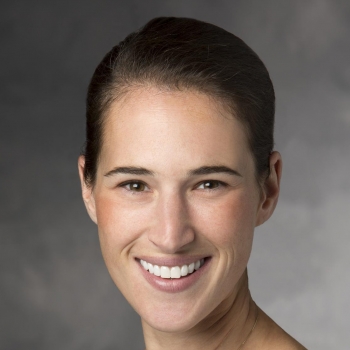 Lori Muffly合作论文数Blood & Marrow Transplantation & Cellular Therapy Division, Department of Medicine, School of Medicine, Stanford University;Stanford Cancer Institute, School of Medicine, Stanford University6
 Robert Negrin合作论文数Blood & Marrow Transplantation & Cellular Therapy Division, School of Medicine, Stanford University6
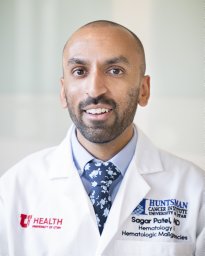 Sagar Patel合作论文数6Amandeep Salhotra合作论文数Department of Medicine, Tufts University School of Medicine6
 Dholaria Bhagirathbhai合作论文数Department of Medicine, Vanderbilt University School of Medicine;Vanderbilt‐Ingram Cancer Center5Irene Agodoa合作论文数4Shiraz Parveen合作论文数3Rohtesh S. Mehta合作论文数3Anna Moroz合作论文数2John S Tamaresis合作论文数2Caspian Oliai合作论文数2Rawan Faramand合作论文数Blood and Marrow Transplantation and Cellular Immunotherapy, H. Lee Moffitt Cancer Center and Research Institute2
 Alexandra Gomez Arteaga合作论文数Joan and Sanford I. Weill Department of Medicine, Weill Cornell Medicine, Cornell University2Rezvani Andrew R合作论文数2Matthew Frank合作论文数Medicine Department, Stanford University2
 Sally Arai合作论文数Blood and Marrow Transplantation and Cellular Therapy Division, School of Medicine, Stanford University2
 David Miklos合作论文数Blood and Marrow Transplantation & Cellular Therapy Division, School of Medicine, Stanford University;Stanford Cancer Institute, School of Medicine, Stanford University2
 Wen-Kai Weng合作论文数Blood and Marrow Transplantation & Cellular Therapy Division, School of Medicine, Stanford University;Department of Dermatology, School of Medicine, Stanford University2
 Laura Johnston合作论文数Department of Medicine, Stanford University2
 Joseph P. McGuirk合作论文数University of Kansas Medical Center;The University of Kansas Health System2
 Betty K. Hamilton合作论文数Department of Medicine, School of Medicine, Case Western Reserve University;Case Comprehensive Cancer Center, Case Western Reserve University;Department of Hematology and Medical Oncology, Cleveland Clinic1Bronwen E Shaw合作论文数1Sushma Bharadwaj合作论文数1Amy Putnam合作论文数1Melody Smith合作论文数1Vaibhav Agrawal合作论文数Gehr Family Center for Leukemia Research, City of Hope Comprehensive Cancer Center1Cameron S Bader合作论文数1Alejandro Villar-Prados合作论文数1
 Ayman Saad合作论文数1Sutherland Katherine合作论文数1Tamari Roni合作论文数1Teque Fernando合作论文数1
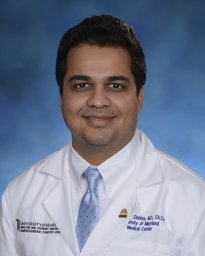 Dahiya Saurabh合作论文数Baystate Medical Center, Tufts University School of Medicine1
 Ying Lu合作论文数Department of Biomedical Data Science, Stanford University;Department of Health Research and Policy, Stanford University;Stanford Cancer Institute, Stanford University1
 Surbhi Sidana合作论文数Cleveland Clinic Foundation, Medicine Institute1
 Steven Devine合作论文数Be The Match BioTherapies1




