Graft-versus-host disease (GVHD) has been a significant barrier to successful myeloablative conditioning (MAC) allogeneic hematopoietic cell transplantation (HCT). Traditional GVHD prophylaxis with a calcineurin inhibitor and methotrexate (TAC/MTX) is associated with substantial GVHD. Controversy exists over whether post-transplantation cyclophosphamide (PTCy) should replace TAC/MTX as the standard of care for MAC HCT using HLA-matched donors. We conducted a retrospective cohort study of 237 adult patients with acute myeloid leukemia (AML; n = 164) or acute lymphoblastic leukemia (ALL; n = 73) who underwent MAC followed by HLA-matched HCT at our center between 2018 and 2025. Patients were evaluated based on GVHD prophylaxis received: PTCy/TAC/mycophenolate mofetil (MMF) or TAC/MTX. Kaplan-Meier and competing-risks methods were applied, with outcomes further stratified by pre-HCT measurable residual disease (MRD). Of the 237 patients, 46 received PTCy/TAC/MMF and 191 received TAC/MTX. Baseline characteristics, remission status, and pre-HCT MRD were comparable in the 2 groups. One-year chronic GVHD-free survival was significantly superior with PTCy compared to TAC/MTX (86.3% versus 61.7%; P = .006), attributed to significantly lower moderate to severe chronic GVHD at 1 year (7% versus 21%; P = .02) and significantly lower NRM at 1 year (2.2% versus 10.5%; P = .04) with PTCy. Overall survival (OS) and progression-free survival (PFS) were similar in the PTCy and TAC/MTX groups (OS: 93.3% versus 82.1%, P = .2; PFS: 70.2% versus 74.8%, P = .6). One-year GVHD-free, relapse-free survival (GRFS) trended higher in the PTCy group (63.5% versus 50.2%; P = .09). We then evaluated the outcomes in the 2 groups stratified by pre-HCT MRD status (PTCy: MRD+ 35% [n = 16]; MRD-, 63% [n = 29]; unknown, 2% [n = 1]; TAC/MTX: MRD+, 34% [n = 65]; MRD-, 50% [n = 96]; unknown, 16% [n = 30]). Similar trends toward superior rates of GVHD, NRM, and GRFS were observed following PTCy in both the MRD+ and MRD- cohorts. The cumulative incidence of relapse at 1 year did not differ between PTCy and TAC/MTX among MRD- patients (14.1% versus 9%; P = .41); however, we observed a strikingly high incidence of relapse among MRD+ patients treated with PTCy relative to TAC/MTX (51.9% versus 23.3%; P = .06). In this single-center analysis, PTCy-based GVHD prophylaxis demonstrated superior chronic GVHD-free survival, significantly reduced NRM, and a trend toward higher GRFS compared with TAC/MTX in MAC HLA-matched HCT for acute leukemia. However, a suggestion of increased relapse, particularly among patients with detectable MRD before HCT, warrants further investigation. Integrating enhanced antileukemic strategies with PTCy platforms may optimize long-term outcomes. © 2026 American Society for Blood and Marrow Transplantation. Published by Elsevier Inc. All rights reserved.
Allogeneic hematopoietic stem cell transplantation (allo-HSCT) is a curative therapy for hematologic malignancies. The primary non-relapse complication after allo-HSCT is graft-versus-host disease (GVHD). The use of T regulatory (Treg) cells to prevent GVHD has emerged as a promising allogeneic T cell immunotherapy in the form of Orca-T. However, the precise differences in immune activation which may influence infection, GVHD, and relapse after Orca-T compared with unmanipulated peripheral blood stem cell (PBSC) grafts remain unexplored. Using peripheral blood specimens longitudinally collected between 3 weeks and one year after leukemia treatment, we report single-cell mRNA sequencing (scRNA-seq) and flow cytometric analysis of 51 HLA-matched patients receiving either Orca-T or unmanipulated PBSC grafts. Orca-T recipients exhibited increased frequencies of effector memory CD4+ T cells 3 weeks after transplant and this difference persisted through six months after treatment. scRNA-seq analysis 3 weeks post-transplant identified increased expression of FOXP3 and Helios amongst CD4+CD25- T conventional (Tcon) cells in Orca-T treated patients. Using flow cytometry, we then confirmed the increased frequency of this novel population of CD4+CD25-FOXP3+Helios+ Tcons 3 weeks post-treatment in patients receiving Orca-T. Further, we discovered that this T cell subset possessed a regulatory-like phenotype and correlated significantly with the frequencies of activated CD4+ and CD8+ T cell populations 3 months post-treatment, regardless of which therapy patients received. Overall, this study identifies a novel T cell subset which is enriched very early after cellular therapy for leukemia and may be predictive of long-term immune activation after Orca-T and PBSC-derived T cell infusion.
ABSTRACT:Allogeneic hematopoietic cell transplantation (HCT) has benefited many patients with hematological malignancies and bone marrow failure states. However, graft-versus-host disease (GVHD) and immune incompetence remain significant challenges that limit the use of allogeneic HCT to patients with life-threatening, high-risk disorders because of the significant nonrelapse mortality associated with the treatment. With a greater understanding of the pathophysiology of GVHD, it has become apparent that this disorder represents a dysregulated immune reaction resulting in immune dysfunction, further exacerbated by treatment with immunosuppressive medications and injury to lymphoid tissues where immune recovery and tolerance develop. The emergence of fundamental mechanisms of immune regulation, whose pioneers received the 2025 Nobel Prize in Physiology or Medicine, has resulted in new concepts for improving outcomes for patients and offers the hope that, with a reduction in transplant-related risk, HCT can be offered to more patients with a broader range of immune-mediated disorders. In this review, the history, preclinical studies, and successful translation of CD4+CD25+FoxP3+ regulatory T cells in the context of allogeneic HCT are discussed.
Chimeric Antigen Receptor (CAR) T-cell therapy is a standard of care in many lymphoid malignancies and has emerged as potentially curative. A unique property of this one-time treatment is profound and long-lasting B cell depletion, hence the quest to explore its impact in the treatment of severe autoimmune disorders. Early trials in select populations have shown preliminary benefit. However, many questions persist as to how best to deploy this potentially highly effective therapy in the treatment of autoimmune disorders. The American Society for Transplantation and Cellular Therapy Committee on Cellular Therapy convened a group of experts in hematology, oncology, and autoimmunity to provide in a question and answer format a review of the existing publications on CAR-T cell therapy in autoimmune disorders including subtypes, discuss types of clinical trials, strategies to optimize patient safety, monitoring and toxicity management, tracking organ dysfunction in different types of autoimmune disorders, and financial considerations with the goal of providing a guide to physicians who want to be involved in CAR-T cell therapy in autoimmune disorders.
Orca-T is a cellular immunotherapy comprising purified donor hematopoietic progenitor stem cells, regulatory T cells (Tregs), and conventional T cells (Tcons). Both Orca-T and post-transplant cyclophosphamide (PTCy) have demonstrated superior graft-versus-host disease (GVHD) control compared to tacrolimus and methotrexate in randomized clinical trials. Orca-T achieves immune tolerance through high-purity regulatory T cells in contrast to broad pharmacological immunosuppression with PTCy regimens. The principal goal of this study was to evaluate the long-term overall survival (OS) of Orca-T compared to PTCy. In this retrospective analysis, long-term survival follow-up was collected from a multicenter Phase 1b study of Orca-T that was initiated in 2019. OS outcomes were evaluated against a cohort of patients receiving PTCy-based GVHD prophylaxis, using a registry dataset obtained from the Center for International Blood and Marrow Transplant Research/NMDP. To ensure comparability, inclusion criteria were aligned with Orca-T Ph3 eligibility, specifically age ≤65 yr, diagnosis of intermediate- or high-risk acute myeloid leukemia or acute lymphoblastic leukemia in complete remission or myelodysplastic syndrome, myeloablative conditioning, and an 8/8 HLA-matched donor. The analysis included 76 Orca-T patients and 360 PTCy patients. Orca-T was associated with significantly higher OS over a 3-yr follow-up period compared to PTCy (hazard ratio [HR] = 0.41; log-rank P = .003). OS at 1, 2, and 3 yr for Orca-T was 96% (95% CI: 88% to 99%), 86% (76% to 92%), and 83% (73% to 90%), respectively. For the PTCy cohort, OS at 1, 2, and 3 yr was 81% (77% to 85%), 72% (67% to 77%), and 66% (60% to 71%), respectively. A propensity score-matched analysis (n = 76/group) confirmed the primary findings (HR = 0.40; log-rank test P = .010), as did a multivariable Cox model adjusted for recipient age, sex, disease, disease risk index, HCT-CI, and donor type (adjusted HR = 0.38; 95% CI 0.21 to 0.71; P = .002). The advantage persisted in sensitivity analyses excluding bone marrow grafts from the comparator and restricting both arms to the overlapping 2019 to 2021 transplant era (HR range across all specifications, 0.36 to 0.48). Three-yr nonrelapse mortality was lower with Orca-T (3.1% versus 10%; Gray's P = .0497), while relapse did not differ significantly; within the PTCy cohort, outcomes did not differ by mycophenolate mofetil use. The OS advantage for Orca-T was consistently observed across age, disease type, and other clinical subgroups. Within the limitations of this retrospective analysis, these results suggest that survival following allogeneic hematopoietic stem cell transplantation may be improved with Orca-T relative to PTCy.
To prevent graft-versus-host disease (GVHD) in patients undergoing myeloablative allogeneic hematopoietic stem cell transplantation (alloHSCT), a calcineurin inhibitor plus methotrexate is routinely used. Early phase studies suggested improved outcomes with Orca-T, an allogeneic T-cell immunotherapy that uses purified donor Treg cells to prevent GVHD with significantly less immunosuppression. This phase 3 trial randomized adult patients (N=187) with acute leukemias or myelodysplastic syndrome undergoing myeloablative conditioning to receive either Orca-T with tacrolimus or a conventional allograft with tacrolimus and methotrexate (Tac/MTX), using granulocyte colony-stimulating factor (G-CSF)-mobilized peripheral blood from HLA-matched donors. The primary endpoint was survival free from moderate-to-severe chronic GVHD (cGFS). Using a stratified log-rank test, cGFS was significantly higher in the Orca-T arm compared to Tac/MTX (P<0.001; HR 0.26; 95% CI, 0.14 to 0.47). One-year estimates were as follows: cGFS was 78.0% with Orca-T versus 38.4% with Tac/MTX; cumulative incidence of moderate-to-severe chronic GVHD (cGVHD) was 12.6% with Orca-T and 44.0% with Tac/MTX (Gray’s test P<0.001), while overall survival (OS) was 93.9% with Orca-T versus 83.1% with Tac/MTX (P=0.12); GVHD and relapse-free survival (GRFS) was 63.1% and 30.9% in the Orca-T and Tac/MTX arms (P<0.001), respectively; non-relapse mortality (NRM) was 3.4% with Orca-T versus 13.2% with Tac/MTX (P=0.03). Orca-T met the primary endpoint of improved survival free from cGVHD compared to Tac/MTX prophylaxis and should be considered a new therapeutic option with low toxicity for GVHD prophylaxis. Additionally, significantly less toxicity was observed with Orca-T patients including fewer serious infectious complications and less non-relapse mortality. (ClinicalTrials.gov number NCT05316701).
Aims/hypothesis:Type 1 diabetes is a complex autoimmune disorder in which autoreactive CD4⁺ and CD8⁺ T cells destroy pancreatic beta-cells, resulting in insulin deficiency and hyperglycemia. Although genetic susceptibility, particularly certain HLA alleles, contributes to disease risk, not all genetically predisposed individuals develop Type 1 diabetes. Screening first degree relatives (FDRs) for islet autoantibodies (GAD65, IAA, IA-2, ZnT8) helps detect autoimmune activity. However, these serum markers arise only after T-helper cell activation, limiting early intervention opportunities. Since protein antigen recognition by B cells requires T-helper cell assistance through linked recognition, T cell activation precedes B cell activation and autoantibody production. Activation of these T cells leads to shedding of the immune-regulatory (activation) surface protein LAG-3 (Lymphocyte Activation Gene-3 or CD223), generating its soluble form, sLAG-3, that is detectable in circulation. We hypothesized that sLAG-3 may serve as an early biomarker of autoimmune activity preceding islet autoantibody development in type 1 diabetes. Methods:Plasma sLAG-3 levels were measured longitudinally in female diabetes-prone NOD mice and analyzed in relation to islet antigen-specific CD4⁺ T cell expansion and diabetes onset. To mechanistically link autoreactive T cell activation to sLAG-3 release. Naive autoreactive C6.6.9 TCR-transgenic (TCR-Tg) CD4⁺ T cells were adoptively transferred into NOD.SCID mice and longitudinal assessment for plasma sLAG-3, beta-cell antigen specific CD4⁺ T cell tetramer profiles, and circulating insulin ( Ins2 ) mRNA to determine ongoing beta-cell stress. In parallel, sLAG-3 levels were analyzed from different human cohorts, including FDRs of individuals with type 1 diabetes, using cross-sectional and longitudinal approaches. Results:In murine models, elevated sLAG-3 correlated with expansion of islet-specific CD4⁺ T cells that preceded hyperglycemia and diabetes onset. In the adoptive transfer model, early increases in sLAG-3 and circulating Ins2 mRNA marked immune activation and emerging beta-cell stress prior to overt diabetes. In our human cohorts, sLAG-3 was detectable in autoantibody-negative and single-autoantibody-positive FDRs, with higher levels observed in progressors compared to non-progressors, and associated with high-risk HLA genotypes. Conclusions/interpretation:These findings identify sLAG-3 as a candidate biomarker of early T cell activation in type 1 diabetes that may precede islet autoantibody development. Integration of sLAG-3 with antigen-specific T cell and beta-cell stress markers could improve early risk stratification and inform preventive strategies before substantial loss of beta-cell. Prospective longitudinal studies aligned to seroconversion are required to validate sLAG-3 as a surrogate marker of early disease activity. Research in context:What is already known about this subject?: Before the clinical onset of hyperglycemia, type 1 diabetes is characterized by a prolonged preclinical phase in which autoreactive B and T cells mediate progressive beta-cell destruction.Current risk stratification strategies rely mainly on genetic susceptibility (genomic DNA) and the detection of islet autoantibodies in plasma/serum.Islet autoantibodies arise only after CD4⁺ T cell activation and therefore do not capture the earliest stages of immune dysregulation.Consequently, biomarkers that directly reflect early pathogenic T cell activity prior to, or independent of, seroconversion remain limited and insufficiently validated.What is the key question?: Can plasma sLAG-3 levels, beta-cell antigen-specific CD4⁺ T cell tetramer expression, and circulating Ins2 mRNA serve as very early biomarkers of autoimmune activity in type 1 diabetes and serve to better inform risk stratification, thereby informing preventive intervention strategies for the clinician? What are the new findings?: sLAG-3 increases transiently during early antigen-specific CD4⁺ T cell activation stage, precedes hyperglycemia in mouse models, and is elevated in autoantibody-negative and single-autoantibody-positive first-degree relatives who later progress to type 1 diabetes. sLAG-3 was associated with beta-cell antigen-specific CD4⁺ T cell expansion, assessment of stress induced beta cell Ins2 mRNA release and high-risk HLA genotypes, indicating early autoimmune activation rather than established disease. How might this impact clinical practice in the foreseeable future?: These findings support sLAG-3 as a candidate early biomarker of T cell activation, before or at the earliest stages of islet autoantibody development in some at-risk individuals. Integration of plasma sLAG-3 with beta-cell antigen specific CD4⁺ T cell profiling and insulin mRNA measurements could complement current autoantibody-based screening, improve risk stratification, and enable earlier preventive interventions to preserve beta-cell function in patients at-risk for type 1 diabetes.
Abstract Allogeneic hematopoietic stem cell transplantation (allo-HSCT) is a curative therapy for a variety of malignant and non-malignant hematologic diseases. However, its success is often limited by graft-versus-host disease (GVHD), a major complication in which donor T cells recognize recipient antigens as foreign, leading to widespread tissue damage. Regulatory T cells (Tregs) are essential for controlling alloimmune responses and promoting immune tolerance. Adoptive transfer of Tregs has emerged as a promising strategy to reduce GVHD without compromising graft-versus-tumor (GVT) effects. Clinical trials using defined ratios of donor Tregs and conventional T cells (Tcons) in allo-HSCT have demonstrated improved GVHD-free, relapse-free survival (GRFS). Despite these advances, the molecular characteristics of Tregs that mediate immune tolerance in the human bone marrow (BM)—a critical site of hematopoietic recovery—remain poorly understood. To characterize transcriptional and chromatin accessibility differences between BM and peripheral blood (PB) Tregs, we analyzed publicly available single-cell RNA sequencing (scRNA-seq) and single-cell ATAC sequencing (scATAC-seq) datasets from bone marrow mononuclear cells (BMMCs) and peripheral blood mononuclear cells (PBMCs). We performed shared nearest neighbor clustering, pseudobulk differential expression analysis, and gene ontology enrichment to identify transcriptional and epigenetic programs enriched in BM Tregs. From the scRNA-seq analysis, we identified differential expression of surface markers such as CXCR4 in BM Tregs. The scATAC-seq analysis further revealed differential accessibility at loci associated with FOXP3-related transcriptional regulators. To validate and extend these findings at the protein level, we developed a mass cytometry (CyTOF) panel informed by our transcriptomic and epigenomic results. Using this panel, we profiled BMMCs and PBMCs from healthy adults (n = 8) and identified distinct surface markers and transcriptional regulators that differentiate Treg populations across compartments. Notably, an average of 16.2% of FOXP3+ cells in peripheral blood expressed CXCR4, compared to 37.4% in bone marrow. Given that most adult allo-HSCT procedures utilize mobilized peripheral blood rather than bone marrow as the graft source, we investigated whether the phenotypic differences between BM and PB Tregs could also be detected in mobilized apheresis products. Using CyTOF, we analyzed Tregs from donor peripheral blood collected under two mobilization regimens: granulocyte colony-stimulating factor (G-CSF) alone, and G-CSF combined with plerixafor (n = 8). Several markers differentially expressed between BM and PB Tregs were also differentially expressed between the G-CSF and G-CSF + plerixafor conditions. In particular, we found that an average of 12.15% of FOXP3+ cells in G-CSF–treated donors expressed CXCR4, compared to 37.4% in donors treated with G-CSF + plerixafor (n=8). To determine the functional relevance of these markers, we examined their expression in expanded Tregs and performed gene-editing experiments. Tregs from healthy PBMCs were expanded ex vivo using IL-2 and anti-CD3/CD28 tetramers, and CyTOF analysis confirmed expression of several key markers, including CXCR4, which was expressed on an average of 65% of expanded Tregs (n = 4). Using CRISPR-Cas9, we knocked out individual markers in expanded Tregs and characterized the edited cells by CyTOF. Loss of specific markers altered the expression of other proteins, suggesting regulatory interactions. For example, CXCR4 knockout reduced FOXP3 expression from an average of 67.25% in mock-edited cells to 38.68% in knockout cells (n = 4). We further conducted bulk ATAC-seq and RNA-seq on edited and unedited Tregs, revealing changes in chromatin accessibility and gene expression. Suppression assays using conventional T cells and CRISPR-edited Tregs showed that marker deletion also affected Treg suppressive function. Together, our work identifies distinct transcriptional, epigenetic, and phenotypic features of human BM Tregs and demonstrates that specific markers contribute to their suppressive function. These findings provide mechanistic insight into Treg biology in the context of allo-HSCT and offer strategies to enhance Treg-based cell therapies for GVHD prevention.
The extracellular matrix component hyaluronan (HA) plays important roles in inflammation and immune regulation. However, its involvement in lymphoid tissue during autoreactive processes remains poorly understood. Here, using the DORmO mouse model of autoimmune diabetes, we demonstrate that HA progressively accumulates in lymph nodes and splenic germinal centers during disease development. This accumulation is accompanied by a shift from high to low molecular mass HA fragments. Through immunofluorescence microscopy, we observed extensive colocalization between HA deposits and B cells in germinal centers. Inhibition of HA synthesis using 4-methylumbelliferone (4-MU) increased lymph node stiffness. Treatment with 4-MU decreased immunoglobulin production and reduced B cell activation and differentiation into plasmablasts following immunization. These findings reveal a previously unrecognized role for HA in regulating B cell responses within lymphoid tissues during autoimmune reactions and suggest that targeting HA synthesis may represent a novel therapeutic strategy for conditions involving dysregulated B cell responses.
Allogeneic hematopoietic stem cell transplantation (allo-HSCT) is the only curative therapy for many hematologic malignancies. The primary non-relapse complication preventing the widespread use of allo-HSCT is graft-versus-host disease (GVHD). The use of T regulatory cells (Tregs) to prevent GVHD has emerged as a promising allogeneic T cell immunotherapy in the form of Orca-T. Orca-T consists of the sequential infusion of CD34+ hematopoietic stem cells and high-purity Tregs followed by conventional T cells. However, the precise differences in immune states which may influence clinical outcomes after Orca-T compared with unmanipulated peripheral blood stem cell (PBSC) grafts remains unexplored. Using peripheral blood specimens longitudinally collected between 3 weeks and 1 year after leukemia treatment, we report single-cell mRNA sequencing (scRNA-seq) and flow cytometric analysis of 51 HLA-matched patients receiving either Orca-T or unmanipulated PBSC grafts at Stanford University. To identify potentially important T cell populations that drive clinical differences between Orca-T and unmanipulated PBSC grafts, sorted T cell subsets or whole PBMC from 16 total patients were captured for scRNA-seq analysis 3 weeks post-treatment. Targeted transcriptomic and V(D)J analysis identified increased expression of FOXP3 and Helios amongst CD4+CD25- T conventional cells (Tcons) in Orca-T treated patients (7.8% Orca-T vs. 3.0% PBSC, p=0.035). Moreover, in Orca-T recipients, there was a trend towards a higher proportion of expanding clones (≥2 identical clones) which belonged to the CD4+CD25-FOXP3+Helios+ cluster than in PBSC graft recipients (14.7% vs. 2.3%, p=0.095). Separate single-cell whole transcriptome analysis also found increased expression of FOXP3 and Helios amongst activated CD4+ Tcons from Orca-T recipients compared to PBSC graft recipients. Flow cytometric analysis of 20 additional patients corroborated the increased frequency of CD4+FOXP3+Helios+ Tcons - but not Tregs – 3 weeks post-treatment in patients receiving Orca-T (11.6% Orca-T vs. 4.4% PBSC, p=0.016). Further, we discovered that this T cell subset correlated significantly with frequencies of HLA-DR+ and effector memory CD4+ T cells (p=0.002, p=0.032) and effector memory CD8+ T cells (p=0.014) 3 months post-treatment, regardless of which therapy patients received. These data suggest that Orca-T immunotherapy induces a FOXP3+Helios+ Tcon population which may play a role in long-term immune reconstitution after allo-HSCT. Next, we confirmed the increased frequency of CD4+CD25-FOXP3+Helios+ T cells early after Orca-T immunotherapy in a second cohort of 19 cryopreserved patient samples collected 2 weeks after treatment, including 12 which were transplanted at other centers (11.7% Orca-T vs. 4.3% PBSC, p=0.029). In contrast, a comparative examination of 14 mobilized donor PBMC samples found that only 1% of donor Tcons expressed FOXP3 and Helios (p=<0.0001 vs. Orca-T, p=0.23 vs. PBSC). In week +2 recipient samples that were matched to mobilized donor PBMC, we found an average 10.3-fold increase (p=0.011) in CD4+CD25-FOXP3+Helios+ cell frequency in Orca-T recipients compared to their donor. In contrast, PBSC recipients exhibited a 5.9-fold increase (p=0.023), suggesting that Orca-T immunotherapy greatly promotes the in vivo expansion or differentiation of these cells compared to standard PBSC grafts. We also identified that CD4+CD25-FOXP3+Helios+ T cells were phenotypically similar in donors, Orca-T recipients, and PBSC recipients, indicating a common expression profile regardless of overall immune state. Compared to other CD4+ Tcons and Tregs, CD4+CD25-FOXP3+Helios+ T cells represented a unique T cell subset with intermediate expression of immunomodulatory proteins including CD39, CTLA-4, HLA-DR, TIGIT, and the distribution of naïve and effector memory cells (ANOVA p=<0.0001 for each) along with distinct expression of CD73 (ANOVA p=0.007). We therefore propose that CD4+CD25-FOXP3+Helios+ cells are a regulatory-like subset of T cells which are induced by Orca-T immunotherapy and that this population contributes to GVHD suppression in concert with other regulatory populations after leukemia treatment. Overall, we hypothesize that the sequential addition of high-purity Tregs directs the immune reconstitution of CD4+CD25- Tcons towards a non-redundant, immunomodulatory, FOXP3+Helios+ phenotype which may be predictive of long-term immune activation after T cell infusion.
Abstract BACKGROUND Orca-T is an investigational allogeneic T-cell immunotherapy using purified donor regulatory T cells to prevent graft-versus-host disease (GvHD). The randomized phase 3 Precision-T trial (NCT05316701) showed improved moderate-to-severe chronic GvHD-free survival with Orca-T versus standard-of-care transplantation with tacrolimus plus methotrexate prophylaxis. This analysis examines outcomes in prespecified patient subgroups from Precision-T. METHODS In the phase 3 randomized controlled trial, 88 patients received Orca-T and 94 patients received Tac/MTX. Orca-T was produced in a centralized GMP facility and administered in 19 centers across the U.S. Patients were ≤65 years old; had a diagnosis of AML, ALL, MPAL, or MDS with intermediate or high disease risk index (DRI) scores. Patients received a myeloablative conditioning (MAC) regimen (busulfan/fludarabine/thiotepa [BFT] or a TBI-based regimen) and had an 8/8 HLA-matched donor. In this analysis, subgroups of these patients were identified based on differences in demographic and pre-treatment clinical variables including recipient age and sex, donor type, disease type, disease risk, and conditioning regimen. cGFS (the primary endpoint) and GRFS (survival free of aGVHD grades 3-4, moderate-to-severe cGVHD, and relapse) (a secondary endpoint) were compared between treatment groups for each of the subsets. Statistical analyses were performed in R. Log-rank tests and Gray's tests were used to assess survival and cumulative incidence, respectively. RESULTS Per the statistical analysis plan (SAP), the 56th cGFS event triggered a primary analysis of the phase 3 study at a median follow-up of 9 months. The study population had a median age of 43.5 years (range 19 to 65) and 35% were 50 to 65 years old. Primary diseases included AML (53%), ALL (30%), mixed phenotype acute leukemia (MPAL; 3%) and high-risk MDS (14%). Donors were 8/8 HLA-matched (53% sibling, 47% unrelated). In the intention to treat cohorts, Orca-T had a significantly higher cGFS rates at 1-year of 78% (95% CI: 65%, 87%) for Orca-T and 38% (95% CI: 26%, 51%) for Tac/MTX with a hazard ratio 0.26; 95% CI: 0.14, 0.47, p <0.00001). The hazard ratio for GRFS also favored Orca-T at 0.37 (0.23, 0.60). A total of 94% Orca-T patients were alive at 1 year vs 83% of Tac/MTX patients (hazard ratio 0.49; 95% CI 0.20, 1.22, p=0.12). One-year relapse-free survival was comparable between groups (76% for Orca-T vs. 74% for Tac/MTX) while non-relapse mortality favored Orca-T (3.4% vs. 14%, respectively). Subset analyses for several demographic and clinical variables were analyzed, for which the hazard ratios and 95% confidence intervals for cGFS and GRFS were as follows: cGFS Overall >26 (0.14-0.48) Recipient age 24 (0.11-0.54) for ≤50 years, 0.30 (0.12-0.76) for >50 years Recipient sex 24 (0.10-0.56) for men, 0.32 (0.14-0.77) for women Donor type 32 (0.14-0.77) for related, 0.21 (0.09-0.48) for unrelated Disease type 27 (0.13-0.56) for AML, 0.28 (0.06-1.41) for ALL, 0.25 (0.05-1.33) for MDS DRI 21 (0.10-0.44) for intermediate, 0.52 (0.17-1.61) for high Conditioning 35 (0.18-0.67) for BFT, 0.07 (0.01-0.50) for TBI-based GRFS Overall 37 (0.23, 0.59) Recipient age 34 (0.18-0.63) for ≤50 years, 0.44 (0.21-0.91) for >50 years Recipient sex 32 (0.17-0.63) for men, 0.47 (0.24-0.92) for women Donor type 52 (0.28-0.98) for related, 0.24 (0.11-0.50) for unrelated Disease type 39 (0.22-0.69) for AML, 0.35 (0.12-1.02) for ALL, 0.35 (0.09-1.41) for MDS DRI 33 (0.19-0.57) for intermediate, 0.59 (0.24-1.47) for high Conditioning 47 (0.28-0.79) for BFT, 0.15 (0.04-0.51) for TBI-based Notably, overall survival and NRM were similar for patients aged 51-65 as in the entire safety population. For the patients >50y: one-year rates of overall survival were 93.6% (77%, 98%) for Orca-T patients (n=31) versus 80% (61%, 91%) for Tac/MTX patients (n=32), HR = 0.48 (0.12, 1.89), and one-year rates of NRM were 6.4% (1.1%, 19%) with Orca-T vs 16% (5.7%, 31%), HR=0.49 (0.11, 2.06) with Tac/MTX. CONCLUSIONS Orca-T demonstrated improved clinical outcomes overall and across subgroups with varied demographic and clinical features. These data suggest that the benefit of Orca-T extends to older patients and those with high-risk disease.
Clinical diagnosis typically incorporates physical examination, patient history, various laboratory tests, and imaging studies but makes limited use of the human immune system's own record of antigen exposures encoded by receptors on B cells and T cells. We analyzed immune receptor datasets from 593 individuals to develop MAchine Learning for Immunological Diagnosis, an interpretive framework to screen for multiple illnesses simultaneously or precisely test for one condition. This approach detects specific infections, autoimmune disorders, vaccine responses, and disease severity differences. Human-interpretable features of the model recapitulate known immune responses to severe acute respiratory syndrome coronavirus 2, influenza, and human immunodeficiency virus, highlight antigen-specific receptors, and reveal distinct characteristics of systemic lupus erythematosus and type-1 diabetes autoreactivity. This analysis framework has broad potential for scientific and clinical interpretation of immune responses.
 Robert Negrin合作论文数Blood & Marrow Transplantation & Cellular Therapy Division, School of Medicine, Stanford University120
 Robert Lowsky合作论文数Blood and Marrow Transplantation & Cellular Therapy Division, Stanford School of Medicine, Stanford University90
 David Miklos合作论文数Blood and Marrow Transplantation & Cellular Therapy Division, School of Medicine, Stanford University;Stanford Cancer Institute, School of Medicine, Stanford University82
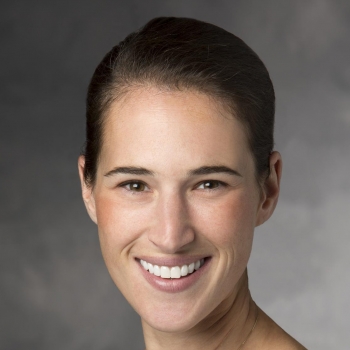 Lori Muffly合作论文数Blood & Marrow Transplantation & Cellular Therapy Division, Department of Medicine, School of Medicine, Stanford University;Stanford Cancer Institute, School of Medicine, Stanford University79
 Laura Johnston合作论文数Department of Medicine, Stanford University76
 Wen-Kai Weng合作论文数Blood and Marrow Transplantation & Cellular Therapy Division, School of Medicine, Stanford University;Department of Dermatology, School of Medicine, Stanford University75
 Sally Arai合作论文数Blood and Marrow Transplantation and Cellular Therapy Division, School of Medicine, Stanford University74
 Judith Shizuru合作论文数Pediatrics Department, Stanford University71
 Rezvani Andrew R合作论文数66Matthew Frank合作论文数Medicine Department, Stanford University61
 Surbhi Sidana合作论文数Cleveland Clinic Foundation, Medicine Institute53Shiraz Parveen合作论文数48
 Anna Pavlova合作论文数Blutspendedienst Frankfurt/M. D-Frankfurt27
 Bita Sahaf合作论文数Bone Marrow Transplantation27Sushma Bharadwaj合作论文数26John S Tamaresis合作论文数24
 Dahiya Saurabh合作论文数Baystate Medical Center, Tufts University School of Medicine24Melody Smith合作论文数23Jeanette Baker合作论文数22
 Crystal Mackall合作论文数School of Medicine, Stanford University22Nathaniel B. Fernhoff合作论文数21Arpita Gandhi合作论文数20
 Dale T. Umetsu合作论文数Stanford University;University of California, San Francisco19Rosemarie Dekruyff合作论文数Medicine Department, Stanford University18
 Antonio Pierini合作论文数17Schneidawind Dominik合作论文数16Bettina P. Iliopoulou合作论文数14
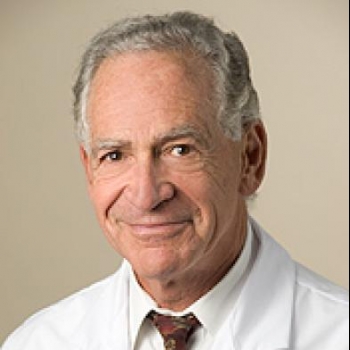 Samuel Strober合作论文数Division of Immunology, Department of Medicine, School of Medicine, Stanford University14
 Edmund Waller合作论文数Department of Hematology and Medical Oncology, School of Medicine, Emory University;Winship Cancer Institute, Emory University14Amandeep Salhotra合作论文数Department of Medicine, Tufts University School of Medicine14J. Scott McClellan合作论文数13Rasmus T Hoeg合作论文数13Mehrdad Abedi合作论文数13
 Dholaria Bhagirathbhai合作论文数Department of Medicine, Vanderbilt University School of Medicine;Vanderbilt‐Ingram Cancer Center13
 Jeremy M Pantin合作论文数13Ginna G. Laport合作论文数13Hitomi Hosoya合作论文数12Samer Srour合作论文数12Kent P. Jensen合作论文数12Craig Juliana K合作论文数11Jay Y. Spiegel合作论文数Department of Medicine, University of Miami Health System10
 Hamilton Mark P合作论文数Department of Molecular and Cellular Biology, Baylor College of Medicine10
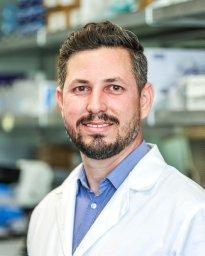 Perez-Cruz Magdiel合作论文数Infectious Diseases and Transplantation Division, Bellvitge Biomedical Research Institute (IDIBELL), L'Hospitalet de Llobregat, Barcelona, Spain.10
 Ying Lu合作论文数Department of Biomedical Data Science, Stanford University;Department of Health Research and Policy, Stanford University;Stanford Cancer Institute, Stanford University10
 Sagar Patel合作论文数10Kevin Sheehan合作论文数10
 James L. Zehnder合作论文数Division of Hematology, School of Medicine, Stanford University;Department of Pathology, School of Medicine, Stanford University;Stanford Health Care10Katie Hsu合作论文数9Randall Armstrong合作论文数9




