Cardiovascular stents are widely applied in the treatment of arterial stenosis, but conventional metallic stents present limitations such as permanent implantation, hypersensitivity reactions, and late restenosis. Biodegradable polymer stents offer a promising alternative, though their translation is restricted by structural design challenges and inadequate mechanical performance. In this study, eight representative stent architectures were computationally evaluated with respect to radial elastic recoil, foreshortening, dogboning, and radial support force. Stents were fabricated from polylactide (PLA) via fused deposition modelling (FDM), and the effects of nozzle temperature, layer height, and printing speed were systematically assessed on PLA dogbone specimens to determine optimised process parameters. Computational analysis revealed that only type B and type F stents met clinical deformation requirements, with radial elastic recoil <6 %, foreshortening <10 %, and dogboning <10 %, while other designs exhibited values exceeding these thresholds. Parallel compression tests further quantified radial support capacity at 50 % compression. Fabrication and dimensional evaluation showed that, although all stent designs could be produced using optimised FDM parameters, manufacturing-induced geometric deviations at thin struts and unit connection regions were unavoidable. As a result, the finite-element simulations should be regarded as providing idealised mechanical responses for comparative design evaluation rather than exact predictions of fabricated prototypes. Overall, these findings provide structural and process design guidelines for the development of mechanically reliable 3D-printed biodegradable PLA cardiovascular stents, while emphasising the importance of manufacturing fidelity when translating computationally optimised designs into physical devices.
IntroductionAortic valve disease is a noteworthy public health burden, with aortic valve surgery commonly being used to treat the condition. While aortic valve surgery is traditionally performed using an open approach involving median sternotomy, less invasive surgical methods have been developed over the years as an endeavour to improve surgical outcomes, such as the incorporation of robotic assistance. However, information and research regarding robotically-assisted aortic valve surgery remains scarce.MethodsThrough this original systematic review, which is the first of its kind, the outcomes of robotically-assisted aortic valve surgery were investigated. Ultimately, 26 papers involving a total of 362 cases were included in this study. Data items that directly relate to surgical outcomes were comprehensively recorded and tabulated. ResultsAnalyses of the data demonstrated that robotically-assisted aortic valve surgery is a feasible procedure with apparent safety and a relatively low risk for complications and adverse events. However, the level of existing evidence remains low due to several limitations including a lack of existing literature and potential publication bias.ConclusionTo accurately determine the safety profile of robotically-assisted aortic valve surgery and make meaningful comparisons between the procedure and other alternatives, future large-scale, multicenter cohort studies with comparators, or ideally randomised controlled trials followed by a meta-analysis of the results should be performed.
Background:Congenital heart surgery (CHS) encompasses a wide spectrum of complex cardiac defects, many of which demand specialised perioperative management and tailored surgical planning. Artificial intelligence (AI), including machine learning (ML), is gaining prominence as a tool to optimise clinical decision-making and achieve better outcomes. This scoping review aims to map and summarise the existing applications of AI modalities in CHS. Methods:A comprehensive search of MEDLINE, Embase, and Web of Science was performed, combining terms for AI with terms for congenital heart disease and surgery. Results:A total of 2,871 articles were retrieved from the search, of which 93 studies were included. The majority of studies focused on outcome prediction and imaging-based applications. Smaller proportions addressed decision-making and data augmentation, omics integration, benchmarking and quality improvement. The majority of studies examined heterogeneous congenital heart disease (CHD) populations, with tetralogy of Fallot (TOF) and single ventricle physiology most frequently represented. Conclusions:AI applications in CHS are rapidly expanding across diverse domains, with early studies showing encouraging potential to support diagnostics, guide surgical decision-making, and improve perioperative outcomes. However, most models remain in the preliminary stage with limited external validation. Emerging advances in AI may further accelerate progress, but careful evaluation and integration are essential to translate this promise into tangible clinical benefits.
IntroductionDespite fundamental improvements in surgical treatment of Congenital Heart Defects, there are still challenges related to premature failure of the material used for such corrections, thus resulting in repeated operations during a patient’s life. This is particularly the case for complex defects with Right Ventricular Outflow Tract (RVOT) obstruction, such as in Tetralogy of Fallot/Pulmonary Atresia, whereby the pulmonary valve reconstruction remains problematic due to short-term durability of the currently used replacement solutions. We set out to test, for the first time, the suitability of amniotic membrane derived from human placenta for use in cardiovascular replacement of pulmonary valve.MethodsThe decellularized and preserved amniotic membrane, obtained through our optimised protocol, was characterised for mechanical and hydrodynamic properties in vitro, and then implanted in the RVOT position of two Landrace piglets for in vivo feasibility and performance evaluation.ResultsBoth the in vitro and in vivo assessments showed favourable outcomes. The decellularized amniotic membrane had mechanical properties comparable to the native porcine pulmonary valve leaflets. In hydrodynamic testing, the decellularized amniotic membrane-made valve exhibited favourable opening dynamics, with smooth and coordinated leaflet motion throughout the cycle. In vivo, the decellularized amniotic membrane-based valved conduit showed patency in the short- and long-term with no sign of stenosis or regurgitation.DiscussionThis study provides an in vivo proof of concept that the decellularized amniotic membrane can be implanted and perform as functional pulmonary valve in a porcine animal model mimicking the clinical scenario of Tetralogy of Fallot surgical correction in infants.
CONTEXT:The hypothalamic-pituitary-adrenal (HPA) axis is the key homeostatic system regulating the response to surgical stress. Imbalances in HPA axis hormones increase morbidity and mortality in children after cardiac surgery. Despite this, the physiology of the HPA axis in children undergoing cardiac surgery is poorly understood, leading to controversies in clinical practice. OBJECTIVE:To characterise dynamic HPA axis responses in children undergoing cardiac surgery and to determine age- and procedure-related differences in cortisol and cortisone physiology. METHODS:We recruited children (0-18 years) undergoing cardiac surgery with cardiopulmonary bypass or cardiac catheterisation. Tissue-free cortisol and cortisone were sampled every 20 minutes for up to 24 hours via microdialysis, alongside serum adrenocorticotropic hormone (ACTH), cortisol, cortisol-binding globulin (CBG), and inflammatory markers. We developed dynamic markers to quantify age- and procedure-dependent differences in hormonal responses and built a mathematical model to explain them. RESULTS:Neonates undergoing surgery showed higher free cortisol and cortisone AUC and peak concentrations than catheterisation patients. Neonates had higher peaks of cortisol and cortisone than older children undergoing surgery. The much higher tissue cortisone levels observed in neonates can be explained by enzymatic interconversion between cortisol and cortisone, likely due to persistent foetal high 11-βHSD2 activity and reduced 11-βHSD1 activity.Low post-operative blood cortisol and CBG values in neonates resulted in high free cortisol peaks in interstitial fluid during and after surgery. CONCLUSION:Neonates differ physiologically, with higher free cortisol levels that more readily diffuse into interstitial tissues, with implications for perioperative management.
Background The COVID-19 pandemic necessitated major reallocation of healthcare services. Our aim was to assess the impact on paediatric congenital heart disease (CHD) procedures during different pandemic periods compared with the prepandemic period, to inform appropriate responses to future major health services disruptions.Methods and results We analysed 26 270 procedures from 17 860 children between 1 January 2018 and 31 March 2022 in England, linking them to primary/secondary care data. The study period included prepandemic and pandemic phases, with the latter including three restriction periods and corresponding relaxation periods. We compared procedure characteristics and outcomes between each pandemic period and the prepandemic period. There was a reduction in all procedures across all pandemic periods, with the largest reductions during the first, most severe restriction period (23 March 2020 to 23 June 2020), and the relaxation period following second restrictions (3 December 2020 to 4 January 2021) coinciding with winter pressures. During the first restrictions, median procedures per week dropped by 51 compared with the prepandemic period (80 vs 131 per week, p=4.98×10−08). Elective procedures drove these reductions, falling from 96 to 44 per week (p=1.89×10−06), while urgent (28 vs 27 per week, p=0.649) and life-saving/emergency procedures (7 vs 6 per week, p=0.198) remained unchanged. Cardiac surgery rates increased, and catheter-based procedure rates reduced during the pandemic. Procedures for children under 1 year were prioritised, especially during the first four pandemic periods. No evidence was found for differences in postprocedure complications (age-adjusted OR 1.1 (95% CI 0.9, 1.4)) or postprocedure mortality (age and case mix adjusted OR 0.9 (95% CI 0.6, 1.3)).Conclusions Prioritisation of urgent, emergency and life-saving procedures during the pandemic, particularly in infants, did not impact paediatric CHD postprocedure complications or mortality. This information is valuable for future major health services disruptions, though longer-term follow-up of the effects of delaying elective surgery is needed.
Over the past few years, surgical data science has attracted substantial interest from the machine learning (ML) community. Various studies have demonstrated the efficacy of emerging ML techniques in analysing surgical data, particularly recordings of procedures, for digitising clinical and non-clinical functions like preoperative planning, context-aware decision-making, and operating skill assessment. However, this field is still in its infancy and lacks representative, well-annotated datasets for training robust models in intermediate ML tasks. Also, existing datasets suffer from inaccurate labels, hindering the development of reliable models. In this paper, we propose a systematic methodology for developing robust models for surgical tool classification using noisy endoscopic videos. Our methodology introduces two key innovations: (1) an intelligent active learning strategy for minimal dataset identification and label correction by human experts through collective intelligence; and (2) an assembling strategy for a student-teacher model-based self-training framework to achieve the robust classification of 14 surgical tools in a semi-supervised fashion. Furthermore, we employ strategies such as weighted data loaders and label smoothing to enable the models to learn difficult samples and address class imbalance issues. The proposed methodology achieves an average F1-score of 85.88% for the ensemble model-based self-training with class weights, and 80.88% without class weights for noisy tool labels. Also, our proposed method significantly outperforms existing approaches, which effectively demonstrates its effectiveness.
Background Infants with congenital heart disease (CHD) are clinically vulnerable to cardiac deteriorations and intercurrent infections. We aimed to quantify the impact of health system disruptions during the COVID-19 pandemic, on their clinical outcomes and whether these differed by socioeconomic and ethnic subgroups.Methods In this population-based cohort study, we used linked electronic healthcare datasets from England and Wales to identify infants with nine sentinel CHDs born and undergoing intervention in 2018–2022. The outcomes of cardiac intervention timing, infant mortality and hospital care utilisation, were described by birth eras, and risk factors were explored using multivariable regression.Results Of 4900 included infants, 1545 (31.5%) were born prepandemic (reference), 1175 (24.0%) in the transition period, 1375 (28.0%) during restrictions and 810 (16.5%) postrestrictions. The casemix was hypoplastic left heart syndrome (195; 3.9%), functionally univentricular heart (180; 3.7%), transposition (610; 13.5%), pulmonary atresia (290; 5.9%), atrioventricular septal defect (590; 12.1%), tetralogy of Fallot (820; 16.7%), aortic stenosis (225; 4.6%), coarctation (740; 15.1%) and ventricular septal defect (1200; 24.5%).Compared with prepandemic, there was no evidence for delay in treatment procedures in transition, restrictions or postrestrictions eras. Infant mortality increased for those born in the transition period, adjusted OR 1.60 (95% CI 1.06, 2.42) p=0.01, but not in restrictions or postrestrictions. The days spent at home were similar with birth in transition and restrictions, but fewer for postrestrictions, adjusted days difference −2 (95% CI −4, 0), p=0.05.Outcomes did not vary by pandemic birth era according to social characteristics. There was higher infant mortality in the deprived versus non-deprived binary category (adjusted OR 1.56 (95% CI 1.11, 2.18), p=0.004) and there were fewer days spent at home for the most versus least deprived neighbourhood quintile (adjusted difference −4 (95% CI −6, –2), p<0.001).Conclusions Specialist care for infants with CHD during the pandemic, in terms of pathway procedure timing and healthcare contacts, was not compromised. Increased healthcare utilisation postpandemic and heath inequality based on socioeconomic status require further evaluation.
Acute kidney injury (AKI) is a common postoperative complication of paediatric congenital heart disease (CHD) surgery, associated with increased morbidity and mortality. Current diagnostic approaches are unreliable in the early postoperative period, delaying diagnosis and treatment. This study investigates the efficacy of inflammatory and renal biomarkers in the early detection of postoperative AKI in paediatric CHD surgery patients. Biomarkers were assessed in urine and serum samples collected pre- and 24 h postoperatively from paediatric patients (median age 27 weeks) undergoing corrective CHD surgery (n = 76). Univariate and subsequent multivariate regression analysis with least absolute shrinkage and selected operator (LASSO) regularisation was performed to identify key predictors stratified by AKI diagnosis at 48 h. Significant biomarkers were included in a compound regression model which was evaluated through receiver operator curve analysis. Internal validation of the models was carried out through bootstrapping. Postoperative urine concentrations of interleukin-18 were significantly higher in those with postoperative AKI (p = 0.015), whereas uromodulin concentrations were lower (p = 0.010). Uromodulin, interleukin-18, and serum Fatty Acid Binding Protein 3 were associated with AKI (p = 0.011, 0.040, 0.042 respectively), with uromodulin and interleukin-18 performing strongly in a compound model withstanding LASSO regularisation, demonstrating an area under the curve of 0.899, sensitivity of 0.741, and specificity of 0.913. Urine uromodulin and interleukin-18 can be used to accurately predict postoperative AKI when measured at 24 h after surgery. Prompt recognition of postoperative AKI would facilitate early intervention, potentially mitigating the most severe consequences of renal injury.
OBJECTIVE:Functional mitral stenosis (FMS) following mitral regurgitation (MR) repair is poorly understood. We aim to assess risk factors of FMS and its clinical impact in patients following the surgical repair of degenerative MR. METHODS:Patients who underwent surgical repair of degenerative MR between January 2016 and March 2023 were included. FMS was considered in patients with a pre-discharge mitral valve gradient ≥5 mmHg. Patients were 1:1 propensity score matched (PSM) by baseline characteristics. Multivariate logistic regression was employed to identify risk factors for developing FMS. Time-to-event data were analysed via the Kaplan-Meier method and multivariate Cox regression. The primary outcomes of our study were mortality and recurrence of MR. RESULTS:The cohort comprised of 510 patients (FMS n = 99, no-FMS n = 411). Mean clinical follow-up was 51.6 months. The FMS study group demonstrated a lower preoperative ejection fraction than the no-FMS group (53.7 ± 7.4 versus 55.5 ± 7.4, p = 0.04). Multivariate regression reported annuloplasty flexibility (p = 0.001), smaller ring size (p < 0.001), edge-to-edge repair (p = 0.003), and increased cardiopulmonary bypass time (p = 0.03) as risk factors for developing FMS. The PSM cohort (groups n = 99) demonstrated FMS development is associated with recurrence of ≥MR2+ (p = 0.04); however, was not significant following multivariate regression (p = 0.21). A survival benefit trend was observed in the raw no-FMS group (16.2 % versus 10.7 %); however, this did not reach statistical significance (p = 0.22). CONCLUSIONS:This study has identified surgical factors significantly affecting FMS development after degenerative mitral valve repair. FMS was associated with postoperative MR. Further research is required to understand how repair techniques affect postoperative MR and FMS.
Previous work has shown that mouse models fed a non-obesogenic high-fat diet have preserved cardiac function and no obesity-associated comorbidities such as diabetes. However, they do suffer increased cardiac vulnerability to ischemic reperfusion (I/R) injury, which has been attributed to changes in Ca2+ handling, oxidative stress, and mitochondrial transition pore activity. However, there have been no studies investigating the involvement of metabolites. Wild-type mice were fed either a control or a non-obesogenic high-fat diet for ~26 weeks. Key cardiac metabolites were extracted from freshly excised hearts and from hearts exposed to 30 min global ischemia followed by 45 min reperfusion. The extracted metabolites were measured using commercially available kits and HPLC. Hemodynamic cardiac function was monitored in Langendorff perfused hearts. Levels of energy-rich phosphates and related metabolites were similar for both hearts fed a control or a high-fat diet. However, the high-fat diet decreased cardiac glycogen and increased cardiac lactate, hypoxanthine, alanine, and taurine levels. Langendorff perfused hearts from the high-fat diet group suffered more ischemic stress during ischemia, as shown by the significantly shorter time needed for onset and for reaching maximal ischemic (rigor) contracture. Following I/R, there was a significant decrease in myocardial adenine nucleotides and a significant increase in the levels of alanine and purines for both groups. Most of the principal amino acids tended to fall during I/R. Hearts from mice fed a high-fat diet showed more changes during I/R in markers of energetics (phosphorylation potential and energy charge), metabolic stress (lactate), and osmotic stress (taurine). This study suggests that cardiac metabolic changes due to high-fat diet feeding, independent of obesity-related comorbidities, are responsible for the marked metabolic changes and the increased vulnerability to I/R.
OBJECTIVE:Aortic valve replacement surgery (AVR) via median sternotomy (MS) is the standard surgical intervention used for AVR. However, the minimally invasive approach is becoming more widely adopted. This review focuses on quality of life (QoL) after minimally invasive AVR (MIAVR). The aim of this review is to comprehensively analyze the current body of evidence for QoL after MIAVR. A second aim is to determine whether a conclusion can be made based on the literature to indicate whether MIAVR is more beneficial to the patient compared with MS and should be the preferred approach. METHODS:A literature search was conducted in the PubMed database using relevant searches. Papers were either included or excluded based on their title. Through a cross-reference check from the papers identified by the search, further articles were identified. Initially, 375 manuscript titles and abstracts were screened, with 11 being included in this review. RESULTS:The 11 studies comparing postoperative QoL between MIAVR and MS were comprehensively analyzed. Three studies showed no significant differences between the groups; however, 8 identified better QoL after surgery in the MIAVR group. Three studies investigated pulmonary function after MIAVR and MS, concluding that MIAVR demonstrated superior pulmonary function. CONCLUSIONS:Overall, MIAVR can be performed with acceptable postoperative QoL. However, the current literature is sparse, and it is not possible to say whether one approach is better than the other. MIAVR is certainly not inferior to MS in terms of QoL. Well-designed, randomized controlled trials are needed to draw more definitive conclusions.
Cardiovascular diseases (CVDs), the leading cause of mortality worldwide, stem from structural and functional abnormalities in the heart and blood vessels. Although advancements in treatments such as percutaneous coronary intervention and vascular stent implantation have reduced complications, challenges such as restenosis, late thrombosis, and limited customisation remain. Biodegradable polymer vascular stents (BPVSs) have emerged as promising alternatives to traditional metallic stents, offering advantages such as controlled degradation, improved biocompatibility, and reduced late-stage complications. This review examines the integration of 3D printing (3DP) techniques, including material extrusion, vat photopolymerisation, powder bed fusion, material jetting, and binder jetting into BPVS fabrication, highlighting their potential to enhance material properties, manufacturing processes, and clinical applicability. Key topics include material selection, structural design optimisation, and mechanical characterisation of 3DP BPVSs. The review also discusses preclinical evaluations and updated clinical insights, concluding with future research directions, including advanced materials development, innovative structural designs, breakthroughs in high-resolution 3DP techniques, and challenges in regulatory approval and clinical translation. These advancements underscore the potential of 3DP BPVSs to revolutionize personalised CVD treatment.
Background The exercise assessment of the right ventricular‐pulmonary arterial (PA) coupling adds diagnostic and prognostic value in patients with heart failure. In patients with ischemic mitral regurgitation undergoing surgery, data on the exercise assessment of the right ventricular‐PA coupling are not available. Resting and exercise echocardiographic predictors of functional outcome in patients with ischemic mitral regurgitation were tested. Methods Six‐minute walking test and exercise echocarrdiogram performed at baseline, at 1 years, and at a median follow‐up of 6 years (interquartile range, 3.70; range, 4.5–8) on 50 patients (67±8 years; ejection fraction: 35±5%) undergoing valve replacement or repair. Linear mixed models were used to evaluate the predictive value of preoperative echocardiographic parameters on the longitudinal distribution of the 6‐minute walking test. Results Preoperative exercise tricuspid annular plane systolic excursion (TAPSE)/PA systolic pressure strongly correlated with the long‐term 6‐minute walking test (r=0.81, P<0.01). The receiver operating characteristic analysis found a preoperative exercise TAPSE/PA systolic pressure <0.34 predicted the lowest quartile of the 6‐minute walking test in the long term (sensitivity: 79%; specificity: 100%) as well as a composite outcome of heart failure and death from any cause (positive predictive value: 91.3%, negative predictive value: 100%). On multivariable analysis, TAPSE and TAPSE/PA systolic pressure were significantly associated with a better long‐term 6‐minute walking test. Conclusions A preoperative exercise TAPSE/PA systolic pressure <0.34 predicts a poor functional performance and a higher likelihood of clinical adverse events. In patients with ischemic mitral regurgitation the exercise right ventricular ‐PA coupling could improve risk stratification. Larger studies are needed.
INTRODUCTION:Myocardial protection against ischaemia-reperfusion injury is a key determinant of heart function and outcome following cardiac surgery in children. However, myocardial injury still occurs routinely following aortic cross-clamping, as demonstrated by the ubiquitous rise in circulating troponin. del Nido cardioplegia was designed to protect the immature myocardium and is widely used in the USA but has not previously been available in the UK, where St. Thomas' blood cardioplegia is most common. The del Nido versus St. Thomas' blood cardioplegia in the young (DESTINY) trial will evaluate whether one solution is better than the other at improving myocardial protection by reducing myocardial injury, shortening ischaemic time and improving clinical outcomes. METHODS AND ANALYSIS:The DESTINY trial is a multicentre, patient-blinded and assessor-blinded, parallel-group, individually randomised controlled trial recruiting up to 220 children undergoing surgery for congenital heart disease. Participants will be randomised in a 1:1 ratio to either del Nido cardioplegia or St. Thomas' blood cardioplegia, with follow-up until 30 days following surgery. The primary outcome is area under the time-concentration curve for plasma high-sensitivity troponin I in the first 24 hours after aortic cross-clamp release. Secondary outcome measures include the incidence of low cardiac output syndrome and Vasoactive-Inotropic Score in the first 48 hours, total aortic cross-clamp time, duration of mechanical ventilation and lengths of stay in the paediatric intensive care unit and the hospital. ETHICS AND DISSEMINATION:The trial was approved by the West Midlands-Coventry and Warwickshire National Health Service Research Ethics Committee (21/WM/0149) on 30 June 2021. Findings will be disseminated to the academic community through peer-reviewed publications and presentation at national and international meetings. Parents will be informed of the results through a newsletter in conjunction with a national charity. TRIAL REGISTRATION NUMBER:ISRCTN13638147; Pre-results.
Indexing endoscopic surgical videos is vital in surgical data science, forming the basis for systematic retrospective analysis and clinical performance evaluation. Despite its significance, current video analytics rely on manual indexing, a time-consuming process. Advances in computer vision, particularly deep learning, offer automation potential, yet progress is limited by the lack of publicly available, densely annotated surgical datasets. To address this, we present TEMSET-24K, an open-source dataset comprising 24,306 trans-anal endoscopic microsurgery (TEMS) video micro-clips. Each clip is meticulously annotated by clinical experts using a novel hierarchical labeling taxonomy encompassing phase, task, and action triplets, capturing intricate surgical workflows. To validate this dataset, we benchmarked deep learning models, including transformer-based architectures. Our in silico evaluation demonstrates high accuracy (up to 0.99) and F1 scores (up to 0.99) for key phases like Setup and Suturing. The STALNet model, tested with ConvNeXt, ViT, and SWIN V2 encoders, consistently segmented well-represented phases. TEMSET-24K provides a critical benchmark, propelling state-of-the-art solutions in surgical data science.
PurposeAortic valve disease (AVD) affects millions of people around the world, with no pharmacological intervention available. Widely considered a multi-faceted disease comprising both regurgitative pathogenesis, in which retrograde blood flows back through to the left ventricle, and aortic valve stenosis, which is characterized by the thickening, fibrosis, and subsequent mineralization of the aortic valve leaflets, limiting the anterograde flow through the valve, surgical intervention is still the main treatment, which incurs considerable risk to the patient.ResultsThough originally thought of as a passive degeneration of the valve or a congenital malformation that has occurred before birth, the paradigm of AVD is shifting, and research into the inflammatory drivers of valve disease as a potential mechanism to modulate the pathobiology of this life-limiting pathology is taking center stage. Following limited success in mainstay therapeutics such as statins and mineralisation inhibitors, immunomodulatory strategies are being developed. Immune cell therapy has begun to be adopted in the cancer field, in which T cells (chimeric antigen receptor (CAR) T cells) are isolated from the patient, programmed to attack the cancer, and then re-administered to the patient. Within cardiac research, a novel T cell-based therapeutic approach has been developed to target lipid nanoparticles responsible for increasing cardiac fibrosis in a failing heart. With clonally expanded T-cell populations recently identified within the diseased valve, their unique epitope presentation may serve to identify novel targets for the treatment of valve disease.ConclusionTaken together, targeted T-cell therapy may hold promise as a therapeutic platform to target a multitude of diseases with an autoimmune aspect, and this review aims to frame this in the context of cardiovascular disease, delineating what is currently known in the field, both clinically and translationally.
Abstract Introduction There are different surgical procedures used to treat aortic valve disease such as aortic valve replacement (AVR), the Ozaki procedure, the Ross procedure, and the valve-sparing procedure. There may be postoperative side effects associated with aortic morphology. Computational analyses that assess morphology are thus necessary in such scenario. Statistical shape modelling is used to assess three-dimensional morphology, discover unique shape features, create mean shapes, and create shape modes that display morphological variability. Hierarchical cluster analysis is a machine learning method used to classify a population into subgroups. Both of these statistical methods were applied to aortic valve replacement patients to evaluate morphological variability after aortic valve replacement (AVR) surgery. Purpose The purpose of this study is to assess the aortic morphology of AVR patients, identify morphological differences between different surgical procedures, identify subgroups postoperatively using statistical shape modelling and hierarchical cluster analysis, and assessing possible correlations between the resultant clusters and function i.e. ejection fraction. Methods Computed tomography and cardiac magnetic resonance images were used to reconstruct aortas into 3D models using segmentation and 3D reconstruction software. For each patient, two models were created (i.e. ascending aorta only and aorta including the arch and the descending aorta). N=35 patients were included in the study. Statistical shape analysis was run to create templates and shape modes. Statistical environment and language software was used to run hierarchical cluster analysis. Results Overall, the hierarchical cluster analysis did not classify the aortas based on type of surgery, but most patients in the Ross group demonstrated morphological differences from the other surgical groups and many of the aortas belonging to the Ross group were clustered together in both clustering analyses. No significant differences between clusters were seen (p=0.47 for ascending, p=0.19 for whole aorta). No correlation was found between clusters and ejection fraction (p=0.75, r2<0.01), possibly indicating that post-AVR aortic morphology in this sample does not reflect overt functional changes. Conclusion Both statistical shape modelling and hierarchical cluster analyses were successful in assessing morphological variability and identifying subgroups in this population. This framework could therefore be extended to larger samples to inform on surgical decision-making allowing surgeons to choose the appropriate surgery for the patient or design prosthetic valves that are more customised to the patient’s anatomy.Cluster-Ejection Fraction Correlation
 Gianni Angelini合作论文数Bristol Population Health Science Institute, University of Bristol;Bristol Medical School, University of Bristol171
 Biglino Giovanni合作论文数53
 Umberto Benedetto合作论文数Division of Cardiac Surgery;Andrea Hospital;University of Rome ' ' La Sapienza ' ' Via di Grottarossa;Andrea Hospital, University of Rome ' ' La Sapienza ' ' Via di Grottarossa53Mohamed T. Ghorbel合作论文数51
 Serban Stoica合作论文数Bristol Children's Hospital;Heart Institute at the Bristol Royal Infirmary49Alan J. Bryan合作论文数45
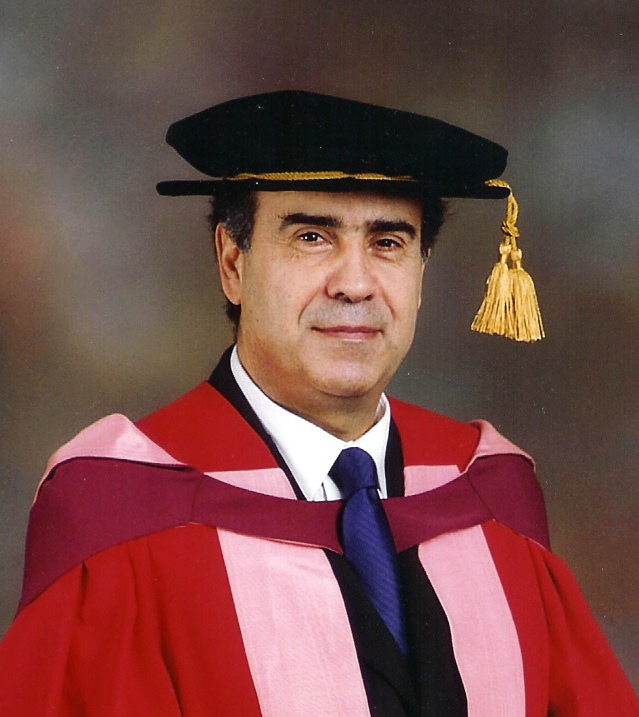 M Saadeh Suleiman合作论文数University of Bristol44
 Hunaid Vohra合作论文数Wessex Cardiothorac Ctr, Southampton Univ Hosp NHS Trust41
 Dominga Iacobazzi合作论文数36Parry Andrew J合作论文数36P. Ma合作论文数33
 Raimondo Ascione合作论文数Bristol Heart Institute;University of Bristol;Bristol Royal Infirmary;Bristol Heart Institute, University of Bristol26Chris Rogers合作论文数Bristol Medical School, University of Bristol;Bristol Heart Institute26Gianni D. Angelini合作论文数23Reeves B C合作论文数23
 Pradeep Narayan合作论文数Bristol Royal Infirmary, Bristol Heart Institute21
 Chiara Bucciarelli-Ducci合作论文数20
 Shubhra Sinha合作论文数20Avolio Elisa合作论文数20
 Rapetto Filippo合作论文数19Carlo Fino合作论文数19Froso Sophocleous合作论文数17
 Daniel Fudulu合作论文数Bristol Heart Institute, Bristol University17
 Costanza Emanueli合作论文数Cardiac Function, National Heart and Lung Institute, Faculty of Medicine, Imperial College London17
 Vito Domenico Bruno合作论文数Department of Cardiac Surgery, Cardiocentro Ticino17
 Antonio Miceli合作论文数University of Tor Vergata16
 Arnaldo Dimagli合作论文数Bristol Heart Institute, University of BristolBristol15Katie Skeffington合作论文数15
 Robert M R Tulloh合作论文数University Hospitals Bristol and Weston NHS Foundation Trust15Damien Kenny合作论文数15Maurizio Merlo合作论文数14Iacovoni Attilio合作论文数Dipartimento Cardiovascolare, Ospedali Riuniti14
 Julien Magne合作论文数13
 Cha Rajakaruna合作论文数13Mustafa Zakkar合作论文数Hammersmith Hospital, Imperial College London13
 Michele Senni合作论文数12Tim Dong合作论文数12Michele Carrabba合作论文数Biomedical Engineering, University of Pisa12
 Jeremy Chan合作论文数Bristol Heart Institute, University of Bristol12
 Dorobantu Dan M合作论文数University Hospitals Bristol National Health Services Trust12
 Valeria V Alvino合作论文数12
 Deborah Lawlor合作论文数Bristol Medical School, University of Bristol;Bristol Population Health Science Institute, The University of Bristol12
 Silvia Schievano合作论文数11A Pawade合作论文数11
 Victoria Ordonez合作论文数11A Parry合作论文数11
 Sarah George合作论文数Faculty of Health Sciences, University of Bristol11
 Lorenzo Galletti合作论文数Department of Pediatric Cardiac Surgery, Marie-Lannelongue Hospital;133 Avenue de la Résistance11Hajime Imura合作论文数Department of Cardiovascular Surgery, Nippon Medical School Hospital11




