PURPOSE: To use a HIV retrovirus to cause AIDS diseases as a raw material for an antigen for detecting an antibody existing in the serum of an AIDS patient. CONSTITUTION: This purified and isolated retrovirus of HIV is a T-lymph nutritive retrovirus having the following characteristics. (1) A target is a helper T-lymphocyte. (2) Requiring Mg 2+ ion, having reverse transcriptase activity showing strong affinity for a poly(adenylate)-oligo(deoxythymidylate) 12-18 . (3) Containing a p25 protein not causing immunological cross reaction with a p24 protein of HTLV-I. (4) Containing no protein causing immunological cross reaction with a p19 protein of HTLV-I. COPYRIGHT: (C)1994,JPO
Purified streptococcal mitogens (SMs) including erythrogenic exotoxin were compared with phytohemagglutinin (PHA) for their ability to sustain lymphadenopathy-associated virus (LAV) replication after the stimulation of normal human peripheral blood mononuclear cells and purified CD4+ and CD8+ T cells infected with LAV. Both SM and PHA supported LAV production in peripheral blood mononuclear and CD4+ cells but not in CD8+ cells. LAV production assessed by the assay of reverse transcriptase in cell supernatants appeared earlier after stimulation with SM and was 6- to 10-fold greater than after stimulation by PHA.
The Human Immunodeficiency Virus (HIV) displays a selective tropism for cells expressing the CD4 molecule which, by itself, represents at least part of the specific receptor for this virus. However, modification of the activation state of each individual cell seems critical not only for virus replication but also for its binding and subsequent penetration into its target. We demonstrate here that Cyclosporin-A (CSA), a drug which inhibits IL-2 dependent T-lymphocyte proliferation and differentiation and which is known for its immunosuppressive activity, can prevent subsequent virus binding to cells otherwise susceptible to HIV. Normal T-lymphocytes were preincubated in vitro with CSA at concentrations that were in the same range than those reached in the serum of treated patients. This resulted in the complete disappearance of HIV receptors (HIV-R), as assessed by the direct measure of specific binding of fluoresceinated HIV (HIV-FITC), and in the subsequent inhibition of HIV replication in cultured cells. Moreover CSA pretreatment of IL-2 independent transformed cells derived from the CEM line, before their infection, strongly inhibited HIV adsorption as well as further virus replication. These results provide a new experimental basis for the potential application of CSA in the treatment of HIV-related diseases.
Purified streptococcal mitogens (SMs) including erythrogenic exotoxin were compared with phytohemagglutinin (PHA) for their ability to sustain lymphadenopathy-associated virus (LAV) replication after the stimulation of normal human peripheral blood mononuclear cells and purified CD4+ and CD8+ T cells infected with LAV. Both SM and PHA supported LAV production in peripheral blood mononuclear and CD4+ cells but not in CD8+ cells. LAV production assessed by the assay of reverse transcriptase in cell supernatants appeared earlier after stimulation with SM and was 6- to 10-fold greater than after stimulation by PHA.
A strain of lymphadenopathy associated retrovirus ( LAV ) passaged in vitro was used to infect a lymphoblastoid cell line obtained by transformation with Epstein-Barr virus of B lymphocytes from a healthy donor. The virus produced from this line (B- LAV ) was also able to grow at a high rate in some other lymphoblastoid lines and in a Burkitt lymphoma line. This adapted strain retained the biochemical, ultrastructural, and antigenic characteristics of the original strain, as well as its tropism for normal T4+ lymphocytes. It is thus possible to grow LAV in large quantities that can be used for the preparation of diagnostic reagents. The interaction between such a human retrovirus and Epstein-Barr virus, a DNA virus, may have some implication for the pathology of the acquired immunodeficiency syndrome and related diseases.
A mouse hybridoma cell line has been isolated, which secretes a monoclonal antibody (HBA) specific of human leucocyte (alpha) interferon. This monoclonal antibody neutralizes biological activities (cellular and antiviral) of most of the molecular species of alpha interferon produced by human leucocytes. Bound to Sepharose, it has been used as an immunoadsorbent (HBA-Sepharose) to purify human leucocyte interferon. Human leucocyte interferon can be purified to homogeneity by a two-step chromatography on the immunoadsorbent. A high recovery (70-90%) of purified leucocyte interferon is obtained from crude or partially purified preparations, with a specific activity of 2,8 X 10(8) IU/mg of protein. Analysis of the purified proteins by SDS-gel electrophoresis and silver staining shows that the purified human leucocyte interferon consists of three species of molecular weight: 18 000-21 000 and 27 000. This simple and rapid technique can be applied for the preparation of homogeneous leucocyte interferon on a large scale.
Many viruses, including retroviruses, are characterized by their specific cell tropism. Lymphadenopathy-associated virus (LAV) is a human lymphotropic retrovirus isolated from patients with acquired immune deficiency syndrome (AIDS) or related syndromes, that displays selective tropism for a subset of T lymphocytes defined by the expression of a surface glycoprotein of relative molecular mass 62,000 (62K) termed T4 (refs 6-8). This glycoprotein delineates a subset of T lymphocytes with mainly helper/inducer functions, while T lymphocytes of the reciprocal subset express a glycoprotein termed T8, have mainly cytotoxic/suppressor activities, and are unable to replicate LAV. Such a tropism may be controlled at the genomic level by regulatory sequences, as described for the human T-cell leukaemia viruses HTLV-I and -II (refs 2, 3). Alternatively or concomitantly, productive cell infection may be controlled at the membrane level, requiring the interaction of a specific cellular receptor with the virus envelope, as demonstrated recently for Epstein-Barr virus (EBV). Therefore, we have investigated whether the T4 molecule itself is related to the receptor for LAV. We report here that preincubation of T4+ lymphocytes with three individual monoclonal antibodies directed at the T4 glycoprotein blocked cell infection by LAV. This blocking effect was specific, as other monoclonal antibodies--such as antibody to histocompatibility locus antigen (HLA) class II or anti-T-cell natural killer (TNK) target--directed at other surface structures strongly expressed on activated cultured T4+ cells, did not prevent LAV infection. Direct virus neutralization by monoclonal antibodies was also ruled out. These results strongly support the view that a surface molecule directly involved in cellular functions acts as, or is related to, the receptor for a human retrovirus.
The presence of antibodies to lymphadenopathy-associated retrovirus (LAV) was determined by a radioimmunoprecipitation assay and by an enzyme-linked immunosorbent solid assay of sera from Zairian patients with the acquired immune deficiency syndrome (AIDS) in 1983. Thirty-five of 37 patients (94 percent) and 32 of 36 patients (88 percent), respectively, were seropositive by the two tests. In a control group of 26 patients, six (23 percent) showed positive results in these tests. Of these six control patients, five had clinically demonstrable infectious diseases and a low ratio of T4 to T8 lymphocytes. In addition, sera collected from a control group of Zairian mothers in 1980 were positive for LAV in 5 of 100 cases. Other serologic data suggest that LAV was present as early as 1977 in Zaire.
Further characterization of a human lymphotropic retrovirus previously isolated from a patient with lymphadenopathy syndrome is reported. The virus is not antigenically related to human T-cell leukaemia virus (HTLV1). The mature virions have a distinct morphology when examined by electron microscopy, with a small eccentric core. This morphology is close to that of equine infectious anaemia virus (EIAV). Moreover, the p25 protein of the human isolate can be immunoprecipitated by sera of horses infected with EIAV.
A retrovirus belonging to the family of recently discovered human T-cell leukemia viruses (HTLV), but clearly distinct from each previous isolate, has been isolated from a Caucasian patient with signs and symptoms that often precede the acquired immune deficiency syndrome (AIDS). This virus is a typical type-C RNA tumor virus, buds from the cell membrane, prefers magnesium for reverse transcriptase activity, and has an internal antigen (p25) similar to HTLV p24. Antibodies from serum of this patient react with proteins from viruses of the HTLV-I subgroup, but type-specific antisera to HTLV-I do not precipitate proteins of the new isolate. The virus from this patient has been transmitted into cord blood lymphocytes, and the virus produced by these cells is similar to the original isolate. From these studies it is concluded that this virus as well as the previous HTLV isolates belong to a general family of T-lymphotropic retroviruses that are horizontally transmitted in humans and may be involved in several pathological syndromes, including AIDS.
Mouse monoclonal antibody directed against human leukocyte alpha interferon (IFN-alpha) was coupled to Sepharose and used as an immunoadsorbent to purify human IFN-alpha. Leukocyte and lymphoblastoid (Namalva) IFNs were retained by the immunoadsorbent with a specificity of 80 to 100% and 40 to 60%, respectively. Human IFN-beta or -gamma and mouse IFN were not retained. The purified IFN-alpha retained its antiviral and anticellular properties as well as its ability to induce the 2-5A synthetase in human cells with a specific activity similar to that of the crude IFN. Sodium dodecyl sulfate-polyacrylamide gel electrophoresis of radioactively labeled IFN showed that it consisted of several proteins in the molecular weight range of 17,000 to 27,000. 125I-labeled IFN-alpha with a high specific activity (2,000 Ci/mmol) was used in a radioimmunoassay for the titration of IFN-alpha.
A mouse hybridoma cell line has been isolated, which secretes a monoclonal antibody specific of human leukocyte (alpha) interferon. The antibody secreted by the hybridoma belongs to the IgG1 class. It neutralizes biological activities (cellular and antiviral) of alpha interferon. Mass production of the antibody in ascitic fluid has been obtained. A convenient method of purification of the IgG from the ascitic fluid on DEAE-Trisacryl M is described.
The cytostatic effect of various derivatives of 2-nitro-naphthofurans has been determined in vitro on L1210 leukemia cells. A recently described new bio-assay (Discotest) was used, which consists in plating the cells in soft agarose and placing on top of the agarose layer a paper disc soaked with the compound to be tested. The halo of inhibition of colony formation which results from diffusion of the compound is proportional to the logarithm of the compound concentration. The most active derivatives were the 2-nitro-7-methoxy and 2-nitro-8-methoxy-naphtho[2,1-b] furans which are known to be highly bactericidal and protozoocidal.
Newly synthesized dipyrido [4,3-b] [3,4-f] indole compounds have a structural similarity with the DNA intercalating agents ellipticines (pyrido-carbazoles). The procedure of synthesis of these compounds allows the addition of a lateral chain in position 1 of the nucleus. Comparison is made between different substitutions and the resulting cytotoxic and antitumoral effects. The most active compound of the serie (1-gamma-diethyl amino propyl amino)-5-methyl-dipyrido [4,3-b] [3,4-f] indole (called here BD40) protects mice against L1210 leukemia. At the non-toxic dose of 20 mg/kg, particularly, a single infection of this compound given one day after inoculation of 10(5) L1210 cells resulted in an increased life span of 69 per cent with one survivor at 60 days. A combination of cyclophosphamide and BD40 had a synergic effect on the life span of L1210 inoculated mice. The antitumoral action of these drugs may be linked to their intercalative action upon biding to DNA.
Interferon-alpha 1 from Escherichia coli transformed with a hybrid plasmid containing a human leukocyte complementary DNA insert, induces resistance to virus in appropriate target cells. It also shares the following properties with natural leukocyte interferon (IFN). (i) It enhances natural killing activity of human lymphocytes, (ii) it enhances antibody-dependent cell-mediated cytotoxicity, (iii) it suppresses antigen- and mitogen-induced leukocyte migration inhibition, (iv) it inhibits growth of IFN-sensitive Burkitt lymphoma cells. Since these activities are exhibited by a cloned protein species, they are due to IFN itself and not to other human proteins.
Une nouvelle méthode de titrage de l'action cytostatique de l'interféron ou de produits antitumoraux est décrite. Elle est basée sur la mesure d'un halo d'inhibition de formation des colonies par les cellules sensibles suspendues en agarose, à partir d'un disque central de papier-filtre imbibé du produit inhibiteur. Le diamètre du halo est proportionnel au logarithme de la concentration du produit à tester.
A cellular hybrid secreting a Mouse monoclonal immunoglobulin (IgG) specific of human leukocyte interferon has been obtained, following fusion of a nonsecreting variant of the myeloma P3X63 Ag8 with splenic lymphocytes from a Mouse immunized against interferon incorporated into liposomes. The antibody also recognizes human interferon made by a bacterial recombinant and a fraction of interferon made by Namalva cells. Mass production of the antibody has been achieved using ascitic growth of the hybrid in Mice.
"Nouveaux derives des pyrido (4,3-b) carbazoles (ellipticines), substitues en position 1 par une chaine polyaminee, leur obtention et leur application a titre de medicaments" Composes de formule dans laquelle R, est un groupement Y-(CH 2 ) n -NR 4 R 5 , ou Y represente une liaison simple ou le groupe: R 4 et R 5 , identiques ou differents, sont l'hydrogene ou un radical alkyle, de preference inferieur, ou encore forment ensemble un cycle pouvant comporter des hetero-atomes, en particulier des atomes d'azote, etn est un nombre allant de 1 a 10, notamment de 2a 7, R 2 est un atome d'hydrogene, un groupe alkyle inferieur ou un groupe aralkyle dans lequel le substituant alkyle est un groupe alkyle inferieur, et R 3 est un atome d'hydrogene ou un groupe -CH 3 . Une synthese multi-etapes en passant par des carbazoles et des chloro-1-pyrido (4,3-b) carbazoles. Les composes ont des proprietes antitumorales.
 Luc Montagnier合作论文数23
 David Klatzmann合作论文数Sorbonne Center for Artificial Intelligence, Sorbonne University;Pitié-Salpêtière Hospital6Jc Chermann合作论文数6Sophie Chamaret合作论文数6Jean-Claude Gluckman合作论文数5Christian Rivalle合作论文数5
 Françoise Barré-Sinoussi (弗朗索瓦丝·巴尔-西诺西)合作论文数Retroviral Infection Unit, Institut Pasteur4Charles Dauguet合作论文数4A.G. Laurent合作论文数4M.T. Nugeyre合作论文数4Jp Marquet合作论文数3Emile Bisagni合作论文数3J.-D. Bourzat合作论文数3E Brisson合作论文数2Jj Pepin合作论文数2J Svab合作论文数2Claire Ducrocq合作论文数2
 Christine Rouzioux合作论文数Virology Laboratory in Necker Hospital2Eliane F. Meurs合作论文数Departement de Virologie;Laboratoire Virologie Moleculaire et Vectorologie;Institut Pasteur;Laboratoire Virologie Moleculaire et Vectorologie, Institut Pasteur2Denise Guetard合作论文数2Joseph E. Alouf合作论文数2Christiane Geoffroy合作论文数2C Axler合作论文数2Pierre Tambourin合作论文数2Gérard Torpier合作论文数2Andrelou.J合作论文数1JB BRUNET合作论文数1FM FEINSOD合作论文数1JP BUISSON合作论文数1F Dray合作论文数1A Hall合作论文数1Eric Champagne合作论文数1
 Joseph B. McCormick合作论文数1f wendling合作论文数1Brun-Vézinet Françoise合作论文数1Vézinet-Brun F合作论文数1Ara G. Hovanessian合作论文数Institute of Biological Science, CNRS French National Centre for Scientific Research1
 Peter Piot合作论文数London School of Hygiene and Tropical Medicine1
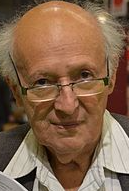 George Klein合作论文数Department of Tumour Biology, Karolinska Institute1Rene Royer合作论文数1Rosette Lidereau合作论文数1
 Eva Klein合作论文数Karolinska Institute1Diego Geroldi合作论文数1
 Willy Rozenbaum合作论文数1Maria Masucci合作论文数1Nadine Robert合作论文数1J.B. Marquet合作论文数1




