Multimodal neurologic prognostication (MM-NP) after cardiac arrest has been shown to enhance prognostic accuracy, however, it is vastly underutilized in real-world settings. Guideline-discordant practices and healthcare disparities in post-cardiac arrest care have been widely reported. Process standardization may reduce practice variations and mitigate cognitive biases. We describe several steps taken at our institution to build robust systems of care and ensure consistent, equitable MM-NP.Our program is founded on multidisciplinary collaboration. A group of stakeholders worked to build and refine our protocols based on current guidelines and evidence, tailored to the institutional context and resources. Our partnership extends to the clinical space where patients are cared for by the critical care and neurology teams, leveraging the combined expertise of these disciplines. Regular didactics on neuroprognostication delivered to our trainees aim to emphasize the importance of performing a nuanced, multimodal assessment, accounting for clinical confounders (e.g., sedation), acknowledging uncertainty, and allowing for sufficient time to prognosticate.We also leverage the electronic health record (EHR) to implement standardized order sets, documentation and tools to facilitate consistency in care. Ongoing evaluation of processes is critical in recognizing and mitigating challenges while ensuring constant refinements of the infrastructure. In addition to optimizing prognostication itself, compassionate and transparent prognosis communication is a critical element of goal-concordant care.Regular review with key stakeholders and the clinical teams coupled with EHR-based data extraction allow for assessment of impact to ensure system optimization and sustainable growth.
Background and PurposeSevere acute brain injury (SABI) often occurs suddenly, profoundly impacting patients and their families. During the ICU stay, critical treatment decisions have to be made in the setting of prognostic uncertainty. We aimed to better understand the experiences of surrogate decision makers (SDMs) specifically regarding longer-term treatment decisions such as tracheostomy, gastrostomy, and withdrawal of life-sustaining treatment (WLST).MethodsWe interviewed SDMs of adult patients admitted between 2021 and 2022 with SABI (traumatic brain injury or stroke) who were initially mechanically ventilated and either underwent tracheostomy or WLST after 7 days. We developed an interview guide in collaboration with five SDMs for former patients to explore the ICU experience and reflections on treatment decisions. SDMs were contacted 12-36 months post-SABI. Common themes were identified after a review of transcripts by six authors.ResultsAfter contacting the primary caregivers for 18 eligible patients, six SDMs consented to participate. Interviewees included SDMs to four patients who underwent tracheostomy and two who died after a decision to pursue WLST; median time from hospital discharge to interview was 29 months. SDMs expressed sources of struggle in the decision-making process including the novelty of the role, perceived time pressure to make decisions, and prognostic uncertainty. Post-acute discharge needs were also unanticipated and overwhelming.ConclusionThe reflections from SDMs highlighted the significant multifaceted difficulties experienced by SDMs of patients with SABI. More research is needed to understand how to best support those who support our patients.
Brain magnetic resonance imaging (MRI) has been investigated as a neuroprognostication (NP) test after out-of-hospital cardiac arrest (OHCA); however, most studies have focused on predicting poor neurologic outcomes or death. We examined the ability of a composite brain MRI score (“NP score”) to predict neurologic outcomes in an OHCA cohort (2017–2023) who underwent brain MRI within 2–7 days post arrest and survived to hospital discharge. NP scores (range 0–214) were calculated from diffusion weighted imaging and fluid attenuated inversion recovery signals in prespecified neuroanatomical regions. We categorized neurologic outcomes as “independent” (Cerebral Performance Categories [CPC] 1–2), “dependent” (CPC 3), and “vegetative state” (CPC 4). We conducted correlation analyses and used computational modeling for probabilities to identify transition points between the outcome categories. Forty-two OHCA survivors were included (median age 47 years; 74
Aim:Targeted temperature management (TTM) is commonly used in the setting of out-of-hospital cardiac arrest (OHCA) to improve survival and functional outcomes. However, real-world evidence of effects and optimal temperature are limited. To help address this, we examined associations between TTM and neurologically-intact survival after non-traumatic OHCA across changing institutional TTM temperature goals. Methods:We performed a single-site, retrospective, cohort study of adults with non-traumatic OHCA who arrived comatose to the emergency department and received TTM from 2010 to 2020. Primary exposure was TTM goal temperature. Institutional goal temperature changed from 33 °C (TTM33-1) to 36 °C (TTM36) in 2014 and back to 33 °C (TTM33-2) in 2017. The primary outcome was neurologically-intact survival at discharge, defined as Cerebral Performance Category score of 1 or 2. Secondary outcomes included survival to hospital discharge and care processes. Multivariable logistic regression analysis evaluated association between TTM goal and neurological outcome. Results:Of 1,469 OCHA patients meeting inclusion criteria, 800 (54%) received TTM. TTM was initiated more frequently during TTM33-1 (60%) than TTM36 (52%) or TTM33-2 (52%). After adjustment for demographic and cardiac arrest characteristics, there was no significant association between TTM goal temperature of 33 °C and neurologically-intact survival, versus 36 °C (adjusted odds ratio 1.10, 95% confidence interval 0.76, 1.60). Conclusion:TTM goal temperature was not significantly associated with neurologically-intact survival of adult OHCA patients who arrived comatose to the emergency department.
Background: Brain magnetic resonance imaging (MRI) has been examined for neuroprognostication (NP) after out-of-hospital cardiac arrest (OHCA). However, studies have focused on predicting poor outcomes of non-awakening and/or death. Recommendations for utilization of brain MRI in NP remain weak due to its subjective interpretation. Aim: We modified a previously published brain MRI score and examined our quantitated NP scores’ ability to predict good functional outcomes in OHCA survivors. Methods: We screened OHCA cases (2017-2023, Seattle Medic One registry) for patients who survived to hospital discharge and had brain MRIs performed 25 hours-7 days after arrest. Each MRI was reviewed by two adjudicators; a third reviewer served as tie-breaker. Reviewers were blinded to patient outcomes. Diffusion Weighted Imaging and Fluid Attenuated Inversion Recovery sequences were reviewed to score 35 neuroanatomical regions. Graded severity for estimated affected area (0 = zero; 1= < 25%; 2 = 25-50%; 3 = 50-75%; 4 = >75%) and binary (0 = not affected, 1 = affected) scores were tallied. Points were summed for a composite brain MRI score, “ NP score ”, possible range 0-214. Primary outcome was Cerebral Performance Categories (CPC) at hospital discharge (1-2: “independent”, 3: “dependent”, 4: “vegetative state”). Computational modeling employed folded normal distributions and Maximum Likelihood Estimation. Statistical analyses were Pearson’s, Spearman’s, ANOVA, Fisher LSD, t-tests. Results: Forty-two (42) adult patients were included (74% men, 55% Caucasian). Median NP score was 11.5 (IQR 41.5, n=42) overall, 2 (IQR=10, n=21) for independent versus 25.5 (IQR 36.5, n=10) for dependent patients, and 92 (IQR=81, n=11) for those in a vegetative state. NP scores strongly correlated with CPC [ r s (40) = .69, p< .001 ], and were significantly different between CPC groups [F(2,39) = 32.66, p< 0.001 ]. Interrater concordance for NP score was high (Pearson) r = .88 [r = .96; .95; .90; .71]. Conclusions: Our NP score correlated well with good functional outcomes in OHCA survivors, and (1) identified distinct thresholds that well-separate functional outcome groups and (2) had very strong concordance rate among four pairs of adjudicators. NP score-based predictive modeling differentiates functional outcomes beyond good versus poor dichotomy and may help providers and family anticipate recovery potential.
Smith, Natalie L.1; James, Adrienne2; Fong, Christine2; Sharma, Monisha3; Matin, Nassim4; Sarhadi, Kasra4; Lele, Abhijit5; Mazwi, Nicole6; Robba, Chiara7; Creutzfeldt, Claire J.8; Town, James8; Wahlster, Sarah8 Author Information
OBJECTIVE:To explore the perceptions of healthcare workers in the intensive care unit about family visitation policies and to examine their impact on healthcare workers' psychological distress. METHODS:We disseminated an electronic survey to interdisciplinary healthcare workers via the Associação de Medicina Intensiva Brasileira during Brazil's most severe peak of COVID-19 (March 2021). We assessed perceptions of and preferences for family visitation policies and measured healthcare worker distress, including burnout, depression, anxiety, irritability, and suicidal thoughts using validated scales. We conducted multivariable regressions to evaluate factors associated with healthcare worker distress, including family visitation policies and healthcare workers' concerns. RESULTS:We included responses from 903 healthcare workers: 67% physicians, 10% nurses, 10% respiratory therapists, and 13% other. Most healthcare workers reported that their hospitals allowed no family visitation (55%) or limited visitation (43%), and only 2% reported allowing unlimited visitation. Most believed that limiting visitation negatively impacted patient care (78%), and 46% preferred allowing more visitation (which was lower among nurses [44%] than among physicians [50%]; p < 0.01). Approximately half (49%) of healthcare workers reported that limited visitation contributed to their burnout, which was lower among nurses (43%) than among physicians (52%), p = 0.08. Overall, 62% of healthcare workers reported burnout, 24% reported symptoms of major depression, 37% reported symptoms of anxiety, 11% reported excessive alcohol/drug consumption, and 14% reported thoughts of hurting themselves. In the multivariable analysis, family visitation policies (limited visitation versus no visitation) and preferences about policies (more visitation versus same or less) were not associated with psychological distress. Instead, financial concerns and reporting poor communication with supervisors were most strongly associated with burnout, depression, and anxiety. CONCLUSION:Half of healthcare workers self-reported that limited family visitation contributed to their burnout, and most felt that it negatively impacted patient care. However, family visitation preferences were not associated with healthcare worker distress in the multivariable regressions. More physicians than nurses indicated a preference for more liberal visitation policies.
RESUMO Objetivo: Explorar as percepções dos profissionais de saúde que trabalham na unidade de terapia intensiva quanto às políticas de visitação familiar e examinar sua influência no sofrimento psicológico desses profissionais de saúde. Métodos: Divulgamos um inquérito eletrônico para profissionais de saúde interdisciplinares por meio da Associação de Medicina Intensiva Brasileira durante o pico mais grave da COVID-19 no Brasil (março de 2021). Avaliamos as percepções e as preferências das políticas de visitação familiar e medimos o sofrimento dos profissionais de saúde, incluindo esgotamento, depressão, ansiedade, irritabilidade e pensamentos suicidas, usando escalas validadas. Realizamos regressões multivariáveis para avaliar os fatores associados ao sofrimento dos profissionais de saúde, incluindo políticas de visitação familiar e preocupações dos profissionais de saúde. Resultados: Incluímos respostas de 903 profissionais de saúde: 67% médicos, 10% enfermeiros, 10% fisioterapeutas e 13% outros. A maioria (55%) dos profissionais de saúde relatou que seus hospitais não permitiam visitação familiar ou permitiam visitação restrita (43%); apenas 2% relataram permitir visitação sem restrições. A maioria (78%) acreditava que restringir a visitação afetava negativamente a assistência ao paciente, e 46% preferiam permitir mais visitação (menor nos enfermeiros [44%] do que nos médicos [50%]; p < 0,01). Aproximadamente metade (49%) dos profissionais de saúde relatou que a visitação restrita contribuiu para seu esgotamento, sendo menor nos enfermeiros (43%) do que nos médicos (52%), p = 0,08. No geral, 62% dos profissionais de saúde relataram esgotamento, 24% relataram sintomas de depressão maior, 37% relataram sintomas de ansiedade, 11% relataram consumo excessivo de álcool ou drogas e 14% relataram pensamentos de automutilação. Na análise multivariada, as políticas de visitação familiar (visitação restrita versus nenhuma visitação) e as preferências por políticas (mais visitação versus a mesma ou menos) não foram associadas ao sofrimento psicológico. Em vez disso, as preocupações financeiras e o relato de má comunicação com os supervisores estavam mais profundamente associados ao esgotamento, à depressão e à ansiedade. Conclusão: Metade dos profissionais de saúde relatou que as restrições à visitação familiar contribuíram para seu esgotamento, e a maioria sentiu que isso afetou negativamente a assistência ao paciente. Entretanto, as preferências de visitação familiar não foram associadas ao sofrimento do profissional de saúde nas regressões multivariáveis. Mais médicos do que enfermeiros indicaram preferir políticas de visitação mais flexíveis.
Long-term outcomes of patients with severe acute brain injury (SABI) and their surrogate decision makers (SDMs) are insufficiently explored. We conducted a prospective, single-center, observational study of patients with SABI who required mechanical ventilation between September and November 2021. Two telephonic interviews were conducted at 6–12 months and 18–24 months post SABI. Patients’ functional outcomes at both time points were measured on the Glasgow Outcome Scale-Extended and categorized as dead (1), dependent (2–4), or independent (5–8). SDMs were interviewed at 18–24 months using validated screening tools for depression, anxiety, and posttraumatic stress disorder and qualitative questions about the hardest challenges during their recovery journey. We included 103 patients (median age 58 years, 28
Cerebrospinal fluid creatine kinase BB isoenzyme (CSF CK-BB) after cardiac arrest (CA) has been shown to have a high positive predictive value for poor neurological outcome, but it has not been evaluated in the setting of targeted temperature management (TTM) and modern CA care. We aimed to evaluate CSF CK-BB as a prognostic biomarker after CA. We performed a retrospective cohort study of patients with CA admitted between 2010 and 2020 to a three-hospital health system who remained comatose and had CSF CK-BB assayed between 36 and 84 h after CA. We examined the proportion of patients at hospital discharge who achieved favorable or intermediate neurological outcome, defined as Cerebral Performance Category score of 1–3, compared with those with poor outcome (Cerebral Performance Category score 4–5) for various CSF CK-BB thresholds. We also evaluated additive value of bilateral absence of somatosensory evoked potentials (SSEPs). Among 214 eligible patients, the mean age was 54.7 ± 4.8 years, 72
Recent studies have drawn increasing attention to brain-lung crosstalk in critically ill patients. However, further research is needed to investigate the pathophysiological interactions between the brain and lungs, establish neuroprotective ventilatory strategies for brain-injured patients, provide guidance on potentially conflicting treatment priorities in patients with concomitant brain and lung injury, and enhance prognostic models to inform extubation and tracheostomy decisions. To bring together such research, BMC Pulmonary Medicine welcomes submissions to its new Collection on 'Brain-lung crosstalk'.
Objective: To describe outcomes for patients with severe acute brain injury (SABI) who require mechanical ventilation (MV). Background: Patients with SABI often require MV due to impaired consciousness and insufficient airway protection, reflecting a substantial neurological injury. Outcomes for this high-acuity population have been insufficiently explored. Design/Methods: In this single-center prospective, observational cohort study at a level-1 trauma and comprehensive stroke center, we included consecutive adult patients with SABI, including traumatic brain injury (TBI), spontaneous intracranial hemorrhage (sICH), acute ischemic stroke (AIS), and subarachnoid hemorrhage (SAH), who required MV on admission between September-November 2021. We assessed in-hospital and 6–12 months mortality, tracheostomy and percutaneous gastrostomy tube (PEG) placement, and Extended Glasgow Outcome Score (GOS-E) at 6–12 months. Results: Overall, 90 patients (age 55 [SD 19], 73% male; median Glasgow Coma Scale on admission 7 [IQR 3,11]; 50% TBI, 20% sICH, 18% AIS, 12% SAH) were included. Median duration of MV was 2 days (IQR 1,7), with 40% requiring MV for £ 24 hours (G1), 37% 1–7 days (G2), and 23% >7 days (G3). In-hospital mortality was 47% (n=42), 79% (33/42) died after withdrawal of life-sustaining treatments (30% £24 hours, 24% 1–7 days, 45% >7 days). One third of survivors (30%, n=13) underwent PEG, 16% (n=7) tracheostomy. At 6–12 months, 51% (n=46) had died (51% TBI, 67% sICH, 44% AIS, 36% SAH; 44% G1, 55% G2, 57% G3); 57% of survivors (64% TBI, 50% sICH, 33% AIS, 71% SAH; 60% G1, 67% G2, 22% G3) had a GOS-E of 5–8. Among survivors who underwent PEG and tracheostomy, 54% and 29% had a GOS-E 5–8; all survivors who initially underwent tracheostomy were decannulated at 6–12 months. Conclusions: Mortality and long-term disability in patients with SABI who required MV were high and varied based on SABI subtype and duration of MV. Disclosure: Ms. Smith has nothing to disclose. Ms. JAMES has nothing to disclose. Dr. Matin has nothing to disclose. Dr. Sarhadi has nothing to disclose. Dr. Town has nothing to disclose. The institution of Dr. Creutzfeldt has received research support from NINDS. The institution of Dr. Creutzfeldt has received research support from NINR. Chiara Robba has nothing to disclose. Giuseppe Citerio has nothing to disclose. Dr. Lele has received personal compensation in the range of $10,000-$49,999 for serving as a Consultant for LifeCenter Northwest . Dr. Wahlster has nothing to disclose.
Objective: To examine long-term neurological outcomes of patients with severe acute brain injury (SABI) who required mechanical ventilation, and mental health outcomes of their shared decision makers (SD) 12–18 months after SABI. Background: SABI is the leading cause of disability worldwide. SDM of patients with SABI who require ICU care often have to make critical decisions about pursuing life-sustaining treatments while facing prognostic uncertainty. Long-term disability and high healthcare expenditures in patients with SABI who require long-term mechanical ventilation are common, outcomes of SDM are insufficiently explored. Design/Methods: This is a mixed-methods study, prospectively collecting 1) quantitative data via a structured survey of 116 patients and SDM, assessing long-term outcomes, information about socioeconomic status, access to healthcare 2) qualitative data via semi-structured interviews of patients and SDM 12–24 months following SABI, exploring themes around ICU communication, satisfaction with critical decisions, and post-ICU recovery. We will complement the analysis with a large, prospectively collected quantitative data gathered from adult patients who were admitted to the ICU with SABI (Traumatic Brain Injury, Acute Ischemic Stroke, Intracranial Hemorrhage, and Subarachnoid Hemorrhage) and required mechanical ventilation between September 2021–November 2021. This dataset contains detailed information about the patients' clinical severity, therapy intensity level, intracranial pressure values, daily ventilator parameters during their ICU hospitalization, and the patients' 6 months GOS-E. Our primary outcome will be the GOS-E for the patients, and the PHQ-8, and PCL-5 for the SDM at 12–24 months after hospitalization. As our secondary outcomes, we will assess 1) socioeconomic status and financial impact, 2) perceptions of communication by the ICU team, how communication impacted critical decisions, satisfaction with these decisions, SDM understanding of prognosis 3) availability of resources (access to healthcare, health insurance, financial resources, caregivers, psychosocial support). Results: N/A (study in progress - results will be available by the time of the meeting) Conclusions: N/A Disclosure: Dr. Wahlster has nothing to disclose. Dr. Town has nothing to disclose. Dr. Matin has nothing to disclose. Ms. Smith has nothing to disclose. Ms. JAMES has nothing to disclose. Nicole Mazwi has received personal compensation in the range of $500-$4,999 for serving as an Expert Witness for Morrison Mahoney. Robert Bonow has nothing to disclose. Dr. Lele has received personal compensation in the range of $10,000-$49,999 for serving as a Consultant for LifeCenter Northwest . Dr. Kross has received personal compensation in the range of $500-$4,999 for serving on a Scientific Advisory or Data Safety Monitoring board for A PCORI funded grant. The institution of Dr. Kross has received research support from NIH. The institution of Dr. Creutzfeldt has received research support from NINDS. The institution of Dr. Creutzfeldt has received research support from NINR.
 Sarah Wahlster合作论文数24
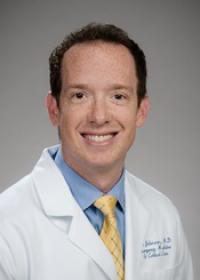 Nicholas Johnson合作论文数Department of Emergency Medicine, University of Washington;Division of Pulmonary, Critical Care, & Sleep Medicine, Department of Medicine, University of Washington15
 Monisha Sharma合作论文数Department of Global Health, University of Washington12
 Claire J. Creutzfeldt合作论文数11
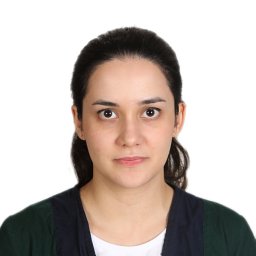 Matin Nassim合作论文数School of Medicine, Tehran University of Medical Sciences10
 David Carlbom合作论文数Harborview Medical Center, University of Washington10
 Chiara Robba合作论文数8Kross Erin K合作论文数Harborview Medical Center, University of Washington8
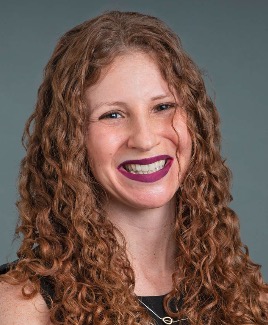 Ariane Lewis合作论文数Division of Neurocritical Care, Department of Neurology, Grossman School of Medicine, New York University;Department of Neurosurgery, Grossman School of Medicine, New York University6
 Abhijit V. Lele合作论文数Department of Anesthesiology and Critical Care Medicine, Johns Hopkins University School of Medicine6Pratik V Patel合作论文数5Gemi E Jannotta合作论文数5Joshua Krieger合作论文数5Israel Silva Maia合作论文数5
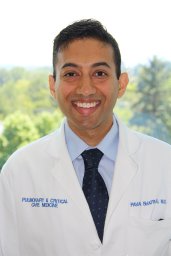 Bhatraju Pavan合作论文数Department of Medicine, New York University5
 Edilberto Amorim合作论文数5
 Suzana M Lobo合作论文数Faculdade de Medicina de São José do Rio Preto;Hospital de Base de São José do Rio Preto5
 David M. Greer合作论文数Chobanian & Avedisian School of Medicine, Boston University;Boston Medical Center5Adrienne James合作论文数4Basak Coruh合作论文数4Vera Schulte合作论文数3Kasra Sarhadi合作论文数3Erik Risa合作论文数3Christine Fong合作论文数3Natalie L. Smith合作论文数3Robert H Bonow合作论文数Department of Neurological Surgery, University of Washington School of Medicine;Harborview Injury Prevention Research Center, University of Washington School of Medicine3
 Srinivasan Vasisht合作论文数Department of Neurosurgery, University of Rochester Medical Center3Mazwi Nicole L合作论文数Department of Physical Medicine, Spaulding Rehabilitation Hospital3Davis Arielle P合作论文数3
 David L. Tirschwell合作论文数Medicine Stroke Center, University of Washington3Andrew M. Luks合作论文数3Victor Lin合作论文数2A Vincent Raikhel合作论文数2Toni Riveros合作论文数2Chris Hebert合作论文数2August Longino合作论文数2Ellen Robinson合作论文数2Stephen Ferraro合作论文数2Flynn McGuire合作论文数2Breana L Taylor合作论文数2Matthew R Thau合作论文数2
 Kyle Danielson合作论文数2Chad R Marion合作论文数2
 Steven Coppess合作论文数2Anna Brady合作论文数2Amy Morris合作论文数2
 Catherine R Counts合作论文数Dept Emergency Med, Univ Washington2
 Shaurya Taran合作论文数Department of Medicine, University Health Network2
 Jared Randall Curtis合作论文数Division of Pulmonary, Critical Care and Sleep Medicine, University of Washington2




