Aging is a major risk factor for poor outcomes following respiratory infections. In animal models, the most severe outcomes of respiratory infections in older hosts have been associated with an increased burden of senescent cells that accumulate over time with age and create a hyperinflammatory response. Although studies using coronavirus animal models have demonstrated that removal of senescent cells with senolytics, a class of drugs that selectively kills senescent cells, resulted in reduced lung damage and increased survival, little is known about the role that senescent cells play in the outcome of influenza A viral (IAV) infections in aged mice. Here, we tested if the aged mice survival or weight loss IAV infections could be improved using three different senolytic regimens. We found that neither dasatinib plus quercetin, fisetin, nor ABT-263 improved outcomes. Furthermore, both dasatanib plus quercetin and fisetin treatments further suppressed immune infiltration than aging alone. Additionally, our data show that the short-term senolytic agents do not reduce senescent markers in our aged mouse model. These findings suggest that acute senolytic treatments do not universally reverse aging related immune phenotype against all respiratory viral infections.
Neutrophils play key protective roles in influenza infections, yet excessive neutrophilic inflammation is a hallmark of acute lung injury during severe infections. Phenotypic heterogeneity is increasingly recognized in neutrophil populations; however, how functional variation in neutrophils between individuals determine the diverse outcomes of influenza remains unclear. To examine immunologic responses that may drive varying outcomes in influenza, we infected C57BL/6 (B6) and A/J mice with mouse-adapted influenza A virus A/PR/8/34 H1N1. A self-resolving dose in B6 mice was lethal in A/J mice, which had increased viral load throughout infection accompanied by prominent bronchoalveolar neutrophilia and pulmonary vascular leakage preceding mortality. Notably, the B6 mice heavily recruited neutrophils to lungs early in infection while A/J mice failed to do so. Neutrophils from A/J mice additionally displayed reduced neutrophil extracellular trap (NET) release and reactive oxygen species (ROS) generation compared to B6 mice early in infection, suggesting the failure to control virus in A/J mice was a product of deficient neutrophil response. To determine if variation in neutrophils between strains governed viral control and inflammation, we adoptively transferred bone marrow neutrophils from B6 or A/J donors to A/J recipients early in infection and found that the transfer of B6 neutrophils enhanced viral clearance and abrogated the dissemination of CXCL1 and IL-6. The transfer of A/J neutrophils, however, failed to achieve either. Furthermore, B6 neutrophils were capable of greater levels of viral killing in vitro than their A/J counterparts. These results suggest that a key moderator of inflammation in influenza infection is the control of virus by neutrophils early in infection. Thus, host-specific differences in both the recruitment of these cells as well as interindividual variation in neutrophil ability to support viral clearance may in part dictate differing susceptibility to respiratory viral infections.
RATIONALE. Lung cancer is the leading cause of cancer death in the United States, impacting nearly 1 in 5 United States Veterans. Even after treatment of early stage (stage I) lung cancer, recurrence is common. Despite high rates of lung cancer in veterans, risk factors for recurrence are poorly understood. METHODS. We performed a retrospective cohort study among Veterans diagnosed with and treated for stage IA and IB non-small cell lung cancer at the VA Ann Arbor Healthcare System between January 2013 and May 2017. Patients were treated with lobar or sub-lobar resection or radiation. Our primary outcome was lung cancer recurrence or death within five years of diagnosis. We used logistic regression analysis to assess the relationship between smoking status (active vs former) at time of first pulmonary consultation on the primary outcome, controlling for Charlson Comorbidity Index (CCI), mental health diagnosis, and total smoking pack-year history. In a secondary analysis, we used Cox regression to evaluate the relationship between smoking status and time to recurrence. RESULTS. We identified 74 patients who met study criteria. Of the included patients, 28 (38%) had radiographic or biopsy-proven evidence of lung cancer recurrence and 12 died within 5 years of diagnosis. In our primary analysis, active smoking was not associated with a statistically significant difference in the risk of recurrence or death within five years (absolute risk decrease 1.65%, P = 0.90). A higher CCI score was associated with 15.2% (P = 0.014) increased risk of recurrence or death within five years. Smoking history (in total pack years) and mental health diagnosis were not associated with the risk of recurrence or death. Our Cox model similarly demonstrated no significant relationship between smoking status and recurrence or death (Hazard Ratio = 1.1308; 95% CI: (0.5524, 2.315); P = 0.73). The median recurrence-free survival was 1781 days for non-smokers and 1527 days for smokers. CONCLUSIONS. Active smoking is not associated with increased probability of recurrence or death within five years of diagnosis for Veterans treated for stage IA and stage IB non-small cell lung cancer. A higher burden of comorbidities may correlate with an increased risk of recurrence. Clinicians should consider these findings when selecting among treatment options for patients with early-stage lung cancer.
Alterations in mitochondrial function and associated quality control programs, including mitochondrial-specific autophagy, termed mitophagy, are gaining increasing recognition in the context of disease. However, the role of mitophagy in organ transplant rejection remains poorly understood. Using mice deficient in Parkin, a ubiquitin-ligase which tags damaged or dysfunctional mitochondria for autophagic clearance, we assessed the impact of Parkin-dependent mitophagy on skin-graft rejection. We observed accelerated graft loss in Parkin-deficient mice across multiple-skin graft models. Immune cell distributions post-transplantation were largely unperturbed compared to wild-type; however, the CD8+ T cells of Parkin-deficient mice expressed more T-bet, IFNγ and Ki67, indicating greater priming towards effector function. This was accompanied by increased circulating levels of IL-12p70 in Parkin-deficient mice. Using a mixed leukocyte reaction, we demonstrated that naïve Parkin-deficient CD4+ and CD8+ T cells exhibit enhanced activation marker expression and proliferative responses to alloantigen, which were attenuated with administration of a pharmacological mitophagy inducer (p62-mediated mitophagy inducer), known to increase mitophagy in the absence of a functional PINK1-Parkin pathway. These findings indicate a role for Parkin-dependent mitophagy in curtailing skin-graft rejection.
Itaconate has emerged as a critical immunoregulatory metabolite. Here, we examined the therapeutic potential of itaconate in atherosclerosis. We found that both itaconate and the enzyme that synthesizes it, aconitate decarboxylase 1 (Acod1, also known as immune-responsive gene 1 [IRG1]), are upregulated during atherogenesis in mice. Deletion of Acod1 in myeloid cells exacerbated inflammation and atherosclerosis in vivo and resulted in an elevated frequency of a specific subset of M1-polarized proinflammatory macrophages in the atherosclerotic aorta. Importantly, Acod1 levels were inversely correlated with clinical occlusion in atherosclerotic human aorta specimens. Treating mice with the itaconate derivative 4-octyl itaconate attenuated inflammation and atherosclerosis induced by high cholesterol. Mechanistically, we found that the antioxidant transcription factor, nuclear factor erythroid 2-related factor 2 (Nrf2), was required for itaconate to suppress macrophage activation induced by oxidized lipids in vitro and to decrease atherosclerotic lesion areas in vivo. Overall, our work shows that itaconate suppresses atherogenesis by inducing Nrf2-dependent inhibition of proinflammatory responses in macrophages. Activation of the itaconate pathway may represent an important approach to treat atherosclerosis.
Obstructive sleep apnea is a prevalent sleep disorder characterized by recurrent episodes of partial or complete upper airway collapse during sleep, leading to disrupted breathing patterns and intermittent hypoxia. OSA results in systemic inflammation but also directly affects the upper and lower airways leading to upregulation of inflammatory pathways and alterations of the local microbiome. These changes result in increased susceptibility to respiratory infections such as influenza, COVID-19, and bacterial pneumonia. This relationship is more complex and bidirectional in individuals with chronic lung disease such as chronic obstructive lung disease, interstitial lung disease and bronchiectasis.
BACKGROUND:Despite randomized trials demonstrating a mortality benefit to low-dose computed tomography screening to detect lung cancer, uptake of lung cancer screening (LCS) has been slow, and the benefits of screening remain unclear in clinical practice. METHODS:This study aimed to assess the impact of screening among patients in the Veterans Health Administration (VA) health care system diagnosed with lung cancer between 2011 and 2018. Lung cancer stage at diagnosis, lung cancer-specific survival, and overall survival between patients with cancer who did and did not receive screening before diagnosis were evaluated. We used Cox regression modeling and inverse propensity weighting analyses with lead time bias adjustment to correlate LCS exposure with patient outcomes. RESULTS:Of 57,919 individuals diagnosed with lung cancer in the VA system between 2011 and 2018, 2167 (3.9%) underwent screening before diagnosis. Patients with screening had higher rates of stage I diagnoses (52% vs. 27%; p ≤ .0001) compared to those who had no screening. Screened patients had improved 5-year overall survival rates (50.2% vs. 27.9%) and 5-year lung cancer-specific survival (59.0% vs. 29.7%) compared to unscreened patients. Among screening-eligible patients who underwent National Comprehensive Cancer Network guideline-concordant treatment, screening resulted in substantial reductions in all-cause mortality (adjusted hazard ratio [aHR], 0.79; 95% confidence interval [CI], 0.67-0.92; p = .003) and lung-specific mortality (aHR, 0.61; 95% CI, 0.50-0.74; p < .001). CONCLUSIONS:While LCS uptake remains limited, screening was associated with earlier stage diagnoses and improved survival. This large national study corroborates the value of LCS in clinical practice; efforts to widely adopt this vital intervention are needed.
Neutrophils are an essential cellular component of innate immunity and control bacterial infections through a combination of intracellular and extracellular killing methods. Although the importance of neutrophils has been established, the exact methods used to handle particular bacterial challenges and the efficiency of bacterial killing remain not well understood. In this study, we addressed how neutrophils eliminate Streptococcus pneumoniae (Spn), a leading cause of community acquired and post-influenza bacterial pneumonia. We analyzed killing methods with variable bacterial:neutrophil concentrations and following priming with PAM3CSK4 (P3CSK), an agonist for Toll-like-receptor 2 (TLR2). Our results show that murine neutrophils display surprisingly weak bactericidal activity against Spn, employing a predominantly extracellular mode of killing at lower concentrations of bacteria, whereas challenges with higher bacterial numbers induce both extracellular and intracellular elimination modes but require TLR2 activation. TLR2 activation increased reactive oxygen species (ROS) and neutrophil extracellular trap (NET) formation in response to Spn. Despite this, supernatants from P3CSK-stimulated neutrophils failed to independently alter bacterial replication. Our study reveals that unstimulated neutrophils are capable of eliminating bacteria only at lower concentrations via extracellular killing methods, whereas TLR2 activation primes neutrophil-mediated killing using both intracellular and extracellular methods under higher bacterial burdens.
BackgroundLung inflammation, neutrophil infiltration, and pulmonary vascular leakage are pathological hallmarks of acute respiratory distress syndrome (ARDS) which can lethally complicate respiratory viral infections. Despite similar comorbidities, however, infections in some patients may be asymptomatic while others develop ARDS as seen with severe acute respiratory syndrome coronavirus 2 (SARS-CoV-2) infections for example.MethodsIn this study, we infected resistant C57BL/6 and susceptible A/J strains of mice with pulmonary administration of murine hepatitis virus strain 1 (MHV-1) to determine mechanisms underlying susceptibility to pulmonary vascular leakage in a respiratory coronavirus infection model.ResultsA/J animals displayed increased lung injury parameters, pulmonary neutrophil influx, and deficient recruitment of other leukocytes early in the infection. Moreover, under basal conditions, A/J neutrophils overexpressed primary granule protein genes for myeloperoxidase and multiple serine proteases. During infection, myeloperoxidase and elastase protein were released in the bronchoalveolar spaces at higher concentrations compared to C57BL/6 mice. In contrast, genes from other granule types were not differentially expressed between these 2 strains. We found that depletion of neutrophils led to mitigation of lung injury in infected A/J mice while having no effect in the C57BL/6 mice, demonstrating that an altered neutrophil phenotype and recruitment profile is a major driver of lung immunopathology in susceptible mice.ConclusionsThese results suggest that host susceptibility to pulmonary coronaviral infections may be governed in part by underlying differences in neutrophil phenotypes, which can vary between mice strains, through mechanisms involving primary granule proteins as mediators of neutrophil-driven lung injury.
BACKGROUND:Optimal time to treatment for early-stage lung cancer is uncertain. We examined causes of delays in care for Veterans who presented with early-stage non-small cell lung cancer (NSCLC) and whether workup time was associated with increased upstaging or all-cause mortality. METHODS:We performed a retrospective analysis of Veterans referred to our facility with radiographic stage I or II NSCLC between January 2013 to December 2017, with follow-up through October 2021. Patient demographics, tumor characteristics, time intervals of care, and reasons for delays were collected. Guideline concordance (GC) was defined as treatment within 14 weeks of abnormal image. Multivariable analyses were performed to determine association between delays in care, survival, and upstaging. RESULTS:Data from 203 Veterans were analyzed. Median time between abnormal imaging to treatment was 17.7 weeks (IQR 12.7-26.6). Only 33% of Veterans received GC care. Most common patient-related delays were: intercurrent hospitalization/comorbidity (23%), no-shows (16%) and inability to reach Veteran (17%). Most common system-related delay: lack of scheduling availability (25%). Delays associated with upstaging: transportation issues, request for coordination of appointments, and unforeseen appointment changes. Rates of upstaging did not differ between GC and discordant groups (P = .6). GC care was not an independent predictor of mortality. Post-hoc, treatment within 8 weeks was associated with lower rates of upstaging (P = .05). CONCLUSION:Although GC care did not impact survival or upstaging for early-stage NSCLC, shorter timeframes may be beneficial. Modifiable delays in care exist which may be addressed at an institutional level to improve timeliness of care.
Summary Aging impairs the immune responses to influenza A virus (IAV), resulting in increased mortality to IAV infections in older adults. With aging, there is reduced number and impaired function of alveolar macrophages (AMs), cells critical for defense against IAV. However, factors within the aged lung that impair AMs are not fully known. Using a murine model of IAV infection, we observed that aging increased the level of prostaglandin E 2 (PGE 2 ) in the bronchoalveolar lavage fluid (BALF) of aged mice compared to young mice. Blockade of the PGE 2 receptor EP2 in aged mice increased AM numbers and subsequently enhanced survival to IAV. Additionally, PGE 2 impaired the mitochondrial health of AMs. We also identified senescent type II alveolar epithelial cells (AECs) as a source of the aged-associated PGE 2 in the lung. Our results reveal a crosstalk between AECs and AMs, via PGE 2 , that compromises host defense to IAV infection with aging.
Aging impairs the immune responses to influenza A virus (IAV), resulting in increased mortality to IAV infections in older adults. However, the factors within the aged lung that compromise host defense to IAV remain unknown. Using a murine model and human samples, we identified prostaglandin E2 (PGE2), as such a factor. Senescent type II alveolar epithelial cells (AECs) are overproducers of PGE2 within the aged lung. PGE2 impairs the proliferation of alveolar macrophages (AMs), critical cells for defense against respiratory pathogens, via reduction of oxidative phosphorylation and mitophagy. Importantly, blockade of the PGE2 receptor EP2 in aged mice improves AM mitochondrial function, increases AM numbers and enhances survival to IAV infection. In conclusion, our study reveals a key mechanism that compromises host defense to IAV, and possibly other respiratory infections, with aging and suggests potential new therapeutic or preventative avenues to protect against viral respiratory disease in older adults.
Severe respiratory viral infections, including SARS-CoV-2, have resulted in high mortality rates despite corticosteroids and other immunomodulatory therapies. Despite recognition of the pathogenic role of neutrophils, in-depth analyses of this cell population have been limited, due to technical challenges of working with neutrophils. We undertook an unbiased, detailed analysis of neutrophil responses in adult patients with COVID-19 and healthy controls, to determine whether distinct neutrophil phenotypes could be identified during infections compared to the healthy state. Single-cell RNA sequencing analysis of peripheral blood neutrophils from hospitalized patients with mild or severe COVID-19 disease and healthy controls revealed distinct mature neutrophil subpopulations, with relative proportions linked to disease severity. Disruption of predicted cell-cell interactions, activated oxidative phosphorylation genes, and downregulated antiviral and host defense pathway genes were observed in neutrophils obtained during severe compared to mild infections. Our findings suggest that during severe infections, there is a loss of normal regulatory neutrophil phenotypes seen in healthy subjects, coupled with the dropout of appropriate cellular interactions. Given that neutrophils are the most abundant circulating leukocytes with highly pathogenic potential, current immunotherapies for severe infections may be optimized by determining whether they aid in restoring an appropriate balance of neutrophil subpopulations.
Background: SARS-CoV-2, the virus causing COVID-19 infection, can significantly contaminate environmental surfaces and can remain viable on surfaces for up to 9 days. Although respiratory route remains the most significant mode of transmission, fomites and environmental sources of infection remain a concern for healthcare personnel who are working in dedicated COVID-19 units. We investigated the extent of detectable SARS-CoV-2 contamination in the environment of COVID-19 patients at a single VA hospital, with the intent of identifying potential high-touch surfaces at risk for viral contamination, which could be used to inform the development of simple COVID-19 prevention strategies. Methods: We conducted a cohort study at 1 VA hospital in a unit housing adult veterans admitted with COVID-19 between October and December 2020. In total, 11 swab specimens were collected for PCR analysis (SARS-CoV-2 env gene) from environmental surfaces inside and just outside the rooms of COVID-19 patients one time. Retrospective chart reviews were conducted to provide the SARS-CoV-2 epidemiologic context for environmental detection. Results: In total, 297 swabs were collected from the unit and environmental areas surrounding 27 hospitalized patients: average age, 72.5 years (range, 34–94); 100% male; 92% non-Hispanic white; average comorbidities, 1.8 (SD, 1.1). Of 297 swabs, 80 (27%) were positive for SARS-CoV-2 and 19 (70%) of 27 patients had at least 1 positive site. The most contaminated site was the floor just outside the patient room (78% positive samples), followed by the patient’s bedrail (37%) and chair handle (37%) (Fig. 1). Traditionally high-touch surfaces, such as the door handle (outside patient room) and the light switch, did not have high positivity rates (<15%). Interestingly, both the personal protective equipment (PPE) cart outside patient’s room (33%) and the double doors leading out of the unit (19%) were positive, which are surfaces often touched with bare hands after handwashing. Analyses of clinical data are underway to examine whether specific care needs, based on activities of daily living disability, comorbidities, and clinical presentation of COVID-19, predict SARS-CoV-2 environmental contamination. Conclusions: The presence of environmental contamination by SARS-CoV-2 highlights the importance of transmission via direct or indirect contact. Studies targeting high-risk populations are needed to better understand the transmission of SARS-CoV-2 between infected patients and their environment. Our findings also suggest that handwashing and attention to using disinfecting wipes may mitigate the risk of transmission of virus from surfaces that one might consider safe to touch.Funding: NoneDisclosures: None
Aging leads to a gradual dysregulation of immune functions, one consequence of which is reduced vaccine efficacy. In this review, we discuss several key contributing factors to the age-related decline in vaccine efficacy, such as alterations within the lymph nodes where germinal center (GC) reactions take place, alterations in the B cell compartment, alterations in the T cell compartment, and dysregulation of innate immune pathways. Additionally, we discuss several methods currently used in vaccine development to bolster vaccine efficacy in older adults. This review highlights the multifactorial defects that impair vaccine responses with aging.
 Theodore J. Standiford合作论文数Division of Pulmonary and Critical Care Medicine, Medical School, University of Michigan19
 Genhong Cheng (程根宏)合作论文数Department of Microbiology, Immunology and Molecular Genetics, University of California Los Angeles10
 Michael W. Newstead合作论文数10
 Xianying Zeng (曾显营)合作论文数9Daniel R Goldstein合作论文数8TA Moore合作论文数7Kyle Carver合作论文数7
 Wang Tisha合作论文数Division of Pulmonary, Critical Care, and Sleep Medicine, University of California7
 Tian Xiaoli合作论文数School of Veterinary Medicine and Biomedical Sciences, University of Nebraska-Lincoln6Matthew J Worley合作论文数5Scott Hu合作论文数5K Tateda合作论文数4Shen Hu (胡深)合作论文数4
 Yasir Tarabichi合作论文数Division of Pulmonary, Critical Care, and Sleep Medicine, MetroHealth Campus of Case Western Reserve University, Cleveland, OH4
 Rachel Lynne Zemans合作论文数Division of Pulmonary and Critical Care Medicine, Department of Internal Medicine, University of Michigan Medical School4Zider Alexander合作论文数4John A. Belperio合作论文数4Michelle R. Zeidler合作论文数David Geffen School of Medicine, UCLA4Henry H Gong合作论文数3Ronak Garg合作论文数3Mina Pirzadeh合作论文数3Amir A Ghaffari合作论文数Dept Microbiol Immunol & Mol Genet, Univ Calif Los Angeles3
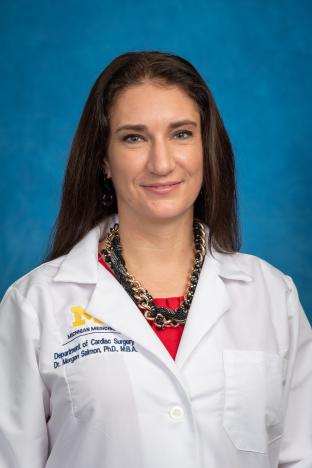 Morgan Salmon合作论文数Department of Cardiac Surgery, Medical School, University of Michigan3
 Joseph P. Lynch合作论文数Division of Pulmonary, Critical Care Medicine, Allergy, and Clinical Immunology, David Geffen School of Medicine, University of California3Albores Jeffrey合作论文数3
 Christopher M Nguyen合作论文数Department of Neurology, University of Iowa Carver College of Medicine3Zopey Radhika合作论文数3Chen Judy合作论文数3
 Feng Xu (徐峰)合作论文数The Second Affiliated hospital of Zhejiang University School of Medicine3Keizo Yamaguchi合作论文数3
 Michele Swanson合作论文数Department of Microbiology & Immunology, Medical School, University of Michigan3Wan C. Tsai合作论文数3K Carver合作论文数2R. Paine合作论文数2C. Yuen合作论文数2Sherri C Wood合作论文数2
 Raju Reddy合作论文数2Mc May合作论文数2Rm Harper合作论文数2Thomas A. Moore合作论文数2Jintao Xu合作论文数2
 Morteza Pirzadeh合作论文数2Matthew K. Hensley合作论文数2Kathleen Wragg合作论文数2
 Nithya Ramnath合作论文数Division of Hematology and Oncology, Department of Internal Medicine, Medical School, University of Michigan-Ann Arbor2
 Brian Parkin合作论文数Division of Hematology and Oncology, Department of Internal Medicine, University of Michigan2
 Bethany B. Moore合作论文数Department of Internal Medicine, University of Michigan Medical School;Department of Microbiology and Immunology, University of Michigan Medical School2
 Min Zhang (张敏)合作论文数Vanke School of Public Health, Tsinghua University2
 Lana Garmire合作论文数Department of Biostatistics, University of Michigan;Department of Computational Medicine & Bioinformatics, University of Michigan;School of Public Health, University of Michigan2




