Background:The Early Cold Stored Platelet Transfusion Following Severe Trauma Injury Trial evaluated the safety and efficacy of cold stored platelet (CSP) transfusion in injured patients at risk of hemorrhagic shock. It was a phase II, multicenter, randomized clinical trial conducted from June 2022 to September 2023 at five US level 1 trauma centers. A total of 200 adult patients at risk of hemorrhagic shock (102 CSP, 98 standard care (SC)) were included. Median age was 34±13 years, 85% were males, and injury severity was similar between groups. The original frequentist analysis did not demonstrate a statistically significant difference in 24-hour mortality between CSP (5.9%) transfusion and SC (10.2%, p=0.28). Methods:To provide further insight into these findings, a Bayesian logistic regression outcome model with an uninformative prior was performed. To validate the findings further, a sensitivity analysis was performed in addition to analysis using a beta-binomial Bayesian model. Results:The Bayesian logistic regression model yielded an 89.1% posterior probability that CSP transfusion reduced 24-hour mortality (ß1=-0.668, 95% highest posterior density interval: -1.7 to 0.48). This posterior distribution indicates it is 8.1 times more likely that CSP transfusion improves 24-hour mortality than not. Sensitivity analyses across a spectrum of priors consistently produced posterior probabilities >81%. The beta-binomial model demonstrated a similar 86.2% probability that CSP transfusion reduced 24-hour mortality. Conclusion:These findings suggest a high likelihood of mortality benefit with early CSP transfusion in injured patients at risk of hemorrhagic shock and illustrate the added interpretive value of Bayesian analysis in trauma trials with low event rates. Level of evidence:Level II-therapeutic/care management.
Background:Trauma guidelines have historically recommended intubation prior to transfusion, yet intubation and mechanical ventilation can exacerbate hemodynamic instability. We hypothesized that injured patients resuscitated with a circulation-first approach would require fewer blood transfusions and would have lower mortality than those managed with an airway-first approach. Methods:This secondary data analysis of the Linking Investigations in Trauma and Emergency Services (LITES) database compared trauma patients in hemorrhagic shock who received blood products and intubation within 30 minutes of each other. 'ABC' patients were intubated first, whereas 'CAB' patients received blood first. A subgroup analysis compared patients with penetrating injuries only. Outcomes included transfusion volume, whole blood (WB) utilization, mortality, and hospital length of stay (HLOS). Results:35 CAB and 49 ABC patients were included. The ABC group suffered more blunt injuries (73.5% vs 42.9%, p=0.02) and were more likely to receive WB in the prehospital setting (75.5% vs 48.6%, p=0.02). Transfusion requirements were significantly higher in the CAB group (7195 mL vs 6090 mL, p=0.01), although this was not the case after removal of outliers. In the penetrating cohort (17 CAB, 11 ABC), CAB patients were less likely to be transferred directly from the scene (70.6% vs 72.7%), yet were more likely to receive WB in the prehospital setting (64.7% vs 27.3%). There were no differences with respect to mortality or HLOS. Conclusion:When comparing a circulation-first to an airway-first approach to triage in a unique, severely injured cohort of trauma patients, there was no difference detected in transfusion requirements or mortality. Centers participating in LITES more frequently used CAB over ABC for patients with penetrating trauma. The sample size and characteristics of this cohort limit its generalizability and highlight the need for prospective multicenter trials to guide the triage and management of hemorrhagic shock. Level of evidence:III, prognostic/epidemiological.
Ketamine is a dissociative anesthetic often used for airway management in trauma. While perceived to preserve hemodynamic stability, concerns exist regarding its effects on intracranial pressure and cardiac output in critically ill patients. There is a lack of studies evaluating outcomes after ketamine administration in the setting of traumatic brain injury (TBI). This study aimed to investigate the effects of ketamine on outcomes and physiological responses in a large cohort of TBI patients. We hypothesized that ketamine administration would not be associated with differences in survival, vital signs, or disposition outcomes compared with other induction medications when administered following TBI. This was a retrospective, observational study utilizing data from the Linking Investigations in Trauma and Emergency Services registry (2017-2021). Subjects were divided into two groups: those who received only ketamine (n = 429) and those who received other induction medications (etomidate and/or propofol; n = 993). We compared 24-h mortality, initial in-hospital vital signs (systolic blood pressure [SBP], respiratory rate, heart rate, and Glasgow Coma Scale [GCS]), and hospital discharge disposition; a propensity score analysis adjusted for potential confounders including race, injury type, pre-hospital GCS, initial pre-hospital SBP and site location. Ketamine-exposed subjects were younger and presented with a worse clinical profile, including lower pre-hospital GCS (5 vs. 6, p < 0.01) and lower SBP (126.5 vs. 144.0 mmHg, p < 0.01) compared with the ketamine-unexposed group. Unadjusted analysis showed a significantly higher 24-h mortality rate in the ketamine-exposed group (3.5% vs. 1.4%, p = 0.02), as well as lower initial in-hospital vital signs. After propensity score adjustment, the odds of 24-h mortality remained significantly higher for the ketamine-exposed group (OR 2.358, p = 0.042). Hospital discharge disposition was not different between groups in any analysis. In this retrospective analysis, ketamine administration for pre-hospital airway management in TBI patients was associated with an increased 24-h mortality and lower in-hospital SBP, even after adjusting for baseline differences. However, injury severity and the length of time examined for mortality may explain the significant mortality association for ketamine in this study. Prospective studies are needed to examine the relationship between ketamine administration and mortality following TBI.
Background: Buprenorphine use in the intensive care unit (ICU) remains not well studied despite growing perioperative guidance supporting its continuation and initiation for patients with opioid use disorder (OUD). Trauma ICU admissions represent a critical opportunity to address untreated OUD, as well as continuation of an already established treatment plan for OUD, yet barriers limit its adoption in this setting. Methods: This single-center quality improvement study evaluated for inpatient buprenorphine prescribing patterns following provider education at a tertiary academic trauma center. Adult trauma ICU patients with OUD admitted between 2016-2024 were identified through the institutional trauma registry. Patients with pre-admission buprenorphine were excluded, yielding a cohort of 95 patients: 24 buprenorphine-exposed (initiated in the hospital) and 71 controls. Primary outcomes included pain scores and opioid requirements (morphine milligram equivalents, MME) during the first 48 hours. Secondary outcomes included hospital length of stay (LOS), discharge disposition, and 90-day readmission. Results: Baseline characteristics were similar between groups. No statistically significant differences were observed in first recorded pain scores (median 8 vs. 10; p=0.35), mean 48-hour pain scores (7.40 vs. 7.76; p=0.44), or total opioid consumption (232 vs. 119 mg MME; p=0.45). Median hospital LOS (16 vs. 19 days; p=0.48) and 90-day readmission rates (42.3% vs. 33.3%; p=0.40) were also comparable. Conclusion: Inpatient buprenorphine initiation in trauma ICU patients with OUD was not associated with worse pain control, increased opioid requirements, or adverse clinical outcomes. These findings support the integration of buprenorphine into critical care pathways as a safe strategy to address OUD during hospitalization and improve long-term recovery continuity. ### Competing Interest Statement The authors have declared no competing interest. ### Funding Statement This study did not receive any funding. ### Author Declarations I confirm all relevant ethical guidelines have been followed, and any necessary IRB and/or ethics committee approvals have been obtained. Yes The details of the IRB/oversight body that provided approval or exemption for the research described are given below: IRB of the University of Pittsburgh Medical Center waived ethical approval for this work. I confirm that all necessary patient/participant consent has been obtained and the appropriate institutional forms have been archived, and that any patient/participant/sample identifiers included were not known to anyone (e.g., hospital staff, patients or participants themselves) outside the research group so cannot be used to identify individuals. Yes I understand that all clinical trials and any other prospective interventional studies must be registered with an ICMJE-approved registry, such as ClinicalTrials.gov. I confirm that any such study reported in the manuscript has been registered and the trial registration ID is provided (note: if posting a prospective study registered retrospectively, please provide a statement in the trial ID field explaining why the study was not registered in advance). Yes I have followed all appropriate research reporting guidelines, such as any relevant EQUATOR Network research reporting checklist(s) and other pertinent material, if applicable. Yes All data produced in the present work are contained in the manuscript
BACKGROUND:Traumatic intracranial hemorrhage (tICH) is a major driver responsible for traumatic brain injury-related deaths. Studies have demonstrated an associated survival benefit with plasma administration among patients with tICH. The administration of whole blood (WB), from which plasma is derived, may provide similar or greater benefits. We hypothesize that WB, compared with plasma-based resuscitation, is associated with reduced 30-day mortality among patients presenting with tICH. STUDY DESIGN:This cohort study used the American College of Surgeons-TQIP databank from January 1, 2020, to December 31, 2021, and included adult trauma patients with tICH presenting to Level I and Level II US and Canadian civilian trauma centers. We compared WB resuscitation to plasma-based resuscitation within 4 hours of emergency department arrival. The primary outcome was mortality at 30 days. RESULTS:Among 9,175 patients analyzed, 1,238 (14%) received WB and 7,937 (86%) received plasma-based resuscitation. The overall 30-day mortality was 43%. WB was associated with reduced mortality at 30 days, demonstrating an unadjusted 30% lower risk of mortality (hazard ratio 0.70, 95% CI 0.63 to 0.77, p < 0.001) and a 24% lower risk of 30-day mortality after adjusting for confounders (hazard ratio 0.76, 95% CI 0.58 to 0.98, p = 0.04). CONCLUSIONS:In this cohort study, resuscitation with whole blood was associated with lower 30-day mortality compared with plasma-based resuscitation among patients presenting with tICH. These findings highlight WB as a promising therapeutic strategy for tICH, underscoring the need for future prospective studies to validate its clinical effectiveness.
Importance:Tranexamic acid (TXA) is associated with improved survival following trauma in prior prehospital trials, shaping clinical practice. The Study of Tranexamic Acid During Air and Ground Medical Prehospital Transport (STAAMP) trial did not find a difference in mortality between TXA and placebo. A bayesian approach that incorporates prior clinical evidence may better characterize the impact of TXA. Objective:To evaluate the probability of mortality benefit associated with prehospital TXA in trauma. Design, Setting, and Participants:This quality improvement study used a post hoc bayesian analysis of data from the STAAMP trial, a prospective, multicenter, double-masked, placebo-controlled, phase 3 randomized clinical trial conducted at level I trauma centers in the US from May 1, 2015, to October 31, 2019. Patients at risk for hemorrhage within approximately 2 hours of injury were randomized to receive prehospital TXA or placebo. The data analysis was performed between January 1, 2024, and December 31, 2025. Main Outcomes and Measures:The primary outcome was 30-day mortality assessed using frequentist statistics. Bayesian hierarchical logistic regression models were built to estimate the posterior probability of mortality associated with TXA. The prior distributions were informed by Clinical Randomization of an Antifibrinolytic in Significant Hemorrhage 2 (CRASH-2) and Prehospital Antifibrinolytics for Traumatic Coagulopathy and Hemorrhage (PATCH-Trauma) trial data, and the influence of prior selection, sample size, and varying risk thresholds was also evaluated. Results:Of 903 STAAMP patients analyzed (median [IQR] age, 39 [26-55] years; 668 male [74.0%]), 447 received TXA and 456 received placebo. The majority of patients (n = 760 [84.2%]) sustained blunt injuries, with a median injury severity score of 12 (IQR, 5-22). In the frequentist analysis, the 30-day mortality rates were 8.1% and 9.9% for the TXA and placebo groups, respectively (hazard ratio, 0.81; 95% CI, 0.59-1.11). Using bayesian models, the estimated posterior risk ratios were 0.91 (95% credible interval [CrI], 0.85-0.97) with a CRASH-2 prior, 0.80 (95% CrI, 0.65-0.97) with a PATCH-Trauma prior, and 0.82 (95% CrI, 0.52-1.23) under a noninformative prior. The results were robust across confounders, site clustering, and alternative priors. The posterior probability that TXA reduced mortality ranged from 84% to 99%. Conclusions and Relevance:This quality improvement study using a post hoc bayesian reanalysis of the STAAMP trial suggested a high probability that prehospital TXA would improve survival. Bayesian methods may offer refined inference and support clinical decision-making in prehospital trauma care.
BACKGROUND:Early transfusion improves survival of traumatic hemorrhage. We hypothesized that increased ratios of prehospital to total blood (red blood cell or whole blood) transfusion within 24 hours would be associated with improved outcomes. METHODS:A retrospective cohort study using a harmonized database of six hemorrhagic shock trials was conducted. Decedents within 4 hours and those not transfused within 24 hours were excluded. The primary outcome was 24-hour mortality; secondary outcomes included 28-day mortality, intensive care unit (ICU)-free and ventilator-free days, and incidence of acute lung injury (ALI). Prehospital blood ratio was calculated as volume prehospital transfusion:volume 24-hour total transfusion (prehospital plus 24-h total at the admitting facility). Multivariable analyses adjusted for age, sex, mechanism, Injury Severity Score (ISS), inter-facility transfer, transport mode, arrival systolic blood pressure and Glasgow Coma Scale, treatment group, trial, and transfusion volume were conducted. Sensitivity analyses (prehospital-only recipients, excluding traumatic brain injury) were conducted. RESULTS:Overall, 2,340 subjects were eligible, and 1,024 (43.8%) received prehospital blood. Prehospital recipients were older (median age 41 vs. 38 y, P =0.013), more likely blunt mechanism (81.6% vs. 66.0%; P <0.001), more likely transferred (13.3% vs. 4.3%; P <0.001), more likely transported by air (77.4% vs. 47.1%; P <0.001), and had higher ISS (median 29 vs. 25, P <0.001) compared with in-hospital only recipients. For every 10% increase in prehospital (PH):total blood ratio, there was an 8.8% decrease in odds of ALI (95% CI: 1.8-15.4%; P =0.015) and no significant association with mortality, ICU-free or ventilator-free days. Among prehospital recipients, for every 10% increase in PH:total blood ratio, there was a 16.7% decrease in odds of ALI (95% CI: 5.3-26.6%; P =0.005; n=375) and 0.21 (95% CI: 0.01-0.41; P =0.036; n=909) more ICU-free days. CONCLUSIONS:An increased proportion of resuscitation in the prehospital phase of care was associated with improved secondary clinical outcomes for select subjects. These data support initiating transfusion for hemorrhage as early as feasible. ( J Trauma Acute Care Surg . 2026;101: 39-47. Copyright © 2026 Wolters Kluwer Health, Inc. All rights reserved.). LEVEL OF EVIDENCE:Therapeutic/Care Management; Level III.
BACKGROUND:Blood transfusion before arrival at a hospital reduces mortality from traumatic hemorrhage and shock. Whether transfusion with whole blood is more beneficial than transfusion with blood components is uncertain, as are the effects of the length of time that blood products are in storage between donation and transfusion. METHODS:In this pragmatic, multicenter, phase 3, cluster-randomized trial, we assigned 44 air medical bases in a 2:1 ratio to the use of up to 2 units of whole blood or as-indicated blood components (plasma, red cells, or both) for prehospital transfusion in trauma patients during 1-month blocks. The primary outcome was death from any cause within 30 days after randomization. An observational substudy assessed outcomes according to the storage age of whole blood. RESULTS:Of 1020 eligible patients transported to hospitals by the air bases, 715 were assigned to receive whole blood and 305 to receive blood components; 695 and 298, respectively, were included in the primary analysis. Mortality at 30 days was 25.9% in the whole-blood group and 20.5% in the component group (adjusted odds ratio, 1.24; 95% confidence interval [CI], 0.87 to 1.76; P = 0.24). No substantial between-group differences in adverse events were observed. In the observational substudy, 30-day mortality was 27.1% among 210 patients who received whole blood with a storage age of 15 to 21 days and 26.4% among 443 patients who received whole blood with a storage age of 1 to 14 days (adjusted odds ratio, 0.99; 95% CI, 0.74 to 1.32). CONCLUSIONS:In injured patients with hemorrhagic shock, the use of whole blood for prehospital transfusion did not result in lower 30-day mortality than the use of blood components. (Funded by the Defense Health Agency Research Technology Portfolio Management, Combat Casualty Portfolio; TOWAR ClinicalTrials.gov number, NCT04684719.).
Hemorrhagic shock is a common emergency that accounts for more than 10% of global mortality and up to 40% of trauma-related mortality. The Advanced Trauma Life Support (ATLS) guidelines outline resuscitation strategies in patients with massive hemorrhage based on clinical trial and observational data. Early intervention with fluids and/or blood products is recommended during resuscitation as key to maintaining vascular patency, stabilizing a patient's blood pressure, maintaining tissue oxygenation, and limiting shock. From a transfusion perspective, there is wide heterogeneity in the quality of blood products due to donor and manufacturing variation. The optimal transfusion strategy for massive hemorrhage remains unclear. In silico models of resuscitation may offer a means to evaluate the effectiveness and safety of various resuscitation protocols. Here we describe a stochastic multicompartment model of fluid balance and resuscitation that includes (i) cardiovascular hemodynamics, (ii) body fluid compartments and capillary solute exchange, (iii) the ability to alter hemorrhage, resuscitation, and hemostasis parameters, and (iv) tissue oxygenation and capillary-alveolar gas exchange. Building upon deterministic frameworks, this stochastic model more faithfully reflects the clinical heterogeneity of bleeding patients at a level I trauma center. This allows for a proof of concept in silico trial comparing crystalloids, conventional component therapy (CCT), i.e. red cell, platelet and plasma components, to cold-stored low titer group O whole blood (LTOWB). In an in silico cohort of ATLS class III (>30% and ≤40% blood volume lost) hemorrhage, LTOWB resuscitation reduced the time spent in the critical hemostatic window (platelet count <50×109/L, INR≥2, hemoglobin (Hgb) <8 g/dL and fibrinogen <150 mg/dL) compared with CCT (90.59 vs. 147.62 minutes; p=0.04), with no difference in predicted event-free survival (t = 240 minutes; cardiac < 1.5, fluid overload > 10% or SBP > 150% of the starting SBP, or Hgb < 3.0 g/dL). In a separate cohort of ATLS class IV (>40% blood volume lost) hemorrhage, LTOWB yielded a higher predicted event-free survival (74%) versus the CCT arm (69%, p < 0.01). We demonstrate how this in silico platform can function as a digital twin for hemorrhagic trauma enabling precision transfusion strategies, and in parallel, an operational twin to support blood banks to forecast blood product demand and inform massive transfusion protocols and clinical trial design.
BACKGROUND:While supported by a randomized trial and America College of Surgeon Trauma Quality Improvement Program(TQIP) guidelines, the inflection point in transfusion volumes at which balanced ratios (1:1) begin to affect mortality has not been fully explored. We sought to evaluate transfusion volumes at which a difference in mortality is observed. METHODS:Four studies of bleeding trauma patients were analyzed: two conducted before whole blood (WB) availability; a single institution experience (Pre-WB Single Center, 2010-2016) and a randomized, multicenter trial [Pre-WB Pragmatic Randomized Optimal Platelet and Plasma Ratios (PROPPR), 2012-2013] and two conducted with WB use; one single institution experience (WB Single Center 2017-2021) and a prospective, multicenter study [WB Shock, Whole blood And Traumatic brain injury (SWAT), 2018-2021]. Patients were divided into balanced [1:1 or less, red blood cell (RBC):plasma] and unbalanced (>1:1) cohorts. RBC units transfused in the first four hours were evaluated (0-6, 7-10, then 10-unit intervals). Primary outcome was 30-day mortality. Secondary outcomes were four-hour and 24-hour mortality. RESULTS:The Pre-WB Single Center (n = 730 1:1 or less, n = 536 >1:1) and Pre-WB PROPPR (n = 342, n = 338) noted mortality differences once >10 units of RBCs were transfused (11-20 units: 26% vs. 32%, P = 0.151 and 20% vs 30%, P = 0.090; 21-30 units: 43% vs. 71%, P = 0.013 and 32% vs. 61%, P = 0.017). The WB Single Center study (n = 1,239, n = 879) and WB SWAT (n = 447, n = 587) noted outcome separation >6 units (7-10 units: 14% vs. 22%, P = 0.139 and 14% vs. 18%, P = 0.198; 11-20: 28% vs. 41%, P = 0.118 and 17% vs. 31%, P = 0.030). Absolute differences tended to widen with greater units transfused. Differences remained at 24-hours for 7 to 10 units for Pre-WB Single Center and 11 to 20 units for Pre-WB PROPPR, WB Single Center, and WB SWAT studies. CONCLUSIONS:In this analysis of almost 5,000 patients, balanced resuscitation had a protective effect during or after the second transfusion cooler (>6 or >10 units of RBCs). This highlights the need for early 1:1 resuscitation with suspicion for massive hemorrhage, utilizing early WB to stay balanced and storing more immediately available plasma. LEVEL OF EVIDENCE:Retrospective comparative study without negative criteria, Study type: Therapeutic; Level III.
BACKGROUND:Thrombotic and thromboembolic events are a common and potentially preventable complication in multitrauma patients, and substantial quality improvement efforts are directed at prevention. The results of several randomized controlled trials (RCTs) related to the association between tranexamic acid (TXA) and thrombotic/thromboembolic events have demonstrated conflicting results. We aimed to address this by examining whether prehospital TXA was associated with higher rates of thrombotic/thromboembolic events in a harmonized data set from three large multicenter RCTs. METHODS:We analyzed data using a harmonized data set from three RCTs examining the effects of prehospital TXA: The Pre-Hospital Anti-fibrinolytics for Traumatic Coagulopathy and Hemorrhage Study (PATCH trial), Study of Tranexamic Acid During Air and Ground Medical Prehospital Transport Trial (STAAMP trial) and the Prehospital TXA for TBI trial, part of the Resuscitation Outcomes Consortium (ROC trial). Outcomes included deep venous thrombosis (DVT), pulmonary embolism (PE), myocardial infarction, stroke, combined venous thrombotic/thromboembolic events (VTE), and combined arterial thrombotic/thromboembolic events. Multivariable regression was used to adjust for TXA administration, sex, age, injury severity score, Glasgow Coma Scale, shock index, and 24-hour red cell transfusion. RESULTS:There were no differences in myocardial infarction, stroke, arterial thrombotic/thromboembolic events, DVT, PE, or VTE in patients who were randomized to TXA compared with those who were not. On univariate analysis, rates of PE, DVT and VTE were significantly higher in the PATCH cohort compared with STAAMP and ROC cohorts, but patients in PATCH had significantly higher injury severity scores and chest trauma when compared with those in ROC and STAAMP. CONCLUSION:This multicenter database combining three large RCTs showed that randomization to TXA was not associated with higher rates of arterial and VTE. The higher rates of thrombotic/thromboembolic events observed in the PATCH trial may be explained by higher injury severity as well as protocolized screening. ( J Trauma Acute Care Surg. 2026;101: 48-56. Copyright © 2026 Wolters Kluwer Health, Inc. All rights reserved.). LEVEL OF EVIDENCE:Sub-analysis of randomized controlled trials; Level II.
INTRODUCTION:Whole blood resuscitation is associated with survival benefits in observational cohort studies. The mechanisms responsible for outcome benefits have not been adequately determined. We sought to characterize the achievement of hemostasis across patients receiving early whole blood versus component resuscitation. We hypothesized that achieving hemostasis would be associated with outcome benefits and patients receiving whole blood would be more likely to achieve hemostasis. METHODS:We performed a post hoc retrospective secondary analysis of data from a recent prospective observational cohort study comparing early whole blood and component resuscitation in patients at risk of hemorrhagic shock. Achievement of hemostasis was defined by receiving a single unit of blood or less, including whole blood or red cells, in any 60-minute period, over the first 4 hours from the time of arrival. Time-to-event analysis with log-rank comparison and regression modeling were used to determine the independent benefits of achieving hemostasis and whether achieving hemostasis was associated with whole blood resuscitation. RESULTS:For the current analysis, 1,047 patients met the inclusion criteria for the study. When we compared patients who achieved hemostasis versus those who did not, achievement of hemostasis had significantly more hemostatic coagulation parameters, had lower transfusion requirements, and was independently associated with 4-hour, 24-hour and 28-day survival. Whole blood patients were significantly more likely to achieve hemostasis (88.9% vs. 81.1%, p < 0.001). Whole blood patients achieved hemostasis earlier (log-rank χ 2 = 8.2, p < 0.01) and were independently associated with over twofold greater odds of achieving hemostasis (odds ratio, 2.4; 95% confidence interval, 1.6-3.7; p < 0.001). CONCLUSION:Achievement of hemostasis is associated with significant outcome benefits. Early whole blood resuscitation is associated with a greater independent odds of achieving hemostasis and at an earlier time point. Reaching a nadir transfusion rate early following injury represents a possible mechanism of whole blood resuscitation and its attributable outcome benefits. LEVEL OF EVIDENCE:Therapeutic/Care Management; Level III.
BACKGROUND Blood shortages and utilization stewardship have motivated the trauma community to evaluate futility cutoffs during massive transfusions (MTs). Recent single-center studies have confirmed meaningful survival in ultra-MT (≥20 U) and super-MT (≥50 U), while others advocate for earlier futility cut points. We sought to evaluate whether transfusion volume and intensity cut points could predict 100% mortality in a multicenter analysis. METHODS A prospective, multicenter, observational cohort study was performed at seven trauma centers. Injured patients at risk for MT who required both blood transfusion and hemorrhage control procedures were enrolled. Four-hour volumes and intensities (average units per hour) were evaluated. Primary outcome of interest was 28-day mortality. RESULTS A total of 1,047 patients met the study inclusion with an overall mortality rate of 17% (n = 176). The median age was 35 years, 80% were male, and 62% had a penetrating mechanism, with an Injury Severity Score of 22. At 4 hours, transfusion volumes below 110 U and transfusion intensity averaging up to 21 U/h did not demonstrate futility. Total transfusion volume above 110 U was associated with 100% mortality (n = 9). Multivariable analysis noted only nonmodifiable risk factors as predictors of increased mortality (blunt mechanism, shock index). CONCLUSION In this study from seven Level 1 trauma centers, survival was observed at transfusion volumes up to 110 U and at transfusion velocities up to 21 U/h during the first 4 hours of resuscitation. Data are limited on transfusion volumes above 110 U in the first 4 hours. Survival can be observed in both the ultra and super-MT settings. LEVEL OF EVIDENCE Therapeutic/Care Management; Level II.
INTRODUCTION:Hemorrhage is the major cause of early, preventable trauma deaths. We provide a contemporary(2018-2021) description of deaths of patients at risk for lethal traumatic hemorrhage admitted to seven trauma centers equipped with the most advanced hemostatic therapies. METHODS:This is a secondary analysis of non-survivors of the multicenter SWAT study, which enrolled patients at high-risk for life-threatening hemorrhage(age>15yrs, required blood + surgical/embolization hemorrhage control procedures<1 h; penetrating head injury and >5min CPR were excluded. Causes of death(COD) were prospectively adjudicated by the SWAT team of trauma surgeons. RESULTS:Of 1051 patients, 176(16.7 %) died(74 % < 24 h,56 %<6 h,35 %<3 h). Bleeding was the main COD, occurring mostly <3 h. Over one third of these patients had a TRISS estimated survival probability>50 %. TBI was the COD in 10 % of the deaths(TRISS = 8 %), mostly 12-48 h. The third COD was organ failure, in 9 %(TRISS = 25 %), often >48 h. CONCLUSION:Uncontrolled bleeding in patients with high probability of survival remains a challenge to reduce preventable trauma deaths.
Early blood product resuscitation is often essential for optimal trauma care. However, the effects of different products on the underlying trauma-induced coagulopathy and immune dysfunction are not well described. Here, we use high-dimensional analysis and causal modeling in a longitudinal study to explore the circulating proteomic response to plasma as a distinct component versus low-titer O whole blood (LTOWB), which contains plasma. We highlight the differential impacts of plasma and LTOWB on immune mediator levels and the distinct capacity of plasma to modulate coagulation by elevating fibrinogen and factor XIII and reducing platelet factor 4. A higher proportion of plasma in prehospital resuscitation is associated with improved admission time coagulation parameters in patients with severe shock and elevated brain injury markers and reduced post-admission transfusion volumes in those suffering from traumatic brain injury (TBI) and blunt injury. While LTOWB offers broad hemostatic benefits, our findings demonstrate specific advantages of plasma and support individualized transfusion strategies.
INTRODUCTION:Accurately predicting the risk of early mortality after trauma can guide appropriate use of resources. This study aims to create a pragmatic mortality prediction from prehospital data. METHODS:The Linking Investigators in Trauma and Emergency Service Task Order One (LITES TO1) database was used to identify predictors of mortality at hour 3, hour 24, and day 30 after trauma. Individual characteristics were assessed using a bivariate logistic regression model. The independent effect of characteristics significantly associated with mortality in a bivariate setting were assessed using a machine learning recursive partitioning model. RESULTS:Initial Glasgow Coma Scale motor score (GCSm) and worst GCS were the strongest predictors of mortality at all time points. Both were predictive of all three most common causes of death: traumatic brain injury/herniation, prehospital/traumatic arrest, and uncontrolled hemorrhage. CONCLUSIONS:This is the first predictive machine-learned model tot demonstrate that initial prehospital GSCm strongly predicts mortality after trauma. Using this measure as indication for transport to trauma-designated hospitals could improve resource allocation.
BACKGROUND:The use of tranexamic acid in trauma patients at risk for hemorrhage remains controversial. This guideline evaluates the use of tranexamic acid in two clinical settings, the prehospital environment and the inpatient setting. In addition, this PMG evaluates the use TXA in specific populations and at different dosages and evaluates the potential risks associated with its use. METHODS:Using the Grading of Recommendations Assessment, Development and Evaluation methodology, an EAST working group conducted a systematic review using MEDLINE, EMBASE, and COCHRANE CENTRAL. Articles in English from 2000 through 2023 were considered in evaluating four PICO questions relevant to the use of TXA in injured trauma patients at risk of hemorrhage (defined as patients with a systolic blood pressure (SBP) ≤90 mm Hg or a heart rate ≥110/min or suspicion for active hemorrhage). RESULTS:Thirty studies were identified for qualitative analysis, of which 24 met criteria for meta-analysis. TXA was associated with a significant reduction in 24-hour mortality in both prehospital (log risk ratio, -0.29; 95% confidence interval, -0.53 to -0.05; p = 0.02) and in-hospital settings (-0.38[-0.69, -0.06]; p = 0.02). A similar benefit was observed at 30-days across both settings (prehospital: -0.18[-0.35, -0.00]; p = 0.05, in-hospital: -0.24[-0.40, -0.07]; p = 0.01). In patients with SBP ≤75 mm Hg, TXA reduced mortality, but this was not found to be significant (-0.18 [-0.46, 0.09]; p = 0.20). The incidence of vaso-occlusive events did not differ between groups in either setting. Moreover, a large heterogeneity regarding TXA dosing regimens and comparison groups across studies was observed. CONCLUSION:Based on current available evidence, we conditionally recommend for the routine use of TXA in the prehospital and in-hospital settings. We cannot recommend for or against the use of an initial higher dose of bolus TXA. Finally, we conditionally recommend for the routine use of TXA in patients with severe hypotension. LEVEL OF EVIDENCE:Systematic Review/Meta-Analyses; Level III.
BACKGROUND: Pain management is essential in trauma. Sufentanil is a potent sublingual opioid analgesic with no active metabolites and rapid onset relative to oral medications. We hypothesize that compared to standard care, Sufentanil reduces the verbally administered numerical pain scale (VNRS) at 30 minutes. METHODS: We performed a prospective multicenter, open-label, randomized trial utilizing level-1 trauma centers from within the Linking Investigator in Trauma and Emergency Services (LITES) network. Participants were randomly assigned in a 1:1 ratio to either sublingual sufentanil or standard care. We enrolled 150 patients from July 2022 to January 2024. The study was approved by the human subjects research protection offices of the University of Pittsburgh and the Department of Defense. Subjects were eligible if they had a trauma evaluation, were 18 to 70, had a VNRS (0–100) score ≥50, and remained in the ED for at least 30 minutes. We excluded patients who were prisoners, pregnant, allergic to opioids, required airway management, body mass index (BMI) >40, significant respiratory depression, suspected gastrointestinal obstruction, or other contraindication to analgesics. The primary outcome was the VNRS for clinical pain measurement (0–100) at 30 minutes after treatment. Secondary outcomes included adverse events (hypoxia, hypotension, need for airway management) and the incidence of nausea/vomiting/headache/dizziness requiring treatment. We hypothesize that sublingual sufentanil as compared to emergency department standard care, will reduce the VNRS at 30 minutes. RESULTS: The study population had a mean age of 48 years (standard deviation [SD] 15) and was 32% female. The mechanism of injury was mostly blunt (96%). The VNRS at 30 minutes was 67 (SD 25) for the entire cohort, 66 (SD 23) in the sufentanil group, and 68 (SD 27) in the standard care group ( P = .37). The Health care Professional Global Assessment (HPGA) at 30 minutes showed decreased pain scores in the standard care group compared to sufentanil, with standard care having more patients scored as good or excellent ( P = .009). There was no difference in the incidence of nausea, vomiting, headache, dizziness, hypoxia, hypotension, or need for an advanced airway. CONCLUSIONS: In this cohort of trauma patients with moderate to severe pain, the VNRS at 30 minutes after administration of analgesics did not differ between sublingual sufentanil and standard care. Adverse events did not differ between the groups suggesting the sublingual sufentanil in this population.
 Timothy R. Billiar合作论文数Department of Surgery, School of Medicine, University of Pittsburgh101
 Andrew B. Peitzman合作论文数Department of Surgery, University of Pittsburgh;Schools of the Health Sciences, University of Pittsburgh85
 Matthew D Neal合作论文数Children’s Hospital of Pittsburgh of UPMC, University of Pittsburgh Medical Center82
 Guyette Francis X合作论文数Dept Emergency Med, Univ Pittsburgh65
 Ernest E Moore合作论文数Denver Health Medical Center;Trauma Research Center, Department of Surgery, School of Medicine, University of Colorado Denver;Denver General Hospital56
 Joseph P. Minei合作论文数Department of Surgery,UT Southwestern Medical Center45
 Mark H. Yazer合作论文数Department of Pathology, School of Medicine, University of Pittsburgh;Trauma and Transfusion Medicine Research Center, University of Pittsburgh45
 Brian S. Zuckerbraun合作论文数Division of General Surgery, Department of Surgery, University of Pittsburgh;Division of General and Trauma Surgery, UPMC Presbyterian Shadyside45
 Harbrecht Brian G合作论文数43
 Ronald V. Maier合作论文数School of Medicine, University of Washington;Department of Surgery, University of Washington34
 Matthew Randall Rosengart合作论文数Department of Surgery, University of Pittsburgh;Pittsburgh Surgical Outcomes Research Center, University of Pittsburgh34Forsythe Raquel合作论文数30
 Herb Phelan合作论文数29
 Jeffrey A. Claridge合作论文数Health Science Center, University of Tennessee29
 Brian J Daley合作论文数Graduate School of Medicine, University of Tennessee Medical Center29
 Martin A. Schreiber合作论文数Division of Trauma, Critical Care and Acute Care Surgery, School of Medicine, Oregon Health & Science University28Richard S Miller合作论文数27
 Joseph Cuschieri合作论文数Department of Surgery, School of Medicine, University of California San Francisco;Zuckerberg San Francisco General Hospital25
 Darrell J. Triulzi合作论文数Institute for Transfusion Medicine, School of Medicine, University of Pittsburgh;Division of Transfusion Medicine, Department of Pathology, University of Pittsburgh25
 Yoram Vodovotz合作论文数Department of Surgery, University of Pittsburgh;Department of Immunology, University of Pittsburgh24Louis H. Alarcon合作论文数24
 Rami A. Namas合作论文数Department of Surgery, University of Pittsburgh School of Medicine;Department of Surgery, University of Pittsburgh School of Medicine19
 Stephen R. Wisniewski合作论文数Department of Epidemiology, Graduate School of Public Health, University of Pittsburgh19
 Bellal A. Joseph合作论文数Department of Surgery, University of Arizona;College of Medicine, University of Arizona;Division of Trauma, Surgical Critical Care, Burns & Acute Care Surgery, University of Arizona18Christine M Leeper合作论文数17Nirula Raminder合作论文数17Gary A. Vercruysse合作论文数17Mitchell J. Cohen合作论文数17
 Terence O'Keeffe合作论文数Augusta University17
 Bryan Cotton合作论文数Department Of Surgery, McGovern Medical School, The University of Texas Health Science Center at Houston;Center for Translational Injury Research, The University of Texas Health Science Center at Houston16
 Heidi L. Frankel合作论文数Penn State Milton S. Hershey Medical Center16
 Philip C. Spinella合作论文数Trauma and Transfusion Medicine Research Center, University of Pittsburgh Medical Center;Department of Surgery, University of Pittsburgh16
 Seheult Jansen N合作论文数Department of Medicine Respiratory Research Division, Royal College of Surgeons in Ireland15
 Kenji Inaba合作论文数Department of Surgery, Keck School of Medicine, University of Southern California;Division of Trauma and Surgical Critical Care, Keck School of Medicine, University of Southern California15
 Danielle S. Gruen合作论文数Department of Earth, Atmospheric and Planetary Sciences, Massachusetts Institute of Technology;Marine Chemistry and Geochemistry Department, Woods Hole Oceanographic Institution;Massachusetts Institute of Technology, Woods Hole Oceanographic Institution14
 Jeremy W. Cannon合作论文数Surgery Faculty, Perelman School of Medicine, University of Pennsylvania13
 Brian Eastridge合作论文数United States Army Institute of Surgical Research13
 Randall S Friese合作论文数Division of Trauma, Critical Care, Burn and Emergency Surgery, Department of Surgery, College of Medicine, The University of Arizona13Namias N合作论文数11
 Matthew Kutcher合作论文数Surg Res Lab, Univ Calif San Francisco11
 Jay S Raval合作论文数Department of Pathology, University of Pittsburgh;The Institute for Transfusion Medicine;The Institute for Transfusion Medicine, University of Pittsburgh11
 Joshua W. Brown合作论文数Department of Psychological and Brain Sciences, Indiana University Bloomington11
 Matthew Martin合作论文数Madigan Army Medical Center;Legacy Emanuel Medical Center11
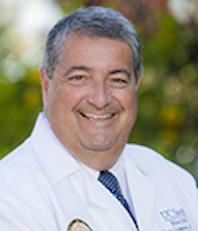 Raul Coimbra合作论文数Department of Surgery, University of California San Diego11
 Upendra K. Kar合作论文数11Mark L. Gestring合作论文数11Vincent Anto合作论文数10
 Carlos V.R. Brown合作论文数Division of Acute Care Surgery, Department of Surgery and Perioperative Care, Dell Medical School, University of Texas at Austin10Karen J. Brasel合作论文数10




