Hypopituitarism, radiation therapy after TSS, and financial stressors are associated with decreased QoL in several domains, and these factors may identify patients who can benefit most from early multidisciplinary care, including financial counseling and additional psychosocial support.
PDF file, 138K, High-throughput profiling of survival following exposure to -radiation.
Purpose The quality of life (QoL) impact of multidisciplinary treatment for patients with nonfunctioning pituitary macroadenomas (NFPMA) is unclear. We sought to investigate associations between patient factors, clinical data, and patient-reported QoL in patients with NFPMA. Methods Patients with treated NFPMA and > 1 year of follow up after transsphenoidal surgery (TSS) and with no evidence of progressive disease were evaluated utilizing the following patient-reported outcome measures: RAND-36-Item Health Survey, Multidimensional Fatigue Inventory, Cognitive Failures Questionnaire. Results 229 eligible patients completed QoL questionnaires a median of 7.7 years after initial transsphenoidal surgery (TSS). 25% of participants received radiation therapy (RT) a median of 2.0 years (0.1–22.5) after initial TSS. Patients who received RT were younger (median age 46 v 58, p < 0.0001), had larger tumors (28 mm v 22 mm, p < 0.0001), were more likely to have visual symptoms (65% v 34%, p = 0.0002), and were more likely to have hypopituitarism (93% v 62%, p < 0.0001). Patients with hypopituitarism reported worse energy and fatigue and cognitive function (p < 0.03). Patients who received RT reported significantly worse general health, physical health, physical fatigue and cognitive functioning (p < 0.05). The largest QoL differences were in patients who experienced a financial stressor, independent of treatment type. Conclusion Hypopituitarism, radiation therapy after TSS, and financial stressors are associated with more impaired QoL in patients with NFPMA. Awareness of these factors can better guide use and timing of radiation therapy in addition to identifying patients who can benefit from multidisciplinary surveillance.
PDF file, 42K, TP53 is frequently altered in lung SqCC lines and its activation correlates with radiation resistance.
Unsupervised hierarchical clustering analysis of patient and xenograft single cell qRT-PCR expression data.
PDF file, 86K, ssGSEA identifies gene sets that correlate with radiation resistance (left) and sensitivity (right). Top 15 gene sets are listed.
PDF file, 86K, ssGSEA identifies gene sets that correlate with radiation resistance (left) and sensitivity (right). Top 15 gene sets are listed.
PDF file, 42K, TP53 is frequently altered in lung SqCC lines and its activation correlates with radiation resistance.
Clinical trials generate the highest level of scientific evidence to advance clinical practice by identifying interventions that are safe and effective in human subjects. Interventions include diagnostic tests, medicines, therapies, and procedures. The phases of clinical trials, Phase 0 to Phase IV, highlight the stepwise evaluation of an intervention's safety and efficacy in a controlled environment. Phase 0 trials determine initial pharmacologic activity. Phase I trials establish safety and Phase II trials assess efficacy in addition to safety. Phase III trials compare interventions with current the standard of care. Phase IV trials implement post-marketing surveillance of long-term benefits and toxicities.
PDF file, 109K, Clonogenic survival of lung SqCC after radiation (S1); High-throughput profiling of lung SqCC after radiation (S2); Mutations in NFE2L2 and KEAP1 in lung SqCC cell lines (S3); MSigDB Gene Sets from Fig S5 (S4); TP53 alterations, LOH, and mRNA levels in lung SqCC cell lines (S5).
AbstractPurpose: Perineural invasion (PNI) is associated with aggressive tumor behavior, recurrence, and metastasis, and can influence the administration of adjuvant treatment. However, standard histopathologic examination has limited sensitivity in detecting PNI and does not provide insights into its mechanistic underpinnings. Experimental Design: A multivariate Cox regression was performed to validate associations between PNI and survival in 2,029 patients across 12 cancer types. Differential expression and gene set enrichment analysis were used to learn PNI-associated programs. Machine learning models were applied to build a PNI gene expression classifier. A blinded re-review of hematoxylin and eosin (H&E) slides by a board-certified pathologist helped determine whether the classifier could improve occult histopathologic detection of PNI. Results: PNI associated with both poor overall survival [HR, 1.73; 95% confidence interval (CI), 1.27–2.36; P < 0.001] and disease-free survival (HR, 1.79; 95% CI, 1.38–2.32; P < 0.001). Neural-like, prosurvival, and invasive programs were enriched in PNI-positive tumors (Padj < 0.001). Although PNI-associated features likely reflect in part the increased presence of nerves, many differentially expressed genes mapped specifically to malignant cells from single-cell atlases. A PNI gene expression classifier was derived using random forest and evaluated as a tool for occult histopathologic detection. On a blinded H&E re-review of sections initially described as PNI negative, more specimens were reannotated as PNI positive in the high classifier score cohort compared with the low-scoring cohort (P = 0.03, Fisher exact test). Conclusions: This study provides salient biological insights regarding PNI and demonstrates a role for gene expression classifiers to augment detection of histopathologic features.
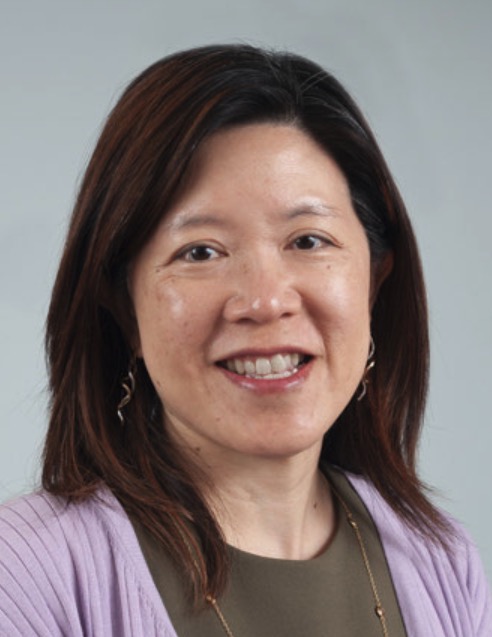 Helen Shih合作论文数MGH Proton Therapy Centers, Massachusetts General Hospital;Harvard Medical School98
 Eben Alexander III合作论文数Winston-Salem74
 Andrzej Niemierko合作论文数Mass General Research Institute, Massachusetts General Hospital;Harvard Medical School, Harvard University49
 Nancy J. Tarbell合作论文数Harvard Medical School;Massachusetts General Hospital49
 Patrick Y. Wen合作论文数Department of Neurology, Harvard Medical School;Center For Neuro-Oncology, Dana-Farber Cancer Institute49
 Dennis C Shrieve合作论文数University of Utah48Paul H. Chapman合作论文数43Hanne M Kooy合作论文数Department of Radiation Oncology, Harvard Medical School;Mass General Research Institute, Massachusetts General Hospital42
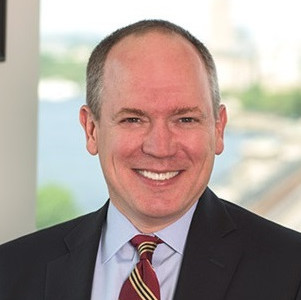 Tracy Batchelor合作论文数Harvard Medical School;Department of Neurology, Brigham and Women's Hospital;Cancer Center, Mass General Research Institute, Massachusetts General Hospital40
 William T Curry合作论文数32
 Fred Barker合作论文数Department of Neurosurgery, Massachusetts General Hospital;Stephen E. and Catherine Pappas Center for Neuro-Oncology, Mass General Cancer Center, Massachusetts General Hospital;Harvard Medical School30PM Black合作论文数27
 Marc Bussiere合作论文数Department of Radiation Oncology, Massachusetts General Hospital26
 Kevin Oh合作论文数Massachusetts General Hospital;Harvard Medical School26
 Minesh Mehta合作论文数Department of Radiation Oncology, Herbert Wertheim College of Medicine, Florida International University;Miami Cancer Institute22
 Rakesh K. Jain合作论文数Harvard Medical School, Harvard University;Edwin L. Steele Laboratories for Tumor Biology, Department of Radiation Oncology, Massachusetts General Hospital21
 Herman D. Suit合作论文数Department of Radiation Oncology, Massachusetts General Hospital;Harvard Medical School, Harvard University20
 Mario Ammirati合作论文数20
 Douglas Kondziolka合作论文数Center for Advanced Radiosurgery, NYU Langone Health;Department of Neurosurgery, Grossman School of Medicine, New York University20Black Peter合作论文数17
 Mohamed Abazeed合作论文数Harvard Radiation Oncology Program;Division of Medical Sciences, Harvard University;Harvard Medical School, Massachusetts General Hospital;Belfer Institute for Applied Cancer Science, Dana-Farber Cancer Institute;Department of Pathology, Brigham and Women's Hospital, Boston;Chemical Biology Program;Howard Hughes Medical Institute, The Broad Institute of MIT and Harvard;Novartis Institute for Biomedical Research;Department of Chemistry and Chemical Biology, Harvard University;and Department of Medicine, Baylor College of Medicine;Harvard University, MIT and Harvard17
 David N. Louis合作论文数Department of Pathology, Massachusetts General Hospital;Mass General Research Institute, Massachusetts General Hospital;Department of Pathology, Brigham and Women's Hospital;Harvard Medical School17Brooke Swearingen合作论文数17
 Matthew L. Meyerson合作论文数Harvard Medical School;Center for Cancer Genomics, Dana-Farber Cancer Institute17
 Howard A. Fine合作论文数Neurological Surgery, Weill Cornell Medicine, Cornell University16
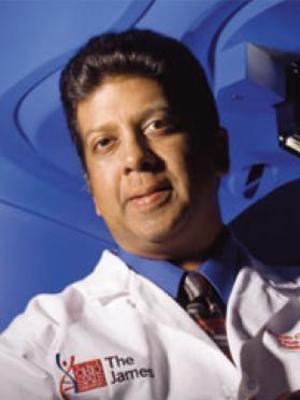 Arnab Chakravarti合作论文数James Cancer Hospital16
 Barbara C. Fullerton合作论文数Harvard Medical School, Harvard University16Peter S. Hammerman合作论文数Department of Cancer Biology and Abramson Family Cancer Research Institute, University of Pennsylvania16Ha Fine合作论文数15
 Tom Mikkelsen合作论文数Hermelin Brain Center, Henry Ford Hospital;Department of Neurology, Henry Ford Hospital;Ontario Brain Institute15
 Mark E Linskey合作论文数Division of Neurological Surgery, School of Medicine, University of California15Roy A. Patchell合作论文数15
 Dan G. Duda合作论文数Houston Methodist Research Institute14
 Lisa Nachtigall合作论文数Neuroendocrine Unit, Massachusetts General Hospital and Harvard Medical School14
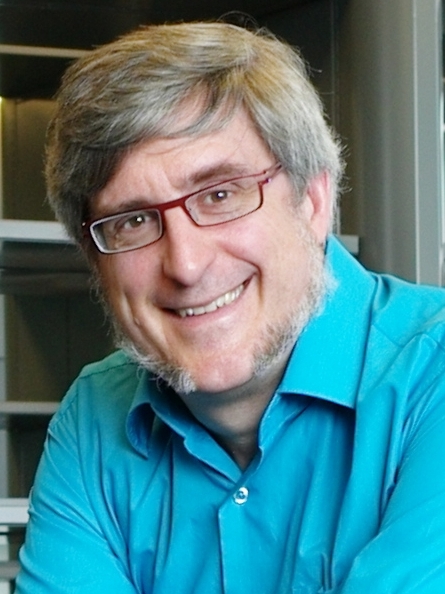 David W. Andrews合作论文数Department of Biochemistry, Temerty Faculty of Medicine, University of Toronto;Department of Medical Biophysics, Temerty Faculty of Medicine, University of Toronto;Sunnybrook Research Institute14
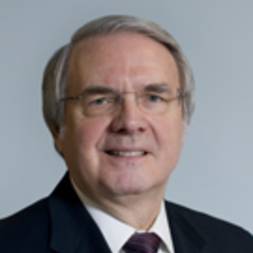 Robert L. Martuza合作论文数Department of Neurosurgery, Harvard Medical School;Massachusetts General Hospital14Laurie E. Gaspar合作论文数14
 Stuart L. Schreiber合作论文数Department of Chemistry and Chemical Biology, Faculty of Arts and Sciences, Harvard University;Broad Institute14
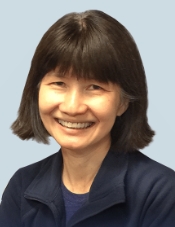 Beow Yeap合作论文数Cancer Center, Massachusetts General Hospital;Massachusetts General Hospital Biostatistics;Harvard Medical School14Anthony L Asher合作论文数13
 Andrew Giacomelli合作论文数13
 Timothy C Ryken合作论文数13
 A. Gregory Sorensen合作论文数DeepHealth, Inc.;IMRIS - A Deerfield Imaging Brand13Fries Daniel F合作论文数13
 John C. Flickinger合作论文数Department of Radiation Oncology, School of Medicine, University of Pittsburgh13
 Pablo Tamayo合作论文数Theoretical Division and Advanced Computing Laboratory, Los Alamos National Laboratory, Los Alamos, NM13
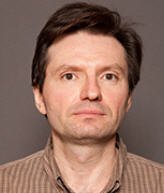 Dmitriy Sonkin合作论文数13
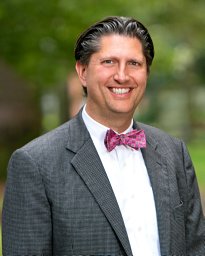 Stuart H. Burri合作论文数Department of Radiation Oncology, Carolinas Medical Center13
 Kwok-Kin Wong合作论文数Department of Medicine, Grossman School of Medicine, New York University12




