The development of porous polymeric membranes remains a labor-intensive process, often requiring extensive trial and error to identify optimal fabrication parameters. In this study, we present a fully automated platform for membrane fabrication and characterization via nonsolvent-induced phase separation (NIPS). The system integrates automated solution preparation, blade casting, controlled immersion, and compression testing, allowing precise control over fabrication parameters such as polymer concentration and ambient humidity. The modular design enables reproducible sample handling to improve consistency and can be adapted for future parallel processing to further reduce experimental time. Compression testing is introduced as a sensitive mechanical characterization method for estimating membrane stiffness and as a proxy to infer porosity and intra-sample uniformity through automated analysis of stress-strain curves. As a proof of concept to demonstrate the effectiveness of the system, NIPS was carried out with polysulfone, the green solvent PolarClean (R), and water as the polymer, solvent, and nonsolvent, respectively. Experiments conducted with the automated system reproduced expected effects of polymer concentration and ambient humidity on membrane properties, namely increased stiffness and uniformity with increasing polymer concentration and humidity variations in pore morphology and mechanical response. The developed automated platform supports highthroughput experimentation and is well-suited for integration into self-driving laboratory workflows, offering a scalable and reproducible foundation for data-driven optimization of porous polymeric membranes through NIPS.
A major limitation of two-dimensional scanning electron microscopy (SEM) in imaging porous membranes is its inability to resolve three-dimensional pore architecture and interconnectivity, which are critical factors governing membrane performance. Although conventional tomographic 3-D reconstruction techniques can address this limitation, they are often expensive, technically challenging, and not widely accessible. We previously introduced a proof-of-concept method for reconstructing a membrane’s 3-D pore network from a single 2-D slice of a 3-D tomography, yielding statistically equivalent results to those obtained from 3-D tomography. However, this initial approach struggled to replicate the diverse pore geometries commonly observed in real membranes. In this study, we advance the methodology by developing an enhanced reconstruction algorithm that not only maintains essential statistical properties (e.g., pore size distribution), but also better reproduces intricate pore morphologies. Applying this technique to a 2-D cross-sectional SEM image of a commercial microfiltration membrane, we generated a high-fidelity 3-D reconstruction and derived key membrane properties. Validation with X-ray tomography data revealed excellent agreement in structural metrics, with our SEM-based approach achieving superior resolution in resolving fine pore features. The tool can be readily applied to isotropic porous membrane structures of any pore size and shape, as long as those pores can be visualized by SEM. Further work is needed for 3-D structure generation of anisotropic membranes.
A detailed techno-economic analysis was performed for a bipolar membrane electrodialysis (BMED) full-scale plant designed to produce large volumes of dilute alkaline solution for use in ocean alkalinity enhancement (OAE). OAE is a process by which the surface of the oceans is realkalinized to promote CO2 absorption from air by converting CO2 to carbonates for long-term storage in the oceans. The capacity of the BMED stack was designed to process similar to 139 000 m3/year of desalination brine, resulting in 47 200 t/year of 2.1 wt % NaOH solution. The OAE plant was modeled using colocation with a desalination plant in southern California. Three scenarios were investigated, each focused on a different valorization of the BMED process byproduct of 46 600 t/year of 1.8 wt % HCl solution: selling (1) dilute HCl without further processing, (2) dilute HCl distilled to 20 wt % using carbon-free (solar) energy, and (3) dilute HCl distilled to 20 wt % using waste heat from a nearby power plant. The levelized cost of CO2 sequestration from the OAE plant, assuming no return on investment, ranged from 848 to 1076 USD/t of CO2, depending on the scenario. Subsequently, a discounted cash flow analysis was conducted to assess the price at which carbon credits would have to be sold as revenue source to make a profit on the plant. Our analysis indicates that the cost of energy, labor, loan repayment, and membrane replacement, as well as the inefficiency of commercial membranes, drive the economics of BMED for OAE, while highlighting the necessity to generate alternative byproducts other than HCl. Nevertheless, these high costs (1395-2315 USD/t of CO2) align with carbon credit prices currently indicated in contracts signed within the voluntary carbon market. A reliable outlook indicates that technical improvements and better economic perspectives can reduce the levelized cost of CO2 down to 394 USD/t of CO2.
Water scarcity in arid regions is a challenge stimulating the need for the development of sustainable methods to harvest water vapor from the atmosphere. In this work, we developed an aerogel with a structural hierarchy for enhanced water capture and release. The aerogel was derived from nature-sourced biodegradable phytoglycogen nanoparticles (PhG NPs) that exhibit strong hydrogen bonding with water molecules. The cross linking of acryloyl-modified PhG NPs produced microgel particles that were used as building blocks for macroscopic hydrogel. The removal of water from this hydrogel yielded an aerogel with three characteristic pore dimensions, that is, several nanometer-, tens of nanometer-, and micrometer-size pores. The aerogel showed enhanced water-harvesting capacity and sorption kinetics. This hierarchically structured aerogel shows promise as an eco-friendly material for atmospheric water harvesting and offers a sustainable alternative to traditional sorbents.
Thin film composite (TFC) membranes have emerged as pivotal components in diverse industrial applications, including carbon capture, water purification, and gas separation. Among membrane materials, polydimethylsiloxane (PDMS) stands out for its high gas permeability, making it ideal as a selective layer for some industrial separations and as a gutter or protective layer for other membranes. This study focuses on the development of ultra-thin PDMS-based TFC membranes in a process mirroring interfacial polymerization, aiming to achieve defect-free films with enhanced gas permeance and selectivity. By varying acid-chloride-functionalized PDMS and polyethylenimine (PEI) concentrations in the organic and aqueous phases, respectively, and optimizing reaction times, membranes were fabricated and characterized for their morphological, chemical, and performance properties. Results demonstrate that the interfacial crosslinking approach can produce defect-free PDMS films as thin as similar to 50 nm, significantly thinner than conventional PDMS TFC membranes produced through coating methods. Gas permeation tests revealed high CO2 permeance and selectivity (e.g., 3290 +/- 340 GPU with a CO2/N-2 selectivity of 12 +/- 3), showcasing potential for efficient gas separation applications. Furthermore, this technique of using polymers with reactive end groups in interfacial crosslinking to yield ultra-thin rubbery selective layers may prove useful for a variety of different polymer chemistries and membrane applications.
Fabricating ultrathin, defect-free polymer nanofilms on varying substrates remains a persistent challenge in thin-film composite (TFC) membrane development, particularly when substrate interference, solution intrusion, and film transfer limit reproducibility and performance. We introduce a modular, cost-effective, solvent-compatible, 3D-printed reactor─FIPzR (Freestanding Interfacial Polymerization Reactor)─designed to fabricate thin, defect-free polymer films at liquid-liquid interfaces. Using iterative CAD-based design and additive manufacturing (AM), the device is engineered to decouple film formation from the underlying substrate, enabling reproducible fabrication of high-quality films with controlled morphologies and direct transfer onto both porous and nonporous substrates using a floating guide ring. The reactor accommodates multiple fabrication strategies, demonstrated here through interfacial polymerization to synthesize polyamide (PA) membranes of varying morphologies, drop casting of a preformed polysulfone (PSU) solution, and curing of a reactive polydimethylsiloxane (PDMS) mixture─with thicknesses spanning ultrathin (<20 nm) to submicron scales. The desalination performance of smooth and rough PA membranes was evaluated in a custom-built crossflow setup under standard brackish water reverse osmosis (RO) conditions, exhibiting water permeance and salt rejection characteristics in line with standard RO membranes. PSU and PDMS membranes were tested in a custom-built gas separation setup to verify structural integrity and defect-free film quality, showing CO2/N2 selectivity consistent with reported literature benchmarks. The FIPzR offers a reproducible and substrate-independent polymer nanofilm fabrication, with potential utility in membrane separations, coatings, flexible electronics, and sensing technologies.
Scanning electron microscopy (SEM) is the premier method for characterizing the nanoscale surface pores in ultrafiltration (UF) membranes and the support layers of reverse osmosis (RO) membranes. Based on SEM, the conventional understanding is that membranes typically have low surface porosities of <10%. We demonstrated and quantified how the high acceleration voltage during SEM imaging and the sputtered-metal coating thickness required for SEM systematically underestimate membrane surface porosity and pore size. We showed that imaging a commercial UF membrane at 1, 5, and 10 kV reduced the measured surface porosity from 10.3 ± 0.3% (1 kV) to 6.3 ± 0.4% (10 kV), while increasing the Pt coating thickness from 1.5 to 5 nm reduced the porosity by 54% for the UF membrane (12.9 ± 0.9% to 5.8 ± 0.6%) and 46% for an RO support (13.1 ± 0.6% to 7.0 ± 0.2%). To account for the coating thickness, we then developed a digital correction method that simulates pore dilation, enabling the surface pore structure to be estimated for uncoated membranes. Pore dilation yielded uncoated surface porosity values of 23% for the UF membrane and 20% for the RO support, which are approximately 3-fold greater than the directly observed values for a typical coating thickness of 4 nm. Similarly, mean pore diameters for uncoated membranes were 2-fold greater for the UF membrane and 1.5-fold greater for the RO support than directly observed. Critically, the dilation-derived pore-size distributions agreed with low-flux dextran-retention measurements fitted with the Bungay-Brenner model. Our results suggest that the surface porosities and pore sizes of nanoporous membranes are much larger than previously understood, which has major implications for structure/transport relationships. For future nanoscale pore analysis of membranes (and other nanoporous materials), we recommend low acceleration voltage (1 kV), minimal coatings (1-2 nm), and digital dilation to account for coating-induced artifacts.
Advancements in membrane technology are crucial for electrochemical separations, such as ion exchange, and pressure-driven processes, such as nanofiltration (NF). This study introduces high-charge-density sulfonated polyamide thin-film composite membranes fabricated via interfacial polymerization using disulfonated monomers, resulting in ultra-thin (similar to 50 nm) films that serve as nanofiltration (NF) membranes or cation exchange membranes (CEMs). Post-modifications enabled precise control over membrane chemistry, enhancing CEM properties such as ion exchange capacity, water uptake, and fixed charge concentration. The high charge density led to ion selectivity in NF via the Donnan exclusion mechanism, facilitating effective separation of monovalent and divalent ions. The incorporation of sulfonic acids within an ultra-thin polyamide matrix significantly reduced the resistance for ion and proton transport, enabling high in-plane conductivities (Na+: >80 mS cm(-1), H3O+: >200 mS cm(-1)) comparable to state-of-the-art polymer-based CEMs. Furthermore, the nanoscale thickness of these membranes dramatically enhanced ionic and proton conductance, achieving area conductance values 4 to 6 orders of magnitude higher than those of conventional thick CEMs. This enhancement is primarily attributed to the ultra-thin design of our sulfonated polyamide membrane, setting a new benchmark for the design and fabrication of highly conductive membranes, and laying the groundwork for future enhancements of ion conductive membranes for water purification and energy applications.
Conventional 2-D scanning electron microscopy (SEM) is commonly used to rapidly and qualitatively evaluate membrane pore structure. Quantitative 2-D analyses of pore sizes can be extracted from SEM, but without in-formation about 3-D spatial arrangement and connectivity, which are crucial to the understanding of membrane pore structure. Meanwhile, experimental 3-D reconstruction via tomography is complex, expensive, and not easily accessible. Here, we employ data science tools to demonstrate a proof-of-principle reconstruction of the 3-D structure of a membrane using a single 2-D image pulled from a 3-D tomographic data set. The reconstructed and experimental 3-D structures were then directly compared, with important properties such as mean pore radius, mean throat radius, coordination number and tortuosity differing by less than 15%. The developed al-gorithm could dramatically improve the ability of the membrane community to characterize membranes, accelerating the design and synthesis of membranes with desired structural and transport properties.
Selective ion separations are increasingly needed to combat water scarcity, recover resources from wastewater, and enable the efficient recycling of electronics waste. Emulsion liquid membranes (ELMs) have received interest due to rapid kinetics, high selectivities, and low solvent requirements but are too unstable for industrial usage. We demonstrate that polymeric microcapsules can serve as robust, solvent-free mimics of ELMs. As a proof of concept, we incorporated the copper-selective ligand Lix 84-I in the walls of microcapsules formed from a commercial polystyrene-b-polybutadiene-b-polystyrene triblock polymer. The microcapsules were formed from a double-emulsion template, resulting in particles typically 20-120 μm in diameter that encapsulated even smaller droplets of a dilute (≤0.5 M) H2SO4 solution. Batch experiments demonstrated facilitated-transport behavior, with equilibrium reached in as little as 10 min for microcapsules with 1% ligand, and with ∼15-fold selectivity for Cu2+ over Ni2+. Furthermore, the microcapsules could be packed readily in columns for flow-through operation, thus enabling near-complete Cu2+ removal in ∼2 min under certain conditions, recovery of Cu2+ by flowing through fresh dilute H2SO4, and reuse for at least 10 cycles. The approach in this work can serve as a template for using selective ligands to enable robust and simple flow-through processes for a variety of selective ion separations.
We describe the preparation of block polymer beads by aqueous suspension polymerization to create poly (caprolactone) (PCL)-block-poly(styrene-co-divinylbenzene) beads that can be selectively etched under basic conditions to yield mesoporous polymer microspheres with uniform pore size. Polyvinylalcohol was used to stabilize the suspension polymerization in which styrene and divinylbenzene monomers were polymerized from a PCL macrochain transfer agent (macroCTA). The resulting polymerization-induced microphase separation process led to a nanostructured bicontinuous morphology. The particle size and pore size were independently tunable: the particle size was controlled by the stir rate of the suspension polymerization-yielding average diameters ranging from 60 to 300 mu m-while the pore size was determined by the molar mass of the PCL block, with the mode pore diameters being 6 nm and 11 nm after etching beads made using 13 and 45 kg/mol PCL blocks, respectively. Based on nitrogen sorption measurements, the surface areas of the beads were similar to 300 m(2)/g when using a PCL macroCTA of 13 kg/mol. The beads were homogenous throughout on the micron length scale as determined by confocal Raman microscopy and lacked an impermeable skin layer as confirmed by scanning electron microscopy. Furthermore, the scalability of suspension polymerization allows for the simple synthesis of large quantities of thermoset microspheres with uniform pore size. We also demonstrate the ability to incorporate functional pore walls into the beads using multiblock precursor polymers. These functionalized mesoporous polymer beads show high affinity for ionic dyes in aqueous solutions (as a proof of principle) and remove dye from the solution at rates exceeding those of commercial ion-exchange resins. The developed procedure could be used to generate other functional surface chemistries with important applications in heterogeneous catalysis, chromatography, and water remediation.
Self-assembled polymer nanoparticles have tremendous potential in biomedical and environmental applications. For all applications, tailored polymer chemistries are critical. In this study, we demonstrate a precursor approach in which an activated, organic solvent-soluble block polymer precursor is modified through mild postpolymerization modifications to access new polymer structures. We synthesized and characterized poly(isoprene)-block-poly(di-Boc acrylamide) diblock polymers. This activated-acrylamide-based polymer was then reacted with amines or reductants in the absence of catalysts to yield the hydrophilic blocks polyacrylamide, poly(hydroxypropylene), and poly(N-ethyl acrylamide). The resulting amphiphilic block polymers self-assembled in water to form polymersomes, as confirmed by cryo-electron microscopy and confocal microscopy. The approach also enables simple functionalization with specialized ligands, which we demonstrated by tagging polymers with an amino-fluorophore and imaging by confocal microscopy. We expect that the methodologies established in this study will open doors to new and useful solution nanostructures with surface chemistries that can be optimized for various applications.
Dense polymer brushes on porous supports present powerful routes toward fouling-resistant coatings and ultra-thin, mechanically-stable selective layers. However, characterization of polymer chains grafted from nonideal, planar substrates often relies on indirect methods to determine the length, density, and location of polymeric brushes. In this study, we explore new methods to control and characterize the properties of polymer brush layers. Starting from hand-cast cellulose films and commercial cellulose membranes, we use surface-initiated atom transfer radical polymerization to graft polymeric chains. We tailor brush density and simultaneously stabilize the support by varying the proportions of initiator and crosslinker esterified to the cellulose substrate. On films with grafted polyacrylic acid (PAA) chains, we use the silver-binding method to determine brush density. We analyze brush growth behavior by directly cleaving chains from the surface of films for analysis by size exclusion chromatography, uniquely observing the divergence of two distinct populations of differing length beyond a certain molecular weight. Such behavior would be important to consider if the alignment of block copolymer layers is absolutely necessary in an application. By controlled contact of polymerization solution with the top surface, we show that brush growth can be partially directed to the top surface for asymmetric cellulose membranes with relatively low molecular weight cutoffs. In a semi-quantitative method to locate brush growth, depleted uranium was bonded to grafted PAA chains, and targeted emission x-ray spectroscopy was conducted for comparison of uranium content in various regions. Finally, we used our developed methods and findings to inform the synthesis of homopolymer and diblock copolymer brush layers, which we then used as selective layers in pressure-driven filtration and diffusion cell experiments.
Highly selective and water permeable dual-layer ultrafiltration (UF) membranes comprising a disordered poly(methyl methacrylate-stat-styrene)-block-poly(lactide) selective layer and a polysulfone (PSF) support layer were fabricated using a co-casting technique. A dilute solution of diblock polymer was spin coated onto a solvent-swollen PSF layer, rapidly heated to dry and disorder the block polymer layer, and subsequently immersed into an ice water coagulation bath to kinetically trap the disordered state in the block polymer selective layer and precipitate the support layer by nonsolvent-induced phase separation. Subsequent removal of the polylactide block generated porous membranes suitable for UF. The permeability of these dual-layer membranes was modulated by tuning the concentration of the PSF casting solution, while the size-selectivity was maintained because of the narrow pore size distribution of the self-assembled block polymer selective layer. Elimination of the thermal annealing step resulted in a dramatic increase in the water permeability without adversely impacting the size-selectivity, as the disordered nanostructure present in the concentrated casting solution was kinetically trapped upon rapid drying. The co-casting strategy outlined in this work may enable the scalable fabrication of block polymer membranes with both high permeability and high selectivity.
Escalating global water scarcity necessitates high-performance desalination membranes, for which fundamental understanding of structure-property-performance relationships is required. In this study, we comprehensively assess the ionization behavior of nanoporous polyamide selective layers in state-of-the-art nanofiltration (NF) membranes. In these films, residual carboxylic acids and amines influence permeability and selectivity by imparting hydrophilicity and ionizable moieties that can exclude coions. We utilize layered interfacial polymerization to prepare physically and chemically similar selective layers of controlled thickness. We then demonstrate location-dependent ionization of carboxyl groups in NF polyamide films. Specifically, only surface carboxyl groups ionize under neutral pH, whereas interior carboxyl ionization requires pH >9. Conversely, amine ionization behaves invariably across the film. First-principles simulations reveal that the low permittivity of nanoconfined water drives the anomalous carboxyl ionization behavior. Furthermore, we report that interior carboxyl ionization could improve the water-salt permselectivity of NF membranes over fourfold, suggesting that interior charge density could be an important tool to enhance the selectivity of polyamide membranes. Our findings highlight the influence of nanoconfinement on membrane transport properties and provide enhanced fundamental understanding of ionization that could enable novel membrane design.
Transmembrane protein channels, including ion channels and aquaporins that are responsible for fast and selective transport of water, have inspired membrane scientists to exploit and mimic their performance in membrane technologies. These biomimetic membranes comprise discrete nanochannels aligned within amphiphilic matrices on a robust support. While biological components have been used directly, extensive work has also been conducted to produce stable synthetic mimics of protein channels and lipid bilayers. However, the experimental performance of biomimetic membranes remains far below that of biological membranes. In this review, we critically assess the status and potential of biomimetic desalination membranes. We first review channel chemistries and their transport behavior, identifying key characteristics to optimize water permeability and salt rejection. We compare various channel types within an industrial context, considering transport performance, processability, and stability. Through a re-examination of previous vesicular stopped-flow studies, we demonstrate that incorrect permeability equations result in an overestimation of the water permeability of nanochannels. We find in particular that the most optimized aquaporin-bearing bilayer had a pure water permeability of 2.1 L m-2 h-1 bar-1, which is comparable to that of current state-of-the-art polymeric desalination membranes. Through a quantitative assessment of biomimetic membrane formats, we analytically show that formats incorporating intact vesicles offer minimal benefit, whereas planar biomimetic selective layers could allow for dramatically improved salt rejections. We then show that the persistence of nanoscale defects explains observed subpar performance. We conclude with a discussion on optimal strategies for minimizing these defects, which could enable breakthrough performance.
According to the cohesion-tension theory, mangrove trees desalinate salty water using highly negative pressure (or tension) that is generated by evaporative capillary forces in mangrove leaves. Here, we demonstrate a synthetic mangrove that mimics the main features of the natural mangrove: capillary pumping (leaves), stable water conduction in highly metastable states (stem), and membrane desalination (root). When using nanoporous membranes as leaves, the maximum osmotic pressures of saline feeds (10 to 30 bar) allowing pure water uptake precisely correspond to expected capillary pressures based on the Young-Laplace equation. Hydrogel-based leaves allow for stable operation and desalination of hypersaline solutions with osmotic pressures approaching 400 bar, fivefold greater than the pressure limits of conventional reverse osmosis. Our findings support the applicability of the cohesion-tension theory to desalination in mangroves, provide a new platform to study plant hydraulics, and create possibilities for engineered membrane separations using large, passively generated capillary pressures.
Reliable and equitable access to safe drinking water is a major and growing challenge worldwide. Membrane separations represent one of the most promising strategies for the energy-efficient purification of potential water sources. In particular, porous membranes are used for the ultrafiltration (UF) of water to remove contaminants with nanometric sizes. However, despite exhibiting excellent water permeability and solution processability, existing UF membranes contain a broad distribution of pore sizes that limit their size selectivity. To maximize the potential utility of UF membranes and allow for precise separations, improvements in the size selectivity of these systems must be achieved. Block polymers represent a potentially transformative solution, as these materials self-assemble into well-defined domains of uniform size. Several different strategies have been reported for integrating block polymers into UF membranes, and each strategy has its own set of materials and processing considerations to ensure that uniform and continuous pores are generated. This Review aims to summarize and critically analyze the chemistries, processing techniques, and properties required for the most common methods for producing porous membranes from block polymers, with a particular focus on the fundamental mechanisms underlying block polymer self-assembly and pore formation. Critical structure-property-performance metrics will be analyzed for block polymer UF membranes to understand how these membranes compare to commercial UF membranes and to identify key research areas for continued improvements. This Review is intended to inform readers of the capabilities and current challenges of block polymer UF membranes, while stimulating critical thought on strategies to advance these technologies.
Two-dimensional nanomaterial (2-D NM) frameworks, especially those comprising graphene oxide, have received extensive research interest for membrane-based separation processes and desalination. However, the impact of horizontal defects in 2-D NM frameworks, which stem from nonuniform deposition of 2-D NM flakes during layer build-up, has been almost entirely overlooked. In this work, we apply Monte Carlo simulations, under idealized conditions wherein the vertical interlayer spacing allows for water permeation while perfectly excluding salt, on both the formation of the laminate structure and molecular transport through the laminate. Our simulations show that 2-D NM frameworks are extremely tortuous (tortuosity ≈103), with water permeability decreasing from 20 to <1 L m-2 h-1 bar-1 as thickness increased from 8 to 167 nm. Additionally, we find that framework defects allow salt to percolate through the framework, hindering water-salt selectivity. 2-D NM frameworks with a packing density of 75%, representative of most 2-D NM membranes, are projected to achieve <92% NaCl rejection at a water permeability of <1 L m-2 h-1 bar-1, even with ideal interlayer spacing. A high packing density of 90%, which to our knowledge has yet to be achieved, could yield comparable performance to current desalination membranes. Maximizing packing density is therefore a critical technical challenge, in addition to the already daunting challenge of optimizing interlayer spacing, for the development of 2-D NM membranes.
Journal AWWAVolume 111, Issue 1 p. 74-77 Researcher to Researcher AWWA Scholarships in Action Alexander S. Gorzalski, Search for more papers by this authorLucas Alexandre Djehdian, Search for more papers by this authorJay R. Werber, Search for more papers by this author Alexander S. Gorzalski, Search for more papers by this authorLucas Alexandre Djehdian, Search for more papers by this authorJay R. Werber, Search for more papers by this author First published: 09 January 2019 https://doi.org/10.1002/awwa.1220Read the full textAboutPDF ToolsRequest permissionExport citationAdd to favoritesTrack citation ShareShare Give accessShare full text accessShare full-text accessPlease review our Terms and Conditions of Use and check box below to share full-text version of article.I have read and accept the Wiley Online Library Terms and Conditions of UseShareable LinkUse the link below to share a full-text version of this article with your friends and colleagues. Learn more.Copy URL Share a linkShare onEmailFacebookTwitterLinked InRedditWechat Volume111, Issue1January 2019Pages 74-77 RelatedInformation
 Menachem Elimelech (梅纳赫姆·埃利梅莱赫)合作论文数Department of Civil and Environmental Engineering, Rice University;Department of Chemical and Biomolecular Engineering, Rice University21
 Akshay Deshmukh合作论文数Dept Mech Engn, MIT6
 Marc Hillmyer合作论文数Department of Chemistry, College of Science and Engineering, University of Minnesota;Center for Sustainable Polymers, College of Science and Engineering, University of Minnesota5
 Cody L Ritt合作论文数Yale Univ, Dept Chem & Environm Engn, New Haven, CT 06520 USA4
 Chinedum O. Osuji合作论文数Department of Chemical and Biomolecular Engineering, University of Pennsylvania4
 Zucker Ines合作论文数School of Mechanical Engineering, Tel Aviv University4
 Colin Peterson合作论文数Dept Chem, Univ Minnesota3
 Cassandra J Porter合作论文数Department of Chemical Engineering, Auburn University3
 Hooman Chamani合作论文数Department of Chemical and Biological Engineering, University of Ottawa3
 Jason Hattrick Simpers合作论文数Department of Materials Science and Engineering, Faculty of Applied Science and Engineering, University of Toronto3
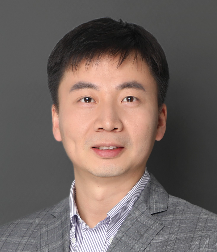 Xinglin Lv (吕兴霖)合作论文数School of Environment, University of Science and Technology of China3
 Jaehong Kim合作论文数School of Public Health, Yale University;School of Environment, Yale University;Department of Chemical and Environmental Engineering, Yale University3
 Sara Abu-Obaid合作论文数2Nicholas Hampu合作论文数Dept Mat Sci & Engn, Northwestern Univ2
 Arash Rabbani合作论文数School of Computing, University of Leeds2
 Mingjiang Zhong合作论文数Chemical and Environmental Engineering, School of Engineering & Applied Science, Yale University2
 Chiheng Chu (褚驰恒)合作论文数College of Environmental and Resource, Zhejiang University2
 Charles de Lannoy合作论文数†Department of Civil and Environmental Engineering, Duke University2
 Xunda Feng (冯训达)合作论文数2Junyan A. Ji合作论文数1Kapil Kothary合作论文数1
 Yumeng Zhao (赵雨萌)合作论文数School of Environment, Harbin Institute of Technology1Hyung Kae Lee合作论文数1Elizabeth C. Feinberg合作论文数1
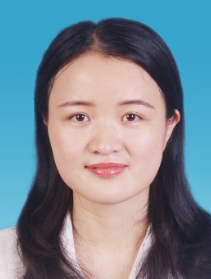 Yan-Fang Guan (关艳芳)合作论文数School of Environment, University of Science and Technology of China1Dian Yu合作论文数1Uri Gabinet合作论文数Dept Chem & Biomol Engn, Univ Penn1
 Humberto Jaramillo合作论文数Nanosystems Engineering Research Center for Nanotechnology-Enabled Water Treatment, Yale University1Nicholas J Van Zee合作论文数Department of Chemical Engineering and Materials Science, University of Minnesota1Wui Yarn Chan合作论文数Dept Chem Engn, MIT1
 Cheng Hao合作论文数School of Mechanical and Materials EngineeringComposite Materials and Engineering Center, Washington State University1
 Zachary S. Fishman合作论文数Dept Chem & Environm Engn, Yale Univ1Lindsay Soh合作论文数1
 Mengyi Wang合作论文数Dept Mat Sci & Engn, MIT1
 Douglas M. Davenport合作论文数Centre for Membrane Separations, Adsorption, Catalysis and Spectroscopy for Sustainable Solutions (cMACS),, KU Leuven1
 Jongho Lee合作论文数Department of Civil Engineering, Faculty of Applied Science, The University of British Columbia1
 Patrick C. Lee合作论文数Department of Mechanical & Industrial Engineering, Faculty of Applied Science and Engineering, University of Toronto1
 Ning Yan合作论文数Department of Chemical Engineering & Applied Chemistry, Faculty of Applied Science & Engineering, University of Toronto;Low Carbon Renewable Materials Centre, University of Toronto1
 Julie Zimmerman合作论文数Center for Green Chemistry and Green Engineering, School of the Environment, Yale University;Department of Chemical and Environmental Engineering, School of Engineering and Applied Sciences, Yale University1
 Lisa D. Pfefferle合作论文数Yale University1
 Meagan Mauter合作论文数Civil & Environmental Engineering Department, School of Engineering, Stanford University;National Alliance for Water Innovation1Mahajan Ekta合作论文数1Li Xiaohua合作论文数1Mo Weiwei合作论文数1Milligan Michael合作论文数1
 Devin L. Shaffer合作论文数Yale University, Yale University1
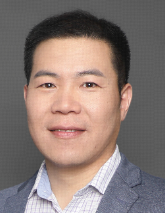 Yunkun Wang (王允坤)合作论文数School of Environmental Science and Engineering, Shandong University1
 Eugenia Kumacheva合作论文数Department of Chemistry, Faculty of Arts & Science, University of Toronto;Institute of Biomaterials and Biomedical Engineering, University of Toronto1
 Xuan Zhao (赵璇)合作论文数Institute of Nuclear and New Energy Technology, Tsinghua University1




