Microbe-semiconductor hybrids hold promise for solar-to-chemical conversion, but facet-dependent interfacial charge transfer remains poorly understood due to structural heterogeneity and biological complexity. Here we leverage a multimodal optical imaging platform to probe the charge-transfer efficiency between Shewanella oneidensis MR-1 and {110}/{001}-faceted haematite, at single-particle and single-cell levels, in vivo and operando. We quantify the reverse extracellular electron-transfer capabilities of Shewanella oneidensis MR-1 via non-H2-mediated pathways, and identify that haematite's {110} facets synergistically exhibit stronger cell-binding ability and higher charge-transfer efficiency. Furthermore, we discover that moderate cell densities are key to enhancing per-cell electron injection, highlighting the trade-off between total loading and individual cell efficiency, and offering critical insights into biofilm structure optimization. Our imaging tools and analytical framework may potentially extend to diverse microbe-semiconductor hybrid systems, quantifying microscopic structural and functional descriptors that enhance the fundamental understanding of complex interfacial charge transfer, and inform rational biohybrid design across applications.
Building a living cell from scratch requires overcoming a bottleneck that has remained unresolved despite decades of progress: orchestrating the spatiotemporal integration of core functional modules. To tackle this barrier, the SynCell Asia Initiative outlines a strategy for developing core functional modules followed by their systems-level integration through the establishment of a centralized, artificial intelligence (AI)-driven biofoundry.
The gut-liver-brain axis is central to metabolic and neurological homeostasis and is mediated by host- and microbiota-derived metabolites. Disruptions in this axis contribute to complex disorders, underscoring the need for targeted, multi-metabolite interventions. Here, we engineered commensal Lactobacillus plantarum WCFS1 strains to specifically modulate metabolites dysregulated in hepatic encephalopathy (HE), a disorder driven by hyperammonemia and amino acid imbalance. One strain couples ammonia assimilation with branched-chain amino acid (BCAA) biosynthesis, whereas the other enhances L-glutamine utilization to suppress ammonia generation. In two preclinical HE models, these strains reduced systemic ammonia by up to 10-fold, restored BCAA and L-glutamine balance, and improved anxiety-like and cognitive behaviors. Notably, they outperformed rifaximin, a clinically used HE therapy, while preserving gut microbiota diversity. These findings establish engineered commensals as a modular, responsive platform for multi-metabolite modulation of host-microbiota metabolism, offering a programmable strategy to restore metabolic homeostasis in disorders of the gut-liver-brain axis.
C1 compounds are abundant, non-food and renewable feedstocks, making them attractive substrates for producing value-added chemicals via microbial bioconversion. In nature, autotrophic microorganisms assimilate C1 substrates, including CO, CO2, methane, methanol and formate, through native C1 fixation and assimilation pathways. Building on these natural routes, synthetic C1 assimilation pathways and engineered microbial cell factories have improved C1 utilization and broaden product portfolios. This review presents the recent progress and current strategies in producing high-value compounds using microbes possessing natural and non-natural C1 assimilation modules. We highlight key bottlenecks that limit efficient C1 assimilation and discuss potential strategies to address them, outlining opportunities for future C1-based biomanufacturing.
Integrating electrochemistry and biology, microbial electrosynthesis (MES) enhances feedstock-to-product conversion by utilizing electroactive microorganisms to harness electrical energy for driving metabolic pathways. Advances in synthetic biology have improved microbial extracellular electron transfer and increased metabolic pathway efficiency, enabling optimized redox balance, expanded substrate versatility and enhanced bioproduction. Given the growing interest in sustainable chemical production and decarbonization, this mini-review highlights recent progress in MES enabled by synthetic biology, with a focus on engineering efficient microbial cell factories for electricity-mediated bioproduction through waste-derived feedstock utilization and carbon capture. We also highlight key challenges limiting MES scalability and propose future directions to enable industrial-scale deployment, unlocking its potential for sustainable, carbon-neutral production and driving transformative advances in biotechnology.
Detecting alterations in plasmid structures is often performed using conventional molecular biology. However, these methods are laborious and time-consuming for studying the conditions inducing these mutations, which prevent real-time access to cell heterogeneity during bioproduction. In this work, we propose combining both flow cytometry and fluorescence-activated cell sorting, integrated with mechanistic modelling to study conditions that lead to plasmid recombination using a limonene-producing microbial system as a case study. A gene encoding GFP was introduced downstream of the key enzymes involved in limonene biosynthesis to enable real-time kinetics monitoring and the identification of cell heterogeneity according to microscopic and flow cytometric analyses. Three different plasmid configurations (one correct and two incorrect) were identified through cell sorting based on subpopulations expressing different levels of GFP at 10 and 50 µM IPTG. Higher limonene production (530 mg/L) and lower subpopulation proportion carrying the incorrect plasmid (12
Light-driven microbial communities consisting of phototrophs and heterotrophs represent an emerging frontier for biochemicals production from carbon dioxide (CO2). However, the construction of stable and robust light-driven artificial microbial communities remains challenging because the dominant strain wins the competition for nutrient and leads to the instability of subpopulations. Inspired by natural ecosystems, one promising approach to assemble stable consortia is to construct spatial niches partitioning subpopulations-that is, physically separating different microbial members into distinct microenvironments to reduce competition and enable stable coexistence. Herein, a light-driven microbial community containing an autotrophic Synechococcus elongatus FL130 strain and a heterotrophic Meyerozyma guilliermondii strain was first constructed. Then, we developed spatially arranged core-shell microgels, enabling the precise control of subpopulations of different microbial members. Next, these microgels were integrated into macroscopic living material scaffold using extrusion bioprinting to advance bioprocessing applications, obtaining a well-coupled, robust and reusable light-driven microbial community. This resulted in a light-driven microbial communities with spatially compartmentalized distribution that can efficiently convert CO2 into valuable chemical products of 2-phenylethanol and tyrosol, representing a pioneering approach for sustainable high-value biochemical production.
In recent years, there has been growing interest in subcellular compartmentalization of biosynthetic pathways in yeast, with the goal of developing cell factories for more efficient production of value-added chemicals. This review examines recent advances in compartmentalization strategies involving different subcellular organelles in various yeast species for a range of target biochemicals. We also discuss the advantages of these approaches, along with the challenges they present. Finally, we offer new insights into how this innovative strategy can be integrated into the existing yeast metabolic engineering toolbox.
Food waste is a global challenge and poses significant environmental and economic challenges. Many initiatives have been launched towards managing food waste through the supply chain to tackle this global issue. In this review, we discuss microbial fermentation as a sustainable solution for food waste valorization, transforming organic matter into energy, valuable compounds, and biomaterials by harnessing the abilities of microorganisms. We highlight the impact of synthetic biology and metabolic engineering in enhancing microbial efficiency, optimizing substrate utilization, and expanding industrial applications. We also examine biorefinery integration as a pathway for large-scale implementation and highlight emerging startups in this space. Finally, we address key challenges such as substrate heterogeneity, scalability, and economic feasibility in the transition toward a circular bioeconomy.
Synthetic and biological chemistry are traditionally seen as separate fields. Now, a biocompatible chemical reaction enables an engineered microbe to convert plastic waste into valuable compounds under mild, cell-friendly conditions.
This study introduces a synthetic biology approach that reprograms the yeast mating-type switching mechanism for tunable cell differentiation, facilitating synthetic microbial consortia formation and cooperativity. The underlying mechanism was engineered into a genetic logic gate capable of inducing asymmetric sexual differentiation within a haploid yeast population, resulting in a consortium characterized by mating-type heterogeneity and tunable population composition. The utility of this approach in microbial consortia cooperativity was demonstrated through the sequential conversion of xylan into xylose, employing haploids of opposite mating types each expressing a different enzyme of the xylanolytic pathway. This strategy provides a versatile framework for producing and fine-tuning functionally heterogeneous yet isogenic yeast consortia, furthering the advancement of microbial consortia cooperativity and offering additional avenues for biotechnological applications.
Benzylisoquinoline alkaloids (BIAs) are a class of natural compounds found in plants of the Ranunculaceae family, known for their diverse pharmacological activities. However, the extraction yields of BIAs from plants are limited, and the cost of chemical synthesis is prohibitively high. Recent advancements in systems metabolic engineering and genomics have made it feasible to use microbes as bioreactors for BIAs production. This review explores recent progress in enhancing the production and yields of BIAs in two microbial systems: Escherichia coli and Saccharomyces cerevisiae. It covers various BIAs, including (S)-reticuline, morphinane, protoberberine, and aporphine alkaloids. The review provides strategies and technologies for BIAs synthesis, analyzes current challenges in BIAs research, and offers recommendations for future research directions.
Addressing urgent environmental challenges, this commentary emphasizes the need for green, bio-based solutions in chemical production from renewable feedstocks. It highlights advanced metabolic engineering of microbial strains and the use of microbial consortia as innovative approaches for efficient resource recovery. These strategies aim to enhance the conversion of diverse renewable feedstocks, including agricultural residues, industrial by-products, and greenhouse gases, into value-added chemicals. This article discusses cutting-edge techniques in renewable feedstock upcycling, utilizing both engineered unicellular and multicellular systems. It advocates a paradigm shift in sustainable biomanufacturing, focusing on transforming renewable resources into value-added products. This approach is crucial for developing a circular bioeconomy, aligning with global efforts to mitigate environmental impacts.
The desire to move from a fossil fuel-based ‘take–make–dispose’ economy to a bio-based circular economy has generated great interest in microbial metabolic engineering for its ability to create cell factories that can produce value-added commodity chemicals via biological means. However, efforts have focused largely on optimizing bioconversion pathways to maximize target compound productivity. Conversely, improvements in feedstock utilization — particularly waste feedstocks that do not compete with food resources — have lagged behind. Although waste feedstocks are abundant, their inefficient utilization by microorganisms presents a major barrier to achieving sustainable microbial bioproduction. This Review describes efforts to develop novel microbial cell factories for valorizing one-carbon waste, horticultural waste, food waste and animal agricultural waste. We discuss state-of-the-art strategies that leverage synthetic biology and multi-omics to improve waste utilization by engineered microorganisms and provide perspectives on the future of waste feedstock valorization.
Nucleic acid detection is crucial for monitoring diseases for which rapid, sensitive, and easy-to-deploy diagnostic tools are needed. CRISPR-based technologies can potentially fulfill this need for nucleic acid detection. However, their widespread use has been restricted by the requirement of a protospacer adjacent motif in the target and extensive guide RNA optimization. In this study, we developed FELICX, a technique that can overcome these limitations and provide a useful alternative to existing technologies. FELICX comprises flap endonuclease, Taq ligase and CRISPR-Cas for diagnostics (X) and can be used for detecting nucleic acids and single-nucleotide polymorphisms. This method can be deployed as a point-of-care test, as only two temperatures are needed without thermocycling for its functionality, with the result generated on lateral flow strips. As a proof-of-concept, we showed that up to 0.6 copies/μL of DNA and RNA could be detected by FELICX in 60 min and 90 min, respectively, using simulated samples. Additionally, FELICX could be used to probe any base pair, unlike other CRISPR-based technologies. Finally, we demonstrated the versatility of FELICX by employing it for virus detection in infected human cells, the identification of antibiotic-resistant bacteria, and cancer diagnostics using simulated samples. Based on its unique advantages, we envision the use of FELICX as a next-generation CRISPR-based technology in nucleic acid diagnostics.
Chromosome-level design-build-test-learn cycles (chrDBTLs) allow systematic combinatorial reconfiguration of chromosomes with ease. Here, we established chrDBTL with a redesigned synthetic Saccharomyces cerevisiae chromosome XV, synXV. We designed and built synXV to harbor strategically inserted features, modified elements, and synonymously recoded genes throughout the chromosome. Based on the recoded chromosome, we developed a method to enable chrDBTL: CRISPR-Cas9-mediated mitotic recombination with endoreduplication (CRIMiRE). CRIMiRE allowed the creation of customized wild-type/synthetic combinations, accelerating genotype-phenotype mapping and synthetic chromosome redesign. We also leveraged synXV as a "build-to-learn" model organism for translation studies by ribosome profiling. We conducted a locus-to-locus comparison of ribosome occupancy between synXV and the wild-type chromosome, providing insight into the effects of codon changes and redesigned features on translation dynamics in vivo. Overall, we established synXV as a versatile reconfigurable system that advances chrDBTL for understanding biological mechanisms and engineering strains.
Since its inception, synthetic biology has overcome many technical barriers but is at a crossroads for high-precision biological design. Devising ways to fully utilize big biological data may be the key to achieving greater heights in synthetic biology.
Fluorescent proteins are widely used molecular reporters in studying gene expression and subcellular protein localization. To enable the monitoring of transient cellular events in the model yeast Saccharomyces cerevisiae, destabilized green and cyan fluorescent proteins have been constructed. However, their co-utilization is limited by an overlap in their excitation and emission spectra. Although red fluorescent protein is compatible with both green and cyan fluorescent proteins with respect to spectra resolution, a destabilized red fluorescent protein is yet to be constructed for applications in S. cerevisiae. To realize this, we adopted a degron-fusion strategy to prompt destabilization of red fluorescent protein. Specifically, we fused two degrons derived from Cln2, a G1-specific cyclin that mediates cell cycle transition, to the N- or C-terminus of mCherry to generate four destabilized fluorescent proteins that are soluble and functional in S. cerevisiae. Importantly, the four mCherry fluorescent proteins are highly differential with regards to fluorescence half-life and intensity, which provides a greater choice of tools available for the study of dynamic gene expression and transient cellular processes in the model yeast.
Metabolic engineering of yeasts for terpenoid production has mostly focused on the cytoplasm, whereas harnessing their organelles as subcellular factories has been overlooked. Herein, the farnesyl diphosphate synthetic pathway and alpha-bisabolene synthase were compartmentalized into the oleaginous yeast Yarrowia lipolytica's mitochondria to enable high-level alpha-bisabolene production. Through comprehensive metabolic engineering approaches, we exploited the potential and capability of the mitochondria as a subcellular factory to achieve 257.4 mg/L of alpha-bisabolene production from glucose. By combining mitochondrial and cytoplasmic engineering, we further boosted the alpha-bisabolene titer to 765.1 mg/L by utilizing waste cooking oil as the sole carbon source. Finally, the alpha-bisabolene titer of the resulting strain reached 1058.1 mg/L in a 5 L bioreactor, which is the highest titer in the engineered Y. lipolytica cell factory reported to date. Overall, our study has provided valuable insights into the mitochondrial engineering of Y. lipolytica for sustainable and green production of valuable compounds.
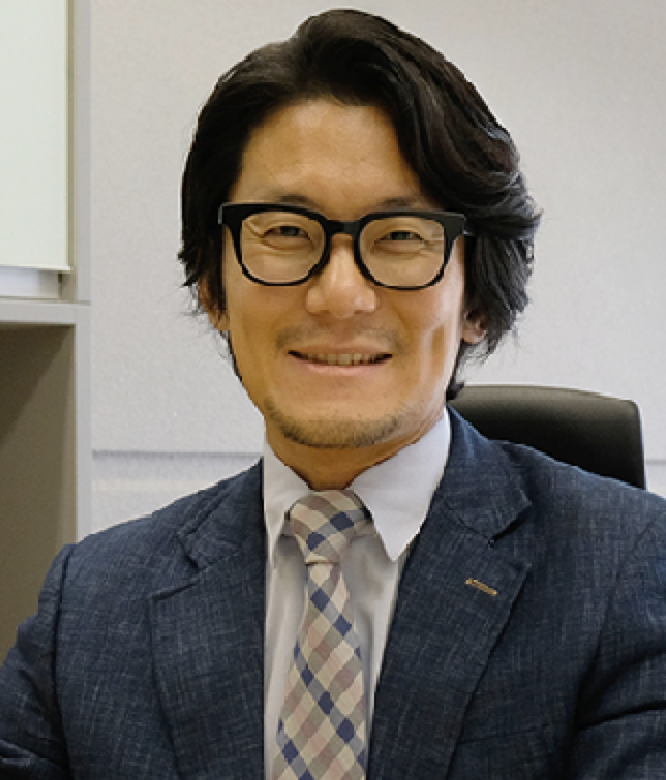 Matthew Chang Chang合作论文数Centre for Engineering Biology, National University of Singapore;Corporate Laboratory, National University of Singapore;Department of Biochemistry, Yong Loo Lin School of Medicine, National University of Singapore31
 David L. Ollis合作论文数Research School of Chemistry, Australian National University18
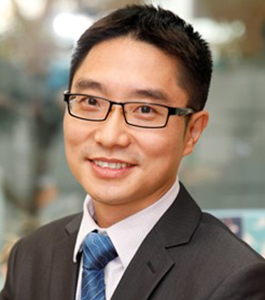 Ling Hua合作论文数Yong Loo Lin School of Medicine, National University of Singapore11P.D. Carr合作论文数10C.J. Jackson合作论文数10Susanna Su Jan Leong合作论文数9Yu Ai-Qun合作论文数7
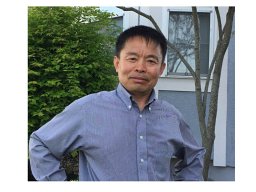 Jianwei Liu合作论文数Hefei National Laboratory for Physical Sciences at Microscale and Department of Chemistry, University of Science and Technology of China7
 Gerhard Schenk合作论文数6
 Cuiying Zhang (张翠英)合作论文数School of Biological Engineering, Tianjin University of Science & Technology6G. Salem合作论文数5Adelia Vicanatalita Susanto合作论文数5
 Nobuhiko Tokuriki合作论文数Department of Biochemistry & Molecular Biology, Faculty of Medicine, The University of British Columbia5Afriat L合作论文数5
 Dongguang Xiao (肖冬光)合作论文数College of Biotechnology, Tianjin University of Science and Technology5
 Colin J. Jackson合作论文数CSIRO Entomology5Lanxin Rong合作论文数4
 Adison Wong合作论文数Natl Univ Singapore, Yong Loo Lin Sch Med, Dept Biochem, 14 Med Dr, Singapore 117599, Singapore4Gazi Sakir Hossain合作论文数4
 Dan S. Tawfik合作论文数Department of Biomolecular Sciences, Weizmann Institute of Science4Paul D. Carr合作论文数4Yuanmei Liang合作论文数3G. Schenk合作论文数3Shohei Kitano合作论文数3
 Binbin Chen合作论文数3
 Yu Chyuan Heng合作论文数3Baixiang Zhao合作论文数3Zhao Yu合作论文数3Kun Zhu合作论文数3Shiqi Liu合作论文数3
 Jay D. Keasling合作论文数Department of Chemical & Biomolecular Engineering, College of Chemistry, University of California, Berkeley;Joint BioEnergy Institute3
 Mukesh Saini合作论文数Department of Chemical Engineering, Feng Chia University3
 Lawrence Gahan合作论文数3
 Fernanda Ely合作论文数3Won Jae Choi合作论文数2Jian Li合作论文数2Nikhil Aggarwal合作论文数NUS Synthet Biol Clin & Technol Innovat SynCTI & S, Natl Univ Singapore2Zhihui Lu合作论文数2Jing Kong合作论文数2Shenglong Li合作论文数2Jin Zhu合作论文数Mechanobiology Institute and.2
 Yung Seng Lee合作论文数Yong Loo Lin School of Medicine, National University of Singapore2
 Hwang In Young合作论文数Yong Loo Lin School of Medicine, National University of Singapore2
 Pengfei Xia (夏鹏飞)合作论文数School of Environmental Science and Engineering, Shandong University2Hye-Kyung Kim合作论文数1Kevin George合作论文数1Linsen Huang合作论文数1min jiang (姜岷)合作论文数1Jitong Cai合作论文数1




