Supplementary Figure 4. Predicted HLA alleles (A) and their associated immunogenic epitopes (B) in patients treated with mRNA-4157 monotherapy.
Supplementary Figure 2. Characterization of mRNA-4157 neoantigen pool-specific T cells post-expansion at pre-treatment and post-treatment for patients who received mRNA-4157 monotherapy (A–C) or combination therapy (D–K). (L) Alluvial plot illustrating neoantigen reactivity.
Supplementary Table 2. Safety summary for patients who received a dose of mRNA-4157.
Supplementary Figure 3. Patient responses to individual neoantigens at pre-treatment and post-treatment for patients who received mRNA-4157 monotherapy (A–C) or combination therapy (D–J) using ELISpot assay.
Supplementary Figure 6. mRNA-4157 in combination with pembrolizumab activates an adaptive immune response.
Supplementary Table 3. Cellular markers used for post-expansion intracellular staining and identification of CD4 and CD8 responses.
Supplementary Figure 7. Distribution of T cell subsets pre-treatment and post-treatment for high (Patients 7 and 6) and low (Patients 13 and 14) immune responders.
BACKGROUND:In the phase 3 CheckMate 76 K trial, adjuvant nivolumab significantly improved recurrence-free survival and distant metastasis-free survival versus placebo in patients with resected stage IIB/C melanoma. We report patient-reported outcomes from CheckMate 76 K. METHODS:Change from baseline to week 53 in health-related quality of life (HRQoL), as measured using the EORTC QLQ-C30 and EQ-5D-5L utility index and visual analog scale (VAS), was compared between treatment groups using linear mixed-effect models. Time to confirmed deterioration (TTCD) in HRQoL was assessed using Cox regression. Bother from side effects, as measured by the FACIT-GP5, was descriptively compared between treatment groups. RESULTS:There were no clinically meaningful differences in change from baseline between treatment groups in EORTC QLQ-C30 subscales, including global health status (GHS)/quality of life (QoL; least squares mean [LSM] difference: -1.3; 95 % confidence interval [CI]: -2.9, 0.4), and EQ-5D-5L utility index (LSM difference: -0.011; 95 % CI: -0.025, 0.004) and VAS (LSM difference: -1.3; 95 % CI: -2.6, 0.0). There was no difference in TTCD for nivolumab versus placebo in EORTC QLQ-C30 GHS/QoL (hazard ratio [HR]: 1.10; 95 % CI: 0.88, 1.36) or EQ-5D-5L utility index (HR: 1.10; 95 % CI: 0.86, 1.42); however, TTCD in EQ-5D-5L VAS was longer with placebo (HR: 1.92; 95 % CI: 1.39, 2.64). Proportions of patients reporting severe side effect bother ("quite a bit"/"very much") were minimal (nivolumab: 1 %-4 %; placebo: 0 %-2 %). CONCLUSIONS:Patients with resected stage IIB/C melanoma treated with adjuvant nivolumab demonstrated stable HRQoL and minimal bother from side effects. CLINICAL TRIAL INFORMATION:NCT04099251.
9515 Background: Lifileucel is a personalized, one-time tumor-derived autologous T-cell immunotherapy approved for the treatment of adult patients (pts) with advanced (unresectable or metastatic) melanoma previously treated with a programmed cell death-1 (PD-1)–blocking antibody, and, if BRAF V600 mutation–positive, a BRAF inhibitor with or without a MEK inhibitor. In the registrational C-144-01 study (NCT02360579), pts with advanced melanoma who received lifileucel had an objective response rate (ORR) of 31.4%. Follow-up in therapeutic trials targeting refractory patients with refractory melanoma typically span months rather than years due to lack of activity. Reflective of the durability of lifileucel, we nowreport 5-year survival outcomes from the C-144-01 study. Methods: C-144-01 (NCT02360579) is a phase 2, multicenter, multicohort, open-label study of lifileucel. Eligible pts had advanced melanoma that had progressed on or after immune checkpoint inhibitor and targeted therapy, where appropriate. Before lifileucel infusion, pts underwent nonmyeloablative lymphodepletion (NMA-LD; cyclophosphamide, 60 mg/kg × 2 d plus fludarabine 25 mg/m 2 × 5 d). Pts received cryopreserved lifileucel followed by up to 6 doses of interleukin-2 (IL-2; 600,000 IU/kg every 8–12 hours). The primary endpoint was ORR assessed by an independent review committee (IRC) using RECIST v1.1. Key secondary endpoints were duration of response (DOR), overall survival (OS), and safety. Results: Among pts who received lifileucel (n = 153; median age, 56 y; range, 20–79), 54% were male. All pts had an Eastern Cooperative Oncology Group Performance Status of 0 or 1 and previously received anti–PD-1/PD-L1 therapy. Pts had a median of 3 prior lines of therapy (range, 1–9) and 55% were primary refractory to anti–PD-1/PD-L1 therapy. At a median follow-up of 57.8 mo, all pts have completed or discontinued the study, with 28 (18.3%) pts having completed the 5-year study follow-up. The ORR was 31.4% (complete response, 5.9%; partial response, 25.5%). Median DOR was 36.5 mo (95% confidence interval [CI]: 8.3–not reached), with 31.3% of responders completing the 5-year assessment with a sustained response. Median time to best response was 1.5 mo (range, 1.3–30.4). Median OS was 13.9 mo (95% CI: 10.6–17.8); the 5-year OS rate was 19.7% (95% CI: 13.3–27.0). Treatment-emergent adverse events were consistent with known safety profiles of NMA-LD and IL-2. The extended follow-up revealed no new safety signals. Conclusions: This 5-year analysis of the C-144-01 trial is the longest follow-up of the largest group of pts with melanoma treated with tumor-infiltrating lymphocytes in a single study. This study illustrates lifileucel’s continued durability of response and survival benefit up to 5 years after a single administration without any long-term safety concerns. Clinical trial information: NCT02360579 .
Purpose CheckMate 915 (NCT03068455) compared adjuvant nivolumab monotherapy versus combination nivolumab+ipilimumab in patients with resected stage III/IV melanoma. This exploratory analysis was performed to identify biomarkers that correlate with benefit from adjuvant immunotherapy.Patients and methods 1,844 patients received nivolumab 480 mg every 4 weeks or nivolumab 240 mg every 2 weeks with ipilimumab 1 mg/kg every 6 weeks. Tumor and peripheral biomarkers were evaluated, including tumor-informed circulating tumor DNA (ctDNA) at postresection baseline and on-treatment, for their association with recurrence-free survival and distant metastases-free survival.Results Biomarker analyses were conducted in 60–96% of the intention-to-treat population. ctDNA positivity at baseline (seen in 16.2% of patients) and on-treatment was associated with higher risk of recurrence than ctDNA negativity (HR, 1.97; 95% CI, 1.57 to 2.46), with a high specificity (87%) and modest sensitivity (39%). ctDNA status, tumor mutational burden (TMB) status (TMB < or ≥350 mutations/tumor) and interferon gamma-RNA signature score (< or ≥median) evaluated together, as well as ctDNA status with tumor CD8 or cell programmed death ligand 1 expression, were more predictive of survival than ctDNA alone. Tumor bulk RNA-seq expression patterns identified gene expression at baseline associated with recurrence.Conclusions This study represents the largest assessment of ctDNA and other baseline tumor and peripheral biomarkers for predicting recurrence-free survival in patients with resected melanoma receiving adjuvant immunotherapy. ctDNA alone and in combination with more established biomarkers predicted recurrence-free and distant metastasis-free survival and has potential utility for assessing and monitoring the risk of recurrence in patients with resected melanoma treated with immunotherapy in the adjuvant setting.Trial registration number NCT03068455.
DATA SUPPLEMENT Adjuvant Nivolumab Versus Ipilimumab in Resected Stage III/IV Melanoma: 5-Year Efficacy and Biomarker Results From CheckMate 238
Patients with advanced melanoma resistant to immune checkpoint or BRAF/MEK inhibitors have treatment options with relatively low efficacy. Lifileucel, a one-time autologous tumor-infiltrating lymphocyte cell therapy, was approved in the United States on the basis of the pivotal C-144-01 study. A 5-year follow-up of the C-144-01 trial assessed the long-term efficacy and safety of lifileucel. At the cutoff date (November 20, 2024), the objective response rate was 31.4% (complete response [CR], 5.9%; partial response [PR], 25.5%). Overall, 79.3% of patients had tumor burden reduction; 16 had deepened responses with four converting from PR to CR > 1 year after lifileucel infusion; 31.3% of responders completed the 5-year assessment with ongoing responses. The median duration of response was 36.5 months. Responders (n = 48) had lower tumor burden and fewer liver or brain metastases than the overall population. The median overall survival (OS) was 13.9 months, with a 5-year OS of 19.7%. Adverse events were consistent with nonmyeloablative lymphodepletion and interleukin-2 safety profiles and declined rapidly within 2 weeks after lifileucel infusion. Most grade 3/4 cytopenias resolved to grade ≤2 by day 30. This 5-year analysis demonstrated long-term benefit and meaningful OS with one-time lifileucel therapy, with no additional long-term safety concerns.
Background: In BRAF-mutated high-risk melanoma, targeted therapy (BRAF/MEK inhibitors) and checkpoint inhibitor (CPI) immunotherapy have durable benefits as first-line (1L) adjuvant therapy. Based on differing action mechanisms of BRAF/MEK inhibitors and CPI immunotherapies, there is interest in evaluating the activity of 2L adjuvant targeted therapy in decreasing the risk of subsequent recurrence after repeat resection following relapse on/after 1L adjuvant CPI. Patients and methods: This was a retrospective review of BRAF V600-mutated resected stage III/IV melanoma patients in the United States, Australia, and The Netherlands who received 1L adjuvant CPI immunotherapy, relapsed locoregionally/distantly, were again resected to no evidence of disease, and received dabrafenib/trametinib (dab/tram) as 2L adjuvant therapy. The primary endpoint was relapse-free survival (RFS) from initiation of 2L adjuvant dab/tram (RFS-2), analyzed via Kaplan-Meier methods. Results: Thirty-eight patients were included (median age 50 years, 63% male, 87% stage III, median follow-up 19 months from 2L dab/tram initiation). Median dab/tram duration was 10.1 months (range: 1 day-22.7 months), with half discontinuing due to progression or adverse events. Median (95% CI) RFS-2 was 18.9 (14.9-28.1) months, with 91%, 81%, and 58% remaining relapse-free at 6, 12, and 18 months, respectively. Most patients remained distant metastasis-free at 6, 12, and 18 months (97%, 85%, and 71%, respectively).Two patients were deceased at the last follow-up, with 97% alive at 18 months. Conclusions: Over 80% of patients remained relapse- and metastasis-free at 12 months after 2L dab/tram initiation, with only 2 deaths observed. Dab/tram appears to have activity in the 2L adjuvant setting, although more follow-up is required.
Molecularly targeted therapies and immunotherapy improved treatment outcomes for melanoma patients. However, patients with driver mutations in the Neurofibromin 1 (NF1) tumor suppressor gene, which represent 20-30% of melanomas, have not benefitted from these treatment advances, underscoring an unmet clinical need. We compared 13 NF1 mutant (NF1Mut) and 19 NF1 wild-type (NF1WT) patient-derived short-term cultures (STCs) integrating multi-omic analysis of DNA mutations (Whole Exome Sequencing), RNA expression, and gene regulation (RNA-Seq, ATAC-Seq, H3K4Me3 and H3K27Ac). Independent melanoma patients’ specimens (n= 40) were used for immunohistochemical validation studies. We then used STCs for functional studies defining the role of NF1 loss in melanoma and testing potential therapeutic targets in-vitro and in PDX models. Comparing NF1Mut to NF1WT uncovered gene regulatory elements (ATAC P = 0.024, H3K27Ac P = 0.011) controlling a significantly increased transcription of EGFR in NF1Mut (P = 0.005). The significant upregulation of EGFR expression was confirmed by western blotting (P = 0.003) and IHC in an independent melanoma patient cohort (P = 0.0007). Functional studies revealed that EGF rapidly activates EGFR, AKT and ERK in NF1Mut but not NF1WT melanoma cells (P < 0.0001). Moreover, NF1 knockdown in NF1WT in-vitro resulted in an increased melanoma cell proliferation (P < 0.0001) as well as, EGFR, AKT and ERK activation. Genetic or immunological EGFR inhibition blunted cell proliferation, cell survival, and tumor growth in NF1Mut but not NF1WT melanoma STCs (P < 0.0001) and PDX models (P < 0.0001) independent of BRAF or NRAS mutation status. Our study uncovers a stereotypical and transcriptionally controlled activation of the EGFR-AKT signaling axis in NF1Mut melanoma, with EGFR inhibition limiting tumor growth in NF1Mut but not NF1WT melanomas. Data suggest a possible role of targeting EGFR as therapeutic target in melanoma patients with NF1Mut tumors. Milad Ibrahim, Irineu Illa-Bochaca, George Jour, Eleazar Vega-Saenz de Miera, Kelly Ruggles, Jeffrey Weber, Markus Schober1, Iman Osman. EGFR is a promising therapeutic target in NF1 mutant melanoma [abstract]. In: Proceedings of the American Association for Cancer Research Annual Meeting 2025; Part 1 (Regular Abstracts); 2025 Apr 25-30; Chicago, IL. Philadelphia (PA): AACR; Cancer Res 2025;85(8_Suppl_1):Abstract nr 4703.
Supplementary Table S2. Complete list of differentially expressed genes identified in the study.
Supplementary Table S8. Confusion matrix for top LASSO-regularized and cross-validated logistic regression model predicting severe (grade 3-4) irAEs (age, stage, and CD22, PAG1, CD33, HNRNPU, and FCGR2C gene expression) in COMBO-treated patients.
 Omid Hamid合作论文数The Angeles Clinic and Research Institute;Cedars Sinai92
 Jedd Wolchok合作论文数Graduate School of Medical Sciences, Weill Cornell Medicine;Meyer Cancer Center, Weill Cornell Medicine78
 Paolo A. Ascierto合作论文数Melanoma, Cancer Immunotherapy and Development Therapeutics Oncology Unit, Istituto Nazionale Tumori IRCCS Fondazione “G. Pascale62
 F. Stephen Hodi Jr.合作论文数Department of Medical Oncology, Dana-Farber Cancer Institute;Center for Immuno-Oncology, Dana-Farber Brigham Cancer Center;Harvard Medical School60
 Georgina Long合作论文数Faculty of Medicine and Health, The University of Sydney;Melanoma Institute Australia57
 Caroline Robert合作论文数Dermatology Unit, Gustave Roussy;Melanoma Research Unit, INSERM 981 Paris-Sud University57
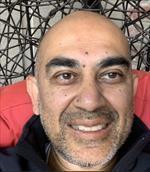 Adil Daud合作论文数Department of Medicine, University of California San Francisco;School of Medicine, University of California San Francisco;Helen Diller Family Comprehensive Cancer Center, University of California San Francisco52
 Antoni Ribas合作论文数Jonsson Comprehensive Cancer Center;Parker Institute for Cancer Immunotherapy Center, University of California Los Angeles51
 James Larkin合作论文数The Institute of Cancer Research;Royal Marsden Hospital;University of Cambridge48
 Jean Jacques Grob合作论文数Dermatology Department, Aix-Marseille University;Hôpital De La Timone46
 Iman Osman合作论文数Ronald O. Perelman Department of Dermatology, Grossman School of Medicine, New York University;Department of Medicine, Grossman School of Medicine, New York University44
 Amod A Sarnaik合作论文数Moffitt Cancer Center and Research Institute44Richard F. Kefford合作论文数35
 Michele Maio合作论文数Dipartimento di Scienze Mediche, Chirurgiche e Neuroscienze, Università degli Studi di Siena32
 Celeste Lebbé合作论文数Department of Dermatology, Hôpital Saint Louis31Del Vecchio Michele合作论文数30
 Ryan Sullivan合作论文数Massachusetts General Hospital30
 Steven J O'Day合作论文数30Ebbinghaus Scot合作论文数29
 Peter Hersey合作论文数The University of Sydney;Kolling Medical Research Institute, Royal North Shore Hospital;Sydney Hospital29David M. Woods合作论文数28
 Anna C. Pavlick合作论文数Weill Cornell Medical College, Cornell University;NewYork-Presbyterian Hospital28
 Geoffrey T Gibney合作论文数PRIME Education, LLC;MedStar Georgetown University Hospital;Lombardi Comprehensive Cancer Center27
 Reinhard Dummer合作论文数Department of Dermatology, University Hospital Zürich26Dronca Roxana S合作论文数25Tara C. Gangadhar合作论文数25
 Helen Gogas合作论文数Outpatient Oncology Department, 1st Department of Medicine, Medical School, University of Athens24
 Amita Patnaik合作论文数South Texas Accelerated Research Therapeutics;Division of Medical Oncology, University of Texas Health Science Center at San Antonio24
 Jeffrey A Sosman合作论文数Division of Hematology and Oncology, Department of Medicine, Feinberg School of Medicine, Northwestern University23
 Rene Gonzalez合作论文数University of Colorado Denver23
 Stéphane Dalle合作论文数Service de Dermatologie, Hôpital Lyon Sud-HCL;Université Claude Bernard Lyon 1;Cancer Research Center of Lyon23
 Mario Sznol合作论文数Department of Medical Oncology, School of Medicine, Yale University23Anthony M Joshua合作论文数22
 Marcus Butler合作论文数Department of Immunology, Temerty Faculty of Medicine, University of Toronto22
 Harriet Kluger合作论文数Department of Dermatology, Yale School of Medicine, Yale University;Developmental Therapeutics, Yale School of Medicine, Yale University;Yale Cancer Center, Yale University22
 Nikhil Khushalani合作论文数Department of Cutaneous Oncology, Moffitt Cancer Center22
 Iván Márquez Rodas合作论文数Hospital General Universitario Gregorio Marañón22
 Richard W. Joseph合作论文数Division of Hematology/Oncology, Department of Medicine, Mayo Clinic;Division of Epidemiology, Department of Health Science Research, Mayo Clinic22
 Lynn M. Schuchter合作论文数Division of Hematology and Oncology, Department of Medicine, Perelman School of Medicine, University of Pennsylvania21
 Bartosz Chmielowski合作论文数Division of Hematology-Oncology, University of California Los Angeles21Kudchadkar Ragini R合作论文数21
 Keith Flaherty合作论文数Henri and Belinda Termeer Center for Targeted Therapy, Cancer Center, Massachusetts General Hospital;Harvard Medical School21
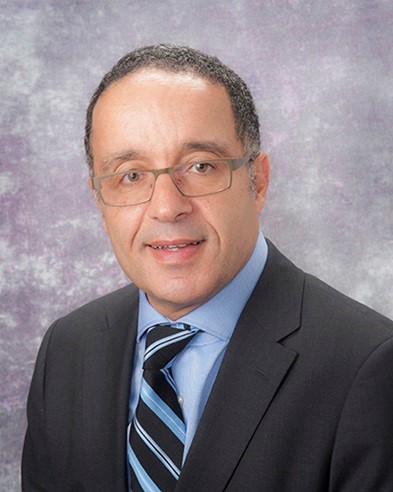 Hassane M. Zarour合作论文数Department of Medicine, School of Medicine, University of Pittsburgh;Department of Dermatology, School of Medicine, University of Pittsburgh;Hillman Cancer Center, UPMC21
 Robert Meehan合作论文数20Michael Schenker合作论文数Dept Med Oncol, Univ Med & Pharm Craiova20
 Matteo Carlino合作论文数Faculty of Medicine and Health, The University of Sydney;Westmead Hospital20
 Victoria Atkinson合作论文数PA Southside Clinical Unit, Faculty of Health, Medicine and Behavioural Sciences, University of Queensland;Clinical School of Medicine, University of Queensland;Princess Alexandra Hospital20
 Dirk Schadendorf合作论文数Clinic for Dermatology, University Hospital Essen;University of Duisburg-Essen;West German Tumor Center20
 Howard A. Skip Burris III合作论文数Sarah Cannon Research Institute19




