PURPOSE:Definitive radiation therapy for cervical cancer results in significant vaginal and sexual toxicity. Prior work has investigated dosimetric predictors of vaginal toxicity; however, sexual health outcomes are lacking. METHODS AND MATERIALS:Patients with stage IB to IVA cervical cancer treated with definitive chemoradiation and magnetic resonance-guided brachytherapy were enrolled in a prospective, cross-sectional study. Sexual toxicity was assessed using 2 validated patient-reported outcome measures: Female Sexual Function Index and Female Sexual Distress Scale-Revised. Clinical and treatment data were collected by chart review. Vaginal dosimetry was abstracted from individual treatment plans, including: vaginal D2cm3 (minimum dose to hottest 2 cm3 of vagina), International Commission on Radiation Units and Measurements rectovaginal point (point dose 5 mm posterior to the applicator at the top of vagina), lateral point (point dose 5 mm lateral to the applicator at the top of vagina), point dose at posterior-inferior border of the symphysis (PIBS), and PIBS ± 2 cm (point dose ± 2 cm to PIBS). Vaginal Total Reference Air Kerma assessed dose loading within the vagina. Descriptive statistics summarized the data. Correlations were evaluated using logistic and linear regression analyses. RESULTS:Between August 2018 and April 2022, 73 patients were eligible. Median age was 49 (range, 25-81), median stage was IIB, 58% had vaginal involvement at diagnosis, and 33% had vaginal involvement at brachytherapy. Patients completed patient-reported outcome measures at a median of 19 months (range, 3-63) post treatment. Criteria for sexual dysfunction and distress were met in 73% (Female Sexual Function Index ≤ 26) and 55% (Female Sexual Distress Scale-Revised ≥ 11) of participants, respectively. Cumulative International Commission on Radiation Units and Measurements rectovaginal point dose >65 Gy (odds ratio, 5.04; 95% CI, 1.18-27.99; P = .040) and Vaginal Total Reference Air Kerma (odds ratio, 1.71; 95% CI, 1.04-3.04; P = .045) were associated with increased sexual distress on multivariable analysis. CONCLUSIONS:Sexual health following radiation therapy for cervical cancer is a multifactorial issue. This analysis identifies a novel association between brachytherapy dosimetry and sexual toxicity. Further attention to and evaluation of vaginal doses could improve our understanding of sexual health outcomes.
AIM:To investigate the impact of anatomical changes and setup uncertainties on lattice integrity and delivered target dose in spatially and temporally fractionated Lattice Radiation Therapy (LRT). METHODS:Sixteen patients with large-volume tumors underwent 5-fraction LRT, receiving 20 Gy to the target planning volume (PTV) and a simultaneous integrated boost of 66.7 Gy to lattice-arranged high-dose spheres within the gross tumor volume (GTV_2000). Delivered dose was reconstructed by computing fraction doses on CBCTs, followed by deformable registration and accumulation onto the planning CT. Planned and delivered doses were compared in terms of GTV_2000 coverage, peak-to-valley dose ratio (PVDR), preservation of high-dose volumes, and organ-at-risk doses. RESULTS:Dose accumulation was prospectively performed for 80 fractions. The average GTV_2000 vol was 1580 cm3 (range: 139-3183 cm3), with a mean of 12 (range: 1-33) high-dose spheres per lattice. Among the 12 patients not requiring replanning, the average delivered GTV_2000 Dmean, D98%, and PVDR were 27.7 Gy, 19.2 Gy, and 3.25, respectively, representing minor decreases of 1.0 Gy, 0.6 Gy and 3.5%. High-dose volumes (V66.7 Gy and V60Gy) showed larger reductions of 41.5% and 25.2%. The 4 patients requiring replanning demonstrated greater dosimetric deviations. Delivered organ-at-risk doses were largely in agreement with the planned doses and stayed within dose tolerance limits. CONCLUSION:CBCT-guided, temporally fractionated LRT can maintain high spatial and dosimetric accuracy. Despite anatomical changes, PVDR and lattice integrity were generally preserved, particularly in patients not requiring replanning. Consistent lattice delineation across scans was critical in patients requiring replanning to preserve lattice spatial dose integrity.
12068 Background: Malignant bowel obstruction (MBO) is a frequent, debilitating complication in patients with gynecologic malignancies associated with poor prognosis. Low-fibre diet (LFD) is a core component of conservative management; however, adherence is challenging and may be improved with coaching. To address this gap, we implemented a virtual dietitian-led educational intervention and evaluated patient knowledge, attitudes, and practices regarding LFD. Methods: This prospective quality improvement project was conducted at Princess Margaret Cancer Centre between October 2024 and April 2025. Adult patients with gynecologic malignancies who had developed or were at risk of MBO participated in interactive virtual LFD classes delivered by a registered dietitian. Electronic surveys assessed patient knowledge, attitudes, and dietary practices at baseline, post-class, and at two-week follow-up. Outcomes were summarized using descriptive statistics. Results: Of 71 patients approached, 48 (68%) attended the class. Surveys were completed by 43 patients pre-class (61%), 26 post-class (37%), and 18 at follow-up (25%). Median age was 64 years (range 31–79); 32/43 (74%) had ovarian cancer, and 12/43 (28%) had prior bowel obstruction. At baseline, 40/43 (93%) understood the rationale for LFD, but only 26/43 (60%) reported knowing which foods were permitted and 26/43 (60%) which were restricted. Baseline concerns included inadequate healthy food options (32/43, 74%) and limited cultural food compatibility (12/43, 28%). Following the intervention, understanding of permitted foods increased to 24/26 (92%; +32%) and restricted foods to 22/26 (85%; +24%). Confidence that LFD could reduce the risk of MBO improved from 16/43 (37%) to 16/26 (62%; +25%). The virtual format was well received, with 25/26 (96%) feeling comfortable and 22/26 (85%) identifying the class as an important part of their care. At two-week follow up, 15/18 (83%) felt confident in selecting appropriate foods. Adherence was high with 6/18 (33%) following LFD always and 9/18 (50%) most of the time. Despite improved knowledge and adherence, overall satisfaction with LFD remained low (baseline 7/43, 16%; follow-up 3/18, 17%). Challenges including limited food variety, difficulty identifying appealing options, and managing concurrent dietary restrictions, were reported by 9/18 (50%). Quality of life outcomes were mixed, with equal proportions reporting improved, unchanged or worsened: each 6/18, 33%. Conclusions: This quality improvement project demonstrates that a virtual, dietitian-led LFD education is feasible, acceptable, and effective in addressing key knowledge and confidence gaps for patients with or at risk of MBO. Persistent dissatisfaction with LFD highlights the need for future QI efforts focused on developing culturally inclusive resources and integration of multiple dietary needs.
The impact of sex inequities in healthcare may be magnified in medical oncology, where patients and physicians often navigate life-limiting illnesses and intensive treatments. We examined the associations among patient-physician sex concordance, treatment practices, and cancer outcomes. This was a population-based, retrospective cohort study of adults diagnosed with stage II-IV lung or colon cancer in 2013–2020 in Alberta, Canada and referred to a medical oncologist. We classified patient-physician dyads as sex concordant (female-female, male-male) or discordant (female-male, male-female). We analyzed time-to-event data using Kaplan-Meier methods and associations with Cox and logistic regression models. We identified 12,047 patients treated by 209 medical oncologists. In multivariable analysis of the propensity score-matching (PSM) cohort, sex concordance was not independently associated with overall survival (OS) or cancer-specific survival (CSS) in the overall cohort and in female patients. But among male stage IV patients treated by female physicians, sex discordance was significantly associated with lower OS and CSS (p = 0.02). Upon propensity score-matching, more oncologists prescribing systemic therapy for stage II-III disease were female (25.8
Abstract Topic Esophageal Cancer: Adjuvant and Neo-Adjuvant Therapies Background Perioperative 5-fluorouracil, leucovorin, oxaliplatin, and docetaxel (FLOT) is standard of care in resectable gastroesophageal adenocarcinoma (GEA). Pre-operative staging and re-staging computed tomography (CT) or positron emission tomography (PET) can determine tumour response to FLOT before surgery, affecting decision-making surrounding adjuvant chemotherapy. This study aimed to determine whether pre-operative response to FLOT was associated with pathologic and survival outcomes. Methods Patients with GEA who received neoadjuvant FLOT and subsequently underwent surgery from January 2017 to April 2025 at University Health Network (UHN), Canada, were retrospectively analysed. Staging and re-staging CT and PET were used to determine GEA response to FLOT, patients were then separated into FLOT responders (FR) or non-responders (FNR). Pathologic and overall (OS) and disease-free survival (DFS) outcomes were compared between the two groups. Results 169 patients were included for final analysis, of which 116 (68.6%) were FR and 53 (31.4%) were FNR. Median follow-up was 24 months. The FR group had better ECOG status, less advanced ypT and ypN stage, greater tumor response to neoadjuvant treatment, and lower rates of lymphovascular and perineural invasion. Median OS was higher in the FR group (67 vs. 43.8 months, log rank p=0.016). Median DFS was higher in the FR group (32 vs. 20 months, log rank p=0.018). Pre-operative FLOT response was not a predictor of OS (p=0.101) or DFS (p=0.196) on multivariable analysis. Conclusion Patients who demonstrated pre-operative radiologic or metabolic response to FLOT had more favourable pathologic measures and superior OS and DFS on univariate analysis. This survival advantage was not seen on multivariable analysis. Non-response to FLOT in the preoperative setting can inform decision-making regarding adjuvant systemic therapy, with a potential to pivot.
Esophageal cancer (EC), a highly lethal malignancy with over 445 000 deaths globally in 2022, ranks among the leading causes of cancer mortality globally. As survival improves in EC, cancer therapy-related cardiac dysfunction (CTRCD) has emerged as an important cause of morbidity and mortality. Contemporary treatment strategies involving surgery, fluoropyrimidine-based chemotherapy, immune checkpoint inhibitors, and thoracic radiotherapy expose patients to distinct and overlapping mechanisms of cardiovascular injury. The increasing use of perioperative regimens such as fluorouracil, leucovorin, oxaliplatin, and docetaxel (FLOT) and immunochemotherapy (d-FLOT) approaches further underscores the importance of cardiovascular surveillance. Current evidence suggests that whole-heart dosimetric parameters alone may inadequately predict cardiovascular risk, whereas cardiac substructure-specific assessment and multimodal surveillance may facilitate earlier detection of subclinical injury and more individualized management. However, existing evidence remains largely retrospective, and standardized thresholds for biomarkers, imaging parameters, and surveillance intervals are lacking. Cardio-oncology has become essential in mitigating these risks through early detection and preventive strategies. In this review, we summarize current evidence on the mechanisms, incidence, and predictors of CTRCD in EC. By integrating biochemical, imaging, dosimetric, and predictive modeling approaches, clinicians may better balance oncologic efficacy with cardiovascular safety, reduce long-term cardiac morbidity, and improve overall outcomes in patients undergoing contemporary multimodality treatment for esophageal cancer.
PURPOSE:Radiation therapy (RT) is a cornerstone of curative cancer treatment, yet its immune effects are not fully understood. This study examined systemic immune profile changes in patients undergoing RT for solid tumors. METHODS AND MATERIALS:Patients with localized head and neck cancer, non-small cell lung cancer, rectal cancer, or extremity soft tissue sarcoma treated with curative RT (>45 Gy, 1.8-3 Gy/fraction) were enrolled. Baseline and post-RT (after 45 Gy) blood samples were analyzed using multiplex Luminex cytokine assays and high-dimensional mass cytometry (cytometry by time-of-flight). Immune alterations were correlated with patient outcomes. RESULTS:Thirty-seven patients treated with curative RT for head and neck cancer (n = 8), non-small cell lung cancer (n = 8), rectal cancer (n = 7) or soft tissue sarcoma (n = 14) were enrolled. Approximately 50% of patients received concurrent chemotherapy. At a median follow-up of 21 months, there were 3 local and 12 distant recurrences. Cytokine analysis showed increased C-X-C motif chemokine ligand 12 (P = .044) and monocyte chemoattractant protein-1 (P < .001), both important in monocyte trafficking and mobilization. Consistent with the cytokine changes, cytometry by time-of-flight demonstrated increased monocytes (P < .001) and reduced natural killer and B cells (P < .001). Circulating CD4 effector T cells decreased in patients who developed distant metastases (P = .049) but remained unchanged in recurrence-free patients. These effects were independent of tumor type and chemotherapy, indicating conserved immune changes following RT. CONCLUSIONS:We identified a distinct pattern of immune change across all tumor types analyzed in response to RT, with increases in protumoral myeloid cell populations, reductions in B cells and natural killer cells, and a significant decrease in CD4 effector T cells among patients who developed distant metastases.
PURPOSE:/Objective(s): Pain management during brachytherapy for cervix cancer is challenging. Institutional practice for brachytherapy delivery and pain management varies. Here we retrospectively assessed pain control and opioid use requirements during different MRI-guided interstitial cervix brachytherapy workflows. MATERIALS:/Methods: In this retrospective study, data was collected on ninety-one patients receiving MR-guided interstitial brachytherapy for cervix cancer between June 2022 and June 2024. Abstracted data included: demographics, disease characteristics, pain scores, opioid use, and brachytherapy workflow. Patients were either treated as in-patients or out-patients. In-patients remained overnight to receive a second fraction the following day. Out-patients received a single fraction and were discharged the same day. Out-patients were further divided into intra-operative versus post-operative treatment. For intra-operative treatment the entire procedure was performed under general anesthesia (GA). For post-operative treatment only applicator insertion was under GA. Multivariable linear regression modelling was used for analysis of opioid dose and pain scores. RESULTS:Ninety-one patients were eligible for inclusion, corresponding to 201 separate insertions. Median age was 51. Majority (69 %) had cT2b disease. Mean CTVHR volume and D90% were 32.2 cm3 (standard deviation (SD) 19.4) and 92.2 Gy (SD 2.5), respectively. In-patient stay was associated with increased opioid requirements, higher average pain, and more episodes of uncontrolled pain (p < 0.001). Within those treated as out-patients, intra-operative treatment was associated with lower average pain and fewer episodes of uncontrolled pain (p < 0.001). CONCLUSION:In-patient treatment was associated with worse pain control, despite increased opioid use. Within those treated as out-patients, intra-operative treatment further improved pain management.
BACKGROUND:Deep learning methods are promising in automating segmentation of organs at risk (OARs) in radiotherapy. However, the lack of a geometric indicator for dosimetry accuracy remains to be a problem. This issue is particularly pronounced in specific radiotherapy treatments where only the proximity of structures to the radiotherapy target affects the dose planning. In cervical cancer high dose-rate (HDR) brachytherapy, treatment planning is motivated by limiting dose to the hottest 2 cubic centimeters (D2cm3) of the OARs. Similarly, Ethos online adaptive radiotherapy system prioritizes only the closest target structures for adaptive plan generation. PURPOSE:We propose a novel geometrically focused deep learning training method and evaluation metric, using cervical brachytherapy as a case study. A distance-penalized (DP) loss function was developed to focus attention on the near-to-target OAR regions. We also introduced and evaluated a novel geometric metric, weighted dice similarity coefficient (wDSC), correlated with OARs D2cm3. METHODS:A model was trained using a 3D U-Net architecture and 170 T2-weighted magnetic resonance (MR) images (56 patients) with clinical contours. The dataset was split into subsets at the patient level: 45 patients (150 scans) as the training set for five-fold cross-validation and 11 patients (20 scans) as the testing set. Another dataset from our institution, consisting of 35 MR scans from 22 cervical cancer patients, was used as an independent internal testing set. A distance map, emphasizing errors near high-risk clinical target volume (CTVHR), was used to penalize two commonly used loss functions, cross-entropy (CE) loss and DiceCE loss. The wDSC emphasizes the accuracy of OAR regions proximal to CTVHR by incorporating a weighted factor in the original vDSC. The Pearson correlation coefficient (r) was used to quantify the strength of the relationship between D2cm3 accuracy and six evaluation metrics (wDSC and five standard metrics). A physician rated and revised the auto-contours for the clinical acceptability tests. RESULTS:The wDSC moderately correlated (r = -0.55) with D2cm3 accuracy, outperforming standard geometric metrics. Models using DP loss functions consistently yielded higher wDSCs compared to their respective non-DP counterparts. DP loss models also improved D2cm3 accuracy, indicating an enhanced accuracy in dosimetry. The clinical acceptability tests revealed that more than 94% of bladder and rectum contours and approximately half of the sigmoid and small bowel contours were clinically accepted. CONCLUSION:We developed and evaluated a new geometric metric, wDSC, as a better indicator of D2cm3 accuracy, which has the potential to become a surrogate for dosimetric accuracy in cervical brachytherapy. The model with DP loss showed non-statistically significant improvements in geometric and dosimetric performance. This work also holds the potential to be used for precise OARs delineation in adaptive radiotherapy.
Systemic therapy is the mainstay of treatment in inoperable cholangiocarcinoma (CCA). The aim of this study was to evaluate the overall survival (OS), progression-free survival (PFS), recurrence patterns, and the association between biliary complications and OS in patients with inoperable, localized cholangiocarcinoma treated with radiotherapy (RT) alone. Records of patients treated between 2004 and 2022 who received a minimum of 32.5 Gy BED10 were retrospectively reviewed. Survival was estimated using the Kaplan-Meier method, and prognostic factors were assessed using univariate and multivariable analyses. A total of 56 patients (median age 67.5) were included, most of whom had intrahepatic (78.6%) CCA, and most of whom received SBRT (76.8%). The median dose was 36 Gy (BED 55 Gy), and the median OS and PFS were 20 months and 10 months, respectively. One-year local control was 92.1% and the primary site of progression was intrahepatic (64.9%). On univariate analyses, pre-radiation biliary obstruction, elevated baseline CA 19-9, larger tumor size, and age were associated with worse outcomes; on multivariable analysis, only lesion size was prognostic. Biliary complications were associated with inferior OS. These findings highlight the high intrahepatic out-of-field failure rates and suggest the incorporation of biliary-event-free survival as a clinically relevant endpoint.
e18132 Background: Lenvatinib, a multi-targeted tyrosine kinase inhibitor, is approved for the treatment of locally recurrent or metastatic, progressive radioactive iodine (RAI)-refractory (herein termed ‘advanced’) thyroid cancer, based on the randomized phase III SELECT (Study of Lenvatinib in Differentiated Cancer of the Thyroid) trial where it improved progression-free survival by nearly 15 months. Since then, the use of lenvatinib has substantially increased, however not all patients respond, and there remains a lack of real-world data characterizing efficacy. In the present study, we aimed to evaluate the use and effectiveness of first-line lenvatinib in a genomically-characterized cohort of advanced thyroid cancer patients, and to identify clinicopathological and molecular correlates of drug response. Methods: Patients with advanced, follicular cell-derived thyroid cancer who underwent next-generation sequencing (NGS) at Princess Margaret Cancer Centre and commenced first-line lenvatinib monotherapy between 2015 to 2023 were included. Data were collected retrospectively, and Kaplan-Meier method, log-rank tests and univariable/multivariable proportional hazard models were employed. Results: In total, 77 patients were included (48% female, majority papillary (52%), poorly differentiated (17%) or invasive encapsulated follicular variant papillary (16%)). Most patients (79%) underwent total thyroidectomy and adjuvant RAI (median cumulative dose of 231 mCi). At lenvatinib initiation, the median age was 62.9 years, 68% of patients were ECOG performance status ≥2, 81% had lung metastases and 53% had bone metastases. Most patients started on either 10 mg or 14 mg of lenvatinib daily. The median time to treatment discontinuation was 33 months and the median overall survival was 72.9 months. Older age, ECOG ≥2, liver metastases and TP53 mutation(s) were associated with a shorter time to treatment discontinuation; ECOG ≥2 and TP53 mutation(s) remained significant on multivariable analysis ( p = 0.025 and p = 0.016, respectively). Conclusions: The present study shows the real-world experience using lenvatinib in patients with advanced thyroid cancer, and demonstrates impressive efficacy, including in patients with heterogenous clinical and molecular features. Additionally, our findings provide early evidence for the use of clinicopathologic biomarkers to guide lenvatinib initiation. Larger-scale, multicentre studies will be needed to validate these results.
PURPOSE:Magnetic resonance image-guided brachytherapy (MRgBT) is the gold-standard treatment for cervical cancer. This study examined workflow times in an integrated MRgBT suite and conventional operating room (OR), and factors contributing to intraoperative efficiency. METHODS AND MATERIALS:Consecutive patients with FIGO stage IB-IVA cervical cancer who underwent MRgBT procedures between 2019-2022 were retrospectively reviewed. Workflow times were collected: applicator insertion, MR-imaging, contouring, treatment planning, treatment execution and total procedure time. Procedure durations between applicators and over time were compared. RESULTS:The 161 patients included in this study underwent 267 procedures in the MRgBT suite, and 56 procedures in the OR using ovoid and tandem applicator (O&T, 46%), ring and tandem (R&T, 28%), or Syed-Neblett template (Template, 27%). The median duration (minutes) of each step was: general anesthesia induction (18), applicator insertion (31), MR-imaging (28), parallel contouring (48) and applicator/needle registration & treatment plan optimization (83), and treatment execution (19). Total procedure time was much longer in the OR (488 minutes) than MRgBT suite (205 minutes). Template cases were significantly longer in insertion, MR-imaging, contouring, planning and total procedure time (by 52 minutes) compared with those using the R&T/O&T applicators (p<0.001). Total procedure time for Template cases reduced by 10 minutes/year since 2019 (p<0.001). Regardless of applicator type, total procedure time for subsequent insertions was 21 minutes less than the first (p<0.001). CONCLUSIONS:MRgBT procedure time was longer for Syed-Neblett template cases, but shorter in subsequent insertions. The overall procedure time was much shorter in the integrated MRgBT suite than conventional OR.
Objective:Neuroendocrine cervical carcinomas are a rare but aggressive malignancy associated with a poor prognosis and there is limited evidence to guide clinical decision-making. Our objective was to evaluate the patterns of practice and clinical outcomes of patients diagnosed with neuroendocrine cervical carcinoma. Methods:This was a retrospective chart review of patients diagnosed with neuroendocrine cervical carcinoma between 2007 and 2023. Demographic, treatment, and outcome data were extracted from the medical records and summarized using descriptive statistics. Results:In total 32 patients were identified. Median follow-up was 14.5 months, and median age at diagnosis was 52 (range 21-89), 31.3 % (10/32) were stage IVB at time of diagnosis. Primary treatment consisted of surgery in 10 patients (31.3 %) and chemo-radiation in 15 patients (46.9 %), with the remainder of patients (7/32, 21.9 %) receiving upfront palliative therapy. Adjuvant chemotherapy typically consisted of a combination of cisplatin and etoposide. Median OS for the full cohort was 19 months (2-year OS 39 %, 2-year LR 9 %, 2-year LRR 9 %). Primary surgery was generally offered to patients with earlier stage disease (IA2-IIA1) relative to primary chemoradiotherapy (IB1-IVB). Patients treated with primary surgery had significantly higher median OS compared to those treated with primary chemoradiotherapy (39 vs 19 months, p = 0.04). Treatment failure usually consistent of distant metastatic relapse (15/20, 75 %). Conclusion:In our single institution review of neuroendocrine carcinoma of the cervix, primary surgery was associated with improved OS; however, our sample size was small with a bias to offering upfront surgery to patients with earlier stage disease.
PURPOSE:Vaginal recurrence of endometrial cancer can be salvaged by external beam radiotherapy and vaginal brachytherapy, but data on MRI-guided brachytherapy is limited. This study evaluated disease and toxicity outcomes of patients treated with MRI-guided brachytherapy for vaginal recurrence of endometrial cancer. METHODS:Patients who received salvage MRI-guided interstitial/intracavitary brachytherapy for vaginal recurrence of endometrial cancer between 2015 and 2023 were retrospectively reviewed. Local failure (LF) was estimated using the cumulative incidence function. Disease-free (DFS) and overall survival (OS) were estimated using the Kaplan-Meier method. Toxicities were assessed using the Common Terminology Criteria for Adverse Events (version 5). RESULTS:Of the 56 patients, 17 (30%) and 39 (70%) were treated with intracavitary (multichannel vaginal applicator) and interstitial (Syed-Neblett template) brachytherapy, respectively. Fifty-three (94%) had endometroid adenocarcinoma histology. The median high-risk clinical target volume D90% was 82 Gy. With a median follow up of 39.5 months, 11 patients (20%) developed recurrence: four local failures (LFs), three regional failures, and seven distant failures (simultaneous failures at different sites included). The 2-year LF was 5.9% (95% confidence interval [CI] 1.5%-15.9%); 2-year DFS was 83% (95% CI 73%-94%); and 2-year OS was 94% (95% CI 87%-100%). There were few late toxicities, with the highest toxicity grade being grade 2: 0 gastrointestinal, one genitourinary and six vaginal. CONCLUSION:Patients with vaginal recurrence of endometrial cancer treated with MRI-guided interstitial/intracavitary brachytherapy had favorable local control, DFS, OS and toxicity rates.
Spatially fractionated radiotherapy (SFRT) is emerging as an option to deliver high dose radiation to bulky disease sites with an improved therapeutic ratio compared to established radiotherapy techniques. SFRT has not been previously studied for re-irradiation. We describe three patients with previously irradiated bulky oligometastatic disease to different sites (lung, thigh, and adrenal gland) who were re-treated with SFRT, with intention to relieve or prevent worsening of symptoms. Dose prescription was 66.7 Gy in 5 fractions to uniformly spaced lattice vertices in the gross tumour volume (GTV), with the planning target volume (PTV) receiving 20 Gy at the periphery and a mean dose of approximately 27 Gy. Dose summation and image registration techniques, and selection of organs at risk and dose constraints, were defined on a case-by-case basis. GTV volumes ranged from 272 cm3 to 3183 cm3, and mean dose delivered to the PTV ranged from 26.2 to 27.4 Gy. Two treatment plans met all clinical goals, while one plan had marginal excess dose to two structures. All three patients tolerated SFRT at least as well as their initial radiotherapy courses, with no severe radiation-related adverse events. Two patients were symptomatic prior to SFRT and achieved clinically significant symptom improvement following treatment. SFRT offers a feasible and safe re-irradiation option for bulky metastatic disease in the palliative setting.
In patients with squamous cell carcinoma of the anal canal (ACC), disease stage influences treatment plans and determines prognosis. Our purpose was to determine the impact of PET on the initial staging of patients with presumed stages II-IV ACC and to assess the association of disease stage per conventional workup (CW) and PET imaging to patient outcomes. Methods: In this multicenter registry, patients with CW stages II-IV ACC or equivocal findings for a specific stage were included. Demographic data and stage according to the American Joint Committee on Cancer (AJCC) version 7 as determined by CW and PET were recorded and compared with overall survival (OS). For patients from 1 of the participating institutions, CW and PET stage according to AJCC versions 7-9 were compared with progression-free survival (PFS) and OS. Results: There were 813 patients included. PET upstaged 150 of 531 patients (28.2%) and downstaged 84 of 531 patients (15.8%) and assigned a specific stage to 200 of 232 patients (86.2%) with equivocal findings on CW. Stage IV on PET was predictive of significantly poorer OS (P = 0.005). For the 136 patients with staging according to AJCC versions 7-9, CW stages I-IV per versions 7-9 were not predictive of OS (P = 0.684, 0.329, and 0.083, respectively) or PFS (P = 0.622, 0.606, and 0.115, respectively). However, PET stages I-IV per versions 7-9 were associated with OS (P = 0.037, 0.003, 0.003, respectively) and PFS (P = 0.004, <0.001, <0.001, respectively), with version 9 best discriminating PFS for stages II and III. Conclusion: In patients with presumed stages II-IV ACC, PET stage differs in up to 44% from CW. PET assigns a specific stage in most patients with equivocal staging on CW. The PET-derived stage was predictive of PFS and OS. Because of its superior prognostication, PET should be used routinely to stage patients with ACC clinical stage II or above.
 Kathy Han合作论文数Institute of Medical Science, Temerty Faculty of Medicine, University of Toronto38
 Michael Milosevic合作论文数Department of Radiation Oncology, Temerty Faculty of Medicine, University of Toronto;Institute of Medical Science, University of Toronto;Cancer Clinical Research Unit, Princess Margaret Cancer Centre;University Health Network35
 Jennifer Croke合作论文数Department of Radiation Oncology, Temerty Faculty of Medicine, University of Toronto25
 Laura Dawson合作论文数Department of Radiation Oncology, Temerty Faculty of Medicine, University of Toronto;Princess Margaret Hospital Cancer Centre21
 Ali Hosni Ali Abdalaty合作论文数Department of Radiation Oncology, University of Toronto18
 Alexandra Rink合作论文数Department of Medical Biophysics, Temerty Faculty of Medicine, University of Toronto15
 Anthony Fyles合作论文数Department of Radiation Oncology, Faculty of Medicine, University of Toronto;Department of Obstetrics and Gynecology, Faculty of Medicine, University of Toronto;Princess Margaret Cancer Centre;Saint Michael's Hospital15Aruz Mesci合作论文数14Jessica L Conway合作论文数13
 Rebecca Wong合作论文数Department of Radiation Oncology, Temerty Faculty of Medicine, University of Toronto;The Princess Margaret Hospital12
 Amy Liu合作论文数Biostatistics Division, Dalla Lana School of Public Health, University of Toronto10
 Akbar Beiki-Ardakani合作论文数10Julia Skliarenko合作论文数10
 John Kim合作论文数Department of Radiation Oncology, Temerty Faculty of Medicine, University of Toronto;Princess Margaret Cancer Centre, University Health Network9James D Brierley合作论文数8
 Aisling Barry合作论文数University College Cork8
 Jolie Ringash合作论文数Department of Radiation Oncology, Temerty Faculty of Medicine, University of Toronto;Cancer Clinical Research Unit, Princess Margaret Cancer Centre8
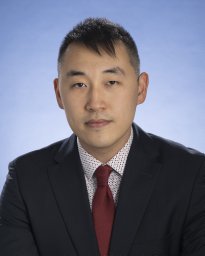 Michael Yan合作论文数Department of Radiation Oncology, Sunnybrook Health Sciences Centre.7
 Michael Velec合作论文数Department of Radiation Oncology, Temerty Faculty of Medicine, University of Toronto7Jette Borg合作论文数Department of Radiation Oncology, Temerty Faculty of Medicine, University of Toronto7
 Scott V. Bratman合作论文数Department of Medical Biophysics, Faculty of Medicine, University of Toronto/Adela, Inc.7
 Monica Serban合作论文数Gerald Bronfman Department of Oncology, Faculty of Medicine and Health Sciences, McGill University7
 John Waldron合作论文数Department of Radiation Oncology, Temerty Faculty of Medicine, University of Toronto7A Fyles合作论文数6Andrea Shessel合作论文数6
 Teo Stanescu合作论文数Department of Radiation Oncology, Temerty Faculty of Medicine, University of Toronto6
 Grainne O'Kane合作论文数Trinity St James's Cancer Institute, St. James's Hospital;Princess Margaret Cancer Centre6
 Robert Weersink合作论文数Department of Medical Biophysics, Temerty Faculty of Medicine, University of Toronto6
 Jason Xie合作论文数6
 Monika Krzyzanowska合作论文数Institute of Medical Science, Temerty Faculty of Medicine, University of Toronto;Institute of Health Policy, Management and Evaluation, University of Toronto;Division of Medical Oncology and Hematology, Princess Margaret Cancer Centre, University Health Network;Cancer Quality Lab, Princess Margaret Cancer Centre, University Health Network6Heather Ballantyne合作论文数5Aba Scott合作论文数5
 Eric Leung合作论文数Department of Radiation Oncology, Temerty Faculty of Medicine, University of Toronto5
 Kitty Chan合作论文数Department of Radiation Oncology, Temerty Faculty of Medicine, University of Toronto5
 David Goldstein合作论文数Department of Otolaryngology-Head and Neck Surgery, Temerty Faculty of Medicine, University of Toronto;Institute of Medical Science, Temerty Faculty of Medicine, University of Toronto;Department of Surgical Oncology, Princess Margaret Cancer Centre, University Health Network;Women's College Hospital5
 Stephanie Lheureux合作论文数Institute of Medical Science, Temerty Faculty of Medicine, University of Toronto;UHN-Princess Margaret Cancer Centre5
 Sarah Ferguson合作论文数Department of Obstetrics and Gynaecology, Temerty Faculty of Medicine, University of Toronto5
 Trevor Pugh合作论文数Department of Medical Biophysics, Temerty Faculty of Medicine, University of Toronto;Princess Margaret Cancer Centre, University Health Network;Translational Genomics Laboratory, Ontario Institute for Cancer Research5Chaudary Naz合作论文数Ontario Cancer Institute, The Campbell Family Institute for Cancer Research5
 Fayez Quereshy合作论文数5
 Richard Hill合作论文数Department of Medical Biophysics, Temerty Faculty of Medicine, University of Toronto;Department of Radiation Oncology, Temerty Faculty of Medicine, University of Toronto;Princess Margaret Cancer Centre, Temerty Faculty of Medicine, University of Toronto5Melania Pintilie合作论文数5Cathy Carpino-Rocca合作论文数4Rene Quevedo合作论文数Univ Hlth Network, Princess Margaret Canc Ctr, 101 Coll St, Toronto, ON M5G 1L7, Canada4
 Wei Xu合作论文数Biostatistics Division, Dalla Lana School of Public Health, University of Toronto;Department of Biostatistics, Princess Margaret Cancer Centre;Ontario Cancer Institute4
 Erin Kennedy合作论文数Department of Surgery, Temerty Faculty of Medicine, University of Toronto;Zane Cohen Centre for Digestive Diseases, Mount Sinai Hospital;Division of General Surgery, Mount Sinai Hospital4
 Amandeep Singh Taggar合作论文数Department of Radiation Oncology, Temerty Faculty of Medicine, University of Toronto4
 Philip Wong合作论文数Department of Radiation Oncology, Temerty Faculty of Medicine, University of Toronto;University Health Network;Institute of Medical Science, Temerty Faculty of Medicine, University of Toronto4




