INTRODUCTION:Liver metastases are common in several malignancies, with only 15-20% of patients eligible for surgical resection. For non-surgical candidates, stereotactic body radiation therapy (SBRT) is an effective alternative with acceptable local control (LC) rates. Higher biologically effective doses (BED10 > 100 Gy10) are associated with improved LC, and single-fraction ultra-high dose SBRT (35-40 Gy) has demonstrated excellent LC with minimal toxicity. MR-guided adaptive SBRT enhances precision and may optimizing single-fraction SBRT for liver metastases. METHODS AND ANALYSIS:ULTRAS is a multi-center, phase III randomized trial evaluating whether ultra-high dose MR-guided single-fraction SBRT (38 Gy, BED10 ≈ 180 Gy10) improves LC of liver oligometastases/oligoprogression compared to high-dose MR-guided single-fraction SBRT (27 Gy, BED10 ≈ 100 Gy10). Primary endpoint is LC of treated intrahepatic target lesion(s). Secondary endpoints include overall survival (OS), progression-free survival (PFS), intrahepatic and extrahepatic progression, toxicity (CTCAE v5.0 and PRO-CTCAE v1.0), and quality of life (QOL) (EORTC QLQ-C15-PAL, EORTC QLQ-LM21). Patients will be randomized 1:1 to receive either 27 Gy or 38 Gy, stratified by primary tumor site/histology, lesion characteristics, and prior systemic therapy. A total of 114 patients (57 per arm) will be enrolled over three years, with two years of follow-up. Assessments at predefined intervals will monitor response and toxicity. LC will be analyzed using cumulative incidence function. Widespread and intrahepatic progression will be assessed using Fine & Gray regression; OS and PFS via Cox models; toxicity and QOL via Chi-squared test and mixed-effects model. ETHICS AND DISSEMINATION:The ULTRAS trial obtained ethical approval from the University Health Network and will follow ICMJE reporting standards. TRIAL REGISTRATION:ClinicalTrials.gov ID: NCT06362395.
PURPOSE:This study evaluated the environmental impact of simulation-free (Sim-free) radiation treatment workflow for single-fraction palliative radiation treatments, comparing operational expenditures (OpEx) and capital expenditures (CapEx). METHODS:We compared 16 patients treated with Sim-free RT to 16 patients treated with a conventional workflow. Carbon dioxide equivalent (CO2e) emissions were calculated for OpEx (patient travel, energy consumption of LINAC and CT-simulation, building air-conditioning) and CapEx (embodied carbon of equipment manufacturing, maintenance, and bunker construction amortized over usage time). Sensitivity analyses were performed on patient travel distances and LINAC occupancy times. RESULTS:In terms of OpEx, the Sim-free workflow reduced emissions by 58% compared to the conventional workflow (10.3 kg CO2e vs. 24.6 kg CO2e per patient), primarily driven by the elimination of a round-trip for CT simulation. However, when including CapEx, the Sim-free workflow resulted in higher total emissions (82.4 kg CO2e vs. 49.3 kg CO2e per patient) due to the increased LINAC occupancy time (45 vs. 15 min). Sensitivity analysis demonstrated that if Sim-free LINAC time is reduced to 20-25 min, the total carbon footprint becomes equivalent to or lower than the conventional workflow. CONCLUSION:Sim-free RT significantly reduces the operational carbon footprint and patient travel burden. However, manufacturing and maintenance of LINACs are carbon costly. Current Sim-free efficiencies (45-minute slots) result in a higher total carbon cost than the conventional workflow. Optimizing the workflow to reduce LINAC occupancy is the key metric to making Sim-free RT the superior environmental choice overall.
Purpose: A hypofractionated palliative radiation regimen referred to as “0-7-21,” which involves 1500 to 2400 cGy prescribed in 3 fractions delivered over 3 weeks (ie, days 0, 7, and 21), has been well documented in literature as an effective way to alleviate symptoms in solid malignancies with minimal toxicity and logistics. Given the time between fractions, this study aimed to identify predictive factors of on-treatment tumor response in patients treated with the 0-7-21 regimen to help select palliative patients who may benefit from adaptive therapy. Methods and Materials: This single-institution retrospective review of patients treated with 0-7-21 from February 2017 to June 2022. Gross tumor volumes from cone-beam computed tomography at days 0 and 21 were collected. The calculated percent change in lesion volume was grouped into quartiles. Groups showing the greatest reduction (25th percentile) versus the greatest growth or least reduction (75th percentile) were analyzed. Univariate and multivariable linear regression models identified factors associated with the percent change in tumor volume. Results: A total of 105 patients with 193 lesions were included. The mean age was 77 years, the majority were men (n = 57, 54.3%), and several were nonsmokers (n = 42, 40%). Head and neck primaries (n = 125, 64.8%), head and neck anatomic sites (n = 160, 82.9%), and squamous cell carcinoma (n = 148, 76.7%) were the most common. Nine lesions (4.7%) were treated during concurrent systemic therapy. From days 0 to 21, the mean percent volume change was −9.9% (SD, 19.94). On multivariable analysis, Merkel cell histology (−24.24% [95% CI, −45.4 to −3.06]; P = .03) and smoking history (6.10 [95% CI, −0.22 to −10.84]; P = .047) were associated with tumor volume reduction and growth, respectively. Merkel cell histology was the only factor associated with the group with the largest volume reduction (25th percentile) on multivariable analysis (odds ratio, 15.34; 95% CI, 1.52-154.41; P = .02). Conclusions: Online adaptive radiation therapy may benefit selected 0-7-21 palliative regimen patients with Merkel cell histology and a smoking history, warranting consideration in future studies and resource allocation.
The primary curative therapies for hepatocellular carcinoma are resection or liver transplantation. For patients requiring downstaging or who are unresectable at presentation, the landscape of local treatment options has vastly changed over the past decades. This change is partly due to the paucity of high-level evidence to guide the selection of liver-directed therapies, where physician preference and treatment patterns have historically resulted in relegating external-beam radiation therapy (EBRT) to a secondary option in the treatment of hepatocellular carcinoma in cases where arterially directed therapies or thermal ablations were not possible. However, technology advancements have substantially improved the ability to treat liver malignancies with high doses of radiation therapy and to minimise doses to uninvolved hepatic parenchyma and other nearby organs. These advancements have enabled safe treatment of hepatocellular carcinoma with EBRT, with low risk of toxicity. Recent randomised trials support the role of EBRT in the treatment of hepatocellular carcinoma from early to advanced stages. These trials identified that EBRT improved several key patient-centred outcomes, including overall survival when using stereotactic body radiotherapy and sorafenib compared with sorafenib alone in unresectable hepatocellular carcinoma, recurrence-free survival with the use of adjuvant EBRT in select patients after hepatocellular carcinoma resection, and quality of life for patients with painful hepatocellular carcinoma masses treated with palliative EBRT. With emerging high-quality evidence, hepatocellular carcinoma therapeutic guidelines should include the growing role of EBRT in improving the quality and quantity of life for patients with liver cancer.
PURPOSE OF THE REVIEW:Four commonly used quality of life (QoL) questionnaires for patients with hepatobiliary cancers are the European Organization for Research and Treatment of Cancer (EORTC) Quality of Life Questionnaire Liver Module (QLQ-LMC21), the Quality of Life Questionnaire Hepatocellular Carcinoma-Specific Module (QLQ-HCC18), the Quality of Life Questionnaire Biliary Tract Cancer and Gallbladder Cancer Module (QLQ-BIL21), and the Functional Assessment of Cancer Therapy-Hepatobiliary (FACT-Hep). The objective of this systematic review is to compare the characteristics and psychometric properties of these four QoL instruments. RECENT FINDINGS:From 276 studies, 14 were included: QLQ-LMC21 (3), QLQ-HCC18 (6), QLQ-BIL21 (2), and FACT-Hep (3). All were rigorously developed using a multiphase, standardised approach and shown to be psychometrically valid. In the development/validation of the QLQ-LMC21 and QLQ-BIL21, a majority of patients were recruited from European countries, but race was not specified. In contrast, the QLQ-HCC18, despite including a greater proportion of East Asian participants, lacked representation from other regions and races. Furthermore, challenges in assessing jaundice in Asian patients were identified during the validation phase. The FACT-Hep was developed in the United States and only validated in the United States (90% Caucasian) and China. Notably, QLQ-BIL21 was limited by its small sample size ( n = 52) during the Phase III of its development. SUMMARY:The EORTC QLQ-LMC21, QLQ-HCC18, QLQ-BIL21, and FACT-Hep have proven to be reliable, valid, and responsive. However, additional cross-cultural validation studies may enhance global applicability.
There is much debate regarding optimal selection in patients with metastatic cancer who should undergo local treatment (surgery or radiation treatment) to the primary tumor and/or metastases. Additionally, the optimal treatment of newly diagnosed metastatic cancer is largely unclear. Current prognostication systems to best inform these clinical scenarios are limited, as all metastatic patients are grouped together as having Stage IV disease without further incorporation of patient and disease-specific covariates that significantly impact patient outcomes. Therefore, improving current prognostic scoring systems and incorporation of these covariates is essential to best individualize treatment for patients with metastatic cancer. In this narrative review article, we provide a detailed review of prognostication systems that can be used for both the site of metastasis and primary site to best tailor treatment in these patients. Additionally, we discuss the incorporation and ongoing developments in radiographic, genomic, and biostatistical techniques that can be used as prognostication tools.
Purpose Despite the increasing use of MR-Linac (MRL) in the management of patients with oligometastatic or upper gastrointestinal malignancies, health-related quality-of-life (HRQoL) outcomes are lacking. Currently, it is not well established whether treatments using MRL offer HRQoL advantages over CT-based treatments. In this study, we present prospectively collected HRQoL data after abdominopelvic stereotactic body radiation therapy (SBRT) on a 1.5T MRL system. Methods and Materials We conducted a single-center, prospective observational study of patients receiving MR guided adaptive radiotherapy using the MRL system from September 2019 to November 2024 at Princess Margaret Hospital for abdominopelvic targets. HRQoL assessment was performed using questionnaires from the European Organization for Research and Treatment of Cancer QLQ-C30. Linear mixed-effects models were used to compare the change in the HRQoL domain scores of the QLQ-C30 questionnaire within the MRL cohort from baseline to 3-month and 1-year follow-ups. Results Seventy-three patients were included in the analysis. Most patients had pelvic (43.8%) or abdominal (34.2%) targets. Following SBRT, 46.6% of the patients received systemic therapy. There was a significant increase in the symptom scale scores for fatigue (β = 8.9; 95% CI = 4.5, 13.2; P < .001) and nausea and vomiting (β = 3.9; 95% CI = 1.2, 6.6; P = .005) at the final fraction compared with baseline. Fatigue remained significantly increased from baseline to the first follow-up at 3 months (β = 4.7; 95% CI = 0.5, 9.0; P = .03). At 12 months, no significant difference was observed in any scale compared with baseline. Conclusions Stereotactic radiation treatments using online adaptive MR guided radiation therapy on MRL are well tolerated in patients with abdominopelvic metastases, with HRQoL returning to baseline at 12 months.
PURPOSE OF REVIEW:Abdominal pain due to cancer is a significant and debilitating symptom for cancer patients, which is commonly undertreated. Radiotherapy (RT) for the management of abdominal cancer pain is underused, with limited awareness of its benefit. This review presents a discussion on current precision RT options for the management of cancer pain in the abdomen. RECENT FINDINGS:Precision RT focuses on delivering targeted and effective radiation doses while minimizing damage to surrounding healthy tissues. In patients with primary or secondary liver cancer, RT has been shown to significantly improve liver related cancer pain in the majority of patients. Also, symptom sequelae of tumour thrombus may be relieved with the use of palliative RT. Similarly, single dose, high precision stereotactic RT to the celiac plexus has been shown to significantly improve pain in patients with pancreatic cancer. Pain response for adrenal metastases has been less commonly investigated, but small series suggest that stereotactic body RT may reduce or alleviate pain. SUMMARY:RT is an effective option for the treatment of abdominal cancer pain. RT should be considered within the multidisciplinary treatment armamentarium, and may be successfully integrated, alone or in conjunction with other treatment modalities, in abdominal cancer-related pain.
Systemic therapy is the mainstay of treatment in inoperable cholangiocarcinoma (CCA). The aim of this study was to evaluate the overall survival (OS), progression-free survival (PFS), recurrence patterns, and the association between biliary complications and OS in patients with inoperable, localized cholangiocarcinoma treated with radiotherapy (RT) alone. Records of patients treated between 2004 and 2022 who received a minimum of 32.5 Gy BED10 were retrospectively reviewed. Survival was estimated using the Kaplan-Meier method, and prognostic factors were assessed using univariate and multivariable analyses. A total of 56 patients (median age 67.5) were included, most of whom had intrahepatic (78.6%) CCA, and most of whom received SBRT (76.8%). The median dose was 36 Gy (BED 55 Gy), and the median OS and PFS were 20 months and 10 months, respectively. One-year local control was 92.1% and the primary site of progression was intrahepatic (64.9%). On univariate analyses, pre-radiation biliary obstruction, elevated baseline CA 19-9, larger tumor size, and age were associated with worse outcomes; on multivariable analysis, only lesion size was prognostic. Biliary complications were associated with inferior OS. These findings highlight the high intrahepatic out-of-field failure rates and suggest the incorporation of biliary-event-free survival as a clinically relevant endpoint.
PURPOSE:Patients with cirrhosis and hepatocellular carcinoma (HCC) often have progressive liver dysfunction after stereotactic body radiation therapy (SBRT), but the relative contribution of direct radiation toxicity versus cirrhosis progression is unknown. Our goal was to estimate the proportion of post-SBRT deterioration in the albumin-bilirubin (ALBI) score that is due to cirrhosis progression versus radiation toxicity. METHODS AND MATERIALS:We first developed mixed-effects models to predict longitudinal ALBI trajectories among 6789 patients with cirrhosis within the University of Michigan system who did not have HCC. This resulted in a model for the expected change in ALBI over time due solely to cirrhosis progression. The model was then applied to a multi-institutional data set of 260 patients with cirrhosis and HCC treated with SBRT, resulting in patient-level predictions for ALBI deterioration due to cirrhosis progression alone. This predicted post-SBRT ALBI trajectory due to cirrhosis progression was then compared with the observed trajectory for each patient, resulting in an estimate of the proportion of post-SBRT ALBI change attributable to cirrhosis progression versus radiation toxicity. RESULTS:In the cirrhosis cohort used for longitudinal modeling, ALBI trajectories were nonlinear, with an average 0.25-point improvement in the first year, followed by a worsening of 0.08 points on average per year. In the HCC cohort, the median baseline ALBI was -2.19 (unitless), reflecting a median albumin of 3.50 g/dL and a total bilirubin of 1.20 mg/dL. After SBRT, the mean ALBI increased (worsened) to -1.86 at 12 months. The estimated proportion of post-SBRT ALBI worsening due to cirrhosis was 14.2% (95% CI, 9.5%-18.8%) at 6 months and 24.9% (95% CI, 15.0%-34.7%) at 12 months, with the remainder attributed to SBRT. CONCLUSIONS:A significant proportion of post-SBRT liver function decline is due to the natural progression of cirrhotic liver dysfunction, and this proportion increases with time. These findings should improve estimates of SBRT treatment toxicity.
PURPOSE:Stereotactic body radiation therapy (SBRT) planning for hepatocellular carcinoma (HCC) typically prescribes the maximum dose associated with an acceptable risk of toxicity, relying on implicit trade-offs between efficacy and toxicity. To make this trade-off quantitative, we developed a utility-based approach to dose selection for SBRT in HCC and studied the expected effects on clinical outcomes. METHODS AND MATERIALS:Using a multi-institutional cohort of SBRT-treated patients, we developed predictive models for local progression, competing mortality, and liver toxicity, defined as an increase of 0.5 or more points in albumin-bilirubin score within 6 months. Individualized risks of local progression and toxicity were integrated using a utility framework with a quantitative efficacy/toxicity trade-off. We then performed a simulation comparing predicted clinical outcomes and overall utility between 2 scenarios: if patients in our cohort had been prescribed SBRT according to Radiation Therapy Oncology Group 1112 ("standard dosing"), versus with our proposed utility-based dose selection. RESULTS:Our cohort included 309 patients (75% Child-Pugh A pretreatment liver function and 24% Child-Pugh B). The median tumor prescription dose in BED10 was 79 Gy10 and the total number of fractions ranged from 2 to 6. The estimated optimal prescription dose under utility-based dose selection varied widely with baseline liver function, with an optimal tumor BED10 of 112 Gy for a patient with Child-Pugh A cirrhosis to 26 Gy for a patient with Child-Pugh C cirrhosis. In the simulation study, the magnitude of utility gains with our approach compared with standard dosing depended on the relative weighting of toxicity and tumor control utilities. CONCLUSIONS:We describe a novel approach to SBRT radiation treatment planning and dose selection for HCC that combines individualized prediction of efficacy, toxicity, and competing mortality with explicit calculation of the efficacy-toxicity trade-off using an expected utility framework. This approach holds promise to personalize SBRT treatment planning.
602 Background: Combination approaches of immune-checkpoint inhibitors and locoregional therapies have an increasing role in advanced HCC. Methods: The PEMRAD phase II trial investigated the efficacy of combination pembrolizumab and stereotactic body radiation (SBRT) following progression on sorafenib. Patients with advanced HCC, ECOG 0-1 and Childs-Pugh A were eligible. Patients received pembrolizumab on day 1 followed by SBRT starting Day 2 and delivered in five fractions. Pembrolizumab was continued every 21 days until progression, unacceptable toxicity or patient withdrawal. The primary endpoint was objective response rate (ORR) as measured by RECISTv 1.1. hypothesizing an increase to 40% with the combination. Tissue and liquid biopsies were collected for correlative analyses including multiplex IHC, longitudinal CyTOF and dynamic cytokine changes. Results: The trial was stopped early due to a shift in the treatment landscape. Between March 2018 and March 2023 18 patients of a planned 22 patients were enrolled and treated with combination therapy. Of these 10 (55%) had evidence of macrovascular invasion (MVI) and 15 (83%) had extrahepatic disease; viral hepatitis was the underlying etiology in 50%. The ORR was 41% meeting the proposed endpoint. Median number of cycles of pembrolizumab was 7.5 (2-35) .The median number of lesions treated by SBRT was 3 (1-5) and the median dominant gross tumour volume was 184 cc (IQR 69-285). The median PFS was 5.4 (2.8-9.9) months and median OS 12.6 (5.7-25.8) months. Of the 10 patients with macrovascular invasion 5 (50%) had evidence of a vascular thrombus response by RECIST criteria including 1 complete response. Treatment related adverse events ≥ grade 3 were reported in 5 patients (28%). One death due to myocarditis was attributed to treatment. Conclusions: In a poor prognostic group of patients in the second line setting, the combination of SBRT and pembrolizumab demonstrated high ORR and may have a specific role in patients with MVI. Correlative analyses will be presented at the meeting. Clinical trial information: NCT03316872 .
ImportanceMost patients with locally advanced hepatocellular carcinoma (HCC) recur within the liver following systemic therapy.ObjectiveTo determine whether stereotactic body radiation therapy (SBRT) improves outcomes in patients with locally advanced HCC compared with sorafenib alone.Design, Setting, and ParticipantsThis multicenter phase 3 randomized clinical trial randomized patients with HCC 1:1 to sorafenib or SBRT followed by sorafenib, stratified by performance status, liver function, degree of metastases, and macrovascular invasion. Eligible patients had HCC unsuitable for or refractory to standard local-regional therapies and were candidates for first-line systemic therapy. Data were collected from April 2013 to March 2021, and data were analyzed from July 2022 to August 2023.InterventionPersonalized SBRT, 27.5 to 50 Gy in 5 fractions.Main Outcomes and MeasuresThe primary end point was overall survival (OS). Secondary end points were progression-free survival (PFS), adverse events, and quality of life.ResultsOf 193 patients randomized, 177 were eligible. Accrual was stopped early due to a change in standard-of-care systemic therapy. Of 177 included patients, 150 (84.7%) were male, and the median (IQR) age was 66 (60-72) years. Macrovascular invasion was seen in 131 (74.0%). As of July 1, 2022, the median OS was 12.3 months (90% CI, 10.6-14.3) with sorafenib vs 15.8 months (90% CI, 11.4-19.2) following SBRT and sorafenib (hazard ratio [HR], 0.77; 90% CI, 0.59-1.01; 1-sided P = .06). Adjusting for stratification factors, OS was improved with SBRT (HR, 0.72; 95% CI, 0.52-0.99; 2-sided P = .04). Median PFS was improved from 5.5 months (95% CI, 3.4-6.3) with sorafenib to 9.2 months (95% CI, 7.5-11.9) with SBRT and sorafenib (HR, 0.55; 95% CI, 0.40-0.75; 2-sided P < .001). Treatment-related grade 3 or higher adverse events were seen in 37 of 88 (42%) and 39 of 83 (47%) of patients treated with sorafenib vs SBRT and sorafenib, respectively (P = .52). There were 2 treatment-related deaths in the sorafenib group (death not otherwise specified and liver failure) and 1 in the SBRT and sorafenib group (lung infection). At 6 months, improved quality of life was seen in 2 of 20 (10%) and 6 of 17 (35%) of patients treated with sorafenib and SBRT and sorafenib, respectively.Conclusions and RelevanceIn this phase 3 randomized clinical trial, among patients with locally advanced HCC, SBRT was associated with a clinically important but not statistically significant improved overall survival compared with sorafenib alone.Trial RegistrationClinicalTrials.gov Identifier: NCT01730937
 Jolie Ringash合作论文数Department of Radiation Oncology, Temerty Faculty of Medicine, University of Toronto;Cancer Clinical Research Unit, Princess Margaret Cancer Centre126
 John Kim合作论文数Department of Radiation Oncology, Temerty Faculty of Medicine, University of Toronto;Princess Margaret Cancer Centre, University Health Network94
 Rebecca Wong合作论文数Department of Radiation Oncology, Temerty Faculty of Medicine, University of Toronto;The Princess Margaret Hospital82
 Kristy K. Brock合作论文数81James D Brierley合作论文数63
 Brian O'Sullivan合作论文数Department of Radiation Oncology, University of Toronto;Princess Margaret Cancer Centre, Princess Margaret Hospital63Andrew Bayley合作论文数Department of Radiation Oncology, Temerty Faculty of Medicine, University of Toronto51
 Aisling Barry合作论文数University College Cork49
 Cynthia L Eccles合作论文数Faculty of Biology, Medicine and Health, The University of Manchester48
 Michael Velec合作论文数Department of Radiation Oncology, Temerty Faculty of Medicine, University of Toronto46
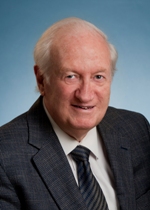 Bernard Cummings合作论文数Department of Radiation Oncology, University of Toronto45
 Ali Hosni Ali Abdalaty合作论文数Department of Radiation Oncology, University of Toronto44
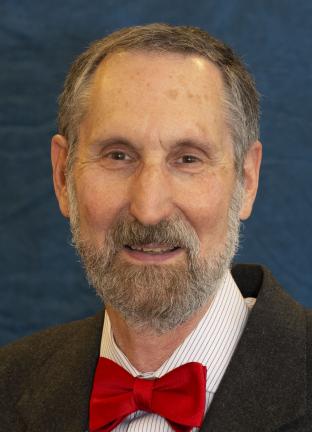 Theodore S Lawrence合作论文数Department of Radiation Oncology, Medical School, University of Michigan33Cummings Bernard J合作论文数33
 Jennifer Knox合作论文数Medical Oncology, Princess Margaret Cancer Center, University of Toronto;UHN - Princess Margaret Hospital31
 Robert Dinniwell合作论文数Department of Oncology, Schulich School of Medicine and Dentistry, Western University31
 Randall K Ten Haken合作论文数Department of Radiation Oncology, Medical School, University of Michigan28
 Jean-Pierre Bissonnette合作论文数Department of Medical Biophysics, Faculty of Medicine, University of Toronto27
 John Waldron合作论文数Department of Radiation Oncology, Temerty Faculty of Medicine, University of Toronto26
 David A. Jaffray合作论文数Department of Radiation Physics, Division of Radiation Oncology, The University of Texas MD Anderson Cancer Center;Department of Imaging Physics, Division of Diagnostic Imaging, The University of Texas MD Anderson Cancer Center26
 Andrea Bezjak合作论文数Department of Radiation Oncology, Temerty Faculty of Medicine,, University of Toronto;Princess Margaret Cancer Centre & Krembil Research Institute, University Health Network;Princess Margaret Cancer Centre, University Health Network25
 Andrew Hope合作论文数Princess Margaret Cancer Centre;Department of Radiation Oncology, Temerty Faculty of Medicine, University of Toronto;Institute of Medical Science, University of Toronto;Princess Margaret Hospital;University Health Network25
 Gonzalo Sapisochin Cantis合作论文数Department of Surgery, Temerty Faculty of Medicine, University of Toronto24
 Anthony Brade合作论文数Department of Medical Biophysics, Temerty Faculty of Medicine, University of Toronto24Gina Lockwood合作论文数24
 Tim Craig合作论文数Department of Radiation Oncology, Temerty Faculty of Medicine, University of Toronto23
 Douglas J. Moseley合作论文数Department of Radiation Oncology, University of Toronto23
 Eric Xueyu Chen合作论文数Leslie Dan Faculty of Pharmacy, University of Toronto;Cancer Clinical Research Unit, Princess Margaret Cancer Centre, University Health Network22Patricia E. Lindsay合作论文数22
 Avraham Eisbruch合作论文数Department of Radiation Oncology, University of Michigan22
 Jelena Lukovic合作论文数Department of Radiation Oncology, Temerty Faculty of Medicine, University of Toronto21
 Steven Gallinger合作论文数Department of Surgery, Temerty Faculty of Medicine, University of Toronto21
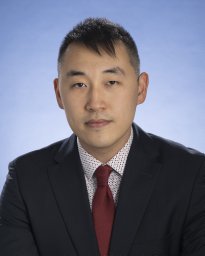 Michael Yan合作论文数Department of Radiation Oncology, Sunnybrook Health Sciences Centre.20
 Jennifer J. Knox合作论文数20T. Craig合作论文数19
 Teo Stanescu合作论文数Department of Radiation Oncology, Temerty Faculty of Medicine, University of Toronto18
 Maria Hawkins合作论文数Department of Medical Physics and Biomedical Engineering, Faculty of Engineering Sciences, University College London18Michael B. Sharpe合作论文数18
 Pablo Munoz Schuffenegger合作论文数Department of Radiation Oncology, University of Toronto17Carol-Anne Moulton合作论文数Institute of Medical Science, Temerty Faculty of Medicine, University of Toronto16Anand Swaminath合作论文数16
 Christopher Crane合作论文数Memorial Sloan Kettering Cancer Center16J. Moseley合作论文数15
 Sophie Huang合作论文数Department of Radiation Oncology, Temerty Faculty of Medicine, University of Toronto15James M. Balter合作论文数15J.J. Kim合作论文数15Stephen Breen合作论文数14
 Thomas Purdie合作论文数Department of Medical Biophysics, Temerty Faculty of Medicine, University of Toronto14Stanescu Teodor合作论文数14




