Earth's organic chemical evolution (OCE) from abiotic to prebiotic to biotic provides critical insights that may have implications for how we interpret observations made by life-detection planetary missions. To search for life on other worlds, astrobiologists seek biosignatures: features that indicate the presence of extant or extinct life as we know it. However, because the age of putative extraterrestrial biospheres is unknown, biosignatures present at or shortly after life's emergence may have been diluted with prebiotic or abiotic signatures. Thus, the emergence of biosignatures and their formation context are critical considerations for mission interpretations, especially where there is no obvious pervasive biosphere. Here, we provide a structured approach for interpreting chemical states across the continuum of OCE on a planetary body. We distinguish between universal biosignatures of a world vs. specific biosignatures that are tied to environmental or temporal conditions of that world. We then consider how the evolution of a planetary body would impact the expression of these signatures over time. The detection of active prebiotic chemistry-that is, signatures that fall in the ambiguous transition between prebiotic and living systems-would be a hallmark discovery, providing insight into life's origins and justifying investment in further exploration of such worlds. Leveraging Earth as an example, we suggest that while mission observations may be more challenging to interpret than previously thought, they may also open doors to a more productive exploration of our planetary neighbors.
The search for organic matter on Mars has rapidly evolved in the past decade with simple aromatic, S-heterocycles, and aliphatic organic molecules detected in Gale crater. We report the in situ detection of >20 organic molecules from clay-bearing sandstones in the ~3.5-billion-year-old Knockfarrill Hill member of Glen Torridon, Gale crater, by the Sample Analysis at Mars instrument suite onboard the Curiosity rover. These molecules were liberated by the onboard tetramethylammonium hydroxide wet chemistry experiment. Diverse thermochemolysis products, including benzothiophene, methyl benzoate, and single and dicyclic aromatic molecules were released and detected by evolved gas analysis and gas chromatography-mass spectrometry. Results indicate the experiment successfully released molecules preserved in ancient macromolecular or free organic matter within Martian bedrock despite ~3.5 billion years of diagenesis and radiation exposure.
Aqueous metabolites in terrestrial subsurface environments provide critical analog frameworks for assessing the habitability of Martian subsurface ice. On Earth, they play critical roles in sustaining microbial life within soils, permafrost, and groundwater environments and their availability shape microbial community compositions, activity, and adaptability to changes in environmental conditions, enabling communities to persist over millennial timescales. The counterpart to aqueous-soluble organics is the insoluble organic matter pool that makes up the largest portion of organic matter in natural samples and includes most types of organic signatures indicative of biological processes. Employing a range of sample preparation, molecular separation, detection, and imaging techniques enables the characterization of both labile (i.e., soluble and reactive) and recalcitrant (i.e., insoluble, non-reactive; include macromolecules) organic pools. Multiple orthogonal analytical modalities strengthen interpretations of signatures that we associate with biology as we know it and don't know it, by constraining possible abiotic sources, validating measurements across distinct techniques, and ensuring flexibility to interrogate diverse organic chemistries encountered in Martian subsurface environments. This holistic triage approach aligns with the priorities articulated in the Mars Exploration Program Analysis Group's Search for Life -Science Analysis Group (SFL-SAG) Charter for a medium-class Mars mission focused on extant life detection.
The Life Detection Knowledge Base (LDKB) is a community webtool developed to test and evaluate strategies to search for evidence of life beyond Earth, with an emphasis on recognizing potential false-positive and false-negative results. As part of the LDKB framework, we developed a taxonomy of potential biosignatures. The taxonomy brings together a broad array of life-detection strategies into a common and systematic structure that allows for equitable evaluations based on a specific set of criteria, chosen to assess the likelihood of false-positive and false-negative interpretations. The taxonomy is also a tool to organize life-detection strategies in a way that streamlines their infusion into robotic spaceflight missions. This article describes the structure of the taxonomy and its functional qualities. Two accompanying articles detail the overall LDKB framework and the set of criteria used to evaluate potential biosignatures.
Organic molecules preserved in ancient Martian rocks provide a critical record of the past habitability of Mars and could be chemical biosignatures. Experiments conducted by the Sample Analysis at Mars instrument onboard the Curiosity rover have previously reported several classes of indigenous chlorinated and sulfur-containing organic compounds in Gale crater sedimentary rocks, with chemical structures of up to six carbons. Here, we report the detection of decane (C10H22), undecane (C11H24), and dodecane (C12H26) at the tens of pmol level, released from the Cumberland drilled mudstone sample, using a modified SAM analytical procedure optimized for the detection of larger organic molecules. Laboratory experiments support the hypothesis that the alkanes detected were originally preserved in the mudstone as long-chain carboxylic acids. The origin of these molecules remains uncertain, as they could be derived from either abiotic or biological sources.
Astrobiology research seeks to understand how life begins and evolves, and to determine whether life exist elsewhere in the universe. The discovery of diverse ocean worlds has significantly expanded the number of planetary bodies in the Solar System that could potentially contain life. Of the recognized ocean worlds, Saturn's moon Enceladus stands out because it appears to meet all requirements to sustain life. For that reason, robotic mission concepts are being developed to determine whether Enceladus' ocean is inhabited. The theory of organic chemical evolution (OCE) represents an ideal framework to guide this exploration strategy, articulating investigations and associated measurements of organic matter in the subsurface ocean. Within this reference frame, the immediate priority with the lowest science risk would be to understand molecular and structural properties of bulk organic matter in the ocean, and search for metabolic precursors and biochemical building blocks, both free and bound. This could be supplemented with "high-risk, high-reward" searches for functional polymers, catalytic activity, and cell-like objects with traits indicative of evolutionary adaptations. The theory of OCE provides a robust scientific foundation for the astrobiological exploration of ocean worlds, fostering a productive path to discovery with lower mission risk that could be implemented with existing technology. Strong synergies between astrobiology and Earth-bound research could ensue from this exploration strategy particularly in the context of terrestrial analog studies and laboratory simulations. There is a diversity of "ocean worlds" in our Solar System, which are of great scientific interest. Enceladus, a small moon of Saturn, has a global subsurface ocean that could sustain life and contains complex organic matter. To further understand the biological potential of Enceladus, and other ocean worlds, we need to consider how abiotic and prebiotic chemistry in Enceladus's ocean might play a role in the origin of life. The theory of organic chemical evolution provides the ideal framework to address this question. The top priority would be to study the organic inventory in the ocean, and to search for the basic building blocks of life, as well as simple compounds involved in metabolic processes. Next, we should search for complex polymers and cell-like structures with traits suggesting Darwinian evolution. This exploration strategy is a solid foundation for discovery and can be done with current technology, which lowers the risk and complexity of spaceflight missions. Enceladus is one of the most compelling destinations in the solar system for exobiology exploration The theory of organic chemical evolution provides a framework for the continued and systematic exploration of Enceladus and other ocean worlds With this exploration framework biotic, abiotic, and prebiotic scenarios are all possible outcomes with profound implications
Carbonate minerals are of particular interest in paleoenvironmental research as they are an integral part of the carbon and water cycles, both of which are relevant to habitability. Given that these cycles are less constrained on Mars than they are on Earth, the identification of carbonates has been a point of emphasis for rover missions. Here, we present carbon (delta 13C) and oxygen (delta 18O) isotope data from four carbonates encountered by the Curiosity rover within the Gale crater. The carbon isotope values range from 72 +/- 2%o to 110 +/- 3%o Vienna Pee Dee Belemnite while the oxygen isotope values span from 59 +/- 4%o to 91 +/- 4%o Vienna Standard Mean Ocean Water (1 SE uncertainties). Notably, these values are isotopically heavy (13C- and 18O- enriched) relative to nearly every other Martian material. The extreme isotopic difference between the carbonates and other carbon- and oxygen- rich reservoirs on Mars cannot be reconciled by standard equilibrium carbonate-CO2 fractionation, thus requiring an alternative process during or prior to carbonate formation. This paper explores two processes capable of contributing to the isotopic enrichments: 1) evaporative- driven Rayleigh distillation and 2) kinetic isotope effects related to cryogenic precipitation. In isolation, each process cannot reproduce the observed carbonate isotope values; however, a combination of these processes represents the most likely source for the extreme isotopic enrichments.
If ocean-derived materials are present at Europa's surface, they would represent accessible records of ocean chemistry and habitability, but such materials would be further processed by Europa's harsh radiation environment. In this study, saturated fatty acids were precipitated onto a Europa-relevant hydrated magnesium sulfate and exposed to gamma radiation doses up to 2 MGy at -196 degrees C. Alkane chains, with carbon numbers one less than those of the starting fatty acids, were the most abundant radiolysis products in solvent and thermal extracts analyzed by gas chromatography mass spectrometry. Detections of monounsaturated fatty acids and combined radiolysis products were attributed to the experiment's Europa-like parameters. Additionally, elevated concentrations of shorter-chain saturated fatty acids suggest that gamma radiation induced charge remote fragmentation of the alkyl chains of some starting fatty acids under these experimental conditions. Quantitation of fatty acid concentrations in the irradiated samples enabled the calculation of a radiolysis constant that indicated exposure to a 5 MGy dose of gamma radiation would have resulted in a similar to 90% loss of the initial fatty acid population. The samples were further studied by Raman spectroscopy and laser desorption and ionization mass spectrometry, which characterized the distribution of fatty acids and their radiolysis products on sulfate surfaces. The substantial loss of starting fatty acids typically seen with increasing radiation dose, along with the remarkable diversity of radiolysis products identified, suggests that the detection of fatty acids in irradiated sulfate deposits on Europa will be challenged by rapid destruction of any initial fatty acid populations and scrambling of their residual signals by a myriad of organic radiolysis products. If missions to Europa encounter sulfate deposits, targeting minimally irradiated units may still enable the detection of surviving fatty acid signatures that could inform about Europa's subsurface chemistry and habitability.
Aromatic organic salts such as benzoates or phthalates may be widespread degradation products of organic molecules at the surface of Mars. The low volatility of these aromatic carboxylic salts could have compromised their detection through thermal extraction in situ analyses such as those performed by the Viking landers. However, over the years, analytical chemistry laboratories on board current and future Martian surface missions, such as the Sample Analysis at Mars (SAM) instrument suite on board the Curiosity rover and the Mars Organic Molecule Analyzer (MOMA) instrument of the Rosalind Franklin ExoMars rover, respectively, have evolved. These instruments have improved in efficiency to detect refractory and polar organic compounds, which could influence the detection of aromatic organic salts. To evaluate the capability of detecting aromatic organic salts on Mars with in situ instruments, we performed laboratory experiments under Viking, SAM, and MOMA-like Gas Chromatography-Mass Spectrometry (GC-MS) conditions with two carboxylic acid/salt couples: phthalic acid/ calcium phthalate and benzoic acid/calcium benzoate. We studied the behavior and signatures of both molecular forms when using pyrolysis and derivatization experiments and the implications of these results in the search for organic molecules on Mars. This study showed that the Viking experiments could not have detected the presence of aromatic carboxylic salts in Martian samples because its maximum pyrolysis temperature was too low (500 C). However, we showed that calcium benzoate and calcium phthalate, despite their refractory nature, could be identified indirectly through the detection of thermal and derivatized degradation products, both with SAM and MOMA. No conclusive proof of the presence of these aromatic organic salt species have been found in the SAM in situ data but given the right instrumental set-up they could be detected if present. The conclusions of this work raise essential questions on the detectability of refractory molecules, the analytical efficiency of flight instruments, and the interpretation of in situ data.
The Curiosity rover explored the region between the orbitally defined phyllosilicate-bearing Glen Torridon trough and the overlying layered sulfate-bearing unit, called the "clay-sulfate transition region." Samples were drilled from the top of the fluviolacustrine Glasgow member of the Carolyn Shoemaker formation (CSf) to the eolian Contigo member of the Mirador formation (MIf) to assess in situ mineralogical changes with stratigraphic position. The Sample Analysis at Mars-Evolved Gas Analysis (SAM-EGA) instrument analyzed drilled samples within this region to constrain their volatile chemistry and mineralogy. Evolved H2O consistent with nontronite was present in samples drilled in the Glasgow and Mercou members of the CSf but was generally absent in stratigraphically higher samples. SO2 peaks consistent with Fe sulfate were detected in all samples, and SO2 evolutions consistent with Mg sulfate were observed in most samples. CO2 and CO evolutions were variable between samples and suggest contributions from adsorbed CO2, carbonates, simple organic salts, and instrument background. The lack of NO and O2 in the data suggest that oxychlorines and nitrates were absent or sparse, and evolved HCl was consistent with the presence of chlorides in all samples. The combined rover data sets suggest that sediments in the upper CSf and MIf may represent similar source material and were deposited in lacustrine and eolian environments, respectively. Rocks were subsequently altered in briny solutions with variable chemical compositions that resulted in the precipitation of sulfates, carbonates, and chlorides. The results suggest that the clay-sulfate transition records progressively drier surface depositional environments and saline diagenetic fluid, potentially impacting habitability.
The Sample Analysis at Mars (SAM) instrument aboard the Curiosity Rover at Gale crater can characterize organic molecules from scooped and drilled samples via pyrolysis of solid materials. In addition, SAM can conduct wet chemistry experiments which enhance the detection of organic molecules bound in macromolecules and convert polar organic compounds into volatile derivatives amenable to gas chromatography-mass spectrometry analyses. Specifically, N-tert-butyldimethylsilyl-N-methyltrifluoroacetamide (MTBSTFA) is a silylation reagent whereas tetramethylammonium hydroxide (TMAH) is a thermochemolysis methylation reagent. Shortly after arriving at Mars, the SAM team discovered that at least one of the MTBSFTA cups was leaking, contributing to a continuous background inside SAM with the potential to interfere with future TMAH reactions. Therefore, here we characterized possible interactions between the two reagents to determine byproducts and implications for the detection of indigenous organics. SAM-like pyrolysis experiments supplemented with flash pyrolysis were accordingly conducted with fragments of the Murchison meteorite as a reference for exogenous organic matter delivered to Mars. Flash TMAH experiments yielded various aromatic acids, dicarboxylic acids, and amino acids while SAM-like pyrolysis presented mixtures of methylated and non-methylated compounds due to decreased reaction efficiency at slower ramp rates. All experiments in the presence of simulated MTBSTFA vapor produced pervasive silylated byproducts which co-elute and obscure the identification of Murchison-derived compounds. Despite challenges, a significant diversity of pyrolyzates and TMAH derivatives could still be identified in flash pyrolysis in presence of MTBSTFA. However SAM-like experiments with TMAH and MTBSTFA are hindered by both decreased methylation yields and additional co-eluting compounds.
Studies of psychrophilic life on Earth provide chemical clues as to how extraterrestrial life could maintain viability in cryogenic environments. If living systems in ocean worlds (e.g., Enceladus) share a similar set of 3-mer and 4-mer peptides to the psychrophile Colwellia psychrerythraea on Earth, spaceflight technologies and analytical methods need to be developed to detect and sequence these putative biosignatures. We demonstrate that laser desorption mass spectrometry, as implemented by the CORALS spaceflight prototype instrument, enables the detection of protonated peptides, their dimers, and metal adducts. The addition of silicon nanoparticles promotes the ionization efficiency, improves mass resolving power and mass accuracies via reduction of metastable decay, and facilitates peptide de novo sequencing. The CORALS instrument, which integrates a pulsed UV laser source and an Orbitrap™ mass analyzer capable of ultrahigh mass resolving powers and mass accuracies, represents an emerging technology for planetary exploration and a pathfinder for advanced technique development for astrobiological objectives. Teaser: Current spaceflight prototype instrument proposed to visit ocean worlds can detect and sequence peptides that are found enriched in at least one strain of microbe surviving in subzero icy brines via silicon nanoparticle-assisted laser desorption analysis.
The search for potential molecular biosignatures on Mars is complicated by its harsh radiation environment that can alter or destroy the primary molecular features diagnostic of an organic compound's origins. In this work, mixtures of Mars-relevant minerals and organic material representing different types and different chemical states of sedimentary organic material common in the terrestrial geologic record were irradiated with 200 MeV protons to simulate the effect of exposure to galactic cosmic rays and solar energetic particles over geological timescales and characterized using a deep UV Raman and fluorescence spectrometer analogous to the Scanning Habitable Environments with Raman & Luminescence for Organics & Chemicals (SHERLOC) instrument on the Mars 2020 Perseverance Rover. We found that exposure to ionizing radiation generally results in the loss of molecular features diagnostic of an organic material's origins in favor of increasingly aromatic compounds or macromolecules. However, these radiolytic effects can be mitigated by the formation of macromolecular structures that are more resistant to radiolysis compared to individual compounds, and potentially through associations with specific minerals that enable increased polymerization. Based on these results, rocks observed by the SHERLOC instrument with fluorescence or Raman features associated with non-aromatic molecular features and/or kerogen-like structures may indicate less radiolytically damaged organic material that should be prioritized for return as it may retain some primary, diagnostic molecular features.
The Sample Analysis at Mars instrument stepped combustion experiment on a Yellowknife Bay mudstone at Gale crater, Mars revealed the presence of organic carbon of Martian and meteoritic origins. The combustion experiment was designed to access refractory organic carbon in Mars surface sediments by heating samples in the presence of oxygen to combust carbon to CO 2 . Four steps were performed, two at low temperatures (less than ∼550 °C) and two at high temperatures (up to ∼870 °C). More than 950 μg C/g was released at low temperatures (with an isotopic composition of δ 13 C = +1.5 ± 3.8‰) representing a minimum of 431 μg C/g indigenous organic and inorganic Martian carbon components. Above 550 °C, 273 ± 30 μg C/g was evolved as CO 2 and CO (with estimated δ 13 C = −32.9‰ to −10.1‰ for organic carbon). The source of high temperature organic carbon cannot be definitively confirmed by isotopic composition, which is consistent with macromolecular organic carbon of igneous origin, meteoritic infall, or diagenetically altered biomass, or a combination of these. If from allochthonous deposition, organic carbon could have supported both prebiotic organic chemistry and heterotrophic metabolism at Gale crater, Mars, at ∼3.5 Ga.
Evolved gas analysis (EGA) data from the Sample Analysis at Mars (SAM) instrument suite indicated Fe‐rich smectite, carbonate, oxidized organics, Fe/Mg sulfate, and chloride in sedimentary rocks from the Glen Torridon (GT) region of Gale crater that displayed phyllosilicate spectral signatures from orbit. SAM evolved H 2 O data indicated that the primary phyllosilicate in all GT samples was an Fe‐rich dioctahedral smectite (e.g., nontronite) with lesser amounts of a phyllosilicate such as mixed layer talc‐serpentine or greenalite‐minnesotaite. CO 2 data supported the identification of siderite in several samples, and CO 2 and CO data was also consistent with trace oxidized organic compounds such as oxalate salts. SO 2 data indicated trace and/or amorphous Fe sulfates in all samples and one sample may contain Fe sulfides. SO 2 data points to significant Mg sulfates in two samples, and lesser amounts in several other samples. A lack of evolved O 2 indicated the absence of oxychlorine salts and Mn 3+ /Mn 4+ oxides. The lack of, or very minor, evolved NO revealed absent or very trace nitrate/nitrite salts. HCl data suggested chloride salts in GT samples. Constraints from EGA data on mineralogy and chemistry indicated that the environmental history of GT involved alteration with fluids of variable redox potential, chemistry and pH under a range of fluid‐to‐rock ratio conditions. Several of the fluid episodes could have provided habitable environmental conditions and carbon would have been available to any past microbes though the lack of significant N could have been a limiting factor for microbial habitability in the GT region.
Cassini revealed that Saturn's Moon Enceladus hosts a subsurface ocean that meets the accepted criteria for habitability with bio-essential elements and compounds, liquid water, and energy sources available in the environment. Whether these conditions are sufficiently abundant and collocated to support life remains unknown and cannot be determined from Cassini data. However, thanks to the plume of oceanic material emanating from Enceladus’ south pole, a new mission to Enceladus could search for evidence of life without having to descend through kilometers of ice. In this article, we outline the science motivations for such a successor to Cassini, choosing the primary science goal to be determining whether Enceladus is inhabited and assuming a resource level equivalent to NASA's Flagship-class missions. We selected a set of potential biosignature measurements that are complementary and orthogonal to build a robust case for any life detection result. This result would be further informed by quantifications of the habitability of the environment through geochemical and geophysical investigations into the ocean and ice shell crust. This study demonstrates that Enceladus’ plume offers an unparalleled opportunity for in situ exploration of an Ocean World and that the planetary science and astrobiology community is well equipped to take full advantage of it in the coming decades.
The search for life beyond the Earth is the overarching goal of the NASA Astrobiology Program, and it underpins the science of missions that explore the environments of Solar System planets and exoplanets. However, the detection of extraterrestrial life, in our Solar System and beyond, is sufficiently challenging that it is likely that multiple measurements and approaches, spanning disciplines and missions, will be needed to make a convincing claim. Life detection will therefore not be an instantaneous process, and it is unlikely to be unambiguous-yet it is a high-stakes scientific achievement that will garner an enormous amount of public interest. Current and upcoming research efforts and missions aimed at detecting past and extant life could be supported by a consensus framework to plan for, assess and discuss life detection claims (c.f. Green et al., 2021). Such a framework could help increase the robustness of biosignature detection and interpretation, and improve communication with the scientific community and the public. In response to this need, and the call to the community to develop a confidence scale for standards of evidence for biosignature detection (Green et al., 2021), a community-organized workshop was held on July 19-22, 2021. The meeting was designed in a fully virtual (flipped) format. Preparatory materials including readings, instructional videos and activities were made available prior to the workshop, allowing the workshop schedule to be fully dedicated to active community discussion and prompted writing sessions. To maximize global interaction, the discussion components of the workshop were held during business hours in three different time zones, Asia/Pacific, European and US, with daily information hand-off between group organizers.
Significance Carbon isotopic analysis is among the most pervasive geochemical approaches because the fractionation of carbon isotopes produces a natural tracer of biological and chemical processes. Rover-based carbon isotopic analyses of sedimentary rocks on Mars have the potential to reveal modes of Martian carbon cycling. We report carbon isotopic values of the methane released during pyrolysis of samples obtained at Gale crater. The values show remarkable variation indicating different origins for the carbon evolved from different samples. Samples from multiple locations within Gale crater evolved methane with highly fractionated carbon isotopes. We suggest three routes by which highly fractionated carbon could be deposited on Mars, with each suggesting that Martian carbon cycling is quite distinct from that of the present Earth.
 Paul R Mahaffy合作论文数Solar System Exploration Division, NASA Goddard Space Flight Center190
 Daniel P Glavin合作论文数NASA Goddard Space Flight Center137
 Amy C. McAdam合作论文数Goddard Space Flight Center, National Aeronautics and Space Administration;Goddard Space Flight Center, National Aeronautics and Space Administration127
 Heather B. Franz合作论文数116
 Caroline Freissinet合作论文数Goddard Space Flight Center, National Aeronautics and Space Administration;Goddard Space Flight Center, National Aeronautics and Space Administration115Brad Sutter合作论文数105
 Jennifer C. Stern合作论文数Goddard Space Flight Center, National Aeronautics and Space Administration;Goddard Space Flight Center, National Aeronautics and Space Administration95
 Andrew Steele合作论文数Geophysical Laboratory, Carnegie Institution of Washington;Carnegie Science94
 Rafael Navarro-González合作论文数Instituto de Ciencias Nucleares;Universidad Nacional Aut ´;Naruto University of Education;Universidad Nacional Aut ´, Naruto University of Education93
 Cyril Szopa合作论文数Service d’Aéronomie, CNRS Verrières-le-Buisson89
 Arnaud Buch合作论文数Laboratoire Genie des Procedes et Materiaux, University Paris-Saclay86
 Douglas Ming合作论文数Johnson Space Center, National Aeronautics and Space Administration86
 Roger Summons合作论文数The Summons Lab, Department of Earth, Atmospheric and Planetary Sciences, Massachusetts Institute of Technology77P. D. Archer合作论文数68
 Charles A Malespin合作论文数Planetary Environments Lab, NASA Goddard Space Flight Center68
 Maeva Millan合作论文数Department of Biology, Georgetown University67
 Samuel Teinturier合作论文数55
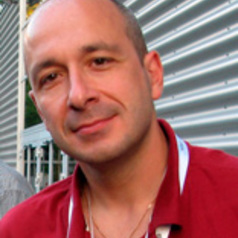 Patrice Coll合作论文数Faculty of Chemistry, Université Paris Diderot;Laboratoire Inter-Universitaire des Systèmes Atmosphériques, Université Paris Diderot55Conrad Pamela G合作论文数52
 John Grotzinger合作论文数Division of Geological and Planetary Sciences, California Institute of Technology42
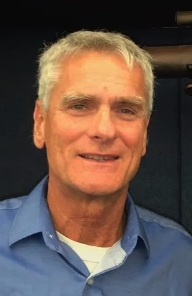 Chris McKay合作论文数NASA Ames Research Center42Lewis James M T合作论文数41
 Elizabeth Rampe合作论文数Astromaterials Research and Exploration Science Division, Johnson Space Center, National Aeronautics and Space Administration38Christine Knudson合作论文数36
 Sushil K. Atreya合作论文数Department of Climate and Space Sciences and Engineering, College of Engineering, University of Michigan-Ann Arbor35RV Morris合作论文数30
 William B Brinckerhoff合作论文数NASA Goddard Space Flight Center29
 Joshua Williams合作论文数Dept Geol Sci, Univ Florida28R. Navarro‐González合作论文数27
 David F. Blake合作论文数NASA, Ames Res Ctr27
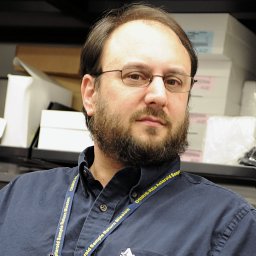 Jason P. Dworkin合作论文数NASA Ames Research Center;SETI Institute;NASA Ames Research Center, SETI Institute27Gregory M. Wong合作论文数26david coscia合作论文数26Achilles Cherie合作论文数Geological Sciences, Indiana University25Brunner A E合作论文数24Sarah Stewart Johnson合作论文数Department of Earth, Atmospheric, and Planetary Sciences, Massachusetts Institute of Technology24Michel Cabane合作论文数23Kristen Miller合作论文数22
 Paul Niles合作论文数Astromaterials Research and Exploration Science Division, Johnson Space Center, National Aeronautics and Space Administration21S. Andrejkovicova合作论文数20
 James J. Wray (James Wray)合作论文数School of Earth and Atmospheric Sciences, College of Sciences, Georgia Institute of Technology20
 Katherine H. Freeman合作论文数Department of Chemistry, Eberly College of Science, Pennsylvania State University;Department of Geosciences, College of Earth and Mineral Sciences, The Pennsylvania State University19
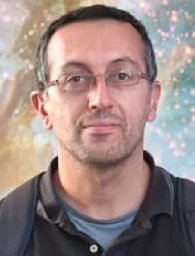 G. M. Muñoz Caro合作论文数Institut d'Astrophysique Spatiale;Université;Institut d'Astrophysique Spatiale, Université Paris XI19
 A. R. Vasavada合作论文数18
 Alexander A. Pavlov合作论文数18D. Archer合作论文数17
 Des Marais合作论文数NASA Ames Research Center;NASA Astrobiology Institute17Thomas F. Bristow合作论文数NASA, Ames Res Ctr17




