Animal agriculture has disproportionate environmental impacts relative to other forms of food production and accounts for at least 16.5% of all global greenhouse gas (GHG) emissions. Many of the largest meat and dairy companies are aware of these environmental concerns and have responded by making explicit environmental statements and commitments. In this study, we isolated the environmental claims made in the most recent sustainability reports and websites (2021-2024) of 33 of the world's largest meat and dairy companies. We identified 1,233 environmental claims, of which 68% (841) were climate-related. Of the 1,233 claims, 38% (467) were unverifiable future projections such as "achieve carbon neutrality by 2030" or "enable the restoration of 600 billion liters of water in water-stressed regions by 2030." Of the 33 companies, 17 have now made net-zero commitments, but as with oil and gas companies, the commitments appear to rely on plans to offset carbon emissions rather than to decarbonize. Companies provided supporting evidence for 356 (29%) of the 1,233 claims and provided scholarly scientific evidence to support only three of these claims, two of which were climate-related. We also examined each of the 1,233 environmental claims using a greenwashing framework and found that 98% (1,213) could be categorized as greenwashing, such as "produce net climate-neutral dairy by no later than 2050." Meat and dairy companies, which produce disproportionate amounts of pollution relative to other kinds of foods, have prioritized climate change in their sustainability initiatives. They make many promises and provide very little supporting evidence. Like the fossil fuel industry, which has used greenwashing over the last several decades to delay meaningful climate action, the meat and dairy industry may be misleading consumers and investors regarding whether and to what extent they are addressing environmental impacts, including climate change, with even less time to spare.
Considering how water breathers differ from air breathers in policy and practice could improve welfare for these animals, both captive and wild.
The high seas comprise nearly half the Earth’s surface and the 2023 United Nations Biodiversity Beyond National Jurisdiction agreement renewed efforts to better manage this vast area. Regional fisheries management organizations (RFMOs) are tasked with a UN dual-mandate to ensure the (1) long-term conservation of fish stocks and their associated ecosystems while managing the (2) sustainable use of high seas fisheries. Building on a previous analysis, we developed 10 questions each for our 10 categories (e.g. catch targets, transparency, bycatch). These 100 questions were both descriptive (e.g. are there quantitative results of bycatch improvement?) while others indicated intent (e.g. are there plans to rebuild all declining stocks?) and used publicly available information to evaluate 16 RFMOs (with a score of 0, 0.5, or 1). The average score for all RFMOs out of 100 was 46 (max 61.5, min 29.5). There were six questions for which all RFMOs received a 0, 90 questions for which at least one RFMO scored a one, and a ‘best case’ score of 76.5 that aggregated the highest RFMO score across the 10 categories. This indicates a competence gap; no RFMO is achieving what is empirically documented as possible in one RFMO or another. We also analyzed satellite-derived fishing activity and target stock status. Five RFMO convention areas had the highest overall and density of fishing effort. On average, 56% of stocks targeted in RFMO convention areas were considered overexploited or collapsed. We did not find that RFMO scores were correlated with better management outcomes (i.e. target stock status and fishing effort). However, we found correlations between better target stock status and questions assessing protected area adoption, banning transshipment at-sea, and reducing allowable catches in response to overfishing—policies that few RFMOs have fully adopted. These findings indicate ways for RFMOs to improve high seas fisheries management that are immediately available and effective.
Illegal wildlife trade is being increasingly conducted through online channels, posing a significant risk to global biodiversity and environmental sustainability. In this paper, we propose a method that employs Vision-Language Models (VLMs) and Large Language Models (LLMs) to analyze online advertisements for wildlife products and generate a description that includes the product type, species, and its status on the IUCN red list and CITES appendices. This detailed information aims to help law enforcement and conservationists in identifying the conservation and trade status, which can be used to tag or filter irrelevant listings and aid in combating illegal wildlife trade. Moreover, we apply our methods on a case study focusing on shark products being sold online. Sharks constitute one of the most heavily traded species, and shark-derived products, such as jaws and vertebrae from threatened shark species, form a substantial part of this trade, making them an urgent conservation matter. Through this study, we are able to demonstrate the effectiveness of our method and its adaptability on niches of wildlife trade by solving an additional problem of classifying products based on the body part of the shark, an out-of-distribution task. This shows the ability to handle problems beyond the original scope. Our flexible approach incorporates modularity of individual models, which allows for improvement when newer models are available, making it a valuable tool for conservationists and law enforcement to curb the threat of illegal online wildlife trade.
Since at least 1989, the United States (U.S.) livestock industry knew of its role in global warming (Gibbs et al. 1989), and a newly uncovered industry document makes clear that the industry planned to obstruct efforts to shift U.S. diets to reduce emissions (NCA 1989). These internal industry plans add to publicly available evidence that shows that the U.S. livestock industry has, from 1989 to the present, worked to obstruct efforts to encourage meat reduction for the sake of climate change, including recent, modest efforts such as Meatless Mondays, as well as a more ambitious campaign in the 1990s to cut U.S. beef consumption in half (Loy and Jacquet 2025). We recognize that a reduction of per capita beef consumption by 50% would have likely faced obstacles beyond those directly imposed by industry, but also see value in exploring what halving U.S. consumption of beef, the most greenhouse gas (GHG) intensive food (Poore and Nemecek 2018; Pierrehumbert and Eshel 2015), might have meant for U.S. GHG emissions reductions. Using a model that reduced annual per capita beef and veal consumption by 50% over 32 years spanning 1992-2023 (and substituted in other foods, including non-beef animal-based products), estimated cumulative averted emissions could have been somewhere between 4 and 13 gigatonne (Gt) CO2eq (estimated U.S. emissions in 2022 were 6.2 Gt CO2). The low-tech and immediately available option of halving U.S. beef and veal consumption, resulting in a savings of 125-410 megatonnes (Mt) CO2eq per year over the 32-year period, could have been 24-80 times more effective in reducing GHG emissions in a single year than what was achieved cumulatively by reducing methane emissions (mainly in the oil and gas industries) over a similar timespan (1990-2022).
Cephalopods – indeed, all animals – “must be seen on their own terms,” with respect for their autonomy and their ecological imperatives. This will provide greater scientific insight along with a more ethical and accurate understanding of minds beyond our own.
The oil and gas industry has regularly deflected responsibility towards individual consumers. In contrast, here we show that the US animal agriculture industry has not only avoided notions of individual responsibility but has obstructed even modest efforts to encourage individual dietary change. Drawing on records from 1989 to 2023, we document civil society efforts to advocate dietary shifts as a climate change mitigation strategy, including the Greenhouse Crisis Foundation, Diet for a New America, Beyond Beef, and Meatless Monday, and the industry's opposition to these campaigns. The animal agriculture industry hired scientists to produce industry-friendly emissions reports and challenge individual action, influenced public discourse around dietary change, and created a front group, the Food Facts Coalition, with a mission to defend the industry against 'anti-cow arguments'. The animal agriculture industry's response to individual dietary change illustrates a unique form of climate obstruction and suggests that an industry's approach to personal responsibility is context-dependent and action-specific.
Just like the fossil fuel industry, the meat industry teamed up with trade associations, public relations, and “merchants of doubt” to distribute disinformation, downplay their role in global warming, and influence climate policy. Our research showed that all of the 10 largest U.S. meat and dairy companies had directly contributed to efforts that minimized the link between animal agriculture and climate change. For eight of the 10 companies, we found evidence of lobbying on climate issues between 2000 and 2019.Just like the fossil fuel industry, the meat industry teamed up with trade associations, public relations, and “merchants of doubt” to distribute disinformation, downplay their role in global warming, and influence climate policy.
The greenhouse gas emissions of the global food system are on course to push global warming beyond 1.5°C above preindustrial levels, with meat and dairy production predicted to be responsible for most food-related warming between 2023 and 2100. However, compared with other industries, agribusinesses have only recently begun to emerge as a target of public, scholarly, and regulatory scrutiny for their climate impacts. This chapter shows that actors profiting from animal agribusiness have been involved in climate obstruction since at least the 1990s, with evidence suggesting that their efforts expanded following the 2006 publication of the first major report on the climate impacts of livestock and accelerated dramatically in the decades that followed. The chapter identifies key actors, objectives, practices, and narratives that contribute to obstructing and delaying climate action as it relates to animal agriculture.
The 2006 United Nations report “Livestock’s Long Shadow” provided the first global estimate of the livestock sector’s contribution to anthropogenic climate change and warned of dire environmental consequences if business as usual continued. In the subsequent 17 years, numerous studies have attributed significant climate change impacts to livestock. In the USA, one of the largest consumers and producers of meat and dairy products, livestock greenhouse gas emissions remain effectively unregulated. What might explain this? Similar to fossil fuel companies, US animal agriculture companies responded to evidence that their products cause climate change by minimizing their role in the climate crisis and shaping policymaking in their favor. Here, we show that the industry has done so with the help of university experts. The beef industry awarded funding to Dr. Frank Mitloehner from the University of California, Davis, to assess “Livestock’s Long Shadow,” and his work was used to claim that cows should not be blamed for climate change. The animal agriculture industry is now involved in multiple multi-million-dollar efforts with universities to obstruct unfavorable policies as well as influence climate change policy and discourse. Here, we traced how these efforts have downplayed the livestock sector’s contributions to the climate crisis, minimized the need for emission regulations and other policies aimed at internalizing the costs of the industry’s emissions, and promoted industry-led climate “solutions” that maintain production. We studied this phenomenon by examining the origins, funding sources, activities, and political significance of two prominent academic centers, the CLEAR Center at UC Davis, established in 2018, and AgNext at Colorado State University, established in 2020, as well as the influence and industry ties of the programs’ directors, Dr. Mitloehner and Dr. Kimberly Stackhouse-Lawson. We developed 20 questions to evaluate the nature, extent, and societal impacts of the relationship between individual researchers and industry groups. Using publicly available evidence, we documented how the ties between these professors, centers, and the animal agriculture industry have helped maintain the livestock industry’s social license to operate not only by generating industry-supported research, but also by supporting public relations and policy advocacy.
AbstractMany seafood products marketed as “sustainable” are not. More exacting sustainability standards are needed to respond to a fast-changing world and support United Nations SDGs. Future fisheries must operate on principles that minimise impacts on marine life, adapt to climate change and allow regeneration of depleted biodiversity, while supporting and enhancing the health, wellbeing and resilience of people and communities. We set out 11 actions to achieve these goals.
The fishmeal demands alongside a multitude of other issues, including animal welfare concerns, antibiotic use and resistance, and occupational risks, make it easy to see why the U.S. would continue not to authorize offshore finfish farming, and possibly even enact a moratorium or ban on offshore finfish aquaculture.
Thirty years of well-meaning efforts by environmental scientists, NGOs and foundations have failed to result in effective policy and nongovernmental action; we believe this is because the extent and nature of obstruction efforts are barely understood, and therefore not effectively countered. We built the Climate Social Science Network (CSSN) to address this damaging lack of understanding of climate obstruction. In the few years since our launch in September 2020, CSSN has grown rapidly to nearly 500 scholars in 35 countries, and shown that this research agenda is of wide interest and use for some of the world's most promising campaigns to address climate change. We wish CSSN to provide detailed, systematic and reliable information about the organizations obstructing climate action to civil society organizations, investigators, litigators, and policy-makers. However, we have learned that doing so only through scholarly outputs is not sufficient, and even with a focused effort on outreach and translation, that academic institutions are not by themselves adequate to match the complex organizational network assembled by conservative actors seeking to avoid regulation and roll back climate action.
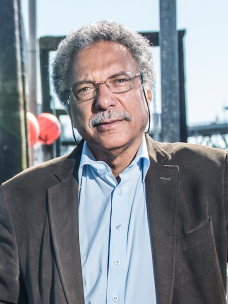 Daniel Pauly合作论文数Institute for the Oceans and Fisheries, University of British Columbia;Department of Zoology, Faculty of Science, University of British Columbia17
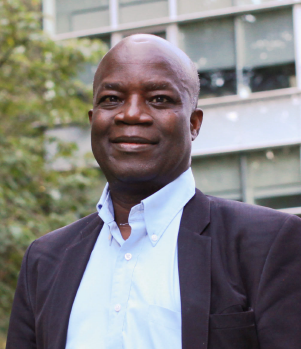 Rashid Sumaila合作论文数Institute for the Oceans and Fisheries, Faculty of Science, The University of British Columbia;School of Public Policy and Global Affairs, The University of British Columbia13
 David Ainley合作论文数H. T. Harvey & Associates11
 Megan Bailey合作论文数9
 Dirk Zeller合作论文数School of Biological Sciences, University of Western Australia9
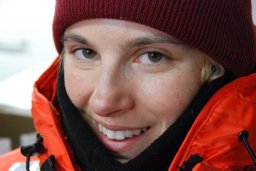 Cassandra M. Brooks合作论文数Moss Landing Marine Laboratories9
 Becca Franks合作论文数Department of Environmental Studies, College of Arts & Science, New York University8
 John Hocevar合作论文数8
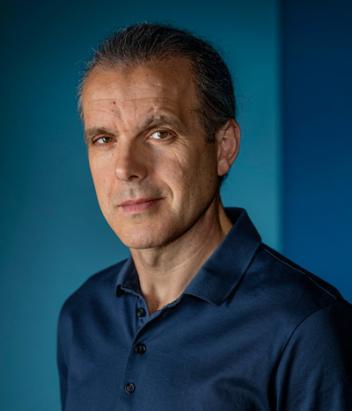 Enric Sala合作论文数National Geographic Society7
 Paul K. Dayton (Paul Dayton)合作论文数Integrative Oceanography Division, Scripps Institution of Oceanography, UC San Diego7
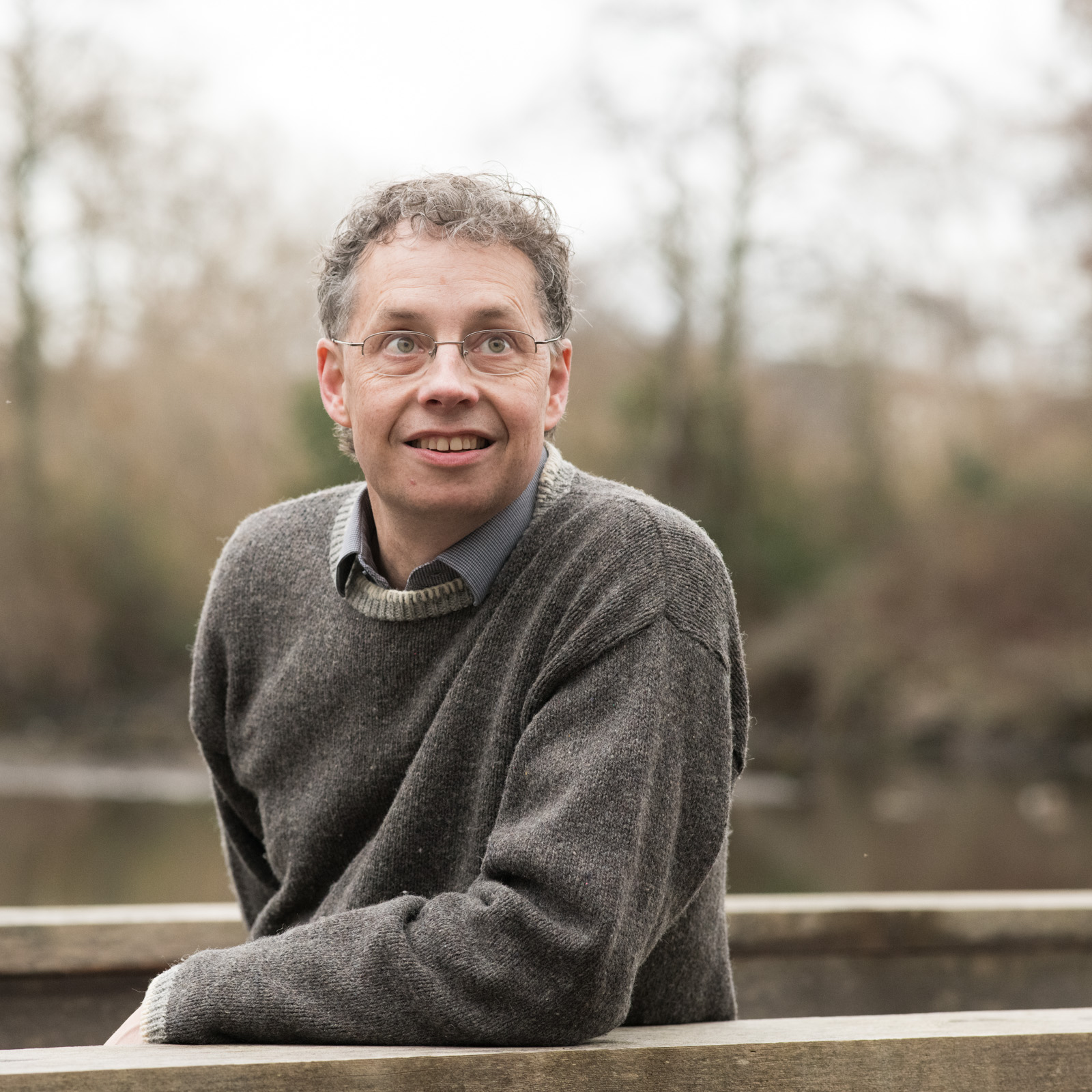 Carl T. Bergstrom合作论文数Department of Biology, University of Washington6
 Jeremy B. C. Jackson合作论文数Department of Paleontology, American Museum of Natural History;Smithsonian Tropical Research Institute;Scripps Institution of Oceanography6
 Claire Nouvian合作论文数5
 Peter Abrams合作论文数Department of Ecology and Evolutionary Biology, University of Toronto5
 Christopher Ewell合作论文数4
 Dale Jamieson合作论文数Department of Environmental Studies, College of Arts & Science, New York University4
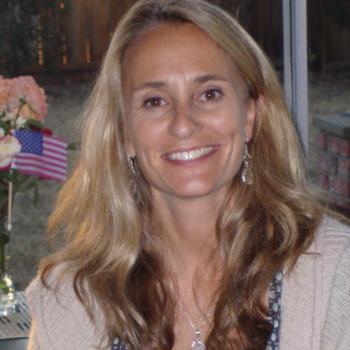 Fiorenza Micheli合作论文数Biology Department, Stanford University4
 Rainer Froese合作论文数GEOMAR Helmholtz Centre for Ocean Research Kiel4rodolfo werner合作论文数3Claire Christian合作论文数3John J. Bohorquez合作论文数Sch Marine & Atmospher Sci, SUNY Stony Brook3Michael A Levine合作论文数Trace Inorgan Dept, RTI Int3
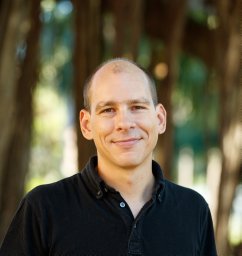 Nicolas Delon合作论文数New College of Florida3
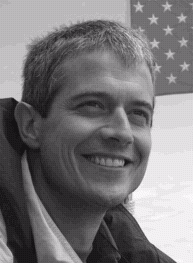 Christoph Hauert合作论文数Department of Mathematics, Faculty of Science, The University of British Columbia3
 Matthew Hayek合作论文数Department of Environmental Studies, College of Arts & Science, New York University3
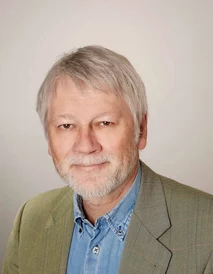 Manfred Milinski合作论文数Kiel University;Max Planck Institute for Evolutionary Biology, Max-Planck-Gesellschaft3
 Jevin D. West合作论文数Information School, University of Washington3Patricia Majluf合作论文数3Dietrich Monica合作论文数3
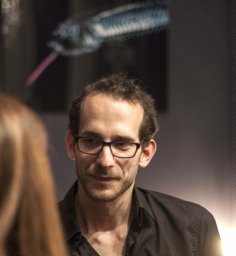 Le Manach Frédéric合作论文数Fisheries Centre, University of British Columbia;Unité Mixte de Recherche 212 Ecosystèmes Marins Exploités, Institut de Recherche pour le Développement;Institut de Recherche pour le Développement, University of British Columbia3
 Molly King合作论文数3
 Sarah Harper合作论文数Fisheries Centre, University of British Columbia3
 Andrés Cisneros-Montemayor合作论文数School of Resource & Environmental Management, Simon Fraser University3
 Enriqueta Velarde合作论文数Instituto de Biolog;noma de Mexico, Universidad Nacional Autd;Instituto de Biolog, Universidad Nacional Autdnoma de Mexico3
 Henrik Osterblom合作论文数Stockholm Resilience Ctr, Stockholm Univ3
 J. Timmons Roberts合作论文数Department of Sociology, Brown University3
 Juan Jose Alava合作论文数School of Resource & Environmental Management, Simon Fraser University3Jordan Nikoloyuk合作论文数3
 Shelley Correll合作论文数Department of Sociology, School of Humanities and Sciences, Stanford University;VMware Women’s Leadership Innovation Lab, Stanford University;Graduate School of Business, Stanford University3Louise Teh合作论文数Fisheries Centre, University of British Columbia3Laurie Sellars合作论文数2Walter Sánchez-Suárez合作论文数2
 Nathan J. Bennett合作论文数IUCN2Gabrielle Carmine合作论文数2
 Anthony Dvarskas合作论文数School of Marine and Atmospheric Sciences, Stony Brook University2
 Juan Sebastian Mayorga合作论文数Environm Market Solut Lab, Univ Calif Santa Barbara2
 Lucas Brotz合作论文数Institute for the Oceans and Fisheries, University of British Columbia2
 Selma Karuaihe合作论文数Dept Agr Econ Extens & Rural Dev, Univ Pretoria2Adriana R. Carvalho合作论文数2




