This is a registered report to directly replicate the primary finding in Hecht and Proffitt (1995). Hecht and Proffitt found that those with occupational experience handling liquid in containers performed worse at solving a water-level problem than those in occupations that did not require handling liquids. Shortly after, Vasta et al. (1997) found the opposite: Experience was associated with superior performance on the task. The conflicting findings and the small sample sizes in each study leave the relationship between experience and water-level-task performance uncertain. We addressed these concerns with a high-powered direct replication of Hecht and Proffitt with adults in Germany (N = 407). We failed to replicate Hecht and Proffitt's results, finding that their study had less than 33% power to detect the small, nonsignificant difference that we observed between groups.
Can Large Language Models (LLMs) accurately estimate various societies' moral values? Here, we query the perceptions of LLMs regarding the moral norms of the "average" person from 48 nations and compare them to a large-scale (n = 90,802) survey of six moral values (Care, Equality, Proportionality, Loyalty, Authority, and Purity) from those populations. Our findings indicate that LLMs poorly capture the moral diversity around the globe, systematically overestimating some moral values (particularly Care) and underestimating others (especially Purity). Notably, examining various versions of Generative Pre-trained Transformer (GPT) shows that these LLMs may overestimate the overall moral concerns of some Western countries (e.g., the United States, Canada, and Australia) while underestimating those of non-Western countries (e.g., Nigeria, Morocco, and Indonesia). Our work demonstrates that LLMs are inaccurate generators of cross-cultural estimations in the moral domain; in other words, they stereotype the moral values of non-Western populations in predictable ways. Our results highlight the ethical and epistemic risks of relying on LLMs to estimate the endorsement of moral values around the globe.
ABSTRACT People often endorse multiple moral values. In many real‐world contexts, these values come into conflict, with each pushing people to act in a different way. Moral conflicts can occur not only within individuals but also between individuals and groups. Hence, we need metamoral principles—that is, principles governing how to adjudicate between competing moral values—to guide moral decision‐making at intrapersonal, interpersonal, and intergroup levels. We argue that metamorality (second‐order moral principles) is not monolithic; various metamoral principles can culturally evolve. There is sufficient evidence for at least four metamoral systems: utilitarianism, honor, divinity, and self‐interest. We explain how this descriptive pluralistic approach to metamorality can explain real‐world phenomena. Implications of this model and future directions in moral psychology are discussed.
We utilize social role and construal-level theories to identify and explain descriptive expectations of men's and women's cognition. We find evidence of gendered construal-level stereotypes in six preregistered studies and an internal meta-analysis. First, we find that people tend to implicitly associate the names of women with low-construal terms and men with high-construal terms (Study 1; N = 229). In Studies 2 (N = 150), 3 (N = 601), and 4 (N = 333), we found that people tend to describe women as more concrete than men in general and across 48 occupations, although Study 4 (N = 333) added nuance to the story, finding that women were also described as more abstract than men. Across these studies, we also found that women were described as more concrete than abstract, whereas men would be described as more abstract than concrete. These stereotypic associations were observable in the language used to recommend LinkedIn users from varying industries and occupations (Study 5; N = 549,059). Study 6 reveals that beliefs that women are more concrete than men affect their assignments to desirable and undesirable detailed tasks (N = 841), a mechanism that could perpetuate gender roles and organizational inequity. The Supplemental Materials include three additional studies that help validate the present results. Finally, we conducted an internal meta-analysis (including supplemental and file drawer studies) to summarize the main effects. We discuss the theoretical implications of this research and provide recommendations for future research. (PsycInfo Database Record (c) 2025 APA, all rights reserved).
The paper develops a stochastic model of drift in human beliefs that shows that today's sheer volume of accessible information, combined with consumers' confirmation bias and natural preference to more outlying content, necessarily lead to increased polarization. The model explains the paradox of growing ideological fragmentation in the age of increased sharing. As social media, search engines, and other real-time information sharing outlets purport to facilitate access to information, a need for content filtering arises due to the ensuing information overload. In general, consumers select information that matches their individual views and values. The bias inherent in such selection is echoed by today's information curation services that maximize user engagement by filtering new content in accordance with observed consumer preferences. Consequently, individuals get exposed to increasingly narrower bands of the ideology spectrum, thus fragmenting society into increasingly ideologically isolated enclaves. We call this dynamic the paradox of information access. The model also suggests the disproportionate damage attainable with a small infusion of well-positioned misinformation. The paper describes the modeling methodology, and evaluates modeling results for different population sizes and parameter settings.
We set forth an agenda for Moral Foundations Theory (MFT) research in consumer psychology, focusing in particular on four pathways: (1) factoring in multiple identities, including moral identities, to account for contextual elevation or suppression of moral foundations in predicting which decisions consumers moralize and when; (2) broadening the methodological usage of MFT to include more targeted causal research as well as expanding the utility of correlational research; (3) increasing discriminant validity between MFT and other constructs by studying moral foundations as individually manipulable and focusing on their incremental predictive validity over and above demographics and related constructs; and (4) recognizing that researcher biases regarding morality can leak into the publication process, necessitating clear distinctions between prescriptive versus descriptive research. These pathways facilitate more precise and stronger predictive validity for applying MFT in consumer psychology, yielding greater theoretical and practical utility across researcher perspectives.
Although researchers have considered the role of morality in consumer psychology over the years, such investigations often fail to (a) recognize the different values that consumers might hold, and (b) provide proper context for why different moral considerations emerge. Moral Foundations Theory (MFT; Graham et al., Advances in experimental social psychology, 2013, Academic Press; Haidt & Joseph, Daedalus, 2004, 133, 55) provides just such a conceptual framework for understanding the diversity of moral thought that exists across cultures and demographic groups. MFT describes morality not as a monolithic entity, but as a pluralistic set of intuitive values that were shaped by evolutionary pressures and edited by distinct cultures. We review the central claims of MFT and describe how the theory can offer new insights when applied to consumer psychology, providing examples from existing research on persuasion, emotion, and prosocial behavior.
Forgiveness in organizations is receiving increased attention in the literature due to its relevance to conflict management. The majority of this, and other work on forgiveness more broadly, examines dyadic forgiveness (i.e., when the victim forgives the transgressor). In this paper, we explore third-party forgiveness, a process distinct from dyadic forgiveness that has important implications for the maintenance of interpersonal relationships at work. We also begin to examine the possible antecedents of this behavior, identifying interpersonal behaviors and the organization’s ethical infrastructure based on previous theorizing about dyadic forgiveness and ethical behavior in the workplace. Altogether, we find evidence that transgressor apologies, victim forgiveness, and strong sanctioning systems (i.e., ethical infrastructure) lead to more forgiveness by third parties. This work has implications for understanding forgiveness as a process that happens beyond the dyad and emphasizes the importance of the third-parties in managing workplace conflict.
Rationale: Appeals to intuitive morality may present a novel approach to addressing vaccine hesitancy. Objective: To better understand the relationship between morality and vaccination by employing Moral Foundations Theory to studies surrounding the HPV vaccination at multiple different levels of decision making.Method: We employed three different study modalities which examined moralities link to vaccination by employing Moral Foundations Theory. A state-wide ecological study aimed to understand population level trends. Two randomized control interventional studies were then created to understand the effects of Moral Foundations Theory based interventions on both parents of children and individual decision makers.Results: We demonstrated a negative association at the state level between the purity moral foundations and HPV vaccination rates (beta =-.75, SE 0.23; p < .01) and a positive association between loyalty and HPV vaccination rates (beta = 0.62 SE 0.24; p < .05). The parental study built upon this by demonstrating negative association between higher moral purity scores and attitudes towards the HPV vaccine and intention to vaccinate their children (beta =-0.27 SE 0.07; p < .001). Our final study demonstrated a Moral Foundations Theory based intervention was associated with an increase in the odds of indicating an intention to receive the HPV vaccination (adjusted Odds Ratio (aOR) 2.59, 95% Confidence Interval (CI) 1.62-4.14). This equates to a 20% increase in the predicted probability of the intention to receive an HPV vaccine (39% CI (36%-42%) vs 60% CI (57%- 63%).Conclusions: Together, these studies demonstrate that moral foundations, specifically the purity foundation, appear to have a strong and consistent relationship with HPV vaccination. They also demonstrate the how moral values-based interventions may serve as a novel approach to increase HPV vaccine uptake with potential to be employed to target vaccine hesitancy more broadly.
This account of puritanical morality is useful and innovative, but makes two errors. First, it mischaracterizes the purity foundation as being unrelated to cooperation. Second, it makes the leap from cooperation (broadly construed) to a monist account of moral cognition (as harm or fairness). We show how this leap is both conceptually incoherent and inconsistent with empirical evidence about self-control moralization.
We build on deontic justice and moral foundations theories to shed light on responses to sexual misconduct at work by proposing a model that explains why some third parties punish accusing victims and support alleged perpetrators. We theorize that when third parties are given conflicting he-said, she-said information, they intuitively evaluate organizational injustice based on moral values. We further theorize that binding moral foundations (loyalty, authority, purity) give rise to sympathy toward men accused of sexual misconduct and anger toward female accusers. Across five studies (total n = 5,413) utilizing archival, field, and vignette designs, we examined third-party responses to sexual misconduct accusations ranging in severity across several industries. Third-party endorsement of binding moral foundations was linked to increased perpetrator-directed sympathy and victim-directed anger (Studies 1–4). These emotions jointly mediated the relationship between binding values and credibility perceptions of the accusing victim and the alleged perpetrator (Studies 2 and 3). Moreover, victim credibility was negatively associated with social sanctions and punishment severity levied toward the accusing victim, and perpetrator credibility was negatively associated with the same punishment outcomes for the alleged perpetrator (Studies 3 and 4). In Study 5, we found that managers framing the accusing victim as disloyal exacerbated negative judgments and emotions toward the victim and positive judgments and emotions toward the perpetrator for individuals who highly ascribe to binding moral foundations. We discuss the theoretical contributions and practical implications of moral concerns on third parties’ emotions, judgments, and motivations to punish actors involved in sexual misconduct allegations. Supplemental Material: The e-companion is available at https://doi.org/10.1287/orsc.2022.1652 .
Given its centrality in scholarly and popular discourse, morality should be expected to figure prominently in everyday talk. We test this expectation by examining the frequency of moral content in three contexts, using three methods: (a) Participants' subjective frequency estimates (N=581); (b) Human content analysis of unobtrusively recorded in-person interactions (N=542 participants; n=50,961 observations); and (c) Computational content analysis of Facebook posts (N=3822 participants; n=111,886 observations). In their self-reports, participants estimated that 21.5% of their interactions touched on morality (Study 1), but objectively, only 4.7% of recorded conversational samples (Study 2) and 2.2% of Facebook posts (Study 3) contained moral content. Collectively, these findings suggest that morality may be far less prominent in everyday life than scholarly and popular discourse, and laypeople, presume.
Moral foundations theory has been a generative framework in moral psychology in the last 2 decades. Here, we revisit the theory and develop a new measurement tool, the Moral Foundations Questionnaire-2 (MFQ-2), based on data from 25 populations. We demonstrate empirically that equality and proportionality are distinct moral foundations while retaining the other four existing foundations of care, loyalty, authority, and purity. Three studies were conducted to develop the MFQ-2 and to examine how the nomological network of moral foundations varies across 25 populations. Study 1 (N = 3,360, five populations) specified a refined top-down approach for measurement of moral foundations. Study 2 (N = 3,902, 19 populations) used a variety of methods (e.g., factor analysis, exploratory structural equations model, network psychometrics, alignment measurement equivalence) to provide evidence that the MFQ-2 fares well in terms of reliability and validity across cultural contexts. We also examined population-level, religious, ideological, and gender differences using the new measure. Study 3 (N = 1,410, three populations) provided evidence for convergent validity of the MFQ-2 scores, expanded the nomological network of the six moral foundations, and demonstrated the improved predictive power of the measure compared with the original MFQ. Importantly, our results showed how the nomological network of moral foundations varied across cultural contexts: consistent with a pluralistic view of morality, different foundations were influential in the network of moral foundations depending on cultural context. These studies sharpen the theoretical and methodological resolution of moral foundations theory and provide the field of moral psychology a more accurate instrument for investigating the many ways that moral conflicts and divisions are shaping the modern world. (PsycInfo Database Record (c) 2023 APA, all rights reserved).
People can mentally represent situations, people, and tasks at different levels, focusing on the details (i.e., construing concretely) or the big picture (i.e., construing abstractly). Despite the growing attention devoted by management scholars to construal level as a feature of cognition, methodological innovations are needed to allow researchers to better study construal-level within organizational contexts. This symposium presents four lines of research that use diverse research designs to advance measures and manipulations of construal level in varied contexts. The four papers examine cognitive construal in everyday work, context-specific linguistic abstraction in small natural language samples, construal-related stereotypes of social groups, and effectiveness of two common construal manipulations in the lab. This symposium aims to provide an opportunity for knowledge sharing and discussion among researchers, with a specific focus on methodological innovations that can advance construal level research in organizations. Abstract and Concrete Construals in Everyday Work Author: Yidan Yin; U. of Southern California -Marshall School of Business Author: Pamela K. Smith; U. of California, San Diego Author: Batia Mishan Wiesenfeld; New York U. Construal Level in Small Natural Language Samples Author: Kalman Victor; New York U. Author: Yaacov Trope; New York U. He Sees the Forest, She Sees the Trees: A Construal-Level Stereotype Author: Samantha Dodson; Sauder School of Business, U. of British Columbia Author: Rachael Goodwin; Syracuse U. Whitman School of Management Author: Cheryl Wakslak; U. of Southern California Author: Kristina Diekmann; U. of Utah Author: Jesse Graham; U. of Utah, David Eccles School of Business The Effect of Abstract versus Concrete Mindset Author: Ori Levit; Tel Aviv U. Author: Nira Liberman; Tel Aviv U.
Eight preregistered studies (total N = 3,758) investigate the role of values and relational context in attributions for moral violations, focusing on the following questions: (1) Do people's values influence their attributions? (2) Do people's relationships with the violator (self, close other, distant other) influence their attributions? (3) Do the principles intrinsic to the violated values (e.g., loyalty to close others) further influence their attributions? We found that participants were more likely to attribute violations by distant others to the person committing the violation, rather than the situation in which the violation occurred, when participants endorsed the violated values themselves. The tendency to make dispositional attributions did not obtain for violations of participants' less highly endorsed moral values or non-moral values. Relationship with the violator also influenced participants' attributions-participants were more likely to attribute their own and close others' moral violations to situational factors, relative to distant others' violations. This relational pattern was pronounced for violations of "binding" moral values, in which protection of personal relationships and groups is primary. Collectively, these results support a relational-values account of causal attribution for moral violations, whereby attributions systematically vary based on (1) the relevance of the violated values to the attributor's moral values, (2) the attributor's personal relationship to the violator, and (3) an interaction between (1) and (2) such that the principles intrinsic to the violated values influence the effects of one's relationship to the violator.
 Jonathan Haidt合作论文数Leonard N. Stern School of Business, New York University43
 Brian Nosek合作论文数Department of Psychology, University of Virginia;Center for Open Science24
 Peter Meindl合作论文数21
 Peter H Ditto合作论文数Department of Psychology and Social Behavior, University of California, Irvine21Spassena Koleva合作论文数19
 Morteza Dehghani合作论文数Morality and Language Lab, Department of Psychology, College of Letters, Arts and Sciences, University of Southern California;Brain and Creativity Institute, Department of Psychology, College of Letters, Arts and Sciences, University of Southern California17
 Matt Motyl合作论文数Department of Psychology, University of Virginia16
 Mohammad Atari合作论文数Faculty of Psychology and Education, University of Tehran15
 Kate Johnson合作论文数Institute for Cellular and Molecular Biology, University of Texas at Austin13
 Kristina Diekmann合作论文数David Eccles School of Business, University of Utah10
 Rachael Goodwin合作论文数Syracuse U. Whitman School of Management9
 Sean P. Wojcik合作论文数Dept Psychol & Social Behav, Univ Calif Irvine9
 Carlee Beth Hawkins合作论文数Department of Psychology, University of Virginia9
 Sena P Koleva合作论文数Dept Psychol, Univ So Calif7Marlon Mooijman合作论文数7
 Michelangelo Vianello合作论文数University of Padua7
 Samantha Dodson合作论文数David Eccles School of Business, U. of Utah6
 Shigehiro Oishi合作论文数Department of Psychology, University of Virginia6
 Piercarlo Valdesolo合作论文数6
 Jesse Chandler合作论文数Department of Psychology;University of Michigan;Department of Psychology, University of Michigan6
 Ravi Iyer合作论文数Google5
 Dylan Selterman合作论文数5
 Jennifer A. Joy-Gaba合作论文数5
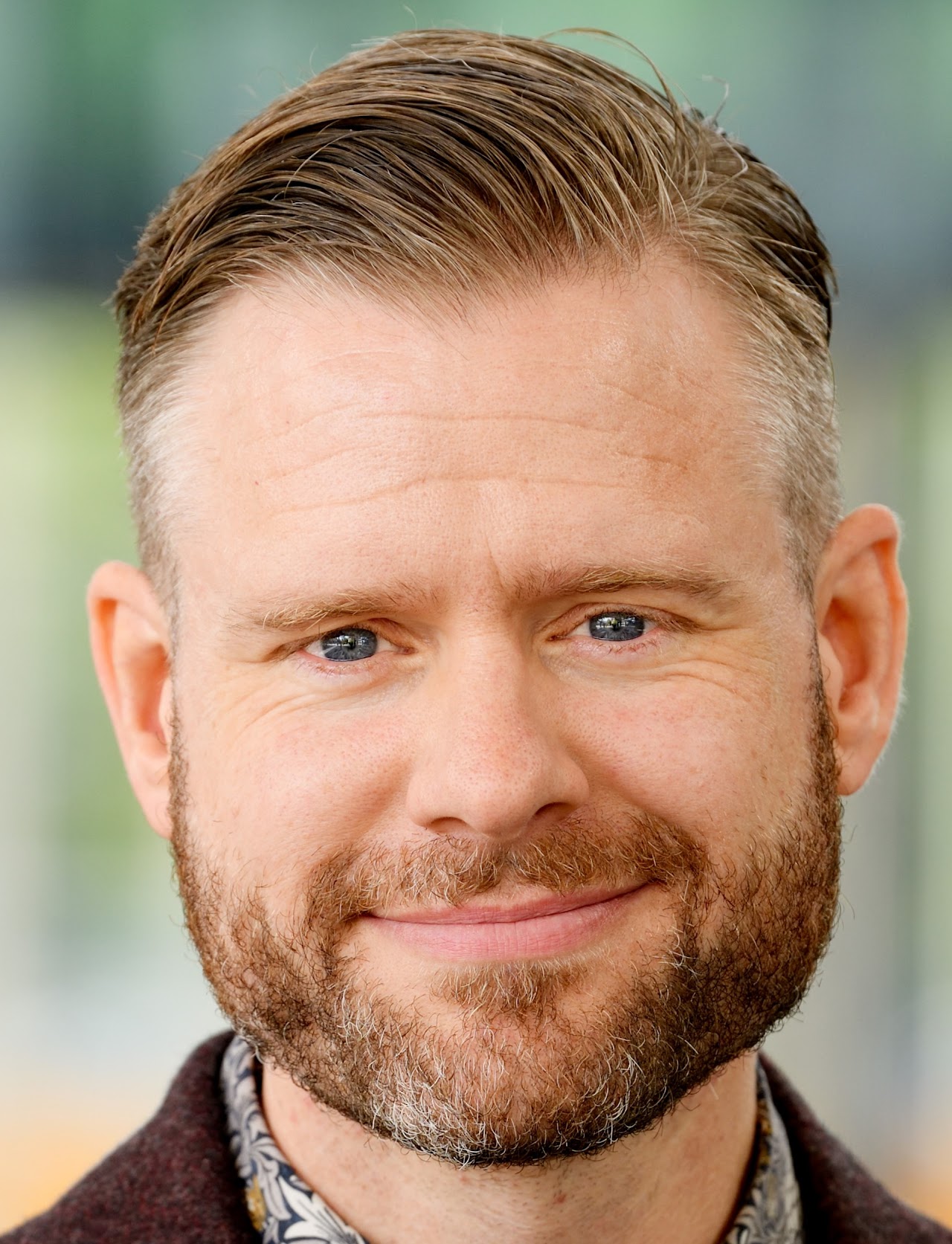 Daniel Lakens合作论文数Department of Human-Technology Interaction, Eindhoven University of Technology;Department of Industrial Engineering & Innovation Sciences, Eindhoven University of Technology4Sarah Estes合作论文数4
 Anna E van 't Veer合作论文数Institute of Psychology, Leiden University4
 Joe Hoover合作论文数Dept Psychol, Univ Southern Calif4
 Ratliff Kate A合作论文数Department of Social Psychology, Tilburg University4
 John Jost合作论文数Department of Psychology, Faculty of Arts & Science, New York University;Center for Data Science, New York University;Center for Social and Political Behavior, New York University4
 Lai Calvin K合作论文数University of Virginia4
 Brendan Kennedy合作论文数Pacific Northwest National Laboratory4
 Elisa Maria Galliani合作论文数Dipartimento di Scienze Politiche, Giuridiche e Studi Internazionali, University of Padua4Abraham M. Rutchick合作论文数Syracuse University4Selin Kesebir合作论文数Department of Psychology, University of Virginia4Vivien Estel合作论文数3Elizabeth Bartmess合作论文数3
 Catherine Olsson合作论文数Anthropic3
 David Tannenbaum合作论文数Dept Management, Univ Utah3
 Walter Sowden合作论文数Department of Behavioral Health, Tripler Army Medical Center3
 Georg Jahn合作论文数Chemnitz University of Technology3
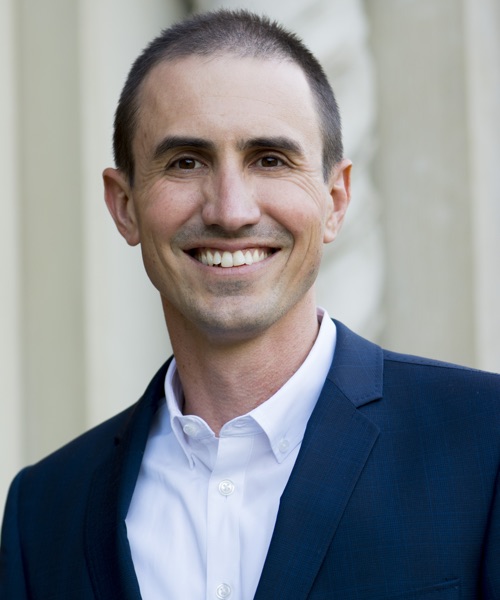 Yoel Inbar合作论文数Department of Psychology, Faculty of Arts and Science, University of Toronto, Scarborough3
 Felix Cheung合作论文数Department of Psychology, Faculty of Arts and Science, University of Toronto;Population Well-being Lab, University of Toronto3
 Stephen Vaisey合作论文数Department of Sociology, Trinity College of Arts & Sciences, Duke University3
 Thomas Talhelm合作论文数Booth School of Business, The University of Chicago3
 Heather Kappes合作论文数Department of Management, London School of Economics and Political Science3
 Roger Giner Sorolla合作论文数School of Psychology, University of Kent3
 Hartshorne Joshua K合作论文数Dept Psychol, Harvard Univ3Frank Bosco合作论文数3




