Severe sepsis is cognate with life threatening multi-organ dysfunction. There is a disturbance in endocrine functions with alterations in several hormonal pathways. It has frequently been linked with dysfunction in the hypothalamic pituitary-adrenal axis (HPA). Increased cortisol or cortisolemia is evident throughout the acute phase, along with changes in the hypothalamic pituitary thyroid (HPT) axis, growth hormone-IGF-1 axis, insulin-glucose axis, leptin, catecholamines, renin angiotensin aldosterone axis, ghrelin, glucagon, hypothalamic pituitary gonadal (HGA) axis, and fibroblast growth factor-21. These changes and metabolic alterations constitute the overall response to infection in sepsis. Further research is essential to look into the hormonal changes that occur during sepsis, not only to understand their potential relevance in therapy but also because they may serve as prognostic indicators.
Inflammation contributes to many chronic conditions. It is often associated with circulating pro-inflammatory cytokines and immune cells. GLP-1 levels correlate with disease severity. They are often elevated and can serve as markers of inflammation. Previous studies have shown that oxytocin, hCG, ghrelin, alpha-MSH and ACTH have receptor-mediated anti-inflammatory properties that can rescue cells from damage and death. These peptides have been studied well in the past century. In contrast, GLP-1 and its anti-inflammatory properties have been recognized only recently. GLP-1 has been proven to be a useful adjuvant therapy in type-2 diabetes mellitus, metabolic syndrome, and hyperglycemia. It also lowers HbA1C and protects cells of the cardiovascular and nervous systems by reducing inflammation and apoptosis. In this review we have explored the link between GLP-1, inflammation, and sepsis.
Sepsis is a potentially life-threatening systemic inflammatory syndrome characterized by dysregulated host immunological responses to infection. Uncontrolled immune cell activation and exponential elevation in circulating cytokines can lead to sepsis, septic shock, multiple organ dysfunction syndrome, and death. Sepsis is associated with high re-hospitalization and recovery may be incomplete, with long term sequelae including post-sepsis syndrome. Consequently, sepsis continues to be a leading cause of morbidity and mortality across the world. In our recent review of human chorionic gonadotropin (hCG), we noted that its major properties including promotion of fertility, parturition, and lactation were described over a century ago. By contrast, the anti-inflammatory properties of this hormone have been recognized only more recently. Vasopressin, a hormone best known for its anti-diuretic effect, also has anti-inflammatory actions. Surprisingly, vasopressin’s close cousin, oxytocin, has broader and more potent anti-inflammatory effects than vasopressin and a larger number of pre-clinical studies supporting its potential role in limiting sepsis-associated organ damage. This review explores possible links between oxytocin and related octapeptide hormones and sepsis-related modulation of pro-inflammatory and anti-inflammatory activities.
Introduction We examined years of potential life lost (YPLL) associated with pre-diabetes as compared with either normoglycemia or diabetes, using data of the Israel cohort of Glucose intolerance, Obesity and Hypertension 40-year follow-up. Research design and methods Men and women (N=2844, mean age 52.0±8.2 years) who underwent oral glucose tolerance test and anthropometric measurements, during 1976–1982, were followed for mortality until May 2019. Multiple imputation procedures for missing mortality dates and multivariable regression mixed models were applied. Results At baseline, 35.8%, 48.8% and 15.4% individuals were found with normoglycemia, pre-diabetes, and diabetes, respectively. The average difference in YPLL associated with pre-diabetes as compared with normoglycemia was 4.3 years (95% CI 3.3 to 5.2; p<0.001). YPLL were 1 year higher in women with pre-diabetes than in men with pre-diabetes. These differences persisted mainly in individuals younger than 60 years, and those with body mass index (BMI) <25 kg/m 2 , at baseline. Adjusting for age, sex, country of origin, smoking status, BMI, and blood pressure, the average difference in YPLL associated with pre-diabetes as compared with normoglycemia was 2.0 years (95% CI 1.2 to 2.8; p<0.001). Significant reductions of 5.9 years (95% CI 4.8 to 7.0) on average were observed for diabetes as compared with pre-diabetes and 7.9 years (95% CI 6.7 to 9.1) as compared with individuals with normoglycemia. Conclusions This study reveals that life expectancy of middle-aged individuals with pre-diabetes is shorter than of normoglycemic ones. These findings are especially relevant in view of the rising worldwide prevalence of pre-diabetes within younger age groups and underscore the crucial importance of interventions by either lifestyle modification or drug therapy capable of delaying progression from pre-diabetes to diabetes to reduce the YPLL in this high-risk group.
Sepsis continues to be a major cause of morbidity, mortality, and post-recovery disability in patients with a wide range of non-infectious and infectious inflammatory disorders, including COVID-19. The clinical onset of sepsis is often marked by the explosive release into the extracellular fluids of a multiplicity of host-derived cytokines and other pro-inflammatory hormone-like messengers from endogenous sources (“cytokine storm”). In patients with sepsis, therapies to counter the pro-inflammatory torrent, even when administered early, typically fall short. The major focus of our proposed essay is to promote pre-clinical studies with hCG (human chorionic gonadotropin) as a potential anti-inflammatory therapy for sepsis.
Sepsis continues to produce widespread inflammation, illness, and death, prompting intensive research aimed at uncovering causes and therapies. In this article, we focus on ghrelin, an endogenous peptide with promise as a potent anti-inflammatory agent. Ghrelin was discovered, tracked, and isolated from stomach cells based on its ability to stimulate release of growth hormone. It also stimulates appetite and is shown to be anti-inflammatory in a wide range of tissues. The anti-inflammatory effects mediated by ghrelin are a result of both the stimulation of anti-inflammatory processes and an inhibition of pro-inflammatory forces. Anti-inflammatory processes are promoted in a broad range of tissues including the hypothalamus and vagus nerve as well as in a broad range of immune cells. Aged rodents have reduced levels of growth hormone (GH) and diminished immune responses; ghrelin administration boosts GH levels and immune response. The anti-inflammatory functions of ghrelin, well displayed in preclinical animal models of sepsis, are just being charted in patients, with expectations that ghrelin and growth hormone might improve outcomes in patients with sepsis.
Excerpt Dr. Jesse Roth: Our three speakers today have generously agreed to present new and unpublished material. In fact, for most of the data this conference will be a world premiere. As moderator...
Over-nutrition and its late consequences are a dominant theme in medicine today. In addition to the health hazards brought on by over-nutrition, the medical community has recently accumulated a roster of health benefits with obesity, grouped under "obesity paradox." Throughout the world and throughout history until the 20(th) century, under-nutrition was a dominant evolutionary force. Under-nutrition brings with it a mix of benefits and detriments that are opposite to and continuous with those of over-nutrition. This continuum yields J-shaped or U-shaped curves relating body mass index to mortality. The overweight have an elevated risk of dying in middle age of degenerative diseases while the underweight are at increased risk of premature death from infectious conditions. Micronutrient deficiencies, major concerns of nutritional science in the 20(th) century, are being neglected. This "hidden hunger" is now surprisingly prevalent in all weight groups, even among the overweight. Because micronutrient replacement is safe, inexpensive, and predictably effective, it is now an exceptionally attractive target for therapy across the spectrum of weight and age. Nutrition-related conditions worthy of special attention from caregivers include excess vitamin A, excess vitamin D, and deficiency of magnesium.
Pancreatic cancer has an extremely highly case fatality. Diabetes is a well-established strong risk factor for pancreatic cancer. Compared with a nondiabetic population, we previously reported a 15- and 14-fold greater risk for detecting pancreatic cancer during the first year after diagnosing diabetes in adult women and men, respectively, which dropped during the second year to 5.4-fold and 3.5-fold, respectively, and stabilized around 3-fold for the rest of the 11-year follow-up in our historical cohort. The population attributable risk during the 11-year period was 13.3% and 14.1% in prevalent diabetic women and men, respectively. This means that one out of about every 8 patients diagnosed with pancreatic cancer has been previously diagnosed with diabetes. The globally high prevalence of diabetes and the aggravating implications of a delayed pancreatic cancer diagnosis call for newly-onset diabetes to be considered a potential marker for an underlying pancreatic cancer and addressed accordingly.
Metformin, a widely used antihyperglycaemic, has a good safety profile, reasonably manageable side-effects, is inexpensive, and causes a desirable amount of weight loss. In 4 studies of patients with tuberculosis (1 prospective and 3 retrospective), metformin administration resulted in better outcomes. In mice with several models of endotoxemia, metformin diminished levels of proinflammatory cytokines and improved survival. Laboratory studies showed effectiveness of the drug on multiple pathogens, including Trichinella spiralis, Staphylococcus aureus, Pseudomonas aeruginosa, hepatitis B virus, hepatitis C virus, and human immunodeficiency virus. Metformin administration in humans and mice produced major changes in the composition of the gut microbiota. These recently discovered microbe-modulating properties of the drug have led investigators to predict wide therapeutic utility for metformin. The recent easing in United States Food and Drug Administration (FDA) guidelines regarding administration of metformin to patients with kidney disease, and reduced anxiety about patient safety in terms of lactic acidosis, increase the probability of broadening of metformin's usage as a treatment of infectious agents. In this text we review articles pertinent to metformin's effects on microorganisms, both pathogens and commensals. We highlight the possible role of metformin in a wide range of infectious diseases and a possible expansion of its therapeutic profile in this field. A systematic review was done of PubMed indexed articles that examined the effects of metformin on a wide range of pathogens. Metformin was found to have efficacy as an antimicrobial agent in patients with tuberculosis. Mice infected with Trypanosomiasis cruzi had higher survival when also treated with metformin. The drug in vitro was active against T. spiralis, S. aureus, P. aeruginosa, and hepatitis B virus. In addition there is emerging literature on its role in sepsis. We conclude that metformin may have a potential role in the therapy for multiple infectious diseases. Metformin, in addition to its traditional effects on glucose metabolism, provides anti-microbial benefits in patients with tuberculosis and in a very wide range of other infections encounters in vitro and in vivo.
Many individuals with prediabetes, as presently defined, will progress to diabetes (T2D) despite the considerable benefit of lifestyle modification. Therefore, it is paramount to screen individuals at increased risk with a more sensitive method capable of identifying prediabetes at an even earlier time point in the lengthy trajectory to T2D. This petition reviews findings demonstrating that the 1-hour (1-h) postload plasma glucose (PG) ≥ 155 mg/dl (8.6 mmol/L) in those with normal glucose tolerance (NGT) during an oral glucose tolerance test (OGTT) is highly predictive for detecting progression to T2D, micro- and macrovascular complications and mortality in individuals at increased risk. Furthermore, the STOP DIABETES Study documented effective interventions that reduce the future risk of T2D in those with NGT and a 1-h PG ≥ 155 mg/dl (8·6 mmol/L). The 1-h OGTT represents a valuable opportunity to extend the proven benefit of diabetes prevention to the sizeable and growing population of individuals at increased risk of progression to T2D. The substantial evidence provided in this petition strongly supports redefining current diagnostic criteria for prediabetes with the elevated 1-h PG level. The authors therefore advocate a 1-h OGTT to detect prediabetes and hence, thwart the global diabetes epidemic.
E. coli releases a 33 amino acid peptide melanocortin-like peptide of E. coli (MECO-1) that is identical to the C-terminus of the E. coli elongation factor-G (EF-G) and has interesting similarities to two prominent mammalian melanocortin hormones, alpha-melanocyte-stimulating hormone (alpha-MSH) and adrenocorticotropin (ACTH). Note that MECO-1 lacks HFRW, the common pharmacophore of the known mammalian melanocortin peptides. MECO-1 and the two hormones were equally effective in severely blunting release of cytokines (HMGB1 and TNF) from macrophage-like cells in response to (i) endotoxin (lipopolysaccharide) or (ii) pro-inflammatory cytokine HMGB-1. The in vitro anti-inflammatoty effects of MECO-1 and of alpha-MSH were abrogated by (i) antibody against melanocortin-1 receptor (MC1R) and by (ii) agouti, an endogenous inverse agonist of MC1R. In vivo MECO-1 was even more potent than alpha-MSH in rescuing mice from death due to (i) lethal doses of LPS endotoxin or (ii) cecal ligation and puncture, models of sterile and infectious sepsis, respectively.
Identifying the earliest time point on the prediabetic continuum is critical to avoid progressive deterioration in β-cell function. Progressively rising glucose levels even within the "normal range" occur considerably late in the evolution to diabetes thus presenting an important opportunity for earlier diagnosis, treatment, and possible reversal. An elevated 1 h postprandial glucose level, not detected by current diagnostic standards, may provide an opportunity for the early identification of those at risk. When the 1 h post-load glucose level is elevated, lifestyle intervention may have the greatest benefit for preserving β-cell function and prevent further progression to prediabetes and diabetes. In view of the considerable consistent epidemiologic data in large disparate populations supporting the predictive capacity of the1 h post-load value for predicting progression to diabetes and mortality, the time is therefore ripe to evaluate this hypothesis in a large, prospective multicenter randomized trial with lifestyle intervention.
BACKGROUND Metabolic syndrome (MetS) is an obesity-driven condition of pandemic proportions that increases the risk of type 2 diabetes and cardiovascular disease. Pathophysiological mechanisms are poorly understood, though inflammation has been implicated in MetS pathogenesis. The aim of this study was to assess the effects of galantamine, a centrally acting acetylcholinesterase inhibitor with antiinflammatory properties, on markers of inflammation implicated in insulin resistance and cardiovascular risk, and other metabolic and cardiovascular indices in subjects with MetS. METHODS In this randomized, double-blind, placebo-controlled trial, subjects with MetS (30 per group) received oral galantamine 8 mg daily for 4 weeks, followed by 16 mg daily for 8 weeks or placebo. The primary outcome was inflammation assessed through plasma levels of cytokines and adipokines associated with MetS. Secondary endpoints included body weight, fat tissue depots, plasma glucose, insulin, homeostasis model assessment of insulin resistance (HOMA-IR), cholesterol (total, HDL, LDL), triglycerides, BP, heart rate, and heart rate variability (HRV). RESULTS Galantamine resulted in lower plasma levels of proinflammatory molecules TNF (-2.57 pg/ml [95% CI -4.96 to -0.19]; P = 0.035) and leptin (-12.02 ng/ml [95% CI -17.71 to -6.33]; P < 0.0001), and higher levels of the antiinflammatory molecules adiponectin (2.71 μg/ml [95% CI 1.93 to 3.49]; P < 0.0001) and IL-10 (1.32 pg/ml, [95% CI 0.29 to 2.38]; P = 0.002) as compared with placebo. Galantamine also significantly lowered plasma insulin and HOMA-IR values, and altered HRV. CONCLUSION Low-dose galantamine alleviates inflammation and insulin resistance in MetS subjects. These findings support further study of galantamine in MetS therapy. TRIAL REGISTRATION ClinicalTrials.gov, number NCT02283242. FUNDING Fundação de Amparo a Pesquisa do Estado de São Paulo (FAPESP) and Conselho Nacional de Desenvolvimento Científico e Tecnológico (CNPq), Brazil, and the NIH.
To assess the performance of HbA1c and the 1-h plasma glucose (PG ≥ 155 mg/dl; 8.6 mmol/l) in identifying dysglycemia based on the oral glucose tolerance test (OGTT) from a real-world clinical care setting.
Aims: The present study assessed the longitudinal association of an elevated 1-h plasma glucose [1-h-PG >8.6 mmol/l (155 mg/dl)] with and without impaired glucose tolerance [IGT; 2-h-PG 7.8-11.0 mmol/l (140-199 mg/dl)] with cumulative incident of diabetes and prediabetes over 24 years in a non-diabetic cohort.Methods: From 1979 to 1984, 1970 non-diabetic men and women completed an oral glucose tolerance test (OGTT), physical and biochemical measurements as well as a questionnaire related to lifestyle and medical background. During the years 2000-2004, 853 survivors of the original cohort were interviewed and re-examined for glycemic progression.Results: Individuals with 1-h-PG >8.6 mmol/l (155 mg/dl) but with 2-h-PG <7.8 mmol/l (140 mg/dl) had a significantly elevated risk, compared to those with both 1-h-PG 68.6 mmol/l (155 mg/dl) and 2-h-PG <7.8 mmol/l (140 mg/dl), for both diabetes [OR: 4.35 (95% CI: 2.50-7.73)] and prediabetes outcomes [OR: 1.87 (95% CI 1.09-3.26)], adjusted for sex and age, smoking, body mass index, blood pressure, fasting blood glucose and insulin.Conclusions: The risk for diabetes associated with a 1-h level >8.6 mmol/l (155 mg/dl) is increased and further worsened in the presence of IGT. Identifying individuals at risk with a 1-h-PG glucose level during an OGTT is recommended. (C) 2016 Elsevier Ireland Ltd. All rights reserved.
Type 1 diabetes mellitus (T1D) is a chronic autoimmune disease characterized by β cell destruction, insulin deficiency and hyperglycemia. Activated macrophages and autoimmune T cells play a crucial role in the pathogenesis of hyperglycemia in NOD murine diabetes models, but the molecular mechanisms of macrophage activation are unknown. We recently identified pigment epithelium-derived factor (PEDF) as an adipocyte-derived factor that activates macrophages and mediates insulin resistance. Reasoning that PEDF might participate as a proinflammatory mediator in murine diabetes, we measured PEDF levels in NOD mice. PEDF levels are significantly elevated in pancreas, in parallel with pancreatic TNF levels in NOD mice. To identify experimental therapeutics, we screened 2,327 compounds in two chemical libraries (the NIH Clinical Collection and Pharmakon-1600) for leads that inhibit PEDF mediated TNF release in macrophage cultures. The lead molecule selected, “emetine” is a widely used emetic. It inhibited PEDF-mediated macrophage activation with an EC50 or 146 nmol/L. Administration of emetine to NOD mice and to C57Bl6 mice subjected to streptozotocin significantly attenuated hyperglycemia, reduced TNF levels in pancreas and attenuated insulitis. Together, these results suggest that targeting PEDF with emetine may attenuate TNF release and hyperglycemia in murine diabetes models. This suggests that further investigation of PEDF and emetine in the pathogenesis of human diabetes is warranted.
 C. Ronald Kahn合作论文数Division of Nutrition, Department of Medicine, Harvard Medical School;Joslin Diabetes Center, Harvard Medical School23
 Rachel Dankner合作论文数Sackler School of Medicine, Tel-Aviv University22
 Kevin J. Tracey合作论文数Institute of Bioelectronic Medicine, Feinstein Institutes for Medical Research18
 Derek LeRoith合作论文数Icahn School of Medicine at Mount Sinai16
 Angela Chetrit合作论文数Sheba Medical Center, Gertner Institute for Epidemiology and Health Policy13
 Huan Yang合作论文数Laboratory of Biomedical Science;Jewish Research Institute;Laboratory of Biomedical Science, Jewish Research Institute13
 Alan R. Shuldiner合作论文数University of Maryland School of Medicine;University of Maryland Clinical and Translational Research Institute;Division of Endocrinology, Diabetes and Nutrition, University of Maryland;Regeneron Pharmaceuticals, Inc.12Sangeeta Chavan合作论文数Department of Medicine;University of Massachusetts Medical Center;Department of Medicine, University of Massachusetts Medical Center12David M. Neville合作论文数10
 Michael Bergman合作论文数Division of Endocrinology, and Metabolism, Department of Medicine, Grossman School of Medicine, New York University9Olofsson Peder S合作论文数9
 Mehdi Syed Faizan合作论文数9
 Phillip Gorden合作论文数National Institute of Diabetes and Digestive and Kidney Diseases9
 Valentin A. Pavlov合作论文数Institute of Bioelectronic Medicine, Feinstein Institutes for Medical Research, Northwell Health;Donald and Barbara Zucker School of Medicine, Hofstra/Northwell8Dancho Meghan合作论文数8
 Michael J. Brownstein合作论文数National Institute of Health8Ma Lesniak合作论文数7michael h shanik合作论文数Endocrine Associates Long Isl7
 Ira Pastan合作论文数Laboratory of Molecular Biology, Center for Cancer Research, National Cancer Institute, National Institutes of Health7Mahendar Ochani合作论文数7
 Yousef Al-Abed合作论文数Institute of Bioelectronic Medicine, Feinstein Institutes for Medical Research, Northwell Health;Donald and Barbara Zucker School of Medicine at Hofstra/Northwell Health6F dePablo合作论文数6
 Hudson LaQueta合作论文数6
 Ram Jagannathan合作论文数India Diabetes Research Foundation, Dr A. Ramachandran's Diabetes Hospitals6
 Ulf Andersson合作论文数Department of Pediatric Orthopedics, Karolinska Institutet;The Feinstein Institute for Medical Research;Department of Women's and Children's Health, Karolinska Institutet6Jianhua Li合作论文数6
 Flora De Pablo合作论文数Centro de Investigaciones Biológicas, Consejo Superior de Investigaciones Científicas6Ann Danoff合作论文数6Pierre Freychet合作论文数6
 Daniel J. Antoine合作论文数MRC Centre for Drug Safety Science, University of Liverpool6
 Sergio Ivan Valdes-Ferrer合作论文数Instituto Nacional de Ciencias Medicas y Nutricion Salvador Zubiran6
 Sanjaya Satapathy合作论文数5Barbara Lowell合作论文数5Yael Harris合作论文数5
 Michel Bernier合作论文数Translat Gerontol Branch, NIH5
 Mauricio Rosas-Ballina合作论文数Lab Biomed Sci, Feinstein Inst Med Res5Shiloach Joseph合作论文数5
 Ira D. Goldfine合作论文数University of California, San Francisco5Seymour M. Glick合作论文数5
 James R Gavin合作论文数5Sa Berson合作论文数4P Gorden合作论文数4x qiang合作论文数4
 Mingzhu He合作论文数4
 Yaakov Ariel Levine合作论文数Department of Medicine, Karolinska Institutet;SetPoint Medical, Inc;Donald & Barbara Zucker School of Medicine, Hofstra/Northwell4Wang Haichao合作论文数4
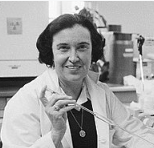 Rosalyn Sussman Yalow合作论文数Department of Medicine, Mount Sinai Hospital4
 Robert J. Lefkowitz合作论文数Department of Medicine, School of Medicine, Duke University;Duke University Medical Center;Howard Hughes Medical Institute4Mary Ann Sevick合作论文数Graduate School of Public Health, University of Pittsburgh4




