A comprehensive theoretical framework is presented for the prediction and compensation for geometric deviations in mirror additive manufacturing (MAM), a process whose unique thermo-mechanical coupling distinguishes its geometric error evolution from conventional automated fiber placement (AFP) and fused deposition modeling (FDM). First, viscoelastic flow in the melting zone and elastoplastic deformation in the cooling zone are analyzed to elucidate the formation of dynamic in-process geometric deviations, which scale positively with tape tension. Second, the release of internally generated stresses during deposition is shown to produce elastic springback that counterbalances tension-induced deformation, thereby reducing final geometric deviation. Building on a multi-source thermo-mechanical coupling analysis, a quantitative mapping model is then derived: deposition tension is treated as a key intermediate variable linking process inputs including layer count, deposition speed and compaction force to geometric deviations. Model validation confirms its ability to forecast geometric errors and to inform compensation design. To that end, an active compensation strategy is proposed in which an additional rotational degree of freedom is introduced to the compaction roller, generating counteracting rollingfriction forces that neutralize excessive tape tension. Numerical simulations further substantiate the approach and reveal that increased layer count enhances stiffness, higher deposition speeds elongate the melting zone and exacerbate deviations, and compaction force exhibits a non-monotonic influence. The integrated prediction-compensation methodology markedly improves MAM geometric accuracy and offers actionable guidelines for its industrial implementation.
Fabrication of carbon fiber reinforced polymer (CFRP) parts by additive manufacturing (AM) overturns the conventional composites manufacturing by combining design freedom with material performance. The high porosity and low deposition rate of fused deposition modelling (FDM) remain unresolved and the longstanding reliance on tools makes on-site flexible manufacturing an enduring technological bottleneck. A mirror additive manufacturing (MAM) process was proposed, wherein twin deposition heads are configured in a mirror-symmetric manner to cooperatively deposit and consolidate materials, enabling tool-less and near-net-shape fabrication. A scalable multi-scale framework was developed to address critical challenges including the accurate shaping of variable-stiffness deposited layers without tool support and the suppression of surface distortion and interfacial defects induced by unique mirror thermo-mechanical interactions. The macroscopic geometric deviations stem from tension-induced dynamic deformation, increasing with deposition speed, decreasing with layer count and varying non-monotonically with compaction force. Predictive models incorporating deformation mechanisms affected by thermal gradients were developed and closed-loop compensation via counter-roller friction effectively minimizes geometric deviations. A dual-modal sensing method integrating visible and infrared light enables precise detection of mesoscopic surface wrinkles and misalignment, overcoming the challenges of low contrast and background interference. Layer-dependent thermal coupling of mirror lasers generates interlayer temperature gradients and deteriorates microscopic crystallinity and interfacial fusion, which is effectively improved through thermal modulation that stabilizes the interlayer temperature. Defect reduction and crystallinity enhancement make MAM significantly superior to other AM processes in manufacturing quality. The successful fabrication of varying curvature profiles and 3D structures validates feasibility of MAM for 3D structures.
Osteoarthritis (OA), one of the most common chronic joint diseases, is characterised by cartilage imbalance and disruption of the cartilage extracellular matrix. In this study, we observed impaired mitophagy and glucose metabolism disorders in OA chondrocytes, which exacerbated cartilage degeneration. And we unveil Chlorella, a natural microorganism that appeared more than two billion years ago, as an efficient regulator of both mitophagy and glucose metabolism in OA chondrocytes. Chlorella activates mitophagy and rescues mitochondrial function. More importantly, Chlorella inhibits glycolysis and reprograms glucose metabolism in chondrocytes, leading to the remodelling of chondrocyte homeostasis and alleviation of cartilage degeneration both in vitro and in vivo. As a proof of concept, we constructed a photothermal Chlorella biohybrid (Ch@P) that induced articular thermal stimulation under near-infrared irradiation and significantly strengthened the protection against cartilage degeneration in DMM mouse models of OA. Ch@P activates the AMPK-Sirt1 signalling pathway to restore mitochondrial homeostasis and energy metabolism in chondrocytes. Furthermore, HSP70 is also activated to regulate chondrocyte homeostasis due to articular thermal stimulation. Our study unveils the activity of natural Chlorella in chondrocyte homeostasis by activating mitophagy and reprogramming glucose metabolism and identifies an artificial Chlorella biohybrid as a promising therapeutic option for OA treatment.
Osteoarthritis (OA) is a degenerative disease with a series of metabolic changes accompanied by chondrocyte apoptosis. Chondrocytes express multiple receptors for neurotrophin, however, the role of neurotrophin receptor in chondrocyte metabolism remains unelucidated. Here, we first clarify the role of neurotrophin 3 (NT3) and its receptor tropomyosin receptor kinase C (TrkC) of chondrocytes in OA pathogenesis, using inducible TrkC-deficient mice (TrkCfl/fl; Col2a1-CreERT2 mice). Our findings show that TrkC levels are decreased in the chondrocytes and cartilage of patients with OA and OA-model mice. Chondrocyte-specific TrkC deficiency aggravates cartilage destruction during OA development. However, intra-articular TrkC-overexpressing adeno-associated virus (AAV) injection delays experimental OA progression. TrkC deficiency leads to decreased anabolic and increased catabolic activities in chondrocytes and stimulates chondrocyte apoptosis, thereby accelerating OA progression. Whereas TrkC overexpression rescues the imbalance between extracellular matrix synthesis and degradation and chondrocyte apoptosis through PI3K/Akt signaling. NT3, a multifunctional protein with high affinity for TrkC, effectively protects against cartilage degeneration in OA models in vitro and in vivo and relieves pain sensitivity in mice with OA. Our results indicate that TrkC is crucial for maintaining cartilage homeostasis and OA progression. Targeting TrkC with NT3 could be a novel strategy for OA treatment.
Debate regarding the premature aging of knee joints in acquired immune deficiency syndrome (AIDS) patients has remained contentious, with conjectures pointing towards its correlation with distinct antiviral regimes. Protease inhibitors (PIs) stand as a prominent class of antiviral agents frequently utilized in AIDS management and have been significantly linked to premature senescence. This study aimed to investigate whether PI-containing regimens would accelerate osteoarthritis (OA) development and explore the molecular mechanisms underlying this association. A retrospective cohort of 151 HIV-infected individuals, categorized into PI and non-PI groups, was established. Patients in PI group exhibited lower KOOS and a higher prevalence of radiological knee OA than those in non-PI group. Additionally, 25 anti-HIV drugs were screened and among all antiviral drugs, lopinavir had the most detrimental impact on cartilage anabolism, accelerating cartilage senescence and promoting mouse OA development. Mechanistically, lopinavir accelerated cellular senescence by inhibiting Zmpste24 and interfering nuclear membrane stability, which leads to decreased binding between nuclear membrane-binding protein Usp7 and Mdm2 and activates Usp7/Mdm2/p53 pathway. Zmpste24 overexpression reduces OA severity in mice. These findings suggest that PI-containing regimens accelerate cartilage senescence and OA development through Zmpste24 inhibition, which provides new insights into the selection of HIV regimens.
This article reviewed the types of virtual reality technology,its current applications in postoperative functional exercise for patients undergoing total knee replacement,as well as its advantages and challenges.The aim was to provide a reference for promoting the use of virtual reality technology in postoperative rehabilitation for patients undergoing total knee replacement in China.
A symmetric additive manufacturing process is proposed to achieve tool-less fabrication of thermoplastic composites with potentially enhanced productivity, product quality and process applicability. Dual robotic placement heads are configured in a symmetrical manner and move synchronously along predefined trajectories, during which dual robotic heads simultaneously place fiber tapes and apply force and heat for in-situ curing. The effect of placement speed on thermal and mechanical behaviors during symmetric additive manufacturing were systematically investigated, and the influence of placement speed on product quality such as surface roughness, tape misalignment, internal defects, crystallinity and macroscopic mechanical properties were further explored. The thermal coupling effect of symmetric laser heat sources is found to weaken ply by ply within the coupling zone. Moreover, the increase in placement speed results in more severe deviations of temperature and rolling force, which damages the surface roughness, tape misalignment and internal defect ratio. As the cooling rate is increased at a higher placement speed, a decreasing trend in crystallinity is displayed, thereby resulting in degraded mechanical properties. The findings clarify the thermo-mechanical behavior in high-speed symmetric additive manufacturing and its multi-dimensional influence on product quality, providing new insights into thermo-mechanical regulation and pointing out the future research path of high-speed symmetric additive manufacturing.
Purposes:This study utilizes prospective cohort data from the UK Biobank to investigate the association between the energy-adjusted dietary inflammation index (E-DII) and the development of fracture nonunion. Methods:In this study, COX regression was used to analyze the correlation between E-DII and nonunion. Among 172,839 participants free of prior nonunion at baseline, 2,341 (1.4%) developed nonunion during a median follow-up of 14.2 years. E-DII scores, calculated from five separate 24-h dietary recall assessments, were used to quantify dietary inflammatory potential, with higher values indicating pro-inflammatory patterns. Results:Multivariable-adjusted analyses revealed that participants with anti-inflammatory dietary patterns (E-DII < -1) exhibited a significantly elevated risk of impaired fracture healing compared to those with pro-inflammatory diets (E-DII > 1), yielding an adjusted hazard ratio (HR) of 1.89 (95% CI: 1.45-3.11). A nonlinear U-shaped dose-response relationship was identified, with the nadir of nonunion risk observed at E-DII values between 0.3 and 1.2. Conversely, values outside this range were associated with progressively higher risks. Transcriptomic profiling identified differential expression of 35 inflammation-related genes-including CD3E and CX3CR1-significantly downregulated in nonunion cases compared to controls. These genes are functionally enriched in pathways governing immune response regulation and leukocyte activation. Conclusion:These findings propose that a moderately pro-inflammatory dietary pattern may confer protection against impaired bone healing, whereas both strongly anti-inflammatory and excessively pro-inflammatory diets were associated with compromised healing outcomes. Based on these results, tailored dietary strategies designed to optimize inflammatory homeostasis during fracture recovery are recommended to enhance clinical outcomes.
A mirror additive manufacturing (MAM) process has been proposed, in which dual mutually supported robotic heads simultaneously perform placement and in-situ laser heating curing of thermoplastic prepreg tapes. This approach overcomes the reliance on complex tools in conventional processes, enhancing manufacturing flexibility, cost-efficiency and production efficiency as well as the applicability to special environments such as space, remote areas and disaster zones. The severe instability of temperature and rolling force during the MAM process was effectively addressed by the proposed control strategy combining reinforcement learning with a PID algorithm. Moreover, ply-by-ply decrease in temperature is caused as the cumulative heating effect of the mirror heat sources weakens with the rise of laminate thickness, which is precisely compensated by the proposed temperature stabilization control method, enabling stable temperatures across each ply. Compared with the open-loop MAM system, the stabilization control of temperature and rolling force significantly improves surface quality, reduces internal defects and enhances macro-mechanical performance. The effect of process parameters such as laser power, rolling force and placement speed on surface roughness, internal defects and macro-mechanical characteristics has also been clarified.
ABSTRACT Objectives The combined anteversion technique was introduced to guide prosthesis orientation in patients with developmental dysplasia of the hip and has achieved favorable short‐term results in a previously published series. However, excessive variations in implant orientation may increase the risk of accelerated polyethylene wear and lead to revision THA. This study aimed to report whether the variation in implant orientation caused by the combined anteversion technique would result in an increased surgical failure rate and the mid‐ to long‐term clinical outcome in total hip arthroplasty for patients with hip dysplasia. Materials and Methods This retrospective study reviewed patients with hip dysplasia who underwent total hip arthroplasty with the combined anteversion technique between 2007 and 2012 at our center. The surgical protocol prioritized the combined anteversion principle, requiring maintenance of the combined anteversion within the 25°–50° range while permitting physiological variation in individual femoral or acetabular component positioning. In total, 55 patients (80 hips) were included, with an average follow‐up period of 12.7 years (range, 11 to 16). Ceramic fragmentation, periprosthetic radiolucencies, and osteolysis around the cup and stem were evaluated based on the immediate postoperative pelvic anteroposterior radiographs and the last follow‐up. Femoral, acetabular, and combined anteversions pre‐and postoperatively were measured using CT‐based models. The Harris hip score at the latest follow‐up was used for comparison with the score before surgery. Results The average Harris hip score increased from 28.3 ± 10.1 preoperatively to 91.2 ± 6.7 (p < 0.01) at the last follow‐up. The mean femoral, acetabular, and combined anteversions were 25.6° ± 11.1° and 23.7° ± 10.6°, 23.2° ± 7.4° and 19.8° ± 8.3°, and 48.7° ± 12.9° and 43.1° ± 6.8° preoperatively and postoperatively, respectively. By the last follow‐up, one patient developed periprosthetic osteolysis 11 years after primary surgery without obvious periprosthetic loosening and migration of the femoral head rotation center. Two patients experienced prosthesis dislocation, one of whom received a revision 4 years after primary surgery, and the other underwent manual reduction under anesthesia 8 years after primary surgery. Two patients underwent revision and internal fixation due to prosthesis loosening caused by a periprosthetic fracture 10 years and 12 years after primary surgery. Conclusion The combined anteversion technique in total hip arthroplasty for patients with hip dysplasia yielded reliable mid‐to‐long‐term results. This technique's changes in prosthesis angle did not significantly increase the surgical failure rate.
Aims:Sagittal lumbar pelvic alignment alters with posterior pelvic tilt (PT) following total hip arthroplasty (THA) for developmental dysplasia of the hip (DDH). The individual value of pelvic sagittal inclination (PSI) following rebalancing of lumbar-pelvic alignment is unknown. In different populations, PT regresses in a linear relationship with pelvic incidence (PI). PSI and PT have a direct relationship to each other via a fixed individual angle ∠γ. This study aimed to investigate whether the new PI created by acetabular component positioning during THA also has a linear regression relationship with PT/PSI when lumbar-pelvic alignment rebalances postoperatively in patients with Crowe type III/IV DDH. Methods:Using SPINEPARA software, we measured the pelvic sagittal parameters including PI, PT, and PSI in 61 patients with Crowe III/IV DDH. Both PSI and PT represent the pelvic tilt state, and the difference between their values is ∠γ (PT = PSI + ∠γ). The regression equation between PI and PT at one year after THA was established. By substituting ∠γ, the relationship between PI and PSI was also established. The Bland-Altman method was used to evaluate the consistency between the PSI calculated by the linear regression equation (ePSI) and the actual PSI (aPSI) measured one year postoperatively. Results:The mean PT and PSI changed from preoperative values of 7.0° (SD 6.5°) and -8.0° (SD 6.7°), respectively, to 8.4° (SD 5.5°) and -4.5° (SD 5.9°) at one year postoperatively. This change shows that the pelvis tilted posteriorly following THA. In addition, when lumbar-pelvic alignment rebalanced, the linear regression equation between PI and PT was PT = 0.45 × PI - 10.5°, and PSI could be expressed as PSI = 0.45 × PI - 10.5° - ∠γ. The absolute difference between ePSI and aPSI was less than 5° in 55 of 61 patients (90.16%). Conclusion:The new PI created by the positioning of the acetabular component significantly affects the PSI when lumbar-pelvic alignment changes and rebalances after THA in patients with Crowe III/IV DDH.
Purpose Preoperative planning is critical for total knee arthroplasty (TKA) performed with surgical robots, as it involves establishing a coordinate system to calculate the angle values of the components. This coordinate system serves as a reference during the surgical planning stage. This study aimed to develop a newly custom coordinate system suitable for integration with a surgical robot system. Methods The “Skywalker” surgical robot system was used to import computed tomography (CT) images of the entire lower extremities from 50 patients diagnosed with osteoarthritis. Three-dimensional reconstruction was subsequently performed. The TKA component was positioned at a fixed angle using the newly developed custom coordinate system. The angle values of the components, based on the standard CT coordinate system, were then recorded without altering their positioning. These values were analyzed to assess the differences between the two coordinate systems. Results The mean and standard deviation values for the coronal, sagittal, and transverse plane positioning of the femoral component (absolute value of error) were 0.004° ± 0.020°, 0.006° ± 0.024°, and 0.158° ± 0.186°, respectively. Similarly, the mean and standard deviation values for the coronal, sagittal, and transverse plane positioning of the tibial component (absolute value of error) were 0.544° ± 0.452°, 0.042° ± 0.076°, and 0.348° ± 0.445°, respectively. Conclusion This newly developed custom coordinate system can be employed for preoperative planning in Skywalker surgical robot system-assisted TKA, particularly for patients with significant positional abnormalities in their CT scans.
IntroductionThis investigation leverages advanced machine learning (ML) techniques to dissect the complex relationship between heavy metal exposure and its impacts on osteoarthritis (OA) and rheumatoid arthritis (RA). Utilizing a comprehensive dataset from the National Health and Nutrition Examination Survey (NHANES) spanning from 2003 to 2020, this study aims to elucidate the roles specific heavy metals play in the incidence and differentiation of OA and RA.MethodsEmploying a phased ML strategy that encompasses a range of methodologies, including LASSO regression and SHapley Additive exPlanations (SHAP), our analytical framework integrates demographic, laboratory, and questionnaire data. Thirteen distinct ML models were applied across seven methodologies to enhance the predictability and interpretability of clinical outcomes. Each phase of model development was meticulously designed to progressively refine the algorithm’s performance.ResultsThe results reveal significant associations between certain heavy metals and an increased risk of arthritis. The phased ML approach enabled the precise identification of key predictors and their contributions to disease outcomes.DiscussionThese findings offer new insights into potential pathways for early detection, prevention, and management strategies for arthritis associated with environmental exposures. By improving the interpretability of ML models, this research provides a potent tool for clinicians and researchers, facilitating a deeper understanding of the environmental determinants of arthritis.
Background: Total joint arthroplasty (TJA) is an orthopedic procedure commonly used to treat damaged joints. Despite the efficacy of TJA, postoperative complications, including aseptic prosthesis loosening and infections, are common. Moreover, the effects of individual genetic susceptibility and modifiable risk factors on these complications are unclear. This study analyzed these effects to enhance patient prognosis and postoperative management. Methods: We conducted an extensive genome-wide association study (GWAS) and Mendelian randomization (MR) study using UK Biobank data. The cohort included 2964 patients with mechanical complications post-TJA, 957 with periprosthetic joint infection (PJI), and a control group of 398,708 individuals. Genetic loci associated with postoperative complications were identified by a GWAS analysis, and the causal relationships of 11 modifiable risk factors with complications were assessed using MR. Results: The GWAS analysis identified nine loci associated with post-TJA complications. Two loci near the PPP1R3B and RBM26 genes were significantly linked to mechanical complications and PJI, respectively. The MR analysis demonstrated that body mass index was positively associated with the risk of mechanical complications (odds ratio [OR]: 1.42; p < 0.001). Higher educational attainment was associated with a decreased risk of mechanical complications (OR: 0.55; p < 0.001) and PJI (OR: 0.43; p = 0.001). Type 2 diabetes was suggestively associated with mechanical complications (OR, 1.18, p = 0.02), and hypertension was suggestively associated with PJI (OR, 1.41, p = 0.008). Other lifestyle factors, including smoking and alcohol consumption, were not causally related to postoperative complications. Conclusions: The genetic loci near PPP1R3B and RBM26 influenced the risk of post-TJA mechanical complications and infections, respectively. The effects of genetic and modifiable risk factors, including body mass index and educational attainment, underscore the need to perform personalized preoperative assessments and the postoperative management of surgical patients. These results indicate that integrating genetic screening and lifestyle interventions into patient care can improve the outcomes of TJA and patient quality of life.
BackgroundPreoperative evaluation of femoral anteversion to predict postoperative stem anteversion aids the selection of an appropriate prosthesis and optimizes the combined anteversion in total hip arthroplasty (THA) for developmental dysplasia of the hip (DDH). The conventional prediction methods are based on the femoral anteversion measurement at the location of the femoral head and/or neck. However, varied differences between femoral anteversion and postoperative stem anteversion were demonstrated. This study investigated the predictive role of a new method based on the principle of sagittal three‐point fixation.MethodsFrom January 2017 to December 2018, a total of 133 DDH hips that underwent THA were retrospectively analyzed. There were 76 Crowe type I, 27 type II, and 30 type III hips. The single‐wedge stem was used in 49 hips, and the double‐wedge stem was used in 84 hips. Preoperative native femoral anteversion at the femoral head–neck junction, anterior cortex anteversion at 2 levels of the lesser trochanter, posterior cortex anteversion at 5 levels of the femoral neck, and postoperative stem anteversion were measured using two‐dimensional computed tomography. Predictive anteversion by the new method was calculated as the average anteversion formed by the anterior cortex at the lesser trochanter and the posterior cortex at the femoral neck.ResultsFor hips with different neck heights, different Crowe types, different stem types, or different femoral anteversions, native femoral anteversion showed widely varied differences and correlations with stem anteversion, with differences ranging from −1.27 ± 8.33° to −13.67 ± 9.47° and correlations ranging from 0.122 (p = 0.705, no correlation) to 0.813. Predictive anteversion formed by the anterior cortex at the lesser trochanter proximal base and posterior cortex 10 mm above the lesser trochanter proximal base showed no significant difference with stem anteversion, with less varied differences (0.92 ± 7.52°) and good to excellent correlations (r = 0.826).ConclusionAdopting our new method, predictive anteversion, measured as the average anteversion of the anterior cortex at the lesser trochanter proximal base and posterior cortex 10 mm above the lesser trochanter proximal base, predicted postoperative stem anteversion more reliably than native femoral anteversion.
Although the principles of hip reconstruction are consistent, due to lack of reliable anatomical landmarks, how to decide the acetabular cup reaming centre intraoperatively in Crowe IV patients with developmental dysplasia of the hip (DDH) remains unclear. This study aims to address this question. Fifty-eight Crowe IV patients were enrolled from 2017 to 2019. By examining our previous clinical data, we analyzed the anatomical morphology of Crowe IV acetabulum and proposed a method of locating intraoperative reaming centering for implantation of a standard-sized acetabular cup, which is the upper two thirds of the posterior border of the true acetabulum. All patients included in this study were reamed according to this method. The average postoperative follow-up was 4.1 years (3–5 years). The position of the centre of rotation (COR), cup coverage (CC), and optimal range of joint motion (ROM) were examined by 3D computer simulation measurement. Postoperative complications and hip Harris score were collected and analyzed. The morphology of the type IV DDH true acetabulum was mostly triangular. The intraoperative reaming centre were centered on the upper two thirds of the posterior border of the true acetabulum. The postoperative 3D CC was 80.20
Objective·To verify the accuracy and clinical feasibility of fluoroscopic stereophotogrammetric analysis (FSA) technology based on two dimension (2D)-three dimension (3D) registration for early migration detection of aseptic loosening of joint prostheses.Methods·2D-3D registration algorithms centering on the light source and projected object respectively in FSA technology were verified under various working conditions through image synthesis experiments, and the feasibility of clinical application was verified through real model experiments. The image synthesis experiment established a perspective projection environment with the same parameters as the real environment in a virtual environment, the 2D perspective images of the 3D model (bone or prosthesis) during the six degrees of freedom transformation were recorded, and the six degrees of freedom transformation of the 3D model was restored by using different 2D-3D registration algorithms. The error of each registration algorithm was calculated. For real model validation, the migration between bone and prosthesis after joint replacement surgery was simulated with a high precision bone prosthesis migration simulator. The 3D model of the bone or prosthesis was reconstructed by using computed tomograph (CT) images and optical scanning, and the 2D perspective images before and after prosthesis migration were captured by using a fluoroscopy device. The migration of the prosthesis was restored by using FSA technology based on 2D-3D registration, and the error of FSA technology was calculated.Results·The accuracy of the 2D-3D registration algorithm centering on the light source was higher than that of the algorithm centering on the projected object under different working conditions. When the initial registration conditions were favorable, the algorithm centering on the light source reduced the rotation error compared to the algorithm centering on the projected object, with a statistical difference (P=0.021), and the displacement error decreases, with a significant statistical difference (P=0.000). Moreover, algorithms centering on the light sources required lower similarity and fewer registration times to meet clinical application requirements.Conclusion·The accuracy of FSA technology based on 2D-3D registration in early migration detection of artificial joint prostheses meets clinical application requirements. This technology can warn of late aseptic loosening of prostheses by detecting early migration of prostheses after joint replacement surgery, and is expected to be applied to clinical practice through further research.
Periprosthetic osteolysis (PPO) is the most common cause of joint arthroplasty failure. Its progression involves both biological and mechanical factors. Osteoclastogenesis induced by wear from debris-cell interactions, ultimately leading to excessive bone erosion, is considered the primary cause of PPO; therefore, targeting osteoclasts is a promising treatment approach. Currently available drugs have various side effects and limitations. Artemisinic acid (ArA) is a sesquiterpene isolated from the traditional herb Artemisia annua L. that has various pharmacological effects, such as antimalarial, anti-inflammatory, and antioxidant activities. Therefore, this study was aimed at investigating the effect of ArA on osteoclast formation and bone resorption function in vitro, as well as wear particle-induced osteolysis in vivo, and to explore its molecular mechanism of action. Here, we report that ArA inhibits RANKL-stimulated osteoclast formation and function. Mechanistically, ArA suppresses intracellular reactive oxygen species levels by activating the antioxidant response via nuclear factor erythroid-2-related factor 2 (Nrf2) pathway upregulation. It also inhibits the mitogen-activated kinases (MAPK) and nuclear factor-κB (NF-κB) pathways, as well as the transcription and expression of NFATc1 and c-Fos. In vivo experiments demonstrated that ArA reduces osteoclast formation and alleviates titanium particle-induced calvarial osteolysis. Collectively, our study highlights that ArA, with its osteoprotective and antioxidant effects, is a promising therapeutic agent for preventing and treating PPO and other osteoclast-mediated osteolytic diseases.
 Huiwu Li (李慧武)合作论文数Shanghai Ninth People's Hospital, Shanghai Jiao Tong University School of Medicine46
 Yuanqing Mao (毛远青)合作论文数Shanghai Ninth People's Hospital, School of Medicine, Shanghai Jiao Tong University30
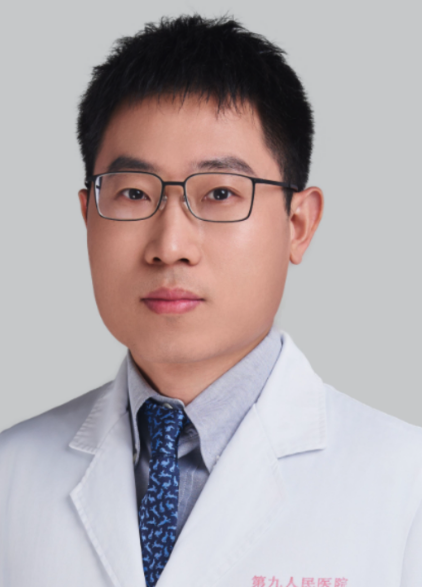 Zanjing Zhai (翟赞京)合作论文数Department of Orthopaedic Surgery, Shanghai Ninth People's Hospital, Shanghai Jiao Tong University School of Medicine25
 Zhenan Zhu (朱振安)合作论文数Shanghai Ninth People’s Hospital, Shanghai JiaoTong University School of Medicine21
 Yongyun Chang合作论文数19
 De-Gang Yu合作论文数19Keyu Kong合作论文数14Hua Qiao合作论文数11Yi Hu合作论文数10Xiao-Liang Liu合作论文数9
 Mengning Yan (严孟宁)合作论文数Shanghai Ninth People's Hospital, School of Medicine, Shanghai Jiao Tong University9Minghao Jin合作论文数8Yu-Wei Ge合作论文数8Runzhi Xia合作论文数7Liao Wang合作论文数These authors contributed equally to this work.7Yiming Zeng合作论文数6
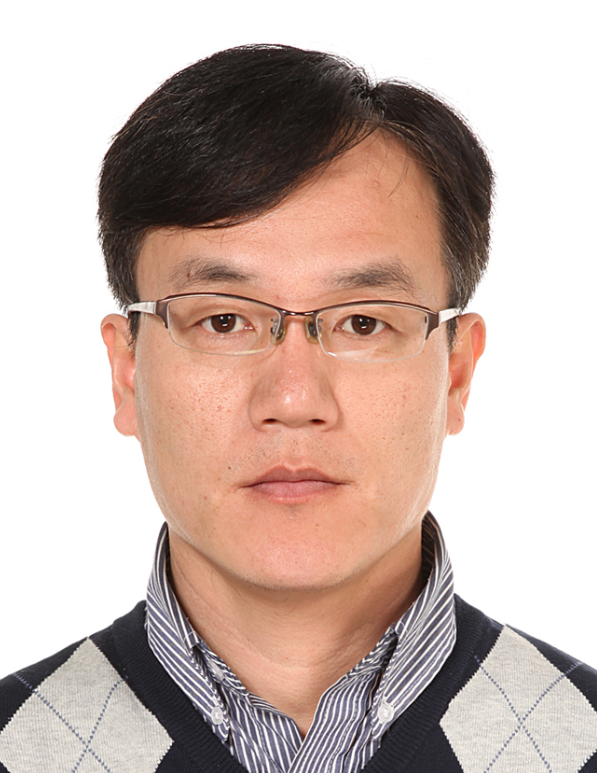 Qinglong An (安庆龙)合作论文数School of Mechanical Engineering, Shanghai Jiao Tong University6Zhicheng Tong合作论文数5Yuehao Hu合作论文数5
 Cheng-Kung Cheng (郑诚功)合作论文数School of Biomedical Engineering, Shanghai Jiao Tong University4
 Cunyi Fan (范存义)合作论文数Shanghai Sixth People's Hospital, School of Medicine, Shanghai Jiao Tong University;Graduate Affairs Office, Shanghai University of Medicine & Health Sciences4
 Ming Chen (陈明)合作论文数School of Mechanical Engineering, Shanghai Jiao Tong University4Sijia Guo合作论文数3Chen ZHAO合作论文数3Xinlin Jia合作论文数3Zhiqing Liu合作论文数3Hongfang Chen合作论文数3
 Hao Xiong合作论文数3Pu Zhang合作论文数3Jiping Zhang合作论文数3Zhenyu Sun合作论文数3Wenjun Liu合作论文数3Ya-ping GUO (郭亚平)合作论文数3
 Yun Qian (钱运)合作论文数3
 Jun Yanagimoto (柳本潤)合作论文数Department of Mechanical Engineering, Graduate School of Engineering, The University of Tokyo3
 Kai Feng (冯凯)合作论文数Welding and Laser Processing Institute, School of Materials Science and Engineering, Shanghai Jiao Tong University3
 Zongyuan Cai (蔡宗远)合作论文数School of Biomedical Engineering, Shanghai Jiao Tong University3
 Haowei Wang (王浩伟)合作论文数School of Materials Science and Engineering, Shanghai Jiao Tong University3Wei Wang合作论文数3Jiawei Xu合作论文数3Qinfei Ke合作论文数3Xunxun Zhang合作论文数2Xuzhuo Chen (陈旭卓)合作论文数2Mengda Jiang合作论文数2Kewei Rong合作论文数2ZHAI Zanjing (翟赞京)合作论文数2Yanchang Liu合作论文数2Hua Ying合作论文数2
 Zou Diyang (邹第洋)合作论文数Shanghai Ninth Peoples Hosp, Shanghai Jiao Tong Univ2




