BACKGROUND:CBL-514, a small-molecule injectable lipolysis agent that induces adipocyte apoptosis, demonstrated clinically meaningful reductions in abdominal subcutaneous fat by ultrasound in previous Phase 2 studies, with no observed necrosis or nerve injury. OBJECTIVES:To evaluate the efficacy and safety of CBL-514 for abdominal subcutaneous fat reduction using clinician-reported scale, patient-reported scale, and MRI assessments. METHODS:In this randomized, single-blind, placebo-controlled Phase 2b trial (NCT05736107), 108 adults with moderate (Grade 3) to severe (Grade 4) abdominal subcutaneous fat were randomized 1:1 to receive up to four CBL-514 (2 mg/cm2; ≤600 mg/treatment) or placebo treatments at 3-week intervals). Primary efficacy was the proportion of participants with ≥1-grade improvement on the Clinician-Reported Abdominal Fat Rating Scale (CR-AFRS) at 12-week follow-up. Secondary endpoints included Patient-Reported AFRS (PR-AFRS), MRI-assessed changes in abdominal fat volume and thickness, and safety. RESULTS:In the full analysis set, 76.7% (23/30) of CBL-514-treated participants achieved ≥1-grade CR-AFRS improvement versus 18.9% (7/37) with placebo (P<0.0001). PR-AFRS results were similar, with 76.7% (23/30) of CBL-514 participants achieving ≥1-grade improvement versus 19.4% (7/36) in placebo (P<0.0001). MRI demonstrated least squares (LS) mean abdominal fat volume reduction compared to baseline of -152.9 mL ± 17.75, with LS mean percent changes of -20.3%, both significantly greater than placebo (P<0.0001). Most responders demonstrated improvement on the CR-AFRS after 1-2 treatments. CBL-514 was well tolerated, with mainly mild, transient injection-site reactions. CONCLUSIONS:CBL-514 significantly reduced abdominal fat by patient- and clinician-reported outcomes and MRI, with a favorable safety profile supporting its potential as a minimally invasive option.
BACKGROUND:A vaccine that prevents Staphylococcus aureus skin and soft tissue infections (SA-SSTIs) would have a major impact on public health. METHODS:A two-part randomized study began with a phase 1, first-in-human, dose-escalation that tested the safety of the five-antigen S. aureus vaccine (SA5Ag), half or full antigen doses, unadjuvanted or with AS01E adjuvant, in 32 healthy volunteers aged 18-50 years. In the phase 2, proof-of-principle part, 194 participants aged 18-64 years with recent SA-SSTI were administered two full doses of AS01E-adjuvanted SA5Ag (SA5Ag-Adj) or placebo, 2 months apart, and followed for 12 months. Vaccine safety (primary objective), vaccine efficacy (VE; secondary/tertiary objectives), and immunogenicity (tertiary objectives) were evaluated. RESULTS:Following a positive safety evaluation in phase 1, participants were enrolled into phase 2 until predefined futility criteria were met at the interim efficacy analysis. Twelve months post-dose 2, SA5Ag-Adj showed no efficacy in preventing recurrent SA-SSTIs (VE: -38.1% [95% confidence interval -245.8, 40.9]), despite inducing robust functional immune responses against three (CP5, CP8, Hla) of the five vaccine antigens. Solicited local adverse events (AEs) were more frequent in the SA5Ag-Adj versus placebo group but were mostly mild or moderate in intensity. Frequencies of medically-attended AEs and serious AEs were similar across groups. CONCLUSIONS:In participants with recent history of SA-SSTI, SA5Ag-Adj vaccine had an acceptable safety profile, induced robust functional immune responses against CP5, CP8, and Hla antigens, but did not reduce the rate of recurrent SA-SSTIs at 12 months from last dose. CLINICAL TRIAL REGISTRATION:NCT04420221.
Importance:Currently, there are no standardized outcome domains or measures in clinical trials for facial aging. Heterogeneity in outcome domains and measurement instruments across clinical trials creates difficulty in directly comparing interventions, determining superior therapies, and developing high-quality meta-analyses. Objective:To develop a core outcome set (COS) of essential domains to be reported in clinical trials evaluating the efficacy of interventions for facial aging. Evidence Review:PubMed/Medline, Embase, Cochrane Central Register of Controlled Trials, and CINAHL were searched from September 2005 to September 2015. An updated search of the same databases was performed from September 2015 to February 2026. Studies were included if (1) they were randomized clinical trial or controlled clinical trial in design, (2) they assessed the efficacy or safety of an intervention for facial aging, (3) they were published in English, and (4) they involved human participants. Complementary sources, including patient interviews, were used to capture further relevant outcomes. Two rounds of Delphi surveys, followed by consensus meetings, were used to identify outcome domains considered most important by both patient and physician stakeholders. Findings:The final COS consists of 6 outcome domains: (1) overall convenience of treatment; (2) time to return to normal work and social activity; (3) overall assessment of focused area of treatment (at the point in time when treatment is expected to provide peak benefit); (4) duration of treatment effect; (5) severity of persistent local or systemic adverse events, including pigmentary change, skin texture change, delayed healing, scarring, and serious adverse events; and (6) patient satisfaction with treatment. Conclusions and Relevance:The 6 outcome domains identified through a Delphi consensus are recommended for reporting in future facial aging trials to ensure that outcomes that matter most to patients and clinicians are measured and that results are comparable across interventions.
BACKGROUND:A small-molecule injectable drug, CBL-514, has shown promising efficacy and safety for subcutaneous fat reduction. OBJECTIVES:To further evaluate the efficacy and safety of CBL-514 for abdominal subcutaneous fat reduction. METHODS:In this single-blind, randomized, parallel-group, placebo-controlled Phase 2 trial, 76 participants were randomized (2:1) to receive up to 4 CBL-514 treatments (2 mg/cm2, maximum 600 mg/treatment) or placebo, administered subcutaneously to the abdomen every 4 weeks. Two follow-up visits were conducted at 4 and 8 weeks following final treatment. Changes in abdominal subcutaneous fat thickness and volume were measured by ultrasound. The primary endpoint was the proportion of participants with subcutaneous fat volume loss of ≥150 mL from baseline compared with placebo. RESULTS:In the intention-to-treat population, a significantly higher proportion of CBL-514-treated participants achieved ≥150 mL subcutaneous fat volume reduction from baseline compared with placebo-treated participants at both follow-up visits. At 8 weeks post final treatment, 69.6% of CBL-514-treated participants lost ≥150 mL subcutaneous fat, compared with none in the placebo group (P < .001). Moreover, 60.9% of participants in the CBL-514 group further achieved the ≥200 mL subcutaneous fat loss threshold. Of the 28 participants in CBL-514 group (n = 50) who lost ≥150 mL subcutaneous fat, 42.9% (12/28 participants) achieved this target after a single treatment. The most common treatment-emergent adverse events were injection site reactions and were of mild-to-moderate severity. CONCLUSIONS:CBL-514 treatment significantly reduced abdominal subcutaneous fat volume with a favorable safety profile. As a noninvasive treatment, CBL-514 could be a new, promising alternative therapy for effective targeted subcutaneous fat reduction. LEVEL OF EVIDENCE: 2:
BACKGROUND:Current treatments for primary axillary hyperhidrosis are insufficient for some patients. Sofpironium topical gel is a retrometabolically-designed topical anticholinergic with rapid metabolism, which is associated with reduced side effects and targeted efficacy. OBJECTIVE:To assess efficacy and safety of sofpironium topical gel for primary axillary hyperhidrosis. METHODS:Cardigan I and Cardigan II were double-blind, randomized, controlled pivotal phase 3 studies of sofpironium topical gel, 12.45%, versus vehicle gel (1:1 randomization) for daily application to the axillae for 6 weeks. RESULTS:The combined Phase 3 studies included 353 subjects in the treatment groups and 348 subjects in the control groups. For the co-primary endpoint of ≥2-point improvement from baseline to end of treatment on Hyperhidrosis Disease Severity Measure-Axillary-7, pooled analyses showed significantly better results for treatment versus control (P < .0001). For the pooled co-primary endpoint of gravimetric sweat production at treatment end, the treatment group had greater reduction in sweat production (P = .0002). Secondary endpoints also showed a statistically significant benefit for sofpironium topical gel versus control. Treatment was well-tolerated. LIMITATIONS:Short treatment and follow-up periods. CONCLUSION:Sofpironium topical gel, 12.45%, applied topically once daily before bedtime is effective and well-tolerated for treatment of primary axillary hyperhidrosis in patients ≥9 years old.
Ruxolitinib cream was effective and well tolerated to 8 weeks in a phase 3 study of children 2–<12 years old (y/o) with atopic dermatitis (AD; TRuE-AD3 [NCT04921969]), consistent with data in adults/adolescents (TRuE-AD1/TRuE-AD2). Efficacy and safety of ruxolitinib cream in children 2–6 and 7–<12 y/o are reported. Patients 2–<12 y/o with AD for ≥3 months, Investigator's Global Assessment (IGA) 2/3, and 3%–20% affected body surface area were randomized (2:2:1) to twice-daily ruxolitinib cream (0.75%/1.5%) or vehicle for 8 weeks. Of 330 patients, 167 were 2–6 y/o and 163 were 7–<12 y/o. At Week 8, more patients applying 0.75%/1.5% ruxolitinib cream vs vehicle achieved IGA treatment success (0/1 with ≥2-grade improvement from baseline): 2–6 y/o (35.3% [24/68]/60.6% [40/66] vs 15.2% [5/33], respectively; P=0.054/P<0.0001) and 7–<12 y/o (37.9% [25/66]/52.3% [34/65] vs 6.3% [2/32]; P<0.01/P<0.0001). Treatment-emergent adverse events (AEs) occurred in 32.4%/36.4% vs 36.4% of patients 2–6 y/o and 19.7%/37.5% vs 18.8% of those 7–<12 y/o; treatment-related AEs occurred in 5.9%/7.6% vs 3.0% of patients 2–6 y/o and 4.5%/3.1% vs 3.1% of those 7–<12 y/o; no patient had a serious or fatal AE. Two patients applying ruxolitinib cream discontinued treatment because of an AE (2–6 y/o, 0.75%, application site pain; 7–<12 y/o, 1.5%, worsening AD). Efficacy and safety of ruxolitinib cream in children 2–6 and 7–<12 y/o were similar to each other and data reported in adults/adolescents. Ruxolitinib cream was well tolerated in children with AD.
Importance Cendakimab selectively targets interleukin (IL)-13, a type 2 cytokine implicated in atopic dermatitis (AD) pathogenesis, by inhibiting binding to its receptors (IL13R-alpha 1 and IL13R-alpha 2). Proof-of-concept work in AD supports using cendakimab for type 2 inflammatory diseases. Objective To evaluate the efficacy and safety of cendakimab compared with placebo in patients with moderate to severe AD. Design, Setting, and Participants This phase 2, randomized, double-blind, placebo-controlled, parallel-group, dose-ranging clinical trial was conducted from May 2021 to November 2022. Adult patients with moderate to severe AD and inadequate response to topical medications were enrolled at 69 sites in 5 countries (US [n = 26], Japan [n = 17], Canada [n = 9], Poland [n = 9], and Czech Republic [n = 8]). Data were analyzed between April 25, 2023, and October 16, 2023. Interventions Patients were randomized (1:1:1:1) to receive subcutaneous cendakimab, 360 mg, every 2 weeks; 720 mg, every 2 weeks; 720 mg, once weekly; or placebo. Main Outcome and Measure Mean percentage change in Eczema Area and Severity Index scores from baseline to week 16. Hierarchical testing with multiplicity adjustment was performed for 720 mg, once weekly vs placebo, then 720 mg, every 2 weeks vs placebo, and then 360 mg, every 2 weeks vs placebo. Results Overall, 221 patients were randomized, and 220 received study drug (95 women [43%]; mean [SD] age, 37.7 [13.9] years; 720 mg, once weekly [54 (24%)]; 720 mg, every 2 weeks [55 (25%)]; 360 mg, every 2 weeks [55 (25%)]; placebo [56 (26%)]). The primary efficacy end point was met for cendakimab, 720 mg, once weekly vs placebo (-84.4 vs -62.7; P = .003) but missed statistical significance for 720 mg, every 2 weeks (-76.0 vs -62.7; P = .06). The treatment effect for 360 mg, every 2 weeks (-16.3; nominal P = .03 vs placebo) was comparable with 720 mg, once weekly (-21.8); however, significance was not claimed because the hierarchical testing sequence was interrupted. Of patients with treatment-emergent adverse events leading to discontinuation, 4 (7.4%) received 720 mg, once weekly; 2 (3.6%) 720 mg, every 2 weeks; 1 (1.8%) 360 mg, every 2 weeks; and 2 (3.6%) placebo. Conclusions and Relevance The results of this randomized clinical trial indicated that cendakimab was effective, generally safe, and well-tolerated in patients with moderate to severe AD. The primary end point was met with a significant reduction in Eczema Area and Severity Index scores with 720 mg, once weekly at week 16. Cendakimab demonstrated progressive AD improvement at all doses during 16 weeks of treatment. Trial Registration ClinicalTrials.gov Identifier: NCT04800315
Background: AD negatively impacts quality-of-life of affected children. Ruxolitinib cream was effective and well tolerated over 8 weeks in a phase 3 study of pediatric patients with AD (TRuE-AD3 [NCT04921969]), consistent with adult/adolescent data (TRuE-AD1/TRuE-AD2). We evaluated ruxolitinib cream's impact on pediatric quality-of-life, including itch and sleep.
This Phase III, double-blind study (NCT04247074) evaluated efficacy and safety of a new, complex-free, ready-to-use, liquid neuromodulator, relabotulinumtoxinA (relaBoNT-A), with high BoNT-A activity, for treatment of glabellar (GLs) and lateral canthal lines (LCLs) alone or in combination (GLs+LCLs). There were four treatment arms, randomized 2:2:2:1: relaBoNT-A 50U GLs + placebo LCLs (n=113), placebo GLs + relaBoNT-A 60U LCLs (n=126), relaBoNT-A 50U GLs + 60U LCLs (n=115), or placebo GLs + placebo LCLs (n=59). The co-primary endpoints, Month-1 composite ≥2-grade responder rates in GLs and LCLs, respectively, were significantly higher with relaBoNT-A than placebo (P<0.001), both after single-area treatment (71% GLs; 45% LCLs) and combination treatment (72% GLs; 55% LCLs). Month-1 investigator-reported rates of none-or-mild severity were high for GLs treated alone or GL+LCL-treatment (94–96%) vs placebo (2%, P<0.001) and LCLs treated alone or LCL+GL-treatment (79–84%) vs placebo (20%; P<0.001). Median time to return to baseline severity, on both investigator- and subject-assessed scales concurrently, was 24 weeks (LCLs) and 25 weeks (GLs) after single-area treatment, and 25 weeks (LCLs) and 27 weeks (GLs) after combined area-treatment. Subject satisfaction with treatment outcome was high (86% for GLs; 68% for LCLs; 84–91% for GLs+LCLs) at Month 1. Treatment-related AEs occurred in 4–9% of relaBoNT-A-treated subjects (vs 5% placebo), the most common being injection-site bruising and headache. RelaBoNT-A demonstrated significant efficacy vs placebo, high subject satisfaction, and a favorable safety profile during treatment of GLs or LCLs alone, or GLs+LCLs in combination. Median return to baseline severity was ∼6 months.
BACKGROUND AbobotulinumtoxinA has become well established as a treatment option for moderate to severe glabellar lines since its first aesthetic approval in 2009. OBJECTIVE Pivotal trials leading to regulatory approval showed that abobotulinumtoxinA treatment was associated with high responder rates when defined as achievement of none or mild glabellar lines (0 or 1 on the glabellar line severity scale) and a duration of action of up to 5 months. More recently, the goals for treatment of glabellar lines have shifted toward not only achieving a decrease in glabellar line severity but also ensuring that patients are satisfied with their experience. MATERIALS AND METHODS Patients seek an improvement in the appearance of their glabellar lines while maintaining a “natural look,” fast onset of effect, and long duration of response. RESULTS Trial designs have evolved to meet these new targets, including expanding the definition of responders to those having at least 1-grade improvement in the glabellar line severity scale score from baseline coupled with the use of subject satisfaction and psychological well-being questionnaires. CONCLUSION The findings demonstrate that abobotulinumtoxinA remains a well-tolerated and consistently effective treatment option associated with a rapid onset of effect, duration of efficacy lasting up to 6 months, and high, long-lasting levels of patient satisfaction.
Background:. Collagen-rich fibrous septae and subcutaneous adipose protrusions play a role in cellulite pathophysiology. Collagenase clostridium histolyticum-aaes (CCH-aaes) injection causes enzymatic release of septae to resolve cellulite depressions and create a skin smoothing effect. This analysis pooled data from two identically designed, phase-3, randomized, double-blind, placebo-controlled studies to examine the efficacy and safety of CCH-aaes. Methods:. Adult women with moderate/severe cellulite (3–4 on Clinician Reported Photonumeric Cellulite Severity Scale and Patient Reported Photonumeric Cellulite Severity Scale) on the buttocks received up to three treatment sessions (Days 1, 22, and 43) of subcutaneous CCH-aaes 0.84 mg or placebo per treatment area. Composite and individual component response (≥2-level or ≥1-level improvement from baseline in Patient Reported Photonumeric Cellulite Severity Scale and/or Clinician Reported Photonumeric Cellulite Severity Scale) and additional patient-reported outcomes were determined at Day 71. Results:. Analysis included 424 CCH-aaes−treated and 419 placebo-treated women. CCH-aaes−treated women were 5.9 times more likely than placebo-treated women to be ≥2-level composite responders at Day 71 (odds ratio [95% confidence interval], 5.9 [2.2–15.4]; P < 0.001). A significantly greater percentage of CCH-aaes−treated women versus placebo-treated women were ≥1-level composite responders at Day 71 (39.4% versus 14.6%; P < 0.001). Subgroup analyses indicated no apparent impact of Fitzpatrick skin type category and baseline cellulite severity (moderate/severe) on CCH-aaes efficacy. An inverse relationship between age and CCH-aaes response was observed in those with a body mass index less than 32 kg per m2. The most common adverse events with CCH-aaes were injection-site bruising and injection-site pain. Conclusion:. CCH-aaes treatment significantly improved moderate-to-severe buttock cellulite appearance and was generally well tolerated.
Background: Crisaborole ointment, 2%, is a nonsteroidal anti-inflammatory phosphodiesterase 4 inhibitor for treatment of mild-to-moderate atopic dermatitis (AD). This post hoc analysis of the phase 4, open-label, single-arm, 28-day study CrisADe CARE 1 (NCT03356977) examined the efficacy and safety of crisaborole by body region in infants.
Objective:To compare the safety and efficacy of a novel hyaluronic acid injectable gel with 0.3% lidocaine (test device) with that of a commercially available injectable hyaluronic acid gel with 0.3% lidocaine (comparator) for lip augmentation. Methods: Eligible patients (n = 158) with an overall score of very thin (n = 0) or thin (n = 1) on a 5-point Lip Fullness Grading Scale (LFGS) participated in the double-blind, randomized, multicenter study. Efficacy was assessed periodically over 6 months on a per protocol (PP) population (definitive) and a modified intent-to-treat (mITT) population (supportive). Results: In the PP population, the mean change from baseline (day 56) in LFGS score was 1.52 for the test device and 1.53 for the comparator. This 56-day change was the primary efficacy endpoint. The 95% confidence interval (CI) limits for the mean difference in scores (test device minus comparator) were -0.33 and 0.31. In the mITT population, the corresponding 95% CI limits were -0.26 and 0.31. In both populations, the lower limits, -0.33 and -0.26, were higher than the prespecified -0.50, indicating that the test device was non -inferior to comparator. The adverse event profile was similar between the treatment groups. Ninety-three percent of patients treated with test device considered themselves improved, much improved, or very much improved at day 168 compared to 82% of those treated with comparator. The corresponding investigator improvement ratings were 100% and 76%, respectively. Conclusion: For lip augmentation, the efficacy and safety of the test device is non -inferior to comparator.
Purpose: The 50U dose of abobotulinumtoxinA (ABO) is approved for glabellar line (GL) treatment. Here we present efficacy, subject satisfaction, and safety results from 3 recent clinical trials using this dose, with a focus on ≥1-grade glabellar line improvement and subject satisfaction, reflecting clinical outcomes of significance for the subjects.
 Sue Ellen Cox合作论文数10
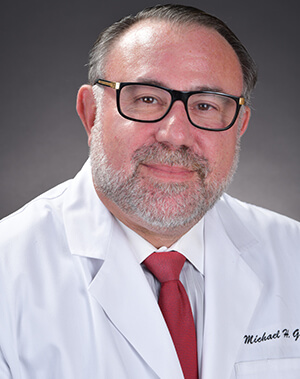 Michael H. Gold合作论文数School of Nursing, Vanderbilt University ;Gold Skin Care Center;Advanced Aesthetics Medical Spa;The Laser & Rejuvenation Center;Tennessee Clinical Research Center9
 Joseph John合作论文数8
 Jeffrey Dover合作论文数7
 Stacy R Smith合作论文数7
 Joel L Cohen合作论文数6Julie S. Shepard合作论文数5Joely Kaufman-Janette合作论文数5
 Daniel I Schlessinger合作论文数Div Dermatol, Washington Univ5Lupo Mary P合作论文数5
 Leslie Baumann合作论文数Cosmetic Dermatology Center, University of Miami;Baumann Cosmetic and Research Institute5
 Andrew Blauvelt合作论文数Blauvelt Consulting, LLC5
 Lawrence Eichenfield合作论文数Department of Dermatology, Rady Children's Hospital-San Diego;University of California, San Diego5
 David McDaniel合作论文数5Mark Lupin合作论文数4John L. Werth合作论文数4Chuanbo Zang合作论文数4Xiaoming Lin合作论文数4Liza Takiya合作论文数4
 Mitchel P. Goldman合作论文数Cosmetic Laser Dermatology4
 Robert Arnold Weiss合作论文数Maryland Laser, Skin & Vein Institute;School of Medicine, University of Maryland4Nestor Mark S合作论文数4Moradi Amir合作论文数4
 Zoe Diana Draelos合作论文数Dermatology Consulting Services, PLLC4Shamban Ava合作论文数4Vince Bertucci合作论文数Department of Medicine, Temerty Faculty of Medicine, University of Toronto4Jacob Carolyn合作论文数4
 Steven Dayan合作论文数4
 Joel L. Cohen合作论文数Department of Dermatology, University of California, Irvine;AboutSkin Dermatology and DermSurgery4
 Eric Simpson合作论文数Department of Dermatology, School of Medicine, Oregon Health & Science University4
 Charles Lynde合作论文数Lynde Institute for Dermatology & Lynderm Research Inc.;Department of Medicine, University of Toronto4Steven Kempers合作论文数4Dee Anna Glaser合作论文数4John C. Su合作论文数3Rosalyn George合作论文数3Esther Estes合作论文数3Amy Cha合作论文数3Inna Prygova合作论文数3Bonnie Vlahos合作论文数3
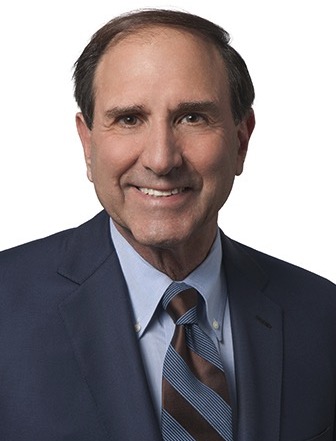 Gary D. Monheit合作论文数Department of Dermatology, University of Alabama at Birmingham;Department of Ophthalmology, University of Alabama at Birmingham3
 Richard G. Glogau合作论文数Department of Dermatology, University of California San Francisco3Nyirady Judit合作论文数3Lorenc Z Paul合作论文数3
 Andrea Zaenglein合作论文数3Stein Gold Linda合作论文数Mount Sinai School of Medicine;Mount Sinai School of Medicine3
 Corey S Maas合作论文数3
 Susan Weinkle合作论文数3Downie Jeanine B合作论文数3Tan Jerry K L合作论文数3




