Differentiation of induced pluripotent stem cells (iPSCs) into specialized cell types is essential for uncovering cell-type specific molecular mechanisms and interrogating cellular function. Transcription factor screens have enabled efficient production of a few cell types; however, engineering cell types that require complex transcription factor combinations remains challenging. Here, we report an iterative, high-throughput single-cell transcription factor screening method that enables the identification of transcription factor combinations for specialized cell differentiation, which we validated by differentiating human microglia-like cells. We found that the expression of six transcription factors, SPI1, CEBPA, FLI1, MEF2C, CEBPB, and IRF8, is sufficient to differentiate human iPSC into cells with transcriptional and functional similarity to primary human microglia within 4 days. Through this screening method, we also describe a novel computational method allowing the exploration of single-cell RNA sequencing data derived from transcription factor perturbation assays to construct causal gene regulatory networks for future cell fate engineering.
Engineering the genetic code restricts DNA transfer (cellular bioisolation) and enables new chemistries via non-standard amino acid incorporation. These distinct properties make recoded cells state-of-the-art safe technologies. However, evolutionary pressures may endanger the longevity of the recoding. Here, we reveal that recoded Escherichia coli lacking 18,214 serine codons and two tRNASer can express wild-type antibiotic resistance genes and escape up to seven orders of magnitude faster than expected. We show a two-step escape process whereby recoded cells mistranslate antibiotic resistance genes to survive until modified or mutated tRNAs reintroduce serine into unassigned codons. We developed genetic-code-sensitive kill switches that sense serine incorporation and prevent cellular escape while preserving encoding of three distinct non-standard amino acids. This work lays the foundation for the long-term controlled function of cells that incorporate new chemistries, with implications for the design, use, and biosafety of synthetic genomes in clinical and environmental applications where physical containment is insufficient. ### Competing Interest Statement A.C-P., F.R., and G.M.C. are listed as inventors of a provisional patent application filed through Harvard Medical School. Q.Z. and W.F. are employees at GenScript U.S.A. Inc.. GenScript U.S.A. Inc., Q.Z., and W.F. synthesized all new plasmids and did not design or execute experiments for this project. G.M.C. is a founder of companies with related financial interests: GRO Biosciences, EnEvolv (Ginkgo Bioworks), Pearl Bio. Other relevant financial interests of G.M.C. are listed at .
The ability to differentiate stem cells into human cell types is essential to define basic mechanisms and therapeutics, especially for cell types not routinely accessible by biopsies. But while engineered expression of transcription factors (TFs) identified through TF screens has been found to rapidly and efficiently produce some cell types, generation of other cell types that require complex combinations of TFs has been elusive. Here we develop an iterative, pooled single-cell TF screening method that improves the identification of effective TF combinations using the generation of human microglia-like cells as a testbed: Two iterations identified a combination of SPI1, CEBPA, FLI1, MEF2C, CEBPB, and IRF8 as sufficient to differentiate human iPSC into microglia-like cells in 4 days. Characterization of TF-induced microglia demonstrated molecular and functional similarity to primary microglia. We explore the use of single-cell atlas reference datasets to confirm identified TFs and how combining single-cell TF perturbation and gene expression data can enable the construction of causal gene regulatory networks. We describe what will be needed to fashion these methods into a generalized integrated pipeline, further ideas for enhancement, and possible applications.
By integrating ongoing bioethical collaboration, neuroscientists can create a positive effect on their research and the knowledge it produces. To this end, we offer our experiences with an interdisciplinary model for the ethical advancement of a promising area of neuroscience — human neural organoid research.
Efficient genome editing methods are essential for biotechnology and fundamental research. Homologous recombination (HR) is the most versatile method of genome editing, but techniques that rely on host RecA-mediated pathways are inefficient and laborious. Phage-encoded single-stranded DNA annealing proteins (SSAPs) improve HR 1,000-fold above endogenous levels. However, they are not broadly functional. Using Escherichia coli, Lactococcus lactis, Mycobacterium smegmatis, Lactobacillus rhamnosus and Caulobacter crescentus, we investigated the limited portability of SSAPs. We find that these proteins specifically recognize the C-terminal tail of the host's single-stranded DNA-binding protein (SSB) and are portable between species only if compatibility with this host domain is maintained. Furthermore, we find that co-expressing SSAPs with SSBs can significantly improve genome editing efficiency, in some species enabling SSAP functionality even without host compatibility. Finally, we find that high-efficiency HR far surpasses the mutational capacity of commonly used random mutagenesis methods, generating exceptional phenotypes that are inaccessible through sequential nucleotide conversions.
We present barcoded oligonucleotides ligated on RNA amplified for multiplexed and parallel insitu analyses (BOLORAMIS), a reverse transcription-free method for spatially-resolved, targeted, in situ RNA identification of single or multiple targets. BOLORAMIS was demonstrated on a range of cell types and human cerebral organoids. Singleplex experiments to detect coding and non-coding RNAs in human iPSCs showed a stem-cell signature pattern. Specificity of BOLORAMIS was found to be 92% as illustrated by a clear distinction between human and mouse housekeeping genes in a co-culture system, as well as by recapitulation of subcellular localization of lncRNA MALAT1. Sensitivity of BOLORAMIS was quantified by comparing with single molecule FISH experiments and found to be 11%, 12% and 35% for GAPDH, TFRC and POLR2A, respectively. To demonstrate BOLORAMIS for multiplexed gene analysis, we targeted 96 mRNAs within a co-culture of iNGN neurons and HMC3 human microglial cells. We used fluorescence in situ sequencing to detect error-robust 8-base barcodes associated with each of these genes. We then used this data to uncover the spatial relationship among cells and transcripts by performing single-cell clustering and gene-gene proximity analyses. We anticipate the BOLORAMIS technology for in situ RNA detection to find applications in basic and translational research.
Haplotype-resolved or phased genome assembly provides a complete picture of genomes and their complex genetic variations. However, current algorithms for phased assembly either do not generate chromosome-scale phasing or require pedigree information, which limits their application. We present a method named diploid assembly (DipAsm) that uses long, accurate reads and long-range conformation data for single individuals to generate a chromosome-scale phased assembly within 1 day. Applied to four public human genomes, PGP1, HG002, NA12878 and HG00733, DipAsm produced haplotype-resolved assemblies with minimum contig length needed to cover 50% of the known genome (NG50) up to 25 Mb and phased ~99.5% of heterozygous sites at 98–99% accuracy, outperforming other approaches in terms of both contiguity and phasing completeness. We demonstrate the importance of chromosome-scale phased assemblies for the discovery of structural variants (SVs), including thousands of new transposon insertions, and of highly polymorphic and medically important regions such as the human leukocyte antigen (HLA) and killer cell immunoglobulin-like receptor (KIR) regions. DipAsm will facilitate high-quality precision medicine and studies of individual haplotype variation and population diversity.
Bacterial genome editing methods are used to engineer strains for biotechnology and fundamental research. Homologous recombination (HR) is the most versatile method of genome editing, but traditional techniques using endogenous RecA-mediated pathways are inefficient and laborious. Phage encoded RecT proteins can improve HR over 1000-fold, but these proteins have limited portability between species. Using Escherichia coli , Lactococcus lactis, Mycobacterium smegmatis, Lactobacillus rhamnosus , and Caulobacter crescentus we investigated the hostlimited functionality of RecTs. We find that these proteins specifically recognize the 7 C-terminal amino acids of the bacterial single-stranded DNA-binding protein (SSB), and are portable between species only if compatibility with this host domain is maintained. Furthermore, in some species, we find that co-expressing otherwise incompatible RecTs with a paired bacterial SSB is sufficient to establish functionality. Finally, we demonstrate that high-efficiency HR surpasses the mutational capacity of more widely used error-prone methods for genome diversification, and can be used to identify exceptional phenotypes inaccessible through sequential nucleotide conversions.
Motivation Reconstructing high-quality haplotype-resolved assemblies for related individuals of various species has important applications in understanding Mendelian diseases along with evolutionary and comparative genomics. Through major genomics sequencing efforts such as the Personal Genome Project, the Vertebrate Genome Project (VGP), the Earth Biogenome Project (EBP) and the Genome in a Bottle project (GIAB), a variety of sequencing datasets from mother-father-child trios of various diploid species are becoming available. Current trio assembly approaches are not designed to incorporate long-read sequencing data from parents in a trio, and therefore require relatively high coverages of costly long-read data to produce high-quality assemblies. Thus, building a trio-aware assembler capable of producing accurate and chromosomal-scale diploid genomes in a pedigree, while being cost-effective in terms of sequencing costs, is a pressing need of the genomics community. Results We present a novel pedigree-graph-based approach to diploid assembly using accurate Illumina data and long-read Pacific Biosciences (PacBio) data from all related individuals, thereby generalizing our previous work on single individuals. We demonstrate the effectiveness of our pedigree approach on a simulated trio of pseudo-diploid yeast genomes with different heterozygosity rates, and real data from Arabidopsis Thaliana . We show that we require as little as 30× coverage Illumina data and 15× PacBio data from each individual in a trio to generate chromosomal-scale phased assemblies. Additionally, we show that we can detect and phase variants from generated phased assemblies. Availability https://github.com/shilpagarg/WHdenovo Contact shilpa_garg@hms.harvard.edu , gchurch@genetics.med.harvard.edu
In 2013, George Church and his colleagues at Harvard University [2] in Cambridge, Massachusetts published "RNA-Guided Human Genome Engineering via Cas 9," in which they detailed their use of RNA-guided Cas 9 to genetically modify genes [3] in human cells. Researchers use RNA-guided Cas 9 technology to modify the genetic information of organisms, DNA, by targeting specific sequences of DNA and subsequently replacing those targeted sequences with different DNA sequences. Church and his team used RNA-guided Cas 9 technology to edit the genetic information in human cells. Church and his colleagues also created a database that identified 190,000 unique guide RNAs for targeting almost half of the human genome [4] that codes for proteins. In "RNA-Guided Human Genome Engineering via Cas 9," the authors demonstrated that RNA-guided Cas 9 was a robust and simple tool for genetic engineering, which has enabled scientists to more easily manipulate genomes for the study of biological processes and genetic diseases.
To maintain stereospecific biochemistry in cells, living organisms have evolved mechanisms to exclude D-amino acids ( D AA) in their protein synthesis machinery, which also limits our exploration of the realm of mirror-image molecules. Here, we show that high affinity between EF-Tu and aminoacyl-tRNA promotes D-amino acid incorporation. More strikingly, Elongation Factor P efficiently resolves peptidyl transferase stalling between two consecutive D-amino acids, and hence enables the translation of D-peptides.
Prioritized coding reversion categories. (XLSX 36Â kb)
List of top six mutations used to create C321.DA.opt. (XLSX 36Â kb)
We present a method for identifying genomic modifications that optimize a complex phenotype through multiplex genome engineering and predictive modeling. We apply our method to identify six single nucleotide mutations that recover 59% of the fitness defect exhibited by the 63-codon E. coli strain C321.∆A. By introducing targeted combinations of changes in multiplex we generate rich genotypic and phenotypic diversity and characterize clones using whole-genome sequencing and doubling time measurements. Regularized multivariate linear regression accurately quantifies individual allelic effects and overcomes bias from hitchhiking mutations and context-dependence of genome editing efficiency that would confound other strategies.
The "14-day rule" for embryo research stipulates that experiments with intact human embryos must not allow them to develop beyond 14 days or the appearance of the primitive streak. However, recent experiments showing that suitably cultured human pluripotent stem cells can self organize and recapitulate embryonic features have highlighted difficulties with the 14-day rule and led to calls for its reassessment. Here we argue that these and related experiments raise more foundational issues that cannot be fixed by adjusting the 14-day rule, because the framework underlying the rule cannot adequately describe the ways by which synthetic human entities with embryo-like features (SHEEFs) might develop morally concerning features through altered forms of development. We propose that limits on research with SHEEFs be based as directly as possible on the generation of such features, and recommend that the research and bioethics communities lead a wide-ranging inquiry aimed at mapping out solutions to the ethical problems raised by them.
Nature Communications 7: Article number: 13330 (2016); Published 2 November 2016; Updated 9 October 2017. The original version of this Article contained an error in the email address of the corresponding author George Church. The correct email is gchurch@genetics.med.harvard.edu. The error has been corrected in the HTML and PDF versions of the Article.
The large potential of radically recoded organisms (RROs) in medicine and industry depends on improved technologies for efficient assembly and testing of recoded genomes for biosafety and functionality. Here we describe a next generation platform for conjugative assembly genome engineering, termed CAGE 2.0, that enables the scarless integration of large synthetically recoded E. coli segments at isogenic and adjacent genomic loci. A stable tdk dual selective marker is employed to facilitate cyclical assembly and removal of attachment sites used for targeted segment delivery by sitespecific recombination. Bypassing the need for vector transformation harnesses the multi Mb capacity of CAGE, while minimizing artifacts associated with RecA-mediated homologous recombination. Our method expands the genome engineering toolkit for radical modification across many organisms and recombinase-mediated cassette exchange (RMCE).
Precise genetic modifications are essential for biomedical research and gene therapy. Yet, traditional homology-directed genome editing is limited by the requirements for DNA cleavage, donor DNA template and the endogenous DNA break-repair machinery. Here we present programmable cytidine deaminases that enable site-specific cytidine to thymidine (C-to-T) genomic edits without the need for DNA cleavage. Our targeted deaminases are efficient and specific in Escherichia coli , converting a genomic C-to-T with 13% efficiency and 95% accuracy. Edited cells do not harbor unintended genomic abnormalities. These novel enzymes also function in human cells, leading to a site-specific C-to-T transition in 2.5% of cells with reduced toxicity compared with zinc-finger nucleases. Targeted deaminases therefore represent a platform for safer and effective genome editing in prokaryotes and eukaryotes, especially in systems where DSBs are toxic, such as human stem cells and repetitive elements targeting.
Precise editing is essential for biomedical research and gene therapy. Yet, homology-directed genome modification is limited by the requirements for genomic lesions, homology donors and the endogenous DNA repair machinery. Here we engineered programmable cytidine deaminases and test if we could introduce site-specific cytidine to thymidine transitions in the absence of targeted genomic lesions. Our programmable deaminases effectively convert specific cytidines to thymidines with 13% efficiency in Escherichia coli and 2.5% in human cells. However, off-target deaminations were detected more than 150 bp away from the target site. Moreover, whole genome sequencing revealed that edited bacterial cells did not harbour chromosomal abnormalities but demonstrated elevated global cytidine deamination at deaminase intrinsic binding sites. Therefore programmable deaminases represent a promising genome editing tool in prokaryotes and eukaryotes. Future engineering is required to overcome the processivity and the intrinsic DNA binding affinity of deaminases for safer therapeutic applications.
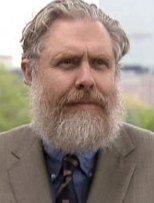 George M. Church合作论文数Department of Genetics, Harvard Medical School;Integra TX;SniprBiome;TierraBio58
 Luhan Yang合作论文数QihanBio13
 Prashant Mali合作论文数The Mali Lab, Shu Chien-Gene Lay Department of Bioengineering, Jacobs School of Engineering, University of California, San Diego13
 Marc Güell合作论文数Harvard Univ, Sch Med, Dept Genet, Boston, MA 02115 USA11
 Kun Zhang合作论文数Department of Bioengineering, Jacobs School of Engineering, University of California, San Diego;Institute of Engineering in Medicine, University of California, San Diego;Altos Labs;Singlera Genomics9
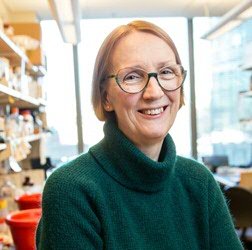 Jeantine E Lunshof合作论文数Department of Clinical Genetics & Human Genetics, VU University Medical Center8
 Daniel B. Goodman合作论文数Microbiol & Immunol, Univ Calif San Francisco7
 Julie E Norville合作论文数Department of Genetics, Harvard Medical School6
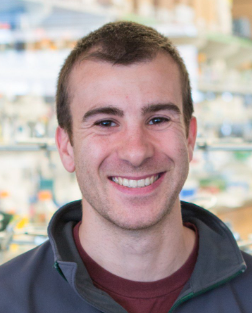 Marc Lajoie合作论文数Outpace Bio6
 Jin Billy Li合作论文数Department of Genetics, School of Medicine, Stanford University6
 Kevin M Esvelt合作论文数Media Lab, School of Architecture and Planning, Massachusetts Institute of Technology5
 Gabriel Filsinger合作论文数5
 Rios Xavier合作论文数5Joyce L. Yang合作论文数Li Ka-Shing Center for Biomedical and Health Sciences, University of California5Je-Hyuk Lee合作论文数Plant Resources Research Institute, Duksung Women’s University5
 Abraham Rosenbaum合作论文数4
 Je H Lee合作论文数Cold Spring Harbor Lab, 1 Bungtown Rd, Cold Spring Harbor, NY 11724 USA4Yuan Gao (高源)合作论文数4
 Emal Lesha合作论文数Brigham and Women's Hospital, Harvard Medical School4
 Alexander Wait Zaranek合作论文数Harvard University4
 Jenny Tam合作论文数4
 Adrian W. Briggs合作论文数Max Planck Institute for Evolutionary Anthropology, Deutscher Platz 6, D-04103 Leipzig, Germany4
 Bin Xie合作论文数4Christopher Gregg合作论文数4Daniel B. Vorhaus合作论文数3Jonathan Scheiman合作论文数3Venkataramanan Soundararajan合作论文数3
 Yinan Kan合作论文数eGenesis Inc, Cambridge, MA USA3
 Songlei Liu合作论文数Wyss Institute for Biologically Inspired Engineering, Harvard University3Martin Steffen合作论文数Department of Pathology and Laboratory Medicine, Boston University School of Medicine3
 Misha Angrist合作论文数Social Science Research Institute, Duke University/Duke Science & Society3Thakuria Joseph V合作论文数Department of Genetics, Harvard Medical School3
 Jason Bobe合作论文数PersonalGenomes.org;PersonalGenomes.org3
 Kohman Richie E合作论文数Institute for Genomic Biology, University of Illinois at Urbana-Champaign3
 Eswar Iyer合作论文数Department of Molecular and Microbiology, George Mason University3Grishin Dennis合作论文数Department of Genetics, Harvard Medical School3
 Jungki Yoon合作论文数3
 Landon Matthieu合作论文数Massachusetts General Hospital, Harvard Medical School3
 Feng Zhang (张锋)合作论文数McGovern Institute for Brain Research, Massachusetts Institute of Technology;Departments of Brain and Cognitive Sciences, Massachusetts Institute of Technology;Departments of Biological Engineering, Massachusetts Institute of Technology;Broad Institute, Massachusetts Institute of Technology;Howard Hughes Medical Institute3
 David Benjamin Turitz Cox合作论文数Department of Genetics, Stanford University School of Medicine3
 Susan M Byrne合作论文数3Tom Ferrante合作论文数Wyss Institute, Harvard University3Li Zhe合作论文数3
 Robasky Kimberly合作论文数Harvard University, Boston University3
 Kuznetsov Gleb合作论文数3Khoshakhlagh Parastoo合作论文数3Chew W L合作论文数3
 Nadin Rohland合作论文数David Reich Lab, Department of Genetics, Harvard Medical School3Liangcai Gu合作论文数3




