OBJECTIVES:The concept of pharmacokinetic volume of distribution (Vd) was first described > 90 years ago. Vd can provide a quantitative estimate of drug distribution to a hypothetical 'peripheral' space outside the blood or plasma (the measurement site), assuming concentration equality between blood and the peripheral space. KEY FINDINGS:After single intravenous doses, calculation of Vd by the area method [Vd(area), also termed Vz or Vß] is the most stable and valid approach, since Vd(area) reflects drug distribution at all times after distribution equilibrium is attained, and depends only on observed properties of drug behaviour. In contrast, Vd by the steady-state method [Vd(ss)] is applicable only at a single time point, underestimates the actual extent of drug distribution, and is dependent on 'invisible' hypothetical rate constants. The notion that 'Vd(area) depends on elimination' is incorrect. Rather, Vd(area) and clearance-variables independent of each other-separately determine elimination half-life (T½), which is a dependent variable. T½ is an important property of drugs used in clinical practice, and can be altered-via changes in Vd(area) without changes in clearance-by factors such as obesity, age, and gender. CONCLUSIONS:Vd (area) is the most appropriate metric reflecting in vivo drug distribution.
OBJECTIVE:Psychiatric treatment research has too frequently neglected anger. "Anger management" is widely used to tamp anger down. Yet understanding and expressing anger often have clinical and interpersonal value. Few data address anger in the context of treating patients with posttraumatic stress disorder (PTSD). The authors hypothesized the clinical utility of anger expression rather than suppression, particularly using interpersonal psychotherapy (IPT), which focuses on interpersonal handling of emotions. IPT effects on anger have barely been researched. METHODS:Secondary data analyses examined anger items from a randomized, 14-week trial of prolonged exposure (PE), IPT, and relaxation therapy (RT) for 110 unmedicated patients with PTSD (ClinicalTrials.gov: NCT00739765). Anger-related variables from the Clinician-Administered PTSD Scale (CAPS), Beck Depression Inventory-II (BDI-II), and Inventory of Interpersonal Problems (IIP) were analyzed with limited mixed-effects models. RESULTS:Anger decreased across treatments, with greater reductions in IPT compared with RT on CAPS anger when analyses controlled for overall PTSD improvement (p=0.035). The PE group × time interaction approached significance, suggesting less CAPS anger reduction over time for PE than for IPT. RT (vs. IPT) patients reported higher end-point BDI-II irritability (p=0.046) and less IIP reduction in anger-related interpersonal difficulties (p=0.017). Men had consistently higher CAPS anger scores than women (p=0.042). CONCLUSIONS:In this secondary data exploratory study lacking a primary anger scale, anger levels on several instruments improved across PTSD treatments with improvement in PTSD. The effect was greatest for IPT, which focuses on negative affect and its useful expression, and least for RT, which uses typical anger management techniques.
OBJECTIVE:The short-term psychological effects of war are well documented. Less is known about how sociodemographic factors shape symptom trajectories over longer periods. The authors aimed to examine how age, gender, and ethnicity may influence the persistence of mental health symptoms and betrayal perceptions of individuals living in Israel across 1 year of exposure to war. METHODS:A four-wave longitudinal study followed 1,052 Israeli civilians, ages 18-40, living in high-conflict areas. Assessments occurred at baseline (February 2024) and at 1-, 3-, and 12-month follow-ups. Anxiety, depression, posttraumatic stress disorder (PTSD), and a sense of institutional betrayal were measured. Linear mixed models were used to examine differences by age group, gender, and ethnicity as well as time trends across the study period. RESULTS:Younger adults, women, and ethnic minority participants had significantly higher anxiety, depression, PTSD, and betrayal scores compared with their counterparts during the study period, with no evidence of differential recovery trajectories (F=4.5-202.4, p=0.03 to p<0.001). After 1 year of follow-up, these disparities remained pronounced, with younger adults, women, and ethnic minority participants continuing to report higher levels of distress and betrayal. Anxiety and PTSD symptoms declined slightly over time; depressive symptoms remained stable. CONCLUSIONS:Sociodemographic variables-younger age, female gender, and ethnic minority status-predicted sustained psychological distress and rising perceptions of betrayal with prolonged war exposure. These findings underscore the need for demographically tailored interventions that address persistent psychological distress and structural inequities in care access during prolonged conflict.
Depression is highly prevalent in middle-aged women (MAW), but head-to-head comparisons of first-line interventions in this population are scarce. This systematic review and individual participant data (IPD) meta-analysis examined the comparative efficacy of antidepressant medication (ADM) and interpersonal psychotherapy (IPT) for MAW (aged 40–64) versus other adults (men and non-MAW) on depression, quality of life, and interpersonal problem measures. PubMed, PsycINFO, Embase, and the Cochrane Library were searched January 1, 2025 to identify randomized trials comparing ADM and IPT for adults with depression. IPD were requested and analyzed using mixed-effects models. IPD were obtained from 9 of the 15 (60
BACKGROUND:Research has linked war-related stressors like traumatic loss, forced displacement, and income disruption to acute mental health symptoms. Little is known about how symptoms evolve longitudinally during prolonged conflict. Extending our 90-day studies, we tracked clinical symptoms and betrayal-based moral injury over one full year following the October 7, 2023, attack and ensuing war in Israel. We hypothesized stressor-exposed individuals would report persistent psychological distress and heightened betrayal perceptions one year later. METHODS:A four-wave longitudinal study followed 1,052 individuals aged 18-40 living in northern and southern Israel, areas heavily affected by October 7 and the ongoing war. Assessments occurred in February, March, and May 2024 and March 2025. Anxiety, depression, and Post-Traumatic Stress Disorder (PTSD) symptoms The Generalized Anxiety Disorder 7-item scale (GAD-7), Patient Health Questionnaire-9 (PHQ-9), and Primary Care PTSD (PC-PTSD) measured. The Moral Injury Events betrayal subscale assessed betrayal-based moral injury. Linear Mixed Models examined symptom trajectories and associations with baseline war-related traumatic loss, forced displacement, and income loss. RESULTS:At baseline, 75 % of participants reported ≥1 probable clinical condition. Symptoms remained high after 12 months (66 %). Baseline exposure to traumatic loss, displacement, or income loss correlated with significantly higher anxiety, depression, PTSD, and betrayal scores across timepoints (F values 14.4-243.9, p<.001). Depression symptoms remained steady over time, whereas betrayal scores significantly increased. CONCLUSIONS:This one-year longitudinal study found initial traumatic stressors predicted persistently elevated anxiety, depression, PTSD, and betrayal-based moral injury. Findings highlight the lasting psychological impact of cumulative war-related adversity and call for innovative, sustained treatment strategies that address both acute and evolving effects of prolonged conflict.
Background: Ongoing armed conflicts expose civilian populations to sustained psychological trauma. While PTSD and depression are well documented, evidence suggests that civilians may also experience moral injury, particularly through a sense of potential moral injuries, events of betrayal (PMIE-Betrayal) by leaders or institutions. This betrayal can manifest as feelings of abandonment, unfulfilled promises of safety, or perceived neglect. Despite known links to distress, betrayal's evolving relationship with PTSD and depression during ongoing trauma is less known. Methods: 685 adults residing in conflict-affected areas in Israel, completed assessments at three time points in three months (baseline, 30-day, and 90-day assessments), reporting PTSD symptoms, depressive symptoms, betrayal-related moral injury, and war-related stressors. Structural equation modeling and multi-group analyses examined reciprocal (bi-directional) associations, comparing individuals with higher versus lower levels of warrelated trauma exposure. Results: High rates of PTSD (16-17%), depression (9-11%), and comorbid PTSD-depression (20-24%) persisted across time. Longitudinal cross-lagged analysis revealed novel bi-directional associations between PTSD and depression, with a sense of betrayal predicting later symptom severity and being shaped by earlier distress. Among highly exposed individuals, betrayal was more strongly linked to PTSD, while among those with lower exposure, it was more closely related to depression. Conclusions: Betrayal plays a central role in the development and maintenance of PTSD and depression, acting as both a consequence and a driver of psychological distress. A heightened sensitivity to perceived betrayal may increase vulnerability for potentially morally injurious experiences (PMIEs), reinforcing the need for traumainformed care that addresses moral injury and institutional trust in civilian populations facing ongoing threats.
Introduction: Cannabis-derived cannabidiol (CBD; Epidiolex®) is FDA-approved for seizures associated with Lennox-Gastaut syndrome, Dravet syndrome, and tuberous sclerosis complex, yet its effects on human steroid hormone regulation remain unclear. This study evaluated changes in five plasma steroid hormones and one precursor bile acid after short-term high-dose oral CBD administration in healthy subjects. Methods: Twelve participants (6 males, 6 females) completed a randomized, placebo-controlled crossover study and received oral CBD 750 mg twice daily for 3.5 days or placebo, separated by a washout period. All subjects received methylphenidate on the final clinical day for an additional independent study objective. Plasma samples collected after the final dose were analyzed by LC-MS/MS. Statistical analyses assessed CBD-associated hormonal changes and correlations with CBD and metabolite concentrations. This study was supported in part by the State of Florida Consortium for Medical Marijuana Clinical Outcomes Research. Results: A significant decrease in the precursor steroid 21-OH-progesterone was observed in the CBD group compared with the placebo group. Cortisol and corticosterone levels increased consistently across all CBD-administered participants, and testosterone levels rose significantly in male subjects. No significant differences were identified between the CBD and placebo groups in cholic acid concentrations. All measured hormone levels remained within physiological ranges. Conclusions: This study provides novel evidence that CBD modulates key components of the steroidogenic and endocrine systems, revealing previously unappreciated endocrine effects in humans.
The October 7, 2023, attack on Israel and the ensuing war created widespread distress and an urgent need for trauma-informed mental health care. This article describes "Homiyah," a nationwide Israeli initiative led by local and international psychiatry, psychology, and trauma care experts to promote evidence-based treatment during ongoing mass trauma. The framework, developed in response to unprecedented events, began with nationwide training of public-sector mental health professionals (N=153) in evidence-based, trauma-informed care. Subsequently, experts refined training, expanded initial workshops into semiweekly clinical meetings, used a train-the-trainer model, and identified clinical leaders to guide teams with biweekly online peer consultation. Next, the initiative focused on developing evidence-based guidelines for trauma care centers and screening protocols to support a personalized approach to trauma care, integrating routine outcome monitoring to inform treatment decisions and improve effectiveness through patient-reported outcome measures and measurement-based care. Finally, national stakeholder engagement was achieved through a 2-day consensus conference and the dissemination and implementation of guidelines across the mental health system. This scalable, evidence-informed model demonstrates how interdisciplinary collaboration, rapid mobilization, and implementation science can translate research into practical clinical responses to strengthen recovery, resilience, and mental health system readiness under mass trauma conditions.
Psychiatrists increasingly practice psychotherapy by integrating their therapeutic training into brief medication visits. Insurance companies reimburse this approach using the 90833 Current Procedural Terminology (CPT) code, which corresponds to 16 to 37 minutes of add-on psychotherapy combined with pharmacotherapy. As scholarship focused on such short-form combined therapy is scarce, this 4-part series addresses the practice gap, providing guidance to practicing professionals. This installment addresses psychodynamic psychotherapy, a deeply personalized intervention that is increasingly recognized as a modality well suited to integration with psychopharmacology.
On October 7, 2023, a large-scale attack in southern Israel and the subsequent war resulted in extensive loss of life and injuries, with many individuals experiencing traumatic losses, such as family members or close friends being killed or kidnapped. This study aims to longitudinally examine its effects on mental health, specifically, clinical symptoms of anxiety, depression, and posttraumatic stress disorder (PTSD). We anticipated greater symptom severity among individuals who experienced traumatic loss, were forcibly displaced, or suffered income loss, as well as among women and members of ethnic minorities. This three-wave online survey study assessed mental health symptoms in a sample of 1052 individuals, aged 18–40, residing in conflict zones in Israel from February 2024 (day 1), through March 2024 (day 30), to May 2024 (day 90). Symptoms of anxiety, depression, and PTSD were measured using the Generalized Anxiety Disorder-7 (GAD-7), Patient Health Questionnaire-9 (PHQ-9), and Primary Care PTSD Screen (PC-PTSD). Individuals experiencing traumatic losses, forced displacement, or economic hardships, as well as females, consistently demonstrated higher rates of anxiety, depression, and PTSD symptoms compared to those without such experiences or to males, across all time points (F values ranged from 17.7 to 215.3, p < .001). For ethnic minorities (Arab and other), as compared to Jewish, anxiety and depression symptoms were higher at every time point (F = 8.3–97.1, p = .004 to < .001). This study highlights the urgent need for targeted mental health interventions in conflict zones, particularly for affected individuals. Further research should expand these findings to broader populations.
Psychiatrists increasingly practice psychotherapy by integrating their therapeutic training into brief medication visits. Insurance companies reimburse this approach using the 90833 Current Procedural Terminology code, which corresponds to 16 to 37 minutes of add-on psychotherapy combined with pharmacotherapy. As scholarship focused on such short-form combined therapy is scarce, this 4-part series addresses the practice gap, providing guidance to practicing professionals. This installment addresses supportive psychotherapy, an elemental, affect-focused treatment with an evidence base for treating major depression.
OBJECTIVE:This individual participant data meta-analysis aimed to investigate the effectiveness of cognitive behavioral therapy with a trauma focus (CBT-TF) for posttraumatic stress disorder (PTSD). Furthermore, we examined the effect of moderators on PTSD symptom severity. METHOD:This study included randomized controlled trials comparing CBT-TF to an inactive or active comparison group for adults with PTSD. The primary and secondary outcomes were PTSD symptom severity and remission, respectively. Moderators included sociodemographic and clinical variables. RESULTS:Twelve studies compared CBT-TF with inactive (n = 625) and 11 with active comparison conditions (n = 706). The one-stage individual participant data meta-analysis found that CBT-TF was more effective than inactive comparison conditions (β = -0.78; OR = 2.34) and not significantly different from active comparison conditions (β = 0.02; OR = 0.53) in reducing PTSD symptom severity and achieving PTSD remission, respectively. When comparing CBT-TF with inactive treatments, moderator analysis found that divorced participants had greater PTSD symptoms postintervention following CBT-TF than participants who were single, cohabitating, or married receiving CBT-TF, both in the completer (β = 0.93) and full-sample (β = 0.59) analyses. For the active treatment comparison, moderator analysis found that participants taking psychotropic medication had lower PTSD symptoms following CBT-TF than those not taking psychotropic medication in the completer analysis (β = -0.39). CONCLUSION:Based on our moderator analyses, further research is needed to understand the effect of psychotropic medication on the CBT-TF intervention process. Moreover, divorced participants with PTSD receiving CBT-TF might benefit from enhanced support. (PsycInfo Database Record (c) 2025 APA, all rights reserved).
The October 7, 2023 terrorist attack and subsequent war in Israel have created an unprecedented mental health crisis. This commentary examines emerging data on the psychological impact of these events and argues for a paradigm shift in the Israeli mental healthcare system. Recent studies reveal a dramatic increase in PTSD, depression, and anxiety among the Israeli populace. These findings underscore the long-lasting and pervasive nature of psychological trauma. Certain populations are disproportionately affected: women, ethnic minorities (particularly Israeli Arabs, who comprise 18.1
Psychiatrists increasingly practice psychotherapy by integrating their therapeutic training into brief medication visits. Insurance companies reimburse this approach using the 90833 Current Procedural Terminology code, which corresponds to 16-37 minutes of add-on psychotherapy combined with pharmacotherapy. As scholarship focused on such short-form combined therapy is scarce, this 4-part series addresses this practice gap, providing guidance to practicing professionals. This introductory installment reviews recent evolutions in psychotherapy training, the existing literature on abbreviating psychotherapy techniques, and some general guidelines and principles for adapting psychotherapy to shortened visits and selecting a specific therapeutic modality.
Psychotherapy supervision is essential to conveying knowledge and protecting patients and is critical to the development of psychiatric trainees. Both supervisors and supervisees generally find it rewarding. The authors describe and discuss two surprising parallel instances in which psychiatric residents at different programs abruptly terminated psychotherapy supervision, declaring it psychologically "unsafe." Psychological safety in supervision requires a supervisory alliance, which when disrupted may lead residents to feel unsafe, impede their ability to learn, and impair outcomes for their patients. Psychotherapy and supervisory encounters require a tolerance of strong affect that not all individuals possess. The authors review these supervisions, discuss the inherent rigors of psychotherapy and supervision, address ways to identify and repair ruptures in the supervisory alliance, and consider the gatekeeping role of the supervisor. They also speculate on secular changes that might be altering residency education.
Objective: Betrayal, a component of moral injury, refers to the harm caused by the deliberate actions or inaction of someone trusted, violating one's values and beliefs. This study examines the impact of betrayal experiences-specifically perceptions of failure by political and military leadership-on mental health outcomes among civilians in Israeli conflict zones, focusing on anxiety, depression, and posttraumatic stress disorder (PTSD). It also explores the relationship between betrayal and war-related factors such as traumatic loss, forced displacement, and income loss, along with the roles of gender and ethnicity. We hypothesized that higher betrayal levels would be associated with more severe mental health symptoms, and war-related experiences, female gender, and ethnic minority status would exacerbate these effects. Methods: A longitudinal study was conducted with 1052 individuals (ages 18-40) living in northern and southern Israel, areas that were exposed to war and mass forced displacement of civilians. Participants were assessed at three time-points: February 2024, March 2024, and May 2024. Measures included the Moral Injury Events Scale focusing on betrayal, Generalized Anxiety Disorder-7, Patient Health Questionnaire-9, and Primary Care PTSD Screen for DSM-5. We measured changes over time using Linear Mixed Models. Results: High levels of betrayal experiences were significantly associated with greater symptoms of anxiety, depression, and PTSD across all timepoints. Traumatic loss, forced displacement, and income loss were strong predictors of increased betrayal experiences, with women and ethnic minorities reporting higher levels of betrayal experiences over time. Conclusions: Our findings underscore the impact of war-related stressors on the sense of betrayal. The study highlights the urgent need for targeted mental health interventions to address the psychological effects of betrayal, particularly among vulnerable groups. Future research should explore these dynamics in more diverse populations to better understand the broader implications of betrayal experiences.
 C. Lindsay Devane合作论文数56
 Yuval Neria合作论文数Departments of Psychiatry and Epidemiology, Columbia University Medical Center51
 Myrna Weissman合作论文数Mailman School of Public Health, Columbia University;Columbia University Irving Medical Center43Gerald Klerman合作论文数US National Mental Health Agency36
 Andrew E. Skodol合作论文数Department of Psychiatry, College of Medicine, The University of Arizona;Department of Psychiatry, College of Physicians and Surgeons, Columbia University33
 Doron Amsalem合作论文数New York State Psychiatric Institute;Vagelos College of Physicians and Surgeons, Columbia University;School of Psychological Sciences, Tel Aviv University;New York State Office of Mental Health;Tel Aviv University, Columbia University32
 Carlos Grilo合作论文数School of Medicine, Yale University31
 Charles A. Sanislow合作论文数Dept Psychol, Wesleyan Univ31
 M Tracie Shea合作论文数Department of Psychiatry and Human Behavior, Brown University29
 Thomas McGlashan合作论文数Connecticut Mental Health Center, Department of Psychiatry, Yale School of Medicine, Yale University28
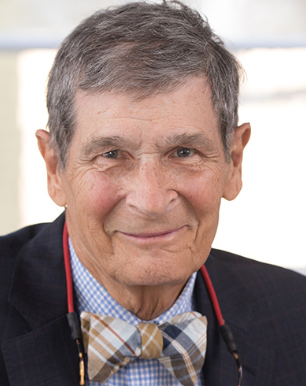 John G. Gunderson合作论文数Harvard University26Leslie C. Morey合作论文数26Kennerly S. Patrick合作论文数25
 Michael Edward Thase合作论文数Department of Psychiatry, Perelman School Of Medicine, University of Pennsylvania24
 Shirley Yen合作论文数Department of Psychiatry and Human Behavior, Brown University23
 Haojie Zhu合作论文数Department of Clinical Pharmacy, College of Pharmacy, University of Michigan-Ann Arbor22
 Lazarov Amit合作论文数Department of Psychology, Tel Aviv University21
 Mary C. Zanarini合作论文数Laboratory for the Study of Adult Development, McLean Hospital;Department of Psychiatry, Harvard Medical School21Christopher J. Hopwood合作论文数21
 Jennifer L. Donovan合作论文数Laboratory of Drug Disposition and Pharmacogenetics, Medical University of South Carolina21
 James H Kocsis合作论文数Department of Psychiatry, Weill Cornell Medical College19
 Rachel Manber合作论文数Department of Psychiatry and Behavioral Sciences, School of Medicine, Stanford University18
 Daniel Klein合作论文数Department of Psychology, College of Arts and Sciences, Stony Brook University;Department of Psychiatry, Renaissance School of Medicine, Stony Brook University18
 Lisa Dixon合作论文数18
 Bruce A. Arnow合作论文数Department of Psychiatry and Behavioral Sciences, Stanford University17
 Barbara Milrod合作论文数17
 Emily B Ansell合作论文数16Jun-Sheng Wang合作论文数16
 Barbara Rothbaum合作论文数Department of Medicine, School of Medicine, Emory University;Department of Psychiatry and Behavioral Sciences, School of Medicine, Emory University14Samantha E Jankowski合作论文数11
 Maja Bergman合作论文数11
 Tor Wager合作论文数Department of Psychological and Brain Sciences, Dartmouth College11
 Xi Zhu合作论文数10
 Santiago Papini合作论文数New York State Psychiatric Institute;City College of New York;Columbia University Medical Center;City College of New York, Columbia University Medical Center10
 Erel Shvil合作论文数10
 Anthony Pinto合作论文数10S Craig Risch合作论文数10
 Ari Lowell合作论文数9
 Shilat Haim-Nachum合作论文数Bar Ilan Univ, Sch Educ, Ramat Gan, Israel9
 Ido Lurie合作论文数9
 Ziad Nahas合作论文数9
 David Boulton合作论文数AstraZeneca9Shlomo Mendlovic合作论文数8
 Eva Petkova合作论文数Department of Child and Adolescent Psychiatry, Grossman School of Medicine, New York University8
 Yossi Levi-Belz合作论文数a Department of Behavioral Sciences, Ruppin Academic Center.8Kenneth D. Chavin合作论文数8Roberto Lewis-Fernández合作论文数8Kathryn Bleiberg合作论文数8Timothy G. Heckman合作论文数Department of Geriatric Medicine/Gerontology, Ohio University College of Osteopathic Medicine (OU-COM),8




