Plant cation/H+ exchanger 1 (CAX1) is a vacuolar Ca2+/H+ antiporter that plays a central role in calcium homeostasis. The initial 36 residues of CAX1 make up the amino-terminal regulatory region (NRR), this defining feature mediates autoinhibition and serves as a target for phosphorylation and protein-protein interactions. While CAX1 has been viewed as a transporter, recent genetic studies suggest a broader functional role. Loss of CAX1 enhances tolerance to anoxia and submergence stress, while synthetic biology reveals that transport-deficient amino-terminal modules of CAX1 influence stress responses. Notably, a dominant-negative amino-terminal construct phenocopies cax1 loss-of-function mutants, whereas a transport-deficient amino-terminal module lacking the autoinhibitory region restores anoxia sensitivity in a cax1 background. These observations are difficult to explain through altered calcium transport alone. In this review, we summarize current understanding of CAX1 structure, regulation, and physiological function and evaluate evidence supporting transport-independent activities of the amino terminus. We propose that the amino-terminal architecture of CAX1 could function as a control module that integrates environmental and cellular cues to influence stress responses. This framework expands the functional scope of CAX1 beyond ion exchange and might suggest that membrane transport proteins contribute directly to signaling networks.
Expressing a transport-deficient portion of a calcium transporter protein restores stress sensitivity in plants, revealing a signaling role independent of calcium movement.
Flooding-induced oxygen deprivation (anoxia) is a challenge to plant survival, necessitating adaptive mechanisms for recovery. This study investigates elemental redistribution during anoxia recovery using time-series elemental imaging to show changes in nutrient distribution. Focusing on the role of Cation/H⁺ Exchangers (CAXs) in Arabidopsis thaliana, we show how mutants deficient in specific CAX transporters (cax1 and the cax1-4 quadruple mutant; qKO) respond to anoxia and metal stress. Mutants had reduced lipid peroxidation and increased expression of flood-tolerance proteins during recovery. X-ray Fluorescence Microscopy (XFM) and Laser Ablation Inductively Coupled Plasma Mass Spectrometry (LA-ICP-MS) were used to show elemental redistribution over time. In wild-type plants (Col-0), post-anoxia elemental distribution resembled the elemental distribution of CAX mutants under normoxic conditions, suggesting CAX-mediated elemental distribution before anoxia enables faster recovery post-anoxia, rather than affecting remobilization post-anoxia. While CAX mutants had altered tolerance to excess manganese and copper, leaf metal distribution during anoxia was not altered. These findings introduce the potential utility of time-series elemental imaging to show stress response phenotypes and the importance of elemental distribution to anoxia recovery. The novelty of this work lies in resolving spatial distribution patterns in a non-static system to gain insight into mechanisms of stress resilience in plants.
Arabidopsis Vacuolar Pyrophosphatase 1 (AVP1), a conserved type I proton-pumping pyrophosphatase (H+-PPase), was characterized as tonoplast localized with a role in acidifying the lumen and removing cytosolic pyrophosphate (PPi), a byproduct of biosynthesis. During the last several decades evidence has accumulated that AVP1also localizes to the plasma membrane, particularly in phloem companion cells, where it may function in reverse—synthesizing PPi from the proton motive force. This directional flexibility allows AVP1 to contribute to intracellular homeostasis and to phloem loading, supporting carbon partitioning from source to sink tissues. AVP1 activity is modulated post-translational through ubiquitin-dependent turnover, enabling plants to adjust in response to metabolic conditions. AVP1’s localization, regulation, and metabolic integration position it as a coordinator of energy balance. These features highlight AVP1 as a focal point for future approaches focused on crop resource-use efficiency and climate resilience.
Calcium (Ca2+) is essential for plant growth and cellular homeostasis, with cation exchangers (CAXs) regulating Ca2+ transport into plant vacuoles. In Arabidopsis, multiple CAXs feature a common structural arrangement, comprising an N-terminal autoinhibitory domain followed by two pseudosymmetrical modules. Mutations in CAX1 enhance stress tolerance, notably tolerance to anoxia (a condition marked by oxygen depletion), crucial for flood resilience. Here we engineered a dominant-negative CAX1 variant, named ½N-CAX1, incorporating the autoinhibitory domain and the N-terminal pseudosymmetrical module, which, when expressed in wild-type Arabidopsis plants, phenocopied the anoxia tolerance of cax1. Physiological evaluations, yeast assays, and calcium imaging demonstrated that wild-type plants expressing ½N-CAX1 have phenotypes consistent with inhibition of CAX1, which is likely through direct interaction of ½N-CAX1 with CAX1. Eliminating segments within the N-terminal pseudosymmetrical module, as well as incorporating modules from other plant CAXs and expressing these variants into wild-type plants, failed to produce anoxia tolerance. This underscores the requirement for both the CAX1 autoinhibitory domain and the intact pseudosymmetrical module to produce the dominant-negative phenotype. Our study elucidates the interaction of this ½N-CAX1 variant with CAX1 and its impact on anoxia tolerance, offering insights into further approaches for engineering plant stress tolerance.
Research on elemental distribution in plants is crucial for understanding nutrient uptake, environmental adaptation and optimizing agricultural practices for sustainable food production. Plant trichomes, with their self-contained structures and easy accessibility, offer a robust model system for investigating elemental repartitioning. Transport proteins, such as the four functional cation exchangers (CAXs) in Arabidopsis, are low-affinity, high-capacity transporters primarily located on the vacuole. Mutants in these transporters have been partially characterized, one of the phenotypes of the CAX1 mutant being altered with tolerance to low-oxygen conditions. A simple visual screen demonstrated trichome density and morphology in cax1, and quadruple CAX (cax1-4: qKO) mutants remained unaltered. Here, we used synchrotron X-ray fluorescence (SXRF) to show that trichomes in CAX-deficient lines accumulated high levels of chlorine, potassium, calcium and manganese. Proteomic analysis on isolated Arabidopsis trichomes showed changes in protein abundance in response to changes in element accumulation. The CAX mutants showed an increased abundance of plasma membrane ATPase and vacuolar H-pumping proteins, and proteins associated with water movement and endocytosis, while also showing changes in proteins associated with the regulation of plasmodesmata. These findings advance our understanding of the integration of CAX transport with elemental homeostasis within trichomes and shed light on how plants modulate protein abundance under conditions of altered elemental levels.
Plant-based diets promote greater diversity and even distribution of gut microbiota which is beneficial to intestinal health, yet dietary complexity has hampered the ability to establish how specific components within a diet alter microbiome structure and function. Increasing evidence demonstrates that extracellular vesicles (EVs) act as prominent vehicles for cell-to-cell communication and inter-organismal transmission of RNAs, protein, and/or lipids. Plant-derived EVs have been found to mediate transport of various proteins and miRNAs, but how the makeup and content of EVs differ among crops and if these differences impact bioactivity is unknown. We have characterized EVs from potato and spinach and demonstrated that plant-derived EVs influence microbial growth in vitro. Using combined Fluorescence Activated Cell Sorting, high-resolution imaging, and 16S rRNA gene sequencing we have demonstrated that EV-microbe complexes can be isolated from a healthy human-derived microbial community, visualized EV internalization by these microbes, and characterized the microbial genera associated with EVs. Additionally, we have shown that plant-derived EVs can drive specific microbial shifts when incubated with human-derived microbial communities. These results suggest that plant-derived EVs can specifically influence bacterial growth and impact the gut microbiota, potentially enhancing the nutritional benefits of plant-based diets. This research deepens our understanding of plant-derived EVs in gut health and could lead to advancements in plant-based nutritional therapies and drug delivery systems.
Plant vacuolar transporters, particularly CAX (Cation/H+ Exchangers) responsible for Ca2+/H+ exchange on the vacuole tonoplast, play a central role in governing cellular pH, ion balance, nutrient storage, metal accumulation, and stress responses. Furthermore, CAX variants have been employed to enhance the calcium content of crops, contributing to biofortification efforts. Recent research has uncovered the broader significance of these transporters in plant signal transduction and element partitioning. The use of genetically encoded Ca2+ sensors has begun to highlight the crucial role of CAX isoforms in generating cytosolic Ca2+ signals, underscoring their function as pivotal hubs in diverse environmental and developmental signalling networks. Interestingly, it has been observed that the loss of CAX function can be advantageous in specific stress conditions, both for biotic and abiotic stressors. Determining the optimal timing and approach for modulating the expression of CAX is a critical concern. In the future, strategically manipulating the temporal loss of CAX function in agriculturally important crops holds promise to bolster plant immunity, enhance cold tolerance, and fortify resilience against one of agriculture's most significant challenges, namely flooding.
Heat stress can have detrimental effects on plant growth and development. However, the mechanisms by which the plant is able to perceive changes in ambient temperature, transmit this information, and initiate a temperature-induced response are not fully understood. Previously, we showed that heterologous expression of an Arabidopsis thaliana L. monothiol glutaredoxin AtGRXS17 enhances thermotolerance in various crops, while disruption of AtGRXS17 expression caused hypersensitivity to permissive temperature. In this study, we extend our investigation into the effect of AtGRXS17 and heat stress on plant growth and development. Although atgrxs17 plants were found to exhibit a slight decrease in hypocotyl elongation, shoot meristem development, and root growth compared to wild-type when grown at 22°C, these growth phenotypic differences became more pronounced when growth temperatures were raised to 28°C. Transcriptome analysis revealed significant changes in genome-wide gene expression in atgrxs17 plants compared to wild-type under conditions of heat stress. The expression of genes related to heat stress factors, auxin response, cellular communication, and abiotic stress were altered in atgrxs17 plants in response to heat stress. Overall, our findings indicate that AtGRXS17 plays a critical role in controlling the transcriptional regulation of plant heat stress response pathways.
The specific foods to eat for optimal nutrition remain ill-defined. Studies using plantbased diets or milk suggest that vesicles, termed exosomes, and small RNAs termed microRNAs (miRNAs) are health promoting components in foods. However, numerous studies refute the potential of dietary cross-kingdom communication of exosomes and miRNAs. While research reinforces that plant-based diets and milk are healthy components of a well-rounded diet, the bioavailability and bioactivity of the exosomes and miRNAs present in plant-based diets and milk remain unclear. Further investigations of plant-based diet and milk exosome like particles may open a new era in application of food for overall health enhancement. In addition, the potential biotechnological plantbased diet and milk exosome like particles can aid in cancer treatment.
Based on the availability of oxygen, plant growth environment can be normoxic (normal environment), hypoxic (reduced oxygen, <21%), or anoxic (complete depletion of oxygen). Hypoxic/anoxic environment is created when a plant is exposed to stresses such as submergence, flooding, or pathogen attack. Survival of the plants following stress conditions is in part dependent on their ability to overcome the stress induced by anoxia/hypoxia conditions. This shows the need for the development of strategies for understanding the mechanisms involved in plant tolerance to anoxia. Previous studies have employed different methods for establishing an anerobic environment. Here, we describe a simple method for creating anoxic environment using an anaerobic atmosphere generation bag. Anoxic conditions can be maintained in a cylindrical jar, a rectangular box, or a vacuum sealer bag, enabling the screening of a large number of samples. This protocol is particularly useful to screen plant mutants that are tolerant to anoxia. The method is simple, easy, cost-efficient, reproducible, and does not require any sophisticated instruments. Graphic abstract.
Multiple Arabidopsis H+ /Cation exchangers (CAXs) participate in high-capacity transport into the vacuole. Previous studies have analysed single and double mutants that marginally reduced transport; however, assessing phenotypes caused by transport loss has proven enigmatic. Here, we generated quadruple mutants (cax1-4: qKO) that exhibited growth inhibition, an 85% reduction in tonoplast-localised H+ /Ca transport, and enhanced tolerance to anoxic conditions compared to CAX1 mutants. Leveraging inductively coupled plasma mass spectrometry (ICP-MS) and synchrotron X-ray fluorescence (SXRF), we demonstrate CAX transporters work together to regulate leaf elemental content: ICP-MS analysis showed that the elemental concentrations in leaves strongly correlated with the number of CAX mutations; SXRF imaging showed changes in element partitioning not present in single CAX mutants and qKO had a 40% reduction in calcium (Ca) abundance. Reduced endogenous Ca may promote anoxia tolerance; wild-type plants grown in Ca-limited conditions were anoxia tolerant. Sequential reduction of CAXs increased mRNA expression and protein abundance changes associated with reactive oxygen species and stress signalling pathways. Multiple CAXs participate in postanoxia recovery as their concerted removal heightened changes in postanoxia Ca signalling. This work showcases the integrated and diverse function of H+ /Cation transporters and demonstrates the ability to improve anoxia tolerance through diminishing endogenous Ca levels.
A plant's oxygen supply can vary from normal (normoxia) to total depletion (anoxia). Tolerance to anoxia is relevant to wetland species, rice (Oryza sativa) cultivation and submergence tolerance of crops. Decoding and transmitting calcium (Ca) signals may be an important component to anoxia tolerance; however, the contribution of intracellular Ca transporters to this process is poorly understood. Four functional cation/proton exchangers (CAX1-4) in Arabidopsis (Arabidopsis thaliana) help regulate Ca homeostasis around the vacuole. Our results demonstrate that cax1 mutants are more tolerant to both anoxic conditions and submergence. Using phenotypic measurements, RNAseq and proteomic approaches, we identified cax1-mediated anoxia changes that phenocopy changes present in anoxia tolerant crops: altered metabolic processes, diminished ROS production post anoxia, and altered hormone signaling. Comparing wild-type and cax1 expressing genetically encoded Ca indicators (GECIs) demonstrated altered cytosolic Ca signals in cax1 during reoxygenation. Anoxia-induced Ca signals around the plant vacuole are involved in the control of numerous signaling events related to adaptation to low oxygen stress. This work suggests that cax1 anoxia response pathway could be engineered to circumvent the adverse effects of flooding that impair production agriculture.
Heat stress can have detrimental effects on plant growth and development. However, the mechanisms by which the plant is able to perceive changes in ambient temperature, transmit this information, and initiate a temperature-induced response are not fully understood. Previously, we showed that heterologous expression of an Arabidopsis thaliana L. monothiol glutaredoxin AtGRXS17 enhances thermotolerance in various crops, while disruption of AtGRXS17 expression caused hypersensitivity to permissive temperature. In this study, we extend our investigation into the effect of AtGRXS17 and heat stress on plant growth and development. Although atgrxs17 plants were found to exhibit a slight decrease in hypocotyl elongation, shoot meristem development, and root growth compared to wild-type when grown at 22°C, these growth phenotypic differences became more pronounced when growth temperatures were raised to 28°C. Transcriptome analysis revealed significant changes in genome-wide gene expression in atgrxs17 plants compared to wild-type under conditions of heat stress. The expression of genes related to heat stress factors, auxin response, cellular communication, and abiotic stress were altered in atgrxs17 plants in response to heat stress. Overall, our findings indicate that AtGRXS17 plays a critical role in controlling the transcriptional regulation of plant heat stress response pathways.
SummaryIncreasing populations and temperatures are expected to escalate food demands beyond production capacities, and the development of maize lines with better performance under heat stress is desirable. Here, we report that constitutive ectopic expression of a heterologous glutaredoxin S17 from Arabidopsis thaliana (AtGRXS17) can provide thermotolerance in maize through enhanced chaperone activity and modulation of heat stress‐associated gene expression. The thermotolerant maize lines had increased protection against protein damage and yielded a sixfold increase in grain production in comparison to the non‐transgenic counterparts under heat stress field conditions. The maize lines also displayed thermotolerance in the reproductive stages, resulting in improved pollen germination and the higher fidelity of fertilized ovules under heat stress conditions. Our results present a robust and simple strategy for meeting rising yield demands in maize and, possibly, other crop species in a warming global environment.
Obesity is often associated with metabolic dysregulation and oxidative stress with the latter serving as a possible unifying link between obesity and cardiovascular complications. Glutaredoxins (Grxs) comprise one of the major antioxidant systems in the heart. Although Grx3 has been shown to act as an endogenous negative regulator of cardiac hypertrophy and heart failure, its metabolic impact on cardiac function in diet-induced obese (DIO) mice remains largely unknown. In the present study, analysis of Grx3 expression indicated that Grx3 protein levels, but not mRNA levels, were significantly increased in the hearts of DIO mice. Cardiac-specific Grx3 deletion (Grx3 CKO) mice were viable and grew indistinguishably from their littermates after being fed a high fat diet (HFD) for one month, starting at 2 months of age. After being fed with a HFD for 8 months (starting at 2 months of age); however, Grx3 CKO DIO mice displayed left ventricular systolic dysfunction with a significant decrease in ejection fraction and fractional shortening that was associated with heart failure. ROS production was significantly increased in Grx3 CKO DIO cardiomyocytes compared to control cells. Gene expression analysis revealed a significant decline in the level of transcripts corresponding to genes associated with processes such as fatty acid uptake, mitochondrial fatty acid transport and oxidation, and citrate cycle in Grx3 CKO DIO mice compared to DIO controls. In contrast, an increase in the level of transcripts corresponding to genes associated with glucose uptake and utilization were found in Grx3 CKO DIO mice compared to DIO controls. Taken together, these findings indicate that Grx3 may play a critical role in redox balance and as a metabolic switch in cardiomyocytes contributing to the development and progression of heart failure.
Multiple studies have implicated microbes in the development of inflam-mation, but the mechanisms remain unknown. Bacteria in the genus Fusobacterium have been identified in the intestinal mucosa of patients with digestive diseases; thus, we hypothesized that Fusobacterium nucleatum promotes intestinal inflammation. The addition of > 50 kDa F. nucleatum conditioned media, which contain outer membrane vesicles (OMVs), to colonic epithelial cells stimulated secretion of the proinflammatory cytokines interleukin-8 (IL-8) and tumor necrosis factor (TNF). In addition, purified F. nucleatum OMVs, but not compounds ,50 kDa, stimulated IL-8 and TNF production; which was decreased by pharmacological inhibition of Toll-like receptor 4 (TLR4). These effects were linked to downstream effectors p-ERK, p-CREB, and NF -KB. F. nucleatum > 50-kDa compounds also stimulated TNF secretion, p-ERK, p-CREB, and NF -KB activation in human colonoid monolayers. In mice harboring a human microbiota, pretreatment with antibiotics and a single oral gavage of F. nucleatum resulted in inflam-mation. Compared to mice receiving vehicle control, mice treated with F. nucleatum showed disruption of the colonic architecture, with increased immune cell infiltration and depleted mucus layers. Analysis of mucosal gene expression revealed increased levels of proinflammatory cytokines (KC, TNF, IL-6, IFN-g, and MCP-1) at day 3 and day 5 in F. nucleatum-treated mice compared to controls. These proinflammatory effects were absent in mice who received F. nucleatum without pretreatment with antibiotics, suggesting that an intact microbiome is protective against F. nucleatum-mediated immune responses. These data provide evidence that F. nucleatum promotes proinflammatory signaling cascades in the context of a depleted intestinal microbiome. IMPORTANCE Several studies have identified an increased abundance of Fusobacterium in the intestinal tracts of patients with colon cancer, liver cirrhosis, primary sclerosing cholangitis, gastroesophageal reflux disease, HIV infection, and alcoholism. However, the direct mechanism(s) of action of Fusobacterium on pathophysiological within the gastrointestinal tract is unclear. These studies have identified that F. nucleatum subsp. polymorphum releases outer membrane vesicles which activate TLR4 and NF-.B to stimulate proinflammatory signals in vitro. Using mice harboring a human microbiome, we demonstrate that F. nucleatum can promote inflammation, an effect which required antibiotic-mediated alterations in the gut microbiome. Collectively, these results suggest a mechanism by which F. nucleatum may contribute to intestinal inflammation.
Evolution of the interdependent and mutualistic relationship between humans and their intestinal microbiota has been driven by diet. Studies have consistently associated health with a microbial composition and richness that results from plant-based diets. This work reviews the relationship between the microbiome and human health and then examines the role of diet in shaping the microbiome. Small RNAs (sRNAs) including microRNAs (miRNAs) are noncoding RNA (ncRNA) molecules involved in gene regulation. These sRNAs are known to play important roles in human development; however, their significance as dietary components that shape the microbiome is still emerging. While divisive, some groups have shown that dietary sRNAs from plants and animals can impact the microbiome. In the future, regulating gut sRNA profiles either directly through dietary delivery or by altering the expression of endogenous sRNAs may be part of therapeutic interventions for regulating the microbiome and consumer health.
Combating malnutrition is one of the greatest global health challenges. Plant-based foods offer an assortment of nutrients that are essential for adequate nutrition and can promote good health. Unfortunately, the majority of widely consumed crops are deficient in some of these nutrients. Biofortification is the umbrella term for the process by which the nutritional quality of food crops is enhanced. Traditional agricultural breeding approaches for biofortification are time consuming but can enhance the nutritional value of some foods; however, advances in molecular biology are rapidly being exploited to biofortify various crops. Globally, genetically modified organisms are a controversial topic for consumers and governmental agencies, with a vast majority of people apprehensive about the technology. Golden Rice has been genetically modified to contain elevated β-carotene concentrations and is the bellwether for both the promise and angst of agricultural biotechnology. Although there are numerous other nutritional targets of genetically biofortified crops, here I briefly summarize the work to elevate iron and folate concentrations. In addition, the possibility of using modified foods to affect the gut microbiota is examined. For several decades, plant biotechnology has measured changes in nutrient concentrations; however, the bioavailability of nutrients from many biofortified crops has not been demonstrated.
 Ning-Hui Cheng合作论文数37
 Sunghun Park合作论文数Kansas State University35Toshiro Shigaki合作论文数USDA/ARS Children's Nutrition Research Center, Baylor College of Medicine33
 Jon Pittman合作论文数FSE Research Institutes, University of Manchester;Department of Earth and Environmental Sciences, School of Earth and Environmental Sciences, University of Manchester;Dalton Nuclear Institute, University of Manchester;Manchester Environmental Research Institute, University of Manchester22
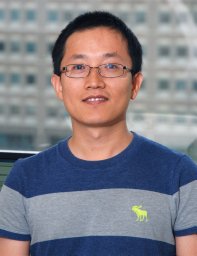 Jian Yang合作论文数22
 Paul A Nakata合作论文数Baylor College of Medicine;Children's Nutrition Research Center, Agricultural Research Service, U.S. Department of Agriculture14Chang Kil Kim合作论文数12Jeung-Sul Han合作论文数Department of Ecological Environment Conservation, Kyungpook National University11
 Jay Morris合作论文数11
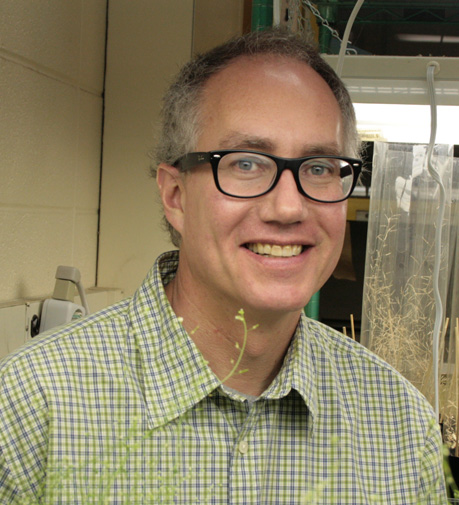 John M. Ward合作论文数College of Food, Agricultural and Natural Resource Sciences, University of Minnesota;Department of Plant and Microbial Biology, College of Biological Sciences, University of Minnesota10
 Qingyu Wu (吴庆余)合作论文数School of Life Sciences, Tsinghua University9Jung-Eun Park合作论文数Clinical Research Institute, Seoul National University Hospital9
 Roberto A. Gaxiola合作论文数Sch Life Sci, Arizona State Univ9
 Bronwyn Barkla合作论文数Inst Biotecnol, Univ Nacl Autonoma Mexico8
 Jian Zhao (赵剑)合作论文数College of Horticulture, Hunan Agricultural University8
 Heven Sze合作论文数Department of Cell Biology & Molecular Genetics, College of Computer, Mathematical, and Natural Sciences, University of Maryland8Coimbatore S. Sreevidya合作论文数7
 Frank White合作论文数Department of Plant Pathology, University of Florida7
 Tracy Punshon合作论文数Savannah River Ecology Laboratory, The University of Georgia7stuart sprague合作论文数6
 Hormat Shadgou Rhein合作论文数New Mexico State Univ, Las Cruces, NM 88003 USA6
 Spinler Jennifer K合作论文数Texas Children's Microbiome Center, Texas Children's Hospital;Immunology, Baylor College of Medicine;Texas Children's Hospital, Baylor College of Medicine5
 Cecilia Primo合作论文数5
 Manohar Murli合作论文数Boyce Thompson Institute for Plant Research, Cornell University Ithaca5leonard m pike合作论文数4
 Jianzhong Liu (刘建中)合作论文数4Vivekanudeep Karri合作论文数4Ismail Elbaz Younes合作论文数4Hui Mei合作论文数4Ying Hu (胡莹)合作论文数4
 Ryan Tappero合作论文数4
 Mary Lou Guerinot合作论文数Department of Biological Sciences, Dartmouth College4Roberta H. Smith合作论文数4
 Senthilkumar Padmanaban合作论文数Cell Biology and Molecular Genetics, University of Maryland4
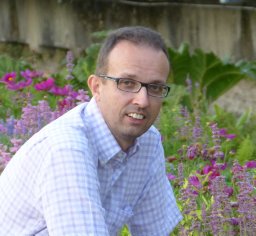 Joachim Scholz-Starke合作论文数Molekulare Pflanzenphysiologie;Universitat Erlangen-Nurnberg;Molekulare Pflanzenphysiologie, Universitat Erlangen-Nurnberg4
 L. M. Farmer合作论文数4
 Harold J Schreier合作论文数3Iny Elizebeth Mathew合作论文数3Jimmonique Donelson合作论文数3
 Kevin William Bock合作论文数3Joy Marshall合作论文数3
 Qi Guo合作论文数3
 Tej Man Tamang合作论文数Kansas State University3
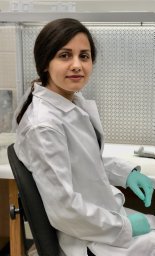 Tayebeh Kakeshpour合作论文数Center for Agricultural Synthetic Biology, The University of Tennessee3Keli Hawthorne合作论文数3Han Yu合作论文数3
 Gerald R. Fink合作论文数Whitehead Institute;Department of Biology, Massachusetts Institute of Technology3
 David Twell合作论文数UiT The Arctic University of Norway;Department of Biological Sciences, Korea Advanced Institute of Science and Technology;Department of Experimental Botany, Radboud University;Plant Gene Expression Center, University of California, Berkeley;French National Centre for Scientific Research;Universitat Zurich;Department of Genetics, University of Leicester;Charles University in Prague;Cardiff University;Temasek Life Sciences Laboratory3




