It is currently recommended to perform open radical nephroureterectomy (oRNU) with bladder cuff excision in patients with locally advanced (cT3-4 or cN1-2) upper tract urothelial carcinoma (laUTUC). We tested the hypothesis that bladder recurrence-free survival (BRFS), metastasis-free survival (MFS), cancer-specific survival (CSS) and overall survival (OS) are not influenced by the surgical approach in patients with laUTUC using a large multicenter series. This was a multicenter retrospective cohort study including 361 patients with preoperative cT3-4 cM0 or cN1-2 cM0 laUTUC treated with open or minimally invasive RNU from 1999 to 2019 at 21 academic centers in Europe, Asia, and the United States. Missing values of relevant baseline characteristics were estimated through multiple imputation of chained equations. Baseline patients’ heterogeneity was balanced using a 1:1 propensity score matching estimated using logistic regression. Uni- and multivariable Cox regression analyses for bladder recurrence, metastasis, cancer-specific death and overall death were performed according to clinical and pathological characteristics. Kaplan Meier (KM) estimates and log-rank test were used to compare BRFS, MFS, CSS and OS according to clinical and pathological features. Median follow-up was 28 months. After propensity score matching, two cohorts of 115 laUTUC patients each with similar baseline and preoperative tumor characteristics were obtained. In the matched cohort, pT ≥ 3 stage was found in 84 (73
OBJECTIVE:To evaluate 30-day postoperative urinary tract infection (UTI) rates in children with vesicoureteral reflux (VUR) undergoing ureteral reimplantation, assessing the impact of discharge antibiotics. METHODS:This retrospective cohort study utilized the pediatric National Surgical Quality Improvement Program VUR-specific dataset to analyze patients who underwent ureteral reimplantation for VUR. We compared 30-day UTI rates, readmissions, and ER visits between those discharged with and without antibiotics. Multivariable logistic regression identified independent predictors of UTIs. RESULTS:Of the 3004 patients included who underwent ureteral reimplant, 2509 (84%) and 495 (16%) were discharged with or without antibiotics, respectively. On univariable analysis, the proportion of patients who experienced 30-day readmission (3.9% vs 5.3%), emergency room visits (10.5% vs 10.5%), and UTI (2.4% vs 3.2%) did not differ according to discharge antibiotic use (antibiotics vs no antibiotics, respectively, all P>.05). On MVA, age (Odds Ratio [OR]: 0.986, 95% CI: 0.978-0.994) and female sex (OR: 1.782, 95% CI: 1.005-3.162) were found to be significant predictors of UTI occurrence. Conversely, the prescription of antibiotics at discharge (OR: 1.564, 95% CI: 0.886-2.763) did not show a significant impact on UTI rates. CONCLUSION:Age and sex are predictive of UTI risk within 30 days following ureteral reimplantation for VUR. The absence of significant associations for reflux grade, perioperative stent use, or prophylactic antibiotic administration at discharge suggests that routine prescription of antibiotics post-discharge may not reduce early UTI risk. These findings can guide postoperative care and help tailor antibiotic stewardship efforts in pediatric urology.
You have accessJournal of UrologyInfections/Inflammation/Cystic Disease of the Genitourinary Tract: Kidney & Bladder II (PD63)1 May 2024PD63-08 THE ASSOCIATION BETWEEN DURATION OF ANTIBIOTICS AND INFECTIOUS COMPLICATIONS FOLLOWING RADICAL CYSTECTOMY: ANALYSIS OF THE 2019-2021 NSQIP DATABASE Rachel Passarelli, John L. Pfail, Alain Kaldany, Kevin Chua, Benjamin Lichtbroun, Arnav Srivastava, David Golombos, Vignesh T. Packiam, Thomas L. Jang, and Saum Ghodoussipour Rachel PassarelliRachel Passarelli , John L. PfailJohn L. Pfail , Alain KaldanyAlain Kaldany , Kevin ChuaKevin Chua , Benjamin LichtbrounBenjamin Lichtbroun , Arnav SrivastavaArnav Srivastava , David GolombosDavid Golombos , Vignesh T. PackiamVignesh T. Packiam , Thomas L. JangThomas L. Jang , and Saum GhodoussipourSaum Ghodoussipour View All Author Informationhttps://doi.org/10.1097/01.JU.0001009384.23104.ca.08AboutPDF ToolsAdd to favoritesDownload CitationsTrack CitationsPermissionsReprints ShareFacebookLinked InTwitterEmail Abstract INTRODUCTION AND OBJECTIVE: Infectious complications following radical cystectomy(RC) occur in up to 30% of patients and are the most common cause of post-operative morbidity. While guidelines recommend single-dose periprocedural prophylaxis, clinical practice varies. We sought to assess the association between duration of peri-operative antibiotic course and infectious complications following RC utilizing the National Surgical Quality Improvement Program (NSQIP) database. METHODS: The NSQIP database was queried for patients undergoing RC from 2019-2021. Baseline patient characteristics were collected. Antibiotic duration was classified as <24 hours, 24-72 hours or >72 hours. Infectious complication data was collected including surgical site infection (SSI), urinary tract infection (UTI), Clostridium Difficile infection, organ space infection, pneumonia, and sepsis up to 30 days after surgery. Univariate and multivariable analysis were performed to compare duration of antibiotic therapy to infectious outcomes. RESULTS: Of the 4,363 patients who underwent RC 3,250(74%), 827(19%) and 286(6.6%) received <24 hour, 24-72 hours and >72 hours of peri-operative antibiotics respectively. Any type of infectious complication occurred in 954(22%) of patients (Table 1). On multivariable analysis, there was no significant difference in overall infectious complication rates with extended duration antibiotics. However, 24-72 hours of antibiotics was associated with a decreased risk of SSI (OR 0.65; 95%CI 0.44-0.96) compared to those treated with <24 hours of antibiotics (Table 2). CONCLUSIONS: Despite guideline recommendations, 26% of patients in this database received >24 hours of peri-operative antibiotics without decreased risk of overall infectious complication. A 24-72 hour course of antibiotics did decrease risk of SSI compared to the guideline recommended <24 hour course. Greater education regarding antibiotic stewardship and further studies investigating infectious complications are warranted. Source of Funding: None © 2024 by American Urological Association Education and Research, Inc.FiguresReferencesRelatedDetails Volume 211Issue 5SMay 2024Page: e1295 Advertisement Copyright & Permissions© 2024 by American Urological Association Education and Research, Inc.Metrics Author Information Rachel Passarelli More articles by this author John L. Pfail More articles by this author Alain Kaldany More articles by this author Kevin Chua More articles by this author Benjamin Lichtbroun More articles by this author Arnav Srivastava More articles by this author David Golombos More articles by this author Vignesh T. Packiam More articles by this author Thomas L. Jang More articles by this author Saum Ghodoussipour More articles by this author Expand All Advertisement PDF downloadLoading ...
Background: Conventional operative insufflation uses a one-way trocar to handle instruments while maintaining pneumoperitoneum. In 2007, the AirSeal® valveless trocar insufflation system was introduced, which maintains stable pneumoperitoneum while continuously evacuating smoke. Although this device has been validated in adult patients, it has not been extensively validated in the pediatric population. Materials and Methods: A retrospective cohort study of pediatric urology patients aged 0 to 21 who underwent laparoscopic pyeloplasty between March 2016 and October 2021 was performed. Intraoperative physiologic parameters, procedure characteristics, postoperative outcomes, and demographics of each patient in whom either AirSeal insufflation system (AIS) or conventional insufflation system (CIS) was utilized were obtained from hospital records. Data were compared across the AIS and CIS cohorts. The primary outcomes were intraoperative anesthetic and physiologic parameters, including end tidal carbon dioxide, oxygen saturation, body temperature, positive inspiratory pressure, systolic blood pressure, and heart rate. Results: There were no significant differences in the anesthetic and physiologic parameters in the AIS and CIS groups. In addition, no differences in demographics, procedural characteristics, or complication rates were found between the cohorts. Conclusion: The AirSeal valveless trocar insufflation system demonstrates comparable intraoperative anesthetic and physiologic outcomes compared to conventional one-way valve insufflation in pediatric laparoscopic pyeloplasty. Certain surgeon-related qualitative metrics are underappreciated in this study, however, including improved visualization with vigorous suctioning and pressure maintenance with frequent instrument exchanges. Surgeon experience may mask the benefits of these characteristics as it pertains to quantitative surgical outcomes such as estimated blood loss, operative time, and perioperative complications.
Testicular cancer is the most commonly diagnosed cancer among young men in the United States. Seminoma comprises a little over half of all testicular germ cell neoplasms. After radial inguinal orchiectomy, management of seminoma is dictated by tumor stage and risk stratification. Dissemination patterns for metastatic testicular cancer are predictable and reproducible, initially metastasizing to the retroperitoneum before disseminating to the lungs or other viscera. Seminomas are exquisitely sensitive to radiation therapy and platinum-based chemotherapy. Approximately 80-85% of men presenting with early stage (clinical stage I) seminoma will not experience a relapse after radical orchiectomy alone. Therefore, surveillance has been supported by the National Comprehensive Cancer Network (NCCN) guidelines as the preferred management strategy. For those at higher risk of relapse, one or two cycles of single-agent carboplatin or radiation therapy are alternative options to reduce the risk of relapse. For patients with early disseminated seminoma (clinical stage IIA and IIB), radiation therapy or chemotherapy with three cycles of bleomycin, etoposide, cisplatin (BEP) or four cycles of etoposide and cisplatin (EP) are well-established options with excellent cure rates. However, these therapies may be associated with significant long-term toxicities. Primary retroperitoneal lymph node dissection (RPLND) in patients with low-volume metastatic seminoma has recently been evaluated for safety and efficacy in prospective clinical trials. Finally, though the role of surgery in patients with advanced seminoma (clinical stage IIC and III) is limited, a subset of patients with a residual mass following chemotherapy >3 cm suggestive of viable germ cell tumor on imaging may benefit from surgical resection. Herein we review the contemporary indications for surgery and outcomes for men with testicular seminoma.
Background: Enhanced recovery after surgery (ERAS) has significantly decreased the morbidity associated with radical cystectomy. However, infectious complications including sepsis, urinary tract (UTIs), wound (WIs), and intra-abdominal (AIs) infections remain common. Objective: To assess whether intracorporeal urinary diversion (ICUD) and antibiogramdirected antimicrobial prophylaxis would decrease infections after robotic-assisted radical cystectomy (RARC). Design, setting, and participants: A retrospective analysis was performed of a prospectively maintained database of patients undergoing RARC between 2014 and 2022 at a tertiary care institution, identifying two groups based on adherence to a prospectively implemented modified ERAS protocol for RARC: modified-ERAS-ICUD and antibiogram-directed ampicillin-sulbactam, gentamicin, and fluconazole prophylaxis were utilized (from January 2019 to present time), and unmodified-ERAS-extracorpor eal urinary diversion (UD) and guideline-recommended cephalosporin-based prophylaxis regimen were utilized (from November 2014 to June 2018). Patients receiving other prophylaxis regimens were excluded. Intervention: ICUD and antibiogram-directed infectious prophylaxis. Outcome measurements and statistical analysis: The primary outcome was UTIs within 30 and 90 d postoperatively. The secondary outcomes were WIs, AIs, and sepsis within 30 and 90 d postoperatively, and Clostridioides difficile infection (CDI) within 90 d postoperatively. Results and limitations: A total of 396 patients were studied (modified-ERAS: 258 [65.2%], unmodified-ERAS: 138 [34.8%]). UD via a neobladder was more common in the modified-ERAS cohort; all other intercohort demographic differences were not statistically different. Comparing cohorts, modified-ERAS had significantly reduced rates of 30-d (7.8% vs 15.9%, p = 0.027) and 90-d UTIs (11.2% vs 25.4%, p = 0.001), and 30-d WIs (1.2% vs. 8.7%, p < 0.001); neither group had a WI after 30 d. Rates of AIs, sepsis, and CDI did not differ between groups. On multivariate regression, the modified-ERAS protocol correlated with a reduced risk of UTIs and WIs (all p < 0.01). The primary limitation is Conclusions: Utilization of ICUD and antibiogram-based prophylaxis correlates with sigPatient summary: In this study of infections after robotic radical cystectomy for bladder cancer, we found that intracorporeal (performed entirely inside the body) urinary diversion and an institution-specific antibiogram-directed antibiotic prophylaxis regimen led to fewer urinary tract infections and wound infections at our institution. (c) 2023 European Association of Urology. Published by Elsevier B.V. All rights reserved.
You have accessJournal of UrologyEducation Research I (MP17)1 May 2024MP17-12 IMPACT OF PREFERENCE SIGNAL EXPANSION ON LIKELIHOOD OF INTERVIEW INVITATION IN THE UROLOGY MATCH Alain Kaldany, John L. Pfail, Kevin Chua, Benjamin J. Lichtbroun, Rachel Passarelli, Chrystal Chang, Saum Ghodoussipour, Vignesh T. Packiam, Thomas L. Jang, and Danielle Velez-Leitner Alain KaldanyAlain Kaldany , John L. PfailJohn L. Pfail , Kevin ChuaKevin Chua , Benjamin J. LichtbrounBenjamin J. Lichtbroun , Rachel PassarelliRachel Passarelli , Chrystal ChangChrystal Chang , Saum GhodoussipourSaum Ghodoussipour , Vignesh T. PackiamVignesh T. Packiam , Thomas L. JangThomas L. Jang , and Danielle Velez-LeitnerDanielle Velez-Leitner View All Author Informationhttps://doi.org/10.1097/01.JU.0001008628.15460.84.12AboutPDF ToolsAdd to favoritesDownload CitationsTrack CitationsPermissionsReprints ShareFacebookLinked InTwitterEmail Abstract INTRODUCTION AND OBJECTIVE: In 2022, the Urology Residency Match Program introduced preference signaling (PS) as a way for applicants to demonstrate their interest to programs. PS has been shown to increase the odds of being offered an interview. Beginning with the 2024 application cycle, the number of preference signals per applicant was increased from 5 to 30. We aim to determine how the expansion of PS affects odds of interview invitation in the Urology Match. METHODS: De-identified data from the Electronic Residency Application Service (ERAS) system was reviewed, representing all applicants to our institution's urology residency program from 2022-2024. Self-reported applicant data was extracted, including both demographic and academic variables. Based on number of preference signals allowed, applicants were grouped by application cycle, where 2022 and 2023 were considered 5-signal cycles and 2024 was considered a 30-signal cycle. Interview invites were given based on standardized criteria as part of a holistic screening process. Multivariable regression analysis was conducted to identify factors associated with receiving an interview invitation for applicants among all cycles. RESULTS: A total of 855 applicants were identified, including 603 during 5-signal cycles and 252 during the 30-signal cycle (Table 1). Significantly more applicants utilized PS during the 30-signal cycle compared to the 5-signal cycle (48.0% vs 6.47%, p<0.001). On multivariate analysis, factors associated with increased likelihood of interview invitation across all application cycles included United States Medical Licensing Examination score, cumulative research activity, and use of PS (Table 2). PS was associated with higher odds of interviewing during the 30-signal cycle (OR 15.209, 95% CI 6.021-38.417) compared to the 5-signal cycles (OR 5.427, 95% CI 2.409-12.226). CONCLUSIONS: Preference signaling increases the likelihood of being offered an interview among urology residency applicants. This effect is further pronounced after the expansion to 30 preference signals per applicant. Source of Funding: None © 2024 by American Urological Association Education and Research, Inc.FiguresReferencesRelatedDetails Volume 211Issue 5SMay 2024Page: e295 Advertisement Copyright & Permissions© 2024 by American Urological Association Education and Research, Inc.Metrics Author Information Alain Kaldany More articles by this author John L. Pfail More articles by this author Kevin Chua More articles by this author Benjamin J. Lichtbroun More articles by this author Rachel Passarelli More articles by this author Chrystal Chang More articles by this author Saum Ghodoussipour More articles by this author Vignesh T. Packiam More articles by this author Thomas L. Jang More articles by this author Danielle Velez-Leitner More articles by this author Expand All Advertisement PDF downloadLoading ...
Objectives: To identify correlates of survival and perioperative outcomes of upper tract urothelial carcinoma (UTUC) patients undergoing open (ORNU), laparoscopic (LRNU), and robotic (RRNU) radical nephroureterectomy (RNU). Methods: We conducted a retrospective, multicenter study that included non-metastatic UTUC patients who underwent RNU between 1990–2020. Multiple imputation by chained equations was used to impute missing data. Patients were divided into three groups based on their surgical treatment and were adjusted by 1:1:1 propensity score matching (PSM). Survival outcomes per group were estimated for recurrence-free survival (RFS), bladder recurrence-free survival (BRFS), cancer-specific survival (CSS), and overall survival (OS). Perioperative outcomes: Intraoperative blood loss, hospital length of stay (LOS), and overall (OPC) and major postoperative complications (MPCs; defined as Clavien–Dindo > 3) were assessed between groups. Results: Of the 2434 patients included, 756 remained after PSM with 252 in each group. The three groups had similar baseline clinicopathological characteristics. The median follow-up was 32 months. Kaplan–Meier and log-rank tests demonstrated similar RFS, CSS, and OS between groups. BRFS was found to be superior with ORNU. Using multivariable regression analyses, LRNU and RRNU were independently associated with worse BRFS (HR 1.66, 95% CI 1.22–2.28, p = 0.001 and HR 1.73, 95%CI 1.22–2.47, p = 0.002, respectively). LRNU and RRNU were associated with a significantly shorter LOS (beta −1.1, 95% CI −2.2–0.02, p = 0.047 and beta −6.1, 95% CI −7.2–5.0, p < 0.001, respectively) and fewer MPCs (OR 0.5, 95% CI 0.31–0.79, p = 0.003 and OR 0.27, 95% CI 0.16–0.46, p < 0.001, respectively). Conclusions: In this large international cohort, we demonstrated similar RFS, CSS, and OS among ORNU, LRNU, and RRNU. However, LRNU and RRNU were associated with significantly worse BRFS, but a shorter LOS and fewer MPCs.
PURPOSE:Targeted tyrosine kinase inhibitors (TKIs) and immune-checkpoint inhibitors (ICIs) revolutionized the treatment of metastatic renal cell carcinoma (RCC). Efforts to translate these therapies into the adjuvant setting for local and locoregional RCC have been pursued over the past decade. We sought to provide an updated review of the literature regarding adjuvant therapy in RCC, as well as an analysis of patient characteristics that may portend the most favorable responses.MATERIALS AND METHODS:Using PubMed, Google Scholar, and Wiley Online Library, we reviewed articles between 2000 and 2022. Search terms included "tyrosine kinase inhibitors," "adjuvant," "immunotherapy," and "renal cell carcinoma." The articles included were original and published in English. Information on clinical trials was collected from ClinicalTrials.gov, accessed in June 2022.RESULTS:Landmark trials investigating adjuvant vascular endothelial growth factor (VEGF) inhibitors produced conflicting results, with only a single trial of sunitinib (S-TRAC) resulting in US Food and Drug Administration-approval on the basis of a slightly prolonged progression-free survival (PFS). Subsequent meta-analyses failed to show a benefit for adjuvant VEGF inhibitors. Several trials evaluating ICIs are currently ongoing, with pembrolizumab (KEYNOTE-564) earning US Food and Drug Administration-approval for a prolonged PFS, although overall survival data are not yet mature. Preliminary results from other adjuvant ICI trials have been conflicting.CONCLUSION:There remains a lack of clear benefit for the use of adjuvant VEGF inhibitors in local and locoregional RCC. Adjuvant ICI investigations are ongoing, with promising results from KEYNOTE-564. It remains to be seen if PFS is an adequate surrogate end point for overall survival. Selection of patients at greatest risk for recurrence, and identification of those at greatest risk of rare but serious adverse events, may improve outcomes.
Purpose of ReviewThe standard treatment of patients with metastatic prostate cancer is systemic treatment with androgen-deprivation therapy (ADT). The spectrum-based model of metastatic disease includes the presence of an oligometastatic state, an intermediary between localized and widespread metastatic disease, in which radical local treatment might improve systemic control. Our purpose is to review the literature on metastasis-directed therapy in the treatment of oligometastatic prostate cancer.Recent FindingsSeveral prospective clinical trials have reported improvements in ADT-free survival and progression-free survival with metastasis-directed therapy of oligometastatic prostate cancer.Retrospective studies have found improvements in oncologic outcomes for patients with oligometastatic prostate cancer undergoing metastasis-directed therapy, and several recent prospective clinical trials have confirmed these results. Advancements in imaging as well as an understanding of the genomics of oligometastatic prostate cancer may allow for better patient selection for metastasis-directed therapy and the potential for cure in selected patients.
Purpose: Hospital readmission is associated with adverse outcomes and increased cost, and as such, has been identified as a metric for surgical quality and a target for shifts in health policy. However, the disposition of patients who undergo radical cystectomy for bladder cancer and the association between discharge locations and readmission rates is poorly understood. Understanding the patterns and characteristics of readmission after radical cystectomy will help inform discharge planning and expectations and may have long-term impacts on quality and cost of care delivery. We hypothesize that patients will have varying readmission rates based on their discharge location. Materials and methods: An observational analysis of the Nationwide Readmissions Database was performed for all patients who underwent elective radical cystectomy in 2016 to 2017. The patients were grouped by the following criteria: whether they were discharged home, home with care, or to a facility. Univariate analysis was performed using the Chi-square test for categorical variables and the KruskalWallis test for continuous variables. A multivariable logistic regression was conducted to evaluate if discharge locations impact patient readmissions at 30-and 90-days. Results: The final dataset included 4,947 patients discharged home with care, 2,127 patients discharged to home or self-care, and 1,232 patients discharged to a facility. Discharge to a facility was strongly associated with higher 30-day (OR 1.49, CI 1.26-1.76) and 90-day readmission rates (OR 1.46, CI 1.23-1.74). Additionally, home health care was strongly associated with increased 30-day readmission rates (OR 1.22, CI 1.08-1.37) relative to routine discharge home. Conclusions: Our analysis suggests that discharge location independently predicts readmission following RC. Further study with more granular patient-and system-level data may aid in identifying structural characteristics and processes that can reduce readmissions and their associated economic impact, while maintaining quality of care delivered. (C) 2021 Elsevier Inc. All rights reserved.
Background: Measuring quality of care indicators is important for clinicians and decision making in health care to improve patient outcomes. Objective: The primary objective was to identify quality of care indicators for patients with upper tract urothelial carcinoma (UTUC) and to validate these in an international cohort treated with radical nephroureterectomy (RNU). The secondary objective was to assess the factors associated with failure to validate the pentafecta. Design: We performed a retrospective multicenter study of patients treated with RNU for EAU high-risk (HR) UTUC. Outcome measurements and statistical analysis: Five quality indicators were consensually approved, including a negative surgical margin, a complete bladder-cuff resection, the absence of hematological complications, the absence of major complications, and the absence of a 12-month postoperative recurrence. After multiple imputations and propensity-score matching, log-rank tests and a Cox regression were used to assess the survival outcomes. Logistic regression analyses assessed predictors for pentafecta failure. Results: Among the 1718 included patients, 844 (49%) achieved the pentafecta. The median follow-up was 31 months. Patients who achieved the pentafecta had superior 5-year overall- (OS) and cancer-specific survival (CSS) compared to those who did not (68.7 vs. 50.1% and 79.8 vs. 62.7%, respectively, all p < 0.001). On multivariable analyses, achieving the pentafecta was associated with improved recurrence-free survival (RFS), CSS, and OS. No preoperative clinical factors predicted a failure to validate the pentafecta. Conclusions: Establishing quality indicators for UTUC may help define prognosis and improve patient care. We propose a pentafecta quality criteria in RNU patients. Approximately half of the patients evaluated herein reached this endpoint, which in turn was independently associated with survival outcomes. Extended validation is needed.
Bladder cancer remains a common and insidious disease in the United States. There have been several advances in the understanding of the biology of bladder cancer, novel diagnostic tools, improvements in multidisciplinary care pathways, and new therapeutics for advanced disease over the past few decades. Clinical trials have demonstrated efficacy for new treatments in each disease state, but additional work is needed to advance the effectiveness of bladder cancer care. Real world data provide critical information regarding patterns of care, adverse events, and outcomes helping to bridge the efficacy versus effectiveness gap.
Purpose: The implementation of robot-assisted radical cystectomy (RARC) with intracorporeal urinary diversion (ICUD) for management of patients with muscle-invasive or high-risk noninvasive bladder cancer has increased in utilization over the last decade. Here, we seek to describe institutional opioid prescription and utilization patterns following implementation of a nonopioid (NOP) perioperative pain management protocol in patients who received RARC with ICUD. Materials and methods: The records of all patients who underwent RARC that utilized a NOP perioperative pain management protocol at a single academic institution from 2016 to 2020 were retrospectively reviewed. Descriptive statistical analyses were performed. For comparison, we included 74 consecutive patients who received the same NOP protocol with extracorporeal urinary diversion (ECUD). Results: A total of 116 patients who received ICUD were included in our analysis. The median operation time for the ICUD group was 305 minutes (interquartile range [IQR]: 262-352). 12.1% (n = 14) of patients who underwent ICUD required narcotics during inpatient hospitalization. For these patients, the median morphine milligram equivalent requirement was 52.0 (IQR: 7.62-157). Additionally, only 12.1% (n = 14) of patients were prescribed opioids postoperatively at discharge. We identified that within 6 months of surgery only 5 (4.3%) patients required a second narcotic prescription. Furthermore, of patients who did not use mu-opioid blockers, a minority experienced postoperative ileus (15.7%, n = 16). 30- and 90-day all Clavien complication rates for patients were 44.8% (n = 52) and 49.1% (n = 57), respectively. Nineteen (16.4%) patients were readmitted within 30 days of discharge, of which none were pain related. When compared to ECUD, patients who received ICUD experienced similar complication and readmission rates. Conclusions: The implementation of a NOP protocol for patients undergoing RARC with ICUD allows for both decreased postoperative narcotic use and reduced need for narcotic prescriptions at discharge with acceptable complication and readmission rates. (C) 2021 Elsevier Inc. All rights reserved.
Prostate cancer screening and diagnosis remain controversial due to the debate regarding overdiagnosis and subsequent overtreatment of prostate cancer. Reducing unnecessary prostate biopsies is a crucial step toward reducing overdiagnosis. As we move toward more personalized medicine and individualized medical decision-making, there is a fundamental need for better risk assessment tools that can aid patients and physicians in this decision-making process. The presented work here seeks to construct risk prediction models to predict the presence of prostate cancer, clinically significant cancer (Gleason score ≥7), and unfavorable pathology (pT3a or pT3b and Gleason grade group ≥3) on initial biopsy. Such multivariable risk prediction models can be used to further aid in patient counselling for those undergoing prostate biopsy.
 John P Sfakianos合作论文数Department of Urology, Icahn School of Medicine at Mount Sinai;The Mount Sinai Hospital12
 Andrew Katims合作论文数Department of Urology, Icahn School of Medicine at Mount Sinai6
 Peter Wiklund合作论文数Department of Urology, Icahn School of Medicine, Mount Sinai6Nir Tomer合作论文数5
 Small Alexander合作论文数Department of Urology, Columbia University Medical Center5
 Reza Mehrazin合作论文数Memphis5Rachel Passarelli合作论文数4
 Matthew Galsky合作论文数The Tisch Cancer Institute, Icahn School of Medicine at Mount Sinai;Graduate School of Biomedical Sciences, Icahn School of Medicine at Mount Sinai4
 Ghodoussipour Saum B合作论文数4Nikhil Waingankar合作论文数New Hyde Park4Thomas L. Jang合作论文数Department of Urology, Northwestern University Feinberg School of Medicine4
 Firas Abdollah合作论文数3Benjamin Lichtbroun合作论文数3Shoshana J Rosenzweig合作论文数3Tristan Juvet合作论文数3Alan Sim合作论文数3Kevin Chua合作论文数Rutgers Cancer Institute of New Jersey, Rutgers Robert Wood Johnson Medical School3
 Nico Christian Grossmann合作论文数3
 Morgan Rouprêt合作论文数Sorbonne University;Hôpitaux de Paris3
 Siamak Daneshmand合作论文数Catherine and Joseph Aresty Department of Urology, Keck School of Medicine, University of Southern California3
 Hooman Djaladat合作论文数Department of Urology, Norris Cancer Center, University of Southern California3
 Soria Francesco合作论文数Department of Urology, Medical University of Vienna3
 Vignesh Packiam合作论文数3
 J. L. (Joost) Boormans合作论文数Department of Urology, Kanker Instituut, Erasmus MC3
 Kyrollis Attalla合作论文数3Jay D. Raman合作论文数3
 Shahrokh F. Shariat合作论文数Department of Urology, Medical University of Vienna, Vienna General Hospital;University of Texas Southwestern Medical Center;Weill Cornell Medicine, Cornell University3
 Stephen A. Boorjian合作论文数Department of Urology, Mayo Clinic3
 Guillaume Ploussard合作论文数Department of Urology, Saint Jean Languedoc/La Croix du Sud Hospital/IUCT-O, Avenue Joliot-Curie3Eiji Kikuchi合作论文数Tokyo3
 Axel Heidenreich合作论文数Department of Urology, University of Cologne3
 Alberto Breda合作论文数Autonoma University of Barcelona3
 Michael A Palese合作论文数3Michael Rink合作论文数3
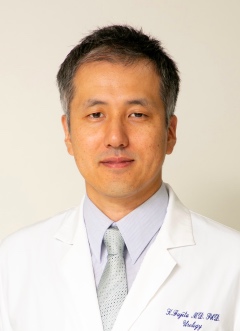 Kazutoshi Fujita合作论文数Department of Urology, Osaka University Graduate School of Medicine3François Audenet合作论文数2
 Alessandro Antonelli合作论文数2
 Benjamin Pradere合作论文数2Sarah Nathaniel合作论文数2Katherine Loftus合作论文数2Evan B. Garden合作论文数2Zeynep G Gul合作论文数2Jorge Daza合作论文数2Shiviram Cumarasamy合作论文数2Benjamin Eilender合作论文数2Andrea Mari合作论文数2Shirin Razdan合作论文数2Aaron M Potretzke合作论文数2Olamide O Omidele合作论文数2




