The acoustic-based separation has attracted considerable attention in biomedical research, such as sorting of cells and particles. Current design principles used for acoustic systems are based on the steady Stokes theory, equating the Stokes drag with the primary radiation force. However, this approach is not valid for large cells/particles or in the presence of particle–particle interaction. In this work,we analytically examine unsteady inertial affects and particle–particle hydrodynamic interaction on the particle motion in a viscous fluid in the presence of an acoustic standing wave field. Comparing our results to the steady Stokes theory, we find that the unsteady inertial force decreases the particle’s velocity, while particle–particle interaction enhances it. For a particular acoustic-based separation approach ‘tilted-angle standing surface acoustic waves (taSSAW)’, we find that both effects of unsteady inertial force and particle–particle interaction are evident and should be considered for O(10μm) particles or larger. Our study improves the current predictions of particle trajectory in acoustic-based separation devices.
OBJECTIVEThe objective of this study was to examine the dependence of item memory and relational memory on medial temporal lobe (MTL) structures. Patients with amnesia, who either had extensive MTL damage or damage that was relatively restricted to the hippocampus, were tested, as was a matched comparison group. Disproportionate relational memory impairments were predicted for both patient groups, and those with extensive MTL damage were also expected to have impaired item memory.METHODParticipants studied scenes, and were tested with interleaved 2-alternative forced-choice probe trials. Probe trials were either presented immediately after the corresponding study trial (Lag 1), 5 trials later (Lag 5), or 9 trials later (Lag 9) and consisted of the studied scene along with a manipulated version of that scene in which 1 item was replaced with a different exemplar (item memory test) or was moved to a new location (relational memory test). Participants were to identify the exact match of the studied scene.RESULTSAs predicted, patients were disproportionately impaired on the test of relational memory. Item memory performance was marginally poorer among patients with extensive MTL damage, but both groups were impaired relative to matched comparison participants. Impaired performance was evident at all lags, including the shortest possible lag (Lag 1).CONCLUSIONSThe results are consistent with the proposed role of the hippocampus in relational memory binding and representation, even at short delays, and suggest that the hippocampus may also contribute to successful item memory when items are embedded in complex scenes.
Preface A Biocultural Approach to Medical Anthropology What Is Distinctive about This Text What's new in this edition Outline of the Book Acknowledgments Chapter 1: Introduction What is Anthropology? The Development of Medical Anthropology What is Medical Anthropology? The Culture Concept A Biocultural Perspective Looking Ahead Chapter 2: Anthropological Perspectives on Health and Disease Definitions of Health Disease Illness Anthropologist in Action: Arthur Kleinman Sickness Health, Ethics, and Cultural Relativism The Locus of Health: The Body and Society Biological/Medical Normalcy Evolutionary Perspectives on Health Adaptability Behavioral Adaptability Cultural Approaches in Medical Anthropology Political Economy of Health Ethnomedical Systems Interpretive Approaches to Illness and Suffering Applied Medical Anthropology Epidemiology Conclusion Chapter 3: Healers and Healing Culture and Healing Systems Living Longer with Cystic Fibrosis Recruitment: How Healers Become Healers Alternative and Complementary Medicines Acupuncture Chiropractic Navajo Medicine When Biomedicine Is Alternative Medicine Alternative Biomedicines Death as a Biocultural Concept Harnessing the Power of the Placebo Placebo and Nocebo Conclusion Chapter 4: Diet and Nutrition in Health and Disease Fundamentals of Nutrition How are Dietary Reference Intakes (DRIs) constructed? Digestive Physiology An Evolutionary Approach to Nutrition Scurvy in Evolutionary Perspective Ascertaining Diet and Nutritional Status from Ancient Bones Cavities C3 versus C4 in Bones Anthropologist in Action: Ellen Messer Nutrition and Chronic Diseases Obesity Diabetes Sugar and High-Fructose Corn Syrup in Biocultural Perspective Lactose Intolerance Celiac Disease Conclusion Chapter 5: Growth and Development Life History Theory Gestation: The First 40 Weeks of Growth and Development Fetal Alcohol Syndrome Birth Weight in the Mountains Infancy Childhood Small but Healthy? Anthropologist in Action: Gretel Pelto Is Bigger Better? Does Milk Make Children Grow? Puberty and the Onset of Adolescence Teenage Pregnancy in the United States Sex, Gender, Growth, and Health Environmental Toxins and Growth Conclusion Chapter 6: Reproductive Health in Biocultural Context Medicalization of Women's Health and Reproductive Health Menstruation Oral Contraceptives and Biological Normalcy Premenstrual Syndrome Determinants of Fertility Infertility Falling Sperm Counts: Environmental Causes of Male Reproductive Health Problems The Medicalization of Male Sexual Dysfunction Female Genital Cutting Anthropologist in Action: Ellen Gruenbaum Pregnancy Humoral Medicine: Concepts of Hot and Cold Birth Mothering Cosleeping and Sudden Infant Death Syndrome Menopause Reproductive Events and Breast Cancer Risk Conclusion Chapter 7: Aging The Aging Body Physiological Theories of Aging Somatic Mutations Free Radicals Wear and Degeneration Evolutionary Theories of Aging The Aging Brain Alzheimer Disease, Genes, and Evolution Extending Life? Caloric Restriction and an Okinawa Case Study Health, Illness, and the Cultural Construction of Aging Conclusion Chapter 8: Infectious Diseases: Pathogens, Hosts, and Evolutionary Interplay Koch's Postulates Taxonomy of Infectious Disease Viruses Bacteria Protozoa Fungi Worms Prions How Pathogens Spread Human Defenses against Pathogens To Treat or Not to Treat The Immune Response: A Brief Overview Vaccination: How Does It Work? The Language of Immunity Human-Pathogen Co-Evolution Malaria: a post-agricultural disease Evolutionary changes in pathogens Antibiotic Resistance Variation in Pathogen Virulence Allergies and Asthma: Relationship to Infectious Disease Exposure? The Hygiene Hypothesis The Helminth Hypothesis Anthropologist in Action: David Van Sickle and managing asthma Conclusion Chapter 9: Globalization, Poverty, and Infectious Disease Emergent and Resurgent Diseases Social Transformations, Colonialism, and Globalizing Infections Smallpox Colonization in the Tropics Colonialism's Health Legacy Climate Change and Emerging/Resurging Diseases Cholera Genetic Adaptation to Cholera Dams and Infectious Disease Tuberculosis: Emerging and Resurging HIV/AIDS: A New Disease Bushmeat Hunting and the Emergence of Human Diseases Anthropologist in Action: Paul Farmer and HIV in Haiti Conclusion Chapter 10: Stress, Social Inequality, and Race and Ethnicity: Implications for Health Disparities Biology of the Stress Response The Nervous System Stress Response The Hormonal Stress Response Why Is Stress Different for Humans? Stress and Biological Normalcy Stress and Health Cardiovascular Disease Immune Function Medical Anthropologist in Action: Nancy Schoenberg Child Growth Inequality, Stress, and Health Relative Status Social Cohesion Social Support Race and Ethnicity and Health in the United States BiDil and "Racial Medicine" in the United States Conclusion Chapter 11: Mental Health and Illness The Medical Model in Biocultural Context Culture-Bound Syndromes A French Culture-Bound Syndrome Eating Disorders ADHD and Culture Mood Disorders Depression Bipolar Disorder and Creativity The Evolution of Substance Use and Abuse Schizophrenia An Ethnography of Futility Conclusion Epilogue: The Relevance of Medical Anthropology What Can I Do Next if I Am Interested in Medical Anthropology? Graduate Programs in Anthropology Public Health Programs Medical Schools and Clinical Health Professions Work in Governmental and Nongovernmental Health Agencies References
WE INVESTIGATED EFFECTS OF SIGN LANGUAGE USE AND AUDITORY DEPRIVATION FROM BIRTH ON THE VOLUMES OF THREE CORTICAL REGIONS OF THE HUMAN BRAIN: the visual cortex surrounding the calcarine sulcus in the occipital lobe; the language-related cortex in the inferior frontal gyrus (pars triangularis and pars opercularis); and the motor hand region in the precentral gyrus. The study included 25 congenitally deaf participants and 41 hearing participants (of which 16 were native sign language users); all were right-handed. Deaf participants exhibited a larger calcarine volume than hearing participants, which we interpret as the likely result of cross-modal compensation and/or dynamic interactions within sensory neural networks. Deaf participants also had increased volumes of the pars triangularis bilaterally compared to hearing signers and non-signers, which we interpret is related to the increased linguistic demands of speech processing and/or text reading for deaf individuals. Finally, although no statistically significant differences were found in the motor hand region for any of the groups, the deaf group was leftward asymmetric, the hearing signers essentially symmetric and the hearing non-signers were rightward asymmetric - results we interpret as the possible result of activity-dependent change due to life-long signing. The brain differences we observed in visual, motor, and language-related areas in adult deaf native signers provide evidence for the plasticity available for cognitive adaptation to varied environments during development.
In this gustatory tour of human history, John S. Allen demonstrates that the everyday activity of eating offers deep insights into human beings' biological and cultural heritage. We humans eat a wide array of plants and animals, but unlike other omnivores we eat with our minds as much as our stomachs. This thoughtful relationship with food is part of what makes us a unique species, and makes culinary cultures diverse. Not even our closest primate relatives think about food in the way Homo sapiens does. We are superomnivores whose palates reflect the natural history of our species. Drawing on the work of food historians and chefs, anthropologists and neuroscientists, Allen starts out with the diets of our earliest ancestors, explores cooking's role in our evolving brain, and moves on to the preoccupations of contemporary foodies. The Omnivorous Mind delivers insights into food aversions and cravings, our compulsive need to label foods as good or bad, dietary deviation from healthy food pyramids, and cross-cultural attitudes toward eating (with the French, bien sur, exemplifying the pursuit of gastronomic pleasure). To explain, for example, the worldwide popularity of crispy foods, Allen considers first the food habits of our insect-eating relatives. He also suggests that the sound of crunch may stave off dietary boredom by adding variety to sensory experience. Or perhaps fried foods, which we think of as bad for us, interject a frisson of illicit pleasure. When it comes to eating, Allen shows, there's no one way to account for taste.
American Journal of Human BiologyVolume 24, Issue 2 p. 107-109 2011 Wiley Blackwell Plenary Session, Guest Editors: Andrea S. Wiley and John S. Aller Human biology eats: Contemporary research and future directions Andrea S. Wiley, Corresponding Author Andrea S. Wiley wileya@indiana.edu Human Biology Program and Department of Anthropology, Indiana University, Bloomington, IndianaHuman Biology Program and Department of Anthropology, Indiana University, Bloomington, IN, USASearch for more papers by this authorJohn S. Allen, John S. Allen Dornsife Cognitive Neuroscience Imaging Center and Brain and Creativity Institute, University of Southern California, Los Angeles, CaliforniaSearch for more papers by this authorAlexandra Brewis, Alexandra Brewis School of Human Evolution and Social Change, Arizona State University, Tempe, ArizonaSearch for more papers by this author Andrea S. Wiley, Corresponding Author Andrea S. Wiley wileya@indiana.edu Human Biology Program and Department of Anthropology, Indiana University, Bloomington, IndianaHuman Biology Program and Department of Anthropology, Indiana University, Bloomington, IN, USASearch for more papers by this authorJohn S. Allen, John S. Allen Dornsife Cognitive Neuroscience Imaging Center and Brain and Creativity Institute, University of Southern California, Los Angeles, CaliforniaSearch for more papers by this authorAlexandra Brewis, Alexandra Brewis School of Human Evolution and Social Change, Arizona State University, Tempe, ArizonaSearch for more papers by this author First published: 27 January 2012 https://doi.org/10.1002/ajhb.22232Citations: 1Read the full textAboutPDF ToolsRequest permissionExport citationAdd to favoritesTrack citation ShareShare Give accessShare full text accessShare full-text accessPlease review our Terms and Conditions of Use and check box below to share full-text version of article.I have read and accept the Wiley Online Library Terms and Conditions of UseShareable LinkUse the link below to share a full-text version of this article with your friends and colleagues. Learn more.Copy URL Share a linkShare onFacebookTwitterLinked InRedditWechat No abstract is available for this article.Citing Literature Volume24, Issue2March/April 2012Pages 107-109 RelatedInformation
Human adult cognition emerges over the course of development via the interaction of multiple critical neurocognitive networks. These networks evolved in response to various selection pressures, many of which were modified or intensified by the intellectual, technological, and sociocultural environments that arose in connection with the evolution of genus Homo . Networks related to language and theory of mind clearly play an important role in adult cognition. Given the critical importance of food to both basic survival and cultural interaction, a “theory of food” (analogous to theory of mind) may represent another complex network essential for normal cognition. I propose that theory of food evolved as an internal, cognitive representation of our diets in our minds. Like other complex cognitive abilities, it relies on complex and overlapping dedicated neural networks that develop in childhood under familial and cultural influences. Normative diets are analogous to first languages in that they are acquired without overt teaching; they are also difficult to change or modify once a critical period in development is passed. Theory of food suggests that cognitive activities related to food may be cognitive enhancers, which could have implications for maintaining healthy brain function in aging. Am. J. Hum. Biol., 2012. © 2012 Wiley Periodicals, Inc.
Several biological changes characterize normal brain aging in humans. Although some of these age-associated neural alterations are also found in other species, overt volumetric decline of particular brain structures, such as the hippocampus and frontal lobe, has only been observed in humans. However, comparable data on the effects of aging on regional brain volumes have not previously been available from our closest living relatives, the chimpanzees. In this study, we used MRI to measure the volume of the whole brain, total neocortical gray matter, total neocortical white matter, frontal lobe gray matter, frontal lobe white matter, and the hippocampus in a cross-sectional sample of 99 chimpanzee brains encompassing the adult lifespan from 10 to 51 y of age. We compared these data to brain structure volumes measured in 87 adult humans from 22 to 88 y of age. In contrast to humans, who showed a decrease in the volume of all brain structures over the lifespan, chimpanzees did not display significant age-related changes. Using an iterative age-range reduction procedure, we found that the significant aging effects in humans were because of the leverage of individuals that were older than the maximum longevity of chimpanzees. Thus, we conclude that the increased magnitude of brain structure shrinkage in human aging is evolutionarily novel and the result of an extended lifespan.
We present a characterization of both the hydrodynamic flow associated with the motion of a small remotely operated vehicle (ROV) and the acoustic signature emitted from the ROV. We experimentally measure the acoustic signature of a commercial off-the-shelf mini ROV by recording the underwater sound with stationary hydrophones, simultaneously compared with measuring the flow fields with particle image velocimetry (PIV). By conducting the trials during a variety of ROV maneuvers, we quantify the most underlying mechanisms that generate the ROV acoustic signatures which include the electric motor signal, propeller induced signal, pressure fluctuation due to the propeller wash and emission induced by flow over the ROV body. From the experimental results, we conclude that the electric motor is the main source of acoustic signature. The dominant acoustic frequency is between 70 Hz to 80 Hz with sound pressure level of 146 dB re 1 μPa at 1 m. Based on this characterization, we predict the feasibility of the detection of a small ROV using a model for transmission loss to predict the influences of attenuation and spreading. The predictions of detecting performance are based on a signal-to-noise ratio (SNR) for typical environments: shallow coastal water, ports and harbors, and deep oceans. Based on these models, we can quantify potentially the effective range of passive detection of underwater vehicle in the three distractive environments.
* Introduction * The Human Brain in Brief * Brain Size * The Functional Evolution of the Brain * The Plastic Brain * The Molecular Evolution of the Brain * The Evolution of Feeding Behavior * The Aging Brain * Language and Brain Evolution * Optimism and the Evolution of the Brain * References * Acknowledgments * Index
We investigated whether auditory deprivation and/or sign language exposure during development alters the macroscopic neuroanatomy of the human insula. Volumetric analyses were based on MRI data from 25 congenitally deaf subjects who were native users of American Sign Language (ASL), 25 hearing subjects with no knowledge of ASL, and 16 hearing subjects who grew up in deaf families and were native ASL signers. Significant variation in insula volume was associated with both hearing status and sign language experience. Compared with both hearing groups, deaf subjects exhibited a significant increase in the amount of gray matter in the left posterior insular lobule, which we hypothesize may be related to the dependence on lip-reading and articulatory-based (rather than auditory-based) representations of speech for deaf individuals. Both deaf and hearing signers exhibited an increased volume of white matter in the right insula compared with hearing nonsigners. We hypothesize that the distinct morphology of the right insula for ASL signers may arise from enhanced connectivity resulting from an increased reliance on cross-modal sensory integration in sign language compared with spoken language.
Spatial transformation of MR brain images is a standard tool used in automated anatomical parcellation and other quantitative and qualitative methods to assess brain tissue volume, composition, and distribution. Despite widespread use, the quantitative effects of spatial transformation on regional brain volume estimates have been little studied. We report on the effects of transformation on regional brain volumes of 38 (17M, 21F) manually parcellated brains. After tracing in native space, regions of interest were transformed using a classic piecewise-linear Talairach transformation (Tal) or a nonlinear registration (AIR 5th order nonlinear algorithm, 158 parameters) to one of three Talairach-based templates: 1) Tal50, constructed from 50 Talairach-transformed normal brains, 2) the MNI 305 atlas, 3) IA38, constructed from MNI305-transformed scans of the 38 subjects used in this study. Native volumes were compared to the transformed volumes. We found that: 1) significant group-level differences can be obtained in transformed data sets that are in the opposite direction of effects obtained in native space; 2) the effects of transformation are heterogeneous across brain regions, even after covarying for total brain volume and age; 3) volumetric intra-class correlations between native and transformed brains differ by registration method and template choice, region, and tissue type; and 4) transformed brains produced hippocampus and corpus callosum volume proportions that were significantly different from those obtained in native space. Our results suggest that region-based volumetric differences uncovered by spatial-transformation-based methods should be replicated in native-space brains, and that meta-analyses should take into account whether volumes are determined using spatially-transformed images and/or specific automated methods.
 Joel Bruss合作论文数Department of Neurology;Laboratory of Computational Neuroimaging;University of Iowa;Carver College of Medicine;Carver College of Medicine, University of Iowa18
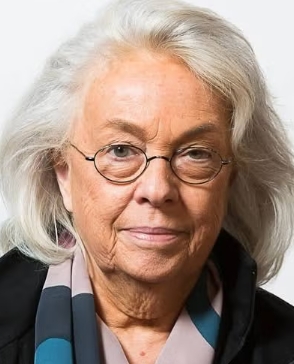 Hanna Damasio合作论文数College of Letters, Arts and Sciences, University of Southern California;Dana and David Dornsife Cognitive Neuroscience Imaging Center, University of Southern California;Department of Neurology, University of Iowa17
 David M Lambert合作论文数Evolutionary Genetics Laboratory, University of Auckland6
 Selim Hacisalihzade合作论文数6
 Roger J. Sullivan合作论文数Department of Anthropology;California State University;Department of Anthropology, California State University5
 Thomas Grabowski合作论文数Memory and Brain Wellness Center, School of Medicine, University of Washington;Integrated Brain Imaging Center, University of Washington5E Matisoo-Smith合作论文数4Craig B. Stanford合作论文数4
 Lawrence W. Stark合作论文数Department of Physiological Optics and Engineering, University of California, Berkeley4
 Daniel Tranel合作论文数Department of Psychological and Brain Sciences, College of Liberal Arts and Sciences, University of Iowa;Department of Neurology, Carver College of Medicine, University of Iowa4Rm Roberts合作论文数3Vm Sarich合作论文数3
 Karen Emmorey合作论文数School of Speech, Language and Hearing Sciences, College of Health and Human Services, San Diego State University;Center for Clinical and Cognitive Neuroscience, San Diego State University;Department of Psychology, University of California, San Diego3K Matsunaga合作论文数3
 Lisa Matisoo-Smith合作论文数Department of Anatomy, School of Biomedical Sciences, University of Otago3
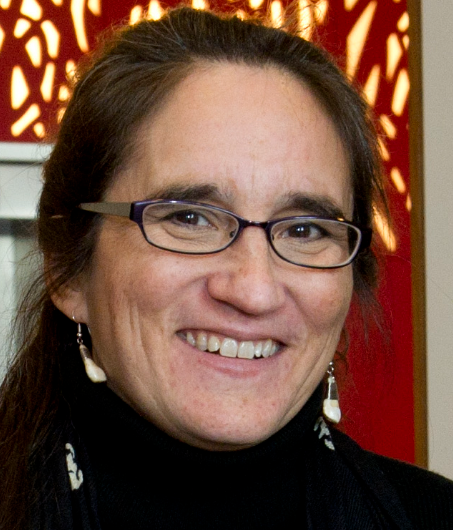 Susan Antón合作论文数Department of Anthropology, College of Arts & Sciences, New York University3
 Karen L. Nero合作论文数3Thegn Niels Ladefoged合作论文数School of Social Sciences, Faculty of Arts, The University of Auckland3Kice Brown合作论文数3M Miyao合作论文数2
 Julie Park合作论文数Te Puna Marama Sch Social Sci, Univ Auckland2Caleb Otto合作论文数2
 Andrea Wiley合作论文数Department of Anthropology, The College of Arts & Sciences, Indiana University Bloomington2
 Alexandra Brewis合作论文数School of Human Evolution and Social Change, Arizona State University;Center for Global Health, Arizona State University2Adam D. Gordon合作论文数1Karen L. Rebeiro合作论文数1thomas j richard合作论文数1KAUFMAN ROBERT J合作论文数1Hd Davies合作论文数1THOMAS H. GOODIN合作论文数1Jr Tinklenberg合作论文数1KA Horsburgh合作论文数1N. Schenker合作论文数1
 Randall Frank合作论文数Applied Research Associates, Inc1
 Simone Kern合作论文数1Johnson F Y合作论文数1Xudong Wang合作论文数1
 Deborah Hannula合作论文数Dept Psychol, Univ Wisconsin1
 Steven Anderson合作论文数Department of Neurology, Carver College of Medicine, University of Iowa Health Care1Schmidt K合作论文数1Meng Cai合作论文数1Hacisalihzade, S.合作论文数1
 Vassilis L. Syrmos合作论文数University of Hawaiʻi1
 Arezoo Ardekani合作论文数Complex Flow Lab, Department of Mathematics, School of Mechanical Engineering, Purdue University1
 Patrick R Hof合作论文数Nash Family Department of Neuroscience, Icahn School of Medicine at Mount Sinai1Nickel Allison E合作论文数1




