Glacier-fed streams (GFSs) export large amounts of suspended sediment (SS) and associated mercury, with important implications for downstream water quality, yet the controls on Hg export remain poorly constrained. This issue is particularly acute on the Tibetan Plateau, where glacier meltwater sustains major Asian rivers. Here, we quantify seasonal and diurnal variability (n = 350) in SS and Hg across six Tibetan Plateau GFSs and synthesize observations from 36 GFSs worldwide. Tibetan Plateau GFSs exhibit total Hg (THg) concentrations and yields comparable to Alaska, but higher than most GFSs with similar glacier coverage. In GFSs without proglacial lakes, THg export scales with SS and increases with glacier coverage and velocity, indicating mobilization of erosion-derived, particle-associated Hg. THg-SS hysteresis differs among glacier thermal regimes in response to particle sorting and subglacial drainage evolution. Our results suggest that intensifying melt and rainfall on the Tibetan Plateau may increase Hg yields and delay the timing of peak Hg export, whereas expanding proglacial lakes may temporarily buffer further downstream Hg export. This study identifies controls on SS and THg export in Tibetan Plateau GFSs and highlights implications for downstream water quality and ecosystem exposure under glacier retreat.
The Greenland Ice Sheet (GrIS) is a poorly constrained source of mercury (Hg) to Arctic ecosystems. We measured Hg concentrations and stable isotopes along an ice-to-ocean continuum to identify controls on GrIS Hg export. Early-season permafrost melt and rainfall produced high filtered total mercury (fTHg, ~17 pM) and monomethylmercury (MMHg, ~2 pM). As subglacial drainage evolved, particulate Hg doubled (from ~8 to 17 pM) and MMHg production remained elevated, indicating Hg mobilization from subglacial environments. Shifts in Hg stable isotope ratios and $$\Delta$$199Hg mass balance show supraglacial sources contribute 20–48% of exported Hg, suggesting subglacial inputs dominate the seasonal Hg flux. Fjord waters were enriched in fTHg ( ~ 10 pM) and MMHg ( ~ 2 pM) relative to rivers, consistent with particulate Hg transformations and terrestrial Hg inputs. The estimated GrIS Hg yield ( ~ 23 mmol km−2 yr−1) is similar to that of Arctic rivers and will likely increase with climate-driven mass loss. Subglacial inputs dominate the export of mercury (Hg) from the Greenland Ice Sheet, and the estimated Hg yield is similar to that of Arctic rivers, according to analysis of Hg concentrations and stable isotopes from the southwestern Greenland Ice Sheet margin during the 2023 ablation season
Rising atmospheric carbon dioxide and declining water quality threaten coral reef ecosystems. The aquaculture of select seaweed species has been suggested to be a key part of the solution to these pervasive challenges. However, there are no empirical investigations of the impact of seaweed farming on coral reefs. Here, we partnered with the 350-year-old Hawaiian fishpond Waikalua Loko I'a to examine if aquaculture of the seaweed Gracilaria tikvahiae can enhance Montipora capitata survival and growth across coral life stages (juvenile and clonal adult colonies). Tanks that contained seaweed showed improved water quality, specifically by increasing oxygen and pH and reducing dissolved inorganic nutrients such as ammonium. Remarkably, the observed remediation of seawater with seaweed led to 35% greater survival amongst cultured juvenile corals. While adult corals trended towards greater calcification and extension rates in tanks with seaweed, these patterns were statistically indistinguishable from tanks without seaweed; these findings suggest that in some situations, seaweed co-culture may not adversely impact and may benefit coral growth. Synthesis and applications. These findings improve our understanding of seaweed cultivation on coral reefs, highlighting the ways in which farmed seaweed can improve water quality and enhance early coral survival. Linking coral restoration with a commercially viable seaweed industry creates a scalable, market-driven mechanism to overcome costly post-settlement survival bottlenecks in sexually propagated corals. This integrated aquaculture-restoration model demonstrates how coupling ecosystem service provisioning with reef rehabilitation can simultaneously generate economic returns and increase the efficiency and resilience of coral recovery efforts under climate warming and eutrophication. Further, the management of local stressors (e.g. excess nutrients) can improve coral reef resilience against thermal stress, and the outcomes of our research are translatable to areas where increased nutrient loads from sewage and/or fertilizer runoff are degrading water quality and in turn, coral reef communities. Implementing targeted and locally informed seaweed aquaculture may be a solution to remediate coastal waters and to build coral reef resilience to environmental change.
Sunlight penetrates the bare-ice surface of glaciers and ice sheets, giving rise to the presence of a three-dimensional porous matrix of partially melted ice crystals known as the weathering crust. Surface meltwater slowly percolates through this weathering crust, which hosts active and diverse bacterial communities, until it reaches a supraglacial stream. Despite the potential implications of weathering crust dynamics for glacial melting and the export of carbon and nutrients to downstream ecosystems, its role in biogeochemical cycling remains unknown. Here, we use Fourier transform cyclotron resonance mass spectrometry to characterize dissolved organic matter (DOM) along a meltwater flow path in a hydrologically connected micro-catchment on the southern Greenland Ice Sheet. We find a decrease in the relative abundance of aromatic formulae from surface ice (24.9 ± 2.8 %) to weathering crust meltwater (3.5 ± 0.3 %) to supraglacial stream water (2.2 ± 0.2 %), pointing towards photodegradation of aromatic DOM during supraglacial meltwater transit. The relative abundance of aliphatic and peptide-like formulae in supraglacial stream DOM was lower (38.5 ± 4.0 %) than in weathering crust meltwater DOM (50.3 ± 2.4 %), likely as a result of microbial respiration of labile compounds within the weathering crust. Hence, we conclude that the weathering crust plays a thus far unexplored role in supraglacial biogeochemical cycling. In addition, we characterize water-extractable organic matter isolated from surface ice particulate matter, which was predominantly (61.6 ± 8.1 % relative abundance) comprised of aliphatic and peptide-like formulae, providing the first direct evidence of surface ice particulate matter as a potential source of biolabile DOM. As the spatial extent of bare-ice surfaces and the associated weathering crust photic zone is set to increase under a warming climate, our findings underscore the pressing need to further evaluate the role of the weathering crust in supraglacial biogeochemical processes. An understanding of weathering crust biogeochemical cycling is especially critical as climatic warming is predicted to lead to an increase in Arctic rainfall, consequently increasing the frequency of weathering crust degradation events, with unknown impacts on the export of supraglacial DOM to downstream ecosystems.
Far from being frozen and sterile environments, glaciers are biogeochemical reactors and regulators. In this Review, we discuss the hydrology and biogeochemistry of glacierized environments and their impact on downstream ecosystems. Supraglacial meltwaters export labile organic carbon associated with active supraglacial microbial communities, as well as carbon and nutrients delivered via atmospheric deposition. Meltwaters funnelled to the glacier bed and exiting at the glacier snout transport large quantities of rock flour as well as supraglacial and subglacial-derived organic carbon and nutrients to downstream ecosystems. Subglacial water flow paths influence rock–water contact times and vary greatly, affecting weathering reactions. For instance, the hydrology of mountain glaciers and the Greenland Ice Sheet is typically dominated by seasonal melt with short (hours) to medium (weeks) water residence times, although extended biogeochemical isolation can exist in more isolated parts of the Greenland Ice Sheet. Conversely, the Antarctic Ice Sheet is dominated by basal ice melt and residence times that can exceed years and decades. As a result, the latter supports extended biogeochemical isolation and more advanced chemical weathering. Microbial processes and physical-chemical weathering can both sequester or emit greenhouse gases, but the net effect remains unknown. Meltwaters can potentially fuel biological processes in downstream ecosystems by priming glacier-fed streams, fjords, and oceans with rock flour and nutrients. The rapid reduction in glacier area projected for the next century mandates that future research provides a critical assessment of the effects of deglaciation on watershed biogeochemistry, ecology and global biogeochemical cycles. Far from frozen and sterile environments, glaciers are biogeochemical reactors and regulators. This Review outlines key biogeochemical and associated physical processes occurring in glacierized environments and the known impacts of glaciers on elemental cycling and the Earth system.
Recent studies have shown the release of methane (CH4) from the melting Greenland Ice Sheet (GrIS) and identified it as having an additional potential positive climate feedback. This methane originates mainly from acetoclastic methanogenesis in subglacial sediments, accumulates over time, and subsequently diffuses into the subglacial hydrologic network which transports it to the ice sheet margin. The rates of methane production and emission from GrIS subglacial sediments likely depend on a number of factors, including sediment depth and distribution, organic matter content in the sediment and its reactivity, the redox conditions, and downstream methanotrophic activity; however, their relative significance remains unquantified.Here, we use a reaction-transport model that accounts for heterotrophic methane production, methane oxidation, as well as advective and diffusive methane transport to quantitatively assess the potential for biogenic methane production and emissions from subglacial sediments underneath the Greenland Ice Sheet. The model is run over a large environmental condition model ensemble (n=3840) covering the entire range of plausible subglacial sediment thickness, subglacial organic matter availability and reactivity, oxygen concentration and methanotrophic activity as constrained by available field observations from subglacial and/or similar environments and/or laboratory experiments. Model results are discussed in the context of available field observations.Results show that methanogenic activity in subglacial sediments can produce large quantities of methane (10-5 -7.9⋅101 mmol m-2 yr-1). Subglacial methane production rates compare well with observations from laboratory studies. They are strongly controlled by organic matter availability and subglacial sediment depth, but are less sensitive to the availability of oxygen in overlying waters. Only for low organic carbon contents, low methanotrophic rate constants and/or high oxygen concentrations does methane production become more sensitive to oxygen concentration in overlying waters. Simulated methane effluxes vary four orders of magnitude and again strongly depend on organic matter availability and subglacial sediment depths. However, in contrast to methane production, methane efflux is also sensitive to oxygen concentration and methanotrophic activity. Methane effluxes generally decrease with increasing oxygen concentration and their sensitivity to oxygen concentration increases with increasing methanotrophic activity. Model results show that subglacial sediments can support methane effluxes that are up to 100 times higher than the flux required to sustain observed subglacial methane fluxes at the outflow (0.653 mmol m-2 yr-1 Lamarche-Gagnon et al., 2019) for realistic organic carbon contents (0.06 - 0.5 wt%), reactivity (0.013-1.1 yr-1), subglacial sediment depths (100-500 cm) and methanotrophic rate constants (1010-1012 mol cm-3yr-1) under both anoxic and partly oxic conditions (
Iron is an essential micronutrient for phytoplankton and plays an integral role in the marine carbon cycle. The supply and bioavailability of iron are therefore important modulators of climate over glacial-interglacial cycles. Inputs of iron from the Antarctic continental shelf alleviate iron limitation in the Southern Ocean, driving hotspots of productivity. Glacial meltwater fluxes can deliver high volumes of particulate iron. Here, we show that glacier meltwater provides particles rich in iron(II) to the Antarctic shelf surface ocean. Particulate iron(II) is understood to be more bioavailable to phytoplankton, but less stable in oxic seawater, than iron(III). Using x-ray microscopy, we demonstrate co-occurrence of iron and organic carbon-rich phases, suggesting that organic carbon retards the oxidation of potentially-bioavailable iron(II) in oxic seawater. Accelerating meltwater fluxes may provide an increasingly important source of bioavailable iron(II)-rich particles to the Antarctic surface ocean, with implications for the Southern Ocean carbon pump and ecosystem productivity.
The basal environments of ice sheets play an important role as places of methane (CH4) production, storage, and release. Recent investigations have confirmed the release of subglacial methane of microbial origin at the western margin of the Greenland Ice Sheet (GrIS). This methane may then serve as a substrate for methane-consuming microorganisms and thus significantly shape microbial community assembly in GrIS subglacial environments. We conducted a comparative analysis of the composition of exported microbial assemblages from six regions spanning a 2,000-km transect along the western margin of the GrIS. Based on 16S rRNA gene sequences, we identified taxa predominantly affiliated with Pseudomonadota (formerly Proteobacteria), Actinomycetota (formerly Actinobacteriota), and Acidobacteriota. Within the Pseudomonadota, notable genera such as Rhodoferax, Polaromonas, and the methylotrophic Crenothrix and Methylotenera were identified as the most abundant. Importantly, we observed a pattern in community composition related to measured methane concentrations at each site, resulting in three distinct clusters: samples from sites with atmospheric methane levels (i.e., with no significant methane release), those from sites with elevated methane concentrations, and methane release hotspots. Our results align with recent findings, suggesting that microbial communities colonizing methane-emitting sites may have the potential to utilize methane as a resource, thereby reducing its release into the atmosphere and so mitigating its impact on climate change. Furthermore, our findings may facilitate the identification of potential methane release hotspots based on microbial community analysis.
Solid phase extraction (SPE) of a variety of diverse dissolved organic matter (DOM) endmembers through eight commercially available sorbents was examined (ENV, PLEXA, PPL, HLB, Isolute 101, C18/ENV+, C18, EnvirElut) representing styrene divinylbenzene polymer (SDVB) and silica-based sorbents. We assessed dissolved organic carbon (DOC) recovery and DOM composition via 21T Fourier transform-ion cyclotron resonance mass spectrometry (FT-ICR MS). DOC recoveries and SPE-DOM composition differed more by endmember type than by sorbent. Silica-based sorbents retained DOM with many N-containing formulae, while SDVB-based sorbents retained DOM with more S-containing formulae. Extraction pH exerted a greater influence on DOM composition, notably through the presence of strong groupings composed of saturated and lowly oxygenated formulae at basic pH, and of aromatic and highly oxygenated formulae at pH 2, irrespective of endmember or sorbent. There was above 25% DOC recovery, regardless of sorbent or endmember; >90% of the relative abundance (RA) of molecular formulae were shared with PPL, which is currently the most commonly utilized sorbent for DOM. This clearly highlights the ability of the selected sorbents to retain representative DOM across diverse endmembers. Such findings may be useful for future targeted DOM studies (e.g., bioincubations, wastewater and drinking water applications) interested in focusing on specific compositional changes and will provide a better understanding of how organic carbon cycling is impacted by anthropogenic processes.
Abstract. During the ablation season, active microbial communities colonise large areas of the Greenland Ice Sheet surface and produce dissolved organic matter (DOM) that may be exported downstream by surface melt. Meltwater flow through the bare ice interfluvial area, characterized by a porous weathering crust, is slow (~ 10-2 m d-1), meaning that it presents a potential site for photochemical and/or microbial alteration of supraglacial DOM. Transformations of supraglacial DOM during transport through the supraglacial drainage system remain unexplored, limiting our understanding of supraglacial DOM inputs to downstream subglacial and coastal ecosystems. Here, we employ negative-ion electrospray ionization 21 tesla Fourier transform ion cyclotron resonance mass spectrometry to catalogue the molecular composition of DOM in supraglacial dark ice, weathering crust meltwater, and supraglacial stream water sampled in a hydrologically connected supraglacial micro-catchment to address this knowledge gap. Dark ice DOM contained significantly more aromatic (25 ± 3 %) and less biolabile (13 ± 4 %) DOM than weathering crust meltwater (3 ± 0 and 50 ± 0 %, respectively), pointing to retention of DOM on the ice surface and microbial, as well as photochemical alteration of DOM during transit through the supraglacial drainage system. These findings have implications for our understanding of supraglacial biogeochemical cycling, highlighting the importance of including the weathering crust photic zone when assessing supraglacial inputs to subglacial and downstream ecosystems.
Abstract. The microbial ecosystems that lie beneath ice sheets can impact and contribute to global biogeochemical cycles, yet remain poorly understood given the logistical challenges in directly accessing the subglacial environment. Studies instead often rely on indirect sampling of subglacial systems via the collection of meltwaters emerging from ice margins. However, the origin of exported material in these waters will change over a melt season as glacier hydrology responds to changes in surface melt. Here, we reveal trends in microbial sourcing (source environment) and assemblages in a large proglacial river in southwest Greenland by investigating three microbial datasets (16S rRNA) collected during different hydrological periods over three separate summer melt seasons. By combining microbial data with high-resolution hydrological and hydrochemical measurements, we show that changes in microbial assemblages follow changes in hydrological periods, likely influenced by variations in glacial drainage expansion inland with concomittant variations in inputs of surface melt and subglacial sediment exports. We further illustrate how relative changes in microbial assemblages can inform on the state of the glacial hydrological system, and also focus on methane-cycling populations to infer their potential distribution beneath the ice. Overall, our results highlight that timing matters when sampling proglacial rivers and we caution interpretations of exported assemblages without a good understanding of the catchment and system studied; this is especially true for larger systems which undergo more complex hydrological changes over a melt season.
Biodegradable soil monitoring systems have the potential to enable high spatial resolution agricultural and environmental monitoring. Hybrid biodegradable systems, composed predominantly of degradable components, such as sensors and antennas, with traditional Si-based sub-mm scale integrated circuits, offer a solution that balances degradability with system complexity and performance. Here, we propose a phosphate sensor with Mo ion selective electrode constructed of degradable and environmentally-benign materials using simple fabrication techniques. We demonstrate the feasibility of Sn pseudoreference and counter electrodes and show sensor performance in buffer solutions with environmentally relevant concentrations and in soil solutions with P concentration adjusted by fertilizer.
Projections of Antarctica's contribution to future sea level rise are associated with significant uncertainty, in part because the observational record is too short to capture long‐term processes necessary to estimate ice mass changes over societally relevant timescales. Records of grounding line retreat from the geologic past offer an opportunity to extend our observations of these processes beyond the modern record and to gain a more comprehensive understanding of ice‐sheet change. Here, we present constraints on the timing and inland extent of deglacial grounding line retreat in the southern Ross Sea, Antarctica, obtained via direct sampling of a subglacial lake located 150 km inland from the modern grounding line and beneath >1 km of ice. Isotopic measurements of water and sediment from the lake enabled us to evaluate how the subglacial microbial community accessed radiocarbon‐bearing organic carbon for energy, as well as where it transferred carbon metabolically. Using radiocarbon as a natural tracer, we found that sedimentary organic carbon was microbially translocated to dissolved carbon pools in the subglacial hydrologic system during the 4.5‐year period of water accumulation prior to our sampling. This finding indicates that the grounding line along the Siple Coast of West Antarctica retreated more than 250 km inland during the mid‐Holocene (6.3 ± 1.0 ka), prior to re‐advancing to its modern position.
Anthropogenic conversion of forests and wetlands to agricultural and urban landcovers impacts dissolved organic matter (DOM) within streams draining these catchments. Research on how landcover conversion impacts DOM molecular level composition and bioavailability, however, is lacking. In the Upper Mississippi River Basin (UMRB), water from low-order streams and rivers draining one of three dominant landcovers (forest, agriculture, urban) was incubated for 28 days to determine bioavailable DOC (BDOC) concentrations and changes in DOM composition. The BDOC concentration averaged 0.49 ± 0.30 mg L-1 across all samples and was significantly higher in streams draining urban catchments (0.72 ± 0.34 mg L-1) compared to streams draining agricultural (0.28 ± 0.15 mg L-1) and forested (0.47 ± 0.17 mg L-1) catchments. Percent BDOC was significantly greater in urban (10% ± 4.4%) streams compared to forested streams (5.6% ± 3.2%), corresponding with greater relative abundances of aliphatic and N-containing aliphatic compounds in urban streams. Aliphatic compound relative abundance decreased across all landcovers during the bioincubation (average -4.1% ± 10%), whereas polyphenolics and condensed aromatics increased in relative abundance across all landcovers (average of +1.4% ± 5.9% and +1.8% ± 10%, respectively). Overall, the conversion of forested to urban landcover had a larger impact on stream DOM bioavailability in the UMRB compared to conversion to agricultural landcover. Future research examining the impacts of anthropogenic landcover conversion on stream DOM composition and bioavailability needs to be expanded to a range of spatial scales and to different ecotones, especially with continued landcover alterations.
The Patagonia archipelago interior sea (PAIS) of southern Chile is one of the largest fjord systems on earth. These coastal waters include remote and virtually pristine areas where extreme rainfall/runoff and glacial meltwaters intensify the land-ocean interaction impinging on the biological, physical, and chemical characteristics of oceanic subantarctic Surface Water (SAASW) that flood the archipelago basins. The SAASW mix with silicon-and iron-replete continental water and diatom growth would occur concomitantly with a rapid drawdown of SAASW macronutrients. Consequently, phytoplankton metabolism (e.g. macronutrient utilization for primary productivity) in estuaries of southern Patagonian has been previously assumed independent of iron availability (i.e. iron-replete conditions). Experimental results shown here suggest that the nitrate and phosphate drawdown in low salinity (29) water can be enhanced by a 5 nM dissolved iron enrichment (by 13% and 28%, respectively) during the developing phase of a diatom bloom. The simultaneous enrichment in iron (5 nM) and silicic acid (5 mu M) in these estuarine waters resulted in a similar macronutrient uptake enhancement, a 119% increment of the production of biogenic silica and a 2-fold rise in the abundance of Pseudo-nitzschia spp (a diatom capable to produce the neurotoxin domoic acid). We suggest that natural freshwater pulses of allochthonous bioavailable forms of iron and silicon to inner waters of the Patagonia archipelago during the onset of the productive season play a potentially significant role modulating macronutrient dynamics (input vs utilization) and influencing coastal phytoplankton assemblages.
Ice streams that flow into Ross Ice Shelf are underlain by water-saturated sediments, a dynamic hydrological system, and subglacial lakes that intermittently discharge water downstream across grounding zones of West Antarctic Ice Sheet (WAIS). A 2.06 m composite sediment profile was recently recovered from Mercer Subglacial Lake, a 15 m deep water cavity beneath a 1087 m thick portion of the Mercer Ice Stream. We examined microbial abundances, used 16S rRNA gene amplicon sequencing to assess community structures, and characterized extracellular polymeric substances (EPS) associated with distinct lithologic units in the sediments. Bacterial and archaeal communities in the surficial sediments are more abundant and diverse, with significantly different compositions from those found deeper in the sediment column. The most abundant taxa are related to chemolithoautotrophs capable of oxidizing reduced nitrogen, sulfur, and iron compounds with oxygen, nitrate, or iron. Concentrations of dissolved methane and total organic carbon together with water content in the sediments are the strongest predictors of taxon and community composition. δ¹³C values for EPS (−25 to −30‰) are consistent with the primary source of carbon for biosynthesis originating from legacy marine organic matter. Comparison of communities to those in lake sediments under an adjacent ice stream (Whillans Subglacial Lake) and near its grounding zone provide seminal evidence for a subglacial metacommunity that is biogeochemically and evolutionarily linked through ice sheet dynamics and the transport of microbes, water, and sediments beneath WAIS.
Recent studies have shown the release of methane (CH4) through the melting Greenland Ice Sheet, and have thus identified it to have an additional potential positive climate feedback. This CH4 is thought to originate from biologically active methanogenic ecosystems in subglacial sediments, where microbes produce it by converting overridden organic carbon to CH4, which then accumulates over time. Subsequent CH4 diffusion into the subglacial hydrologic network transports it then to the ice sheet margin, where it is directly emitted to the atmosphere from supersaturated proglacial streams. Methanogenesis is highly dependent on anoxic conditions, which are in turn determined by the seasonally evolving subglacial environment subject to episodic flooding and thereby recharging oxygenated waters from surface melting. The main biogeochemical and hydrological drivers influencing the rate of CH4 production, as well as the magnitude and timing of these subglacial CH4 fluxes remain largely unknown and therefore unconstrained. Addressing these unknowns is essential because CH4 is not only a powerful greenhouse gas, but also because its unaccounted release exacerbates the ongoing climate amplification in the Arctic. The lack of observational data is primarily due to the challenging conditions for accessing the subglacial environment and the shortage of direct measurements of CH4 production, consumption, and export from the Greenland Ice Sheet and the complex nature of the subglacial system. This invites the application of reaction-transport modelling tools in combination with observational data to fill these knowledge gaps by disentangling the complex processes and drivers, and eventually quantifying CH4 cycling processes in Greenland’s subglacial sediments and their impacts on the global CH4 cycle and climate change. However, such modelling tools do not currently exist. Here, we develop a coupled subglacial sediment-cavity-stream model to explore the potential of subglacial environments to produce and accumulate methane beneath the Greenland Ice shield. The model accounts for heterotrophic methane production, methane oxidation, as well as advective and diffusive methane transport. Current field data observations are used to initialize the model, but it will also be forced over a wide range of plausible conditions (i.e. organic matter availability and reactivity, sediment thickness, terminal electron acceptor availability) that have could be found beneath the Greenland Ice shield. The results of this large model ensemble does not only help identify the most important biogeochemical and hydrological drivers on methane production and accumulation in subglacial environments, but also allows to identify areas beneath the ice sheet that could produce and accumulate important quantities of methane.These new developments present the first step in the development of a new fully coupled hydrological-biogeochemical model for subglacial environments, which will inform upscaling efforts and guide future field work.
Glacial Lake Outburst Floods (GLOFs) are an increasing threat to Patagonian environments and communities. Here, we investigate the geomorphological and hydrological impacts of a historical GLOF from Chile's third largest river (Pascua River), which discharges at the head of Baker Fjord (48 & DEG;S). To do so, historical maps and satellite imagery of the past century and recent bathymetric data were examined, and a 1.4 m long sediment core taken-4 km offshore of the Pascua River mouth was analyzed. Geomorphological data suggest that the two main sub aerial river channels of the fjord-head delta extend subaqueously as submarine channels. The sediment core was taken on the flank of the largest submarine channel to evaluate changes in channel activity through time. Results show that the sediments are composed of two distinct units separated by a 6-cm thick sandy turbidite dated 1945(-10)(+8)CE. Historical evidence suggests that the event deposit corresponds to a & nbsp;256 x 10(6) m(3) GLOF from the proglacial lake of Lucia Glacier (Bergues Lake) that discharged into Pascua River. Before 1945(-10)(+8) CE, sedimentation at the coring site consisted of coarse silt and fine sand, likely representing sediment deposition from turbidity currents. After 1945(-10)(+8) CE, sedimentation consisted of very fine silts and clays, likely representing settling from the surficial sediment plume. This switch in submarine channel activity corresponds in timing to the abandonment of the eastern distributary channel of Pascua River and likely represents a reorganization of the hydrology of the fjord-river system caused by the 1945 (+8)(-10) CE.& nbsp;This study provides the first report of a GLOF from the northeastern part of the Southern Patagonian Icefield, and it demonstrates that GLOFs can have long-lasting impacts on the hydrology of downstream fjord-river systems.(c) 2021 Elsevier B.V. All rights reserved.
 Jemma Wadham合作论文数School of Geographical Sciences, University of Bristol;Department of Geosciences, UiT The Arctic University of Norway;Norwegian Polar Institute, University of Bristol52
 Martyn Tranter合作论文数Bristol Glaciology Centre, University of Bristol28
 Marek Stibal合作论文数School of Geographical Sciences, University of Bristol Bristol Glaciology Centre26
 Jon Telling合作论文数School of Geographical Sciences, University of Bristol Bristol Glaciology Centre23
 Jade E. Hatton合作论文数Univ Bristol, Sch Earth Sci, Bristol, Avon, England19
 Robert Spencer合作论文数Department of Earth, Ocean & Atmospheric Science, Florida State University19
 Guillaume Lamarche-Gagnon合作论文数Univ Bristol, Sch Geog Sci, Bristol BS8 1SS, Avon, England18
 Tyler J. Kohler合作论文数18
 Alexander D. Beaton合作论文数Bristol Glaciology Centre, University of Bristol17
 Anne Kellerman合作论文数Limnology/Department of Ecology and Genetics, Uppsala University16
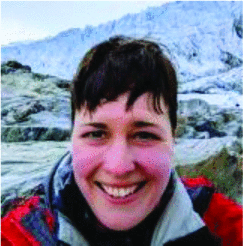 Elizabeth A Bagshaw合作论文数15
 Andrew J. Tedstone合作论文数School of Geosciences, University of Edinburgh;School of Geosciences, University of Edinburgh14
 Jakub Zarsky合作论文数Department of Ecology, Charles University in Prague Prague;Centre for Polar Ecology, University of South Bohemia České Budějovice;Charles University in Prague, University of South Bohemia České Budějovice13
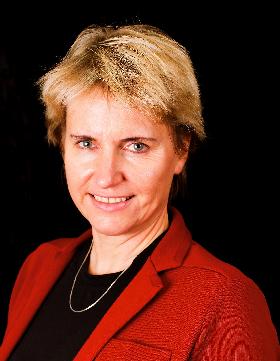 Liane G. Benning合作论文数Department of Interface Geochemistry,GFZ Potsdam and Freie Universität Berlin13
 Katharine Hendry合作论文数University of Bristol11
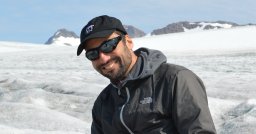 Alexandre M Anesio合作论文数Institute of Biological Sciences, University of Wales10
 Rob Raiswell合作论文数School of Earth and Environment, Faculty of Environment, University of Leeds10
 Peter Nienow合作论文数Global Change, School of GeoSciences, The University of Edinburgh9
 Jacob C. Yde合作论文数Department of Earth Sciences, University of Aarhus7Falteisek Lukáš合作论文数6
 Matthew C Mowlem合作论文数National Oceanography Centre, University of Southampton—Waterfront Campus6
 Sebastien Bertrand合作论文数Department of Geology, University of Liege6
 Helena Pryer合作论文数Woods Hole Oceanog Inst, NIRVANA Labs, Woods Hole, MA 02543 USA5
 Cameron Karen A合作论文数5
 John Priscu合作论文数Department of Land Resources and Environmental Sciences, Montana State University;Chem-Pro Consultants, Inc.5
 Sandra Arndt合作论文数University of Utrecht;Department of Earth Sciences;Department of Earth Sciences, University of Utrecht5
 Paul Treguer合作论文数Institut Universitaire Europeen De La Mer, Universite de Bretagne Occidentale5Petra Klímová合作论文数4
 Natalia Llopis Monferrer合作论文数Ecol Marine Plankton Team, Sorbonne Univ4
 Shaily Rahman合作论文数Stennis Space Ctr, Univ Southern Mississippi4L. Tarasov合作论文数Mem Univ Newfoundland, Dept Phys & Phys Oceanog, St John, NF A1C 5S7, Canada4
 Hong Chin Ng合作论文数Univ Bristol, Sch Earth Sci, Bristol, Avon, England4Dubnick Ashley合作论文数4
 Mark Brzezinski合作论文数University of California Santa Barbara4Chandler David M合作论文数4
 Lauren Jenna Gregoire合作论文数4
 Andy Ridgwell合作论文数Department of Earth and Planetary Sciences, University of California, Riverside;University of Bristol4
 Claudia Ehlert合作论文数GEOMAR - Helmholtz Zentrum für Ozeanforschung Kiel, IFM-GEOMAR4
 Devries Tim合作论文数Dept Geog, Univ Calif Santa Barbara4
 Manuel Maldonado合作论文数Department of Marine Ecology, Centro de Estudios Avanzados de Blanes, Consejo Superior de Investigaciones Cientificas4
 Sumei Liu (刘素美)合作论文数School of Chemistry and Chemical Engineering, Ocean University of China4
 Giovanni Daneri合作论文数Center;University of Concepcion;University of Concepcion4
 Mark Skidmore合作论文数School of Geographical Sciences, University of Bristol4
 Lihua Ran (冉莉华)合作论文数Second Institute of Oceanography, Ministry of Natural Resources4
 Marcus Gutjahr合作论文数Bristol Isotope Group, University of Bristol4
 Olivier Rouxel合作论文数European Institute for Marine Studies, University of Brest4
 Aude Leynaert合作论文数Institut Universitaire Européen de la Mer, French National Centre for Scientific Research4
 Karen E. Kohfeld合作论文数4
 Stephanie Dutkiewicz合作论文数Center for Global Change Science, Massachusetts Institute of Technology4




