Kuecher, AM, Smaldino, RJ, OHara RB, Linderman JK. Glycemic and Lactate Responses of Oral Hydration Solutions in Healthy Adults at Rest and Moderate Exercise. JEPonline 2017;20(3):66-78. The purpose of this investigation was to summarize and contrast the availability of glucose following consumption of a glucose solution, a commercial electrolyte drink (Gatorade), and a rice-based sports drink (CeraSport) at rest and during moderate exercise. This research focuses on changes in glucose, lactate, and fluid balance. Following a 12-hr overnight fast, male (n=10) and female subjects (n=10) underwent an oral glucose tolerance test (OGTT) at rest or during 60 min of moderate intensity exercise following consumption of glucose (G; 200 kcals; 1250 mL), Gatorade (200 kcals; 882 mL), an isocaloric CeraSport solution (C-ISOC) or an isovolumetric solution of CeraSport (C-ISOV). Blood glucose was significantly elevated 35 min following ingestion of C-ISOC when compared to other treatments at rest and during exercise (P<0.05). A lower caloric content of CeraSport (C-ISOV) resulted in similar elevations in blood glucose as either G or Gatorade. Blood lactate was significantly increased within 15 min of carbohydrate ingestion at rest and during exercise, but no treatment effects were found. The higher glycemic responses of CeraSport at rest and during exercise suggest greater total carbohydrate absorption when compared to either glucose or sucrose based carbohydrate electrolyte drink. It is likely that additional routes of absorption, such as longer chain carbohydrate absorption in the ileum, resulted in a higher glycemic response.
Porterfield S, Linderman J, Laubach L, Daprano C. Comparison of the Effect of Caffeine Ingestion on Time to Exhaustion between Endurance Trained and Untrained Men. JEPonline 2013;16(5):90-98. This study compared the ergogenic effects of caffeine on men who were endurance trained to those who were untrained. The study was a double-blind, placebo-controlled crossover experimental design. Ten endurance trained men (mean age 24.4 ± 2.0 yrs, weight 79.4 ± 8.5 kg, predicted VO2 max 46.3 ± 1.8 mL·kg -1 ·min -1 ) and 10 untrained men (mean age 22.8 ± 1.9 yrs, weight 88.9 ± 9.9 kg, predicted VO2 max 37.6 ± 2.7 mL·kg -1 ·min -1 ) completed two cycle ergometer trials to exhaustion at 80% of their predicted workload max 30 min after ingesting either 5 mg·kg -1 of body weight of caffeine or a placebo. Neither group displayed significant increases in time to exhaustion (Trained Group: 786.4 ± 251.5 sec for the placebo trial and 810.7 ± 209.4 sec for the caffeine trial and the Untrained Group: 514.6 ± 107.8 sec for the placebo trial and 567.3 ± 140.5 sec for the caffeine trial) after ingesting caffeine. When compared statistically between groups, the difference was not significant. When the groups were combined, the difference was caffeine and the placebo was not significant. The findings indicate that there was no ergogenic effect of caffeine on time to exhaustion in either endurance trained or untrained men.
Ferreira A, Primola-Gomes T, Menezes Z, Cruz J, Natali A. Chronic Treadmill Running Affects Adipose Tissue Metabolism in Spontaneously Hypertensive Rats. JEPonline 2010;13(5): 9-18. We investigated in adipocytes of hypertensive rats (SHR) the effects of chronic treadmill running on parameters influenced by insulin (anti-lipolytic effect, glucose uptake) and on LPL activity. Male SHR were randomly divided into two groups: chronic exercise (CEX-SHR, n=10) and sedentary control (SEDSHR; n=10). Lipolysis was measured under basal, isoproterenol (ISO, 0.1 μM) and insulin (4.3 nM) stimulated conditions. Glucose uptake was measured under basal and insulin (4.3 nM) stimulated conditions. Lipoprotein lipase (LPL) activity was also measured. Lipolytic activity and anti-lipolytic effect of insulin were higher in CEX (0.64 ± 0.06 mM) than in SED group (0.43 ± 0.09 mM). Insulin-stimulated glucose uptake increased in CEX compared to SED group (4.08 ± 0.18 nmol/3 min CEX vs. 3.06 ± 0.23 nmol/3 min SED). LPL activity decreased in CEX compared to SED group (0.22 ± 0.06 nmol [H]-fatty acid released/min, CEX vs. 0.36 ± 0.04 nmol [H]-fatty acids released/min, SED). In conclusion, chronic treadmill running increased SHR adipocyte lipolysis response to ISO stimulation and insulin-stimulated glucose uptake with decreased LPL activity at resting conditions.
Dos-Santos, JW, de Mello, MAR. Endurance Swimming Periodized Training in Rats. JEPonline 2010;13(5): 29-43. The aim of this study was to develop an experimental protocol for endurance swimming periodization training in rats similar to high performance training in humans, and compare it to continuous training. Three groups of male Wistar rats (90 days old) were allocated to Sedentary Control (SC); Continuous Training (CT); and Periodized Experimental Training (PET) groups. PET and CT trained 5 days/week, over five weeks, CT: continuous training supporting a 5% body mass (bm) load for 40 min/day; PET: training subdivided into basic, specific, and taper periods, with overload changed daily (volume-intensity, continuous, and interval training). Total training overload was quantified (% bm X exercise time in training session) and equalized for the two trained groups. Glucose ([H]2-deoxyglucose) uptake, incorporation to glycogen (synthesis), glucose oxidation (CO2 production), and lactate production from [UC]glucose by soleus muscle strips incubated in presence of insulin (100μU/mL) were evaluated 48h after the last training session. The load equivalent at 5.5mM blood lactate concentration ([La-5.5]) was determined in the incremental test. Lactate production was similar in all groups. PET presented higher glucose uptake (59%) than SC, and higher glycogen synthesis (51 and 22%) and glucose oxidation (147 and 178%) than SC and CT, respectively. CT presented higher glycogen synthesis rates (23%) than SC. Load [La-5.5] was similar between trained groups and higher than SC. PET presented higher values for glucose metabolism than CT and SC. These results open up new perspectives for studying training methods used in high performance sport through swimming exercise in rats.
Carpenter RL, Lemmer JT, Francis RM, Knous JL, Sarzynski MA, Womack CJ. Tissue Plasminogen Activator And Plasminogen Activator Inhibitor-1 Gene Expression in Muscle After Maximal Acute Aerobic Exercise. JEPonline 2010;13(6):35-44. Animal studies suggest plasminogen activation in skeletal muscle is necessary for muscle repair. However, plasminogen activators have been studied little in humans. Therefore, the purposes of this study were to: 1) assess changes in skeletal muscle gene expression of fibrinolytic and coagulation factors 2) assess plasma activity of tPA and PAI-1 in response to an acute bout of maximal aerobic exercise, 3) determine if there is any relationship between muscle gene expression of tPA and PAI-1 with plasma activity levels. Six healthy, college-aged males volunteered blood and muscle samples prior to and immediately following a maximal treadmill exercise test. Muscle tissue was homogenized and purified RNA underwent RTPCR using gene-specific primers for tPA and PAI-1 as well as biotynylation for microarray. Blood was analyzed via biofunctional immunosorbent assays for tPA and PAI-1 activity. A significant increase in tPA mRNA was seen with exercise (p=0.038) while PAI-1 mRNA showed no changes with the exercise. Muscle tPA activity showed no changes with the exercise bout. Plasma tPA showed a significant increase in activity (p<0.0001) while plasma PAI-1 activity had no change with the exercise bout. In conclusion, tPA synthesis increases in muscle following acute, high-intensity exercise and muscle production does not significantly contribute to plasma tPA increases seen with acute, high-intensity exercise.
Swain CB, Kirby TE, Altschuld JW. Simulated Altitude via ReBreathing Improves Performance in Well-Trained Cyclists. JEPonline 2010; 13(6):21-34. Commercially available re-breathing devices are now being used by athletes to instigate short bouts of extreme hypoxia in an effort to improve athletic performance. Scientific evidence to support this practice is lacking. Purpose: To perform a randomized controlled trial to examine the effect of this methodology on aerobic and anaerobic type work. Methods: Over 15 days, 18 well-trained male cyclists used a re-breathing device to instigate hypoxia (6 min) alternated with room air (4 min) and repeated for approximately 1 hr/day. Subjects were assigned to a constant exposure sham group, equivalent to 150 m (CON) or progressively increased hypoxic group equivalent to 3600-6300 m (TRT). The critical power protocol was used to examine power output in time trial efforts (TT’s). Performance was also investigated through measurements of blood lactate concentration, oxygen consumption (VO2), and heart rate (HR). Blood characteristics were additionally measured. Results: There was a significant improvement for the TRT group in the 15 min TT (p=.004) and estimated 60 min TT (p=.024) compared to no improvement in the CON group. The TRT group improvement was 3-4.5% in average power output. There were no significant differences in the 3 min TT for either group. Nor were there significant differences in hematological measures for either group. A decreased VO2 (p=.075) and HR (p=.026) was revealed for the TRT group. Conclusion: In competitive cyclists, intermittent hypoxic training using a re-breathing device resulted in improved performance for events which rely on aerobic power but none for anaerobic power. It is suggested that re-breathing intermittent hypoxic training may be utilized Chronic exercise and metabolism in SHR 22 as an alternative to terrestrial or other forms of simulated altitude, in efforts to mediate performance gains in endurance type events.
Shultz BD, Kamphoff CS, Dalleck LC. Relative Energy Expenditure May Prove Beneficial When Prescribing Exercise to Phase II Cardiac Rehabilitation Patients. JEPonline 2010;13(5):1-8. The purpose of this study was to determine if there is a relationship between weekly energy expenditure relative to body mass (kcal·kg -1 · wk -1 ) and change in cardiovascular disease (CVD) risk factors during Phase II cardiac rehabilitation. An observational study design was employed. Participants included 109 individuals who were eligible for and completed Phase II cardiac rehabilitation. Multiple linear regression was used to determine the independent relation of relative energy expenditure and baseline risk factor values with the change in individual CVD risk factor scores from baseline to post-program. The level of statistical significance was set at p < 0.05 for all analyses. Relative energy expenditure (kcal·kg -1 · wk -1 ), after partialling out the effect of baseline risk factor value, was independently associated (p < 0.05) with changes in four CVD risk factors: fasting blood glucose, HDL cholesterol, triglycerides, and cardiorespiratory fitness in both men and women. Findings from the present study demonstrate that CVD risk factor modification is related to relative weekly energy expenditure. These results suggest weekly energy expenditure goals for cardiac disease patients should be established while considering client body mass.
McConnell TR, Larson SL, Santamore WP, Homko CJ, Trevino KM., Kashem A, Cross RC, Bove AA. Rural Versus Urban Residence Mitigates the Effects of Telemedicine on Exercise Capacity. JEPonline 2010;13(6): 1-13. We hypothesized that telemedicine treatment would impact exercise capacity despite differences between rural versus urban groups, demographics, health locus of control (LOC), and cardiovascular (CV) risk knowledge. Male participants from rural north central Pennsylvania (N=254; age=62.5+9.6) and urban Philadelphia (N=211; age=57.9+10.1) were randomized to Telemedicine or In-person contact groups. Distance walked in 6-min were regressed on a rural-urban indicator, demographic characteristics, LOC, and CV risk knowledge. Rural residence and an Internal LOC made a significant positive contribution to 6-min walk distance (p<0.05), while Powerful Others LOC had an opposite effect at both study entry and study completion. Knowledge of CV risk was also significantly associated with 6-min walk distance at study completion (p<0.05). Telemedicine treatment was not significantly associated with an increase in distance walked (p>0.05) and did not alter associations with rurality, demographics and LOC. These findings support a recommendation that for behavioral strategies, such as telemedicine, to be effective, health care providers may need to first assess and formulate approaches that address group differences (such as place of residence and LOC) that may more strongly influence outcomes beyond what the behavior change strategy can alter. (Clinical Trials.gov Registration Number NCT00778804)
Carrasco MA, Gonzales JM. Conductive cooling of the forehead during physical activity increases comfort and dampens the magnitude of physiological responses. JEPonline 2009; 12(2):9-20. The present study investigated whether conductive cooling of the forehead during exercise could affect core temperature. We also assessed any changes in skin temperature, heart rate, sweat loss, and perceived ratings of fatigue and thermal comfort. Twelve healthy males (age, 23±3 years; HRmax, 197±5 beats per minute) exercised for 20 minutes on a treadmill at 60% of their maximum heart rate at 20°C (42% relative humidity) with cooling (COOL) and without (CON) as a control. Five healthy males (age, 25±4 years; HRmax, 195±5 beats per minute) exercised at 75% of their maximum heart rate with and without cooling at the same ambient temperature and relative humidity. Results from the two studies were compared to see if the cooling effects varied at different exercise intensities. Core temperature was 0.4°C (P<0.05) lower in the COOL treatment than the CON at 75% HRmax and slightly significantly lower at 60% HRmax (by 0.15°C; P=0.08). Conductive forehead cooling resulted in a significant reduction of heart rate at both 60% and 75% HRmax (13 bpm and 22 bpm less, respectively: (P<0.05). Skin temperature in the COOL treatment was significantly lower than the CON at both intensities; by 1.7°C at 60% HRmax and 2.7°C at 75% HRmax (P<0.01). We show here that conductive cooling of the forehead attenuated a rise in core and skin temperature during exercise in a thermal neutral environment. Subjects were more thermally comfortable and less fatigued when conductive cooling was applied.
 Len Kravitz合作论文数38
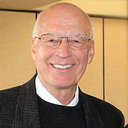 Robert W Gotshall合作论文数Department of Exercise and Sport Science, Colorado State University38
 Julien S Baker合作论文数37
 Eric DB Goulet合作论文数37
 James Laskin合作论文数The School of Physical Therapy & Rehabilitation Sciences, The University of Montana36Astorino Todd A合作论文数Calif State Univ San Marcos33tommy boone合作论文数29Ben Zhou合作论文数21
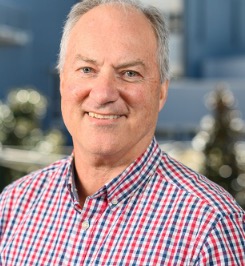 Rob Robergs合作论文数Faculty of Health, School of Exercise and Nutrition Sciences, Queensland University of Technology21
 Derek Marks合作论文数20Cristine Mermier合作论文数20Chantal A. Vella合作论文数Exercise Physiology Laboratories, University of Texas at El Paso16
 Lance Dalleck合作论文数Department of Sport and Exercise Science, The University of Auckland14Dan Drury合作论文数11greg tardie合作论文数11larry birnbaum合作论文数11M. Knight-Maloney合作论文数10
 Brent C. Ruby合作论文数Human Performance Laboratory;Health and Human Performance Department;University of Montana;Human Performance Laboratory, University of Montana10
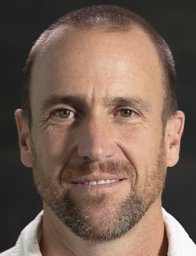 Jason Siegler合作论文数New York Methodist Hospital10loyd l laubach合作论文数8Daryl L. Parker合作论文数8
 Hutchison Alexander T合作论文数7hermann engels合作论文数6M. Knight-Maloney合作论文数5Lesley J. White合作论文数Department of Exercise and Sports Science, University Florida5Hermann Engals合作论文数4george m de marco合作论文数3m knightmaloney合作论文数3daryl lee parker合作论文数3Ben-Mei Zhou合作论文数2M. Sc.合作论文数2Peter W. Hovey合作论文数2Lloyd L. Laubach合作论文数2Thomas Fahey合作论文数2
 Jader Cruz合作论文数Departmento de Imunologia e Bioquímica, Universidade Federal de Minas Gerais2Yit Aun Lim合作论文数1Steve Brock合作论文数1james laskin合作论文数1Paul D. Reneau合作论文数1leanne petry合作论文数1D. R. Melrose合作论文数1
 Jeremiah J Peiffer合作论文数1steven porterfield合作论文数1brett shultz合作论文数1
 Andrew C. Ugwu合作论文数1G Patrick Lambert合作论文数1




