Here, we develop a next-generation wireless, battery-free oxygen-generating O2-macrodevice and wearable power transfer platform that can enable long-term immunoprotection and subcutaneous function of therapeutic cells. We demonstrate that this device supports xenogeneic islet transplantation in C57BL/6J mice, evidenced by 90-day diabetes reversal and glucose responsiveness in vivo. We also show partial glycemic control via high-density (>8,000 islets/cm2) human stem-cell-derived islets (SC-islets) without immunosuppression in subcutaneous sites for 90 days. Additionally, we confirmed that the device supports allogenic islet cell survival and 90-day diabetic reversal in rats. Finally, we demonstrate 1-month islet survival in a nonhuman primate without the need for immunosuppression in the subcutaneous space. Collectively, these results indicate that the device supports cell survival and function across multiple transplant models in three species without the need for any immunosuppression or external user intervention. These results represent an important set of advances toward immunosuppression-free, minimally invasive islet transplantation.
Cell therapy shows promise for sustained delivery of therapeutics, allowing a single dose to replace repeated injections and lasting many months to years. As cells are typically delivered systemically, a natural progression of cell therapy is to miniaturize and compact the cells into a single device. However, the nutrient requirements, coupled with practical limits on device size, limit its application. In addition, while the subcutaneous space presents a convenient location for implantation, oxygen supply is limited and restricts the density of effective cell therapy. To address this problem, we designed and validated a wireless, fully implantable platform to produce local oxygen and increase the maximum cell density. We demonstrate that encapsulated cells with a density of 60 million cells per mL are viable in our device for 31 days in vivo. This technology has the potential to serve as a platform for cell therapy, allowing clinically relevant doses with minimally invasive implants.
. IL2 linearity, related to Figure 2. Each dose of AVB-001 administered resulted in a proportional, linear increase in serum IL2 levels. Data are presented as mean ± SEM.
Type 1 diabetes (T1D) is a chronic condition in which patients suffer from high blood glucose levels due to the body's inability to produce sufficient insulin. Continuous insulin administration and T1D management are difficult, often leading to hypoglycemic events, insulin resistance, and lower quality of life. Major advancements have been made in recent years, including clinical islet transplantation, but their application is limited by rapid immune rejection and islet destruction. Thus, a necessary paradigm shift has been observed in recent times toward biomaterial-based islet transplantation therapy. The use of biomaterial-based encapsulation addresses major limitations, including immune rejection and hypoxia, and provides a proper cell microenvironment offering greater islet viability. Presently, researchers are more focused on developing a clinically translatable therapy for T1D with the existing knowledge of advanced biomaterial technology. In this review article, we provide a historical perspective, highlighting the developments in the field of islet encapsulation and transplantation, and focus on cutting-edge advancements with modern bioengineering from a clinical perspective.
This opinion paper explores the path forward for islet transplantation as a cell therapy for type 1 diabetes, following the Biologics License Application (BLA) approval. The authors review key challenges and opportunities that lie ahead. After a brief overview of the history of human islet transplantation, the paper examines the FDA's regulatory stance on isolated islet cells and the requirements for obtaining a BLA. The authors discuss the significance of this approval and the critical steps necessary to broaden patient access, such as scaling up production, clinical integration, reimbursement frameworks, post-marketing surveillance, and patient education initiatives. The paper highlights that the approval of LANTIDRA as an allogeneic cell transplant for uncontrolled type 1 diabetes marks the beginning of new chapters in improving islet transplantation. The authors emphasize essential areas for development, including advancements in islet manufacturing, optimization of transplant sites, islet encapsulation, exploration of unlimited cell sources, and gene editing technologies. In conclusion, the future of islet transplantation beyond the BLA approval presents challenges and opportunities. While significant regulatory milestones have been reached, hurdles remain. Innovations in stem cell-derived islets, cell encapsulation, and gene editing show promise in enhancing graft survival, expanding the availability of transplantable cells, and reducing the reliance on immunosuppressive drugs. These advancements could pave the way for more accessible, durable, and personalized diabetes treatments.
INTRODUCTION:Pancreas transplantation (PT) represents the gold standard in patients with type I diabetes mellitus (T1D) and end-stage kidney disease (ESKD). We aimed to describe the evolution of PT at the University Hospital of Zurich from 1973 to 2023, and to analyze differences in patient and graft survival within different eras of surgical technique. METHODS:This study represents a retrospective analysis of all primary PT performed at the University Hospital Zurich between 1973 and 2023. According to differences in surgical technique, we defined five different eras of PT. RESULTS:Overall, 280 primary PT were performed. Overall survival at 1, 5, and 10 years improved from 73.5%, 51%, 44.9% in Era 3, to 69.7%, 60.6%, 51.5% in Era 4, and 95.8%, 95.4%, 82.1% in Era 5, respectively (p < 0.001). Insulin-free survival after 1, 5, and 10 years was 34.5%, 25.5%, 16.4% in Era 3, 41.5%, 34.1%, 31.7% in Era 4, and reached 85.5%, 78%, 64.5% in Era 5 (p < 0.001), respectively. CONCLUSION:Enhanced surgical techniques and improvements in immunosuppression helped to overcome many obstacles that hampered the early days of PT, evolving PT into a safe and highly efficient procedure. PT represents the treatment of choice for patients with T1D and ESKD.
Islet cell replacement therapies have evolved as a viable treatment option for type 1 diabetes complicated by problematic hypoglycemia and glycemic lability. Refinements of islet manufacturing, islet transplantation procedures, peritransplant recipient management, and immunosuppressive protocols allowed most recipients to achieve favorable outcomes. Subsequent phase 3 trials of transplantation of deceased donor islets documented the effectiveness of transplanted islets in restoring near-normoglycemia, glycemic stability, and protection from severe hypoglycemia, with an acceptable safety profile for the enrolled high-risk population. Health authorities in several countries have approved deceased donor islet transplantation for treating patients with type 1 diabetes and recurrent severe hypoglycemia. These achievements amplified academic and industry efforts to generate pluripotent stem cell-derived β-cells through directed differentiation for β-cell replacement. Preliminary results of ongoing clinical trials suggest that the transplantation of stem cell-derived β-cells can consistently restore insulin independence in immunosuppressed recipients with type 1 diabetes, thus signaling the profound progress made in generating an unlimited and a uniform supply of cells for transplant. Avoiding the risks of chronic immunosuppression represents the next frontier. Several strategies have entered or are approaching clinical investigation, including immune-isolating islets, engineering immune-privileged islet implantation sites, rendering islets immune evasive, and inducing immune tolerance in transplanted islets. Capitalizing on high-dimensional, multiomic technologies for deep profiling of graft-directed immunity and the fate of the graft will provide new insights that promise to translate into sustaining functional graft survival long-term. Leveraging these parallel progression paths will facilitate the wider clinical adoption of cell replacement therapies in diabetes care. ARTICLE HIGHLIGHTS:Transplantation of deceased donor-derived primary human islets has restored near-normoglycemia and protection from severe hypoglycemia in immunosuppressed recipients with type 1 diabetes. Transplantation of embryonic stem cell-derived β-cells has restored insulin independence in immunosuppressed recipients with type 1 diabetes. Clinical trials are underway and planned to evaluate the safety and efficacy of transplantation of mature stem cell-derived β-cells with transient, local, minimal, and/or no-maintenance immunosuppression in recipients with type 1 diabetes. The high-dimensional, multiomic monitoring of immunity to transplanted islets and of the fate of the islet graft will faciliate the identification of determinants of sustained islet graft function and of patients most likely to benefit from cell replacement therapies.
Clinical islet transplantation has long been investigated as a potential cure for type 1 diabetes (T1D), yet standard intrahepatic delivery leaves islets prone to an instant blood-mediated inflammatory response. Herein, we investigated the design of microporous poly( D , l -lactide-co-glycolide) (PLG) scaffolds for extrahepatic islet transplantation in mouse and nonhuman primate (NHP) models. Acellular scaffolds elicited only a mild inflammatory response following implantation into the omentum. On scaffold islet transplantation had extensive insulin staining at 4 weeks yet modest insulin requirement reductions in diabetic NHP recipients. Scaffolds were sterilized by irradiation and exhibited fragility during seeding and implantation, motivating an increase in the manufacturing ratio of PLG:NaCl from 1:30 to 1.25:30 w/w. These scaffolds exhibited no differences in porosity or interior geometry between sterilization conditions, and transplants in mice restored normoglycemia. We piloted a modified scaffold study in a fourth NHP, and although scaffold integrity was improved, the transplant outcome was similar. We subsequently tested intermediate PLG:NaCl ratios in mice, finding that a 1.15:30 ratio achieved a balance of mechanical stability and islet compatibility. Overall, these studies identify that scaffold porosity can be adjusted to account for the impact of sterilization on transplantation.
Despite intensive insulin therapy and frequent blood sugar monitoring, a subset of patients with type 1 diabetes (T1D) still suffer from debilitating symptoms, including severe hypoglycemia and hypoglycemia unawareness, and are left susceptible to the secondary complications of T1D. For T1D patients unable to achieve target hemoglobin A1c (HbA1c) despite intensive diabetes management and education, Lantidra is a treatment option to restore glycemic control, eliminate hypoglycemia episodes, and reduce or eliminate exogenous insulin injections. Lantidra is an FDA-approved allogeneic cellular therapy derived from donor pancreatic islet cells. Compared to whole pancreas transplantation, administration of Lantidra (minimum dosage: 5,000 islet equivalent/kg body weight) into the hepatic portal vein via percutaneous or transvenous transhepatic access, presents a safer and more minimally invasive surgical procedure. The efficacy and safety of Lantidra were examined in two core clinical studies, UIH-001 (Phase 1/2) and UIH-002 (Phase 3), at a single center (Pooled Population; n=30). Patients were screened to ensure an appropriate benefit-risk profile and received 1 to 3 Lantidra administrations. 19/30 patients (63%) met the composite efficacy endpoint (i.e., HbA1c ≤6.5% and absence of severe hypoglycemic events (SHEs) through 1 year after last transplant) and 20/30 (67%) were insulin independent at 1 year after last transplant. Importantly, improvements in glycemic control persisted. Two-thirds of patients assessed exhibited good glycemic control after 6 years. Lantidra demonstrated a safety profile consistent with known risks of the transplant procedure and concomitant medication use, particularly long-term use of immunosuppressants. The benefits of Lantidra outweigh the risks in T1D patients who have failed state-of-the-art insulin therapy. Lantidra fills a significant medical need, is effective at restoring good glycemic control in patients, and improves patient quality of life. P. Rios: Employee; CellTrans, Inc. Stock/Shareholder; CellTrans, Inc. Board Member; CellTrans, Inc. J.J. McGarrigle: Employee; CellTrans Inc. Stock/Shareholder; CellTrans Inc. Board Member; CellTrans Inc. G. LaMonica: Employee; CellTrans, Inc. Stock/Shareholder; CellTrans, Inc. Y. Li: Other Relationship; Moderna, Inc. Employee; Cytel Inc. J. Cook: Employee; CellTrans Inc. Stock/Shareholder; CellTrans Inc. I. Joshi: Employee; CellTrans, Inc. Stock/Shareholder; CellTrans, Inc. S. Ghani: Employee; CellTrans, Inc. Stock/Shareholder; CellTrans, Inc. D. Cook: Employee; CellTrans Inc. Stock/Shareholder; CellTrans Inc. D. Lopez: Employee; CellTrans, Inc. H. Nasir: Employee; CellTrans. Y. Wang: Board Member; CellTrans, Inc. Stock/Shareholder; CellTrans, Inc. J. Oberholzer: Board Member; CellTrans, Inc. Stock/Shareholder; CellTrans, Inc.
Postmodification of alginate-based microspheres with polyelectrolytes (PEs) is commonly used in the cell encapsulation field to control microsphere stability and permeability. However, little is known about how different applied PEs shape the microsphere morphology and properties, particularly in vivo. Here, we addressed this question using model multicomponent alginate-based microcapsules postmodified with PEs of different charge and structure. We found that the postmodification can enhance or impair the mechanical resistance and biocompatibility of microcapsules implanted into a mouse model, with polycations surprisingly providing the best results. Confocal Raman microscopy and confocal laser scanning microscopy (CLSM) analyses revealed stable interpolyelectrolyte complex layers within the parent microcapsule, hindering the access of higher molar weight PEs into the microcapsule core. All microcapsules showed negative surface zeta potential, indicating that the postmodification PEs get hidden within the microcapsule membrane, which agrees with CLSM data. Human whole blood assay revealed complex behavior of microcapsules regarding their inflammatory and coagulation potential. Importantly, most of the postmodification PEs, including polycations, were found to be benign toward the encapsulated model cells.
BACKGROUND:End-stage liver disease (ESLD) and end-stage renal disease (ESRD) are prevalent diseases for which the definitive treatment is transplantation. With limited organ supply, strategies to maximize organ availability has led to increasing rates of split liver transplantations for ESLD patients. Therefore, simultaneous split liver and kidney transplantations (SSLK) for patients with ESLD and ESRD could represent a treatment option for comorbid patients. However, current practice and outcomes after SSLK are unknown.METHODS:We aim to report national trends and our experience with patients undergoing SSLK. We performed a retrospective review of the United Network for Organ Sharing (UNOS) Standard Transplant Analysis and Research file from January 2011-April 2022. Descriptive analysis of preoperative characteristics, postoperative outcomes and actuarial graft and patient survivals are reported.RESULTS:National review of the UNOS transplant registry from 2011-2021 of adult patients undergoing initial transplantation via SSLK demonstrates that this procedure remains uncommon, with only 76 such cases captured in that time. Nevertheless, survival rates at 1, 3, and 5 years remains robust, at 94%, 92%, and 90% for patients overall, 90%, 88%, 88%, for the liver graft, and 93%, 91%, 88% for the kidney graft, respectively. Review of a single center experience with three such patients from 2019-2021 has shown a safe, enduring transplant option with no graft complications seen.CONCLUSIONS:SSLK is both safe and a feasible option to optimize organ supply while allowing recipients to receive quality liver and kidney grafts and should be considered more often by transplant centers going forward.
Clinical outcomes for total-pancreatectomy followed by intraportal islet autotransplantation (TP-IAT) to treat chronic pancreatitis (CP) are suboptimal due to pancreas inflammation, oxidative stress during islet isolation, and harsh engraftment conditions in the liver’s vasculature. We describe a thermoresponsive, antioxidant macromolecule poly(polyethylene glycol citrate- co - N -isopropylacrylamide) (PPCN) to protect islet redox status and function and to enable extrahepatic omentum islet engraftment. PPCN solution transitions from a liquid to a hydrogel at body temperature. Islets entrapped in PPCN and exposed to oxidative stress remain functional and support long-term euglycemia, in contrast to islets entrapped in a plasma-thrombin biologic scaffold. In the nonhuman primate (NHP) omentum, PPCN is well-tolerated and mostly resorbed without fibrosis at 3 months after implantation. In NHPs, autologous omentum islet transplantation using PPCN restores normoglycemia with minimal exogenous insulin requirements for >100 days. This preclinical study supports TP-IAT with PPCN in patients with CP and highlights antioxidant properties as a mechanism for islet function preservation.
Background Over the past several years, the liver transplant community has embraced the concept of fast-tracking patients to facilitate earlier postoperative recovery. Aim Derive and validate a novel "fast-track" risk score that captures the demographic and clinical characteristics of DDLT patients to predict the likelihood of early extubation after surgery. Design Adult patients who underwent non-fulminant DDLT between January 2014 and July 2019 were included. The cohort was divided in 2 groups: patients extubated within 4 hours of surgery vs extubated after 4 h. Logistic regression was performed to identify the independent predictors of early extubation. The area under the curve (AUC) was calculated to measure the ability of the risk score to predict early extubation. The score was validated by applying coefficients of the regression model to the validation cohort and calculating the AUC. Results A total of 290 DDLT patients were included, of which 175 (60%) were in the "delayed extubation" group and 115 (40%) were in the "fast-track" group. Patients with a MELD <29, transfused <4 units of pRBCs, and transfused <5 units of FFP during surgery were 2.30 times, 5.74 times, and 3.09 times more likely to be extubated early, respectively. A risk score with an integer point scale was derived and exhibited an AUC of .80. The proportion of patients who were extubated early increased from 2.78% at a score of 0 to 66.67% at a score of 4. Conclusions The proposed score provides a fast and easy method to help identify DDLT patients suitable for early extubation.
The use of pediatric donor grafts in adult recipients is a viable option to help address persistent organ shortages. Existing data is inconclusive regarding outcomes of pediatric-to-adult liver transplantation. Using the UNOS-STAR database, adults receiving a whole liver graft in the US between 2010 and 2019 were retrospectively identified. Patients were divided into two groups depending on whether they received a graft from a pediatric-donor (≤12y) or an adult-donor (≥18y). The groups were further matched using propensity-score matching (PSM) in a 1:1 ratio. Liver grafts disposition trends from pediatric donors ≤12y, as well as usage patterns of these grafts for adult recipients across UNOS regions were analyzed. The primary outcomes of this study were graft and patient survival. Secondary outcomes included LOS and need for re-transplantation. There were 4,798 deceased donors ≤12 years during the study period. Of those, 3476 liver grafts were recovered for transplant, 203/3,476 were discarded and 3,273/3,476 transplanted. Twenty percent of those recipients were adults ≥18y. PSM created a cohort of 642 patients, (pediatric-donor group n = 321, adult-donor group n = 321). Survival analyses revealed no difference in graft survival (p = 0.64) or overall patient survival (p = 0.74) between pediatric-donor and adult-donor groups. Likewise, secondary outcomes were comparable between groups. Although not statistically significant, adults in the pediatric-donor group showed a trend toward higher rates of re-transplantation (4.4%) vs those in the adult-donor group (1.9%) (p = 0.07). A subgroup PSM analysis including only recipients with MELD score >18 further demonstrated comparable results including similar LOS, re-transplantation rates, graft failure (log-rank p-value = 0.57) and patient mortality (log rank p-value = 0.38). Pediatric-to-adult liver transplantation could represent a safe and effective option in the event that a pediatric graft is available and declined by all potential pediatric recipients, particularly if performed under careful patient selection, and in centers with pediatric liver transplant and/or LDLT. Our results are in favor of utilizing pediatric-donor livers in adult patients since there is no significant difference in mortality or graft survival and could potentially increase organ utilization by avoiding discard of these grafts.
Background. Compared with calcineurin inhibitor–based immunosuppression, belatacept (BELA)-based treatment has been associated with better renal function but higher acute rejection rates. This phase 2 study (NCT02137239) compared the antirejection efficacy of BELA plus everolimus (EVL) with tacrolimus (TAC) plus mycophenolate mofetil (MMF), each following lymphocyte-depleting induction and rapid corticosteroid withdrawal. Methods. Patients who were de novo renal transplant recipients seropositive for Epstein-Barr virus were randomized to receive BELA+EVL or TAC+MMF maintenance therapy after rabbit antithymocyte globulin induction and up to 7 d of corticosteroids. The primary endpoint was the rate of biopsy-proven acute rejection at month 6. Results. Because of an unanticipated BELA supply constraint, enrollment was prematurely terminated at 68 patients, of whom 58 were randomized and transplanted (intention-to-treat [ITT] population: n = 26, BELA+EVL; n = 32, TAC+MMF). However, 25 patients received BELA+EVL‚ and 33 received TAC+MMF (modified ITT population). In the ITT population, the 6-mo biopsy-proven acute rejection rates were 7.7% versus 9.4% in the BELA+EVL versus TAC+MMF group. The corresponding 24-mo biopsy-proven acute rejection rates were 19.2% versus 12.5% in the ITT population and 16.0% versus 15.2% in the mITT population; all events were Banff severity grade ≤IIA and similar between groups. One patient in each group experienced graft loss unrelated to acute rejection. The 24-mo mean unadjusted estimated glomerular filtration rates were 71.8 versus 68.7 mL/min/1.73 m 2 in the BELA+EVL versus TAC+MMF groups. Posttransplant lymphoproliferative disorder was reported for 1 patient in each group. No deaths or unexpected adverse events were observed. Conclusions. A steroid-free maintenance regimen of BELA+EVL may be associated with biopsy-proven acute rejection rates comparable to TAC+MMF.
 Enrico Benedetti合作论文数Department of Surgery, University of Illinois at Chicago205
 Yong Wang合作论文数Department of Surgery, University of Illinois at Chicago109Giuliano Testa合作论文数46I. Tzvetanov合作论文数42
 Ivo G Tzvetanov合作论文数42McGarrigle James J合作论文数40Qi Meirigeng合作论文数37
 Kathrin Maedler合作论文数Universität Bremen, Universität Bremen35
 Barbara Barbaro合作论文数33
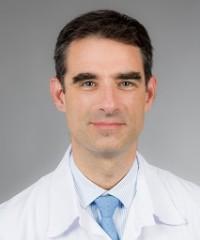 Christian Toso合作论文数Department of Surgery, University Hospitals of Geneva31
 Danielson Kirstie K合作论文数Div Transplant Surg, Univ Illinois31
 Thierry Berney合作论文数Iv. Bokeria University Hospital;Ilia State University;Université de Genève30
 Yuan Xing合作论文数Dept Surg, Univ Virginia28J. Thielke合作论文数28H. Jeon合作论文数27
 Philippe Morel合作论文数Swiss Medical Network;Département de Chirurgie, Universitaires de Genève27Pascal Bucher合作论文数27
 Domenico Bosco合作论文数DIVAPRA—Entomologia e Zoologia applicate all’Ambiente “Carlo Vidano”,, Università di Torino26Jeon Hoonbae合作论文数24
 Joshua E. Mendoza-Elias合作论文数Department of Transplant/Surgery, University of Illinois at Chicago23Pier Cristoforo Giulianotti合作论文数22Bruce Kaplan合作论文数20Howard N Sankary合作论文数20
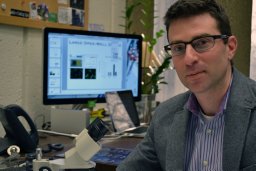 David T. Eddington合作论文数Department of Bioengineering, University of Illinois at Chicago20Enza Marchese合作论文数20Peter Rios合作论文数19Tricia A Harvat合作论文数18Leo Buhler合作论文数18
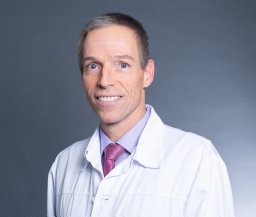 Frederic Triponez合作论文数Department of General and Endocrine Surgery, University Hospital, Lille18
 Omid Veiseh合作论文数Department of Bioengineering, George R. Brown School of Engineering and Computing, Rice University;RBL LLC17Patricia M. West-Thielke合作论文数17
 Antonio Gangemi合作论文数17M. Spaggiari合作论文数16S. Pelletier合作论文数16Sauter Nadine S合作论文数16Nourmohammadzadeh Mohammad合作论文数16Joseph Kuechle合作论文数16Howard Sankary合作论文数15Katie Kinzer合作论文数15
 Betul Hatipoglu合作论文数15
 Nicolas Goldaracena合作论文数15
 Camillo Ricordi合作论文数Division of Cellular Transplantation, DeWitt Daughtry Family Department of Surgery, Miller School of Medicine, University of Miami15Garcia-Roca R合作论文数15Shawn J. Pelletier合作论文数15
 Igor Lacík合作论文数Polymer Institute of the Slovak Academy of Sciences;Tanaka Lab., Soft Materials Chemistry, Institute for Materials Chemistry and Engineering, Department of Applied Chemistry, Graduate School of Engineering, Kyushu University15L. Kessler合作论文数15HN Sankary合作论文数15
 Mario Spaggiari合作论文数15




