Abstract PURPOSE: Cancer treatments may accelerate biological aging, but longitudinal studies of biological markers of aging are needed to better characterize patterns of biological aging over time. METHODS: We followed 184 women with breast cancer (stage 0-III) from diagnosis to 18 months post treatment. We evaluated biological aging in three treatment groups: chemotherapy (with or without radiotherapy), radiotherapy (without chemotherapy), and neither chemotherapy or radiotherapy. Measures of epigenetic age (PCPhenoAge, GrimAge, DunedinPACE) and telomere length were obtained. Linear mixed models estimated within-group change from pre-treatment to immediate post, 6, 12, and 18 months post-treatment. RESULTS: Women who received chemotherapy exhibited increased epigenetic age in PCPhenoAge, GrimAge, and DunedinPACE and shortening of telomere length acutely following treatment (Ps<0.001). The change attenuated but remained significantly different than baseline for GrimAge, DunedinPACE, and telomere length out to 18 months. Women treated with radiotherapy exhibited a trend for increases in PCPhenoAge and significant telomere length shortening 6 months following treatment that remained modified at 18 months (Ps<0.05). There were no significant changes in epigenetic age or telomere length among women who did not receive either chemotherapy or radiation. CONCLUSION: We observed an acceleration of epigenetic age, an increase in the pace of aging, and telomere shortening among women receiving treatment for breast cancer. The effect was predominantly amongst women who received chemotherapy with or without radiation, pointing to this treatment regimen having the most damaging effects. These results support the premise that cancer treatment may accelerate aging and support further research to identify key clinical and biological targets to remediate these effects. Citation Format: Judith E. Carroll, Cynthia Kusters, Catherine M. Crespi, Michael R. Irwin, Patricia A. Ganz, Laura Petersen, Julienne E. Bower. Longitudinal change in epigenetic aging and telomere length in breast cancer survivors [abstract]. In: Proceedings of the American Association for Cancer Research Annual Meeting 2026; Part 1 (Regular Abstracts); 2026 Apr 17-22; San Diego, CA. Philadelphia (PA): AACR; Cancer Res 2026;86(7 Suppl):Abstract nr 2462.
Social threat can potentiate inflammation and increase the risk of inflammation-related diseases. Identifying individuals with heightened neural sensitivity to social threat could guide targeted prevention and treatment protocols. The cAMP response element-binding protein (CREB) transcription factor is a key mediator of neural influences on immune cell gene expression, and we hypothesize that individual differences in basal CREB activity could serve as a blood biomarker of individual differences in neural sensitivity to social threat. We utilized pre-intervention data from a randomized-controlled trial (n = 44; 67% female; average age = 19.4 ± 1.8; NCT05304052) that included functional neuroimaging and peripheral blood collection. CREB gene regulation was assessed by TELiS promoter-based bioinformatics, and central nervous system (CNS) social threat sensitivity was assessed by fMRI-measured changes in activity in the anterior insula (AI), dorsal anterior cingulate cortex (dACC), and amygdala in response to a standardized social-evaluative stress task (modified Montreal Imaging Stress Task; MIST). In unadjusted regression analysis, greater baseline CREB activity correlated with greater reactivity in the AI (b = 0.54, p < 0.001), dACC (b = 0.46, p = 0.004), and amygdala (b = 0.33, p = 0.015). In adjusted analyses, controlling for standard covariates (e.g., sex, age, baseline depressive and anxiety symptoms), the associations were significant for AI and dACC (p < 0.05), and marginally significant for the amygdala (p = 0.08). Ancillary analyses suggest that variations in leukocyte subset abundance may drive these associations. Findings suggest basal CREB activity in blood may serve as a biomarker for CNS reactivity to social threats. Larger studies are needed to replicate these findings and determine their implications for social behavior, health, and responses to social interventions.
Introduction Nearly 80% of healthcare providers experience adverse psychological symptoms (e.g., depression, burnout, sleep disturbance) stemming from workplace stressors. Elevated levels of stress have been associated with unfavorable occupational, patient, and provider-related outcomes, imposing a heavy burden on a strained system. Given the impact of stress on both employee and patient health, effective interventions are urgently needed to reduce distress and promote well-being among healthcare professionals. Mindfulness-based interventions show promise for addressing these challenges. We developed a six-week, remotely delivered mindfulness intervention, the Building Emotional Strength Training (BEST) program, based on the Buddhist Four Immeasurables practice to cultivate the distinct emotional qualities of loving-kindness, compassion, joy, and equanimity. The present study aims to evaluate the feasibility and efficacy of a Four Immeasurables-based mindfulness intervention on perceived stress (primary outcome), burnout, depressive symptoms, and inflammatory biomarkers, while enhancing psychological well-being and sleep quality (secondary outcomes) in physicians. We will also investigate potential mediators of intervention effects, including compassion, positive affect, equanimity, and mindfulness. Method We will enroll 90 full-time physicians in a remote, two-arm randomized controlled trial with 1:1 allocation to either the meditation intervention or waitlist control. Participants will complete self-report questionnaires and provide blood samples at baseline, mid-course, and post-intervention to assess outcomes and mediators. Discussion The project aims to advance the study of mindfulness-based interventions that reduce distress and promote well-being through practices that cultivate prosocial and altruistic feelings toward oneself and others. While mindfulness interventions have gained considerable interest, none have specifically drawn from the Four Immeasurables practice to target loving-kindness, compassion, joy, and equanimity. This novel investigation could expand our understanding of practices that foster kindness and compassion to reduce distress in an at-risk population. Trial registration ClinicalTrials.gov NCT07283744 , registered on 2025/10/14. The Open Science Framework, registered on 2026/06/26.
ABSTRACT Purpose Fatigue affects up to 90% of patients with cancer during chemotherapy and persists in approximately 30% after treatment completion. This study examined the longitudinal associations between fatigue and 16 inflammatory markers in patients with colorectal cancer (CRC) up to 3 years after surgery. Methods Patients with Stage I–IV CRC who participated in the prospective ColoCare cohort study were included. Fatigue was measured using the 3‐item fatigue subscale of the European Organization for Research and Treatment of Cancer Quality of Life Questionnaire (EORTC‐QLQ‐C30) at baseline and each subsequent time point (score range: 0–100). Inflammatory markers were measured using blood specimens from each time point (T0: baseline/surgery; T1: 3–9 months; T2: 10–19 months; T3: 20–36 months post‐baseline). Linear mixed‐effects models were used to examine associations between inflammatory markers and fatigue scores over time. Linear regression was used to analyze the relationships between T0/T1 markers and fatigue at T3. Results There were 271 patients with Stage I–III CRC and 30 patients with Stage IV CRC. Among patients with Stage I–III CRC, mean fatigue peaked at T1 (36.9), with higher fatigue among women than men (44.8 vs. 30.9). In longitudinal mixed‐effects models, twofold higher mean levels of IL‐6 and IL‐17A were associated with higher fatigue over time (3.51 (p = 0.01) and 3.91 (p = 0.01), respectively). IL‐4, IL‐17A, and TNF‐α at T1 were nominally associated with higher levels of fatigue at T3. Conclusion Higher levels of selected inflammatory biomarkers were associated with fatigue up to 3 years after CRC diagnosis. These markers may help identify patients at risk for persistent fatigue and warrant further study as potential therapeutic targets.
OBJECTIVE:Pain is a prominent symptom in breast cancer survivors, but associated factors are still under investigation. Childhood adversity has been linked to pain in adulthood through emotional and biological pathways but has been relatively unexplored in the context of breast cancer. The current study examines the association between childhood adversity and pain in breast cancer survivors and meditation by ambivalence over emotional expression (hereinafter referred to as emotional ambivalence) and inflammation. We hypothesize a positive association between childhood adversity and pain, mediated by greater emotional ambivalence and higher levels of inflammation. METHODS:Women diagnosed with stage 0 to IIIA breast cancer ( N =175) completed assessments 1 year after the completion of primary treatment, including questionnaires assessing childhood adversity (Risky Families), emotional ambivalence (ambivalence towards emotional expressivity), and pain (SF-36). Blood samples were collected to measure plasma markers of inflammation (IL-1ra, IL-6, CRP, and sTNFR-II). RESULTS:Childhood adversity was significantly associated with greater pain, B =0.36, p =.008, which was significantly mediated by emotional ambivalence, B =0.09, 95% CI [0.02, 0.18]. There were no significant indirect effects through any of the inflammatory markers. We also explored the associations between dimensions of childhood adversity and pain. Similar linear regression and mediation results were found for threat and neglect, whereas there were no significant findings in models examining household chaos. CONCLUSIONS:Findings highlight the relevance of childhood adversity as a contributor to persistent pain in breast cancer survivors and identify emotional ambivalence as a key pathway and potential target for intervention.
Since its inception, psychoneuroimmunology has been a multidisciplinary field. With the immune system increasingly implicated in mental illnesses such as depression and schizophrenia, multidisciplinary teams including clinical psychologists will be needed to advance clinical psychological science. Challenges in this field include acquiring the basic content knowledge to communicate and collaborate with immunologists and assessing immune activity in the brain. Opportunities include better understanding of the etiology, presentation, and options for personalized treatment in mental illness. Multidisciplinary work is challenging but also exciting and rewarding.
LBA12003 Background: Fatigue is common and debilitating among people with cancer. Treatment options for cancer-related fatigue are limited. Methylphenidate demonstrates limited efficacy and low tolerability. Behavioral interventions include exercise and cognitive-behavioral therapy, which many individuals may be unwilling or unable to adopt. Additional therapies are needed. Bupropion has been shown to reduce two hypothesized mechanisms of cancer-related fatigue (CRF), systemic inflammation and hypothalamic pituitary adrenal (HPA) axis functioning. A large-scale, placebo-controlled evaluation of bupropion is needed to offer a potential new therapeutic option for CRF. Methods: The trial was conducted through the University of Rochester Cancer Center National Cancer Institute Community Oncology Research Program (URCC NCORP) Research Base and member sites across the U.S. Eligible patients were adults with any stage or site of disease who reported moderate to severe worst fatigue (i.e., score of 4 or above on 0-10 scale) in past week and had no reported or documented contraindication to bupropion. They completed surgery, radiation, and/or intravenous (IV) anticancer therapy at least two months prior to enrollment. Individuals receiving oral therapies or IV supportive therapy were eligible. Participants were randomized 1:1 to receive over-encapsulated 150 mg bupropion or a placebo. They were instructed to take one capsule in week 1, two capsules in weeks 2-12, and one capsule in week 13. The primary outcome was group differences in the FACIT-F fatigue subscale score at week 12. ANCOVA was conducted with group as the main factor and baseline FACIT-F score as a covariate. Study site was included as a random effect independent of residual error. The study was designed with a statistical power of 90% to identify a difference of 0.30 SD in the FACIT-F score, which corresponds to a clinically meaningful change. Results: Participants (N = 428) had a mean age of 61 years (SD = 12). Most were female (83%), white (86%), non-Hispanic (93%), and/or diagnosed with breast cancer (73%). There were no baseline group differences in demographic, clinical, or fatigue variables ( p values>0.13), except the bupropion group was less likely to have received radiation (65% vs. 74%, p = 0.05). Intent-to-treat analyses indicated that bupropion significantly reduced fatigue (Cohen’s d = 0.23, p = 0.03) relative to placebo. Prespecified moderator analyses indicated that bupropion was associated with significant improvements in fatigue in women (Cohen’s d = 0.33, p = 0.006) but not men ( p = 0.24). Conclusions: In this large, phase III, community-based trial, bupropion resulted in modest reductions in fatigue relative to placebo, particularly among women. Bupropion should be considered in the pharmacologic management of CRF. Clinical trial information: NCT03996265 .
BACKGROUND:Fatigue is a common and long-lasting side effect of cancer. Although fatigue is a multidimensional symptom, biologic mechanisms of fatigue dimensions have not been identified. METHODS:Women recently diagnosed with early stage breast cancer (n = 192) completed assessments before and after adjuvant therapy and at 6-month, 12-month, and 18-month posttreatment follow-up visits. At each assessment, women completed the Multidimensional Fatigue Symptom Inventory and provided blood for protein markers of inflammation (tumor necrosis factor [TNF] alpha [TNF-α], soluble tumor necrosis factor receptor type II [sTNF-RII], interleukin 6 [IL-6], and C-reactive protein [CRP]). Mixed-effect linear models examined within-person and between-person associations between inflammatory markers and dimensions of fatigue. RESULTS:Analyses demonstrated a positive within-person association between general fatigue and TNF-α (b = 1.67; p = .037), sTNF-RII (b = 2.77; p = .002), and IL-6 (b = 0.86; p = .010) when controlling for age, race, education, body mass index, and cancer stage. Similarly, there was a positive within-person association between physical fatigue and TNF-α (b = 1.58; p = .007), sTNF-RII (b = 2.38; p < .001), and CRP (b = 0.43; p = .007). Conversely, there were negative within-person associations between emotional fatigue and TNF-α (b = -1.92; p = .004) and sTNF-RII (b = -2.10; p = .006). General and physical fatigue were positively associated with CRP at the between-person level (b = 0.82, p = .024 for general; b = 0.71; p = .012 for physical). No significant associations between mental fatigue and inflammatory makers were found. CONCLUSIONS:The current findings identified distinct dimensions of fatigue associated with inflammatory activity in women with breast cancer and highlighted individual variability in inflammatory markers as a key predictor of fatigue symptoms.
BACKGROUND:Research on psychosocial interventions for survivors of adolescent and young adult (AYA) cancer is lacking, despite many experiencing adverse sequelae, including disruptions in psychosocial well-being. METHOD:The AYA Writing Project, an online randomized controlled trial, tested the efficacy of two prosocial writing interventions-peer helping and expressive writing + peer helping-against a cancer-specific fact-writing control. Young adults (18-39 years old) diagnosed with cancer at age 15-39 completed one 20-min writing activity each week for 4 weeks. Assessments were conducted at preintervention, postintervention, and 1-month postintervention. Analyses compared each intervention to the control condition using linear mixed models. The primary outcome was a change in well-being (i.e., total, hedonic, eudaimonic social, and eudaimonic psychological well-being) from preintervention to postintervention. Secondary outcomes included social support and depressive symptoms. RESULTS:Participants (N = 201, Mage = 32.33 years, 76% female) were, on average, 5.07 years since diagnosis. Those assigned to the peer helping condition had significantly greater increases in eudaimonic psychological well-being (p = .038, f² = 0.03) and ratings of social support (p = .043, f² = 0.04) from preintervention to postintervention (but not 1 month later) relative to controls. Similar nonsignificant trends were observed when comparing the expressive writing + peer helping condition to controls (ps ≥ .051, f²s ≤ 0.04). For all other outcomes, no significant interaction effects emerged. CONCLUSION:Engaging in online peer helping via prosocial writing is an effective and accessible means of enhancing eudaimonic psychological well-being and social support among young adult survivors of AYA cancer. (PsycInfo Database Record (c) 2025 APA, all rights reserved).
Approximately 20% of adolescents report experiencing anhedonia, conferring high risk for the onset of adolescent depression. Early life adversity (ELA) is associated with anhedonia, and individual differences in reward motivation may inform this association. The current study examined whether reward-seeking behaviors moderated the prospective association between ELA and anhedonia 12-months later among adolescents. During a baseline visit, 74 participants, aged 11–17, completed the Balloon Analogue Risk Task (BART) to measure reward-seeking behaviors via adjusted average balloon pumps. Indeed, participation in the BART has been shown to activate the fronto-striatal neural circuits known to subserve reward-seeking. ELA was assessed continuously via parent-report using a 9-item Adverse Childhood Experiences questionnaire, with scores reflecting cumulative exposures to adversity prior to enrollment; interaction effects were subsequently probed at low, average, and high values for interpretation. At baseline and 12-months later, participants completed the anhedonia subscale within the Reynolds Adolescent Depression Scale 2nd Edition. Adolescents with greater ELA reported more anhedonia 12-months later (b = 0.97, SE = 0.46, p = 0.04), suggesting that ELA confers risk for developing anhedonia. Reward-seeking behavior moderated this association, such that adolescents with more experiences of ELA and low (b = 2.35, SE = 0.61, p < 0.01) and average reward seeking-behavior (b = 0.95, SE = 0.43, p = 0.03), but not high reward-seeking behavior (b = −0.45, SE = 0.60, p = 0.45), were at the greatest risk for increasing severity of anhedonia across the subsequent 12-months. Reward-seeking behaviors may aid in distinguishing which youth with ELA are at risk for depression. Additionally, results from this study may help to inform more specific interventions by increasing reward-seeking behaviors to mitigate the risks of developing anhedonia.
BACKGROUND:Cancer-related fatigue (fatigue) is a common and persistent symptom after cancer treatment, yet the role of genetic susceptibility remains unclear. METHODS:We used data from a prospective cohort study called the ColoCare Study, conducted over 5 US sites and Germany. Fatigue was assessed at 5 time points using the European Organisation for the Research and Treatment of Cancer Core Quality of Life Questionnaire fatigue subscale and analyzed as (1) a binary summary measure of the trajectory from diagnosis into survivorship (defined as severe: yes/no), (2) a mean score across all time points, and (3) the highest (ie, worst) score across all time points. We genotyped samples using the Illumina Infinium Global Diversity Array kit with imputation using the National Institutes of Health TOPMed reference panel to conduct a genome-wide association study. The Sum of Single Effects was used to identify independent secondary signals. Transcriptome-wide association studies using the S-PrediXcan and MultiXcan methods were conducted to examine genetic regulation of gene expression. The COLOC package assessed whether variants identified in the genome-wide association study influence gene expression through colocalization analysis. RESULTS:Among 1219 participants, 31.0% experienced severe fatigue over the course of their disease. A locus near LINC02505 on chromosome 4 was associated with severe fatigue (rs6531463; odds ratio = 3.25, P = 3.88 × 10⁻⁸). When modeling mean fatigue levels, strongly associated variants were identified in or near NEK10 and SLC4A7. Integrative analyses linked the predicted expression of NEK10 in liver tissue to risk of fatigue (P < 4.36 × 10⁻⁶). Colocalization analysis identified genetic loci and gene expression near NEK10 (posterior probabilities >0.9). CONCLUSIONS:This study identified novel genetic loci associated with fatigue in patients with colorectal cancer and may be useful for identifying high-risk individuals for preventative strategies.
Cancer-related fatigue (CRF) is a prevalent and debilitating symptom among colorectal cancer (CRC) patients. This study aimed to identify genetic variants associated with CRF trajectories and assess their relationships with clinical and demographic factors. Participants (N=1,219) were recruited from the ColoCare Study across six U.S. sites and the University of Heidelberg in Germany. Eligible participants were adults (≥18 years) with a new diagnosis of primary colon or rectal cancer. CRF was assessed at five timepoints (baseline, 3, 6, 12, and 24 months) using the European Organization for Research and Treatment of Cancer (EORTC QLQ-C30) fatigue subscale. Longitudinal analysis of CRF patterns was performed using piecewise growth mixture models (GMMs), which identified three distinct trajectories: high, moderate, and low fatigue. Fatigue outcomes were assessed in three ways: as a binary variable (high vs. moderate/low trajectories), as a continuous measure (mean fatigue scores), and through an extreme phenotype approach (highest fatigue observed across all timepoints). Genome-wide association analyses (GWAS) were conducted using PLINK. Analyses were adjusted for potential confounders, including age, sex, cancer stage, smoking status, and population stratification (top two principal components). We performed fine-mapping analyses to identify independent secondary signals in known loci, focusing on SNPs previously associated with CRF and regions with p-values <5 × 10⁻⁶ in at least two of our GWAS models. Among 1,219 CRC patients, 378 (31.0%) reported high fatigue, while 651 (53.4%) were categorized as having low/moderate fatigue. Significant differences in cancer-related fatigue were observed by race/ethnicity, smoking status, cancer stage, recurrence status, and receipt of neoadjuvant treatment. When examining fatigue as a binary outcome, a locus on chromosome 4 near LINC02505 was associated with higher risk of fatigue (rs6531463, OR = 3.25, 95% CI: 2.83-3.67, p=3.88 × 10⁻⁸). Several variants near NEK10 and SLC4A7 on chromosome 3 also showed suggestive associations (p-value range: 5×10⁻⁸ This study investigates the genetic basis of CRF in CRC patients, identifying novel loci and refining known susceptibility regions. Key loci associated with CRF include LINC02505, NEK10, and SLC4A7. These findings if validated offer potential targets for interventions focused on CRF prevention and management. Elham Kazemian, Qianxing Mo, Xiaoyin Li, Aasha I. Hoogland, Sylvia L. Crowder, Brian D. Gonzalez, Laura B. Oswald, Alix G. Sleight, Nathalie Nguyen, Nicole C. Lorona, Victoria Damerell, Khaled R. Komrokji, Kathi Mooney, Mary C. Playdon, Cornelia M. Ulrich, Christopher I. Li, David Shibata, Adetunji T. Toriola, Jennifer Ose, Anita R. Peoples, Erin M. Siegel, Julienne E. Bower, Biljana Gigic, Heather S. L. Jim, Jane C. Figueiredo. Exploring the genetic underpinnings of cancer-related fatigue in colorectal cancer patients [abstract]. In: Proceedings of the American Association for Cancer Research Annual Meeting 2025; Part 1 (Regular Abstracts); 2025 Apr 25-30; Chicago, IL. Philadelphia (PA): AACR; Cancer Res 2025;85(8_Suppl_1):Abstract nr 2275.
OBJECTIVE:Diagnosis with breast cancer is a profound stressor associated with increases in depression and inflammation. However, considerable variability in these outcomes is currently unexplained. We examined risk and resilience factors that may influence depressive symptoms and inflammatory markers in recently diagnosed breast cancer patients, including lifetime stressor exposure and psychological and behavioral resources. We focused on modifiable resources-sleep, physical activity, and coping resources-that can be leveraged to enhance women's recovery. METHODS:Women with stage 0-IIIA breast cancer ( N = 180) were assessed before radiation, chemotherapy, or endocrine therapy. The Stress and Adversity Inventory (STRAIN) was administered to measure total count and severity of lifetime stressors. Blood samples assessed plasma protein markers of inflammation (TNF-α, IL-6, and CRP) that were combined into a composite score. Self-report questionnaires evaluated depressive symptoms, sleep, physical activity, social support, self-esteem, optimism, and mastery. RESULTS:Total lifetime stressor count (β = 0.30, p < .0001) and severity (β = 0.12, p < .0001) were positively associated with depressive symptoms. Total lifetime stressor count (β = 0.01, p = .04), but not severity (β = 0.001, p = .17), was associated with higher inflammation. Sleep quality, social support, optimism, and mastery buffered the negative effects of lifetime stressor severity on depressive symptoms; social support and optimism also buffered stressor count on depressive symptoms ( p < .04). None of the moderators influenced the stress-inflammation association (all p s > .20). CONCLUSIONS:Lifetime stressor exposure is associated with inflammation and depression in breast cancer patients. Interventions enhancing sleep quality, social support, optimism, and mastery may help prevent depression in this vulnerable group.
Experimental activation of the innate immune system has contributed significantly to both our understanding of how psychological factors influence immune function as well as how immune activity influences the brain and behavior. The annual influenza vaccine can be used to interrogate the effects of mild immune stimulation on day-to-day changes in psychological processes in human subjects that range across the lifespan and in both clinical and non-clinical populations. Yet, the immune response to the influenza vaccine in the days immediately following its administration are not well characterized. The present study describes changes in inflammatory and antiviral gene expression within circulating immune cells, plasma cytokines, and C-reactive protein (CRP) following receipt of the flu vaccine, and further reports the association between several common behavioral health factors and the acute immune response. Participants were 65 adults (mean age 18.81 ± 1.03 years; 66.2% female) who provided a blood sample immediately before and then 24 h after receiving the vaccine. A subsample also provided additional blood samples at 48 and 72 h. Plasma was assayed for CRP, IL-6, IL-10, IL-8, TNF-α, and IFN-γ, and peripheral blood mononuclear cell RNA was sequenced for evidence of change in expression of an a priori set of type 1 interferon (IFN) and inflammatory response genes (INFLAM). Plasma cytokines, CRP, and IFN response genes increased 24 h after vaccination, all ps < .001. The increase in IFN gene expression correlated with the observed increase in plasma cytokines and CRP, p < .0001. The immune response to influenza vaccination at 24-hours was moderated by anxiety symptoms, BMI, being female, sleep, and history of influenza vaccination. These factors and their associations with common immune challenges may be useful in studies interrogating the origins of immune dysregulation. The annual influenza vaccine is an accessible and reliable exogenous activator of both circulating and transcriptional markers of innate immune reactivity, with sensitivity to behavioral health factors relevant for psychoneuroimmunology research.
PURPOSE:To update the ASCO guideline on the management of cancer-related fatigue (CRF) in adult survivors of cancer. METHODS:A multidisciplinary panel of medical oncology, geriatric oncology, internal medicine, psychology, psychiatry, exercise oncology, integrative medicine, behavioral oncology, nursing, and advocacy experts was convened. Guideline development involved a systematic literature review of randomized controlled trials (RCTs) published in 2013-2023. RESULTS:The evidence base consisted of 113 RCTs. Exercise, cognitive behavioral therapy (CBT), and mindfulness-based programs led to improvements in CRF both during and after the completion of cancer treatment. Tai chi, qigong, and American ginseng showed benefits during treatment, whereas yoga, acupressure, and moxibustion helped to manage CRF after completion of treatment. Use of other dietary supplements did not improve CRF during or after cancer treatment. In patients at the end of life, CBT and corticosteroids showed benefits. Certainty and quality of evidence were low to moderate for CRF management interventions. RECOMMENDATIONS:Clinicians should recommend exercise, CBT, mindfulness-based programs, and tai chi or qigong to reduce the severity of fatigue during cancer treatment. Psychoeducation and American ginseng may be recommended in adults undergoing cancer treatment. For survivors after completion of treatment, clinicians should recommend exercise, CBT, and mindfulness-based programs; in particular, CBT and mindfulness-based programs have shown efficacy for managing moderate to severe fatigue after treatment. Yoga, acupressure, and moxibustion may also be recommended. Patients at the end of life may be offered CBT and corticosteroids. Clinicians should not recommend L-carnitine, antidepressants, wakefulness agents, or routinely recommend psychostimulants to manage symptoms of CRF. There is insufficient evidence to make recommendations for or against other psychosocial, integrative, or pharmacological interventions for the management of fatigue.Additional information is available at www.asco.org/survivorship-guidelines.
PURPOSE Depression is associated with poor outcomes in breast cancer survivors (BCSs), with higher prevalence among younger women. The Pathways to Wellness (PTW; ClinicalTrials.gov identifier: NCT03025139 ) randomized controlled trial (RCT) demonstrated beneficial effects of two behavioral interventions (survivorship education [SE] and mindful awareness practices [MAPs]) on depressive symptoms in younger BCS. We conducted an exploratory secondary analysis to identify moderators of intervention effects. METHODS Women diagnosed with stage 0 to III breast cancer at or before age 50 years who completed cancer treatment were randomly assigned to 6 weeks of SE (n = 81), MAPs (n = 85), or waitlist control (WLC; n = 81). Moderators assessed at baseline included psychological distress (depression and anxiety), intervention preference, preparedness for survivorship, and time since initial diagnosis. Linear regression models tested the modifying effects of each variable on postintervention depression in SE versus WLC and MAPs versus WLC. RESULTS Baseline levels of depression (β = –.03, P < .01) and anxiety (β = –.64, P = .02) moderated effects of SE on depressive symptoms, as did preparedness for survivorship (β = 3.17, P = .02). Participants randomly assigned to SE who had the highest levels of depression or anxiety and who felt least prepared for survivorship showed the largest reductions in depressive symptoms from preintervention to postintervention. Similar effects were not observed for MAPs. Intervention preference and time since diagnosis did not moderate intervention effects for either SE or MAPs. CONCLUSION Our 6-week, group-based SE program may be most beneficial for women with higher levels of psychological distress and those who feel least prepared for cancer survivorship. By contrast, a 6-week mindfulness awareness practice intervention appears to benefit younger BCS regardless of pretreatment characteristics.
OBJECTIVE:Depression is associated with poor outcomes in breast cancer patients, with higher prevalence among younger women. Although mindfulness-based interventions (MBIs) have demonstrated therapeutic effects, the mechanisms of intervention effects are poorly understood. We investigated whether rumination, self-kindness, intrusive thoughts about cancer, cancer-related worry, or a sense of meaning and peace mediated the intervention effects of an MBI, Mindful Awareness Practices (MAPs), on depressive symptoms. Additionally, we explored the same variables as mediators of a psychoeducation program, Survivorship Education (SE). METHODS:Women diagnosed with stage 0-III breast cancer at age <50 years were randomized to 6 weeks of MAPs ( n = 85), SE ( n = 81), or wait-list control (WLC; n = 81). During preintervention, postintervention, and 6-month follow-up (FU), we assessed depressive symptoms, rumination, self-kindness, intrusive thoughts, worry, and meaning and peace. RESULTS:MAPs and SE significantly reduced depressive symptoms at postintervention, and reductions remained through 6-month FU for MAPs. Models revealed that reductions in rumination ( β = -0.68, 95% confidence interval [CI] = -1.64 to -0.07) and intrusive thoughts ( β = 1.17, 95% CI = -2.17 to -0.37) and improvements in self-kindness ( β = -1.09, 95% CI = -2.37 to -0.28) and meaning and peace ( β = -1.09, 95% CI = -3.16 to -0.56) mediated MAPs' effects at all time points. Reductions in worry ( β = -1.34, 95% CI = -2.47 to -0.45]) mediated effects at postintervention only. Worry and intrusive thoughts mediated SE effects at postintervention and 6-month FU, respectively. CONCLUSIONS:Findings identified depression-relevant mediators of MAPs' effects, expanding the understanding of MBI mechanisms. Results highlight pathways that could be leveraged to optimize intervention outcomes. TRIAL REGISTRATION:ClinicalTrials.gov identifier: NCT03025139 .
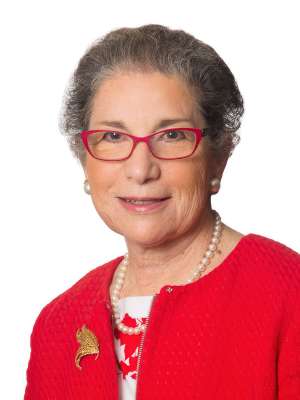 Patricia A. Ganz合作论文数Fielding School of Public Health, University of California, Los Angeles;David Geffen School of Medicine, University of California, Los Angeles;Center for Cancer Prevention and Control Research, Jonsson Comprehensive Cancer Center108
 Michael R. Irwin合作论文数Department of Psychology, College of Life Sciences, University of California96
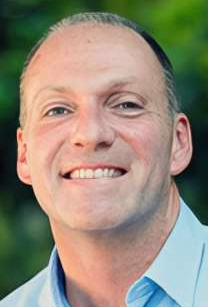 Steven W. Cole合作论文数Department of Medicine, School of Medicine, University of California, Los Angeles;Jonsson Comprehensive Cancer Center, University of California, Los Angeles67
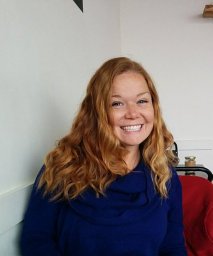 Kate Ryan Kuhlman合作论文数38
 Catherine M. Crespi合作论文数Department of Biostatistics, Fielding School of Public Health, University of California, Los Angeles37
 Andrew J. Fuligni合作论文数Department of Psychology, College of Life Sciences, University of California, Los Angeles;Semel Institute for Neuroscience and Human Behavior, University of California, Los Angeles;Department of Psychiatry and Biobehavioral Sciences, David Geffen School of Medicine, University of California, Los Angeles31
 Chloe C Boyle合作论文数Dept Psychiat & Biobehav Sci, Univ Calif Los Angeles25
 Jessica Chiang合作论文数Department of Psychology, and24
 Petersen Laura A合作论文数23
 Naomi Eisenberger合作论文数Department of Psychology, University of California, Los Angeles22
 Lorna Kwan合作论文数Department of Urology, University of California Los Angeles18Marcie D. Haydon合作论文数Chao Family Comprehensive Cancer Center, University of California17Elizabeth C Breen合作论文数15
 Annette L. Stanton合作论文数Department of Psychology, College of Life Sciences, University of California, Los Angeles15
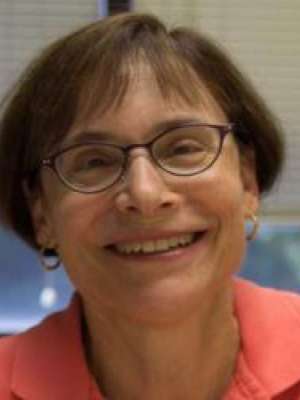 Teresa Seeman合作论文数Geffen School of Medicine, University of California, Los Angeles;Epidemiology Department, Fielding School of Public Health, University of California, Los Angeles15
 Ann H. Partridge合作论文数Department of Medical Oncology, Dana-Farber Cancer Institute;Harvard Medical School13
 Steven A Castellon合作论文数Steven Castello, M.A., is a graduate student in the Department of Psychology, USA13
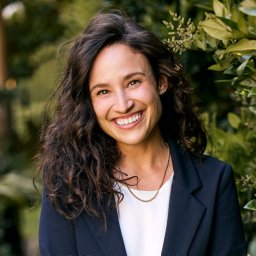 Arielle Radin合作论文数Dept Psychiat, UCLA12
 Shelley E. Taylor合作论文数Department of Psychology, College of Life Sciences, University of California, Los Angeles12
 Michael A Hoyt合作论文数Arizona State University12
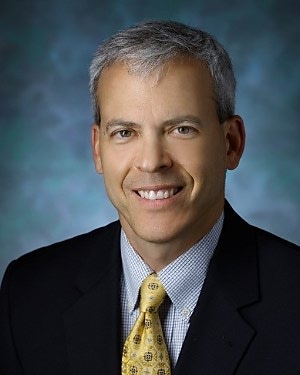 Antonio C. Wolff合作论文数School of Medicine, Johns Hopkins University12
 David M. Almeida合作论文数Center For Healthy Aging, College of Health and Human Development, Pennsylvania State University11
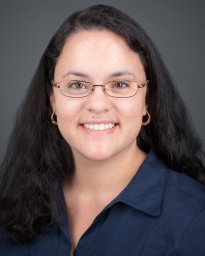 Aasha I. Hoogland合作论文数Moffitt Cancer Center11
 Judith E Carroll合作论文数University of Pittsburgh Cancer Institute and Department of Psychology, University of Pittsburgh School of Medicine11
 Heather Jim合作论文数Department of Health Outcomes and Behavior, Moffitt Cancer Center11
 Larissa Dooley合作论文数10
 Dutcher Janine M合作论文数Department of Psychology, University of California - Los Angeles10
 George M. Slavich合作论文数Department of Psychiatry and Biobehavioral Sciences, University of California, Los Angeles;Laboratory for Stress Assessment and Research, Cousins Center for Psychoneuroimmunology, Semel Institute for Neuroscience and Human Behavior, University of California, Los Angeles10McCreath Heather E合作论文数9
 Crosswell Alexandra D合作论文数Departments of Psychology, UCLA;Biobehavioral Sciences (J.E.B.), Schools of Medicine &Public Health, and the Jonsson Comprehensive Cancer Center (P.A.G.), Los Angeles, California.9
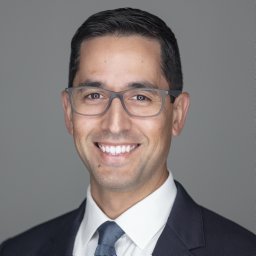 Gonzalez Brian D合作论文数Health Outcomes and Behavior Program, Moffitt Cancer Center9
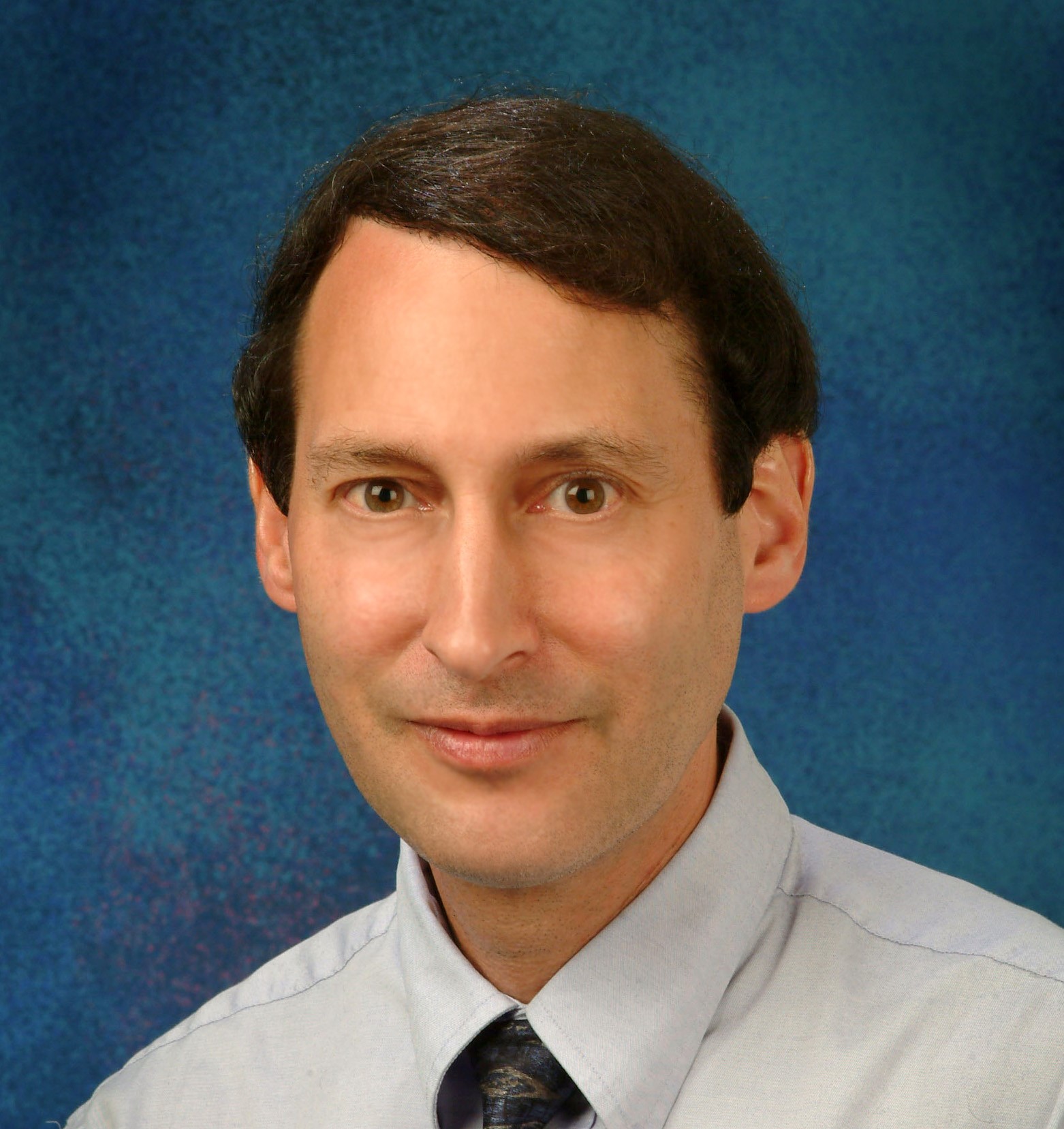 Daniel H. Silverman合作论文数Department of Molecular and Medical Pharmacology, David Geffen School of Medicine, University of California, Los Angeles;Neuronuclear Imaging Section, Ahmanson Translational Imaging Division, University of California Los Angeles Medical Center9Arash Asher合作论文数8Jesusa Arevalo合作论文数8
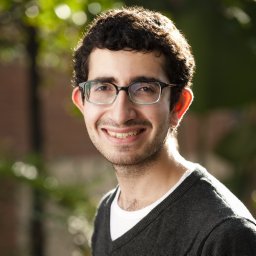 Danny Rahal合作论文数Dept Psychol, Univ Calif Los Angeles7Thomas Kamala S合作论文数7
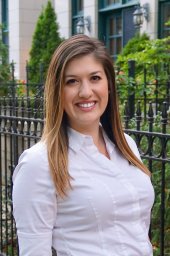 Patricia Moreno合作论文数Center for Cancer Prevention and Control Research, University of California, Los Angeles7
 Keely A. Muscatell合作论文数Department of Psychology, Boston College7
 Ronald E. Dahl合作论文数School of Public Health, University of California, Berkeley;Institute of Human Development, University of California, Berkeley7Alexandra Dupont合作论文数6
 Theodore Robles合作论文数Department of Psychology, College of Life Sciences, University of California, Los Angeles6
 Cheri Geist合作论文数6
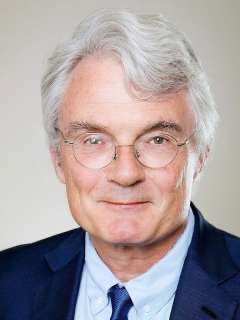 Johannes Czernin合作论文数Departmen of Molecular and Medical Pharmacology, David Geffen School of Medicine, University of California, Los Angeles;Santa Monica Medical Center, University of California, Los Angeles;Jonsson Comprehensive Cancer Center, University of California, Los Angeles6
 Brent J. Small合作论文数School of Nursing, University of North Carolina at Chapel Hill6
 Kathleen Van Dyk合作论文数Department of Psychiatry, Mount Sinai School of Medicine6L Petersen合作论文数6Elissa D Thorner合作论文数5Deborah Garet合作论文数5




