The discovery of tyrosinase modulators from natural products has long been hampered by limitations in screening efficiency and accuracy. In this study, a novel online screening system for tyrosinase was constructed based on HPLC technology that enables high-throughput recognition of active constituents in complex matrices. Applying this HPLC-tyrosinase system to Dracocephalum heterophyllum (D. heterophyllum), three active peaks were precisely captured, which were subsequently isolated and structurally characterized as caffeic acid, verbascoside, and rosmarinic acid. Enzyme activity assays revealed that caffeic acid (IC50 = 1.08 mM) and rosmarinic acid (IC50 = 0.41 mM) markedly inhibited tyrosinase activity, whereas verbascoside exhibited activating properties (EC50 = 0.24 mM). The action mechanisms and bioactivities of these compounds were further elucidated through density functional theory calculations, molecular docking analysis, and in vivo validation. Collectively, the online HPLC-tyrosinase activity screening system established in this work not only provides a theoretical basis for the high value-added development of D. heterophyllum, but also delivers a high-throughput, precision tool for discovering natural tyrosinase inhibitors, demonstrating robust application potential in the fields of cosmetic science, food preservation and pharmaceutical development.
Hyperlipidemia is closely linked to abnormal dietary lipid absorption, and pancreatic lipase (PL) is a key target for inhibiting intestinal lipid hydrolysis. Thus, the efficient discovery of PL inhibitors is crucial for treating the disease. However, existing recognition techniques suffer from false positives and disconnection from subsequent separation, hindering the exploration of natural product active components. This study developed an online high-performance liquid chromatography-fluorescence detection (HPLC-FLD) recognition system. It enables real-time mixing of chromatographic eluents with PL solution, forming protein-ligand complexes that yield characteristic negative peaks due to their lower fluorescence, thus enabling rapid localization of PL-binding components at corresponding retention times. Validation with orlistat as a reference standard confirmed the system's high precision, stability, and specificity. When applied to the crude extract of Sinacalia tangutica, this system recognized 15 active chromatographic peaks in a single analysis. Combined with an activity-guided progressive separation strategy, 16 compounds were obtained and exhibited PL inhibitory activity in vitro enzymatic assays. The therapeutic potential of phlorizin, one of inhibitors identified by our recognition system, was evaluated in hyperlipidemic mice. High-dose phlorizin lowered serum total cholesterol (TC) by 46.3% and triglyceride (TG) by 66.3%, reduced pancreatic PL content by 52.4%, raised fecal TG by 65.7%, alleviated hepatic steatosis and oxidative stress, with efficacy near orlistat. This integrated strategy of online recognition with activity-guided separation provides an efficient solution for the discovery of natural PL inhibitors with therapeutic potential.
Tyrosinase is the rate-limiting enzyme in the melanin production process. Despite existing research on tyrosinase affinity ligands, isolating them from natural products remains a daunting task. In this study, an integrated strategy combining online HPLC-tyrosinase activity peak recognition and medium-to high-pressure liquid chromatography separation was established for the targeted isolation of tyrosinase-binding compounds from Lycium barbarum. Seven tyrosinase affinity ligands were isolated with yields ranging from 26.97 mg to 120.16 mg (yield rates of 0.04 %-0.17 %) and structurally elucidated using HR-ESI-MS and 1D/2D NMR spectroscopy. These compounds were named as lyciruthephenylpropanoid H (inhibitor), lyciruthephenylpropanoid I (inhibitor), lyciruthephenylpropanoid J (activator), lycibarbarphenylpropanoid B (inhibitor), lycibarbarphenylpropanoid M (activator), lycibarbarspermidine P (inhibitor), and lycibarbarspermidine Q (inhibitor). In vitro enzymatic assays showed that lycibarbarspermidine Q exhibited potent tyrosinase inhibitory activity (IC50 = 66.67 +/- 0.31 mu M), while lyciruthephenylpropanoid J acted as a tyrosinase activator with EC50 values of 32.59 +/- 0.17 mu M. Enzymatic kinetic analysis revealed that lycibarbarspermidine Q functioned as a reversible competitive inhibitor, and lyciruthephenylpropanoid J as a reversible mixed-type activator. In vivo experiments using zebrafish embryos demonstrated that lycibarbarspermidine Q reduced melanin production and tyrosinase activity, whereas lyciruthephenylpropanoid J promoted melanin synthesis by enhancing tyrosinase activity. These findings validate the accuracy of the integrated chromatographic strategy and edible natural products, providing valuable candidates for regulating melanogenesis.
Functional food research is hindered by the complex natural food matrices, which demand accurate, rapid methods for identifying bioactive compounds. Here, we developed an activity-guided online HPLC-pancreatic lipase recognition system to simultaneously recognize and monitor active chromatographic peaks in Rubus irritans fruit extracts. Four compounds, namely cinnamic acid (1), 5-hydroxy-6,7,3 ',4 '-tetramethoxyflavone (2), 1-hydroxy-2,3,5-trimethoxyxanthone (3), and salvigenin (4), were first isolated from these fruits via medium-and high-pressure liquid chromatography. In vitro assays showed that all inhibited pancreatic lipase, with IC50 values of 444.90 f 0.19, 142.64 f 0.93, 168.70 f 0.64, and 118.84 f 0.89 mu M, respectively. Salvigenin (4) acted via reversible competitive inhibition. Molecular docking revealed the binding modes of the four compounds in the pancreatic lipase active site, with salvigenin exhibiting the lowest binding energy (-7.3 kcal/mol), followed by compounds 1-3 (-5.4,-6.8, and-6.9 kcal/mol). DFT calculations indicated that salvigenin had a smaller HOMO-LUMO gap and a higher dipole moment, suggesting favorable reactivity. Overall, our study's primary contribution is the establishment of an efficient activity-guided online recognition system for precisely recognizing and isolating natural pancreatic lipase inhibitors from edible fruits, with R. irritans fruits and their derived salvigenin identified as promising functional food ingredients.
A well-designed liquid chromatographic strategy is essential for the reliable characterization and preparative isolation of natural products (NPs). In this study, an integrated "medium-pressure pretreatment followed by 0.2% formic acid (FA) H2O-EtOH high-pressure purification" strategy was employed to achieve the efficient separation of active compounds in Ribes himalense. Guided by the online high-performance liquid chromatography-DPPH assay, Fr111 and Fr112 were recovered from the R. himalense extract by polyamide- and Spherical C18-medium-pressure liquid chromatography. The chromatographic behavior of these fractions was comparatively examined under hydrophilic and reversed-phase conditions using three commonly employed aqueous-organic mobile phases, namely 0.2% FA H2O-ACN, 0.2% FA H2O-MeOH, and 0.2% FA H2O-EtOH. Under the investigated experimental conditions, the 0.2% FA H2O-EtOH system exhibited improved peak resolution and separation selectivity for both fractions relative to the other mobile phases. Ultimately, four free radical inhibitors (>95% purity) with flavonoids as the parent nucleus were obtained from Fr111 and Fr112. Their significant in vitro free radical scavenging activity was validated using the DPPH and ABTS assays. In conclusion, the 0.2% FA H2O-EtOH system delivered favorable chromatographic performance while reducing solvent toxicity, demonstrating promise for efficient and greener preparative workflows. The proposed strategy offers a practical and scalable approach for the targeted isolation of structurally similar bioactive compounds from NPs in the foreseeable future.
The screening of enzyme inhibitors faces challenges such as low efficiency. In this study, a novel online HPLC-FLD/pancreatic lipase recognition system was developed for the first time. The optimal operating parameters were established as a flow rate of 1 mL/min, with excitation and emission wavelengths for pancreatic lipase set at 221 nm and 303 nm, respectively. The effectiveness of this system was validated using orlistat. Subsequently, this system was applied to Lycium ruthenicum, where two petunidin-based anthocyanins pancreatic lipase inhibitors were efficiently isolated using medium-pressure liquid chromatography. Molecular docking elucidated that compounds 1 and 2 interact with the serine residue of pancreatic lipase, exhibiting binding energies of -13.12 kcal/mol and -12.22 kcal/mol, respectively. Enzymatic assays showed that the half-maximal inhibitory concentrations of compounds 1 and 2 were 9.67 μM and 147.37 μM, respectively. These docking and inhibition results confirm the system for efficiently discovering pancreatic lipase inhibitors.
Background: The metabolic dysfunction-associated steatotic liver disease (MASLD) represents an escalating global health concern, with effective treatments still lacking. Given its complex pathogenesis, multi-targeted strategies are highly desirable. Methods: This study reports the isolation of four flavone C-glycosides (FCGs) from Dianthus superbus L. and explores their potential in treating MASLD. The bioactivity and underlying mechanisms of FCGs were systematically evaluated by integrating network pharmacology, molecular docking, and zebrafish model validation. Results: Network pharmacology analysis revealed that FCGs may modulate multiple MASLD-related pathways, including lipid metabolism, insulin signaling, inflammation, and apoptosis. Molecular docking further confirmed strong binding affinities between FCGs and key protein targets involved in these pathways. In the zebrafish model of MASLD induced by egg yolk powder, FCGs administration markedly attenuated obesity, hepatic lipid accumulation, and liver tissue damage. Furthermore, FCGs improved lipid metabolism and restored locomotor function. Molecular analyses confirmed that FCGs upregulated PPARγ expression to promote lipid metabolism, restored insulin signaling by enhancing INSR, PI3K, and AKT expression, and suppressed inflammation by downregulating TNF, IL-6 and NF-κB. Additionally, FCGs inhibited hepatocyte apoptosis by elevating the BCL-2/BAX ratio. Conclusions: These findings highlight the multi-pathway regulatory effects of FCGs in MASLD, underscoring its potential as a novel therapeutic candidate for further preclinical development.
In this study, we developed an online HPLC-lipoprotein lipase system capable of directly recognizing chromatographic peaks corresponding to lipoprotein lipase affinity agents from Nitraria tangutorum. Notably, using the HPLC-lipoprotein lipase system, six lipoprotein lipase affinity agents were successfully recognized and isolated with purities > 95 %, including one phenylpropanoid, one apigenin, and four quercetin derivatives. In vitro enzymatic assays and molecular docking studies demonstrated that these glycosylated compounds bind effectively to the active site of lipoprotein lipase, with binding energies ranging from -7.2 to -8.8 kcal/mol. The compounds also showed notable affinity, with median inhibitory concentration values between 56.2 μM and 202.3 μM and half-maximal effective concentration values ranging from 106.8 μM to 311.0 μM. These results suggest that quercetin glycosides in Nitraria tangutorum contribute significantly to the regulation of lipoprotein lipase activity. Importantly, the established online HPLC-lipoprotein lipase recognition system demonstrated broad application prospects, particularly by providing a rapid and high-precision method for discovering lipoprotein lipase affinity agents in chemically complex natural products.
Seeking type II 5 alpha reductase (5-AR2) inhibitors from natural products (NPs) has emerged as a promising strategy to combat androgen metabolism related diseases. However, there is no universally applicable method for identifying and isolating 5-AR2 inhibitors to date. In this study, an online HPLC-5AR system was constructed for the first time by integrating HPLC-FLU and 5-AR2 solution, enabling the qualitative recognition of 5-AR2 inhibitors in NPs. Taking Picea wilsonii (P. wilsonii) as an example, three bioactive peaks were recognized via the online HPLC-5AR system, and then three high purity 5-AR2 inhibitors were obtained by medium and highpressure liquid chromatography, named pungenin, astringe, and isorhapontin. Molecular docking analysis showed that pungenin (-7.72 kcal/mol), astringe (-9.36 kcal/mol), and isorhapontin (-9.11 kcal/mol) exhibited strong binding affinity with 5-AR2. Enzyme activity assay revealed their IC50 values were 30.6 mu M, 12.6 mu M, and 89.9 mu M, respectively. In addition, in vitro experiments revealed that these inhibitors also capable of interfering with 5-AR2 from protein and transcriptional levels, which in turn affects its biological function. Overall, this study will further lead to the high value utilization and economic value assessment of P. wilsonii. This novel online HPLC-5AR system has been demonstrated to be convenient and efficient for the rapid recognition of 5-AR2 inhibitors from NPs, which holds significant promise for the treatment of androgen metabolism related diseases, warranting further exploration and broader application in future research.
Glycyrrhiza uralensis Fisch. (G. uralensis) is a traditional herbal medicine with significant hepatoprotective properties, as demonstrated by ongoing pharmacological studies. Flavonoids constitute the primary bioactive components of G. uralensis. This study investigates the flavonoids in G. uralensis that are effective in ameliorating non-alcoholic fatty liver disease (NAFLD). Based on activity screening results, high-pressure liquid chromatography was used to isolate six target flavonoid components (Fr826, licoricone; Fr8241, formononetin; Fr841, semilicoisoflavone B; Fr844, glyasperin D; Fr8421, glycyrin; and Fr8432, glycyrrhisoflavone) using a multidimensional reversed-phase system. The effects of these isolated flavonoids on NAFLD were assessed, and a preliminary structure-activity relationship analysis was conducted. Generally, the hydroxyl and oxygencontaining substituents on the A and B rings of these flavonoids significantly affect lipid-lowering activity, while the quantity and positional variation of isopentenyl groups may contribute to cellular damage. Thus, this study provides significant evidence supporting the therapeutic potential of G. uralensis flavonoids in NAFLD treatment.
Supercritical fluid chromatography (SFC) has emerged as a powerful separation technique with extensive applications in pharmaceutical analysis, environmental monitoring, and food safety testing. In this study, weakly polar unsaturated fatty acids were successfully extracted and separated via a polystyrene/divinylbenzene (PS-DVB) stationary phase complementary supercritical fluid chromatography and reversed-phase liquid chromatography (RPLC) approach. The weakly polar sample was obtained using supercritical fluid extraction (SFE) of Floccularia luteovirens powder. The extracted weakly polar sample was first separated using a PS-DVB stationary phase SFC, yielding 304.7 mg of the target fraction Fr2. Then, the established complementary SFC and RPLC method was applied to the separation and purification of compounds from the target fraction Fr2. Finally, three unsaturated fatty acids with purities exceeding 95 % were successfully prepared. This approach has significant potential for analyzing and purifying weakly polar natural products on the same stationary phase using SFC and RPLC.
Medicinal plants have emerged as valuable inspiration for novel drug discovery owing to their abundant secondary metabolites. This study aimed to further investigate the anti-non-alcoholic steatohepatitis (NASH) potential of secondary metabolites from the traditional Tibetan medicine (TTM) Saxifraga tangutica (S. tangutica). Using medium-pressure liquid chromatography (MPLC) and hydrophilic/reversed-phase liquid chromatography, nine high-purity (>95%) compounds were isolated, including two novel phenolic glycosides: beta-D-galactoside-1,6-bis(3,4,5-trihydroxybenzoate) and -(-)-rhododendron-4'-beta-D-glucoside. Pharmacological evaluation through Oil Red O staining coupled with comprehensive biochemical profiling demonstrated dose-dependent anti-NASH efficacy of the novel glycosides. Subsequent network pharmacology analysis identified the cAMP and sphingolipid signaling pathways as the principal molecular mechanisms. Molecular docking demonstrated that beta-D-galactopyranosyl-1,6-bis(3,4,5-trihydroxybenzoate) exhibited strong binding to HSP90AA1 (-8.65 kcal/mol), and (-)-rhododendrin-4 '-beta-D-glucopyranoside exhibited strong binding to NFE2L2 (-7.88 kcal/mol). Overall, this study further evaluated the medicinal potential of S. tangutica, while these two novel phenolic glycosides are anticipated to contribute valuable molecular backbones and targeting strategies for NASH drug discovery.
The exploration of drug targets has always been a priority in new drug research, and this work is even more essential for natural active compounds. Saxifraga tangutica is a traditional Tibetan medicine with excellent antioxidant properties. In this study, an alkaloid, N-p-coumaroyl-N’-caffeoylputrescine (PCC), was first isolated from the plant, Saxifraga tangutica, with a DPPH scavenging rate of 0.936 μg/mL. To further identify its target, the drug affinity responsive target stability technique and multiple public databases were integrated to retrieve a total of 317 common targets from comprehensive screening. A further bioinformatics analysis not only identified 13 hub targets but also indicated PCC as having biological activities against cancer and affecting metabolic diseases. Integrating reverse virtual docking, molecular dynamics simulations, and cellular thermal shift assays ultimately focused on HSP90AA1 as the target of PCC. An in vitro study on liver (HepG2) cells and breast (MCF-7) cancer cells revealed that PCC modulates HSP90AA1, subsequently affecting Mut-p53 expression, triggering a cascade effect that reduced adriamycin-induced drug resistance in cells. Furthermore, a prediction of the absorption, distribution, metabolism, excretion, and toxicity was also applied to evaluate the drug-like properties of PCC. Overall, the integrated strategy used in this study successfully identified the target of PCC, providing a valuable paradigm for future research on the action targets of natural products.
The efficient recognition of bioactive components in natural products (NPs) relies on the innovation and development of various methodologies. To identify the hepatoprotective secondary metabolites in Floccularia luteovirens (F. luteovirens), a novel HPLC-hepatocyte protein (HPLC-HP) system was established for the qualitative identification of active peaks interacting with hepatocyte proteins in F. luteovirens fractions at the chromatographic level, using the protein solution from a liver injury cell model as the mobile phase. By combining this system with oil red O quantification for activity screening of the fractions after each preparation, ultimately leading to the successful isolation of three novel dipeptides, named flolutsin A-C. Subsequent in vitro experiments and computational simulations validated the reliability of the HPLC-HP system, these three novel dipeptides effectively reduced oleic acid-induced damage in HepG2 cells through fatty acid synthase. Additionally, ADMET analysis was conducted to assess their pharmaceutical values. In conclusion, this study further clarified the pharmacological basis of the hepatoprotective activity of F. luteovirens, while the novel HPLC-HP system developed in this study demonstrated strong application potential, and such an integrated strategy provides a practical approach for screening bioactive components from other NPs.
In this investigation, we successfully isolated and purified natural diarylheptanoids using an orthogonal offline two-dimensional RPLC × SFC approach, employing only the phenyl/tetrazole stationary phase. First, a styrene-divinylbenzene matrix medium pretreatment liquid chromatography system effectively processed chlorophyll-containing plant extract solution with a recovery rate of 33.8 %, obviating the need for concentration steps. Subsequently, an offline two-dimensional RPLC × SFC employing only the phenyl/tetrazole stationary phase achieved a remarkable 96.38 % orthogonality and was established and utilized in the preparative separation and purification of natural products. Finally, the constructed single stationary phase highly orthogonal RPLC × SFC system was successfully applied in the preparative separation and purification of natural diarylheptanoids from the Saxifraga tangutica target fraction and yielded four diarylheptanoids with purities exceeding 95 %.
Dianthus superbus L. has been extensively studied for its potential medicinal properties in traditional Chinese medicine and is often consumed as a tea by traditional folk. It has the potential to be exploited in the treatment of inflammation, immunological disorders, and diabetic nephropathy. Based on previous studies, this study continued the separation of another subfraction of Dianthus superbus and established reversed-phase/reversed-phase and reversed-phase/hydrophilic (RPLC) two-dimensional (2D) high-performance liquid chromatography (HPLC) modes, quickly separating two C-glycosylflavones, among which 2″-O-rhamnosyllutonarin was a new compound and isomer with 6‴-O-rhamnosyllutonarin. This is the first study to investigate the effects of 2″-O-rhamnosyllutonarin and 6‴-O-rhamnosyllutonarin on cellular glucose metabolism in vitro. First, molecular docking was used to examine the effects of 2″-O-rhamnosyllutonarin and 6″-O-rhamnosyllutonarin on AKT and AMPK; these two compounds exhibited relatively high activity. Following this, based on the HepG2 cell model of insulin resistance, it was proved that both of the 2″-O-rhamnosyllutonarin and 6‴-O-rhamnosyllutonarin demonstrated substantial efficacy in ameliorating insulin resistance and were found to be non-toxic. Simultaneously, it is expected that the methods developed in this study will provide a basis for future studies concerning the separation and pharmacological effects of C-glycosyl flavonoids.
In this study, a practicably complementary size exclusion chromatography and reversed-phase liquid chromatography method was constructed and applied to efficiently separate and purify structural analogs or isomers from natural products. First, a ternary styrene-divinylbenzene matrix CHP20P medium-pressure elution system was applied for Ligustrum qianluoenenst leaf crude sample pretreatment, with a recovery of 91.2 %, and 13.0 g of the target fraction Fr4 was obtained. A complementary HW-40C SEC and ReproSil-Pur C18 AQ RPLC system was subsequently constructed by optimizing the HW-40C separation conditions and ReproSil-Pur C18 AQ analysis. Finally, the established complementary SEC and RPLC method was used for the separation and purification of compounds from Ligustrum qianluoenenst leaf target fraction Fr4, and 12 flavone-C-glycosides were successfully prepared with purities exceeding 95 %. The overall methodologies established for flavone-C-glycoside preparative isolation have the potential to maximize the possibility of discovering more structural analogs, including new structural analogs or isomers from natural products.
In this work, the rapid and efficient preparation of isolated galloyl glucoside tautomer free radical inhibitors was investigated using Saxifraga tangutica as a raw material. Four highly polar galloyl glucoside tautomers, 3-O-galloyl-α-d-glucose ⇌ 3-O-galloyl-β-d-glucose (Fr2-1-1), 2-O-galloyl-α-d-glucose ⇌ 2-O-galloyl-β-d-glucose (Fr2-1-2/2-1-3), 1-O-galloyl-β-d-glucose (Fr2-2-1), and 6-O-galloyl-α-d-glucose ⇌ 6-O-galloyl-β-d-glucose (Fr2-3-1/Fr2-3-2), were obtained via two-step medium-pressure liquid chromatography (with solid loading instead of conventional liquid injection) and one-step high-performance chromatography coupled with on-line RPLC-DPPH techniques for targeted isolation. This separation integration technique not only increases sample intake and reduces time cost but also visualizes each step of targeted separation. All four compounds were isolated from the plant for the first time. In vitro antioxidant activity assays by DPPH (1,1‑diphenyl-2-picrylhydrazyl) revealed that Fr2-1-2/Fr2-1-3 (IC50: 5.52 ± 0.32 μM), Fr2-2-1 (IC50: 7.22 ± 0.57 μM), and Fr2-3–1/Fr2-3-2 (IC50: 7.36 ± 0.25 μM) had superior free radical scavenging abilities and that both were superior to that of quercetin (IC50: 18.61 ± 3.55 μM). Oxidative stress assays revealed that Fr2-1-2/Fr2-1-3 significantly inhibited oxidative stress damage in H2O2-induced HepG2 cells, decreased the level of ROS (P < 0.01) and protected hepatocytes. Combined with the current results, gallic acid showed greater antioxidant activity when H atoms were replaced at d-glucose –OH (C-2) than at the other three sites [–OH (C-1), –OH (C-6) and –OH (C-3)].
The development of ischemic heart disease (IHD) involves a variety of pathophysiological responses, such as mitochondrial dysfunction. Many compounds with antioxidant activity isolated from natural products have been shown to have significant effects on the prevention and treatment of cardiovascular diseases. However, little is known about the palliative effects of 3-caffeoylquinic acid isomers isolated from Saxifraga tangutica (S. tangutica) on myocardial ischemia/reperfusion injury (MIRI). Three isomers of 3-caffeoylquinic acid were isolated from S. tangutica and identified as neochlorogenic acid (Fr2-4-1-1, 18.5 mg), chlorogenic acid (Fr2-5-1-1, 81.7 mg) and cryptochlorogenic acid (Fr2-5-2-1, 15.0 mg) using medium-pressure liquid chromatography-high-pressure two-dimensional liquid chromatography. An in vitro DPPH assay showed that cryptochlorogenic acid (CCGA), neochlorogenic acid (NCGA) and chlorogenic acid (CGA) (in order of activity from strongest to weakest) possessed superior antioxidant activity. Langendorff's in vitro model was utilized to explore the protective effects of 3 caffeoylquinic acid isomers against MIRI. The ex vivo MIRI assay demonstrated that CCGA significantly improved hemodynamic function (P < 0.05), hemodynamic function-related indices (LVDP, RPP, +dP/dt and -dP/dt), and cell morphology in I/R myocardium tissues. In addition, the results of western blot analysis showed that mitochondrial biogenesis was significantly increased in I/R myocardial tissues after treatment with CCGA. In contrast, the activities of CGA and NCGA were lower. This is the first demonstration of efficient preparative isolation of 3-caffeoylquinic acid isomers (CGA, NCGA and CCGA) from S. tangutica. CCGA may be a promising approach for the treatment of cardiac I/R injury, especially for the regulation of mitochondrial biogenesis after MIRI.
Natural products have been used extensively around the world for many years as therapeutic, prophylactic, and health-promotive agents. Ribes himalense Royle ex Decne, a plant used in traditional Tibetan medicine, has been demonstrated to have significant antioxidant and anti-inflammatory properties. However, the material basis of its medicinal effects has not been sufficiently explored. In this study, we established an integrated strategy by online HPLC-1,1-diphenyl-2-picrylhydrazyl, medium-pressure liquid chromatography, and HPLC to achieve online detection and separation of antioxidants in Ribes himalense extracts. Finally, four antioxidants with quercetin as the parent nucleus were obtained, namely, Quercetin-3-O-β-D-glucopyranoside-7-O-α-L-rhamnopyranoside, Quercetin-3-O-β-D-xylopyranosyl(1-2)-β-D-glucopyranoside, Quercetin-3-O-β-D-glucopyranoside, and Quercetin-3-O-β-D-galactoside. Until now, the four antioxidants in Ribes himalense have not been reported in other literatures. Meanwhile, the free-radical-scavenging ability of them was evaluated by DPPH assay, and potential antioxidant target proteins were explored using molecular docking. In conclusion, this research provides insights into the active compounds in Ribes himalense which will facilitate the advancement of deeper studies on it. Moreover, such an integrated chromatographic strategy could be a strong driver for more efficient and scientific use of other natural products in the food and pharmaceutical industries.
 Yanduo Tao (陶燕铎)合作论文数Northwest Institute of Plateau Biology, Chinese Academy of Sciences52
 Qilan Wang (王启兰)合作论文数Northwest Institute of Plateau Biology, Chinese Academy of Sciences;University of Chinese Academy of Sciences52
 Lijuan Mei (梅丽娟)合作论文数Northwest Institute of Plateau Biology, Chinese Academy of Sciences;University of Chinese Academy of Sciences36
 Yun Shao (邵芸)合作论文数State Key Laboratory of Remote Sensing and Digital Earth, Aerospace Information Research Institute, Chinese Academy of Sciences30
 Li Gang合作论文数21Zenggen Liu合作论文数17Weidong Wang合作论文数NIA, Genet Lab, NIH, Baltimore, MD 21224 USA11
 Li Zhang (张丽)合作论文数Institute of Materia Medica, Chinese Academy of Medical Sciences11Lijin Jiao合作论文数10Yue Lv合作论文数9
 Chuang Liu合作论文数Chinese Acad Sci, Ningbo Inst Mat Technol & Engn, CAS Key Lab Magnet Mat & Devices, Ningbo 315201, Zhejiang, Peoples R China9
 Huilan Yue (岳会兰)合作论文数Northwest Institute of Plateau Biology, Chinese Academy of Sciences;University of Chinese Academy of Sciences8Yangzom Dawa合作论文数7Zhao Jian-Qiang合作论文数7Jinjin Pei合作论文数6
 Qiangqiang Shi (史强强)合作论文数College of Chemistry & Pharmacy, Northwest A&F University6Yan Fang合作论文数6Xiang Yuan合作论文数6
 Tengfei Ji (吉腾飞)合作论文数Institute of Materia Medica, Chinese Academy of Medical Sciences & Peking Union Medical College6Yulei Cui合作论文数5JianBin Ma (马建滨)合作论文数5
 Abd El-Aty Mostafa合作论文数Department of Pharmacology, Faculty of Veterinary Medicine, Cairo University5Huaixiu Wen (文怀秀)合作论文数5Yuqing Lei合作论文数4Chengbiao Chen合作论文数4Ze Wang合作论文数4Hui Zhang合作论文数4Zhenhua Wang合作论文数4Chen Yuan合作论文数4
 Liu Chuang合作论文数4Ming Jin合作论文数4
 Xinxin Zhang (张新新)合作论文数School of Pharmacy, Health Science Center, Xi’an Jiaotong University4
 Ruitao Yu (于瑞涛)合作论文数Northwest Institute of Plateau Biology, Chinese Academy of Sciences4
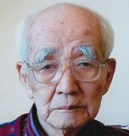 Yoichiro Ito合作论文数Bioseparation Technology Laboratory, Biochemistry and Biophysics Center, National Heart, Lung, and Blood Institute, National Institutes of Health4
 Lei Jiang合作论文数4
 Zengjun Guo (郭增军)合作论文数School of Pharmacy, Health Science Center, Xi'an Jiaotong University4
 Jinmao You (尤进茂)合作论文数School of Chemistry and Chemical Engineering, Qufu Normal University;Northwest Institute of Plateau Biology, Chinese Academy of Sciences;School of Environmental Science and Engineering, Shandong University3Yingying Tong合作论文数3
 Nigatu Tadesse合作论文数3Guoqing Pan合作论文数3Chengzhao Li合作论文数3Ting Ren合作论文数3Na Shen合作论文数3Ying Wang (王瑛)合作论文数3Minchen Wu (邬敏辰)合作论文数Jiangnan University3Du Yurong合作论文数3
 Sicen Wang (王嗣岑)合作论文数Food & Drug Analysis Center, School of Pharmacy, Xi'an Jiaotong University Health Science Center3Xian'en Zhao合作论文数2Jingrou Guo合作论文数2




