Background: This study aims to describe the epidemiology and clinical features of patients with intraocular foreign bodies (IOFBs) and analyze the prognostic factors influencing final vision. Methods: We retrospectively reviewed medical records of patients with IOFBs admitted to Qingdao Eye Hospital of Shandong First Medical University between January 1, 2014, and December 31, 2021. Inclusion criteria involved complete clinical data details of patients diagnosed with intraocular foreign bodies in our hospital who were treated with concurrent surgery and based on IOFB position and characteristics, different surgical methods were employed. The minimum follow-up duration was 6 months. Exclusion criteria were foreign bodies retained in the orbit, organ failure, surgical contraindications, coagulation abnormalities, autoimmune diseases, history of ocular surgery, and ocular space-occupying lesions. Based on IOFB position and characteristics, different surgical methods were employed. Multivariate logistic regression analysis was performed to predict independent factors influencing final visual acuity after IOFBs. Results: This study analyzed 159 patients (159 eyes) with IOFBs. Based on discharge and follow-up results, IOFB removal was performed through pars plana incision in 105 (67.9%) eyes, corneoscleral limbus incision in 24 (15.1%) eyes, and original wound in 27 (17.0%) eyes. Of these, 44 eyes underwent IOFB removal without vitrectomy, while 55 (34.6%) eyes were treated with silicone oil. Post-vitrectomy, three cases showed secondary macular membrane, five cases exhibited retinal detachment, and enucleation was necessary in three cases. The final best corrected visual acuity (BCVA, logMAR) was 1.06 +/- 0.88, significantly better than preoperative visual acuity of 1.65 +/- 0.87 (t = 8.21, p < 0.01). Multi-factor logistic regression analysis revealed that the length of corneal/scleral wound (OR=0.6 P < 0.05), maximum size of IOFB (OR=0.585 P < 0.05), initial presenting VA (OR=0.900 P < 0.05), and macular lesions(OR=0.400 P < 0.05) were risk factors for postoperative vision prognosis after intraocular foreign body surgery. Conclusion: In a tertiary eye center in northern China, IOFBs predominantly affected the working-age group, particularly males. Factors such as wound length, IOFB size, initial presenting VA, and macular lesions might impact the final visual outcome.
BACKGROUND: The adult mammalian heart is incapable of regeneration, whereas a transient regenerative capacity is maintained in the neonatal heart, primarily through the proliferation of preexisting cardiomyocytes. Neonatal heart regeneration after myocardial injury is accompanied by an expansion of cardiac fibroblasts and compositional changes in the extracellular matrix. Whether and how these changes influence cardiomyocyte proliferation and heart regeneration remains to be investigated. METHODS: We used apical resection and myocardial infarction surgical models in neonatal and adult mice to investigate extracellular matrix components involved in heart regeneration after injury. Single-cell RNA sequencing and liquid chromatography–mass spectrometry analyses were used for versican identification. Cardiac fibroblast–specific Vcan deletion was achieved using the mouse strains Col1a2-2A-CreER and Vcan fl/fl . Molecular signaling pathways related to the effects of versican were assessed through Western blot, immunostaining, and quantitative reverse transcription polymerase chain reaction. Cardiac fibrosis and heart function were evaluated by Masson trichrome staining and echocardiography, respectively. RESULTS: Versican, a cardiac fibroblast–derived extracellular matrix component, was upregulated after neonatal myocardial injury and promoted cardiomyocyte proliferation. Conditional knockout of Vcan in cardiac fibroblasts decreased cardiomyocyte proliferation and impaired neonatal heart regeneration. In adult mice, intramyocardial injection of versican after myocardial infarction enhanced cardiomyocyte proliferation, reduced fibrosis, and improved cardiac function. Furthermore, versican augmented the proliferation of human induced pluripotent stem cell–derived cardiomyocytes. Mechanistically, versican activated integrin β1 and downstream signaling molecules, including ERK1/2 and Akt, thereby promoting cardiomyocyte proliferation and cardiac repair. CONCLUSIONS: Our study identifies versican as a cardiac fibroblast–derived pro-proliferative proteoglycan and clarifies the role of versican in promoting adult cardiac repair. These findings highlight its potential as a therapeutic factor for ischemic heart diseases.
Growing evidences have revealed that a histone deacetylase inhibitor (HDACi), suberoylanilide hydroxamic acid (SAHA) has anti-fibrotic effect in different diseases. In this study, we first evaluated whether SAHA could suppress cardiac fibrosis. Mice with MI-induced cardiac fibrosis were treated with SAHA by intraperitoneal injection and their cardiac function was improved after SAHA treatment. Results of western blotting and qRT-PCR in heart tissues suggested that TGFβ1/P38 pathway was activated in MI mice, and this effect was reversed by SAHA. Cell proliferation assay suggested that SAHA could suppress TGF-β1-induced cardiac fibroblasts proliferation. Furthermore, results of western blotting and qRT-PCR in cardiac fibroblasts depicted that SAHA may exert its anti-fibrotic effect through inhibiting TGF-β1-induced P38 phosphorylation by promoting DUSP4 expression. Our findings may substantiate SAHA as a promising treatment for MI-induced cardiac fibrosis.
Panniculitis is a group of skin diseases involving subcutaneous adipose tissues, including primary and secondary panniculitis associated with tumors and inflammations. According to patterns of inflammation and types of fat necrosis, and combined with the learning experience at Ackerman Academy of Dermatopathology, the authors summarize pathological changes in various types of primary panniculitis, and propose some diagnostic clues, hoping to provide some ideas for the pathological diagnosis of panniculitis.
Type 1 diabetes mellitus (T1DM) is associated with an increased risk of diabetic cardiomyopathy (DCM). Nuclear factor kappa B (NF-κB) and Wnt/β-catenin/GSK3β have been demonstrated to play pathogenic roles in diabetes. In this study, we evaluated the roles of these two pathways in T1DM-induced cardiomyopathy in rats. Streptozotocin (STZ)-induced type 1 diabetic rats were treated with pyrrolidine dithiocarbamate (PDTC) or meisoindigo (Me) to inhibit NF-κB and Wnt/β-catenm/GSK3β respectively for 4 or 8 weeks. As compared with untreated diabetic rats, treatment with either PDTC or Me partly attenuated the myocardial hypertrophy and interstitial fibrosis, improved cardiac function, and exhibited reduction in inflammatory reaction. In addition, we found that inhibiting NF-κB and Wnt/β-catenin/GSK3β pathways could regulate glucose and lipid metabolism. The effects were associated with the decrease of NF-κB activity and the downregulation of some proinflammatory cytokines, including tumor necrosis factor-alpha (TNF-α) and interleukin (IL)-2. Our data suggested that the activities of NF-κB and Wnt/β-catenin/GSK3β pathways were both increased and inhibiting NF-κB and Wnt/β-catenin/GSK3β signaling pathways might improve myocardial injury in T1DM rats.
目的 通过比较精准麻醉和传统麻醉在心血管手术中的应用,探讨精准麻醉对患者术后谵妄的影响.方法 选择在我院行择期心血管手术患者249例,男167例,女82例,年龄25~84岁,BMI 17~37 kg/m2,ASAⅡ—Ⅳ级,心功能分级(NYHA)Ⅰ—Ⅳ级.将患者随机分为两组:精准麻醉组(P组)和传统麻醉组(T组),每组125例.P组进行精准的麻醉实施、用药和麻醉管理,T组则采用传统的经验式麻醉管理.记录手术时间、心肺转流(CPB)时间、阻断时间、术中舒芬太尼用量及手术类型.使用ICU意识模糊评估法(CAM-ICU)来评估术后5 d内谵妄发生情况,记录谵妄发生与持续时间.记录术后机械通气时间,ICU住院时间,术后住院时间和总住院费用.结果 术后5 d内发生谵妄为30例(12.0%),其中P组为9例(7.2%),T组为21例(16.9%).与T组比较,P组术后5 d内谵妄发生率明显降低(P<0.05),住院费用明显降低(P<0.01),术后机械通气时间、ICU住院时间、术后住院时间明显缩短(P<0.01).P组术后二次插管、二次ICU、术后气胸的发生率均低于T组,但两组间差异无统计学意义.结论 精准麻醉可以有效降低心血管手术后5d内的谵妄发生率,同时能减少患者术后机械通气时间和ICU住院时间.
目的 探索术中输注右美托眯定对全主动脉弓置换术患者术后重度全身炎性反应综合征(systemic inflammatory response syndrome,SIRS)及早期临床结局的影响.方法 选择我院2013年1月至2015年12月在深低温停循环下行全主动脉弓置换术患者522例,根据术中是否连续输注右美托咪定将患者分为右美托咪定组(dexmedetomidine Group,D)和非右美托咪定组(Non-dexmedetomidine Group,Non-D),其中约474(90.80%)例患者术中使用右美托咪定.比较两组患者术后短期并发症的发生情况,并采用多因素logistic 回归分析术后出现重度SIRS的危险因素.结果 术后Non-D组发展为重度SIRS的患者比例明显高于D组,[50%(24/48) vs 29.54%(140/474),P=0.004].多因素Logistic回归分析显示,术中未使用右美托咪啶是术后重度SIRS的独立危险因素(OR=2.548,95%CI=1.360-4.773,P=0.003).D组术后需血液滤过支持治疗的患者比例明显少于Non-D组,10.76% (51/472)vs 20.83%(10/48),P=0.038.D组术后死亡率为2.32%(11/472),Non-D组死亡率为2.08%(1/48),P=1.000.D组与Non-D组术后平均机械通气时间(20.0hvs 24.5h,P=0.112)、平均ICU停留时间(3.0d vs 3.0 d,P=0.837)及术后平均住院时间(11.0d vs 11d,P=0.518)均无明显统计学差异.结论 右美托咪定的抗炎作用可以降低全主动脉弓置换术后重症SIRS的发生率.
2018年12月—2019年2月,我有幸到德国柏林心脏中心进修心血管麻醉.经过3个月的参观学习,我学到了很多专业知识,打开了眼界,认识到我们与国际先进心脏中心的差距.在此,我把这3个月的学习见闻分享给读者.
Objective: To explore the evaluation of joint injury by HEAD-US-C (Hemophilic Early Arthropathy Detection with UltraSound in China, HEAD-US-C) in patients with moderate or severe hemophilia A treated with prophylaxis vs on-demand. Methods: The patients from June 2015 to July 2017 with moderate or severe hemophilia A were examined by ultrasound imaging of the elbows, knees and ankles; Meanwhile the HEAD-US-C ultrasound assessment scale and hemophilia joint health score scale 2.1 (HJHS2.1) were used to score the joint status. The correlation between the HEAD-US-C and HJHS score was performed in prophylaxis group and on-demand group patients, respectively. Results: A total of 925 cases of joint ultrasonography were conducted in 70 patients with moderate or severe hemophilia A. Among patients with moderate hemophilia, the median (IQR) of HEAD-US-C score and HJHS score in on-demand group were significantly higher than those in the prophylaxis group[1 (0, 6) vs 0.5 (0, 3) , z=0.177, P=0.046],[2 (0, 4) vs 2 (0, 3) z=0.375, P=0.007], even though there was no significant difference of the median (IQR) number of annualized target joints bleeding episodes between on-demand and prophylaxis groups[1 (0, 7) vs 1 (0, 5) , z=1.271, P=0.137]. Unlike in moderate cases, on-demand treatment group had more annualized target joints bleeding episodes than prophylaxis group among patients with severe hemophilia[3 (0, 8) vs 2 (0, 8) , z=0.780 P=0.037]. The prophylaxis group compared favorably with on-demand therapy group in terms of HEAD-US-C score[1 (0, 6) vs 4 (0, 7) , z=2.189, P=0.008], and HJHS score[2 (0, 5) , 4 (1, 6) , z=3646, P<0.001]for the severe hemophilia patients. The positive correlation between HEAD-US-C score and HJHS score was identified (P<0.05) , whether on-demand treatment or prophylaxis groups. The correlation coefficient between HEAD-US-C score and HJHS score in on-demand treatment and prophylaxis groups were 0.739 (95% CI 0.708-0.708) , 0.865 (95% CI 0.848-0.848) respectively, and 95% CI didn't overlap (P<0.05) , indicating that the correlation coefficient in prophylaxis group had stronger correlation than that in on-demand group. Conclusions: Clinical effects of prophylaxis were significantly better than those of on-demand treatment in patients with moderate or se-vere haemophilia A. HEAD-US-C scoring system could effectively evaluate joints damage in hemophilia A patients treated with on-demand or prophylaxis, companied by significantly positive correlation with HJHS clinical evaluation system, and provided objective index for clinical effect assessment.
目的 回顾性分析深低温停循环全主动脉弓置换术患者的临床资料,探索重度全身炎性反应综合征(SIRS)对全主动脉弓置换术后早期临床结局的影响.方法 通过分析我院2013年5月至2014年12月全部深低温停循环下行全主动脉弓置换术患者的临床数据,根据术后48小时内SIRS评分,将患者分为非重度组(N组,SIRS评分≤3分)和重度组(S组,SIRS评分为4分),比较两组患者术后住院期间各种并发症的发生情况,分析重度SIRS对全主动脉弓置换术后早期各项临床结局的影响.结果 共人选269例患者,男性196例(72.8%),术后有104例(38.6%)发生重度SIRS.与非重度SIRS组相比,重度SIRS组术后机械通气时间(82.6±22.1h vs 37.4±15.0 h,P=0.011)、ICU停留时间(7.2±6.1d 3.8±2.2d,P<0.001)及住院时间(14.7±l0.9d vsl2.1±6.5d,P=0.006)明显延长;且两组在院内死亡率(1.1% vs 4.9%,P<0.05),血液透析发生率(7.8% vs 20.1%,P<0.01),肺部感染发生率(19.8% vs 40.9%,P<0.01),二次插管(2.8% vs 9.8%,P<0.01),气管切开(0.6% vs 6.7%,P<0.01),消化道出血(2.0% vs 6.1%,P<0.05)方面有明显的统计学差异;而两组患者脑卒中(1.4% vs 3.7%,P=0.18)、截瘫(2.5% vs 5.5%,P=0.084)、谵妄(2.8% vs 5.5%,P=0.127)、二次开胸止血(3.1% vs 4.9%,P=0.307)发生率无明显差异.结论 重度SIRS在深低温停循环下全主动脉弓置换术后的发生率较高(38.6%),并延长患者术后机械通气时间、ICU停留时间及住院时间,明显增加住院期间死亡、肺部感染、血滤、二次气管插管、气管切开、消化道出血的发生率.
Objective: To assess the feasibility of HEAD-US scale in the clinical application of hemophilic arthropathy (HA) and propose an optimized ultrasound scoring system. Methods: From July 2015 to August 2017, 1 035 joints ultrasonographic examinations were performed in 91 patients. Melchiorre, HEAD-US (Hemophilic Early Arthropathy Detection with UltraSound) and HEAD-US-C (HEAD-US in China) scale scores were used respectively to analyze the results. The correlations between three ultrasound scales and Hemophilia Joint Health Scores (HJHS) were evaluated. The sensitivity differences of the above Ultrasonic scoring systems in evaluation of HA were compared. Results: All the 91 patients were male, with median age of 16 (4-55) years old, including 86 cases of hemophilia A and 5 cases hemophilia B. The median (P25, P75) of Melchiorre, HEAD-US and HEAD-US-C scores of 1 035 joints were 2(0,6), 1(0,5) and 2(0,6), respectively, and the correlation coefficients compared with HJHS was 0.747, 0.762 and 0.765 respectively, with statistical significance (P<0.001). The positive rates of Melchiorre, HEAD-US-C and HEAD-US scale score were 63.0% (95%CI 59.7%-65.9%), 59.5% (95%CI 56.5%-62.4%) and 56.6% (95%CI 53.6%-59.6%) respectively, and the difference was statistically significant (P<0.001). Even for 336 cases of asymptomatic joints, the positive rates of Melchiorre, HEAD-US-C and HEAD-US scale score were 25.0% (95%CI 20.6%-29.6%), 17.0% (95%CI 12.6%-21.1%) and 11.9% (95%CI 8.4%-15.7%) respectively, and the difference was statistically significant (P<0.001). There were significant changes (P<0.05) in the ultrasonographic score of HA before and after onset of hemorrhage in 107 joints of 40 patients. The difference in variation amplitude of HEAD-US-C scores and HEAD-US scores before and after joint bleeding was statistically significant (P<0.001). Conclusion: Compared with Melchiorre, there were similar good correlations between HEAD-US, HEAD-US-C and HJHS. HEAD-US ultrasound scoring system is quick, convenient and simple to use. The optimized HEAD-US-C scale score is more sensitive than HEAD-US, especially for patients with HA who have subclinical state, which make up for insufficiency of sensitivity in HEAD-US scoring system.
Monilethrix is an autosomal dominant genodermatosis with hair shafts and hair follicles abnormal.We reported 4 cases with monilethrix and all presented with hair fragility,keratosis pilaris and poor growth.Out of 4 patients,3 had family histories of monilethrix.Dermoscopy of the hair shaft showed elliptical nodes separated by narrower internodes in all patients.Mutations of c.1204G>A and c.1237G>A in KRT86 gene were detected in the two patients respectively.
Objective To evaluate the postoperative analgesic efficacy and safety of dexmedetomidine combined with sulfentanyl for patient-controlled intravenous analgesia(PCIA) in patients after on pump coronary artery bypass grafting(CABG) in a randomized,doubleblind,placebo-controlled,prospective study.Methods One hundred and twenty patients were randomly divided into three groups:sulfentanyl group (group S,n=40),low dose dexmedetomidine group (group LD,n=40),high dose dexmedetomidine group(group HD,n=40).The formula for PCIA was as follow:Group S:sulfentanyl (1 ug/kg) + tropisetron hydrochloride 5mg in 100ml Normal saline(NS);Group LD:dexmedetomedine (2 ug/kg) + sulfentanyl (1 ug/kg) +tropisetron hydrochloride 5mg in 100ml NS;Group HD:dexmedetomedine (4 ug/kg ) +sulfentanyl(1ug/kg) +tropisetron hydrochloride 5mg in 100ml NS.The infusion rate was 2ml/h,bolus dose was 0.5ml in each group,and lockout time was 15 min.Pain level was assessed with visual analogue score(VAS),Bruggrmann comfort scale(BCS) and Ramsay sedation score.The scores and the adverse reaction were recorded at 6h(T1),12h(T2),24h(T3),36h(T4) during postoperative analgesia.Results The VAS scorings in Group S were significant higher than that in Group LD and Group HD at T2,T3,T4(P<0.05),and the scorings in Group LD were higher than that in Group HD at T2 and T4.BCS scorings in Group HD displayed higher scores than that in Group S at T2,T3,T4(P<0.05).The Ramsay scores in Group LD was higher than that in Group S at T3,and the scores in Group HD were much higher than Group S and Group LD at T2,T3,T4(P<0.05).The PONV scores in Group S were higher than Group LD and Group HD at T3 and T4.Conclusion The combination of Dexmedetomidine and sulfentanyl could enhance the postoperative sedation and analgesia effect and reduce the PONV in patients undergoing on-pump coronary artery bypass grafting.High dose of dexmedetomidine might display more effective than low dose in sedation and analgesia.
患者男,15岁。主诉:右膝关节伸侧黄色丘疹1年余。现病史:患者1年前无明显诱因右膝关节伸侧出现一米粒大黄色丘疹,无自觉症状,缓慢增大,未予特殊治疗。既往史,个人史,家族史:无特殊。体格检查:一般情况良好,全身浅表淋巴结未触及增大。系统检查未发现明显异常。
AIMTo investigate the altering expression profiles of efflux transporters such as breast cancer-resistance protein (BCRP), lung resistance protein (LRP), and multidrug resistance protein 1 (MDR1) at the inner blood-retinal barrier (BRB) during the development of early diabetic retinopathy (DR) and/or aging in mice.METHODSRelative mRNA and protein expression profiles of these three efflux transporters in the retina during the development of early DR and/or aging in mice were examined. The differing expression profiles of Zonula occludens 1 (ZO-1) and vascular endothelial growth factor-A (VEGFA) in the retina as well as the perfusion characterization of fluorescein isothiocyanate (FITC)-dextran and Evans blue were examined to evaluate the integrity of the inner BRB.RESULTSThere were significant alterations in these three efflux transporters' expression profiles in the mRNA and protein levels of the retina during the development of diabetes mellitus and/or aging. The development of early DR was confirmed by the expression profiles of ZO-1 and VEGFA in the retina as well as the compromised integrity of the inner BRB.CONCLUSIONThe expression profiles of some efflux transporters such as BCRP, LRP, and MDR1 in mice retina during diabetic and/or aging conditions are tested, and the attenuated expression of BCRP, LRP, and MDR1 along with the breakdown of the inner BRB is found, which may be linked to the pathogenesis of early DR.
Objective To analysis the incidence and risk factors for severe systemic inflammatory response syndrome after total aotic arch replacement under deep hypothermic circulatory arrest.Methods We retrospectively analyzed 118 patients undergoing total aotic arch replacement under deep hypothermic circulatory arrest between May 2013 and August 2015.According to the criteria of SIRS from the 1992 American College of Chest Physicians (ACCP)/Society of Critical Care Medicine (SCCM) Consensus Conference,they were divided into 2 groups,the group of severe SIRS(meet 4 criterias) and the group of non-severe SIRS(others).Univariate and multiple logistic regression were used to identify the risk factors for severe systemic inflammatory response syndrome after total aotic arch replacement under deep hypothermic circulatory arrest.Results Totally 118 patients were included.92(77.9%)were men.50(42.4%) patients after total aotic arch replacement under deep hypothermic circulatory arrest developed severe SIRS.Compared to the non-severe SIRS group,the severe SIRS group showed significant longer duration of ICU stay(4.54±3.27d vs2.84±2.46d,P=0.002)and hospital stay(11.92±4.68d vs9.93±3.23d,P=0.007).Multiple logistic regression showed that hypertension(OR=2.901,95% CI=1.121-7.507,P=0.028)and the duration of surgical procedure(OR=1.006,95% CI=1.001-1.021,P=0.033)were independent risk factors for severe systemic inflammatory response syndrome after total aotic arch replacement under deep hypothermic circulatory arrest.Conclusions Severe SIRS after total aotic arch replacement under deep hypothermic circulatory arrest is associated with increased the duration of ICU stay and hospital stay.Independent risk factors for severe systemic inflammatory response syndrome after total aotic arch replacement under deep hypothermic circulatory arrest were hypertesion and longer duration of surgical procedure.
Oxidative stress and inflammation reaction are known to contribute to the formation and progression of cerebrovascular disease( CA). The pathophysiological mechanism are: 1) direct endothelial injury; 2) vascular smooth muscle cell( VSMC) phenotypic switching to an inflammatory phenotype and ultimately apoptosis; 3) recruitment and invasion of inflammatory cells through upregulation of chemotactic cytokines and adhesion molecules;4) matrix metalloproteinases( MMP) can be activated and then lead to vessel wall remodeling and breakdown;5) lipid peroxidation lead to atherosclerosis and hypertension. Preliminary researches suggest that therapies targeted at oxidative stress may provide a future beneficial treatment for cerebral aneurysms,but the detailed mechanisms need further exploring.
多数梅毒患者经过规范驱梅治疗后,梅毒血清反应素滴度可转阴.但仍有部分患者梅毒血清反应素抗体滴度不能转阴且下降到某水平后不再改变,即梅毒血清固定.临床工作中,梅毒血清固定的治疗非常棘手,.且其发病机制不明,多认为与机体免疫功能受到抑制有关,涉及T细胞亚群比例失衡、调节性T细胞表达异常、Th1/Th2型细胞因子的失衡及NK细胞活性下降等诸多因素.文中总结回顾国内外青霉素类、非青霉素类等多种治疗梅毒血清固定的疗效,及其发病机制的研究进展,并对未来研究的热点问题及发展趋势进行分析.
目的 观察右美托咪定对全麻低温心肺转流(CPB)下冠状动脉旁路移植术患者围术期的心肌保护作用.方法 择期行全麻低温CPB下冠状动脉旁路移植术患者80例,男67例,女13例.随机均分为右美托咪定组(A组)和对照组(C组).在中心静脉置管后,A组静脉泵注右美托咪定4 μg·kg-1·h-1持续15 min后调节维持剂量0.7 μg·kg-1·h-1直到手术结束,C组用同样方案静注等容量生理盐水.记录入室后(T0)、麻醉诱导后(T1)、切皮时(T2)、CPB终止时(T3)和手术结束时(T4)的HR、SBP、DBP和血管活性药物用量.测定T1~T4、术后6 h(T5)和术后24 h(T6)血浆肌酸激酶同工酶(CK-MB)、心肌肌钙蛋白T(cTnT)、肾上腺素(E)和去甲肾上腺素(NE)浓度.结果 与T0时比较,T1时两组HR明显减慢,SBP和DBP明显降低(P<0.05).与T1、T2时比较,T3~T6时两组CK-MB、cTnT、E浓度明显升高(P<0.05),T3~T5时A组NE浓度明显下降(P<0.05),T6时明显升高(P<0.05).T3~T时A组CK-MB和cTnT浓度明显低于C组(P<0.05).T3~T5时A组E和NE浓度明显低于C组(P<0.05).两组在围术期均未出现严重不良反应.结论 右美托咪定能降低全麻低温CPB下冠状动脉旁路移植术围术期心肌缺血的发生,达到围术期心肌保护的作用.
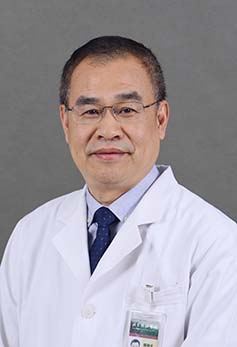 Heyi Zheng (郑和义)合作论文数Peking Union Medical College Hospital16
 Qingli Sun (孙庆利)合作论文数6LinNa Wang (王林娜)合作论文数6
 Guyan Wang (王古岩)合作论文数BEIJING TONGREN HOSPITAL, CMU6
 Qiuning Sun (孙秋宁)合作论文数Peking Union Medical College Hospital5Cheng Shi (石晟)合作论文数4ZhiXin He (何志新)合作论文数4Ge Li (李歌)合作论文数4
 Donglai Ma (马东来)合作论文数Peking Union Medical College Hospital4
 Jia Shi (石佳)合作论文数National Center For Cardiovascular Diseases%_%Fuwai Hospital, CAMS & PUMC4
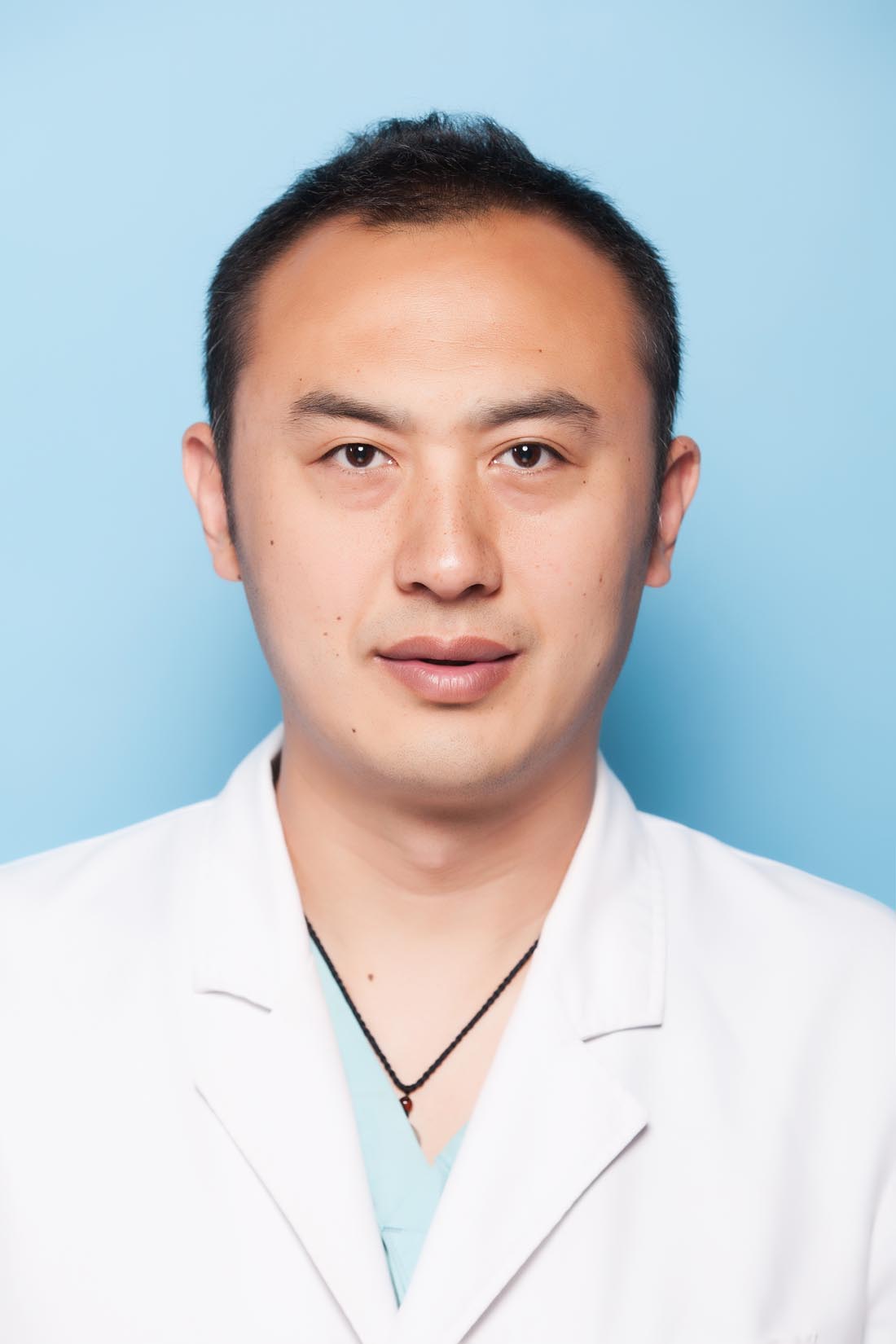 Yuefu Wang (王越夫)合作论文数Beijing Shijitan Hospital, Capital Medical University4
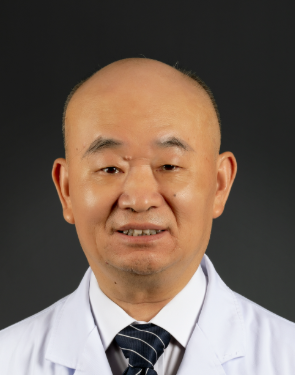 Lihuan Li (李立环)合作论文数Fuwai Shenzhen Hospital, Chinese Academy of Medical Sciences4
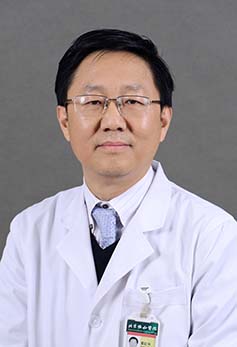 Hongzhong Jin (晋红中)合作论文数Peking Union Medical College Hospital4
 Yagang Zuo (左亚刚)合作论文数Peking Union Medical College Hospital4
 Congya Zhang合作论文数3Dongshuang Li (李东爽)合作论文数3Xinjuan Guo (郭新娟)合作论文数3Wenfeng Zhang (张文凤)合作论文数3Xiaoling Ding (丁小玲)合作论文数3Kai Fang (方凯)合作论文数3
 Renchi Yang (杨仁池)合作论文数Hematology Hospital, Chinese Academy of Medical Sciences;State Key Laboratory of Experimental Hematology3Bingmei Lv (吕冰梅)合作论文数3Wei Li (李玮)合作论文数3Yuxia Xu (徐雨霞)合作论文数3Lijing Yang (杨丽静)合作论文数3Su Yuan (袁素)合作论文数3Chunrong Wang合作论文数2YanLing Shao (邵燕玲)合作论文数2YiNan Li (李轶楠)合作论文数2AiXia He (何爱霞)合作论文数2QingHua Xue (薛庆华)合作论文数2WenJing Xiao (肖文静)合作论文数2XiuRong Liu (刘秀荣)合作论文数2YongXin Liu (刘永鑫)合作论文数2Yan Yan (闫岩)合作论文数2XiaoFeng Wang (王晓峰)合作论文数2Jie Liu (刘洁)合作论文数2
 Zhe Zhang (张喆)合作论文数北京协和医学院阜外医院2Hong Lv合作论文数2
 Shoujun Li (李守军)合作论文数Fuwai Hospital, Chinese Academy of Medical Sciences & Peking Union Medical College2
 YueHua Liu (刘跃华)合作论文数北京燕化医院2
 Baoxi Wang (王宝玺)合作论文数Plastic Surgery Hospital, Chinese Academy of Medical Sciences2
 Shengshou Hu (胡盛寿)合作论文数Fuwai Hospital, Chinese Academy of Medical Sciences2
 Fengchun Zhang (张奉春)合作论文数Peking Union Medical College Hospital2Yan-Ling Mu合作论文数2Sudena WANG (王苏德娜)合作论文数1Duerna Tie合作论文数1yiru guo (郭一如)合作论文数1Guiyu Lei合作论文数1




